Can Pancreatic Enzymes Plus Resolve Gastrointestinal Symptoms in Long COVID and Dysautonomia?
March 6, 2026
Pancreatic EnzymesLong COVIDDysautonomia
Share:
Disclaimer: The information provided here is for educational purposes only and is not intended as medical advice. It should not be used to diagnose, treat, cure, or prevent any medical condition. Instead, use it as a starting point for discussion with your healthcare provider. Always consult with a qualified healthcare provider before starting any new medication, supplement, device, or making changes to your health regimen.
Months or even years after recovering from an initial SARS-CoV-2 infection, many individuals find themselves fighting a new, unpredictable battle. While COVID-19 was initially classified as a respiratory virus, it is now widely recognized as a multi-systemic illness that heavily targets the gastrointestinal (GI) tract. For patients living with Long COVID, myalgic encephalomyelitis/chronic fatigue syndrome (ME/CFS), and dysautonomia, debilitating digestive symptoms—ranging from severe bloating and chronic diarrhea to profound weight loss and malnutrition—are often brushed off as standard irritable bowel syndrome (IBS). However, emerging clinical research suggests a much deeper structural and neurological failure at play: the inability to properly digest and absorb nutrients due to pancreatic and biliary dysfunction.
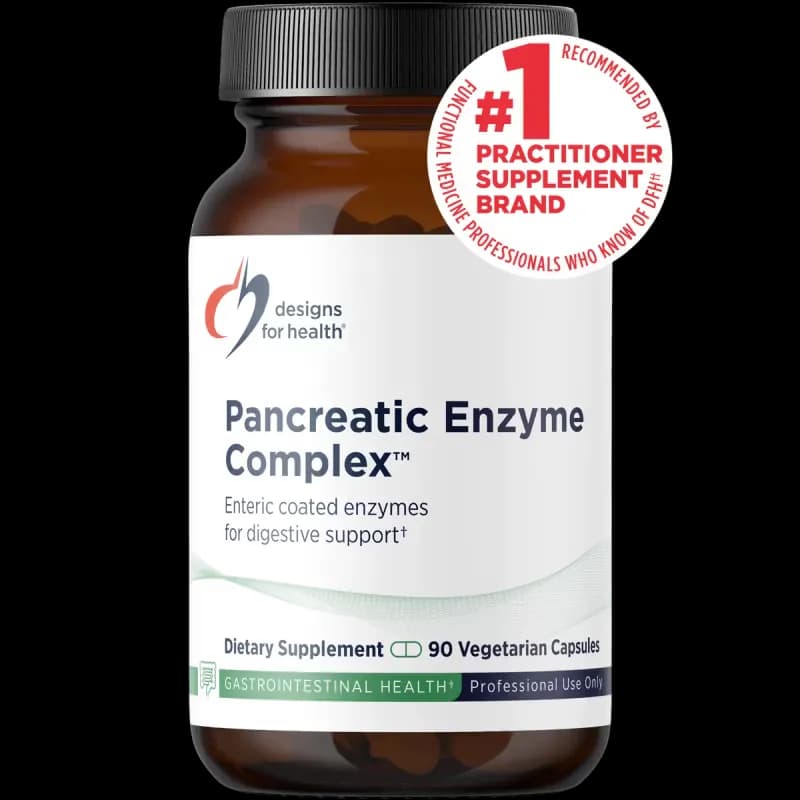
When the autonomic nervous system misfires, or when persistent viral inflammation damages the gut lining, the body's natural digestive cascade is interrupted. This leads to a state of cellular starvation, where no matter how healthy your diet is, your body cannot extract the vital energy (ATP) and fat-soluble vitamins it needs to function. This is where targeted digestive support becomes a critical piece of the chronic illness puzzle. Pancreatic Enzymes Plus by Designs for Health is a comprehensive, biologically matched enzyme blend formulated to replace missing pancreatic enzymes, emulsify dietary fats with ox bile, and soothe GI inflammation with bromelain. In this article, we will explore the complex mechanisms behind post-viral gastrointestinal failure and how restoring your digestive capacity can be a foundational step in managing the complex symptoms of Long COVID and dysautonomia.
TL;DR
Long COVID and dysautonomia can impair pancreatic function, leading to severe digestive issues and nutrient malabsorption.
Pancreatic Enzymes Plus provides essential enzymes and ox bile to support digestion and nutrient absorption.
Bromelain is included to help soothe gastrointestinal inflammation and support systemic recovery.
Targeted enzyme therapy may help manage chronic fatigue by improving cellular energy and nourishment.
What is Pancreatic Enzymes Plus?
The Anatomy of Digestion and Pancreatic Function
To understand how Pancreatic Enzymes Plus works, we must first look at the natural physiological process of digestion in a healthy body. Digestion is not merely the mechanical breakdown of food; it is a highly orchestrated biochemical cascade. When food leaves the highly acidic environment of the stomach and enters the duodenum (the first part of the small intestine), the pancreas is triggered to release a flood of bicarbonate and digestive enzymes. These enzymes are the biological catalysts required to cleave large, complex macronutrients into microscopic, absorbable molecules that can cross the intestinal barrier and enter the bloodstream.
The exocrine pancreas secretes three primary classes of enzymes, all of which are included in the Pancreatic Enzymes Plus formulation in the form of highly concentrated, porcine-derived pancrelipase. First, pancreatic amylase is responsible for hydrolyzing complex carbohydrates and starches into simple sugars like maltose and glucose, which the mitochondria use for immediate energy production. Second, pancreatic protease (including trypsin and chymotrypsin) breaks down tough dietary proteins into individual amino acids and small peptides, which are essential for tissue repair, neurotransmitter synthesis, and immune cell production. Finally, pancreatic lipase is tasked with dismantling triglycerides (dietary fats) into free fatty acids and monoglycerides. Without adequate lipase, the body cannot access essential fatty acids, leading to severe downstream metabolic consequences.
The Role of Ox Bile in Fat Emulsification
While pancreatic lipase is a powerful enzyme, it has a significant limitation: it is water-soluble, whereas dietary fats are not. Because the gastrointestinal tract is a water-based environment, fats tend to clump together into large, impenetrable globules. This is where bile, naturally produced by the liver and stored in the gallbladder, becomes indispensable. Pancreatic Enzymes Plus includes 50 mg of desiccated ox bile, which contains concentrated bovine bile acids (such as cholic acid) that are biologically nearly identical to human bile.
Ox bile acts as a biological detergent. Its molecules are amphipathic, meaning they have both a water-loving (hydrophilic) side and a fat-loving (lipophilic) side. When ox bile is introduced to dietary fats in the small intestine, it rapidly emulsifies the large fat globules, breaking them apart into millions of microscopic droplets called "micelles." Without this micelle formation, the body is entirely incapable of absorbing fat-soluble vitamins (Vitamins A, D, E, and K), which are critical for immune regulation, bone health, and neurological function.
Bromelain's Proteolytic Power
The final key component of this formulation is bromelain (33 GDU), a complex mixture of proteolytic (protein-digesting) enzymes extracted from the stem and fruit of the pineapple plant (Ananas comosus). While pancrelipase requires a strictly alkaline environment to function, bromelain is a highly resilient cysteine protease that operates effectively across a remarkably broad pH range (4.0 to 9.0). This allows bromelain to begin breaking down proteins while still in the acidic environment of the stomach, giving the digestive process a significant head start before the food even reaches the small intestine.
Beyond its role in basic digestion, bromelain possesses profound systemic properties. When absorbed into the bloodstream, it acts as a potent immunomodulator. Clinical studies on bromelain demonstrate its ability to downregulate the NF-κB signaling pathway, which is the master switch for systemic inflammation. By inhibiting the production of pro-inflammatory cytokines like TNF-α and IL-6, bromelain helps soothe the inflamed mucosal lining of the gastrointestinal tract. Additionally, bromelain exhibits strong fibrinolytic activity, meaning it helps break down fibrin, the protein mesh that forms blood clots, which is particularly relevant for patients dealing with the microvascular complications of post-viral illnesses.
How Long COVID and Dysautonomia Impact the Gut and Pancreas
Viral Injury via the ACE2 Receptor
To understand why digestive enzymes are so critical for chronic illness patients, we must examine how conditions like Long COVID fundamentally damage the gastrointestinal system. The SARS-CoV-2 virus enters human cells by binding to the ACE2 (Angiotensin-Converting Enzyme 2) receptor. Unfortunately for the digestive system, ACE2 receptors are heavily expressed in the mucosal lining of the intestines (enterocytes) as well as in the exocrine acinar cells of the pancreas. During an acute infection, the virus directly infiltrates these tissues, causing severe cellular damage, local inflammation, and the leakage of pancreatic enzymes.
In the post-acute phase of the illness, this viral injury can evolve into a condition known as Exocrine Pancreatic Insufficiency (EPI). In EPI, the damaged pancreas fails to produce and secrete adequate amounts of amylase, lipase, and protease. Their bodies simply cannot break down the food they eat, leading to chronic diarrhea, steatorrhea (pale, greasy, foul-smelling stools), and unintentional weight loss. This state of maldigestion creates a vicious cycle: the body is desperately trying to heal from a viral injury, but it is simultaneously starving at a cellular level because it cannot extract amino acids and fatty acids from the diet.
Dysautonomia, The Vagus Nerve, and Pancreatic Failure
The connection between the pancreas and chronic illness deepens significantly when we introduce dysautonomia, a dysfunction of the autonomic nervous system (ANS) that is incredibly common in Long COVID and ME/CFS. The release of pancreatic digestive enzymes is not just a chemical reaction; it is heavily controlled by the brain via the vagus nerve. The vagus nerve acts as the primary communication highway between the parasympathetic nervous system (the "rest and digest" state) and the gut, controlling everything from stomach acid secretion to the contraction of the gallbladder and the release of pancreatic juices.
In conditions like Postural Orthostatic Tachycardia Syndrome (POTS), the autonomic nervous system is trapped in a state of sympathetic overdrive ("fight or flight"), and vagal tone is severely impaired. A 2021 study in the Turkish Journal of Gastroenterology demonstrated a direct, statistically significant correlation between the severity of autonomic neuropathy and low fecal elastase-1 levels (the primary diagnostic marker for EPI). In these patients, the pancreas may be structurally healthy, but the brain fails to send the signal to release enzymes when food enters the stomach. This neurologically induced malabsorption drastically compounds the severe fatigue and physical weakness characteristic of ME/CFS, as the mitochondria are deprived of the raw materials needed to generate ATP.
Microbiome Dysbiosis and Bile Acid Depletion
Furthermore, Long COVID and ME/CFS are characterized by profound disruptions to the gut microbiome. In a healthy gut, beneficial bacteria convert primary bile acids (produced by the liver) into secondary bile acids. These secondary bile acids are crucial immunomodulatory metabolites that interact with specific cellular receptors (like FXR and TGR5) to maintain immune homeostasis and suppress inflammation along the gut-brain axis.
When a viral infection wipes out these beneficial bacteria, patients experience a marked decrease in secondary bile acids. This not only fuels systemic neuroinflammation (often experienced as brain fog) but also leads to sluggish bile flow and fat malabsorption. Additionally, the altered motility caused by dysautonomia frequently triggers Small Intestinal Bacterial Overgrowth (SIBO). The overgrown bacteria in the small intestine prematurely deconjugate (break apart) whatever bile salts are present, rendering them useless for fat emulsification. This perfect storm of pancreatic failure, vagus nerve dysfunction, and bile acid depletion leaves chronic illness patients uniquely vulnerable to severe gastrointestinal distress. If you are curious about how these symptoms manifest, you can learn more about the gastrointestinal symptoms seen with Long COVID.
Pancreatic Enzymes Plus: Supporting Digestion and Nutrient Absorption
Restoring the Enzymatic Cascade with Pancrelipase
When the body's endogenous (internal) production of digestive enzymes fails due to viral injury or autonomic dysfunction, exogenous supplementation becomes a vital therapeutic intervention. Pancreatic Enzymes Plus acts as a direct replacement therapy, stepping in to perform the chemical hydrolysis that the compromised pancreas cannot. By delivering a highly concentrated dose of pancrelipase (providing 33,333 USP of protease and amylase, and 8,000 USP of lipase), this supplement ensures that macronutrients are properly dismantled in the duodenal lumen.
At a cellular level, this restoration of the enzymatic cascade is transformative for patients with ME/CFS and Long COVID. When carbohydrates are successfully broken down into glucose, and fats into free fatty acids, these molecules can finally be transported into the cells and shuttled into the mitochondria. Inside the mitochondria, they enter the Krebs cycle and the electron transport chain to produce adenosine triphosphate (ATP), the energy currency of the cell. By resolving the underlying malabsorption, Pancrelipase effectively removes the metabolic roadblock that contributes to the profound, crushing fatigue seen in these conditions. Patients transition from a state of cellular starvation to a state of cellular nourishment.
Ox Bile for Fat-Soluble Vitamin Absorption
The inclusion of 50 mg of desiccated ox bile in this formulation specifically targets the severe fat malabsorption and steatorrhea that plague many dysautonomia patients. When vagus nerve dysfunction prevents the gallbladder from contracting properly, dietary fats pass through the digestive tract untouched, causing severe bloating, cramping, and osmotic diarrhea. By introducing exogenous ox bile simultaneously with meals, the supplement artificially restores the emulsification process.
This mechanism is critical not just for digestive comfort, but for systemic immune recovery. The microscopic micelles formed by the ox bile allow the intestinal enterocytes to absorb fat-soluble vitamins. Vitamin D is essential for regulating the immune system and may help prevent autoimmune exacerbations; Vitamin A is required for maintaining the integrity of the mucosal barriers in the gut and lungs; and Vitamin K is vital for proper blood clotting and cardiovascular health. By ensuring these vitamins are actually absorbed rather than excreted, ox bile acts as a foundational support for the body's broader healing processes.
Bromelain's Role in Spike Protein Degradation and Inflammation
Perhaps the most fascinating aspect of Pancreatic Enzymes Plus for the Long COVID community is the inclusion of bromelain. While its primary role in this formula is to assist in protein digestion, recent research has uncovered bromelain's remarkable potential in addressing the root causes of post-viral illness. Long COVID is increasingly believed to be driven by the persistence of viral "spike proteins" hiding in the body's tissues, triggering chronic immune activation and the formation of microscopic blood clots.
According to groundbreaking research published in Frontiers in Immunology, bromelain possesses the unique ability to actively cleave the SARS-CoV-2 spike protein. It hydrolyzes the "glycosidic shield" (the protective sugar coating) that the virus uses to evade the immune system, and reduces the expression of ACE2 receptors on human cells, effectively blocking the protein's ability to bind to and irritate tissues. Furthermore, bromelain's potent fibrinolytic properties help degrade the fibrin-resistant microthrombi (microclots) that impair blood perfusion and oxygenation in Long COVID patients. By combining the digestive power of pancrelipase with the spike-degrading, anti-inflammatory, and clot-dissolving properties of bromelain, this supplement offers a multi-targeted approach to gastrointestinal and systemic recovery.

Symptoms Pancreatic Enzymes Plus May Help Manage
Targeting Gastrointestinal Distress
Steatorrhea (Fatty Stools): Characterized by pale, greasy, floating, or foul-smelling stools, steatorrhea is a direct result of fat malabsorption. The high-dose pancreatic lipase and ox bile in this formula work synergistically to emulsify and hydrolyze dietary fats, allowing them to be absorbed rather than excreted, thereby normalizing bowel movements.
Post-Prandial Bloating and Gas: When carbohydrates and proteins are not properly broken down in the small intestine, they travel to the colon where they are fermented by bacteria, producing excessive gas. The amylase and protease in Pancreatic Enzymes Plus ensure these macronutrients are digested early in the GI tract, starving the fermenting bacteria and significantly reducing severe bloating.
Chronic Diarrhea and GI Motility Issues: Undigested food particles create an osmotic gradient in the intestines, drawing water into the bowel and causing chronic, urgent diarrhea. By breaking down these particles into absorbable molecules, the supplement helps restore normal stool consistency and transit time, which is especially helpful for patients dealing with dysautonomia-induced rapid gastric emptying.
Mast Cell Activation Syndrome (MCAS) GI Swelling: MCAS can cause severe inflammation and "leaky" blood vessels in the gut lining. Bromelain acts as a mast cell stabilizer, helping to prevent these immune cells from degranulating and releasing histamine, thereby reducing the painful vascular permeability and tissue swelling in the abdomen.
Addressing Systemic Nutritional Deficits
Profound Fatigue and Energy Deficits: In ME/CFS and Long COVID, much of the debilitating fatigue can be traced back to cellular starvation. By replacing the missing pancreatic enzymes, this supplement ensures that the mitochondria receive the glucose and amino acids required to synthesize ATP, helping to raise the patient's baseline energy levels and combat post-exertional malaise.
Brain Fog and Cognitive Dysfunction: The brain requires a massive amount of energy and healthy fats to function. By resolving fat malabsorption with ox bile, the body can successfully absorb essential fatty acids (like Omega-3s) and fat-soluble vitamins, which are critical for reducing neuroinflammation and supporting myelin sheath integrity in the nervous system.
Unintentional Weight Loss and Muscle Wasting: Exocrine Pancreatic Insufficiency often leads to severe, unexplained weight loss as the body begins catabolizing its own muscle tissue for energy. The high-potency protease in this blend ensures that dietary proteins are cleaved into amino acids, halting muscle wasting and providing the building blocks necessary for tissue repair and immune cell regeneration.
Practical Considerations: Forms, Dosing, and Absorption
The Critical Importance of Enteric Coating
When considering pancreatic enzyme replacement therapy (PERT), the physical formulation of the capsule is just as important as the ingredients inside it. The primary challenge in administering oral pancreatic enzymes is their severe vulnerability to stomach acid. In a healthy digestive system, the pancreas secretes bicarbonate to neutralize stomach acid as food enters the duodenum. However, in patients with pancreatic insufficiency, this bicarbonate secretion is often impaired. If unprotected enzymes are ingested, the highly acidic gastric environment (pH < 4.0) rapidly and irreversibly denatures them, rendering them completely useless before they ever reach the small intestine.
To overcome this physiological hurdle, Pancreatic Enzymes Plus utilizes a specialized enteric coating. This is a pH-sensitive polymer barrier applied to the enzyme formulation. Once the capsule empties into the duodenum and the environment becomes more alkaline (pH ≥ 5.5), the coating rapidly dissolves, releasing the active enzymes exactly where they are needed to catalyze the hydrolysis of macronutrients. Because of this targeted delivery system, these capsules must be swallowed whole; crushing or chewing them will destroy the enteric coating and inactivate the enzymes.
Optimal Dosing Strategies and Timing
For pancreatic enzymes to be effective, their timing must perfectly mimic the body's natural digestive rhythm. The suggested use for Pancreatic Enzymes Plus is to take 1 capsule 2 to 3 times per day with meals, specifically targeting meals that contain significant amounts of protein and dietary fat (such as breakfast, lunch, and dinner). Taking the supplement on an empty stomach or hours after a meal will yield no clinical benefit, as the enzymes require physical contact with the food (chyme) to perform their digestive functions.
In clinical practice, the dosage of pancrelipase is strictly calculated based on the lipase component and the fat content of the meal. While the standard dose is one capsule per meal, practitioners may titrate the dosage upwards for patients with severe, medically diagnosed Exocrine Pancreatic Insufficiency, monitoring the resolution of steatorrhea (fatty stools) as the primary indicator of success. It is also important to note that because bromelain is included in this formula, patients may experience systemic anti-inflammatory benefits in addition to localized digestive support.
Potential Interactions and Contraindications
While Pancreatic Enzymes Plus is generally very well tolerated, there are specific clinical considerations to keep in mind. Because the pancrelipase is porcine-derived (extracted from pigs), it is contraindicated for individuals with severe pork allergies or those who strictly avoid pork products for religious or dietary reasons. Additionally, the high purine content in porcine extracts means that exceptionally high doses could theoretically increase uric acid levels, which should be monitored in patients with a history of severe gout.
Furthermore, patients with a specific condition known as Bile Acid Malabsorption (BAM) should exercise caution. In BAM, the body produces enough bile, but due to inflammation in the lower intestine, the bile is not reabsorbed and spills into the colon, causing chronic watery diarrhea. Because this supplement contains ox bile, it could potentially exacerbate symptoms in patients with BAM. However, for the vast majority of chronic illness patients dealing with sluggish gallbladder function, vagus nerve impairment, or EPI, the ox bile provides essential, life-changing support for fat emulsification. As always, it is crucial to discuss these nuances with a healthcare provider to ensure the supplement aligns with your specific gastrointestinal pathology.

Follow the Science
Clinical Efficacy of Pancreatic Enzyme Replacement Therapy (PERT)
The use of exogenous pancreatic enzymes to help manage malabsorption is one of the most well-documented interventions in gastroenterology. The gold standard for evaluating the efficacy of pancrelipase in clinical trials is the Coefficient of Fat Absorption (CFA), which measures the percentage of ingested fat that is successfully absorbed by the body. In healthy individuals, the CFA is typically above 93%. In patients with Exocrine Pancreatic Insufficiency (EPI), this number plummets, leading to severe malnutrition.
Clinical research on pancreatic enzyme replacement therapy confirms that when the pancreas fails—whether due to chronic pancreatitis, cystic fibrosis, or post-viral autonomic damage—enteric-coated exogenous enzymes can successfully take over the burden of digestion, allowing the body to absorb the macronutrients required for survival and recovery.
Emerging Data on Bromelain and Post-Viral Illness
While pancrelipase handles the bulk of macronutrient digestion, the scientific community is increasingly focused on the unique properties of bromelain, particularly in the context of Long COVID and chronic inflammation. Bromelain is a complex of cysteine proteases that has been utilized for decades to help manage inflammatory conditions and physical trauma. However, recent in vitro and in vivo studies have highlighted its specific antiviral and fibrinolytic capabilities.
A landmark 2023 study published in Frontiers in Immunology investigated the effects of bromelain (often paired with acetylcysteine) on the SARS-CoV-2 virus. The researchers found that bromelain exerts a "robust anti-inflammatory effect," directly taming the virus-mediated cytokine storm by downregulating NF-κB signaling. More importantly, the study demonstrated that bromelain actively cleaves the viral spike protein, dismantling the structural components the virus uses to bind to human ACE2 receptors. Additionally, clinical research highlighted by the National Institutes of Health confirms bromelain's ability to dissolve fibrin-resistant microthrombi, making it a highly compelling therapeutic agent for patients suffering from the microvascular clotting and endothelial damage characteristic of Long COVID.
The Dysautonomia and Exocrine Pancreatic Insufficiency Link
The intersection of autonomic nervous system failure and gastrointestinal dysfunction is a rapidly expanding area of medical research. For years, patients with ME/CFS and POTS have reported debilitating GI symptoms that were often dismissed as functional or stress-related. However, modern clinical data validates these patient experiences, proving that dysautonomia directly impairs the physical organs of digestion.
A critical study published in the Turkish Journal of Gastroenterology examined patients with cardiac autonomic neuropathy (a severe form of dysautonomia) and found a direct, statistically significant correlation ($P = .001$) between the degree of autonomic failure and the presence of Exocrine Pancreatic Insufficiency. The researchers concluded that autonomic neuropathy actively disrupts the enteropancreatic reflexes via the vagus nerve, causing the pancreas to fail to release enzymes even when it is structurally intact. This research underscores why simply eating a healthy diet is not enough for many chronic illness patients; without interventions like Pancreatic Enzymes Plus to bypass the neurological failure, the body remains entirely incapable of extracting the energy it desperately needs. If you are navigating these complex overlapping conditions, understanding how a doctor diagnoses Long COVID and its associated dysautonomias is a crucial first step toward targeted management.
The Path Forward
Validating the Gastrointestinal Reality of Chronic Illness
Living with a complex chronic illness like Long COVID, ME/CFS, or dysautonomia is an exhausting, full-body experience. When debilitating gastrointestinal symptoms are added to the mix—when eating becomes a source of pain, bloating, and unpredictable bowel movements—it can feel incredibly isolating. For too long, the medical system has treated the gut and the brain as entirely separate entities, often dismissing severe post-viral digestive issues as simple anxiety or IBS. But your symptoms are real, they are physiologically grounded, and they are deeply connected to the autonomic and inflammatory dysfunction driving your illness. Validating this reality is the first step toward reclaiming your quality of life.
Discovering that your profound fatigue and weakness might be partially rooted in cellular starvation and pancreatic insufficiency is often a lightbulb moment for patients. It shifts the narrative from "I just need to push harder" to "My body needs structural support to absorb its fuel." By understanding the mechanisms of the vagus nerve, the ACE2 receptor, and the enzymatic cascade, you are empowering yourself with the knowledge needed to advocate for comprehensive, root-cause medical care. You don't have to accept malabsorption and steatorrhea as permanent fixtures of your life.
Integrating Enzymes into a Comprehensive Care Plan
While Pancreatic Enzymes Plus is a powerful tool for restoring digestion and nutrient absorption, it is important to remember that it is just one piece of a broader management strategy. True recovery from complex chronic conditions requires a multi-disciplinary approach. This includes strict symptom tracking to identify specific food triggers, aggressive pacing to manage post-exertional malaise (PEM), and working closely with a dysautonomia-literate healthcare provider to address the underlying autonomic nervous system failure. Supplements are designed to support and stabilize your physiology, giving your body the foundational energy and nutrients it needs to engage in deeper healing processes.
If you are struggling with unexplained weight loss, chronic diarrhea, severe bloating, or the crushing fatigue that comes from malabsorption, targeted enzyme therapy may be the missing link in your protocol. By replacing the missing pancreatic enzymes, emulsifying fats with ox bile, and soothing inflammation with bromelain, you can begin to transition your body out of a state of starvation and back into a state of nourishment. Explore Pancreatic Enzymes Plus to learn more about how this comprehensive formulation can support your gastrointestinal health. As always, please consult with your healthcare provider before starting any new supplement regimen, especially if you have a history of complex gastrointestinal or autonomic conditions.