Can OrthoMune Support Immune Function and Respiratory Health in Long COVID and MCAS?
March 6, 2026
OrthoMuneLong COVIDMCAS
Share:
Disclaimer: The information provided here is for educational purposes only and is not intended as medical advice. It should not be used to diagnose, treat, cure, or prevent any medical condition. Instead, use it as a starting point for discussion with your healthcare provider. Always consult with a qualified healthcare provider before starting any new medication, supplement, device, or making changes to your health regimen.
Months after recovering from the initial SARS-CoV-2 infection, many people still fight debilitating symptoms with what we call Long COVID. But what is it that allows some people to recover within a couple of weeks while others suffer from long-term symptoms for months or even years? For individuals living with complex, chronic conditions like Long COVID, myalgic encephalomyelitis/chronic fatigue syndrome (ME/CFS), dysautonomia, and mast cell activation syndrome (MCAS), the search for answers can be exhausting and deeply frustrating. You may find yourself dealing with unpredictable crashes, severe brain fog, and a body that feels like it is constantly fighting an invisible battle. This persistent state of illness is not a failure of willpower; it is a profound physiological disruption driven by immune dysregulation, chronic inflammation, and cellular energy failure.
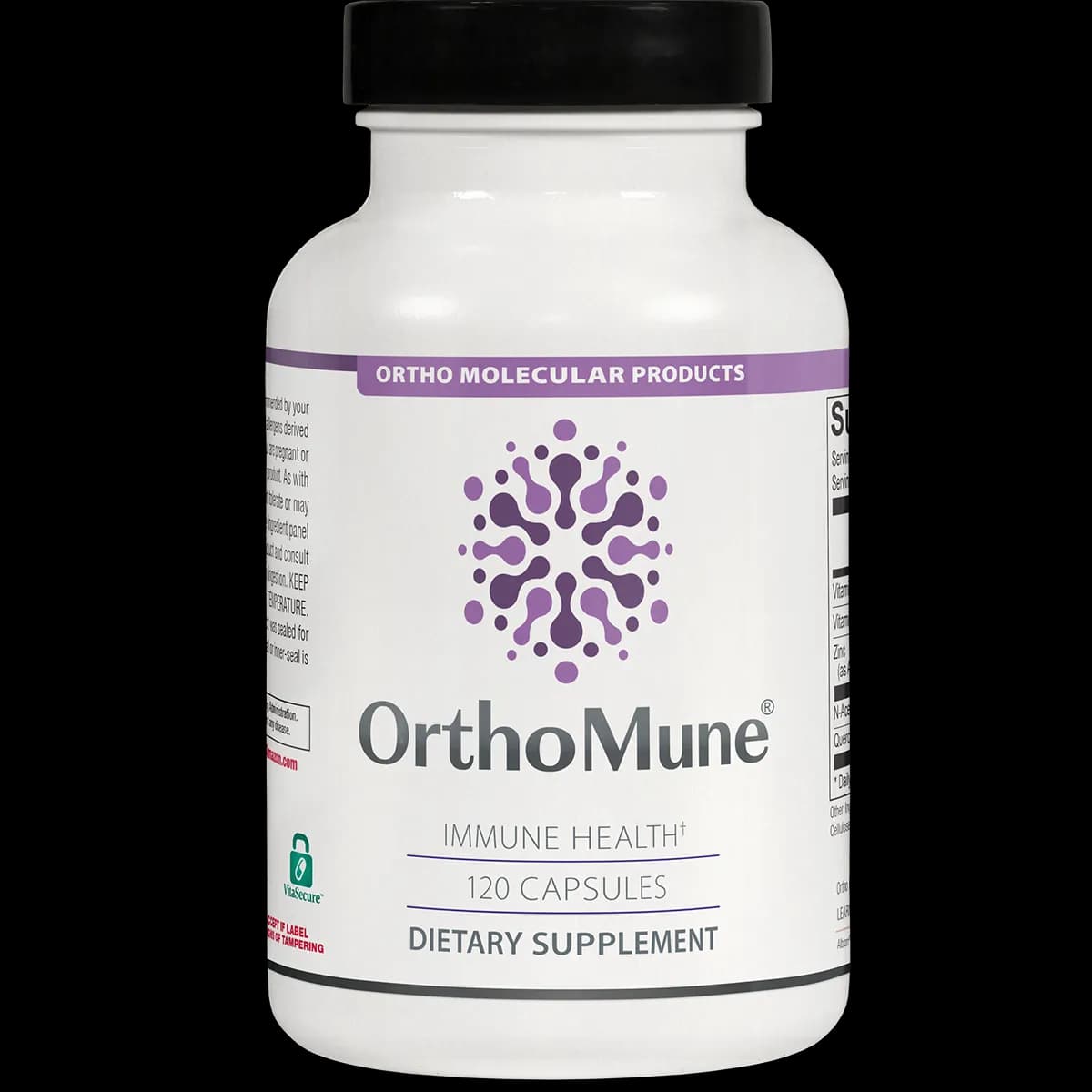
In the wake of the COVID-19 pandemic, a new health concern has emerged: the realization that viral infections can leave a lasting, destructive imprint on the immune system. This condition, characterized by lingering symptoms long after the acute phase of the virus, has left many searching for targeted, science-backed support. One area of intense clinical focus is the restoration of the body's immune reserves and antioxidant defenses. OrthoMune® is a targeted blend of nutrients designed to provide broad-spectrum support for these exact pathways. By combining the synergistic power of quercetin, vitamin C, N-acetyl cysteine (NAC), vitamin D, and zinc, this formula aims to promote healthy respiratory function, stabilize hyperactive immune cells, and rebuild the robust immune reserve necessary for recovery. In this comprehensive guide, we will explore the deep cellular mechanisms behind these ingredients and how they may help manage the complex symptoms of post-viral illness.
TL;DR
OrthoMune combines quercetin, vitamin C, NAC, vitamin D, and zinc to support immune and respiratory function.
These nutrients may help manage oxidative stress and support cellular energy in complex chronic conditions.
Quercetin and vitamin C work synergistically to support mast cell stability and antioxidant defenses.
Always consult your healthcare provider before starting new supplements, especially if taking prescription medications.
What is OrthoMune and Its Key Nutrients?
The Foundation of Immune Resilience
The human immune system is an incredibly complex network of cells, tissues, and signaling molecules that must maintain a delicate balance between aggressively attacking foreign pathogens and peacefully tolerating the body's own tissues. In a healthy body, this balance is sustained by a continuous supply of specific micronutrients that act as cofactors, structural components, and signaling triggers for immune cells. When the body is subjected to a severe stressor—such as a viral infection—the metabolic demand for these nutrients skyrockets. If the body's reserves are depleted, the immune system can become dysregulated, leading to chronic inflammation or a failure to clear viral debris. OrthoMune is specifically formulated to replenish these critical reserves, providing a foundation of immune resilience through five meticulously selected compounds.
The Synergistic Power of Quercetin and Vitamin C
Quercetin dihydrate is a powerful bioflavonoid, a type of plant pigment found abundantly in foods like apples, onions, and berries. At the molecular level, quercetin is a potent antioxidant and an immunomodulator. It functions by actively scavenging reactive oxygen species (ROS)—unstable molecules that cause cellular damage—and neutralizing them before they can harm tissue. Furthermore, quercetin is widely recognized in clinical research as a natural mast cell stabilizer. It physically interferes with intracellular signaling pathways, specifically blocking the calcium ($Ca^{2+}$) influx required for mast cells to burst and release inflammatory mediators like histamine. By binding to inhibitory receptors on the surface of immune cells, quercetin acts as a crucial "brake" on systemic inflammation.
However, quercetin has a biological limitation: when it neutralizes a free radical, it becomes oxidized and loses its antioxidant capacity. This is where Vitamin C (ascorbic acid) becomes essential. Vitamin C is a highly effective water-soluble antioxidant that circulates in the blood and intracellular fluid. Its primary role in this synergistic pairing is to act as an electron donor. Vitamin C actively "recycles" oxidized quercetin, donating an electron to restore quercetin back to its active, parent compound. This biochemical recycling significantly extends the lifespan and efficacy of quercetin within the body. Additionally, Vitamin C is heavily concentrated in macrophages and lymphocytes, where it protects these immune cells from the toxic oxidative byproducts they generate while destroying pathogens.
The Role of NAC, Vitamin D, and Zinc
N-Acetyl-L-Cysteine (NAC) is a modified, highly stable form of the amino acid L-cysteine. In a healthy body, NAC serves as a direct precursor to glutathione, the body's master intracellular antioxidant. Glutathione is absolutely critical for neutralizing severe oxidative stress and protecting the mitochondria (the energy-producing powerhouses of the cell) from damage. Beyond its role in glutathione synthesis, NAC possesses unique mucolytic properties. It contains a sulfhydryl group that physically cleaves the disulfide bonds in complex mucus glycoproteins. This action breaks down thick, viscous mucus in the respiratory tract, making it easier for the lungs to clear congestion and maintain healthy respiratory function.
Vitamin D3 (cholecalciferol) acts more like a steroid hormone than a traditional vitamin. It binds to the Vitamin D Receptor (VDR), which is expressed on the surface of almost all immune cells, including T cells, B cells, and macrophages. By binding to these receptors, Vitamin D directly alters gene expression, promoting the production of antimicrobial peptides and suppressing the release of pro-inflammatory cytokines. It is a master regulator of the Th1/Th2 immune balance, helping to keep the immune system from becoming overly aggressive and attacking the body's own tissues. Furthermore, Vitamin D is essential for maintaining the integrity of epithelial tight junctions in the respiratory tract, creating a strong physical barrier against invading pathogens.
Finally, Zinc (as zinc bisglycinate chelate) is the second most abundant trace mineral in the human body, serving as a structural component for over 300 different enzymes. Zinc is fundamentally required for the development, maturation, and optimal function of innate and adaptive immune cells. At a cellular level, intracellular zinc acts as a potent inhibitor of viral replication. It specifically binds to and inhibits the RNA-dependent RNA polymerase enzyme, which many respiratory viruses use to copy their genetic material inside host cells. By combining zinc with quercetin—which acts as a "zinc ionophore" to actively transport zinc across the cell membrane—the body is provided with a highly targeted defense mechanism against intracellular pathogens.
How Long COVID and MCAS Impact Immune and Respiratory Function
The Vicious Cycle of Oxidative Stress
To understand why the nutrients in OrthoMune are so critical, we must first examine how chronic illnesses like Long COVID and ME/CFS disrupt the body's natural equilibrium. Research indicates that these conditions are heavily characterized by a state of persistent, severe oxidative stress. During an acute viral infection, the immune system generates massive amounts of reactive oxygen species (ROS) as a weapon to destroy the virus. However, in Long COVID, this oxidative fire is never fully extinguished. The sustained immune activation places an immense metabolic demand on the body, rapidly depleting its reserves of glutathione, the master antioxidant. Without enough glutathione to neutralize the ongoing ROS production, a cascading failure known as the mitochondrial-peroxisomal vicious cycle begins.
In this vicious cycle, unchecked free radicals cause severe oxidative damage to the lipid membranes of the mitochondria. Damaged mitochondria fail to produce adequate adenosine triphosphate (ATP), the fundamental currency of cellular energy. When ATP production plummets, patients experience the profound, debilitating physical and cognitive fatigue that is the hallmark of ME/CFS and Long COVID. Furthermore, when cells cannot produce energy aerobically, they switch to anaerobic glycolysis, producing excess lactate that poisons the cellular environment and triggers post-exertional malaise (PEM). This energy crisis is not merely "tiredness"; it is a systemic failure of cellular respiration driven by the depletion of the exact antioxidant pathways that NAC and Vitamin C are designed to support.
Mast Cell Hyperactivation and Histamine Release
Another major consequence of post-viral immune dysregulation is the inappropriate activation of mast cells. Mast cells are specialized white blood cells that reside in all vascularized tissues, particularly in the skin, gut, and respiratory tract. They act as the body's first responders, packed with granules containing potent chemical mediators like histamine, tryptase, and pro-inflammatory cytokines. In a healthy body, mast cells only degranulate (burst and release their contents) when they encounter a genuine threat, such as a parasite or a severe allergen. However, in mast cell activation syndrome (MCAS), these cells become highly unstable and hyper-reactive, degranulating in response to minor or normal stimuli like temperature changes, stress, or specific foods.
In Long COVID, the persistent presence of viral spike proteins and chronic oxidative stress can directly trigger this mast cell hyperactivation. When mast cells constantly degranulate, they flood the bloodstream with histamine and cytokines, causing widespread systemic inflammation. This leads to a chaotic array of symptoms, including sudden drops in blood pressure, tachycardia, severe brain fog, gastrointestinal distress, and unprovoked allergic reactions. The constant influx of intracellular calcium required for this degranulation process is a primary target for natural mast cell stabilizers like quercetin, which seek to interrupt this chaotic signaling and restore cellular calm.
Viral Persistence and Autoimmunity
Beyond oxidative stress and mast cell activation, researchers increasingly view Long COVID as a condition driven by autoimmunity and immune dysregulation. SARS-CoV-2 can trigger the immune system to mistakenly attack the host's own tissues through a mechanism known as molecular mimicry. Because parts of the virus structurally resemble human proteins, the antibodies created to fight the virus can cross-react and bind to healthy human cells. Studies have found high levels of autoantibodies in Long COVID patients targeting various tissues, particularly G-protein coupled receptors that regulate the autonomic nervous system.
The presence of these specific autoantibodies disrupts the autonomic nervous system, leading directly to hallmark Long COVID symptoms such as Postural Orthostatic Tachycardia Syndrome (POTS) and dysautonomia. Furthermore, this chronic autoimmune signaling is heavily influenced by deficiencies in key immunomodulators. For example, a 2024 retrospective study found that a staggering 68% of outpatients experiencing Long COVID had a clinical Vitamin D deficiency. Without adequate Vitamin D and Zinc to regulate T-cell function and suppress pro-inflammatory cytokines, the immune system remains locked in a hyperactive, autoimmune state, perpetuating the cycle of chronic illness.
OrthoMune: Supporting Immune Reserves and Cellular Defense
Restoring Glutathione and Neutralizing Free Radicals
OrthoMune is designed to intervene directly in the pathological pathways that drive Long COVID and ME/CFS. At the forefront of this intervention is the restoration of the body's antioxidant defenses. By providing a high dose of N-Acetyl-L-Cysteine (NAC), the supplement delivers the rate-limiting precursor required for the body to synthesize glutathione. NAC readily crosses cell membranes and the blood-brain barrier, spurring in situ synthesis of glutathione exactly where it is needed most. By replenishing these depleted reserves, NAC helps to neutralize the rampant reactive oxygen species (ROS) that are damaging the mitochondria. This intervention stops the progressive oxidative damage, allowing the mitochondria to repair their lipid membranes and resume normal ATP (cellular energy) production.
Simultaneously, quercetin and Vitamin C work in tandem to neutralize free radicals in the extracellular fluid and bloodstream. Quercetin activates the Nrf2–ARE pathway, a critical genetic sequence that boosts the body's endogenous antioxidant capacity. By binding to free radicals and preventing them from triggering the NF-κB inflammatory cascade, quercetin suppresses the release of pro-inflammatory cytokines like IL-6 and TNF-alpha. Vitamin C ensures that this defense remains robust by continuously recycling oxidized quercetin, creating a sustained antioxidant shield that protects tissues from the chronic inflammation responsible for ongoing symptoms like brain fog and severe fatigue.
Stabilizing Mast Cells at the Molecular Level
For patients dealing with MCAS or histamine intolerance, the quercetin in OrthoMune offers a targeted, mechanistic approach to symptom management. Quercetin does not just mask the symptoms of histamine release like an over-the-counter antihistamine; it works at a cellular level to support mast cell stability. Advanced pharmacological studies, such as those profiling phytocannabinoids in Cannabis spp. varieties via SPME-LC-MS analysis, highlight the complex interactions of plant compounds in vivo, while quercetin is generally recognized for its potential to act as a "brake" on immune activation.
Furthermore, quercetin physically interferes with intracellular signaling pathways, blocking the calcium ($Ca^{2+}$) influx required for the mast cell to burst. By preventing degranulation, quercetin comprehensively blocks the synthesis and release of multiple mast cell mediators, including histamine, tryptase, and prostaglandins. This stabilization protects connective tissue and fascia from degradation by tryptase, reduces systemic allergic responses, and helps keep inflammatory mediators from crossing the blood-brain barrier. This mechanism is crucial for alleviating the neurological "brain fog" and gastrointestinal distress commonly seen in MCAS and post-viral conditions.
Halting Viral Replication and Regulating Immunity
The combination of zinc and quercetin in OrthoMune provides a highly specific defense against intracellular pathogens and viral persistence. Zinc is a potent inhibitor of viral RNA-dependent RNA polymerase, the enzyme that respiratory viruses use to replicate. However, zinc cannot easily cross the cellular membrane on its own. Quercetin acts as a "zinc ionophore"—a compound that actively transports zinc across the lipid bilayer and into the intracellular space. By pairing 25 mg of highly bioavailable zinc bisglycinate chelate with quercetin, this formulation directly utilizes this synergistic cellular mechanism to halt viral replication and clear persistent viral debris.
Finally, Vitamin D3 plays a pivotal role in regulating the broader immune response and preventing autoimmunity. By binding to the Vitamin D receptor on T-cells and B-cells, it modulates the Th1/Th2 immune balance. This modulation ensures that the immune system remains capable of fighting off genuine threats without hyper-reacting and attacking the body's own tissues. Vitamin D suppresses the production of inflammatory cytokines like IL-6, which are often chronically elevated in Long COVID patients. Together, these five ingredients provide a comprehensive, multi-targeted approach to restoring immune homeostasis, repairing cellular energy pathways, and stabilizing hyperactive immune responses.

Symptoms OrthoMune May Help Manage
Targeted Relief for Complex Conditions
Because the ingredients in OrthoMune target fundamental cellular processes—such as mitochondrial energy production, antioxidant defense, and mast cell stability—they may help manage a wide array of symptoms associated with complex chronic illnesses. While supplements are not a cure, supporting these underlying physiological pathways can significantly improve quality of life. Here are the specific symptoms that the nutrients in OrthoMune may help alleviate:
Respiratory and Systemic Benefits
Brain Fog and Cognitive Fatigue: By crossing the blood-brain barrier and restoring central nervous system glutathione levels, NAC helps reduce neuroinflammation and oxidative stress in the brain, potentially improving clarity, focus, and cognitive stamina.
Post-Exertional Malaise (PEM) and Severe Fatigue: By neutralizing the free radicals that damage mitochondrial membranes, NAC and Vitamin C support the recovery of cellular ATP production, helping to raise the baseline energy envelope and reduce the severity of crashes.
Shortness of Breath and Mucus Congestion: The mucolytic properties of NAC physically break the disulfide bonds in thick respiratory mucus, making it easier to clear the airways and promoting healthy, unobstructed respiratory function.
MCAS Flares and Allergic Responses: Quercetin acts as a potent mast cell stabilizer, blocking the calcium influx required for degranulation. This prevents the release of histamine and tryptase, helping to manage sudden hives, flushing, gastrointestinal distress, and unprovoked allergic reactions.
Microclots and Endothelial Dysfunction: Chronic oxidative stress damages the blood vessel linings (endothelium), promoting the release of clotting factors like von Willebrand Factor (vWF). NAC exhibits unique properties that break disulfide bonds in these clotting factors, potentially helping to normalize microvascular blood flow and improve tissue oxygenation.
Frequent Infections and Immune Exhaustion: The combination of Vitamin D and Zinc provides the essential structural components and signaling molecules required for the rapid maturation and deployment of T-cells and macrophages, rebuilding a robust immune reserve against opportunistic infections.
Practical Considerations: Forms, Dosing, and Absorption
Maximizing Bioavailability and Synergy
When considering supplementation for complex chronic conditions, the form and bioavailability of the nutrients are just as important as the dosage. A noted limitation of raw quercetin is its relatively poor intestinal absorption. Only a small percentage of standard quercetin typically makes it into the bloodstream. However, OrthoMune addresses this by providing quercetin dihydrate in a targeted clinical dose, specifically paired with Vitamin C. The presence of Vitamin C in the digestive tract and bloodstream protects quercetin from rapid oxidation, significantly enhancing its functional half-life and ensuring it reaches the tissues where it is needed to stabilize mast cells.
Similarly, the form of zinc used in OrthoMune is highly optimized for absorption. It utilizes zinc bisglycinate chelate (specifically the TRAACS™ Albion® form). In this form, the zinc molecule is chemically bound to two molecules of the amino acid glycine. This chelation process protects the zinc from binding to dietary inhibitors (like phytates found in grains and legumes) in the digestive tract. As a result, zinc bisglycinate is highly bioavailable, easily crossing the intestinal wall intact and delivering the mineral directly into the bloodstream without causing the severe nausea often associated with cheaper forms like zinc oxide or zinc sulfate.
Dosing Strategies and Timing
The suggested use for OrthoMune is 2 capsules a day, or as recommended by your health care professional. Because water-soluble nutrients like Vitamin C and NAC have relatively short half-lives in the body, some practitioners recommend splitting the dose—taking one capsule in the morning and one in the afternoon—to maintain a steady state of antioxidant protection and mast cell stabilization throughout the day. This steady state is particularly important for managing continuous symptoms like brain fog or MCAS flares.
When it comes to timing with meals, there are a few considerations. While zinc bisglycinate is gentle on the stomach, taking the supplement with a small amount of food can further minimize any potential gastrointestinal discomfort. Additionally, because Vitamin D3 is a fat-soluble vitamin, consuming the capsules alongside a meal that contains healthy fats (such as avocado, olive oil, or nuts) can significantly enhance the intestinal absorption of the cholecalciferol, ensuring you get the maximum immunological benefit from the dose.
Potential Interactions and Safety
While the ingredients in OrthoMune are generally recognized as safe and well-tolerated, there are important clinical considerations. NAC possesses mild blood-thinning properties due to its ability to break disulfide bonds in clotting factors. Patients with bleeding disorders or those taking prescription anticoagulant medications (blood thinners) should consult their healthcare provider before starting high-dose NAC. Furthermore, quercetin can inhibit the CYP3A4 enzyme in the liver, which is responsible for metabolizing many prescription drugs. If you are taking medications with a narrow therapeutic index, it is crucial to discuss quercetin supplementation with your doctor to avoid altered medication blood levels. Finally, while the product description notes it is designed to be safe for those who are pregnant or breastfeeding, always consult your obstetrician before introducing new supplements during pregnancy.

Follow the Science
Clinical Trials on Quercetin and Vitamin C
The scientific community has extensively researched the individual components of OrthoMune, particularly in the context of post-viral illness and immune dysfunction. The combination of quercetin and Vitamin C has emerged as a highly promising synergistic therapy. A recent quadruple therapy clinical trial (NCT04468139) evaluated the combined use of Quercetin, Vitamin C, Zinc, and Bromelain. The trial demonstrated that this specific combination safely improved laboratory markers of systemic inflammation, significantly reducing levels of C-reactive protein (CRP) and ferritin without adverse effects. This data strongly supports the biological rationale that quercetin and Vitamin C act synergistically to repair the immune system and reduce the chronic oxidative stress responsible for Long COVID symptoms.
Furthermore, prophylactic pilot studies evaluating the daily supplementation of quercetin and Vitamin C in healthcare workers have shown profound protective effects. In a 3-month pilot study, participants taking a targeted quercetin and Vitamin C supplement experienced a drastically lower rate of viral infection compared to the control group. Among those who did contract a virus, complete clinical remission occurred much faster in the supplemented group (7 days versus 15–17 days), highlighting the combination's ability to support rapid immune clearance and help manage the prolonged immune activation that leads to post-viral syndromes.
The Evidence for NAC in Post-Viral Fatigue
Research into N-Acetyl-L-Cysteine (NAC) has provided some of the most compelling data regarding the management of ME/CFS and Long COVID. A landmark 2024 bioenergetics study led by researchers at Stanford University analyzed the peripheral blood immune cells in Long COVID and ME/CFS patients. They discovered that lymphocytes in both patient groups exhibited virtually identical, elevated levels of oxidative stress and lipid damage compared to healthy controls. The researchers specifically highlighted NAC as a primary clinical candidate to restore glutathione and neutralize this severe cellular damage.
This cellular data is backed by direct brain imaging. Dr. Dikomo Shungu at Weill Cornell utilized proton magnetic resonance spectroscopy (1H MRS) to look directly inside the brains of ME/CFS patients. He discovered that ME/CFS brains contained significantly depleted cortical glutathione and abnormally high levels of lactate (a marker of anaerobic energy production). In a pilot study, patients given high-dose NAC for 4 weeks successfully returned their brain glutathione and oxidative stress levels to normal, alongside an amelioration of ME/CFS symptoms. This proves that NAC can cross the blood-brain barrier and directly resolve the neurochemical deficits driving brain fog and fatigue.
Research on Vitamin D, Zinc, and Autoimmunity
The roles of Vitamin D and Zinc in helping to manage the autoimmune complications of Long COVID are heavily supported by recent clinical data. A 2023 study by Chen et al. analyzed a Long COVID cohort and found significant baseline deficiencies in both Vitamin D (29.1%) and Zinc (27.3%). Crucially, the study found a positive statistical correlation between these deficiencies and delayed recovery times. Patients with zinc deficiency showed significantly higher levels of fibrinogen, a key marker of acute, persistent inflammation and a major contributor to the micro-clotting issues frequently observed in Long COVID.
Similarly, a prospective cohort study in Frontiers tracking children with COVID-19 found that those with Vitamin D deficiency had 2.2 times higher odds of developing Long COVID. Furthermore, deficient patients were drastically more likely to exhibit neurological Long COVID symptoms compared to those with optimal levels. These findings underscore the critical importance of maintaining robust Vitamin D and Zinc reserves to modulate the immune system, help manage autoimmune signaling, and support the nervous system after viral exposure.
The Path Forward
A Comprehensive Approach to Healing
Living with a complex chronic condition like Long COVID, ME/CFS, or MCAS is an incredibly challenging journey. The symptoms are real, they are physically debilitating, and they are rooted in profound cellular and immunological disruption. It is vital to remember that you are not simply "tired" or "anxious"—your body is navigating a complex web of oxidative stress, mast cell hyperactivation, and mitochondrial dysfunction. While the science behind targeted nutrients like quercetin, NAC, and Vitamin D is highly promising, supplements are just one piece of a comprehensive management strategy. True healing requires a multifaceted approach that includes aggressive rest, meticulous pacing to avoid post-exertional malaise, symptom tracking, and working closely with a medical team that understands post-viral illness. To learn more about the foundational causes of these conditions, explore our guide on What Causes Long COVID?.
Empowering Your Recovery Journey
By providing your body with the exact molecular building blocks it needs to restore glutathione, stabilize mast cells, and regulate autoimmune signaling, you are taking an active, scientifically grounded step toward rebuilding your immune reserves. OrthoMune offers a targeted, synergistic blend designed to address these core physiological deficits. Always consult your healthcare provider before starting any new supplement regimen to ensure it aligns with your specific medical needs and current medications. With the right tools, compassionate care, and a deep understanding of your body's cellular needs, it is possible to manage symptoms, improve your baseline, and reclaim your quality of life.
Sources
Effects of vitamin D and zinc deficiency on Long COVID recovery (Chen et al., 2023)
Clinical Trial NCT04468139: Quadruple Therapy with Quercetin, Vitamin C, Zinc, and Bromelain
Stanford Bioenergetics Study on ROS and T-cells in Long COVID and ME/CFS (2024)
High Prevalence of Vitamin D Deficiency in Long COVID Outpatients (MDPI, 2024)