Can Ortho Digestzyme Support Gut Health and Nutrient Absorption in Long COVID and ME/CFS?
March 6, 2026
Ortho DigestzymeLong COVIDME/CFS
Share:
Disclaimer: The information provided here is for educational purposes only and is not intended as medical advice. It should not be used to diagnose, treat, cure, or prevent any medical condition. Instead, use it as a starting point for discussion with your healthcare provider. Always consult with a qualified healthcare provider before starting any new medication, supplement, device, or making changes to your health regimen.
Months or even years after recovering from an initial viral infection, many individuals find themselves battling a bewildering array of systemic symptoms. For those living with Long COVID, myalgic encephalomyelitis/chronic fatigue syndrome (ME/CFS), and dysautonomia, the daily reality often involves debilitating fatigue, brain fog, and severe autonomic dysfunction. Yet, one of the most pervasive and disruptive aspects of these complex chronic conditions is often overlooked: profound gastrointestinal (GI) distress. From chronic bloating and unpredictable bowel habits to severe nausea and post-meal crashes, digestive dysfunction is not merely a side effect—it is often a central driver of systemic illness.
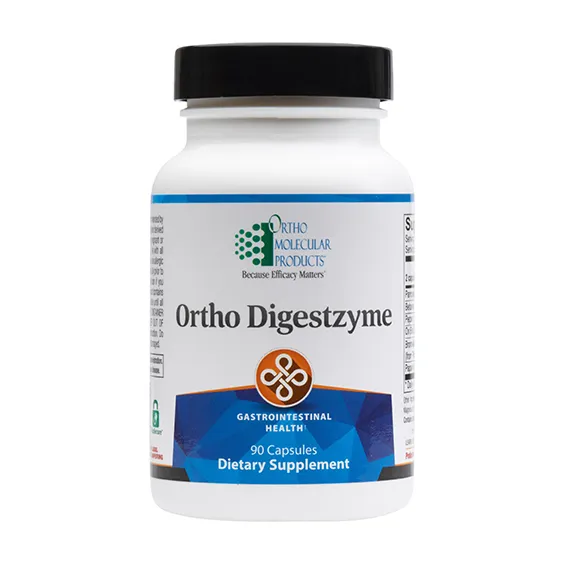
When the autonomic nervous system is dysregulated, or when viral persistence triggers chronic gut dysbiosis, the body loses its fundamental ability to efficiently break down food and extract life-sustaining nutrients. This creates a vicious cycle of malnutrition, energy depletion, and systemic inflammation. Addressing this foundational breakdown requires more than just dietary changes; it often requires targeted, clinical-grade enzymatic support. Ortho Digestzyme, a comprehensive full-spectrum digestive enzyme formulation, is strategically designed to support every phase of digestion. By providing the exact biochemical tools the body needs to break down proteins, fats, and carbohydrates, this supplement aims to restore digestive efficiency, enhance nutrient absorption, and alleviate the heavy physiological burden placed on a compromised gastrointestinal tract.
What is Ortho Digestzyme?
The Anatomy of Complete Digestion
To understand the immense value of a full-spectrum digestive enzyme like Ortho Digestzyme, we must first explore the extraordinary complexity of human digestion. In a healthy body, digestion is a highly orchestrated, energy-intensive process that transforms complex, macroscopic food particles into microscopic, bioavailable molecules. This transformation relies on a precise sequence of mechanical and chemical events, heavily governed by the autonomic nervous system and a cascade of specialized enzymes. When we consume a meal, the body must alter the pH of the stomach, secrete powerful acids, and release a highly specific cocktail of pancreatic enzymes to cleave the chemical bonds holding our food together.
At the molecular level, digestion is essentially an exercise in hydrolysis—the breaking of chemical bonds through the addition of water, catalyzed by enzymes. Proteins must be unraveled and snipped into individual amino acids; complex carbohydrates must be broken down into simple monosaccharides; and large fat globules must be emulsified and split into free fatty acids. If any single step in this sequential pathway is compromised, downstream processes fail. Undigested macromolecules continue through the gastrointestinal tract, where they become a food source for opportunistic bacteria, leading to fermentation, gas production, and profound mucosal irritation.
For individuals living with complex chronic illnesses, the biological energy required to produce these digestive juices is often severely depleted. Furthermore, chronic stress and autonomic nervous system dysfunction can effectively shut down the body's natural digestive secretions. This is where exogenous (supplemental) enzymes become a critical therapeutic tool, stepping in to perform the biochemical labor the body can no longer manage efficiently on its own.
A Full-Spectrum Approach to the Gastric and Enteric Phases
Ortho Digestzyme is uniquely formulated to address both the gastric (stomach) and enteric (intestinal) phases of digestion. The gastric phase is the critical first step, requiring a highly acidic environment to sterilize incoming food and begin the breakdown of dense protein structures. To support this phase, the supplement includes Betaine Hydrochloride (HCl) and Pepsin, which work synergistically to artificially lower the stomach's pH and initiate protein cleavage. Without this initial acidic priming, the rest of the digestive cascade is fundamentally compromised.
Following the gastric phase, the highly acidic food bolus (chyme) moves into the small intestine, triggering the enteric phase. Here, the environment must rapidly shift from acidic to alkaline, and the pancreas must release a flood of specialized enzymes. Ortho Digestzyme provides a robust dose of Pancreatin, a comprehensive blend containing high-concentration Protease, Amylase, and Lipase. These enzymes are responsible for the heavy lifting of macronutrient breakdown, ensuring that proteins, carbohydrates, and fats are fully hydrolyzed into absorbable units.
To further enhance this process, the formulation includes Ox Bile, which plays an indispensable role in lipid metabolism by emulsifying dietary fats, alongside plant-based proteolytic enzymes like Bromelain and Papain. These plant-derived proteases are remarkably resilient, remaining active across a wide range of pH levels to provide continuous protein digestion throughout the entire length of the gastrointestinal tract. Together, this comprehensive blend ensures that no phase of digestion is left unsupported, maximizing nutrient extraction and minimizing the potential for gastrointestinal distress.
How Long COVID and Dysautonomia Impact Digestion
Vagus Nerve Dysfunction and Gastroparesis in Dysautonomia
The connection between chronic illness and severe digestive distress is deeply rooted in the autonomic nervous system (ANS). The ANS acts as the body's automatic control center, regulating heart rate, blood pressure, and the entirety of the digestive process. The parasympathetic branch of the ANS, often referred to as the "rest and digest" system, is primarily driven by the vagus nerve (cranial nerve X). The vagus nerve provides up to 75% of the parasympathetic input to the gastrointestinal tract, controlling stomach acid secretion, the release of pancreatic enzymes, and the muscular contractions (peristalsis) that move food through the intestines.
In conditions like dysautonomia and Postural Orthostatic Tachycardia Syndrome (POTS), which are highly prevalent in the ME/CFS and Long COVID populations, vagal tone is often severely blunted. This autonomic failure can lead to a condition known as gastroparesis, or delayed gastric emptying. Because the vagus nerve fails to signal the stomach muscles to contract, food sits stagnant in the stomach for hours, causing profound nausea, early satiety, and severe bloating. Alternatively, some patients experience rapid gastric emptying, where undigested food is dumped prematurely into the small intestine, triggering sudden diarrhea and severe malabsorption.
Furthermore, digestion requires a massive diversion of blood flow to the splanchnic (abdominal) circulation. In a healthy individual, the ANS compensates for this fluid shift by slightly constricting peripheral blood vessels to maintain blood pressure. In dysautonomia, this compensatory mechanism fails. Blood pools heavily in the gut after a meal—a phenomenon known as splanchnic pooling—leading to postprandial hypotension (a drop in blood pressure). This triggers a massive spike in heart rate and intense fatigue, explaining why many patients experience severe symptom flares simply from eating a meal. You can learn more about these dynamics in our detailed guide on Gastrointestinal Symptoms Seen with Long COVID.
Viral Persistence, Dysbiosis, and the Leaky Gut Phenomenon
In the context of Long COVID, the gastrointestinal tract is often directly under attack. The SARS-CoV-2 virus gains entry into human cells by binding to the ACE2 receptor. The epithelial cells lining the intestines (enterocytes) possess some of the highest concentrations of ACE2 receptors in the entire human body. Recent clinical studies suggest that the virus can persist in the gut tissue for months or even years after the acute infection, driving chronic localized inflammation and continually disrupting the delicate balance of the gut microbiome.
This viral persistence and subsequent immune response lead to profound gut dysbiosis—a state where beneficial, protective bacteria are eradicated, and opportunistic, pro-inflammatory pathogens are allowed to overgrow. Research has consistently shown that Long COVID patients suffer from a significant depletion of short-chain fatty acid (SCFA)-producing bacteria, such as Faecalibacterium prausnitzii and Bifidobacterium. SCFAs, particularly butyrate, are the primary fuel source for the cells lining the colon. When butyrate levels plummet, the intestinal lining begins to break down.
This breakdown of the intestinal barrier is clinically known as increased intestinal permeability, or "leaky gut." The tight junctions that normally seal the gaps between intestinal cells become compromised, allowing undigested food particles, bacterial toxins, and lipopolysaccharides (LPS) to leak directly into the bloodstream. This endotoxemia triggers a massive systemic immune response, activating inflammatory pathways (such as NF-κB) and driving the production of cytokines that cross the blood-brain barrier. This gut-brain axis disruption is a primary driver of the severe neuroinflammation, brain fog, and post-exertional malaise seen in these conditions, a concept further explored in our article, Can Long COVID Trigger ME/CFS? Unraveling the Connection.
Ortho Digestzyme: Supporting the Digestive Process
Priming the Stomach with Betaine HCl and Pepsin
Ortho Digestzyme intervenes at the very first stage of digestion by supplying Betaine Hydrochloride (HCl) and Pepsin. In a healthy stomach, parietal cells secrete hydrochloric acid to drop the resting gastric pH to a highly acidic 1.5 to 3.0. This extreme acidity is absolutely essential for two reasons: it acts as a primary immune defense by sterilizing ingested pathogens, and it chemically denatures (unfolds) the complex, three-dimensional structures of dietary proteins. Chronic stress, aging, and autonomic dysfunction frequently lead to hypochlorhydria—a state of chronically low stomach acid.
When Betaine HCl is introduced, it acts as an exogenous acid donor, rapidly lowering the gastric pH to mimic a healthy stomach environment. Clinical pharmacology studies have demonstrated that supplemental Betaine HCl can drop a compromised stomach pH from over 5.0 down to a highly acidic 0.6 in a matter of minutes. This rapid re-acidification is the critical trigger that activates pepsinogen into its active form, Pepsin. Pepsin is a powerful proteolytic enzyme that begins cleaving the newly unfolded protein chains into smaller peptides.
Without this initial acidic breakdown, large, intact protein molecules pass into the small intestine, where they can trigger severe immune responses and food intolerances—a major concern for patients with mast cell activation syndrome (MCAS). Furthermore, adequate stomach acid is an absolute prerequisite for the extraction and absorption of critical micronutrients, including Vitamin B12, non-heme iron, calcium, and zinc. By restoring the gastric environment, Betaine HCl and Pepsin help prevent the cascading nutrient deficiencies that exacerbate chronic fatigue.
Enteric Breakdown with Pancreatin and Ox Bile
As the partially digested food moves into the small intestine, the enteric phase begins. Ortho Digestzyme supports this phase with a high-concentration dose of Pancreatin, a comprehensive complex containing Protease (70,000 USP Units), Amylase (70,000 USP Units), and Lipase (5,600 USP Units). Protease continues the work started by pepsin, aggressively cleaving internal peptide bonds to reduce proteins into single amino acids and dipeptides that can be easily absorbed through the intestinal wall. This prevents undigested proteins from putrefying in the colon and feeding harmful bacteria.
Amylase is responsible for the hydrolysis of complex carbohydrates. It targets the alpha-1,4-glycosidic bonds in starches, breaking them down into simple sugars like maltose and glucose. In patients with compromised digestion, undigested carbohydrates often ferment in the small intestine, leading to Small Intestinal Bacterial Overgrowth (SIBO), severe bloating, and painful gas production. By ensuring complete carbohydrate breakdown, amylase effectively starves these overgrown bacterial populations.
Lipid (fat) digestion is perhaps the most complex process, requiring both enzymatic action and physical emulsification. Lipase is the enzyme responsible for hydrolyzing triglycerides into free fatty acids. However, because fats are not water-soluble, lipase cannot efficiently access them without help. This is where Ox Bile (120 mg) becomes critical. Bile acts as an amphipathic emulsifier, breaking large, stubborn fat globules into microscopic micelles. This exponentially increases the surface area for lipase to act upon, ensuring the complete absorption of essential fatty acids and fat-soluble vitamins (A, D, E, and K), which are vital for mitochondrial health and immune regulation.
Systemic Support from Plant-Based Proteases
To round out this comprehensive formula, Ortho Digestzyme includes the plant-derived proteolytic enzymes Bromelain (100 mg) and Papain (100 mg). Extracted from pineapple and papaya respectively, these enzymes possess a unique advantage: they are incredibly stable across a broad spectrum of pH levels. While animal-derived enzymes often require specific pH environments to function, bromelain and papain remain active in both the highly acidic stomach and the alkaline small intestine, providing a continuous, unbroken chain of protein digestion.
Beyond their digestive capabilities, these plant-based proteases are highly regarded for their systemic anti-inflammatory properties. When taken with food, they assist in macronutrient breakdown; however, when absorbed systemically, they have been shown to modulate the immune response. In vitro and animal models demonstrate that bromelain can suppress the NF-κB signaling pathway, significantly reducing the production of pro-inflammatory cytokines like TNF-α and IL-6 in the intestinal mucosa. This dual action makes them incredibly valuable for soothing the inflamed, hyper-reactive gut lining often seen in Long COVID and ME/CFS.
Symptoms Ortho Digestzyme May Help Manage
Upper Gastrointestinal Distress
By providing comprehensive support across both the gastric and enteric phases of digestion, Ortho Digestzyme targets the root biochemical causes of many upper GI symptoms:
Severe Bloating and Excessive Gas: By ensuring that complex carbohydrates and proteins are fully hydrolyzed in the upper GI tract, the supplement prevents these macromolecules from reaching the colon intact, where they would otherwise be fermented by bacteria and produce painful gas.
Acid Reflux and Heartburn: Paradoxically, acid reflux is frequently caused by low stomach acid (hypochlorhydria), which delays gastric emptying and allows food to ferment and push upward against the esophageal sphincter. Betaine HCl helps restore proper acidity, signaling the stomach to empty efficiently and keeping the sphincter tightly closed.
Early Satiety and Prolonged Fullness: For patients with dysautonomia and sluggish vagal tone, food often sits heavy in the stomach for hours. The combination of Betaine HCl and Pepsin accelerates the initial breakdown of dense proteins, facilitating faster gastric emptying and relieving the sensation of a "brick in the stomach."
Lower Gastrointestinal and Systemic Symptoms
The downstream effects of improved nutrient breakdown extend far beyond the stomach, positively impacting systemic energy levels and lower bowel function:
Irregular Bowel Movements (Diarrhea and Constipation): Incomplete digestion irritates the mucosal lining and disrupts osmotic balance, leading to unpredictable bowel habits. By fully breaking down food particles, the enzyme blend supports smoother, more regular transit times and reduces the inflammatory burden on the colon.
Post-Meal Fatigue and Brain Fog: When digestion is inefficient, the body must divert massive amounts of blood and energy to the gut for prolonged periods, exacerbating splanchnic pooling and triggering POTS flares. Efficient, enzymatically supported digestion reduces this physiological burden, helping to mitigate the severe postprandial crashes common in ME/CFS.
Unexplained Nutrient Deficiencies: Chronic fatigue is often compounded by cellular starvation due to malabsorption. By optimizing the extraction of Vitamin B12, iron, zinc, and essential fatty acids, the supplement helps address the hidden nutritional deficits that prevent cellular healing and mitochondrial recovery.
Practical Considerations: Forms, Dosing, and Absorption
Optimal Timing and Dosage Strategies
To maximize the efficacy of Ortho Digestzyme, timing is absolutely critical. Digestive enzymes and Betaine HCl are designed to work directly on the food you consume, meaning they must be present in the stomach at the exact moment digestion begins. The suggested use is typically 1-2 capsules taken immediately before, or within the first few bites of, a meal. Taking the supplement too early on an empty stomach can cause the Betaine HCl to irritate the gastric lining, while taking it too late (after the meal is finished) means the enzymes will miss the opportunity to mix thoroughly with the food bolus.
Dosage should also be dynamically adjusted based on the size and macronutrient composition of the meal. A light snack consisting primarily of simple carbohydrates may not require enzymatic support, whereas a heavy, complex meal rich in dense proteins and fats (such as a steak or a heavy stew) will demand a significantly higher enzymatic output. Patients often find success by titrating their dose—starting with one capsule for standard meals and increasing to two capsules for particularly heavy or difficult-to-digest meals, as guided by their healthcare provider.
When utilizing Betaine HCl, many functional medicine practitioners recommend a careful titration process to find the patient's optimal dose. This involves gradually increasing the number of capsules taken with a protein-heavy meal until a mild sensation of warmth or slight heartburn is felt, and then backing down by one capsule for future meals. This personalized approach ensures that the stomach is receiving enough exogenous acid to optimize digestion without causing mucosal irritation.
Contraindications and Safety Precautions
While digestive enzymes are generally exceptionally safe and well-tolerated, the inclusion of Betaine HCl requires specific safety considerations. Because Betaine HCl introduces concentrated exogenous acid into the stomach, it is strictly contraindicated for individuals with active peptic ulcers, severe gastritis, or compromised gastrointestinal mucosal integrity. Introducing additional acid to an already damaged or ulcerated stomach lining can cause severe pain and exacerbate the underlying tissue damage.
Furthermore, individuals who regularly consume non-steroidal anti-inflammatory drugs (NSAIDs) or corticosteroids should exercise extreme caution when using Betaine HCl. These medications are known to thin the protective mucosal layer of the stomach, increasing the risk of acid-induced irritation or ulceration. It is also important to note that while Betaine HCl temporarily corrects the pH for a single meal, it does not cure the underlying cause of hypochlorhydria; it is a supportive management tool rather than a permanent fix.
Finally, patients should be aware of potential sensitivities to the specific enzyme sources. Those with known allergies to pork should avoid pancreatin-based supplements, while individuals with severe latex or pineapple allergies may react to papain or bromelain. Additionally, bromelain possesses mild fibrinolytic (blood-thinning) properties; therefore, patients taking prescription anticoagulants or those preparing for surgery should consult their physician before initiating supplementation to avoid potential drug interactions.

Follow the Science
Clinical Efficacy of Pancreatic Enzyme Replacement
The use of supplemental digestive enzymes, particularly pancreatin (Pancreatic Enzyme Replacement Therapy, or PERT), is supported by decades of rigorous clinical data. Since 2010, the FDA has required stringent clinical trials for the approval of pancreatic enzyme preparations, resulting in a wealth of standardized efficacy data. In landmark trials, such as the Creon 25000 MMS Trial, researchers evaluated patients suffering from severe exocrine pancreatic insufficiency. The study demonstrated that high-dose pancreatin supplementation resulted in a highly significant 21.4% increase in the Coefficient of Fat Absorption (CFA), compared to a decrease in the placebo group.
Further systematic reviews and meta-analyses published in leading gastroenterology journals have corroborated these findings. A comprehensive meta-analysis in the journal Gut compiled pooled data from multiple randomized controlled trials, concluding that PERT significantly improved both fat and nitrogen (protein) absorption across diverse patient populations. These studies consistently highlight that high-concentration, full-spectrum enzyme formulations are vastly superior to low-dose variants in resolving steatorrhea (fatty stools) and reversing malnutrition.
Beyond severe pancreatic disease, clinical trials are increasingly investigating the use of digestive enzymes for functional, non-disease-specific gastrointestinal distress. Ongoing studies, such as those registered with ClinicalTrials.gov (NCT06949735), are actively evaluating the efficacy of porcine enzyme blends in reducing immediate post-meal gas, bloating, and indigestion in otherwise healthy individuals who struggle to process high-fat, high-protein meals, further validating their use as a daily digestive aid.
The Rapid Re-acidification Power of Betaine HCl
The clinical utility of Betaine Hydrochloride in correcting low stomach acid is powerfully demonstrated in modern pharmacological studies. A landmark pilot study by Yago et al. (2013) evaluated the precise effects of oral Betaine HCl on healthy volunteers who had their stomach acid artificially suppressed using proton pump inhibitors (PPIs). The researchers utilized advanced gastric pH monitoring to track the exact timing and efficacy of the supplement.
The data revealed that a standard dose of Betaine HCl was able to rapidly and drastically alter the gastric environment. From a compromised, alkaline baseline pH of 5.2, the supplement drove the stomach pH down to a highly acidic 0.6 in an average of just 6.3 minutes. This profound re-acidification lasted for approximately 73 minutes—perfectly aligning with the natural timeframe required to process and empty a standard meal. This study provides concrete physiological evidence that Betaine HCl effectively and reliably mimics the healthy gastric phase of digestion.
Follow-up research has also highlighted the critical importance of taking Betaine HCl directly with meals. Studies investigating the buffering effect of food found that large, heavy meals naturally neutralize stomach acid, meaning that patients consuming high-calorie or protein-dense meals may require carefully titrated, higher doses of Betaine HCl to achieve the necessary pH drop for optimal pepsin activation and protein cleavage.
Anti-Inflammatory Properties of Plant-Based Proteases
The plant-derived enzymes bromelain and papain have been the subject of extensive research, not just for their digestive capabilities, but for their profound systemic anti-inflammatory effects. In vitro and animal models of Inflammatory Bowel Disease (IBD) have demonstrated that bromelain supplementation actively decreases the secretion of pro-inflammatory cytokines, such as interferon-gamma (IFN-γ) and tumor necrosis factor-alpha (TNF-α), directly within the intestinal mucosa. By suppressing the NF-κB signaling pathway, bromelain acts as a powerful immunomodulator, soothing the hyper-reactive gut lining.
Clinical trials in human populations have further validated these anti-inflammatory properties. Studies evaluating patients with osteoarthritis and those recovering from surgical procedures have found that high-dose bromelain and papain therapy can significantly reduce localized edema (swelling) and pain. In fact, some clinical reviews have noted that the anti-inflammatory efficacy of these specialized proteolytic enzymes can be structurally comparable to prescription non-steroidal anti-inflammatory drugs (NSAIDs), but without the associated risk of gastrointestinal mucosal damage.
Papain, specifically, has shown remarkable efficacy in supporting geriatric digestion and soothing mucosal irritation. Clinical trials utilizing concentrated papaya enzyme extracts in patients with Irritable Bowel Syndrome (IBS) have reported statistically significant improvements in chronic bloating, constipation, and overall gastrointestinal dysfunction, highlighting the gentle yet highly effective nature of these plant-based therapeutic agents.
The Path Forward
Validating the Gastrointestinal Struggle
Living with complex chronic conditions like Long COVID, ME/CFS, and dysautonomia is an incredibly isolating experience, and the addition of severe, unpredictable gastrointestinal distress only compounds that burden. It is profoundly frustrating to experience debilitating nausea, painful bloating, and post-meal crashes, only to have standard gastroenterology labs return as "normal." We want to validate that your symptoms are real, they are physiologically grounded in autonomic dysfunction and microbiome disruption, and they significantly impact your daily quality of life. You can read more about navigating these daily challenges in our blog, How Can You Live with Long-Term COVID.
When the body's fundamental ability to extract energy and nutrients from food is compromised, every other system suffers. The fatigue deepens, the brain fog thickens, and the immune system remains locked in a state of chronic inflammation. Recognizing that poor digestion is a central driver of systemic illness—rather than just an uncomfortable side effect—is the first critical step toward reclaiming your health and stabilizing your daily energy envelope.
A Comprehensive Management Strategy
While Ortho Digestzyme provides powerful, targeted support to restore the mechanical and chemical processes of digestion, it is most effective when utilized as part of a broader, comprehensive management strategy. Rebuilding gut health requires a multi-faceted approach that includes nervous system regulation, careful pacing to manage the body's energy demands, and dietary modifications tailored to your specific intolerances. For insights into broader medical management, explore our article on What Drugs Are Used for COVID Long Haulers?.
There is immense hope in the rapidly advancing field of microbiome and autonomic research. As we continue to uncover the intricate connections between viral persistence, vagal tone, and gut health, more precise and effective therapeutic interventions are emerging. By providing your body with the exact biochemical tools it needs to break down food efficiently, you can reduce the physiological stress on your gastrointestinal tract, optimize nutrient absorption, and lay a stronger foundation for systemic recovery.
Disclaimer: The information provided in this blog is for educational purposes only and is not intended as medical advice. Supplements can interact with medications and underlying health conditions. Always consult with your healthcare provider before starting any new supplement regimen, especially if you have a history of gastrointestinal ulcers, are taking blood thinners, or are pregnant.
Sources
Randomised clinical trial of pancreatin 25000 MMS for pancreatic exocrine insufficiency - PubMed
Efficacy of pancreatic enzyme replacement therapy in chronic pancreatitis: meta-analysis - Gut
NCT06949735: Clinical Trial on Digestive Enzymes for Post-Meal Responses
Exploring the Therapeutic Potential of Bromelain: Applications, Benefits, and Mechanisms - MDPI
Gastrointestinal manifestations of long COVID: A systematic review and meta-analysis - PubMed