Can Ortho Biotic® Women's Support Vaginal Health and Immune Balance in Long COVID?
March 6, 2026
Ortho Biotic WomensVaginal MicrobiomeLong COVID
Share:
Disclaimer: The information provided here is for educational purposes only and is not intended as medical advice. It should not be used to diagnose, treat, cure, or prevent any medical condition. Instead, use it as a starting point for discussion with your healthcare provider. Always consult with a qualified healthcare provider before starting any new medication, supplement, device, or making changes to your health regimen.
For many individuals navigating the complex realities of Long COVID, myalgic encephalomyelitis/chronic fatigue syndrome (ME/CFS), and dysautonomia, the focus of microbiome health is often restricted to the gut. However, the human body is a network of interconnected ecosystems, and one of the most critical yet frequently overlooked is the vaginal microbiome. When chronic illness disrupts immune function and triggers systemic inflammation, the delicate balance of the reproductive tract is often collateral damage, leading to recurrent urogenital concerns, cyclical symptom flares, and profound discomfort that compounds the daily burden of chronic disease.
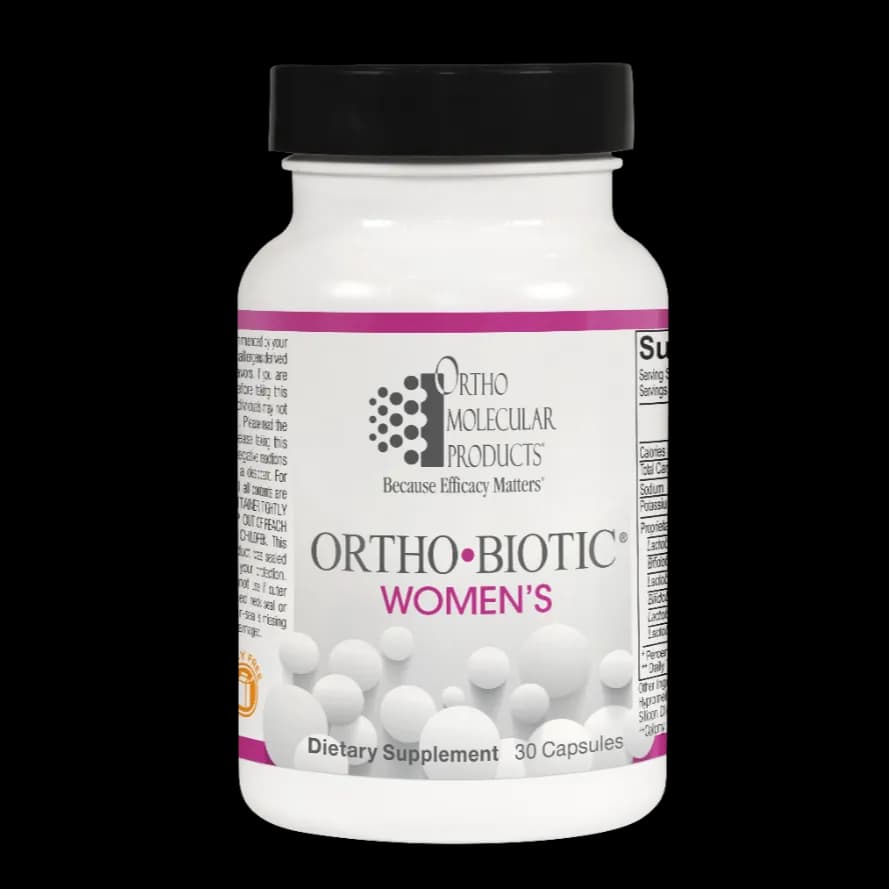
Ortho Biotic® Women's is a specialized probiotic formulated to address this specific vulnerability. By delivering targeted, clinically validated strains of beneficial bacteria—specifically Lactobacillus rhamnosus GR-1® and Lactobacillus reuteri RC-14®—this supplement aims to restore healthy vaginal ecology, maintain an optimal, protective pH, and promote robust microbial balance. In this comprehensive guide, we will explore the intricate biochemistry of the vaginal microbiome, how chronic conditions like Long COVID and ME/CFS disrupt this delicate ecosystem, and the scientific mechanisms through which Ortho Biotic® Women's supports urogenital health and systemic immune resilience.
What is Ortho Biotic® Women's?
The Power of Targeted Probiotics
The human microbiome is an incredibly diverse and complex network of microorganisms that inhabit nearly every surface of the body. While the gastrointestinal tract often dominates discussions surrounding microbial health, the vaginal microbiome is a distinct and highly specialized ecosystem. In a healthy state, the vaginal environment is overwhelmingly dominated by Lactobacillus species. These beneficial bacteria act as the primary defenders of the reproductive tract, creating a hostile environment for opportunistic pathogens and maintaining a delicate state of eubiosis (microbial balance). Ortho Biotic® Women's is specifically formulated to support this unique ecology by providing two of the most extensively researched probiotic strains in women's health: Lactobacillus rhamnosus GR-1 and Lactobacillus reuteri RC-14.
Unlike broad-spectrum probiotics designed for general gut health, GR-1 and RC-14 were originally isolated in the late 1980s specifically for their profound ability to colonize the vaginal tract and combat urogenital infections. These strains are highly active metabolic engines that continuously interact with the host's immune system and epithelial cells. By supplementing with these targeted strains, individuals can directly influence the composition of their vaginal microbiome, reinforcing the natural defenses that are often compromised by chronic illness, frequent antibiotic use, or hormonal fluctuations. The proprietary blend in Ortho Biotic® Women's delivers 2 billion Colony Forming Units (CFU) of these specific strains, providing a clinically relevant dose designed to initiate and sustain microbial restoration.
The efficacy of these strains lies in their synergistic relationship. While Lactobacillus rhamnosus GR-1 excels at adhering to the vaginal mucosa and outcompeting harmful bacteria for physical space, Lactobacillus reuteri RC-14 is particularly adept at producing antimicrobial substances and disrupting the protective biofilms created by pathogens. Together, they form a comprehensive defense system that not only helps resolve acute dysbiosis but also establishes a resilient, long-term microbial community capable of withstanding the physiological stressors associated with complex chronic conditions.
The Role of Lactic Acid and Vaginal pH
The cornerstone of vaginal health is the maintenance of a highly acidic environment, typically characterized by a pH of 3.8 to 4.5. This acidity is the direct result of active biochemical processes driven by Lactobacillus species. The epithelial cells lining the vaginal wall naturally produce and store glycogen, a complex carbohydrate. Under the influence of estrogen, these cells shed into the vaginal lumen, where the glycogen is broken down into simpler sugars. The Lactobacilli in Ortho Biotic® Women's, particularly the GR-1 and RC-14 strains, ferment these sugars through a process called glycolysis, yielding large quantities of lactic acid. This continuous production of lactic acid is what maintains the protective pH of 4.
This acidic environment is inherently hostile to the vast majority of pathogenic bacteria and fungi. Organisms responsible for bacterial vaginosis (BV), such as Gardnerella vaginalis, as well as yeast species like Candida albicans, struggle to survive and proliferate in low pH conditions. The lactic acid produced by GR-1 and RC-14 does more than just lower the pH; it exists in two isomeric forms (D-lactic acid and L-lactic acid), both of which have distinct antimicrobial properties. D-lactic acid, in particular, has been shown to directly permeabilize the outer membranes of Gram-negative pathogens, leading to their rapid destruction.
When the population of lactic acid-producing bacteria declines—whether due to viral infections, systemic inflammation, or antibiotic therapy—the vaginal pH inevitably rises. This elevation in pH acts as an open invitation for opportunistic pathogens to multiply rapidly, leading to the clinical syndrome of vaginal dysbiosis. By continuously supplying the vaginal ecosystem with robust, lactic acid-producing strains, Ortho Biotic® Women's directly addresses the root cause of this vulnerability, ensuring that the critical pH barrier remains intact.
Beyond the Gut Microbiome
While the gut microbiome is central to digestion and systemic immunity, the vaginal microbiome plays an equally vital, albeit localized, role in protecting the reproductive tract and modulating local immune responses. The concept of the "gut-vaginal axis" highlights the continuous interplay and migration of microorganisms between the gastrointestinal tract and the urogenital system. The strains in Ortho Biotic® Women's leverage this natural anatomical pathway. When taken orally, GR-1 and RC-14 are designed to survive the harsh, acidic environment of the stomach and the bile-rich conditions of the small intestine, eventually exiting the GI tract and naturally migrating across the perineum to colonize the vagina.
This oral-to-vaginal migration is a testament to the evolutionary resilience of these specific Lactobacillus strains. It also underscores the importance of addressing urogenital health systemically rather than relying solely on localized treatments like creams or suppositories. By moving through the digestive tract, these probiotics may also exert subtle, beneficial effects on the gut microbiome before reaching their final destination. This is particularly relevant for individuals with chronic illnesses, who often experience profound gastrointestinal symptoms seen with Long COVID and ME/CFS, indicating widespread dysbiosis across multiple mucosal surfaces.
How Chronic Illness Impacts the Vaginal Microbiome
The Gut-Vaginal Axis and Systemic Inflammation
Chronic illnesses such as Long COVID, ME/CFS, and mast cell activation syndrome (MCAS) are characterized by profound systemic inflammation and immune dysregulation. This systemic inflammatory state does not spare the reproductive tract. In fact, the mucosal surfaces of the body, including the gut and the vagina, are often the first to suffer the consequences of immune exhaustion and viral persistence. When the immune system is locked in a perpetual state of high alert, it alters the local environment of the vaginal mucosa, making it difficult for beneficial Lactobacillus species to thrive. This depletion of protective bacteria leads to vaginal dysbiosis, a condition where pathogenic or opportunistic microbes overgrow and dominate the ecosystem.
The relationship between systemic illness and vaginal dysbiosis is highly bidirectional. A 2023 literature review by Pollack et al. highlighted that the reproductive microbiomes of patients with Long COVID and ME/CFS are frequently disrupted. The systemic inflammation triggered by an initial viral infection depletes protective bacteria globally. In the vagina, this allows anaerobic bacteria to proliferate. These overgrown pathogens then secrete their own pro-inflammatory cytokines, such as Interleukin-1 beta (IL-1β) and Interferon-gamma-induced protein 10 (IP-10). This localized inflammation leaks back into the systemic circulation, creating a vicious cycle that perpetuates the overall inflammatory burden of the chronic illness.
Furthermore, the frequent use of antibiotics to treat secondary infections in chronically ill patients indiscriminately wipes out both harmful and beneficial bacteria. Because the immune systems of individuals with Long COVID or ME/CFS are already compromised, their bodies struggle to naturally repopulate the vaginal tract with healthy Lactobacilli after an antibiotic course. This leaves the ecosystem vulnerable to rapid recolonization by antibiotic-resistant pathogens or yeast, leading to recurrent urogenital infections that further degrade the patient's quality of life.
Immune Dysfunction and Pathobiont Activation
In a healthy individual, the immune system maintains a delicate tolerance toward the normal, commensal microbes that inhabit the body. However, in the context of ME/CFS and Long COVID, this tolerance is often broken. Landmark research by Proal et al. has detailed how polymicrobial dysbiosis and immune dysfunction drive the pathology of ME/CFS. When the immune system is dysfunctional, normal human microbes—known as pathobionts—can alter their gene expression and begin to act as pathogens. In the vaginal microbiome, bacteria that are normally harmless in small numbers can suddenly become aggressive, driving chronic localized inflammation and contributing to the systemic symptoms of the disease.
This pathobiont activation is particularly problematic because it taxes an already exhausted immune system. The localized inflammation in the reproductive tract requires constant immune surveillance and resource allocation. Animal models have demonstrated that depleting the vaginal microbiome increases the production of Interleukin-33 (IL-33), which in turn suppresses the secretion of interferon-gamma (IFNγ)—a critical cytokine for antiviral defense. Therefore, vaginal dysbiosis may actively impair the body's ability to fight off or control the latent viral infections that are frequently implicated in the ongoing pathology of ME/CFS and Long COVID.
The Menstrual Crash Connection
One of the most debilitating and frequently reported phenomena among women with Long COVID and ME/CFS is the cyclical exacerbation of systemic symptoms—often referred to as a "menstrual crash." Up to 62% of menstruating Long COVID patients report a severe worsening of their fatigue, brain fog, myalgia, and dysautonomia in the days leading up to or during their menstrual period. This phenomenon is deeply intertwined with the fluctuating dynamics of the vaginal microbiome and the endocrine system. As estrogen and progesterone levels shift dramatically during the luteal phase and menstruation, the availability of glycogen in the vaginal epithelium changes, directly impacting the survival and proliferation of Lactobacillus species.
During menstruation, the influx of blood (which is slightly alkaline, with a pH of around 7.4) temporarily neutralizes the protective acidic environment of the vagina. In a healthy microbiome, robust populations of Lactobacilli quickly restore the pH once menstruation ceases. However, in patients with chronic illness and pre-existing dysbiosis, this alkaline shift provides a prolonged window of opportunity for pathogens to rapidly multiply. The resulting spike in localized inflammation interacts with the fluctuating sex hormones, triggering a massive systemic immune response that manifests as a profound crash or an episode of post-exertional malaise (PEM). Understanding this connection is crucial, and exploring targeted therapies, such as asking can ProSoothe II help manage menstrual flare-ups in Long COVID and ME/CFS?, alongside microbiome support, offers a multifaceted approach to mitigating these cyclical exacerbations.
The bidirectional relationship between hormones and the microbiome means that hormonal dysfunctions common in ME/CFS alter the vaginal environment, promoting dysbiosis, while the inflammatory state caused by vaginal dysbiosis can interfere with hormonal signaling. Breaking this vicious cycle requires a targeted intervention to stabilize the local microbial ecosystem. By supplementing with the resilient strains found in Ortho Biotic® Women's, patients can help ensure that their vaginal microbiome has the necessary resources to withstand the physiological stress of menstruation, potentially reducing the severity and frequency of these debilitating cyclical crashes.
Ortho Biotic® Women's: Restoring Microbial Balance
Oral-to-Vaginal Migration Pathway
The therapeutic efficacy of Ortho Biotic® Women's relies on the remarkable pharmacokinetic ability of Lactobacillus rhamnosus GR-1 and Lactobacillus reuteri RC-14 to navigate the human digestive tract and successfully colonize the vaginal ecosystem. When ingested orally, these specific strains are equipped with unique structural adaptations that allow them to survive the highly acidic environment of the stomach and the antimicrobial properties of bile salts in the small intestine. This resilience ensures that a clinically significant number of viable bacteria reach the lower gastrointestinal tract intact. From the rectum, these highly motile and adaptable strains naturally migrate across the perineal skin to enter and populate the vaginal canal, a pathway that has been extensively documented and validated in numerous clinical trials.
This oral-to-vaginal migration is a profound evolutionary advantage. It allows for a continuous, daily replenishment of the vaginal microbiome without the need for invasive or messy localized treatments like suppositories or creams. Once the GR-1 and RC-14 strains reach the vaginal environment, they begin to rapidly multiply and integrate into the existing mucosal biofilm. Clinical studies have demonstrated that within just a few weeks of daily oral supplementation, these strains can successfully repopulate the vaginal microbiota, shifting it from a dysbiotic state dominated by anaerobes back to a healthy, Lactobacillus-dominant eubiosis. This systemic approach to localized health is particularly beneficial for patients with complex chronic illnesses, as it provides a low-effort, high-impact intervention that supports the body's natural anatomical pathways.
Competitive Adhesion and Biofilm Disruption
Once Lactobacillus rhamnosus GR-1 and Lactobacillus reuteri RC-14 arrive in the vaginal tract, they deploy a sophisticated array of biochemical mechanisms to restore microbial balance. One of the most critical of these mechanisms is competitive adhesion. The GR-1 strain is equipped with specific surface glycoproteins, often referred to as lectin-like proteins, which act like molecular Velcro. These proteins allow the beneficial bacteria to strongly bind to the epithelial cells lining the vaginal wall. By physically occupying these cellular receptor sites, GR-1 effectively outcompetes harmful pathogens, such as Gardnerella vaginalis and Escherichia coli, preventing them from attaching to the tissue and establishing an infection.
While GR-1 secures the physical territory, Lactobacillus reuteri RC-14 actively dismantles the defenses of invading pathogens through the production of biosurfactants. Pathogenic bacteria and yeast, particularly Candida albicans, often protect themselves by forming dense, impenetrable extracellular matrices known as biofilms. These biofilms shield the pathogens from the host's immune system and render them highly resistant to standard antibiotic and antifungal treatments. The biosurfactants secreted by RC-14 are specialized biochemical compounds that reduce the surface tension of the vaginal epithelium and actively degrade these pathogenic biofilms. By breaking down these protective shields, RC-14 exposes the underlying pathogens, making them vulnerable to eradication by the host's immune cells and the antimicrobial substances produced by the Lactobacilli.
Acidification and Antimicrobial Defense
The ultimate goal of supplementing with Ortho Biotic® Women's is to restore and maintain the highly acidic environment that is the hallmark of a healthy vaginal ecosystem. As previously discussed, both GR-1 and RC-14 are prolific producers of lactic acid. Through the continuous fermentation of glycogen, these strains drive the vaginal pH down to a protective range of 3.8 to 4.5. This low pH directly inhibits the enzymatic activity and cellular division of the vast majority of urogenital pathogens. The sustained acidification of the vaginal lumen is the most critical factor in preventing the overgrowth of the anaerobic bacteria responsible for bacterial vaginosis and the yeast species that cause vulvovaginal candidiasis.
In addition to lactic acid, the strains in Ortho Biotic® Women's produce a potent arsenal of secondary antimicrobial compounds. Both GR-1 and RC-14 secrete hydrogen peroxide (H2O2), a powerful oxidative agent that is highly toxic to catalase-negative anaerobic bacteria, the primary culprits behind BV. Furthermore, these beneficial strains produce bacteriocins, which are specialized, narrow-spectrum antimicrobial peptides. Bacteriocins act like targeted molecular missiles, actively seeking out and neutralizing specific pathogenic bacteria and fungi without harming the beneficial Lactobacillus populations. This highly selective antimicrobial action allows the vaginal microbiome to clear infections while simultaneously preserving its own structural integrity.
Beyond their direct antimicrobial effects, GR-1 and RC-14 also play a crucial role in localized immune modulation. These strains interact with the immune cells residing in the vaginal mucosa, stimulating the production of anti-inflammatory cytokines such as Interleukin-10 (IL-10) while downregulating the expression of pro-inflammatory markers. This immune-modulating capability helps soothe the acute inflammation, itching, and tissue damage associated with vaginitis and dysbiosis. By calming the localized immune response, Ortho Biotic® Women's helps break the cycle of chronic inflammation that links vaginal dysbiosis to the systemic symptom flares experienced by patients with complex chronic illnesses.

Symptoms Ortho Biotic® Women's May Help Manage
Targeted Symptom Relief
By restoring the foundational ecology of the vaginal microbiome, the specific strains in Ortho Biotic® Women's (GR-1 and RC-14) can help manage and alleviate a variety of distressing urogenital and systemic symptoms commonly experienced by individuals with complex chronic conditions:
Recurrent Bacterial Vaginosis (BV): By aggressively producing lactic acid and hydrogen peroxide, these strains lower the vaginal pH and create a hostile environment for the anaerobic bacteria (Gardnerella vaginalis) that cause the hallmark odor, discharge, and discomfort of BV.
Frequent Yeast Infections (Vulvovaginal Candidiasis): The biosurfactants produced by RC-14 disrupt the protective biofilms of Candida albicans, preventing the yeast from transitioning into its pathogenic, tissue-invading hyphal form, thereby reducing intense itching and recurrent flares.
Elevated Vaginal pH: By continuously fermenting glycogen into lactic acid, Ortho Biotic® Women's helps drive a chronically elevated, alkaline pH back down to the protective, acidic range of 3.8 to 4.5, restoring the vagina's natural chemical barrier.
Localized Inflammation and Irritation: The strains modulate the local immune response by increasing anti-inflammatory cytokines (like IL-10), which helps soothe the burning, redness, and general mucosal irritation associated with chronic dysbiosis.
Cyclical "Menstrual Crashes" (PEM): By stabilizing the local microbial ecosystem and preventing pathogen overgrowth during the alkaline shift of menstruation, these probiotics may help reduce the localized inflammation that triggers severe, systemic post-exertional malaise and symptom exacerbation during a patient's cycle.
Secondary Infections Post-Antibiotics: For patients requiring frequent antibiotics for other chronic illness complications, supplementing with GR-1 and RC-14 helps rapidly repopulate the vaginal tract with beneficial flora, preventing the opportunistic overgrowth of yeast or BV-causing bacteria that typically follows antibiotic use.
Practical Considerations: Dosing, Absorption, and Forms
Bioavailability and GI Transit
When considering a probiotic supplement, bioavailability—the ability of the live microorganisms to survive manufacturing, shelf life, and human digestion to reach their target destination—is paramount. The Lactobacillus rhamnosus GR-1 and Lactobacillus reuteri RC-14 strains in Ortho Biotic® Women's are uniquely robust. They have been extensively studied and proven to possess high gastric survivability. This means they can withstand the highly acidic environment of the stomach (where pH can drop below 2.0) and the antimicrobial bile salts secreted in the duodenum. This remarkable resilience ensures that a clinically significant volume of viable bacteria successfully transits through the entire gastrointestinal tract, allowing them to exit via the rectum and begin their natural migration to the vaginal canal.
To further enhance this natural bioavailability, the manufacturing processes for high-quality probiotics like Ortho Biotic® Women's often employ specialized encapsulation techniques. These protective capsules shield the delicate bacteria from ambient moisture and heat during storage, and provide an additional layer of defense against stomach acid upon ingestion. It is generally recommended to store probiotic supplements in a cool, dry place, and in some cases, refrigeration can help extend the shelf life and guarantee the maximum potency of the Colony Forming Units (CFUs) through the expiration date. Ensuring the viability of the bacteria is the first and most critical step in achieving the desired therapeutic outcomes for vaginal microbial restoration.
Optimal Dosing Strategies
The suggested use for Ortho Biotic® Women's is typically one capsule per day, which delivers a proprietary blend of 50 mg containing 2 Billion CFUs of the GR-1 and RC-14 strains. This dosage is highly aligned with the amounts used in successful clinical trials for the maintenance of a healthy vaginal ecology and the prevention of recurrent dysbiosis. For daily maintenance and long-term support of the vaginal microbiome, this 2 Billion CFU dose provides a steady, continuous supply of beneficial bacteria to reinforce the mucosal biofilm and maintain an optimal, acidic pH. Consistency is key; clinical data suggests that it typically takes 2 to 4 weeks of daily oral supplementation for these strains to fully migrate and establish a dominant presence in the vaginal tract.
However, dosing strategies may need to be adjusted based on the acuteness of the patient's condition. During times of active infection, such as an acute episode of bacterial vaginosis or following a course of broad-spectrum antibiotics, healthcare providers may recommend temporarily increasing the dosage to accelerate the repopulation of the vaginal flora. It is often advised to take oral probiotics with a meal or a small amount of food containing fat. The presence of food naturally buffers the acidity of the stomach, temporarily raising the gastric pH and providing a safer, more hospitable transit environment for the live bacteria, thereby maximizing the number of CFUs that successfully reach the lower intestine.
Safety, Tolerability, and Interactions
The probiotic strains Lactobacillus rhamnosus GR-1 and Lactobacillus reuteri RC-14 possess "Generally Recognized as Safe" (GRAS) status and have an exceptional safety profile, even when used long-term. In extensive clinical trials involving diverse populations—including pregnant women, postmenopausal women, and immunocompromised individuals (such as those with HIV)—daily oral dosing of these strains induced no bacteremia, no adverse immunological reactions, and no harmful gastrointestinal side effects. They are generally very well tolerated, making them an excellent foundational support strategy for individuals managing the complex sensitivities often associated with Long COVID, ME/CFS, and MCAS.
Regarding interactions, the primary consideration when taking any probiotic is its relationship with antibiotic medications. Because antibiotics are designed to kill bacteria indiscriminately, taking a probiotic simultaneously with an antibiotic dose will likely neutralize the beneficial strains. To prevent this, it is crucial to separate the administration of Ortho Biotic® Women's and any prescribed antibiotics by at least two to four hours. This spacing allows the probiotic bacteria a window of opportunity to transit through the stomach and begin colonizing the gut and vaginal tract without being immediately eradicated by the antibiotic medication. Always consult with a healthcare provider to tailor the dosing schedule to your specific medical regimen.

Follow the Science
Clinical Efficacy in Bacterial Vaginosis
The clinical efficacy of Lactobacillus rhamnosus GR-1 and Lactobacillus reuteri RC-14 is supported by decades of rigorous scientific research, making them two of the most documented probiotic strains in the world for women's health. Their impact on Bacterial Vaginosis (BV) is particularly profound. Standard antibiotic treatments for BV, such as metronidazole, often fail in the long term because they eradicate the beneficial Lactobacilli alongside the pathogens, leaving the vaginal ecosystem vulnerable to rapid recurrence. A landmark 2006 clinical trial published in Microbes and Infection demonstrated the power of adjunctive probiotic therapy. In this study involving 125 women with BV, the group receiving oral metronidazole combined with oral GR-1 and RC-14 for 30 days achieved an astounding 88% cure rate. In stark contrast, the group receiving the antibiotic with a placebo only achieved a 40% cure rate.
Furthermore, recent large-scale studies have explored the efficacy of these strains as a standalone intervention. A 2022 clinical trial detailed in the American Journal of Biomedical Science and Research evaluated 348 women suffering from vaginitis who were treated exclusively with oral GR-1 and RC-14 for 28 days, without the use of concurrent antibiotics. The researchers reported an overall efficacy and patient satisfaction rate exceeding 94%, with complete elimination of clinical symptoms in approximately 41% of the subjects. These findings underscore the potent ability of these specific strains to outcompete pathogens, restore the acidic pH barrier, and re-establish a healthy, resilient vaginal microbiome even in the absence of traditional antimicrobial drugs.
Preventing Yeast Infection Recurrence
While probiotics are generally not recommended as the sole acute treatment for a severe, active yeast infection (Vulvovaginal Candidiasis), the scientific literature strongly supports the use of GR-1 and RC-14 for managing symptoms and preventing the recurrence of these frustrating infections. A 2020 systematic review and meta-analysis highlighted the antifungal capabilities of these strains, noting their ability to significantly extend the time between infections for women suffering from Recurrent Vulvovaginal Candidiasis (RVVC). The primary mechanism behind this efficacy is the production of biosurfactants by the RC-14 strain, which actively disrupt the dense biofilms that Candida species use to protect themselves and adhere to the vaginal walls.
Clinical data further illustrates this preventative power. In studies where women were given a standard single-dose antifungal medication (like fluconazole) alongside a daily oral regimen of GR-1 and RC-14, the long-term outcomes were significantly improved compared to antifungal therapy alone. By continuously displacing Candida populations and preventing the yeast from transitioning into its aggressive, tissue-invading hyphal form, these targeted probiotics help break the cycle of chronic, recurrent yeast infections. This is a crucial benefit for patients with chronic illnesses, whose compromised immune systems often leave them highly susceptible to opportunistic fungal overgrowths following periods of stress or antibiotic use. If you are curious about how chronic illness triggers systemic changes, read more about can Long COVID trigger ME/CFS?.
Immune Modulation in Chronic Illness
Beyond their direct antimicrobial actions, the strains in Ortho Biotic® Women's have demonstrated significant immune-modulating properties that are highly relevant to the pathology of complex chronic conditions. Research indicates that persistent localized inflammation in the reproductive tract can leak into the systemic circulation, exacerbating the overall inflammatory burden seen in Long COVID and ME/CFS. By upregulating the production of anti-inflammatory cytokines like IL-10 and downregulating pro-inflammatory markers, GR-1 and RC-14 help soothe the localized immune response in the vaginal mucosa. This localized calming effect is a vital step in reducing the systemic immune exhaustion that drives the hallmark symptoms of these debilitating diseases.
The importance of this immune modulation is further highlighted by studies involving highly vulnerable populations. For instance, research on women with HIV—who are profoundly immunocompromised and highly susceptible to severe vaginal dysbiosis—found that long-term supplementation with GR-1 and RC-14 significantly increased the probability of maintaining a healthy vaginal pH and preventing BV. This demonstrates that even in the face of severe systemic immune dysfunction, these targeted probiotic strains possess the robust metabolic capabilities necessary to restore localized microbial balance, offering a scientifically validated tool for patients navigating the complex intersection of microbiome health and chronic infection-associated illnesses.
The Path Forward
Living with complex chronic conditions like Long COVID, ME/CFS, and dysautonomia is an exhausting journey that often feels like a constant battle against unpredictable symptoms. When systemic immune dysfunction spills over into localized areas like the vaginal microbiome, the resulting discomfort, recurrent infections, and cyclical symptom flares can feel incredibly invalidating and overwhelming. It is vital to recognize that these urogenital symptoms are not isolated annoyances; they are deeply interconnected with the broader systemic inflammation and microbial dysbiosis that characterize your illness. Validating this connection is the first step toward reclaiming a sense of control over your body's complex ecosystems.
While there is no single miracle cure for the multifaceted challenges of chronic illness, targeted interventions like Ortho Biotic® Women's offer a scientifically grounded approach to managing a critical piece of the puzzle. By delivering clinically proven strains—Lactobacillus rhamnosus GR-1 and Lactobacillus reuteri RC-14—this supplement provides the specific biological tools needed to restore vaginal pH, outcompete harmful pathogens, and soothe localized inflammation. When integrated into a comprehensive management strategy that includes pacing, symptom tracking, and holistic medical care, supporting your vaginal microbiome can significantly improve your daily comfort and reduce the frequency of debilitating symptom crashes.
Disclaimer: The information provided in this blog is for educational purposes only and is not intended as a substitute for professional medical advice, diagnosis, or treatment. Always consult with a qualified healthcare provider before starting any new supplement, especially if you have a complex chronic condition, are pregnant, or are taking prescribed medications.