Can Targeted Probiotics Support Vaginal Health in Long COVID and ME/CFS?
March 6, 2026
Ortho Biotic Women'sLong COVIDME/CFS
Share:
Disclaimer: The information provided here is for educational purposes only and is not intended as medical advice. It should not be used to diagnose, treat, cure, or prevent any medical condition. Instead, use it as a starting point for discussion with your healthcare provider. Always consult with a qualified healthcare provider before starting any new medication, supplement, device, or making changes to your health regimen.
Every area of the human body possesses a unique ecology and, consequently, a distinct microbiome that governs its local health and immune function. While the gut microbiome is frequently discussed in the context of chronic illness management, the specific microbial communities contained in other mucosal areas—such as the skin, lungs, mouth, and vagina—are equally critical to our overall physiological stability. For women living with complex, systemic chronic conditions like Long COVID, myalgic encephalomyelitis/chronic fatigue syndrome (ME/CFS), and mast cell activation syndrome (MCAS), the urogenital tract can frequently become a hidden source of systemic inflammation, histamine release, and profound discomfort.
In a healthy, homeostatic state, the vaginal microbiome operates under fundamentally different rules than the gut microbiome. While the intestinal tract thrives on high microbial diversity to break down complex fibers and synthesize vitamins, a healthy vaginal ecosystem relies on extremely low diversity. It is typically dominated by specific, highly specialized Lactobacillus species that support a strong defense system against opportunistic pathogens. When this delicate, low-diversity environment experiences dysbiosis—a depletion of these protective lactobacilli—it can lead to a devastating cascade of urogenital concerns, including recurrent bacterial vaginosis (BV), vulvovaginal candidiasis (yeast infections), and chronic pelvic inflammation that exacerbates systemic fatigue.
TL;DR
The vaginal microbiome relies on low diversity and Lactobacillus dominance to maintain a healthy, acidic environment.
Chronic illnesses like Long COVID and ME/CFS can disrupt this balance, leading to opportunistic urogenital imbalances.
Ortho Biotic Women's contains targeted probiotic strains that support lactic acid production and mucosal immunity.
Research suggests these specific strains may help manage recurrent urogenital symptoms and support overall microbial health.
What is Ortho Biotic Women's?
The Unique Ecology of the Vaginal Microbiome
Every area of the human body possesses a unique ecology and, consequently, a distinct microbiome that governs its local health and immune function. While the gut microbiome is frequently discussed in the context of chronic illness management, the specific microbial communities contained in other mucosal areas—such as the skin, lungs, mouth, and vagina—are equally critical to our overall physiological stability. For women living with complex, systemic chronic conditions like Long COVID, myalgic encephalomyelitis/chronic fatigue syndrome (ME/CFS), and mast cell activation syndrome (MCAS), the urogenital tract can frequently become a hidden source of systemic inflammation, histamine release, and profound discomfort. In a healthy, homeostatic state, the vaginal microbiome operates under fundamentally different rules than the gut microbiome. While the intestinal tract thrives on high microbial diversity to break down complex fibers and synthesize vitamins, a healthy vaginal ecosystem relies on extremely low diversity. It is typically dominated by specific, highly specialized Lactobacillus species that support a strong defense system against opportunistic pathogens. When this delicate, low-diversity environment experiences dysbiosis—a depletion of these protective lactobacilli—it can lead to a devastating cascade of urogenital concerns, including recurrent bacterial vaginosis (BV), vulvovaginal candidiasis (yeast infections), and chronic pelvic inflammation that exacerbates systemic fatigue.
The Power of Lactic Acid Production and pH Regulation
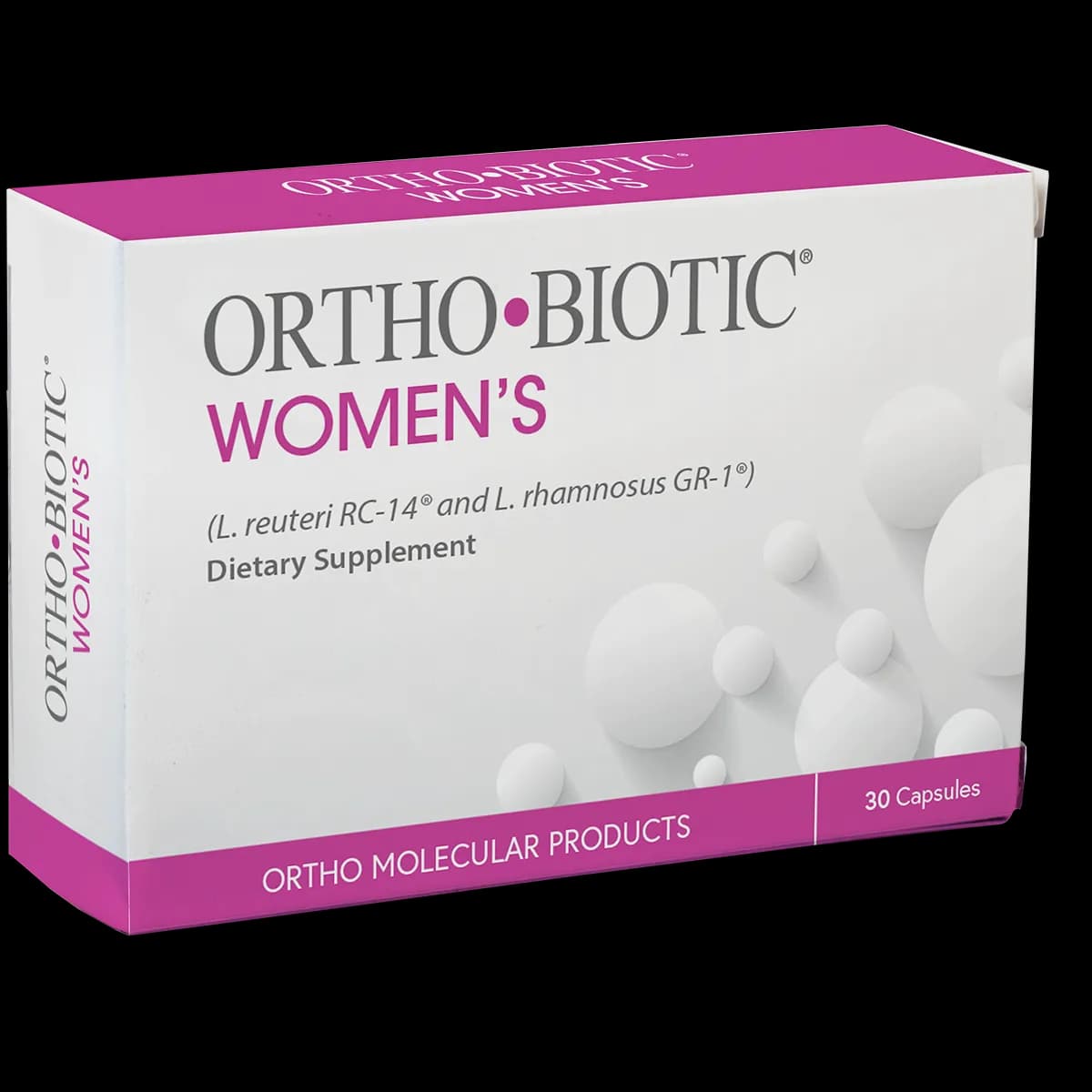
Ortho Biotic® Women's is a targeted, clinically formulated probiotic supplement designed specifically to maintain and restore a healthy vaginal microbial balance. It contains a proprietary blend of two of the most extensively researched and scientifically documented probiotic strains in the world: Lactobacillus rhamnosus GR-1® and Lactobacillus reuteri RC-14®. Originally isolated in the 1980s by pioneering researchers from the urogenital tracts of healthy women, these specific strains have been clinically proven across decades of rigorous trials to support healthy vaginal ecology. The primary, foundational mechanism by which these strains protect the vaginal environment is through the robust, continuous production of lactic acid. The physiology of the vaginal lining is deeply interconnected with hormonal fluctuations; circulating estrogen causes the vaginal epithelial cells to thicken and store glycogen, a complex carbohydrate. As these surface cells naturally shed, they release this glycogen into the vaginal lumen, providing a specialized food source for the lactobacilli. The Lactobacillus species ferment this glycogen, converting it directly into lactic acid. This biochemical process is absolutely essential because it directly acidifies the vaginal microenvironment, establishing a low, healthy pH that typically hovers between 3.5 and 4.5. This highly acidic shield is incredibly hostile to invading pathogens, creating an environment where harmful bacteria simply cannot survive or replicate.
Beyond the Gut: The Specific Urogenital Defense Mechanisms
Understanding the precise biochemistry of these specific strains reveals exactly why they are so uniquely effective for urogenital health compared to standard gut probiotics. Lactobacillus rhamnosus GR-1 and Lactobacillus reuteri RC-14 produce both D-lactic acid and L-lactic acid isomers, each serving a distinct biological purpose. While L-lactic acid heavily dictates the overall environmental pH, D-lactic acid specifically interacts with the host's epithelial tissues to modulate local immune responses and regulate matrix metalloproteinases, which helps support defense against ascending upper reproductive tract infections. Furthermore, the L. reuteri RC-14 strain is uniquely noted for its remarkable ability to produce biosurfactants and hydrogen peroxide (H2O2). Hydrogen peroxide is a potent, naturally occurring oxidizing agent that is highly toxic to catalase-negative bacteria, a category that includes the vast majority of anaerobic pathogens responsible for bacterial vaginosis. Simultaneously, the biosurfactants produced by these strains act to reduce local surface tension along the vaginal walls. This directly interferes with the physical ability of pathogenic bacteria and fungal elements like Candida albicans to attach to the vaginal lining, helping to clear them before they can establish an infection. Together, these multifaceted mechanisms create an impenetrable mucosal environment where beneficial microbes can thrive while opportunistic invaders are actively and continuously suppressed.
How Chronic Illness Impacts the Vaginal Microbiome
Viral Persistence and Mucosal Dysbiosis in Long COVID
In the wake of the global COVID-19 pandemic, researchers and clinicians have discovered that the SARS-CoV-2 virus does not merely affect the respiratory and cardiovascular systems; it possesses the capability to trigger profound, systemic mucosal dysbiosis throughout the entire body. For individuals battling Long COVID, the initial viral infection often leads to long-term, devastating alterations in the body's delicate microbial communities. Studies evaluating the crossover effect of COVID-19 on reproductive health highlight that the infection significantly alters the vaginal microbiome, often stripping away its natural defenses. In these post-viral dysbiotic states, researchers have consistently noted an aggressive overgrowth of opportunistic bacteria and fungi, such as Enterococcus, Streptococcus, and Candida albicans. Interestingly, while increased microbial diversity (often referred to as alpha-diversity) is considered a primary marker of robust health in the gut microbiome, the exact opposite is true in the urogenital tract. In the vagina, a higher alpha-diversity actually indicates that the microbiome has been severely compromised. This increased diversity means the protective, singular Lactobacillus dominance has been lost, making the mucosal tissue highly prone to opportunistic pathogens and stochastic, unpredictable microbial shifts that drive chronic, localized inflammation and immune hyper-reactivity.
ME/CFS, Estrogen, and the Gut-Vagina Axis
The intricate connection between systemic, multi-symptom illness and urogenital health is particularly evident in patients living with myalgic encephalomyelitis/chronic fatigue syndrome (ME/CFS). Roughly 45% of patients with Long COVID eventually meet the strict diagnostic criteria for ME/CFS, a debilitating, multi-systemic neuroimmune illness typically triggered by a severe viral or infectious onset. Women comprise the vast majority—up to 80%—of the ME/CFS patient population, and there is an exceptionally high comorbidity rate of female reproductive conditions linked to microbial dysbiosis. The health of the vaginal microbiome is intimately and inextricably connected to the gut microbiome through a specialized biological pathway known as the "estrobolome." The estrobolome is a specific subset of gut microbes responsible for metabolizing and regulating circulating estrogen levels in the bloodstream. Gut dysbiosis, which is a hallmark feature of ME/CFS, can severely negatively impact the estrobolome by altering the enzymatic activity of β-glucuronidase. When this enzyme is suppressed by poor gut health, estrogen cannot be properly reabsorbed into the body. This systemic drop in estrogen cascades down to the female reproductive tract, causing the vaginal tissues to thin and reducing the production of glycogen. Without glycogen, the protective lactobacilli starve, altering the vaginal microbiome and often exacerbating systemic ME/CFS symptoms, such as debilitating post-exertional malaise (PEM), during specific, vulnerable phases of the menstrual cycle.
Immune Dysregulation and the Rise of Opportunistic Infections
Complex chronic illnesses like Long COVID, ME/CFS, and dysautonomia are fundamentally characterized by profound, unrelenting immune dysregulation. In these exhausted physiological states, the overarching theory of microbiome dysbiosis suggests that standard, normally harmless commensal microbes—known as pathobionts—throughout the body's tissues and mucosa alter their gene expression to act as aggressive pathogens due to the host's severe immunosuppression. When the immune system is entirely exhausted from fighting a persistent viral antigen, managing chronic autonomic nervous system dysfunction (such as the severe tachycardia seen in POTS and dysautonomia), or dealing with constant mast cell degranulation, it loses its vital ability to police the mucosal borders. This lack of immune surveillance allows anaerobic bacteria to form sticky, highly protective biofilms in the vaginal tract, shielding themselves from whatever weak immune responses remain. This persistent, unchecked pathogen activity forces a chronic, exhaustive inflammatory response from the local mucosal immune system. This localized, smoldering inflammation can significantly increase mucosal permeability, allowing bacterial endotoxins like lipopolysaccharide (LPS) to enter the systemic bloodstream. Once in the blood, these endotoxins cross the blood-brain barrier, further triggering the widespread neuroinflammation, severe cognitive impairment (brain fog), and debilitating physical fatigue that define the daily reality of these complex chronic conditions.
Ortho Biotic Women's: Supporting Vaginal and Systemic Health
Restoring the Acidic Shield at the Cellular Level
Ortho Biotic Women's supports the profoundly disrupted biological pathways seen in chronic illness by directly and aggressively addressing the root cause of vaginal dysbiosis: the catastrophic loss of Lactobacillus dominance. When the highly resilient Lactobacillus rhamnosus GR-1 and Lactobacillus reuteri RC-14 strains are introduced into the compromised urogenital system, their primary, most critical mechanism of action is the rapid restoration of the mucosal acidic shield. By efficiently fermenting available glycogen into massive, concentrated amounts of lactic acid, these targeted strains force the vaginal pH back down to a healthy, highly acidic level (strictly below 4.5). This environmental shift is critical because it immediately halts the proliferation of the anaerobic bacteria responsible for bacterial vaginosis. At a cellular level, the unprotonated form of lactic acid is able to physically cross the cell membranes of invading pathogens. Once inside the neutral cytoplasm of the pathogenic bacteria, the acid dissociates, rapidly dropping the internal pH of the invader. This internal acidification denatures the pathogen's vital proteins, destroys its metabolic machinery, and effectively neutralizes the harmful bacteria from the inside out. Clinical laboratory studies have suggested that when the vaginal pH is artificially neutralized, the inhibitory effects of these probiotics against fungal pathogens like Candida glabrata are lost, indicating that this targeted production of lactic acid is an essential mechanism these strains use to help manage opportunistic imbalances that affect immunocompromised patients.
Competitive Exclusion and the Disruption of Pathogenic Biofilms
Beyond simply lowering the environmental pH, the GR-1 and RC-14 strains engage in a fierce, physical battle for territory directly on the vaginal epithelium. Both of these specialized strains possess unique surface proteins—specifically mucin-binding, fibronectin-binding, and collagen-binding proteins—that enable them to strongly and permanently adhere to the vaginal mucosal lining. This robust physical attachment allows them to competitively exclude and physically displace entrenched pathogens like Gardnerella vaginalis and Escherichia coli, literally crowding them out of the biological niche. Furthermore, pathogens often protect themselves from the host's immune system and standard antimicrobial treatments by hiding within sticky, impenetrable extracellular matrices known as biofilms. L. rhamnosus GR-1 has been scientifically shown to actively inhibit the formation of Candida biofilms by drastically reducing hyphal differentiation—the process by which harmless yeast transitions into an invasive, tissue-penetrating fungal form. Remarkably, the GR-1 strain also actively down-regulates the expression of the CDR1 gene in Candida albicans, a specific gene that encodes a powerful drug efflux pump. By suppressing this exact genetic expression, research suggests the probiotic may make the yeast more susceptible to standard prescription antifungal medications, helping to manage the vicious, frustrating cycle of recurrent, stubborn imbalances that so many chronic illness patients endure.
Modulating Local Inflammation and Mast Cell Reactivity
For patients living with Long COVID, ME/CFS, or Mast Cell Activation Syndrome (MCAS), localized inflammation in the urogenital tract is rarely just a local problem; it frequently acts as a potent trigger for massive, systemic symptom flares. Mast cells, which are heavily concentrated in all mucosal tissues including the vagina, can become hyper-reactive in the presence of pathogenic bacteria and their associated endotoxins. When triggered, these mast cells release massive cascades of histamine and inflammatory cytokines that cause severe local pain, swelling, and profound systemic fatigue. The specific probiotic strains in Ortho Biotic Women's interact directly with the host's mucosal immune system to provide a deeply calming, immunomodulatory effect. They have been shown in clinical literature to significantly attenuate pro-inflammatory cytokine signaling, specifically reducing the dangerous overexpression of Interleukin-6 (IL-6), Interleukin-8 (IL-8), and Tumor Necrosis Factor-alpha (TNF-α) in the vaginal tissues. Simultaneously, they actively upregulate the production of anti-inflammatory cytokines such as Interleukin-10 (IL-10). This localized, targeted soothing of the immune response helps to stabilize the delicate mucosal barrier, drastically reducing the hyper-reactivity of local mast cells and immune cells, and helping to keep the localized urogenital inflammation from spilling over into a debilitating systemic immune crash.

Symptoms Ortho Biotic Women's May Help Manage
Targeting Localized Urogenital Symptoms
Recurrent Bacterial Vaginosis (BV): Characterized by an abnormally elevated pH, unusual grayish discharge, and significant discomfort. The GR-1 and RC-14 strains help manage this frustrating condition by producing copious amounts of lactic acid and hydrogen peroxide, which directly penetrate and kill the anaerobic bacteria responsible for BV, rapidly restoring the protective acidic environment.
Frequent Yeast Infections (Vulvovaginal Candidiasis): Chronic illness and immune exhaustion often lead to recurrent, stubborn fungal overgrowth. These specific probiotics help manage yeast populations by producing biosurfactants that physically help keep Candida from adhering to the vaginal walls, and by genetically downregulating the yeast's inherent resistance to natural immune defenses and antifungal medications.
Altered Vaginal Discharge and Unpleasant Odor: Severe dysbiosis often results in highly noticeable changes to the natural mucosal secretions. By competitively excluding odor-causing pathogens like Gardnerella vaginalis and restoring a healthy Lactobacillus population, these strains help normalize vaginal secretions and maintain a clean, healthy local ecology.
Vaginal Discomfort, Burning, and Irritation: Localized, smoldering inflammation driven by opportunistic bacteria can cause chronic, daily burning or itching that severely impacts quality of life. The potent immunomodulatory effects of these Lactobacillus strains help soothe the irritated tissue by actively downregulating pro-inflammatory cytokines like IL-6 and TNF-α, reducing localized swelling and nerve irritation.
Recurrent Urinary Tract Infections (UTIs): Many uropathogens, such as E. coli, originate in the rectum and migrate across the perineum to infect the urethra and bladder. By heavily colonizing the vaginal and perineal pathways, GR-1 and RC-14 create a physical and chemical blockade that helps keep these harmful bacteria from ascending into the urinary tract.
Addressing Systemic and Hormonal Overlap
Menstrual Exacerbation of Severe Fatigue: Many ME/CFS and Long COVID patients experience devastating symptom crashes during their premenstrual phase due to hormonal shifts. By supporting the gut-vagina axis and the estrobolome, targeted probiotics may help stabilize the mucosal immune response during these highly vulnerable hormonal windows, potentially reducing the severity of the systemic crash.
Pelvic Pain During Post-Exertional Malaise (PEM): Systemic inflammation generated during a crash often pools in vulnerable mucosal tissues, leading to deep pelvic discomfort and cramping during episodes of post-exertional malaise. Restoring Lactobacillus dominance helps maintain the strict integrity of the vaginal epithelial barrier, potentially reducing the chance of endotoxins worsening the systemic crash.
Histamine-Driven Mucosal Reactivity (MCAS Overlap): For those with comorbid Mast Cell Activation Syndrome, dysbiotic, pathogenic bacteria can act as constant, low-level triggers for local mast cell degranulation. By physically displacing these irritating pathobionts and soothing the tissue, GR-1 and RC-14 help remove the environmental triggers that cause localized histamine release, reducing mucosal swelling, burning, and systemic histamine overload.
Practical Considerations: Forms, Dosing, and Absorption
Understanding Oral Bioavailability and Anatomical Migration
When discussing the "bioavailability" of a targeted probiotic supplement, we are fundamentally not referring to its absorption into the systemic bloodstream, as we would with a vitamin or pharmaceutical drug. Instead, probiotic bioavailability refers to the proportion of live, viable microorganisms that successfully survive administration to reach and permanently colonize their intended target site. Ortho Biotic Women's is expertly designed as an oral capsule, which initiates a fascinating, highly complex biological journey through the human body. When taken orally, the Lactobacillus rhamnosus GR-1 and Lactobacillus reuteri RC-14 strains must first survive the incredibly harsh, highly acidic gastric environment of the stomach, where the pH can drop as low as 1.5. Following this, they must endure the digestive bile salts in the duodenum, which act as powerful antimicrobial detergents. Extensive clinical trials have conclusively demonstrated that these specific, highly resilient strains are uniquely capable of surviving this brutal gastrointestinal transit. Once they successfully pass through the lower gut—where they can also exert positive, systemic immunomodulatory effects on the intestinal microbiome—they are naturally excreted via the rectum. From this exit point, the highly motile bacteria physically migrate across the perineum to ascend into the vaginal tract, where they establish robust colonization, bind to the epithelial cells, and begin their protective, continuous lactic acid production.
Optimal Timing, Absorption Tips, and Antibiotic Interactions
Because Ortho Biotic Women's contains live, highly active bacterial cultures (providing a potent 2 Billion CFU per capsule), the precise timing of your dosage and potential drug interactions are critical practical considerations for achieving optimal results. Systemic or broad-spectrum prescription antibiotics are chemically designed to aggressively eradicate all bacteria; they cannot differentiate between harmful, infection-causing pathogens and the beneficial, protective probiotic strains you are trying to cultivate. Taking oral antibiotics concurrently with this supplement will almost certainly kill the delicate Lactobacillus strains, rendering the product entirely ineffective. Therefore, it is universally and strictly recommended to separate the administration of these probiotics by at least two to four hours from any antibiotic dose. To maximize the survival rate of the bacteria through the harsh stomach acid, research suggests taking the probiotic capsule alongside a meal that contains some healthy fats, as the food helps to temporarily buffer the gastric pH and protect the live cultures during their transit. Conversely, these specific strains have a highly positive, deeply synergistic interaction with prescription antifungal medications. Because GR-1 and RC-14 are bacteria, they are naturally and completely resistant to antifungal drugs like fluconazole. Research suggests that combining these oral probiotics with an antifungal regimen may support significantly higher, faster resolution rates for severe yeast imbalances compared to using the antifungal alone, as the probiotics may help weaken the yeast's defensive biofilms and help reduce the fungus's ability to develop drug resistance.
Safety Profiles, Herxheimer Reactions, and Contraindications
The specific combination of L. rhamnosus GR-1 and L. reuteri RC-14 boasts an exceptionally excellent safety record and is widely considered safe for the general population. In Europe, L. rhamnosus has been officially granted Qualified Presumption of Safety (QPS) status by regulatory authorities. Across decades of rigorous clinical trials, including extensive studies involving pregnant women, there have been absolutely no significant differences in the incidence of adverse events between the probiotic and placebo groups. When first initiating a high-quality probiotic, some patients with severe dysbiosis may experience a mild, temporary exacerbation of symptoms—often referred to as a Herxheimer reaction or "die-off"—as the pathogenic bacteria are rapidly killed and release their endotoxins. This typically manifests as mild bloating, fatigue, or temporary urogenital discomfort, and usually resolves within a few days. However, while widely safe for healthy individuals or those managing standard chronic illnesses like Long COVID or ME/CFS, probiotics containing live bacteria do pose a serious risk of opportunistic infection in highly vulnerable, medically fragile populations. Individuals with severely immunocompromised systems—such as those undergoing active, aggressive chemotherapy, organ transplant recipients on heavy anti-rejection medications, or hospitalized patients with indwelling central venous catheters—should absolutely not take live probiotics without strict, direct medical supervision. As always, you must consult your primary healthcare provider before introducing any new supplement into your complex chronic illness management regimen.

Follow the Science
Landmark Clinical Trials on Bacterial Vaginosis
The clinical efficacy of Lactobacillus rhamnosus GR-1 and Lactobacillus reuteri RC-14 is not merely theoretical; it is heavily supported by decades of rigorous, peer-reviewed clinical research, making them unequivocally the most documented probiotic pairing for female urogenital health in the world. A major, milestone 2006 clinical trial published by Anukam et al. randomized a cohort of women suffering from symptomatic bacterial vaginosis (BV) to receive either oral metronidazole alongside oral probiotic capsules or oral metronidazole with a placebo. The researchers found that the antibiotic and probiotic group demonstrated a remarkable, highly statistically significant 88% resolution rate, compared to a 40% resolution rate for the patients utilizing the antibiotic and placebo. Similarly, a comprehensive double-blind, randomized, placebo-controlled trial conducted by Vujic et al. in 2013 demonstrated that women taking the oral probiotic combination had a normalized vaginal microbiota rate of 61.5% after the study period, compared to only 26.9% in the placebo group. These robust clinical studies underscore the powerful, unparalleled ability of these specific strains to not only kill active pathogens but to fundamentally and permanently restore the ecological balance of the vaginal microbiome, helping to manage the frustrating cycle of recurrent infections that plague so many patients.
Research on Yeast Overgrowth and Fungal Balance
Beyond managing bacterial imbalances, the scientific literature strongly and consistently supports the use of the GR-1 and RC-14 strains in managing severe fungal overgrowth, a highly common and persistent issue for patients with exhausted, compromised immune systems. By producing biosurfactants that interfere with pathogen adhesion and genetically downregulating fungal resistance mechanisms, targeted probiotics are often explored for their potential to support microbial balance and render opportunistic pathogens more vulnerable to standard management.
Emerging Data in Post-Acute Infection Syndromes
The critical relevance of microbiome health in post-acute infection syndromes like Long COVID and ME/CFS is a rapidly expanding, highly prioritized field of scientific inquiry. In early 2023, two major, groundbreaking NIH-funded studies published in the prestigious journal Cell Host & Microbe conclusively proved that microbiome dysbiosis is a primary, defining biological signature of ME/CFS. Researchers from Columbia University and The Jackson Laboratory found profound, systemic depletions of beneficial, barrier-protecting bacteria in patients with ME/CFS, which correlates directly and indisputably with systemic inflammation, immune exhaustion, and severe metabolic dysfunction. Emerging data continues to explore the broader impacts of post-acute infection syndromes on mucosal immunity and reproductive health. By utilizing clinically validated, highly targeted strains like GR-1 and RC-14, patients can actively and aggressively target this localized dysbiosis, supporting their mucosal immunity as a vital component of a comprehensive, science-backed chronic illness management strategy.
The Path Forward
Validating the Invisible, Interconnected Struggle
Living daily with complex, multi-system chronic conditions like Long COVID, ME/CFS, dysautonomia, and MCAS is an incredibly heavy, often invisible burden. When you are already fighting a relentless battle against debilitating, life-altering symptoms like severe cognitive impairment, unrefreshing sleep, and unpredictable post-exertional malaise (PEM), dealing with secondary, highly stigmatized issues like recurrent urogenital discomfort can feel entirely overwhelming and deeply isolating. It is incredibly important to validate that these secondary symptoms are absolutely not in your head, nor are they a sign that you are failing at your recovery or doing something wrong. They are a direct, measurable, physiological result of the profound immune dysregulation, mucosal dysbiosis, and autonomic dysfunction caused by your primary illness. Recognizing the deep interconnectedness of your body's systems—from the gut microbiome to the systemic immune system to the delicate vaginal ecology—is a crucial, empowering step in understanding your complex health reality and finding targeted, validating ways to support your body's natural defenses without relying on endless courses of harsh antibiotics.
Integrating Targeted Probiotics into Your Management Strategy
While there is currently no single miracle cure or quick fix for post-acute infection syndromes, deep healing and sustainable symptom management almost always come from a layered, highly comprehensive, and patient-centric approach. Specialized supplements like Ortho Biotic Women's represent one highly targeted piece of that complex puzzle. By utilizing clinically studied, deeply researched strains like Lactobacillus rhamnosus GR-1 and Lactobacillus reuteri RC-14, you are providing your exhausted body with the specific, biological tools it desperately needs to restore its acidic shield, outcompete opportunistic pathogens, and soothe localized mucosal inflammation. However, this targeted probiotic support should always be carefully integrated alongside foundational, evidence-based management strategies, such as aggressive pacing, continuous heart rate monitoring, meticulous symptom tracking, and comprehensive, compassionate medical care. Restoring profound microbial balance takes consistent time and dedication, and immense patience with yourself is essential as your body works tirelessly to rebuild its internal ecology from the ground up.
Next Steps in Your Comprehensive Care
If you are struggling with frustrating urogenital symptoms alongside your primary chronic illness, targeted probiotic support may be a highly valuable, scientifically validated addition to your daily management routine. We strongly encourage you to openly discuss your specific symptoms and potential supplement strategies with a knowledgeable, validating healthcare provider who deeply understands the profound complexities of microbiome health, the gut-vagina axis, and chronic immune dysfunction. They can help you accurately determine the optimal timing, precise dosage, and safe integration of specialized probiotics into your broader, individualized treatment plan. To learn more about how this specific, clinically proven formulation can actively support your vaginal ecology and overall microbial balance, explore the link below.