Can Ortho Biotic® Capsules Support Gut Health and Immunity in Long COVID and ME/CFS?
March 6, 2026
Ortho BioticProbioticsLong COVID
Share:
Disclaimer: The information provided here is for educational purposes only and is not intended as medical advice. It should not be used to diagnose, treat, cure, or prevent any medical condition. Instead, use it as a starting point for discussion with your healthcare provider. Always consult with a qualified healthcare provider before starting any new medication, supplement, device, or making changes to your health regimen.
Months or even years after an initial viral infection, many individuals living with Long COVID, Myalgic Encephalomyelitis/Chronic Fatigue Syndrome (ME/CFS), and dysautonomia find themselves battling a relentless array of symptoms that seem to originate far from the respiratory system. Among the most frustrating and debilitating of these are severe gastrointestinal distress, unpredictable food sensitivities, and profound cognitive impairment. What connects the gut to the brain, the immune system, and the profound energy crashes characteristic of these complex chronic conditions? The answer increasingly points to the trillions of microorganisms residing in our digestive tract—the gut microbiome. When this delicate ecosystem is thrown into chaos, a state known as dysbiosis, it can trigger a cascade of systemic inflammation, immune dysregulation, and metabolic dysfunction that perpetuates chronic illness.
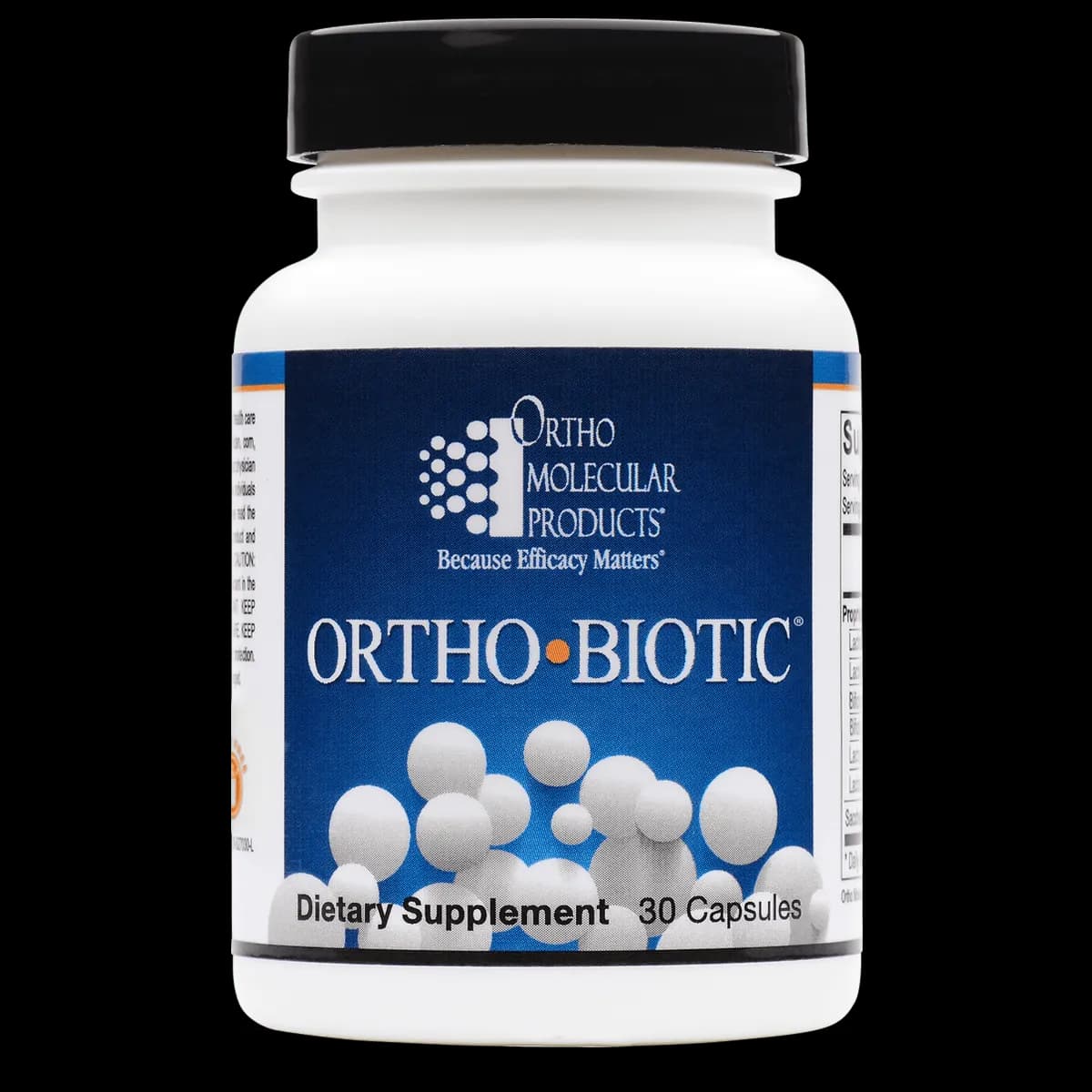
For patients navigating the overlapping complexities of Long COVID, ME/CFS, and Mast Cell Activation Syndrome (MCAS), restoring order to the gut microbiome is often a critical pillar of symptom management. However, navigating the world of probiotic supplements can be incredibly daunting, especially when certain bacterial strains can inadvertently trigger histamine release and worsen symptoms. This is where targeted, scientifically formulated interventions become essential. Ortho Biotic® Capsules by Ortho Molecular Products represent a sophisticated approach to microbiome restoration. Utilizing a proprietary blend of carefully selected probiotic strains and the extensively researched yeast Saccharomyces boulardii, alongside advanced BioShield® encapsulation technology, this formula is designed to deliver live, active organisms directly to the intestinal tract. By promoting healthy gut microflora, protecting mucosal integrity, and modulating immune function, Ortho Biotic® offers a compelling tool for those seeking to address the root causes of their gastrointestinal and systemic symptoms.
What is Ortho Biotic® and How Do Its Probiotics Function?
The Intricate Ecosystem of the Human Gut
To understand the profound impact of Ortho Biotic® Capsules, it is first necessary to explore the natural function of the commensal organisms it seeks to replenish. The human gastrointestinal (GI) tract is a finely balanced, highly complex ecosystem where roughly 500 different species of bacteria, yeasts, and other microorganisms constantly interact and compete for space and nutrients. In a state of health, known as eubiosis, these microbes exist in a symbiotic relationship with the human host. They are not merely passive passengers; they are active participants in our physiology, performing essential biochemical tasks that our own bodies cannot execute. This includes the fermentation of indigestible dietary fibers, the synthesis of crucial vitamins (such as Vitamin K and various B vitamins), and the continuous education and modulation of the mucosal immune system.
At the molecular level, one of the most critical functions of a healthy microbiome is the production of short-chain fatty acids (SCFAs), primarily butyrate, propionate, and acetate. These SCFAs are generated through the anaerobic fermentation of complex carbohydrates by beneficial bacterial strains, such as those found in the Bifidobacterium and Lactobacillus genera. Butyrate, in particular, serves as the primary energy source for colonocytes, the epithelial cells that line the colon. By providing this vital metabolic fuel, SCFAs maintain the structural integrity of the intestinal barrier, ensuring that the tight junction proteins connecting adjacent cells remain secure. This prevents the translocation of luminal contents—including undigested food particles, bacterial endotoxins like lipopolysaccharide (LPS), and pathogens—into the systemic circulation, a phenomenon commonly referred to as "leaky gut" or intestinal permeability.
The Unique Role of Saccharomyces boulardii
While bacterial probiotics are widely recognized, Ortho Biotic® uniquely incorporates Saccharomyces boulardii, a non-pathogenic, transient probiotic yeast originally isolated from lychee and mangosteen fruits in the 1920s. Unlike bacterial strains, S. boulardii is naturally resistant to antibacterial antibiotics, making it an invaluable tool for restoring gut flora during and after antibiotic therapies, which are notorious for decimating the microbiome. S. boulardii does not permanently colonize the gut; instead, it exerts profound luminal and trophic effects as it transits through the gastrointestinal tract. It acts as a "microbiome architect," altering the local environment to favor the growth of beneficial commensal bacteria while actively antagonizing pathogenic invaders.
The mechanisms of action for S. boulardii are remarkably sophisticated. In the lumen of the gut, it secretes specific enzymatic proteins, including a 54 kDa serine protease that directly digests and degrades toxins produced by pathogens like Clostridium difficile, as well as their receptor-binding sites on the human enterocyte surface. Furthermore, S. boulardii provides potent trophic support to the intestinal mucosa. It stimulates the production of polyamines (such as spermine and spermidine), which accelerate the maturation and turnover of enterocytes, facilitating the rapid repair of damaged intestinal tissue. By enhancing the expression of brush border enzymes, it also improves nutrient digestion and absorption, which is often compromised in individuals with chronic gastrointestinal distress.
Immune Modulation and Competitive Exclusion
The proprietary blend of 20 billion CFU in Ortho Biotic® includes carefully selected strains of Lactobacillus and Bifidobacterium, which operate through a mechanism known as competitive exclusion. By adhering tightly to the intestinal epithelium, these beneficial microbes physically occupy the binding sites that pathogenic bacteria would otherwise exploit to establish an infection. Simultaneously, they produce antimicrobial peptides called bacteriocins, as well as lactic and acetic acids. The secretion of these organic acids lowers the luminal pH, creating an acidic microenvironment that is highly inhospitable to many harmful, pro-inflammatory bacterial species, such as Escherichia coli and Salmonella.
Beyond physical and chemical defense, these probiotic strains are deeply integrated with the host's immune system. The gut-associated lymphoid tissue (GALT) houses approximately 70% of the body's immune cells. Commensal bacteria constantly interact with dendritic cells and macrophages in the GALT via pattern recognition receptors, such as Toll-like receptors (TLRs). This continuous cross-talk is essential for maintaining immunological tolerance—the ability of the immune system to distinguish between harmless dietary antigens and dangerous pathogens. Beneficial strains promote the differentiation of regulatory T cells (Tregs), which secrete anti-inflammatory cytokines like Interleukin-10 (IL-10), thereby preventing excessive, tissue-damaging immune responses and maintaining systemic inflammatory balance.
How Chronic Illness and Viral Infection Disrupt the Gut Microbiome
The Onset of Microbiome Dysbiosis
In complex chronic conditions such as Long COVID, ME/CFS, and dysautonomia, the finely tuned ecosystem of the gut microbiome frequently collapses into a state of profound dysbiosis. This disruption is not merely a secondary side effect; emerging research suggests it is a central driver of ongoing pathology. In the context of Long COVID, the initial SARS-CoV-2 infection can directly impact the gastrointestinal tract. The virus binds to ACE2 receptors, which are highly expressed on the surface of intestinal epithelial cells. This direct viral invasion, coupled with the systemic cytokine storm characteristic of the acute infection, triggers severe local inflammation. This inflammatory environment alters the luminal pH and oxygen gradients, creating hostile conditions that decimate populations of beneficial, obligate anaerobic bacteria, such as Bifidobacterium and Faecalibacterium prausnitzii.
As these beneficial, SCFA-producing strains are depleted, opportunistic and pro-inflammatory pathobionts—often from the Enterobacteriaceae family—rapidly proliferate to fill the ecological void. This shift from a symbiotic to a pathogenic microbiome profile has devastating consequences for the intestinal barrier. Without sufficient butyrate to fuel the colonocytes, the tight junction proteins (such as occludin and claudin) begin to degrade. This leads to increased intestinal permeability, or "leaky gut," allowing lipopolysaccharides (LPS) from the cell walls of Gram-negative bacteria to leak into the bloodstream. This constant influx of endotoxins triggers a chronic, low-grade systemic immune response, perpetuating the autoimmunity and immune dysregulation in Long COVID that leaves patients trapped in a cycle of relentless inflammation.
The Gut-Brain Axis and Neuroinflammation
The consequences of gut dysbiosis extend far beyond the digestive tract, profoundly impacting the central nervous system via the gut-brain axis. This bidirectional communication network involves the vagus nerve, systemic circulation, and the immune system. In ME/CFS and Long COVID, the systemic inflammation driven by a leaky gut can compromise the blood-brain barrier (BBB). Pro-inflammatory cytokines, such as TNF-α and IL-6, generated in response to translocated gut endotoxins, can cross the BBB and activate microglia, the resident immune cells of the brain. This microglial activation leads to chronic neuroinflammation, which is heavily implicated in the severe cognitive impairment, brain fog, and sensory processing issues that plague these patient populations.
Furthermore, the microbiome is responsible for synthesizing and regulating numerous neurotransmitters and their precursors. For example, specific gut bacteria metabolize tryptophan, an essential amino acid. In a dysbiotic state characterized by high inflammation, tryptophan metabolism is frequently shunted away from the production of serotonin (a crucial neurotransmitter for mood and gut motility) and toward the kynurenine pathway. Elevated kynurenine levels are neurotoxic and have been strongly correlated with the profound fatigue and depressive symptoms seen in post-viral syndromes. By disrupting these critical biochemical pathways, gut dysbiosis acts as a continuous engine driving the neurological and psychological symptoms of ME/CFS and Long COVID.
Mast Cell Activation and Histamine Overload
The relationship between gut dysbiosis and Mast Cell Activation Syndrome (MCAS) is particularly complex and bidirectional. Mast cells, which are abundant in the mucosal lining of the gastrointestinal tract, act as sentinels of the immune system. In a dysbiotic gut, the constant presence of pathogenic bacteria, undigested food antigens, and inflammatory cytokines keeps these mast cells in a state of hyper-vigilance. They frequently degranulate, releasing massive amounts of histamine, tryptase, and other inflammatory mediators directly into the surrounding tissue. This localized histamine release further increases intestinal permeability, creating a vicious cycle where a leaky gut triggers mast cell activation, which in turn makes the gut even leakier.
Complicating matters further is the issue of histamine intolerance, which frequently co-occurs with MCAS. Certain strains of overgrown bacteria in a dysbiotic microbiome possess the enzyme histidine decarboxylase, which converts the amino acid histidine from dietary proteins into histamine. This microbial histamine production adds to the body's overall "histamine bucket." If the intestinal mucosa is damaged and inflamed, it often fails to produce sufficient quantities of Diamine Oxidase (DAO), the primary enzyme responsible for degrading dietary and microbially produced histamine. The resulting systemic histamine overload drives a wide array of symptoms, including flushing, tachycardia, brain fog, and profound gastrointestinal symptoms seen with Long COVID.
Ortho Biotic®: Mechanisms for Restoring Gut Health and Immune Balance
Restoring the Intestinal Barrier with Saccharomyces boulardii
Ortho Biotic® is specifically formulated to counter the multi-systemic dysfunction driven by gut dysbiosis. A cornerstone of its efficacy lies in the inclusion of Saccharomyces boulardii, which exerts profound protective effects on the intestinal epithelial barrier. At the molecular level, S. boulardii actively prevents the degradation of tight junction proteins. In experimental models of colitis, researchers have demonstrated using RT-qPCR and western blotting that administration of S. boulardii maintains the mRNA expression of occludin and claudin-1, preventing their destruction by inflammatory cytokines. By reinforcing these physical links between enterocytes, S. boulardii directly addresses the "leaky gut" phenomenon, halting the translocation of endotoxins into the bloodstream and essentially cutting off the fuel supply for systemic inflammation.
Furthermore, S. boulardii acts as a powerful immunomodulator, capable of turning off the master switches of cellular inflammation. During an infection or in states of chronic dysbiosis, the host immune system often overreacts, driving tissue damage. S. boulardii secretes low molecular weight soluble factors that inhibit the degradation of IκBα, an inhibitory protein. By stabilizing IκBα, it prevents the nuclear translocation of Nuclear Factor-kappa B (NF-κB), a transcription factor that regulates the expression of numerous inflammatory genes. By blocking the NF-κB pathway, S. boulardii effectively halts the synthesis of pro-inflammatory cytokines such as IL-8, TNF-α, and IL-6 within the intestinal mucosa, providing a profound anti-inflammatory effect that benefits patients with hyperactive immune responses.
Modulating Mast Cells and Histamine Responses
For patients managing MCAS, the specific probiotic strains introduced into the gut are of paramount importance. Ortho Biotic® contains carefully selected strains, such as Lactobacillus rhamnosus GG, which have demonstrated remarkable mast cell-stabilizing properties. In highly detailed molecular studies, L. rhamnosus GG has been shown to significantly downregulate the expression of the high-affinity IgE receptor (FCER1) and the histamine H4 receptor (HRH4) on the surface of human mast cells. By essentially "turning down the dial" on these critical receptors, the probiotic reduces the mast cells' sensitivity to environmental and dietary triggers, preventing the explosive degranulation that characterizes an MCAS flare. This mechanism makes it a valuable complementary approach alongside pharmaceutical stabilizers like Ketotifen.
Additionally, the Bifidobacterium strains included in the Ortho Biotic® proprietary blend, such as Bifidobacterium bifidum, are widely recognized for their ability to support a balanced immune response without contributing to the histamine burden. Unlike certain Lactobacillus species (such as L. casei or L. bulgaricus) that possess histidine decarboxylase and actively produce histamine, Bifidobacterium species are generally histamine-neutral or even histamine-degrading. Furthermore, animal studies suggest that S. boulardii can actually increase the activity of Diamine Oxidase (DAO) in the intestinal mucosa. By upregulating the body's natural histamine-degrading enzyme, this formulation helps to safely clear excess histamine from the gut lumen before it can enter systemic circulation and trigger autonomic dysfunction or allergic responses.
Enhancing Mucosal Immunity and SCFA Production
Another critical mechanism by which Ortho Biotic® supports recovery in chronic illness is through the enhancement of mucosal immunity, specifically via the upregulation of Secretory IgA (sIgA). sIgA is the predominant antibody found in mucosal secretions and serves as the first line of defense against invading pathogens. It works by binding to viruses and bacteria in the gut lumen, neutralizing them and preventing them from adhering to the intestinal epithelium. The targeted delivery of strains like S. boulardii and Lactobacillus paracasei has been clinically proven to stimulate the mucosal production of sIgA. This enhanced immunological shield is vital for patients with post-viral syndromes, whose immune systems are often exhausted and dysregulated, leaving them vulnerable to secondary infections and opportunistic overgrowths.
Finally, the successful delivery and colonization of the bacterial strains in Ortho Biotic® restores the critical production of short-chain fatty acids (SCFAs). As strains like Lactobacillus acidophilus and Bifidobacterium bifidum ferment dietary fibers, they produce lactic, acetic, and butyric acids. This not only lowers the luminal pH to inhibit pathogens but also provides the essential metabolic fuel required by the colonocytes to maintain cellular health and barrier integrity. The restoration of SCFA production also has systemic benefits; butyrate is known to cross the blood-brain barrier and exert neuroprotective and anti-inflammatory effects in the central nervous system, offering a mechanistic pathway by which gut microbiome restoration can alleviate the profound brain fog and neurocognitive symptoms associated with ME/CFS and Long COVID.

Symptoms Ortho Biotic® May Help Manage
Targeting GI and Systemic Inflammation
While individual responses to probiotic supplementation can vary based on a patient's unique microbiome composition, the targeted strains in Ortho Biotic® are selected to address the specific pathophysiological mechanisms underlying several debilitating symptoms common in complex chronic illnesses.
Severe Gastrointestinal Distress: By restoring the balance of commensal bacteria, lowering luminal pH, and outcompeting gas-producing pathobionts, the broad-spectrum strains in Ortho Biotic® can help alleviate chronic bloating, abdominal pain, irregular bowel movements, and the visceral hypersensitivity frequently seen in post-viral dysbiosis.
Post-Exertional Malaise (PEM) and Fatigue: The gut-brain axis plays a crucial role in energy regulation. By repairing intestinal permeability ("leaky gut") and halting the systemic translocation of endotoxins (LPS), Ortho Biotic® helps reduce the chronic, low-grade systemic inflammation that drains cellular energy reserves and contributes to the profound, crushing fatigue and PEM characteristic of ME/CFS.
Addressing Cognitive and Allergic Symptoms
Beyond the digestive tract, the systemic effects of a balanced microbiome profoundly influence neurological and immunological symptoms.
Brain Fog and Cognitive Impairment: Gut dysbiosis drives neuroinflammation via the vagus nerve and circulating cytokines. By increasing the production of neuroprotective short-chain fatty acids (like butyrate) and reducing systemic inflammatory markers, targeted probiotics can help stabilize the blood-brain barrier and mitigate the microglial activation responsible for cognitive dysfunction and brain fog.
Histamine Intolerance and MCAS Flares: The inclusion of mast-cell stabilizing strains like L. rhamnosus GG, combined with the DAO-promoting properties of S. boulardii, helps to neutralize excess dietary histamine and downregulate mast cell receptors. This can reduce the frequency and severity of histamine-driven symptoms such as flushing, tachycardia, and unpredictable food reactions, making it a supportive strategy alongside interventions like Aller-Essentials.
Frequent Infections and Immune Exhaustion: By significantly upregulating the production of Secretory IgA (sIgA) in the mucosal lining, strains like S. boulardii and L. paracasei fortify the body's first line of immune defense. This helps protect patients with dysregulated immune systems from opportunistic infections and supports overall immune resilience, complementing the effects of foundational antioxidants like Ascorbic Acid Powder.
Practical Considerations: BioShield® Technology, Dosing, and Absorption
The Challenge of Probiotic Viability
One of the most significant challenges in the manufacturing, distribution, and clinical application of probiotic supplements is the inherent fragility of live microorganisms. For a probiotic to exert its therapeutic mechanisms—such as competitive exclusion, SCFA production, and immune modulation—the bacteria must survive a perilous journey. They must first remain viable throughout the product's shelf life, resisting degradation from ambient heat, light, and ambient moisture. Once ingested, they face the highly acidic, destructive environment of the human stomach, where gastric acid and bile salts are biologically designed to neutralize incoming microbes. Without advanced protection, a vast majority of the colony-forming units (CFUs) in standard probiotic capsules are destroyed before they ever reach the intestinal tract, rendering the supplement clinically ineffective.
To overcome this critical point of failure, Ortho Molecular Products utilizes a highly sophisticated, proprietary manufacturing process known as BioShield® technology. This advanced encapsulation mechanism is designed to ensure that the exact therapeutic dose of microorganisms stated on the label is delivered intact and viable to the targeted site of action in the lower gastrointestinal tract.
The BioShield® Technology Mechanism
The BioShield® process begins at the point of manufacture, where the live Lactobacillus, Bifidobacterium, and Saccharomyces strains are meticulously protected, sealed, and freeze-dried in a highly controlled environment. This process strictly isolates the microorganisms from moisture, heat, light, and oxygen. By completely depriving the bacteria of moisture and oxygen, the BioShield® technology forces the organisms into a state of induced hibernation or dormancy. They remain completely inactive, suspended in this dormant state while inside the capsule, which guarantees their potency and viability through the expiration date without the need for constant refrigeration. This makes Ortho Biotic® highly stable for storage and convenient for patients who need to travel.
The true ingenuity of the BioShield® technology lies in its moisture-triggered activation and targeted release. The protective encapsulation prevents the bacteria from activating prematurely when exposed to ambient humidity or the initial fluids of the stomach. The organisms remain safely in their suspended state, shielded from gastric destruction, until the capsule bypasses the stomach and enters the specific, higher-moisture, pH-neutral environment of the gastrointestinal tract. It is only upon reaching this targeted destination that the encapsulation dissolves, exposing the dormant bacteria to the precise moisture levels required to "wake them up." This ensures that the probiotics are released on-target, allowing them to immediately begin adhering to the intestinal mucosa, colonizing the gut, and executing their beneficial biochemical functions.
Dosing, Timing, and MCAS Considerations
The suggested use for Ortho Biotic® Capsules is typically one capsule per day, or as recommended by a healthcare professional. Because of the BioShield® technology, the timing of the dose is somewhat flexible, though many practitioners recommend taking probiotics with or shortly before a meal to further buffer stomach acid and provide the awakening microbes with immediate dietary substrates (prebiotics) to ferment. Consistency is key when attempting to modulate the microbiome; it often takes several weeks of daily supplementation for the transient strains to effectively alter the luminal environment, upregulate tight junction proteins, and produce noticeable shifts in systemic symptoms. Patients should track their GI symptoms, energy levels, and food tolerances carefully during the initial weeks of use.
For patients with severe Mast Cell Activation Syndrome (MCAS) or profound histamine intolerance, introducing any new probiotic requires careful consideration and a "low and slow" approach. While Ortho Biotic® is formulated with strains generally recognized as beneficial or neutral for histamine (such as S. boulardii, Bifidobacterium bifidum, and mast-cell stabilizing L. rhamnosus GG), the microbiome is highly individualized. In rare cases, the sudden introduction of billions of CFUs can cause a temporary "die-off" reaction (Herxheimer reaction) as pathogenic bacteria are displaced, leading to a transient increase in bloating, fatigue, or histamine symptoms. Working closely with a healthcare provider who understands the nuances of MCAS is essential to monitor these reactions and adjust dosing as necessary to ensure the intervention remains supportive rather than triggering.

Follow the Science: Probiotics in Chronic Illness
Clinical Trials in Long COVID and ME/CFS
The intersection of post-viral syndromes and microbiome dysbiosis has become a major focal point in recent clinical research, yielding highly promising data on the efficacy of targeted probiotic interventions. One of the most robust studies to date is the SIM01 trial, a triple-blind, randomized, placebo-controlled study conducted by the Chinese University of Hong Kong involving 463 patients with post-acute COVID-19 syndrome. Patients receiving a targeted synbiotic formula (containing Bifidobacterium strains) for six months demonstrated superior improvements across multiple systemic symptoms compared to the placebo group. The intervention group saw a 49% reduction in bloating, a 59% reduction in abdominal discomfort, and a remarkable 44% improvement in General Anxiety Disorder scores, highlighting the profound impact of microbiome modulation on both GI and neuropsychiatric symptoms via the gut-brain axis.
Furthermore, a recent 2025 randomized, double-blind, placebo-controlled trial investigated the use of a targeted synbiotic blend specifically in patients diagnosed with post-COVID ME/CFS. Over a 3-month period, researchers found that the intervention group experienced a significantly greater reduction in post-exertional malaise (PEM) compared to placebo. Intriguingly, brain scans of the participants revealed increased brain metabolism in the synbiotic group, with higher levels of choline in the thalamus and creatine in the frontal lobe, providing objective neurological evidence that healing the gut can directly improve cellular energy dynamics in the brain.
Research on Saccharomyces boulardii and Mast Cell Stabilization
The specific strains utilized in Ortho Biotic® have also been the subject of extensive independent research. Saccharomyces boulardii is one of the most heavily researched probiotics in the world. In animal models of DSS-induced colitis, researchers have meticulously documented its ability to protect the colon mucosal barrier. Through RT-qPCR analysis, studies have shown that S. boulardii actively prevents the destruction of tight junction proteins, maintaining the mRNA expression of occludin and claudin-1 at healthy levels, thereby providing a clear molecular mechanism for its ability to heal "leaky gut" and halt endotoxin translocation.
Equally important for the chronic illness community is the research surrounding Lactobacillus rhamnosus GG and its interaction with mast cells. A pivotal in vitro study published in the World Journal of Gastroenterology examined the effects of this specific strain on human mast cells. The researchers discovered that L. rhamnosus GG significantly downregulates the expression of the high-affinity IgE receptor (FCER1) and the histamine H4 receptor (HRH4). By reducing the density of these critical receptors, the probiotic effectively desensitizes the mast cells, providing a compelling, scientifically validated mechanism for how specific bacterial strains can help manage the hyper-reactivity seen in Mast Cell Activation Syndrome.
The Path Forward: Healing the Gut-Brain Axis
Validating the Patient Experience
Living with the unpredictable and often debilitating symptoms of Long COVID, ME/CFS, dysautonomia, and MCAS can feel like navigating a maze without a map. The profound gastrointestinal distress, the sudden histamine reactions, and the crushing weight of brain fog and fatigue are not merely in your head—they are deeply rooted in physiological disruptions, particularly within the complex ecosystem of your gut microbiome. Validating this reality is the first step toward reclaiming your health. While there is no single miracle cure for these intricate post-viral syndromes, understanding the mechanisms driving your symptoms empowers you to make targeted, scientifically grounded interventions.
A Comprehensive Approach to Recovery
Restoring balance to a dysbiotic gut is a foundational element of comprehensive chronic illness management. By utilizing advanced formulations like Ortho Biotic® Capsules, which leverage BioShield® technology to ensure the targeted delivery of extensively researched strains like Saccharomyces boulardii and mast-cell stabilizing Lactobacillus rhamnosus GG, you can actively support the repair of your intestinal barrier, modulate your immune response, and reduce systemic inflammation. However, probiotics are most effective when integrated into a holistic care plan that includes careful pacing, dietary modifications, nervous system regulation, and continuous symptom tracking. Always consult with your healthcare provider before introducing new supplements, especially if you have severe MCAS or a highly sensitive system, to ensure the approach is tailored to your unique biological needs.
Sources
Anti-inflammatory mechanisms of action of Saccharomyces boulardii
Mechanism and therapeutic effects of Saccharomyces boulardii on experimental colitis in mice
Probiotic Lactobacillus rhamnosus downregulates FCER1 and HRH4 expression in human mast cells
The potential therapeutic approaches targeting gut health in ME/CFS: a narrative review
Synbiotic formulation for post-COVID ME/CFS: a randomized controlled trial
Ortho Molecular Products: Ortho Biotic Capsules Clinical Data