Can High-Dose Omega-3s Calm Inflammation in Long COVID and ME/CFS?
March 6, 2026
OmegAvail Hi-Po LiquidLong COVIDME/CFS
Share:
Disclaimer: The information provided here is for educational purposes only and is not intended as medical advice. It should not be used to diagnose, treat, cure, or prevent any medical condition. Instead, use it as a starting point for discussion with your healthcare provider. Always consult with a qualified healthcare provider before starting any new medication, supplement, device, or making changes to your health regimen.
Living with complex chronic conditions like Long COVID, myalgic encephalomyelitis/chronic fatigue syndrome (ME/CFS), dysautonomia, and mast cell activation syndrome (MCAS) often feels like being trapped in a house where the fire alarm never stops ringing. Your immune system, initially triggered by a virus or environmental stressor, becomes stuck in a hyper-vigilant, pro-inflammatory state. This relentless systemic inflammation drives many of the most debilitating symptoms patients face, from crushing brain fog and post-exertional malaise (PEM) to erratic heart rates and widespread joint pain. For many, the search for relief involves looking for ways to safely and effectively "turn off" this alarm.
Enter high-dose Omega-3 fatty acids. While fish oil is one of the most common supplements on the market, its role in managing complex chronic illness goes far beyond basic general wellness. Clinical research is increasingly pointing to specific, highly concentrated forms of Omega-3s—specifically eicosapentaenoic acid (EPA) and docosahexaenoic acid (DHA)—as critical tools for actively resolving inflammation, stabilizing hyperactive immune cells, and supporting autonomic nervous system balance. In this article, we will explore the deep biochemical mechanisms behind OmegAvail™ Hi-Po Liquid, a potent liquid Omega-3 supplement, and examine how it may support patients navigating the complexities of Long COVID, ME/CFS, and related conditions.
What is OmegAvail™ Hi-Po Liquid?
Omega-3 fatty acids are a class of polyunsaturated fats that are absolutely essential for human health. The term "essential" in biochemistry means that the human body cannot synthesize these molecules from scratch; they must be acquired entirely through diet or supplementation. The two most biologically active and clinically relevant Omega-3s are eicosapentaenoic acid (EPA) and docosahexaenoic acid (DHA). While plant-based Omega-3s like alpha-linolenic acid (ALA) exist in foods like flaxseeds and walnuts, the human body is notoriously inefficient at converting ALA into the active EPA and DHA forms, with conversion rates often falling below 5%. Therefore, direct intake of EPA and DHA, typically sourced from marine life like cold-water fish or algae, is necessary to achieve therapeutic cellular levels.
At the most fundamental level, EPA and DHA are structural components of human biology. They are incorporated directly into the phospholipid bilayer of every cell membrane in the body. However, they are not distributed equally. DHA, for instance, is highly concentrated in the central nervous system, making up a significant portion of the cerebral cortex, the retina, and the synaptic membranes where neurons communicate. EPA is more broadly distributed and plays a massive role in cardiovascular tissue and immune cell membranes. By physically occupying space in the cell membrane, these fatty acids increase membrane fluidity, which is essential for the proper function of cellular receptors, ion channels, and the efficient transport of nutrients and waste products in and out of the cell.
Beyond their structural role, EPA and DHA act as critical signaling molecules. When a cell is subjected to stress or injury, the fatty acids stored in its membrane are cleaved off by enzymes and converted into bioactive lipid mediators. The type of fatty acid present in the membrane dictates the type of signaling molecule produced. This is where the profound therapeutic potential of Omega-3s begins to emerge, particularly in the context of chronic, systemic inflammation.
To truly understand how OmegAvail™ Hi-Po Liquid works, we must look at the competition between Omega-3 fatty acids and Omega-6 fatty acids, specifically arachidonic acid (AA). In the modern Western diet, Omega-6 fatty acids are highly abundant, leading to cell membranes that are heavily saturated with arachidonic acid. When an inflammatory trigger occurs—such as a viral infection like SARS-CoV-2—an enzyme called phospholipase A2 releases arachidonic acid from the cell membrane. This AA is then rapidly metabolized by cyclooxygenase (COX) and lipoxygenase (LOX) enzymes into highly potent, pro-inflammatory eicosanoids, including Prostaglandin E2 (PGE2) and Leukotriene B4 (LTB4). These molecules drive vasodilation, pain, tissue swelling, and the recruitment of aggressive immune cells.
When you supplement with high doses of EPA and DHA, these Omega-3s physically displace arachidonic acid within the cell membrane. Because EPA and AA compete for the exact same COX and LOX enzymes, a higher concentration of EPA means the enzymes are forced to metabolize Omega-3s instead of Omega-6s. The eicosanoids produced from EPA are vastly less inflammatory—and in some cases, entirely anti-inflammatory—compared to those derived from AA. This competitive inhibition is one of the primary mechanisms by which high-dose Omega-3s act as a systemic "brake" on the inflammatory cascade, reducing the overall burden of pro-inflammatory cytokines circulating in the bloodstream.
This mechanism is heavily supported by clinical literature. According to a comprehensive review by the Nutritional Medicine Institute, clinical dosages of EPA and DHA significantly reduce systemic C-reactive protein (CRP) and leukotriene B4 in patients dealing with chronic inflammatory states. By fundamentally altering the architectural makeup of the cell membrane, Omega-3s shift the body's default response from aggressive, tissue-damaging inflammation to a more controlled, measured immune reaction.
Historically, the medical community believed that inflammation simply "fizzled out" over time as pro-inflammatory signals degraded. However, recent groundbreaking discoveries have proven that the resolution of inflammation is a highly orchestrated, active biochemical process. This active "de-escalation" is driven by a class of molecules known as Specialized Pro-Resolving Mediators (SPMs), which include resolvins, protectins, and maresins. Crucially, these SPMs are synthesized directly and exclusively from EPA and DHA.
During the peak of an acute inflammatory response, local cellular enzymes convert EPA into E-series resolvins (RvE) and DHA into D-series resolvins (RvD) and protectins. As outlined in research published in Frontiers in Pharmacology, these resolvins bind to specific G-protein coupled receptors to actively halt the inflammatory cascade. They stop the infiltration of destructive neutrophils into healthy tissue and stimulate macrophages to perform efferocytosis—the process of engulfing and clearing dead cells, cellular debris, and lingering pathogens. Without adequate levels of EPA and DHA, the body cannot produce enough SPMs to properly resolve inflammation, leading to the chronic, smoldering inflammatory states seen in conditions like Long COVID and ME/CFS.
How Chronic Illness Impacts the Inflammatory System
In healthy individuals, the immune system mounts a robust inflammatory response to clear an infection and then rapidly deploys Specialized Pro-Resolving Mediators (SPMs) to return the body to homeostasis. In complex chronic illnesses like myalgic encephalomyelitis/chronic fatigue syndrome (ME/CFS), this resolution phase fails. Patients are left in a state of chronic immune activation, which drives the debilitating fatigue, cognitive dysfunction, and post-exertional malaise (PEM) that characterize the disease. Recent metabolomic data has revealed a profound biochemical deficit underlying this failure: a severe imbalance in the Omega-3 to Omega-6 ratio.
Clinical audits and metabolomic reviews have shown that an overwhelming majority of ME/CFS patients possess a deficient Omega-3 index. According to research on Omega-3s in fatigue management, patients with chronic fatigue exhibit significantly lower EPA-to-Arachidonic Acid (AA:EPA) ratios. This means their cell membranes are overloaded with pro-inflammatory Omega-6s and starved of the anti-inflammatory Omega-3s required to produce resolvins. This lowered ratio directly correlates with the severity of memory deficits, widespread pain, and unrefreshing sleep. The immune system is essentially trapped in a pro-inflammatory loop, unable to synthesize the chemical "off-switches" needed to stand down.
Furthermore, this lipid imbalance directly impacts T-cell function. Immunological research highlights that the low Omega-3/Omega-6 ratio in ME/CFS patients is associated with defects in early T-cell activation, pointing to a systemic failure in how the immune system responds to and recovers from viral insults. Without sufficient EPA and DHA, the chronic neuroinflammation that drives central fatigue cannot be effectively modulated, leaving patients stuck in a state of energetic depletion and neurological distress.
Long COVID shares many overlapping pathophysiological features with ME/CFS, particularly regarding sustained systemic inflammation. Following an acute SARS-CoV-2 infection, some individuals fail to fully clear the viral antigens, leading to a state of viral persistence. This ongoing immune trigger, combined with autoantibody production and prothrombotic states, promotes severe endothelial dysfunction—damage to the inner lining of the blood vessels. As detailed in a comprehensive review in the Journal of Molecular and Cellular Cardiology, this thromboinflammatory activation is a central feature of Long COVID, driving microvascular thrombosis, myocardial inflammation, and widespread tissue hypoxia.
The endothelium relies heavily on a healthy balance of lipid mediators to maintain vascular tone and prevent abnormal blood clotting. When the AA:EPA ratio is heavily skewed toward arachidonic acid, the endothelium produces excessive amounts of thromboxane A2, a potent vasoconstrictor and platelet activator. This exacerbates the micro-clotting and poor capillary perfusion frequently observed in Long COVID patients. The resulting lack of oxygen and nutrient delivery to tissues, particularly the brain and skeletal muscles, is a primary driver of the crushing fatigue and cognitive impairment that doctors use to diagnose Long COVID.
Additionally, proteomic profiling of Long COVID patients has identified vascular endothelial growth factor A (VEGFA) as a consistently overexpressed protein, indicating severe vascular distress and dysregulated chemokine signaling. As noted in recent Long COVID biomarker research, this vascular dysfunction requires targeted, endothelial-protective therapies. The chronic depletion of Omega-3s in these patients leaves their blood vessels vulnerable to ongoing oxidative stress and inflammatory damage, perpetuating the cycle of Long COVID symptoms.
Mast cell activation syndrome (MCAS) is frequently found as a co-morbidity alongside Long COVID, ME/CFS, and dysautonomia. Mast cells are key immune sentinels located in connective tissues throughout the body. In MCAS, these cells become hyper-responsive, inappropriately degranulating and releasing massive amounts of chemical mediators, including histamine, cytokines, and prostaglandins, in response to minor triggers. This massive release causes systemic allergic and inflammatory symptoms, ranging from flushing and tachycardia to severe gastrointestinal distress and brain fog.
The hyper-reactivity of mast cells is deeply influenced by the lipid composition of their cell membranes. When a mast cell membrane is saturated with Omega-6 arachidonic acid, it is highly unstable and prone to degranulation. Upon activation, the mast cell rapidly converts this arachidonic acid into Prostaglandin D2 (PGD2) and leukotrienes, which work alongside histamine to cause vasodilation, tissue swelling, and further immune recruitment. The generation of intracellular reactive oxygen species (ROS) is a key trigger for this cytokine secretion. Without the stabilizing presence of EPA and DHA to suppress ROS generation and displace arachidonic acid, the mast cell remains in a hair-trigger state, constantly fueling the systemic inflammation seen in complex chronic illness.
OmegAvail™ Hi-Po Liquid: Supporting Resolution and Autonomic Balance
The primary mechanism by which high-dose Omega-3 supplementation, such as OmegAvail™ Hi-Po Liquid, supports patients with chronic illness is through the restoration of active inflammatory resolution. By flooding the system with highly bioavailable EPA and DHA, the body is finally provided with the raw materials necessary to synthesize Specialized Pro-Resolving Mediators (SPMs). As discussed in research on neuroinflammation in PMC, these resolvins and protectins act as cellular "brakes," actively switching the immune system from a state of tissue-damaging aggression to one of cellular clearance and repair.
In the context of neuroinflammation—a key driver of brain fog in Long COVID and ME/CFS—DHA plays a particularly vital role. DHA is converted in the central nervous system into Neuroprotectin D1 (NPD1). NPD1 inhibits oxidative stress, blocks mitochondrial cell death pathways, and prevents the retraction of delicate neuronal dendrites. Furthermore, it heavily reprograms microglial cells (the brain's resident immune cells) from a pro-inflammatory (M1) phenotype to an anti-inflammatory, tissue-repairing (M2) phenotype. By supporting the clearance of cellular debris and reducing microglial overactivation, high-dose DHA provides profound neuroprotective support.
The clinical impact of this mechanism is measurable. In a double-blind, randomized-controlled pilot trial evaluating Omega-3s in Long COVID healthcare workers, supplementation with high-dose EPA and DHA successfully and dynamically changed inflammatory blood markers. The treatment group saw their Omega-3 index increase significantly, while their crucial Arachidonic Acid to EPA (AA:EPA) ratio—a major marker of systemic inflammation—dropped dramatically from 23.1 to 11.8. This proves that targeted Omega-3 supplementation can successfully alter the biochemical landscape, paving the way for the resolution of chronic inflammation.
For patients dealing with dysautonomia and Postural Orthostatic Tachycardia Syndrome (POTS), the autonomic nervous system is severely imbalanced, heavily skewed toward sympathetic ("fight-or-flight") overactivity. This results in erratic heart rates, blood pooling, and severe orthostatic intolerance. Omega-3 fatty acids, particularly EPA and DHA, act as powerful modulators of cardiac autonomic control, offering a unique therapeutic angle for these conditions.
Research demonstrates that oral intake of EPA and DHA stimulates a dose-dependent increase in parasympathetic (vagal) tone. This shift helps directly counteract the excessive sympathetic nervous system activation seen in hyperadrenergic POTS. Multiple studies consistently show that Omega-3s reliably increase Heart Rate Variability (HRV)—specifically high-frequency (HF) power, which is a direct reflection of vagal activity. A higher HRV indicates a more adaptable, resilient autonomic nervous system capable of properly regulating heart rate and blood pressure.
Recent studies evaluating therapeutic approaches for adolescents with dysautonomia and POTS following COVID-19 have shown that protocols including EPA and DHA supplementation significantly helped blunt the abnormal standing heart rate spike. Furthermore, a comprehensive meta-analysis of clinical trials found that supplementing with high doses of EPA and DHA significantly reduced baseline resting heart rates. By moderating adrenergic-mediated baroreceptor responses and improving endothelial function, OmegAvail™ Hi-Po Liquid provides foundational support for autonomic stability.
For patients with MCAS, managing the hyper-reactivity of mast cells is paramount. Omega-3 fatty acids possess potent mast cell-stabilizing properties that work on multiple molecular levels. When EPA and DHA are incorporated into the mast cell membrane, they displace arachidonic acid, fundamentally altering lipid raft formation. This physical change in the membrane structure reduces the production of pro-inflammatory mediators like Prostaglandin D2 (PGD2) and dampens the IgE-mediated activation of the mast cell.
Beyond membrane alteration, Omega-3s actively suppress the intracellular generation of reactive oxygen species (ROS), which is a key trigger for histamine and cytokine secretion. According to research published in the Journal of Nutritional Biochemistry, EPA and DHA induce a dramatic, dose-dependent decrease in the production of inflammatory interleukins (IL-4, IL-5, IL-13) by suppressing essential transcription factors like GATA-1 and GATA-2. Remarkably, the suppressive effects of Omega-3s on these mast cells were found to be comparable to potent immunosuppressive pharmaceutical drugs in laboratory settings.
By down-regulating the general activation of the mast cell and preventing the "leaky" release of histamine into the bloodstream, high-dose Omega-3 supplementation helps improve systemic MCAS symptoms. This stabilization is particularly crucial for reducing the neuroinflammation driven by mast cell cross-talk with microglia, offering relief from the severe cognitive dysfunction that often accompanies mast cell flares.

Symptoms OmegAvail™ Hi-Po Liquid May Help Manage
Brain Fog and Cognitive Dysfunction: By supplying high doses of DHA, which crosses the blood-brain barrier to form Neuroprotectin D1 (NPD1), Omega-3s help reduce microglial overactivation and neuroinflammation. This supports the clearance of cellular debris and protects delicate neuronal structures, potentially alleviating the crushing cognitive impairment seen in Long COVID and ME/CFS.
Tachycardia and Palpitations (POTS/Dysautonomia): EPA and DHA have been clinically shown to enhance parasympathetic (vagal) tone and improve Heart Rate Variability (HRV). By moderating baroreceptor responses and counteracting sympathetic nervous system overactivity, high-dose Omega-3s can help blunt abnormal standing heart rate spikes and lower resting heart rates.
Widespread Joint and Muscle Pain: By competitively inhibiting the COX and LOX enzymes, EPA physically displaces arachidonic acid, preventing the formation of highly potent, pain-inducing eicosanoids like Prostaglandin E2 and Leukotriene B4. This systemic reduction in inflammatory cytokines helps soothe widespread musculoskeletal pain.
Post-Exertional Malaise (PEM) and Severe Fatigue: Chronic fatigue is often driven by endothelial dysfunction and poor microvascular blood flow, depriving tissues of oxygen. Omega-3s support endothelial health by reducing thromboxane A2 production, improving capillary perfusion, and protecting mitochondrial function from oxidative stress, which may help raise the threshold for exertion before a crash occurs.
Histamine Reactions and Flushing (MCAS): EPA and DHA stabilize hyper-reactive mast cell membranes by altering lipid raft formation and suppressing the generation of intracellular reactive oxygen species (ROS). This inhibits the transcription factors necessary for degranulation, reducing the systemic release of histamine, prostaglandins, and inflammatory interleukins that cause flushing, hives, and tachycardia.
Practical Considerations: Forms, Dosing, and Absorption
When choosing an Omega-3 supplement, the physical delivery system—liquid versus capsule—plays a massive role in how much of the active ingredient actually reaches your bloodstream. Bioavailability refers to the proportion of a nutrient that successfully enters systemic circulation. Liquid fish oil, such as OmegAvail™ Hi-Po Liquid, generally absorbs much faster and more efficiently than traditional softgel capsules. Liquid extracts can begin assimilating in the digestive tract in just a few minutes, whereas the body must first break down a capsule's gelatin shell before accessing the oil, delaying absorption.
The most significant advantage of liquids, particularly emulsified or high-quality liquid formulations, is their interaction with the digestive system. They mix immediately with digestive enzymes (lipases) and bile salts, bypassing the initial breakdown steps required by standard bulk oil in capsules. Pharmaceutical studies and pharmacokinetic research have shown that oral liquid formulations can be roughly 30% to 100%+ more bioavailable than their capsule equivalents. For example, comparative studies on emulsified gel matrices have demonstrated that liquid delivery can double the maximum incremental concentration ($C_{max}$) of EPA and DHA in the blood compared to standard capsules.
Furthermore, the chemical structure of the oil matters. High-quality supplements utilize natural Triglycerides (TG) or Re-esterified Triglycerides (rTG), which are highly bioavailable. Cheaper mass-market capsules often rely on Ethyl Esters (EE), which have significantly lower absorption rates (up to 70% lower) and require specific digestive enzymes to be broken down, making them highly dependent on being taken with a large, fatty meal. By utilizing a highly absorbable liquid form, OmegAvail™ Hi-Po Liquid ensures that patients get the maximum therapeutic benefit from every dose.
A primary challenge with Omega-3 supplementation in chronic illness is achieving a clinically effective dose. To actively resolve inflammation, lower triglycerides, or support severe autonomic dysfunction, health organizations and clinical trials generally utilize 2,000 mg to 4,000 mg of combined EPA and DHA daily. This presents a massive "pill fatigue" problem for patients relying on standard capsules. The average commercial fish oil capsule contains only about 300 mg to 600 mg of EPA/DHA per serving, meaning a patient would need to swallow 5 to 10 large softgels every single day to reach a therapeutic threshold.
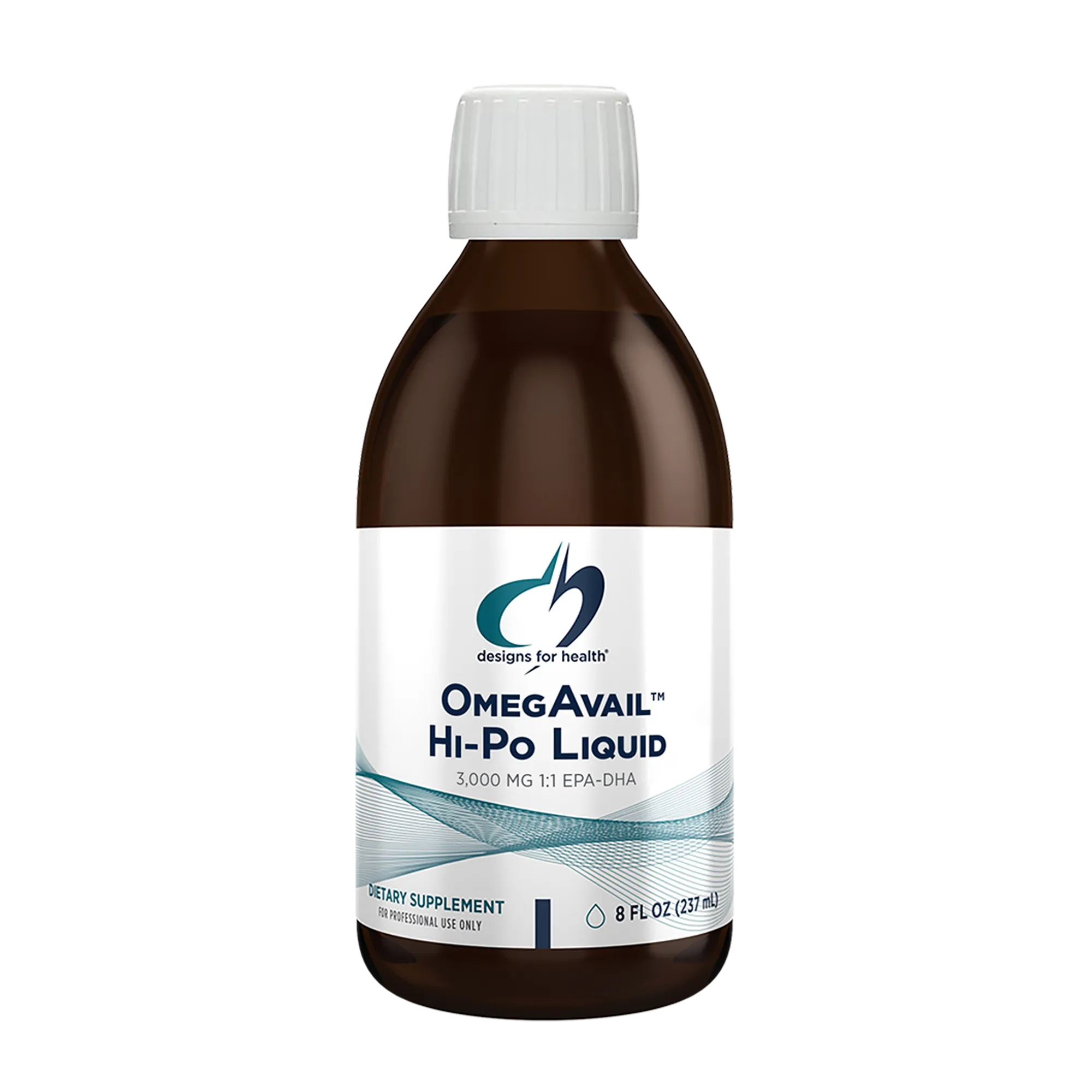
Liquid fish oils solve this payload problem effortlessly. OmegAvail™ Hi-Po Liquid delivers a massive, clinical-strength dose in a single serving. Each dose provides 1500 mg of EPA and 1500 mg of DHA, yielding a total of 3000 mg of highly active Omega-3s. This high concentration allows for targeted, aggressive support of cardiovascular, brain, and joint health without the burden of swallowing handfuls of pills. For patients with ME/CFS or Long COVID who are already managing complex medication and supplement regimens, this consolidated dosing is a significant practical advantage.
When taking high-dose liquid Omega-3s, timing and food pairing are still important. While liquids are more bioavailable than capsules, taking your dose alongside a meal that contains healthy fats (like avocado, olive oil, or nuts) will further stimulate the release of bile salts and pancreatic enzymes, maximizing intestinal absorption. It is generally recommended to take the dose with the largest meal of the day to ensure optimal uptake into the cellular membranes.
While high-dose Omega-3s are generally very safe, there are critical practical considerations, particularly regarding oxidation and histamine intolerance. Fish oil is highly prone to oxidation; when exposed to air, light, and heat, the delicate polyunsaturated fats degrade and become rancid. Oxidized fish oil is not only ineffective but can actually trigger severe inflammation and mast cell degranulation. Because liquid fish oil is exposed to air every time the bottle is opened, it must be strictly refrigerated after opening and consumed within the recommended timeframe to maintain freshness and low peroxide values.
For patients with MCAS or severe histamine intolerance, fish oil presents a unique paradox. While EPA and DHA are powerful mast cell stabilizers, fish itself is notorious for triggering histamine reactions because naturally occurring bacteria rapidly convert the amino acid histidine into histamine after the fish is caught. Therefore, MCAS patients must use highly purified, molecularly distilled supplements that have had impurities, proteins, and excess histamine removed. High-quality products like OmegAvail™ Hi-Po Liquid undergo rigorous processing to ensure purity, but highly sensitive patients should always titrate their dose slowly to monitor for individual reactivity.
Finally, regarding drug interactions, high doses of Omega-3s (typically above 3 to 4 grams daily) can have a mild blood-thinning effect by reducing platelet aggregation. While this is beneficial for the micro-clotting seen in Long COVID, patients taking prescription anticoagulants (blood thinners) or antiplatelet medications should consult their healthcare provider before initiating high-dose Omega-3 therapy to ensure safe monitoring of bleeding parameters.

Follow the Science
The clinical investigation into Omega-3s for post-viral syndromes has yielded compelling data, particularly regarding systemic inflammation markers. A prominent double-blind, randomized-controlled pilot trial published in Cureus (December 2024) evaluated the efficacy of high-dose Omega-3s in healthcare workers with Long COVID. Participants received 2,100 mg of combined EPA and DHA daily for 12 weeks. The trial successfully proved that Omega-3 supplementation dynamically changes inflammatory blood markers. In the treatment group, the crucial Arachidonic Acid to EPA (AA:EPA) ratio dropped significantly from 23.1 to 11.8, indicating a massive reduction in the biochemical drivers of systemic inflammation.
However, the study also highlighted the complex reality of treating chronic illness: despite the vast improvement in blood inflammatory markers, the 12-week study did not show statistically significant clinical improvement in Long COVID symptoms like fatigue or shortness of breath within that short timeframe. Researchers concluded that while high-dose EPA/DHA is safe and effectively fixes the underlying cellular deficits (lowering the AA:EPA ratio), a longer follow-up period or larger cohort is likely needed to translate these lowered inflammatory markers into tangible, subjective symptom relief. This reinforces the concept that Omega-3s are a foundational therapy meant to rebuild cellular health over time, rather than a rapid overnight cure.
The impact of Omega-3s on the autonomic nervous system is well-documented in cardiovascular literature. A comprehensive meta-analysis of 30 clinical trials found that supplementing with an average of 3.5 grams per day of EPA and DHA significantly reduced baseline heart rates by 2.5 beats per minute. Furthermore, a 12-week randomized, double-blind trial by Ninio et al. demonstrated that supplementation with EPA and DHA strongly improved Heart Rate Variability (HRV) by increasing high-frequency (HF) power, which directly reflects enhanced parasympathetic (vagal) activity.
In the context of post-viral dysautonomia, recent studies evaluating therapeutic approaches for adolescents with POTS following COVID-19 utilized protocols including EPA/DHA supplementation. As part of a comprehensive regimen, Omega-3s significantly helped blunt the abnormal standing heart rate spike, reducing it by an average of 25.6 ± 8.4 bpm. These findings, supported by broad cardiovascular research on Omega-3s and autonomic function, validate the use of high-dose liquid fish oil as a core strategy for stabilizing erratic heart rates and improving orthostatic tolerance.
The mast cell-stabilizing properties of EPA and DHA have been rigorously tested in in vitro and in vivo models. Research published in the Journal of Nutritional Biochemistry investigated the molecular mechanisms of Omega-3s on activated mast cells. The study found that EPA and DHA induced a dramatic, dose-dependent decrease in the production of inflammatory interleukins (IL-4, IL-5, and IL-13) by suppressing essential GATA transcription factors. The suppressive effects were so potent that they were comparable to 1 μM of cyclosporin A, a powerful immunosuppressive drug.
Additionally, studies in the British Journal of Nutrition demonstrated that while Omega-6 fatty acids increased tumor necrosis factor-alpha (TNF-α) and PGD2 secretion in human mast cell lines, EPA and DHA effectively suppressed reactive oxygen species (ROS) generation and halted the release of allergic mediators. This robust scientific foundation supports the clinical use of highly purified Omega-3s for patients managing the unpredictable flares of Mast Cell Activation Syndrome.
The Path Forward
Living with Long COVID, ME/CFS, dysautonomia, or MCAS is a daily marathon that requires immense resilience. The frustration of dealing with invisible, unpredictable symptoms can be overwhelming, especially when traditional medical tests fail to capture the depth of your experience. It is important to validate that your symptoms are real, they are rooted in complex physiological dysfunction, and they require a nuanced, multi-layered approach to management. While no single supplement is a cure for these intricate conditions, addressing the foundational health of your cell membranes and actively supporting the resolution of inflammation is a critical step forward.
OmegAvail™ Hi-Po Liquid offers a potent, highly bioavailable tool to help correct the profound lipid imbalances often seen in chronic post-viral syndromes. By delivering a clinical-strength dose of 3000 mg of EPA and DHA in a single liquid serving, it provides the raw materials your body needs to synthesize specialized pro-resolving mediators, enhance vagal tone, and stabilize hyper-reactive mast cells. When combined with comprehensive management strategies like strict pacing, symptom tracking, and targeted medical care, high-dose Omega-3s can help lower the systemic inflammatory burden and improve your overall quality of life.
At RTHM, we understand that living with long-term COVID and related chronic illnesses requires personalized, compassionate care. Supplements are just one piece of the puzzle. If you are struggling with relentless fatigue, brain fog, or erratic heart rates, we are here to help you navigate the science and find practical solutions tailored to your unique biology. Always consult with your healthcare provider before starting any new high-dose supplement, especially if you have a history of bleeding disorders or are taking anticoagulant medications.
Sources
EPA / DHA: A Review of Clinical Use and Efficacy (Nutritional Medicine Institute)
Role of Resolvins in Inflammatory Resolution of Neurological Diseases (Frontiers in Pharmacology)
VEGFA sex-specific signature is associated to long COVID symptom persistence (PMC)
Specialized Pro-Resolving Mediators in Neuroinflammation (PMC)
Efficacy of Omega-3 Polyunsaturated Fatty Acids in the Treatment of Long COVID (Cureus / PMC)
Effects of Dietary Components on Mast Cells: Possible Use as Nutraceuticals for Allergies? (MDPI)