Can Oil of Oregano Support Gut Health in Long COVID and ME/CFS?
March 6, 2026
Oil of OreganoLong COVIDME/CFS
Share:
Disclaimer: The information provided here is for educational purposes only and is not intended as medical advice. It should not be used to diagnose, treat, cure, or prevent any medical condition. Instead, use it as a starting point for discussion with your healthcare provider. Always consult with a qualified healthcare provider before starting any new medication, supplement, device, or making changes to your health regimen.
For individuals living with complex chronic conditions like Long COVID, myalgic encephalomyelitis/chronic fatigue syndrome (ME/CFS), and dysautonomia, the gastrointestinal tract often becomes a central battleground. Long after an initial viral infection has passed, many patients find themselves grappling with a new, unpredictable reality of severe bloating, food sensitivities, nausea, and erratic bowel habits. These are not merely uncomfortable side effects; they are profound physiological disruptions that directly fuel systemic inflammation, exacerbate debilitating brain fog, and lower the threshold for post-exertional malaise (PEM). When the gut microbiome is thrown into a state of severe dysbiosis, the entire body is placed on high alert, making recovery feel like an insurmountable uphill climb.
In the search for effective, science-backed interventions to restore intestinal harmony, functional medicine and integrative practitioners frequently turn to potent botanical compounds. Among the most researched and clinically utilized of these is oil of oregano. Far from the simple culinary herb found in your pantry, professional-grade oil of oregano is a highly concentrated, biochemically complex therapeutic agent. By harnessing the power of specific phenolic compounds, this botanical extract offers a multi-targeted approach to dismantling pathogenic biofilms, eradicating opportunistic overgrowths, and paving the way for a healthier, more resilient gut microbiome.
What is Oil of Oregano?
Oil of oregano, derived primarily from the leaves of the Origanum vulgare plant, is a highly potent botanical extract celebrated in both traditional herbalism and modern clinical pharmacognosy. While the plant itself has been utilized for centuries to ward off infections and preserve food, contemporary science has isolated the specific molecular drivers of its therapeutic efficacy. The clinical power of oregano essential oil (OEO) does not come from the whole leaf, but rather from its volatile fraction, which is exceptionally rich in bioactive phenolic monoterpenes. When extracted and concentrated properly, this oil serves as a broad-spectrum antimicrobial, antifungal, antioxidant, and anti-inflammatory agent capable of profoundly altering the microbial landscape of the human body.
The two most critical bioactive compounds within oil of oregano are carvacrol (5-isopropyl-2-methylphenol) and thymol (2-isopropyl-5-methylphenol). These two molecules are structural isomers, meaning they share the exact same molecular formula and weight, but differ slightly in the anatomical placement of their hydroxyl (-OH) groups on the phenol ring. This subtle structural difference allows them to interact with cellular structures in slightly different, yet highly complementary, ways. Research indicates that while carvacrol and thymol are highly effective at neutralizing pathogens on their own, they exert a profound synergistic and additive effect when acting together within the matrix of the whole essential oil, making the combined extract far more potent than isolated synthetic versions.
Understanding the sheer potency of these compounds requires looking at their chemical nature. Both carvacrol and thymol are highly lipophilic, meaning they have a strong affinity for lipids (fats) and readily dissolve in them. This lipophilic nature is the key that unlocks their primary mechanism of action: the ability to seamlessly integrate into and destroy the lipid-based cell membranes of invading pathogens. Because human cell membranes are structurally different and more complex than those of single-celled bacteria and yeast, these phenolic compounds can selectively target the weaker membranes of opportunistic microbes while leaving host tissue relatively unharmed when used at appropriate physiological doses.
The most extensively documented mechanism of action for both carvacrol and thymol is their ability to attack and obliterate the cytoplasmic membranes of bacteria and fungi. When oil of oregano is introduced to a microbial environment, the lipophilic carvacrol and thymol molecules rapidly insert themselves into the lipid bilayer of the pathogen's cell membrane. This insertion physically forces the lipid molecules apart, drastically increasing the fluidity and permeability of the membrane. The chemical structure of these compounds—specifically the presence of a free hydroxyl group and a system of delocalized electrons—allows them to act as transmembrane carriers. They facilitate the unnatural exchange of hydrogen ions (H+) from outside the cell with potassium ions (K+) from inside the cytoplasm.
This rapid, uncontrolled ion exchange is catastrophic for the pathogen. It immediately dissipates the pH gradient across the membrane and destroys the electrical potential, known as the proton motive force. The proton motive force is absolutely essential for the survival of bacteria and yeast, as it drives the production of adenosine triphosphate (ATP), the primary energy currency of the cell. According to pivotal flow cytometry studies on bacterial pathogens, treating bacteria with carvacrol causes the membrane potential to plummet almost instantly, proving massive and rapid cell membrane depolarization. Without this electrical gradient, the pathogen's cellular machinery grinds to a halt.
As the membrane becomes highly permeable and structurally compromised, the cell loses control of its internal osmotic balance. Critical intracellular contents—such as ATP, nucleic acids (DNA and RNA), and vital inorganic ions—begin to leak out into the surrounding environment. This irreversible loss of cellular integrity results in immediate cell death, a process known as lysis. This bactericidal and fungicidal action is incredibly fast-acting, making oil of oregano a formidable intervention against rapidly multiplying opportunistic infections that often plague the gastrointestinal tracts of individuals with compromised immune systems.
Beyond structural membrane damage, carvacrol and thymol sabotage pathogens from the inside out. Once they penetrate the compromised cell membrane, these compounds inhibit vital intracellular enzymes involved in cellular respiration and energy metabolism. By disrupting the electron transport chain and ATPase activity within the microbe, they cause a severe and unrecoverable depletion of intracellular ATP. Furthermore, research demonstrates that carvacrol downregulates the transcription of specific genes necessary for aerobic metabolism, cell division, and motility, while simultaneously impairing the pathogen's ability to synthesize new DNA. This multi-pronged attack ensures that even if a bacterium survives the initial membrane disruption, it is left metabolically crippled and unable to replicate.
Paradoxically, while oil of oregano acts as a destructive force against pathogens, it serves as a powerful protective agent for human cells. Carvacrol and thymol are potent antioxidants capable of scavenging free radicals and mitigating systemic oxidative stress. Studies show that these phenolic compounds protect human tissue by increasing intracellular levels of glutathione, the body's master antioxidant, and reducing lipid peroxidation. This dual action—ruthlessly dismantling the cellular structures of harmful microbes while simultaneously donating electrons to neutralize tissue-damaging free radicals—makes oil of oregano a uniquely valuable tool in the management of chronic, inflammatory conditions where both dysbiosis and oxidative stress are driving the disease process.
How Chronic Illness Impacts the Gut Microbiome
To understand why oil of oregano is so frequently utilized in chronic illness management, we must first examine how conditions like Long COVID, ME/CFS, and dysautonomia dismantle the gastrointestinal ecosystem. In the context of Long COVID, the gut is often ground zero for sustained immune dysfunction. Research has definitively shown that SARS-CoV-2 directly infects the enterocytes—the cells lining the intestines—by binding to their abundant ACE2 receptors. This direct viral infiltration triggers a massive localized inflammatory response, leading to severe disruptions in the delicate balance of the gut flora, a state known as dysbiosis. Even months or years after the acute respiratory infection has resolved, "ghost" viral particles and viral RNA can persist in the gut tissue, acting as a hidden reservoir that continuously provokes the immune system.
This persistent viral presence drives a catastrophic shift in the microbiome's composition. Clinical microbiome sequencing of Long COVID patients reveals a significantly lower Firmicutes/Bacteroidetes ratio and a profound depletion of beneficial, butyrate-producing bacteria. Butyrate is a short-chain fatty acid (SCFA) that serves as the primary fuel source for the cells lining the colon and acts as a critical anti-inflammatory signaling molecule. When these beneficial bacteria are wiped out, the gut loses its primary defense mechanism against inflammation. Simultaneously, opportunistic pathogens like Proteobacteria, Streptococcus, and Klebsiella seize the opportunity to multiply and colonize the intestinal tract, further driving the inflammatory cascade and contributing to the systemic symptoms of Long COVID.
The consequence of this viral-induced dysbiosis is the breakdown of the intestinal barrier, commonly referred to as "leaky gut" or intestinal permeability. The tight junction proteins that normally seal the gaps between enterocytes degrade, allowing undigested food particles, bacterial endotoxins (like lipopolysaccharides, or LPS), and active pathogens to leak directly into the bloodstream. This constant influx of toxins triggers a systemic immune response, driving neuroinflammation across the blood-brain barrier and fueling the debilitating brain fog, severe fatigue, and mast cell activation syndrome (MCAS) that are hallmark features of the Long COVID experience.
In conditions like ME/CFS and dysautonomia (including Postural Orthostatic Tachycardia Syndrome, or POTS), the mechanism of gut disruption is heavily tied to neurological impairment. The autonomic nervous system, which governs involuntary bodily functions, is responsible for orchestrating the complex, rhythmic muscle contractions of the digestive tract known as peristalsis and the migrating motor complex (MMC). When the autonomic nervous system is dysfunctional, as it is in dysautonomia, these critical digestive movements become sluggish and uncoordinated. This condition, known as gut dysmotility or gastroparesis, means that food and waste sit in the stomach and small intestine for abnormally long periods.
This stagnant, slow-moving intestinal environment is the perfect breeding ground for Small Intestinal Bacterial Overgrowth (SIBO) and Small Intestinal Fungal Overgrowth (SIFO). Bacteria and yeast from the large intestine migrate upward into the small intestine, where they do not belong, and begin to ferment the stagnant carbohydrates and fibers from the patient's diet. This inappropriate fermentation produces massive amounts of hydrogen, methane, and hydrogen sulfide gases, leading to severe, painful bloating, distension, and altered bowel habits. Metabolomic studies of ME/CFS patients frequently reveal elevated markers of this exact type of dysbiosis, linking specific fecal bacteria changes to the profound lipid and energy metabolism dysregulation seen in the disease.
The overgrowth of bacteria and fungi in the small intestine creates a vicious cycle. The microbes consume the nutrients intended for the host, leading to profound malabsorption and cellular starvation—worsening the deep, unyielding fatigue of ME/CFS. Furthermore, fungi like Candida albicans, which frequently overgrow in these stagnant environments, produce toxic byproducts like acetaldehyde. These neurotoxins cross the compromised intestinal barrier and enter systemic circulation, directly impairing mitochondrial function and exacerbating the neurological symptoms of dysautonomia. Breaking this cycle requires an intervention capable of clearing the stagnant overgrowth and resetting the microbial landscape.
Oil of Oregano: Supporting Gastrointestinal Health
When the gut microbiome is trapped in the vicious cycles of Long COVID, ME/CFS, and dysautonomia, standard dietary changes and probiotics are often insufficient to restore balance. The opportunistic bacteria and fungi driving the dysbiosis protect themselves by constructing biofilms—dense, impenetrable shields made of extracellular polymeric substances (EPS). These mucosal fortresses adhere tightly to the intestinal walls, making the pathogens highly resistant to the host's immune system and even to powerful pharmaceutical antibiotics. This is where oil of oregano, with its high concentration of carvacrol and thymol, becomes an indispensable therapeutic tool.
Carvacrol is recognized in clinical literature as a highly potent biofilm disruptor. Because it is lipophilic, it can easily penetrate the dense, fatty matrix of the biofilm. Once inside, it exerts its membrane-disrupting effects directly on the hidden pathogens, dissolving the protective biofilm and helping clear the underlying overgrowth. This mechanism is particularly crucial for patients battling post-viral SIFO and post-viral candidiasis, as Candida albicans is notorious for building resilient biofilms that standard antifungal medications struggle to penetrate.
By dismantling these biofilms, oil of oregano effectively "cleanses" the intestinal tract of the stubborn, opportunistic colonies that drive chronic inflammation. It strips away the protective layers of E. coli, Staphylococcus aureus, and Klebsiella, exposing them to the destructive ion-leakage mechanism described earlier. This targeted eradication reduces the overall pathogenic load in the gut, halting the inappropriate fermentation of carbohydrates and significantly decreasing the production of the toxic gases that cause severe bloating and abdominal pain in patients with SIBO and dysmotility.
Beyond its direct antimicrobial actions, oil of oregano plays a vital role in calming the hyperactive immune response that characterizes complex chronic illnesses. The chronic presence of endotoxins (like LPS) leaking from a dysbiotic gut constantly triggers the immune system's toll-like receptors (specifically TLR4), launching a relentless cascade of pro-inflammatory cytokines. This systemic inflammation is a primary driver of the severe fatigue, joint pain, and neurological dysfunction seen in Long COVID and ME/CFS. Carvacrol has been shown to directly intervene in this inflammatory pathway.
Research utilizing carvacrol for viral-induced inflammation demonstrates that it actively suppresses the overactive immune response by modulating the TLR4/NF-κB/NLRP3 inflammasome pathways. By inhibiting the activation of NF-κB (a protein complex that controls the transcription of DNA, cytokine production, and cell survival), carvacrol drastically reduces the expression of pro-inflammatory cytokines, particularly Interleukin-6 (IL-6) and Interleukin-8 (IL-8), in the serum and mucosal tissues. This profound anti-inflammatory action helps to cool the systemic "fire" that exacerbates mast cell activation syndrome (MCAS) and lowers the threshold for post-exertional malaise (PEM).
Furthermore, emerging in silico (molecular docking) studies suggest that carvacrol may have direct implications for the viral reservoirs seen in Long COVID. These studies indicate that carvacrol has a high binding affinity for the SARS-CoV-2 spike protein, potentially preventing the virus from attaching to host ACE2 receptors in the gut lining. While human clinical trials are still needed to confirm this specific antiviral mechanism in vivo, the ability of carvacrol to reduce viral-induced mucosal inflammation while simultaneously eradicating the secondary bacterial overgrowths makes it a highly compelling intervention for post-viral gastrointestinal recovery.
The ultimate goal of using oil of oregano is not just to kill pathogens, but to create an environment where the gut can heal and beneficial flora can thrive. By reducing the pathogenic burden and suppressing localized inflammation, carvacrol and thymol give the intestinal lining the opportunity to repair itself. Studies demonstrate that these phenolic compounds help reverse intestinal permeability by up-regulating the expression of tight junction proteins, specifically claudin-3 and zonula occludens-1 (ZO-1). These proteins act as the "mortar" between the enterocyte "bricks," sealing the leaky gut and preventing further endotoxemia.
As the tight junctions are repaired and the inflammatory cytokines are suppressed, the gut environment becomes hospitable once again for beneficial, commensal bacteria. Animal models of antibiotic-associated gut dysbiosis have shown that carvacrol supplementation significantly controls dysbiosis by actively increasing the abundance of protective Lactobacillaceae flora. By clearing out the aggressive, opportunistic overgrowths, oil of oregano acts like a controlled burn in a forest, clearing the dense, diseased underbrush so that healthy, diverse, SCFA-producing bacteria can take root and restore long-term homeostasis to the microbiome.
Symptoms Oil of Oregano May Help Manage
Severe Bloating and Distension: By eradicating the overgrown, gas-producing bacteria and fungi in the small intestine (SIBO/SIFO), oil of oregano halts the inappropriate fermentation of carbohydrates, significantly reducing the painful trapping of hydrogen and methane gases.
Brain Fog and Cognitive Dysfunction: By killing off Candida and pathogenic bacteria, oil of oregano reduces the production of neurotoxic byproducts (like acetaldehyde and LPS) that cross the leaky gut barrier and drive neuroinflammation in the brain.
Unpredictable Bowel Habits (Diarrhea/Constipation): By modulating the gut microbiome and reducing intestinal inflammation, oil of oregano helps normalize stool consistency and supports healthier, more regular intestinal transit times, particularly in patients with dysautonomia-driven dysmotility.
Food Sensitivities and Histamine Intolerance: By repairing the tight junctions of the intestinal lining (reversing leaky gut) and reducing the overall burden of histamine-producing bacteria, oil of oregano can help calm the immune system's hyper-reactivity to specific foods, a common issue in mast cell activation syndrome (MCAS).
Systemic Fatigue and Post-Exertional Malaise (PEM): By lowering the overall pathogenic load and suppressing the TLR4/NF-κB inflammatory pathways, oil of oregano reduces the massive energy expenditure required by the immune system to constantly fight chronic low-grade gut infections, freeing up cellular ATP for daily functioning.
Chronic Nausea and GI Discomfort: Thymol acts as a natural antispasmodic and muscle relaxant within the gastrointestinal tract. Similar to menthol, it can help relax the smooth muscle tissue of the stomach and intestines, mitigating the chronic nausea and cramping often experienced by patients with gastroparesis.
Practical Considerations: Forms, Dosing, and Absorption
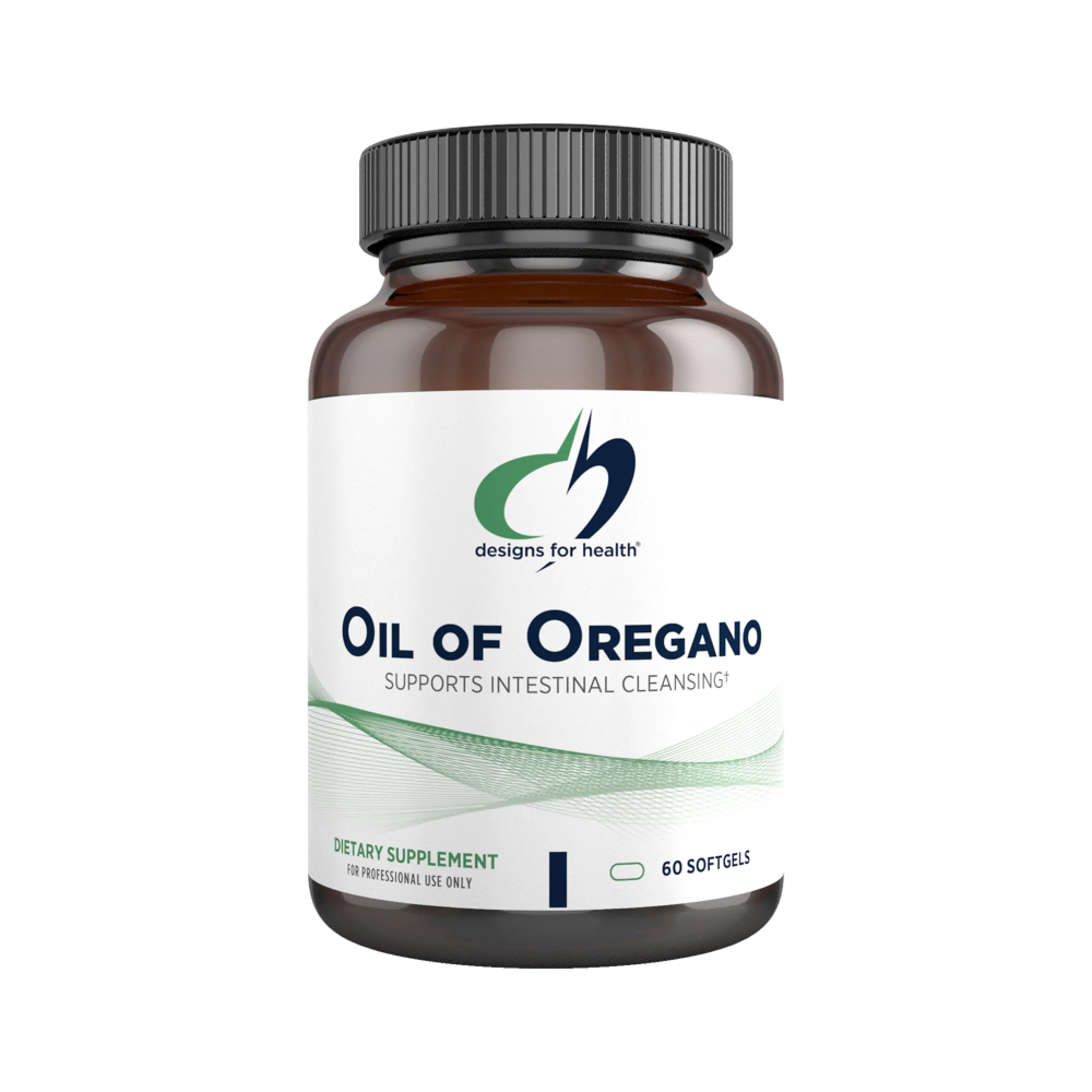
When utilizing oil of oregano for clinical purposes, the specific formulation and delivery method are paramount. Not all oregano supplements are created equal; many over-the-counter products are simply culinary oils with negligible therapeutic value or are formulated in ways that cause severe gastrointestinal distress. The Designs for Health Oil of Oregano is a professional-grade supplement specifically engineered to overcome the pharmacokinetic challenges of volatile essential oils. The most critical factor is standardization. This product is meticulously extracted to yield an impressive 60% to 75% carvacrol concentration, guaranteeing exactly 36 mg of active carvacrol and thymol per softgel. This precise standardization ensures that patients receive a clinically relevant, therapeutic dose capable of disrupting biofilms and eradicating pathogens, without the guesswork associated with unstandardized tinctures.
Equally important to the concentration is the delivery system. Pure, unformulated essential oils are highly volatile and incredibly caustic; if taken directly, they can cause severe burning, irritation, and damage to the delicate mucosal lining of the esophagus and stomach. To mitigate this, Designs for Health emulsifies their oregano oil in a base of extra virgin olive oil within a softgel. This lipid-based carrier creates a micro-emulsion in the digestive tract that serves three critical functions: it protects the GI mucosa from direct chemical irritation, it stabilizes the volatile phenolic compounds against oxidative degradation in the highly acidic stomach environment, and it significantly enhances the bioaccessibility of the active ingredients as they travel into the small intestine where they are needed most.
The use of a long-chain triglyceride carrier like olive oil also facilitates superior absorption. Pharmacokinetic profiling shows that carvacrol and thymol possess high intestinal permeability due to their lipophilic nature. By pairing them with a dietary fat, the formulation encourages the body to absorb the compounds through the lymphatic system. This lymphatic absorption pathway allows a portion of the active compounds to partially bypass the rapid first-pass metabolism of the liver, helping to maintain higher, more sustained concentrations of carvacrol and thymol in systemic circulation, thereby extending their antimicrobial and anti-inflammatory effects throughout the body.
Once absorbed, carvacrol and thymol are rapidly transported via the portal vein to the liver, where they undergo extensive Phase I and Phase II biotransformation. The liver converts these lipophilic molecules into highly water-soluble metabolites—specifically thymol sulfate, thymol glucuronide, and carvacrol glucuronide. These metabolites are then circulated through the bloodstream, exerting systemic antioxidant effects before being efficiently excreted by the kidneys in the urine. Because these compounds are processed heavily by the liver, individuals with severe hepatic impairment should consult their healthcare provider before initiating high-dose botanical therapies.
A critical practical consideration when starting oil of oregano is the potential for a Herxheimer reaction, commonly known as "die-off." Because carvacrol is so effective at rapidly destroying the cell membranes of bacteria and Candida, the dying pathogens release a sudden flood of intracellular endotoxins (like LPS) into the gut. In patients with Long COVID or ME/CFS, whose immune systems are already hyper-vigilant, this sudden toxic burden can trigger a temporary but severe spike in systemic inflammation. Patients may experience a transient worsening of fatigue, brain fog, joint pain, and flu-like symptoms. To mitigate this, functional medicine practitioners often recommend starting with a low dose and slowly titrating up, while simultaneously utilizing targeted binders (like activated charcoal or zeolite) taken away from the oregano oil to help mop up the circulating toxins.
Because oil of oregano is a potent, broad-spectrum antimicrobial, it must be used with strategic intention. It is not a supplement designed for indefinite, daily use. Taking high doses of carvacrol continuously for months can result in "friendly fire," inadvertently killing off the beneficial commensal bacteria your gut needs for long-term health, much like a pharmaceutical antibiotic. Therefore, clinical protocols generally utilize oil of oregano in short, targeted bursts—typically lasting between 2 to 6 weeks, depending on the severity of the dysbiosis, SIBO, or fungal overgrowth. This short-term eradication phase is almost always followed by a "rebuilding" phase utilizing high-quality, spore-based probiotics and prebiotics to re-inoculate the gut ecosystem.
Timing and interactions are also important. The standard suggested use is one softgel per day with a meal, which leverages the dietary fats to further optimize absorption and minimize any potential stomach upset. Because oregano oil can exhibit mild chelating properties, it is advisable to take it at least two hours away from essential mineral supplements (such as iron, zinc, calcium, or magnesium) to prevent any interference with nutrient absorption. Finally, oil of oregano is contraindicated during pregnancy and breastfeeding, and because it can act as a mild blood thinner, it should be used with caution in individuals taking anticoagulant medications or those preparing for surgery. Always consult with your healthcare provider to ensure this potent botanical fits safely into your comprehensive management plan.
Follow the Science
The clinical application of oil of oregano for gastrointestinal dysbiosis is supported by a growing body of robust scientific literature. One of the most pivotal studies validating the use of botanical antimicrobials was a 2014 clinical trial conducted at Johns Hopkins University and published in Global Advances in Health and Medicine. The researchers evaluated 104 patients with newly diagnosed Small Intestinal Bacterial Overgrowth (SIBO). The patients were divided into two groups: one received standard pharmaceutical antibiotic therapy (Rifaximin), while the other received a 4-week course of a targeted herbal protocol featuring oregano oil, berberine, and other botanical extracts.
The results of this study were highly significant for the functional medicine community. The herbal therapy achieved a 46% resolution rate of SIBO (confirmed by follow-up lactulose breath testing), compared to only a 34% resolution rate for the standard Rifaximin treatment. Furthermore, the oregano-based botanical protocol successfully acted as a "rescue therapy" for patients who did not initially respond to the pharmaceutical antibiotic, clearing the overgrowth in those refractory cases. This study provided compelling clinical evidence that standardized, high-carvacrol botanical extracts are not only viable alternatives to synthetic antibiotics for treating complex gut dysbiosis, but may actually offer superior efficacy in certain patient populations due to their multi-targeted, biofilm-disrupting mechanisms.
More recent clinical research continues to highlight the efficacy of oregano-based interventions for notoriously difficult-to-treat gastrointestinal conditions. A 2024 open-label clinical trial published in Microorganisms (MDPI) investigated the use of an oral botanical supplement containing oregano oil and berberine in patients suffering from hydrogen-sulfide SIBO. Hydrogen-sulfide SIBO is characterized by severe systemic symptoms, including profound fatigue and neurological impairment, and is notoriously resistant to standard treatments. Remarkably, the study found that 100% of the participants who tested positive for this specific overgrowth were completely cleared of the infection by week 6 of the botanical protocol, underscoring the potent, broad-spectrum capabilities of these phenolic compounds.
In the context of Long COVID and post-viral fatigue, the scientific focus is increasingly turning toward the antiviral and immunomodulatory properties of carvacrol. Recent reviews analyzing the Adverse Outcome Pathway (AOP) framework for COVID-19 highlight plant-derived compounds like carvacrol as critical therapeutic interventions. These molecular studies demonstrate that carvacrol can interfere with the binding of the SARS-CoV-2 spike protein to host ACE2 receptors, directly addressing the specific starting point of the viral-induced inflammatory cascade that leads to Long COVID gut dysbiosis. While large-scale human trials specifically evaluating oregano oil for Long COVID are still in development, the convergence of its proven ability to eradicate SIBO, disrupt Candida biofilms, and modulate severe mucosal inflammation makes it a highly promising, science-backed tool for post-viral gastrointestinal recovery.
The Path Forward
Living with the relentless gastrointestinal symptoms of Long COVID, ME/CFS, or dysautonomia can feel incredibly isolating and deeply frustrating. When severe bloating, unpredictable bowel habits, and food sensitivities dictate your daily life, it is easy to feel as though your body has turned against you. It is important to validate that these symptoms are not in your head; they are the result of profound, measurable disruptions to your gut microbiome, driven by viral persistence, autonomic dysfunction, and systemic inflammation. Healing a severely dysbiotic gut is a complex process that requires patience, precision, and a multi-targeted approach.
Oil of oregano, with its potent concentration of carvacrol and thymol, offers a powerful, science-backed tool to help dismantle pathogenic biofilms, clear opportunistic overgrowths, and calm localized inflammation. However, it is just one piece of a comprehensive management strategy. True recovery requires integrating targeted botanical antimicrobials with nervous system regulation, careful pacing, dietary modifications, and eventually, the strategic reintroduction of beneficial probiotics to rebuild a resilient microbiome. By working closely with a knowledgeable healthcare provider to safely implement these interventions, you can begin to reclaim control over your gastrointestinal health and reduce the systemic inflammatory burden driving your chronic symptoms.
Disclaimer: This information is for educational purposes only and should not be considered medical advice. Supplements can interact with medications and may not be appropriate for everyone. Always consult with your healthcare provider before starting any new supplement regimen, especially if you have a complex chronic condition, are pregnant, or are taking prescription medications.
Sources
The antibacterial mechanism of carvacrol and thymol against Escherichia coli (Xu et al., 2008)
Antibacterial activities of oregano essential oils and their active components (PMC)
Chemical Composition, Biological Activity, and Potential Uses of Oregano (MDPI)
Therapeutic application of carvacrol: A comprehensive review (PMC)
In Silico Molecular Docking Studies of Carvacrol against SARS-CoV-2 (PMC)
Protective Effect of Carvacrol against Gut Dysbiosis and Clostridium difficile (PMC)
Pharmacokinetics and Bioavailability of Thymol and Carvacrol (PMC)
Herbal Therapy Is Equivalent to Rifaximin for the Treatment of SIBO (Chedid et al., 2014)
An Oral Botanical Supplement Improves SIBO: Results of an Open-Label Clinical Study (MDPI, 2024)