Can Targeted Antioxidants Protect Your Vision from Long COVID and ME/CFS?
March 6, 2026
OcuViewVision HealthLong COVID
Share:
Disclaimer: The information provided here is for educational purposes only and is not intended as medical advice. It should not be used to diagnose, treat, cure, or prevent any medical condition. Instead, use it as a starting point for discussion with your healthcare provider. Always consult with a qualified healthcare provider before starting any new medication, supplement, device, or making changes to your health regimen.
When living with complex chronic conditions like Long COVID, myalgic encephalomyelitis/chronic fatigue syndrome (ME/CFS), or dysautonomia, it is easy to focus entirely on the most debilitating systemic symptoms: the profound exhaustion, the unpredictable heart rate, and the crushing post-exertional malaise (PEM). However, many patients quietly struggle with a secondary layer of distressing symptoms that are often overlooked in standard medical appointments: persistent visual disturbances, dry eyes, light sensitivity, and visual fatigue. You might notice that reading a screen quickly triggers a frontal headache, or that your vision becomes inexplicably blurry during a physical or cognitive crash. These ocular symptoms are not just in your head; they are direct, physiological manifestations of the systemic inflammation and cellular damage occurring throughout your body.
In the wake of the COVID-19 pandemic, clinical researchers have discovered that the eyes and the visual system are highly susceptible to the long-term systemic effects of viral infections and immune dysregulation. At the core of this dysfunction is a biological phenomenon known as oxidative stress—a destructive imbalance that depletes cellular energy, damages delicate tissues, and perpetuates neuroinflammation. Fortunately, targeted nutritional strategies can help fortify the body's defenses. Supplements like OcuView, which combine heavily researched macular carotenoids with a synergistic network of systemic antioxidants, offer a scientifically grounded approach to supporting both ocular health and overall cellular resilience in the face of complex chronic illness.
What is OcuView?
The Vulnerability of the Ocular System
To understand how a targeted supplement like OcuView works, we must first understand the unique biological environment of the human eye. The eye is arguably the organ most vulnerable to oxidative stress in the entire body. This vulnerability stems from its constant exposure to environmental stressors, including ultraviolet (UV) light, high-energy blue light from digital screens, airborne toxins, and a uniquely high rate of oxygen metabolism. When light energy passes through the cornea and the lens to reach the retina at the back of the eye, it strikes the photoreceptor cells (known as rods and cones) and the pigmented epithelial cells.
This interaction is a marvel of biology, as the light energy is converted into a nerve impulse that travels to the brain, allowing us to see. However, this metabolic conversion process naturally generates highly reactive molecules known as reactive oxygen species (ROS), or free radicals. In a healthy, balanced system, the body deploys endogenous antioxidants to neutralize these free radicals before they can cause harm. But when the system is overwhelmed by chronic illness, viral persistence, or aging, these free radicals run rampant, causing severe oxidative damage to the delicate lipid membranes of the eye tissues. This progressive damage is a leading driver of visual decline and macular deterioration.
The Synergistic Antioxidant Network
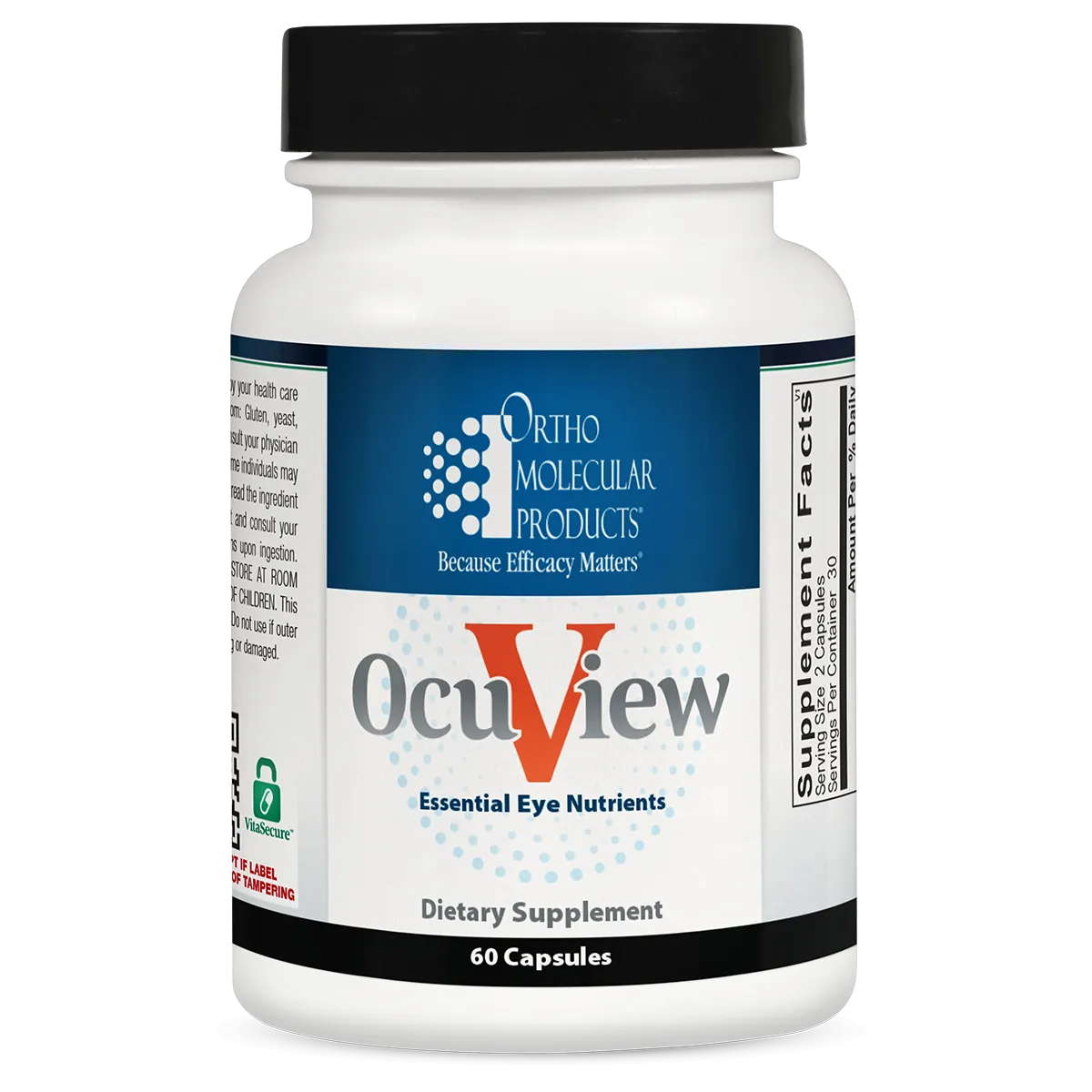
OcuView is a specialized nutritional formulation designed by Ortho Molecular Products to directly combat this oxidative damage. Rather than relying on a single ingredient, the supplement utilizes a "network antioxidant" approach. This means it combines multiple compounds that work together synergistically to neutralize threats across different cellular environments. The formula provides a robust 500 mg of Vitamin C (Ascorbic Acid) and 400 IU of Vitamin E. Vitamin C is a water-soluble antioxidant that protects the aqueous environments of the eye, such as the fluid filling the front of the eye and the blood plasma.
Conversely, Vitamin E is a fat-soluble antioxidant. It embeds itself directly into the lipid-rich cell membranes of the photoreceptors, acting as a physical shield against a destructive process called lipid peroxidation. The formula also includes 100 mg of Alpha Lipoic Acid (ALA), a unique amphipathic molecule that is both water- and fat-soluble. ALA is crucial because it acts as a metabolic regenerator; once Vitamin C and Vitamin E have neutralized free radicals and become "spent," ALA recycles them back into their active, protective forms, drastically extending their lifespan in the body.
The Macular Shield: Lutein and Zeaxanthin
Beyond systemic antioxidants, OcuView contains 10 mg of Lutein and 2 mg of Zeaxanthin. These are potent, plant-derived xanthophyll carotenoids that naturally concentrate in the macula—the small, central portion of the retina responsible for sharp, straight-ahead vision. Together, lutein and zeaxanthin form the "macular pigment," which acts essentially as internal ocular sunglasses. They absorb and filter out harmful, high-energy blue light before it can penetrate deep into the retinal layers.
Finally, the formulation is anchored by 25 mg of Zinc Bisglycinate Chelate. Zinc is an essential trace mineral required for the function of over 300 enzymatic reactions in the body. In the context of ocular health, zinc is heavily concentrated in the eye and is necessary for the synthesis of superoxide dismutase (SOD), one of the body's most powerful native antioxidant enzymes. By combining these specific botanical light-filters, systemic free-radical scavengers, and mineral enzyme-activators, OcuView provides comprehensive support for maintaining the long-term health of the eyes.
How Chronic Illness Impacts Ocular Health
The Vicious Cycle of Oxidative Stress
For individuals living with Long COVID, ME/CFS, and dysautonomia, the body is locked in a state of chronic physiological stress. Research has shown that SARS-CoV-2 enters human cells primarily through ACE2 receptors, which are highly expressed in various ocular tissues, including the cornea, conjunctiva, and retina. When the virus binds to these receptors, it downregulates their protective function. This triggers the overactivation of an enzyme called NADPH oxidase (NOX), leading to a massive, systemic overproduction of superoxide radicals and hydrogen peroxide.
This "ROS storm" overwhelms the body's natural antioxidant defenses, leading to severe oxidative stress and mitochondrial dysfunction. The mitochondria—the energy-producing powerhouses of our cells—become damaged and begin to leak even more free radicals. This creates a vicious cycle of cellular damage and systemic inflammation that drains cellular energy (ATP), manifesting as the profound fatigue and post-exertional malaise seen in both Long COVID and ME/CFS. Because the outer retina has one of the highest metabolic rates in the human body, it is uniquely vulnerable to this specific type of mitochondrial oxidative stress, leading to accelerated visual deterioration.
Endothelial Dysfunction and Retinal Ischemia
Another hallmark of Long COVID and related post-viral syndromes is endothelial dysfunction. The endothelium is the delicate inner lining of our blood vessels. Chronic oxidative stress damages these endothelial cells, preventing them from properly regulating blood flow and leading to a hypercoagulable state. This can result in the formation of microthrombi, or tiny blood clots, within the capillaries.
The eye is filled with a dense, intricate network of microvascular capillaries required to deliver oxygen and nutrients to the retina. When microclots form in these tiny vessels, it causes retinal ischemia—a localized lack of oxygen. Prolonged oxidative stress and microvascular dysfunction literally alter the physical structure of the eye. Advanced imaging studies utilizing Optical Coherence Tomography (OCT) have observed significant long-term thinning of the retinal nerve fiber layer in Long COVID patients, which is a clear indicator of neurodegeneration and chronic retinal ischemia.
Neuroinflammation and Visual Fatigue
Furthermore, the systemic immune dysregulation seen in ME/CFS and Long COVID often crosses the blood-brain barrier, resulting in chronic neuroinflammation. This neuroinflammation disrupts neurotransmitter function and impairs the central nervous system's ability to process sensory input efficiently. As a result, patients frequently report a symptom known as asthenopia, or severe visual fatigue.
Asthenopia is characterized by frontal headaches during screen time, difficulty focusing, convergence insufficiency (trouble turning the eyes inward to focus on a near object), and a general sense of exhaustion triggered by visual stimuli. The eyes are structurally intact, but the neurological pathways processing the visual data are inflamed and easily overwhelmed. This is why reading a book or scrolling on a phone can trigger a systemic crash or exacerbate brain fog in patients with post-viral syndromes. The visual system is simply demanding more metabolic energy than the damaged mitochondria can provide.
OcuView: Supporting Visual and Systemic Health
The Master Antioxidant Recycling Loop
Supplementing with the targeted nutrients in OcuView can help interrupt the vicious cycles of oxidative stress and neuroinflammation that drive both ocular decline and systemic chronic illness. The most profound mechanism at play is the creation of an elegant "antioxidant cascade" or recycling loop. In a state of chronic illness, taking a single antioxidant is often insufficient because once it neutralizes a free radical, it becomes oxidized and ineffective itself.
However, the specific combination of Alpha Lipoic Acid, Vitamin C, and Vitamin E solves this problem. When Vitamin E sacrifices itself to stop lipid peroxidation in the cell membrane, Vitamin C steps in to donate an electron, "rescuing" and regenerating the Vitamin E. Then, Alpha Lipoic Acid—which can easily penetrate the inner mitochondrial membrane—steps in to regenerate the spent Vitamin C. This continuous recycling loop restores the cellular redox balance, protecting the mitochondria from further damage and allowing them to resume efficient ATP energy production without triggering immediate post-exertional malaise.
Filtering Light and Suppressing Inflammation
Lutein and Zeaxanthin offer therapeutic benefits that extend far beyond simply filtering blue light in the macula. Recent clinical data demonstrate that these highly lipophilic carotenoids can cross the blood-brain barrier and exert powerful neuroprotective effects. A seminal 2024 literature review on Long COVID explained that the prolonged presence of viral spike proteins activates pro-inflammatory pathways, specifically the NF-κB pathway, which drives systemic hyper-inflammation.
Lutein acts as a strong ROS scavenger that directly suppresses these exact spike-protein-induced inflammatory pathways. By downgrading inflammatory signaling, lutein helps restore homeostasis in immune cells. Furthermore, lutein and zeaxanthin activate the Nrf2 pathway, which is the "master regulator" of the body's antioxidant responses. Activating Nrf2 prompts the body to produce its own endogenous antioxidants, such as glutathione, which are typically deeply depleted in patients with ME/CFS, MCAS, and Long COVID. By reducing oxidative stress in the prefrontal cortex, these carotenoids help protect cognitive function and alleviate brain fog.
Enzymatic Defense via Highly Absorbable Zinc
The inclusion of zinc in the OcuView formula provides a critical anchor for immune and enzymatic defense. Zinc is a mandatory structural component of Superoxide Dismutase (SOD), the frontline enzyme responsible for neutralizing superoxide, one of the most toxic free radicals leaked by struggling mitochondria. Low zinc levels are highly correlated with persistent inflammation and severe post-viral fatigue in Long COVID patients.
By re-establishing zinc homeostasis, the body can maintain the enzymatic activity required to continuously clear out the initiating sources of oxidative stress. In the eye specifically, zinc stimulates the enzymes responsible for digesting "rod outer segments," preventing the buildup of lipofuscin—a toxic, lipid-containing residue that accumulates in older individuals and impairs vision. Through these multi-layered mechanisms, OcuView supports not just the physical structures of the eye, but the fundamental mitochondrial and immune pathways disrupted by chronic illness.

Symptoms OcuView May Help Manage
Visual Fatigue and Asthenopia: By neutralizing oxidative stress in the ocular muscles and supporting mitochondrial energy production, OcuView may help reduce the frontal headaches, eye strain, and exhaustion associated with reading or screen time.
Blurry Vision and Focus Issues: The macular protection provided by lutein and zeaxanthin helps maintain the structural integrity of the retina, which can support sharper central vision and reduce intermittent blurriness caused by cellular fatigue.
Dry Eyes and Ocular Surface Irritation: Systemic inflammation and oxidative stress damage the tear film and ocular surface. Antioxidants like Vitamin C and Alpha Lipoic Acid help mitigate this endothelial damage, potentially alleviating the burning and foreign-body sensations common in post-viral dry eye disease.
Light Sensitivity (Photophobia): Lutein and zeaxanthin act as internal ocular filters, physically absorbing high-energy blue and UV light. This increased macular pigment density can help reduce the harsh glare and neurological overwhelm triggered by bright environments.
Brain Fog and Cognitive Fatigue: Because lutein and alpha lipoic acid cross the blood-brain barrier to reduce neuroinflammation and activate the Nrf2 antioxidant pathway, they help protect the prefrontal cortex, supporting clearer cognitive function and reducing systemic fatigue.
Post-Exertional Malaise (PEM) Triggers: By establishing a continuous antioxidant recycling loop (Vitamin C, E, and ALA), the formula protects mitochondrial membranes from lipid peroxidation, allowing cells to produce energy more efficiently and potentially raising the threshold for visually-triggered crashes.
Practical Considerations: Forms, Dosing, and Absorption
The Advantage of Zinc Bisglycinate Chelate
When evaluating a nutritional supplement, the form of the ingredients is just as important as the dosage. Poorly formulated supplements often pass through the digestive tract without being absorbed, providing no clinical benefit. OcuView utilizes a highly specific and superior form of zinc known as Zinc Bisglycinate Chelate (often branded as TRAACS®). In this formulation, one zinc atom is chemically bound (chelated) to two molecules of the amino acid glycine.
This chelation process creates a stable, low-molecular-weight ring structure that remains fully intact as it travels through the harsh, acidic environment of the stomach. A landmark randomized crossover study demonstrated that zinc bisglycinate safely increased the oral bioavailability of zinc by 43.4% compared to standard zinc gluconate. Furthermore, because the zinc is "hidden" within the glycine molecules, it does not compete with other minerals for absorption, nor does it irritate the gastric mucosa. This makes it exceptionally gentle on the stomach, avoiding the severe nausea commonly associated with cheaper forms like zinc oxide or zinc sulfate.
Optimizing Absorption and Timing
To maximize the absorption of OcuView, it is crucial to consider the solubility of its ingredients. Lutein, zeaxanthin, and Vitamin E are highly lipophilic (fat-soluble) compounds. If taken on an empty stomach, their bioavailability drops significantly. Therefore, it is highly recommended to take OcuView with a meal that contains healthy fats, such as extra virgin olive oil, avocado, or nuts. The presence of dietary fat stimulates the release of bile acids, which emulsify the fat-soluble vitamins and carotenoids, allowing them to be efficiently absorbed through the intestinal wall.
The suggested use is two capsules per day. For patients with dysautonomia or ME/CFS who struggle with gastrointestinal motility or nausea, splitting the dose—taking one capsule with breakfast and one with dinner—can help maintain steady blood levels of the water-soluble antioxidants (Vitamin C and ALA) throughout the day while minimizing any potential digestive upset.
Safety Precautions and Drug Interactions
While the ingredients in OcuView are generally recognized as safe and well-tolerated, the potency of this antioxidant stack requires specific precautions, particularly for individuals managing complex chronic conditions with prescription medications. Alpha Lipoic Acid is known to increase insulin sensitivity and can independently lower blood sugar levels. If you are taking antidiabetic medications (such as Metformin or insulin), combining them with ALA drastically increases the risk of hypoglycemia (low blood sugar). Blood glucose levels should be monitored closely.
Additionally, while zinc bisglycinate is highly absorbable, taking high doses of any zinc supplement long-term can stimulate the production of a protein that binds to dietary copper, potentially leading to copper deficiency anemia. If you plan to take OcuView long-term, discuss your overall zinc and copper intake with your healthcare provider. Finally, zinc can bind to certain antibiotics (like tetracyclines and fluoroquinolones) and thyroid medications (like Levothyroxine) in the digestive tract, preventing their absorption. You must separate the intake of OcuView from these medications by at least two to four hours. Always consult your prescribing physician before adding a complex antioxidant formula to your regimen.

Follow the Science
The Landmark AREDS and AREDS2 Clinical Trials
The foundational science behind the OcuView formulation is rooted in decades of rigorous clinical research sponsored by the National Eye Institute (NEI), specifically the Age-Related Eye Disease Studies (AREDS). The original AREDS trial, a massive 10-year study, proved that supplementing with high doses of Vitamin C, Vitamin E, beta-carotene, and zinc reduced the risk of advanced macular deterioration and associated vision loss by 25%. However, researchers discovered that beta-carotene increased lung cancer risks in certain populations.
To improve the safety and efficacy of the formula, the NEI launched the AREDS2 clinical trial in 2006, involving over 4,000 participants. They replaced beta-carotene with the macular carotenoids lutein and zeaxanthin. The 10-year follow-up data, published in JAMA Ophthalmology in 2022, confirmed that the lutein/zeaxanthin formulation not only eliminated the cancer risk but provided an incremental 10% to 20% additional beneficial effect in reducing macular progression compared to the original formula. This definitively established lutein, zeaxanthin, Vitamin C, Vitamin E, and zinc as the gold-standard nutritional intervention for protecting the macula from oxidative stress.
Lutein and Zeaxanthin for Chronic Fatigue
Beyond ocular health, recent research has investigated the systemic neuroprotective effects of macular carotenoids in patients with chronic fatigue.
A 2022 systematic review analyzed 12 studies involving over 2,000 participants and concluded that a synergistic ratio of 10 mg lutein to 2 mg zeaxanthin effectively reduced psychological stress, lowered cortisol spikes, and provided measurable fatigue relief by protecting the prefrontal cortex from oxidative damage.
Alpha-Lipoic Acid in Post-Viral Recovery
The addition of Alpha Lipoic Acid to the standard AREDS2 framework elevates the formula's potential for post-viral syndromes. A landmark 2022 prospective observational study (the Requpero study published in Clinical and Experimental Medicine) investigated the use of ALA for Chronic COVID Syndrome. The trial divided 174 Long COVID patients into groups, with the treatment group receiving daily ALA alongside CoQ10 for two months.
The findings demonstrated that an astonishing 53.5% of the treated patients achieved a complete response (defined as a greater than 50% reduction in severe fatigue on the Fatigue Severity Scale), compared to only 3.5% in the untreated control group. The researchers concluded that by restoring mitochondrial efficiency and acting as a master antioxidant regenerator, ALA significantly alleviates the profound systemic exhaustion that characterizes Long COVID. This robust body of evidence underscores why the specific combination of ingredients in OcuView is so highly regarded by functional medicine practitioners.
The Path Forward
Validating Your Visual Symptoms
Living with an invisible illness often means fighting to have your symptoms recognized and validated. If you are experiencing blurry vision, severe eye strain, light sensitivity, or headaches triggered by reading, it is important to know that these are not isolated quirks or psychological manifestations. They are documented, physiological consequences of the systemic oxidative stress, endothelial dysfunction, and neuroinflammation driven by conditions like Long COVID, ME/CFS, and dysautonomia. Acknowledging the biological reality of these symptoms is the first step toward effective management.
Integrating Nutritional Support
While there are no miracle cures for complex chronic conditions, targeted nutritional interventions can play a vital role in improving your quality of life. By providing your body with the raw materials it needs to build a robust antioxidant network—through lutein, zeaxanthin, alpha-lipoic acid, and highly absorbable zinc—you can help protect your delicate ocular tissues and support systemic mitochondrial function. However, supplements are most effective when integrated into a comprehensive management strategy.
This strategy should include rigorous pacing to avoid triggering post-exertional malaise, detailed symptom tracking to identify your unique visual and physical triggers, and ongoing collaboration with a medical team that understands post-viral syndromes and how to diagnose Long COVID. If you are struggling to manage fatigue with Long COVID or are curious about how systemic inflammation affects your body, exploring targeted antioxidant therapy may be a beneficial next step. Always consult your healthcare provider before starting any new supplement regimen to ensure it aligns with your specific medical needs and current medications.
Sources
Oxidative stress is a shared characteristic of ME/CFS and Long COVID (PubMed, 2024)
Ocular Manifestations and Clinical Implications of Long COVID (MDPI, 2021)
SARS-CoV-2 Infection and the Eye: Downregulation of ACE2 and Oxidative Stress (NCBI, 2021)
Endothelial Dysfunction and Microthrombi in Long COVID (NCBI, 2023)
Clinical Rationale for Dietary Lutein Supplementation in Long COVID (NCBI, 2024)
Zinc Deficiency and Post-Viral Fatigue in Long COVID (NCBI, 2022)
A Bioavailability Study Comparing Two Oral Formulations Containing Zinc (PubMed, 2007)
Age-Related Eye Disease Studies (AREDS/AREDS2) Overview (National Eye Institute)
Efficacy of Alpha Lipoic Acid in Chronic COVID Syndrome (Clinical and Experimental Medicine, 2022)