Can OcuForce™ Help Manage Vision Changes in Long COVID and Dysautonomia?
March 6, 2026
OcuForceEye HealthLong COVID
Share:
Disclaimer: The information provided here is for educational purposes only and is not intended as medical advice. It should not be used to diagnose, treat, cure, or prevent any medical condition. Instead, use it as a starting point for discussion with your healthcare provider. Always consult with a qualified healthcare provider before starting any new medication, supplement, device, or making changes to your health regimen.
For many individuals living with complex chronic conditions, the world quite literally looks different. You might find yourself constantly turning down the brightness on your phone, wearing sunglasses indoors, or feeling an overwhelming sense of exhaustion after just a few minutes of reading. Perhaps you’ve visited an optometrist, only to be told that your prescription hasn’t changed and your eyes look "fine." Yet, the blurry vision, the intense light sensitivity, and the inability to focus remain a daily, debilitating reality. These visual disturbances are not in your head; they are a well-documented, physiological manifestation of systemic illness.
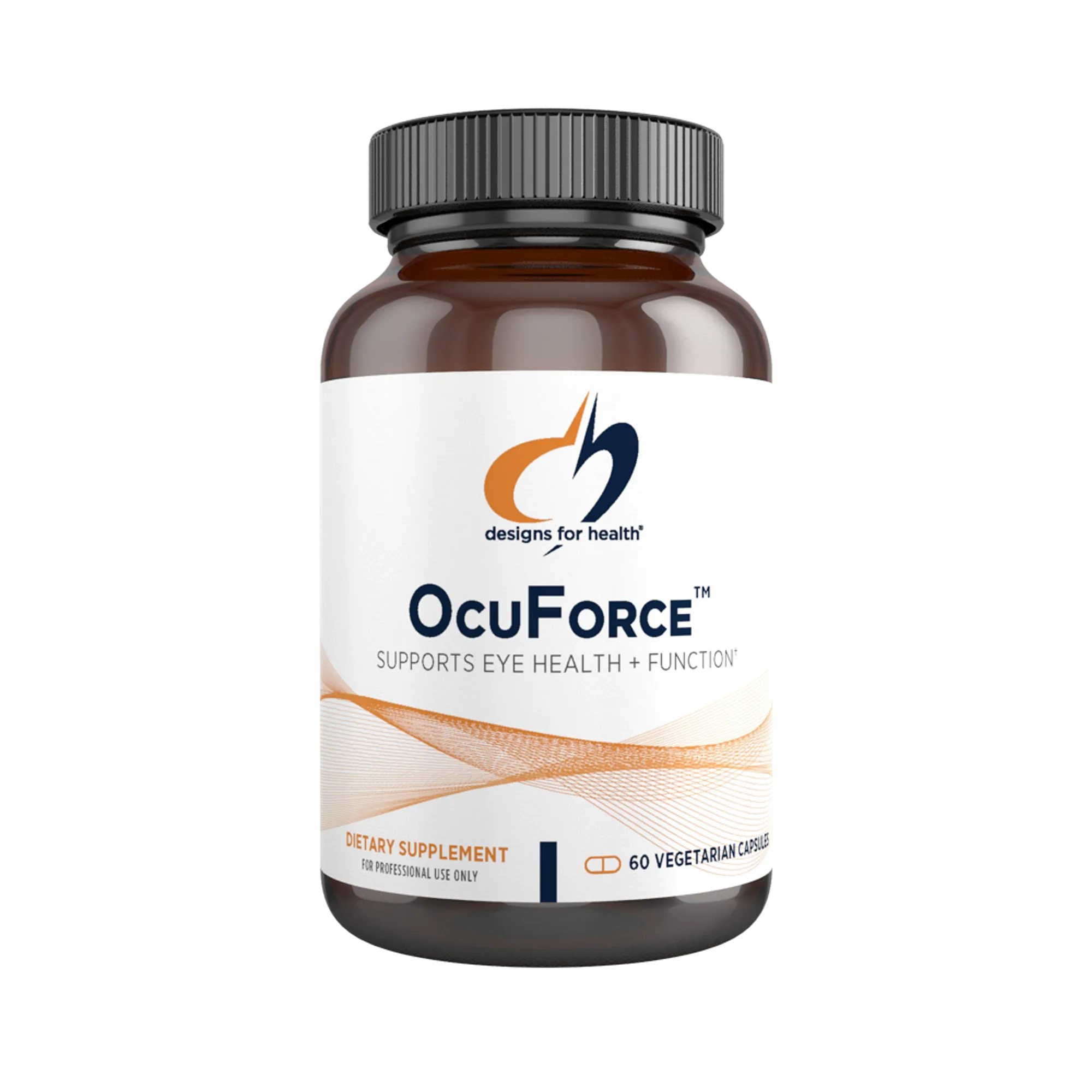
The eyes are not isolated organs; they are direct extensions of the brain and are fed by one of the most intricate, delicate microvascular networks in the human body. In conditions like Long COVID, myalgic encephalomyelitis/chronic fatigue syndrome (ME/CFS), and dysautonomia, the underlying mechanisms driving your systemic symptoms—such as endothelial dysfunction, autonomic nervous system dysregulation, and severe oxidative stress—are simultaneously impacting your ocular health. Recognizing this connection is the first step toward finding targeted support. OcuForce™ by Designs for Health is a comprehensive nutraceutical formulated to address these exact vulnerabilities, providing a robust blend of standardized botanical extracts, macular pigments, and bioavailable vitamins designed to support retinal function, enhance microcirculation, and fortify the eye's antioxidant defenses.
TL;DR
Visual issues in Long COVID and ME/CFS stem from systemic microvascular and autonomic dysfunction.
OcuForce™ supplies botanical extracts and vitamins to support retinal health, microcirculation, and antioxidant defenses.
Ingredients like lutein and Ginkgo biloba may help manage light sensitivity and visual fatigue.
Take fat-soluble ocular supplements with a meal to ensure optimal absorption and clinical benefits.
What is OcuForce™?
A Comprehensive Approach to Ocular Health
OcuForce™ is a meticulously designed nutritional supplement that provides a broad spectrum of bioactive compounds specifically selected to support the structural and functional integrity of the eyes. To understand why such a comprehensive formula is necessary, it is essential to recognize the unique biological demands of the human eye. The retina, particularly the macula (the central area responsible for sharp, detailed vision), is one of the most metabolically active tissues in the entire body. It consumes oxygen and nutrients at an astonishing rate to fuel the continuous firing of photoreceptor cells. Because of this high metabolic demand, the eye is heavily reliant on a flawless microvascular system to deliver oxygen and a robust antioxidant system to neutralize the metabolic waste products generated during visual processing.
When systemic health is compromised by chronic illness, the eye's delicate balance is easily disrupted. OcuForce™ addresses this by supplying a multi-tiered defense system. It combines foundational vitamins and minerals—such as preformed Vitamin A (retinyl palmitate), Vitamin C, Zinc, and Selenium—with highly specialized botanical extracts and amino acids. This formulation is not merely about correcting basic nutritional deficiencies; it is about providing therapeutic, clinically relevant doses of compounds that actively intervene in cellular pathways. By targeting blood flow, oxidative stress, and structural pigment density simultaneously, OcuForce™ offers a holistic approach to preserving visual wellness in the face of chronic physiological stress.
The Role of Macular Pigments
One of the cornerstone features of OcuForce™ is its inclusion of clinically relevant amounts of lutein and zeaxanthin isomers, sourced from the highly bioavailable Lutemax® 2020 marigold extract. Lutein and zeaxanthin are dietary carotenoids, a class of naturally occurring plant pigments. Out of the hundreds of carotenoids found in nature, these two are entirely unique because they are the only ones that selectively cross the blood-retinal barrier and accumulate densely in the macula. Together, they form what is known as the macular pigment, a protective yellow layer that sits in front of the photoreceptor cells.
At a molecular level, this macular pigment serves two critical functions. First, it acts as a set of internal physiological sunglasses. It aggressively absorbs high-energy, short-wavelength blue light—the kind emitted by digital screens, LED lighting, and the sun—before it can penetrate deep into the retina and cause photochemical damage to the fragile photoreceptor outer segments. Second, lutein and zeaxanthin are highly potent antioxidants. The process of converting light into electrical signals (phototransduction) generates a massive amount of reactive oxygen species (ROS). These carotenoids neutralize these free radicals directly at the site of visual processing, helping to reduce lipid peroxidation and preserving the structural integrity of the retinal cell membranes.
Vascular and Antioxidant Support
Beyond the macula, the entire ocular structure relies on continuous, unimpeded blood flow. OcuForce™ incorporates standardized bilberry extract (yielding 25% anthocyanidins) and Ginkgo biloba extract to specifically target the eye's microvascular network. The tiny capillaries that feed the optic nerve and the retina are highly susceptible to damage from inflammation and poor circulation. These botanical extracts work synergistically to promote vasodilation, reduce blood viscosity, and protect the endothelial cells lining the blood vessels. This ensures that the retina receives the steady supply of oxygen and nutrients it requires to function optimally.
Furthermore, the formula includes a robust network of systemic antioxidants and cellular protectors, including N-Acetyl-L-Cysteine (NAC), Alpha Lipoic Acid, Quercetin, and Taurine. These ingredients do not just work in isolation; they support complex biochemical cycles, such as the regeneration of glutathione (the body's master antioxidant) and the maintenance of mitochondrial energy production. By addressing ocular health from both a structural (pigment) and functional (vascular and metabolic) perspective, OcuForce™ provides a deeply grounded, science-backed tool for maintaining long-term visual resilience.
How Chronic Illness Impacts Ocular Health
Long COVID and Retinal Microvascular Damage
The emergence of Long COVID has fundamentally shifted our understanding of how viral infections impact the vascular system. SARS-CoV-2 is not merely a respiratory virus; it is a vascular and endothelial disease. The virus binds to ACE2 receptors, which are found in high concentrations throughout the body, including the retina and the choroid (the vascular layer of the eye). When the virus attacks these receptors, it triggers widespread endotheliitis—inflammation of the inner lining of the blood vessels. This endothelial damage leads to a state of hypercoagulability, where the body inappropriately forms microclots that can block the smallest capillaries, starving tissues of oxygen.
Recent advancements in a field called oculomics—using the eye as a non-invasive window into systemic disease—have revealed startling data about Long COVID. Using Optical Coherence Tomography Angiography (OCT-A), researchers have discovered that Long COVID patients frequently exhibit a significant reduction in the deep capillary plexus vessel length density (DCP VLD) compared to healthy controls. Furthermore, studies show an enlargement of the Foveal Avascular Zone (FAZ), indicating a pathological loss of the microvessels surrounding the center of the retina. This microscopic ischemic damage in the eye is believed to closely mirror the microvascular hypoperfusion occurring in the brain, providing a tangible explanation for the severe brain fog, cognitive dysfunction, and visual disturbances that plague Long COVID patients.
Dysautonomia and Autonomic Eye Dysfunction
Dysautonomia, a common comorbidity of both Long COVID and ME/CFS, involves the dysfunction of the autonomic nervous system (ANS). The ANS acts as the body's automatic control center, and it heavily regulates ocular function. The parasympathetic branch controls tear production and pupil constriction, while the sympathetic branch (the "fight or flight" system) controls pupil dilation and the widening of the eyelids. In dysautonomia, patients often experience a chronic state of sympathetic overdrive coupled with parasympathetic withdrawal, leading to a cascade of debilitating eye symptoms.
Because the parasympathetic signals to the lacrimal (tear) glands are blunted, severe dry eye disease (DED) is incredibly common, causing burning, grittiness, and reflex tearing. Additionally, the exaggerated sympathetic tone actively opposes the "near triad reflex"—the synchronized inward movement of the eyes required to focus on a close object, like a book or a smartphone. This leads to convergence insufficiency, where the eyes struggle to work together, resulting in double vision, severe eye strain, and tension headaches after minimal exertion. Furthermore, poor cerebral autoregulation (common in Postural Orthostatic Tachycardia Syndrome, or POTS) means that standing up can cause sudden drops in blood flow to the eyes and brain, leading to visual "graying out" or temporary blindness.
ME/CFS and Visual Stress
For individuals living with ME/CFS, visual processing can become a profound source of exhaustion, heavily contributing to post-exertional malaise (PEM). Research into the ophthalmic correlates of ME/CFS has shown that patients are significantly more vulnerable to "pattern-related visual stress." Exposure to repetitive visual patterns, such as lines of text on a page or the scrolling motion on a computer screen, requires intense neurological filtering. In ME/CFS, the brain's ability to seamlessly filter and process this visual data is impaired, leading to sensory overload, photophobia (extreme light sensitivity), and central nervous system fatigue.
Moreover, objective morphological changes have been documented in the eyes of ME/CFS patients. Studies have noted an inability to maintain steady pupillary constriction when exposed to light—often manifesting as a rhythmic fluctuation or a paradoxical dilation—which further exacerbates light sensitivity. There is also emerging evidence of actual thinning in the photoreceptor layers of the retina, specifically the outer segment and outer nuclear layers. This combination of structural thinning, autonomic dysregulation, and neuro-visual processing deficits creates a perfect storm, making targeted nutritional support for the retina and ocular pathways a vital component of comprehensive symptom management.
OcuForce™: Supporting Retinal and Microvascular Function
Enhancing Microcirculation with Bilberry and Ginkgo
OcuForce™ leverages the potent vasodilatory properties of bilberry and Ginkgo biloba extracts to combat the microvascular hypoperfusion seen in chronic illness. Bilberry extract is exceptionally rich in anthocyanidins, which are powerful flavonoid pigments. At the cellular level, anthocyanidins are generally thought to support capillary resistance and reduce blood viscosity. They stimulate the endothelial cells lining the blood vessels to release nitric oxide (NO), a signaling molecule that instructs the smooth muscle surrounding the vessels to relax. This vasodilation increases the systolic and diastolic blood flow velocity in the central retinal and ophthalmic arteries, ensuring that the oxygen-starved tissues of the eye receive the vital nutrients they need to function and repair.
Ginkgo biloba extract works synergistically with bilberry to further enhance ocular perfusion. Standardized Ginkgo extracts contain unique compounds called terpene lactones (ginkgolides and bilobalide) and flavone glycosides. These compounds actively reduce platelet aggregation—meaning they help reduce the likelihood of blood cells clumping together and forming the microclots that are so problematic in Long COVID. Clinical imaging studies using Color Doppler have demonstrated that Ginkgo biloba significantly increases the end-diastolic velocity in the ophthalmic artery, improving the volume and speed of blood reaching the optic nerve and retina without altering systemic blood pressure. By restoring healthy microcirculation, these botanicals help clear metabolic waste and alleviate the ischemic stress driving visual fatigue.
Building the Macular Shield with Lutein and Zeaxanthin
To protect the retina from the intense oxidative stress generated by light exposure and metabolic dysfunction, OcuForce™ provides 10 mg of lutein and 2 mg of zeaxanthin isomers. These specific dosages are clinically highly relevant, mirroring the exact ratios proven effective in massive national eye health trials. When ingested, these carotenoids are transported through the bloodstream and actively pumped into the macula, where they significantly increase the Macular Pigment Optical Density (MPOD). You can think of MPOD as the thickness of the protective shield guarding your photoreceptors.
A thicker macular pigment acts as a highly efficient optical filter. It absorbs up to 90% of the damaging blue light before it can reach the delicate outer segments of the rods and cones. This is particularly crucial for patients with ME/CFS and dysautonomia who suffer from severe photophobia and screen intolerance. By filtering out this high-energy light, lutein and zeaxanthin reduce the visual "glare" and chromatic aberration that trigger sensory overload. Furthermore, within the lipid membranes of the retinal cells, these carotenoids act as sacrificial antioxidants, readily donating electrons to neutralize reactive oxygen species (ROS) and halting the destructive chain reaction of lipid peroxidation that leads to cellular death.
Defending Against Oxidative Stress with Taurine and NAC
The inclusion of Taurine and N-Acetyl-L-Cysteine (NAC) in OcuForce™ provides a profound layer of neuroprotection for the retinal ganglion cells (RGCs) and the optic nerve. Taurine is a naturally occurring amino acid that is found in higher concentrations in the retina than in any other tissue in the human body. It plays an important role in maintaining calcium homeostasis within the retinal cells. During periods of ischemic stress or excitotoxicity, calcium can flood into the cells, triggering apoptotic (cell death) pathways. Taurine regulates the ion channels, helping to mitigate this toxic calcium influx and preserving the mitochondrial energy stores of the photoreceptors.
NAC complements taurine by acting as a direct precursor to glutathione, the body's most abundant and critical intracellular antioxidant. In chronic illnesses like Long COVID and ME/CFS, systemic glutathione levels are often severely depleted due to chronic inflammation and viral persistence. By supplying NAC, OcuForce™ provides the raw materials necessary for the retinal cells to synthesize new glutathione. This recharges the eye's intrinsic antioxidant enzyme systems—such as superoxide dismutase (SOD) and glutathione peroxidase—allowing the retina to continuously detoxify the reactive oxygen species generated by both light exposure and vascular dysfunction.
Homocysteine Metabolism and Vascular Integrity
Finally, OcuForce™ addresses a critical, often-overlooked factor in vascular health: homocysteine. Homocysteine is an amino acid produced during normal metabolism, but elevated levels in the blood are highly toxic to endothelial cells and are a major risk factor for microvascular damage, thrombosis, and retinal vein occlusion. The formula includes targeted, highly bioavailable B-vitamins—specifically Riboflavin (Vitamin B2), Pyridoxine (Vitamin B6), Quatrefolic® (methylated folate), and MecobalActive® (methylcobalamin, or Vitamin B12)—which act as essential cofactors in the methylation cycle.
These methylated B-vitamins drive the enzymatic conversion of toxic homocysteine back into safe, usable amino acids like methionine. By promoting healthy homocysteine metabolism, OcuForce™ actively protects the delicate endothelial lining of the ocular capillaries from chemical injury. This ensures that the structural integrity of the blood-retinal barrier is maintained, helping to minimize the leakage of fluids and inflammatory cytokines into the retinal tissue, which is vital for preserving clear, focused vision in patients battling systemic vascular inflammation.

Symptoms OcuForce™ May Help Manage
Targeted Symptom Relief
By addressing the underlying mechanisms of microvascular hypoperfusion, oxidative stress, and macular pigment depletion, the comprehensive nutrient profile in OcuForce™ may help manage several debilitating visual symptoms associated with chronic illness:
Photophobia (Extreme Light Sensitivity): Lutein and zeaxanthin physically thicken the macular pigment, acting as internal sunglasses that absorb harsh, high-energy blue light and reduce the intense glare that triggers sensory overload and eye pain.
Visual Fatigue and Screen Intolerance: By filtering blue light and improving the tonic accommodation of the ciliary muscle (via bilberry extract), the formula helps reduce the rapid exhaustion and tension headaches associated with reading or using digital devices.
Blurry Vision and Focus Issues: Ginkgo biloba and bilberry enhance the microvascular blood flow to the optic nerve and retina, ensuring that the neural pathways responsible for sharp, sustained focus receive the oxygen required to function efficiently.
Dry Eye Discomfort: While not a replacement for artificial tears, the systemic antioxidant support from NAC and the vascular support from botanical extracts can help reduce the localized ocular inflammation that exacerbates autonomic dry eye disease.
Night Vision and Contrast Sensitivity: Bilberry anthocyanidins accelerate the regeneration of rhodopsin (the light-sensitive protein in rod cells), which can improve visual acuity in low-light conditions and enhance the ability to distinguish subtle contrasts.
Systemic Connections
It is important to remember that the eye is a highly accessible indicator of systemic health. The microvascular improvements facilitated by ingredients like Ginkgo biloba and the endothelial protection provided by healthy homocysteine metabolism (via B12 and Folate) do not stop at the optic nerve. Supporting the tiny capillaries in the eye often mirrors the support needed for the microvasculature in the brain and peripheral tissues. Therefore, managing ocular symptoms with targeted nutraceuticals can be an integral part of a broader strategy to mitigate the neuro-vascular impacts of Long COVID and dysautonomia.
Practical Considerations: Forms, Dosing, and Absorption
Bioavailability and Fat-Soluble Nutrients
To achieve the clinical benefits of OcuForce™, proper absorption is paramount. Several of the most critical ingredients in this formulation—specifically Vitamin A, Vitamin E isomers, Lutein, and Zeaxanthin—are fat-soluble compounds. This means they require the presence of dietary lipids (fats) and bile acids in the digestive tract to be effectively broken down, absorbed through the intestinal wall, and transported into the bloodstream. Taking these nutrients on an empty stomach will result in poor bioavailability and severely limit their ability to reach the retina.
For optimal absorption, it is highly recommended to take OcuForce™ with a meal that contains a source of healthy fats. Examples include avocados, nuts, olive oil, eggs, or fatty fish. The suggested use is two capsules per day, which can be taken together with your largest meal or divided into one capsule with breakfast and one with dinner to maintain steady blood levels of the water-soluble components, like the B-vitamins and Vitamin C. Consistency is also key; clinical studies on macular pigment density show that it typically takes 8 to 12 weeks of daily supplementation to observe structural changes in the macula and noticeable improvements in visual function.
The Importance of Standardized Extracts
Not all botanical supplements are created equal, and clinical efficacy relies entirely on the concentration of the active bioactive compounds. OcuForce™ utilizes highly standardized extracts to ensure therapeutic potency. The lutein and zeaxanthin are derived from Lutemax® 2020, a premium, clinically researched marigold extract that provides these carotenoids in the exact 5:1 ratio found naturally in the diet and proven effective in major trials. Similarly, the bilberry extract is standardized to contain 25% anthocyanidins, and the Ginkgo biloba extract is standardized to 24% flavonglycosides and 5.4% terpene lactones. This rigorous standardization guarantees that you are receiving the precise molecular compounds responsible for the vascular and antioxidant benefits, rather than just inactive plant matter.
Dosing and Potential Interactions
While the ingredients in OcuForce™ are generally very well tolerated, the potent nature of the botanical extracts requires some practical considerations. Ginkgo biloba is a highly effective vasodilator and mild anti-platelet agent, meaning it naturally reduces blood viscosity. Because of this, individuals who are currently taking prescription anticoagulant or antiplatelet medications (such as warfarin, Plavix, or high-dose aspirin) should consult their healthcare provider before starting OcuForce™, as the combination could increase the risk of bruising or bleeding. Additionally, patients scheduled for surgery are typically advised to pause Ginkgo-containing supplements one to two weeks prior to the procedure. Always review your current medication list with your medical team to ensure safe integration.

Follow the Science
Clinical Trials on Macular Pigment Density
The foundational science supporting the primary ingredients in OcuForce™ is exceptionally robust, anchored by some of the largest nutritional studies ever conducted in ophthalmology. The landmark Age-Related Eye Disease Study 2 (AREDS2), sponsored by the National Eye Institute, definitively established that a daily dosage of 10 mg of lutein and 2 mg of zeaxanthin is highly safe and highly effective at protecting the macula from degenerative, oxidative damage. This specific 5:1 ratio has become the gold standard in clinical eye care.
Furthermore, a comprehensive 2021 systematic review and meta-analysis conducted by Johns Hopkins researchers analyzed 46 clinical trials involving over 3,100 participants. The researchers found a clear, linear dose-response relationship: supplementing with lutein and zeaxanthin reliably and significantly increases Macular Pigment Optical Density (MPOD) in both healthy individuals and those with compromised ocular health. Recent trials have also demonstrated that increasing MPOD via supplementation significantly improves contrast sensitivity and reduces visual fatigue in individuals exposed to prolonged digital screen time, highlighting its relevance for modern visual stress.
Microcirculation and Botanical Extracts
The vascular benefits of Ginkgo biloba and bilberry are similarly well-documented. A pivotal Phase I crossover trial utilized Color Doppler imaging to measure the direct effects of Ginkgo biloba extract on ocular hemodynamics. The study revealed that Ginkgo administration significantly increased the End Diastolic Velocity (EDV) in the ophthalmic artery by 23%, proving its ability to physically enhance blood flow to the eye without altering systemic blood pressure.
Bilberry extract has been extensively studied for its impact on microcirculation and visual fatigue. Clinical trials have shown that standardized bilberry anthocyanins can significantly improve the tonic accommodation of the ciliary muscle during near-vision tasks, effectively alleviating the symptoms of ocular fatigue. Additionally, studies on patients with vascular-related eye conditions, such as Normal Tension Glaucoma, have demonstrated that long-term supplementation with these botanicals can improve visual field indices and protect the optic nerve from ischemic damage by enhancing peripapillary retinal blood flow.
Retinal Biomarkers in Long COVID
The scientific understanding of how viral illnesses impact the eye is rapidly evolving. Groundbreaking research, such as a 2025 study from Northwestern Medicine, utilized OCT-A imaging to evaluate Long COVID patients experiencing neurological symptoms. The researchers discovered a statistically significant reduction in the deep retinal capillary perfusion of these patients compared to healthy controls. This data provides concrete, objective evidence of the microvascular ischemia that drives Long COVID symptoms, validating the urgent need for therapies that target endothelial health, reduce oxidative stress, and support microcirculation—exactly the pathways targeted by the comprehensive nutrient profile in OcuForce™.
The Path Forward
Validating Your Visual Symptoms
Living with visual disturbances that standard eye exams fail to capture can be an incredibly isolating and frustrating experience. When you are told your eyes are "fine," yet you cannot read a book without triggering a crash or look at a screen without severe pain, it is easy to feel dismissed. It is vital to understand that the visual symptoms associated with Long COVID, ME/CFS, and dysautonomia are real, physiological manifestations of systemic microvascular and autonomic dysfunction. Your experience is valid, and the underlying mechanisms driving your symptoms are increasingly recognized and documented by advanced medical research.
Integrating Nutritional Support
While there is no single miracle cure for complex chronic illness, targeted nutritional support can be a powerful tool in your management arsenal. By supplying the specific compounds required to enhance microcirculation, build protective macular pigments, and neutralize oxidative stress, OcuForce™ helps fortify the eye against the systemic stressors of chronic illness. However, supplements should always be viewed as one piece of a comprehensive, holistic strategy. Managing visual symptoms effectively often requires a multi-disciplinary approach, including strict energy pacing, specialized neuro-optometric rehabilitation (vision therapy), the use of precision-tinted lenses (like FL-41s) for photophobia, and the careful management of underlying autonomic dysfunction.
Next Steps
As you navigate the complexities of your condition, tracking your symptoms and working closely with a knowledgeable healthcare provider is essential. If you are struggling with visual fatigue, light sensitivity, or the neuro-vascular impacts of chronic illness, discuss whether a comprehensive ocular support formula might be a beneficial addition to your protocol.