Can a Mushroom Blend Support Immune and Cellular Health in Long COVID? Understanding MycoSupreme™
March 6, 2026
MycoSupremeLong COVIDME/CFS
Share:
Disclaimer: The information provided here is for educational purposes only and is not intended as medical advice. It should not be used to diagnose, treat, cure, or prevent any medical condition. Instead, use it as a starting point for discussion with your healthcare provider. Always consult with a qualified healthcare provider before starting any new medication, supplement, device, or making changes to your health regimen.
Months after recovering from the initial SARS-CoV-2 infection, many people still fight debilitating symptoms with what we call Long COVID. The exhaustion is profound, the cognitive fog is relentless, and the immune system seems to be trapped in a perpetual state of confusion. For individuals navigating complex chronic conditions like Long COVID, myalgic encephalomyelitis/chronic fatigue syndrome (ME/CFS), and mast cell activation syndrome (MCAS), finding interventions that address the root causes of their symptoms—rather than just masking them—is a monumental challenge. When standard blood tests come back "normal" despite life-altering fatigue, patients are often left searching for scientifically grounded ways to restore their foundational cellular health.
In the search for targeted cellular support, medicinal mushrooms and their bioactive compounds have emerged as powerful clinical tools. MycoSupreme™ by Designs for Health is a comprehensive formula that brings together a potent blend of eight carefully selected whole mushrooms, standardized beta-glucans, and a highly bioavailable form of L-Ergothioneine known as MitoPrime®. This unique combination is specifically designed to target mitochondrial dysfunction, modulate erratic immune responses, and neutralize the severe oxidative stress that drives post-viral illness. In this comprehensive guide, we will explore the deep biochemistry of MycoSupreme™, examining how its active ingredients work at the molecular level to support your journey toward cellular recovery and improved quality of life.
What is MycoSupreme™?
The Evolutionary Power of Medicinal Fungi
To understand the clinical value of MycoSupreme™, we must first look at the unique biology of medicinal fungi. Unlike plants, fungi must survive in highly competitive, damp, and microbe-rich environments without the ability to move. To defend themselves against constant environmental stressors, bacterial threats, and oxidative damage, they have evolved to synthesize a dense array of bioactive defense molecules. These include complex polysaccharides, triterpenoids, and unique amino acids that are not found anywhere else in the natural world. When consumed by humans, these compounds act as powerful biological response modifiers, interacting with our own cellular pathways to promote resilience and homeostasis.
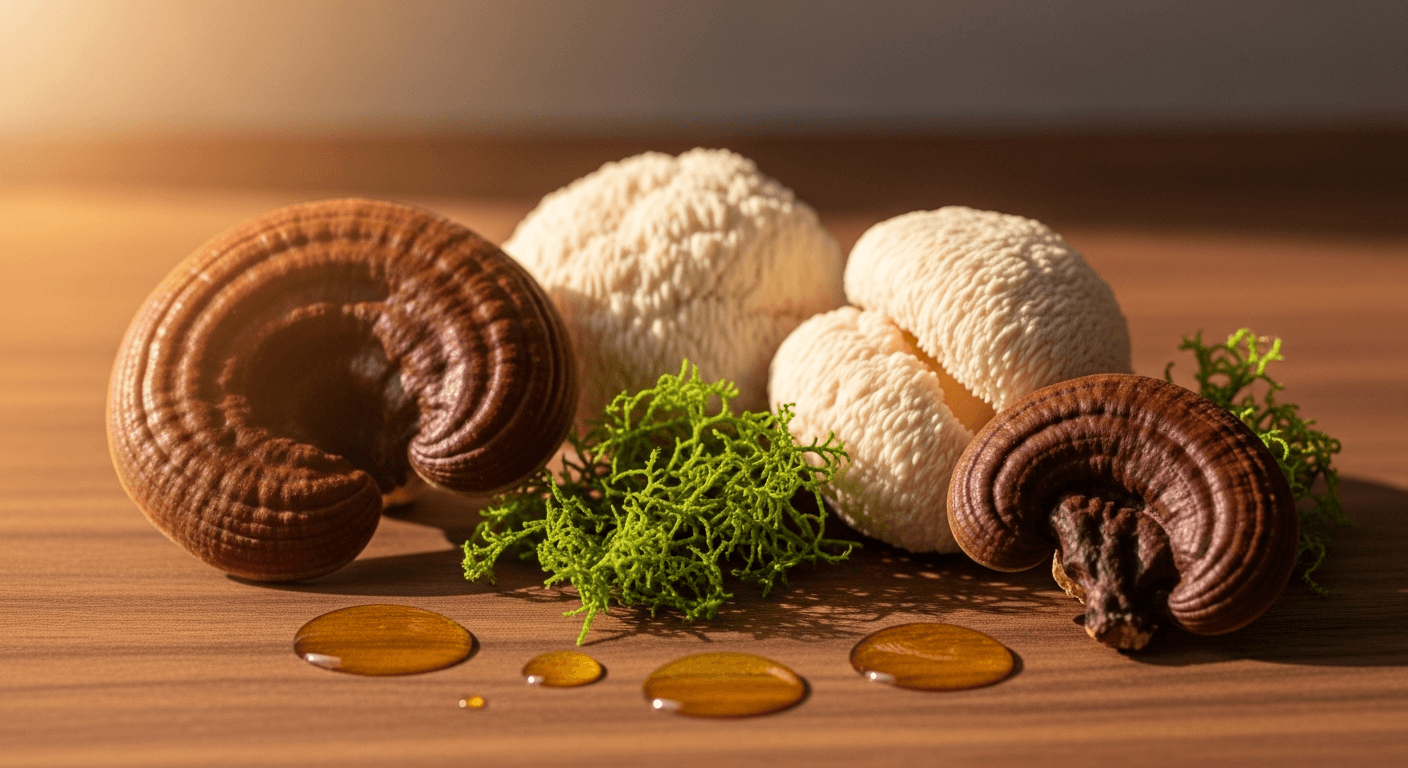
MycoSupreme™ harnesses this evolutionary power by combining eight distinct mushroom species: Reishi, Chaga, Lion's Mane, Cordyceps, Maitake, Shiitake, Agaricus, and Turkey Tail. By utilizing whole mushroom powders, the formula captures the full, synergistic spectrum of each fungus's unique constituents. This comprehensive approach ensures that the body receives a diverse array of therapeutic molecules, rather than isolating a single compound, which closely mimics how these powerful natural medicines have been utilized in traditional practices for centuries.
Beta-Glucans: The Master Immune Modulators
One of the primary active components in MycoSupreme™ is its standardized dose of beta-glucans (160 mg per serving). Beta-glucans are complex structural polysaccharides naturally found in the cell walls of fungi. They are specifically characterized by their beta-(1,3) and beta-(1,6) glycosidic linkages, which dictate their biological activity. In the human body, these specific fungal beta-glucans act as Pathogen-Associated Molecular Patterns (PAMPs). They do not attack viruses or bacteria directly; instead, they serve as a training mechanism for the human immune system, binding to specific surface receptors on immune cells to prime them for action.
When ingested, beta-glucans are recognized by the Dectin-1 receptor, a transmembrane protein predominantly expressed on the surface of macrophages, monocytes, and dendritic cells. This binding triggers a powerful intracellular signaling cascade known as the Syk/CARD9 axis. This pathway activates the innate immune system, promoting the phagocytosis (engulfment and destruction) of cellular debris and pathogens, while simultaneously balancing the release of communicative cytokines. This immunomodulatory effect is crucial for individuals with chronic illness, as it helps establish a robust baseline immune defense without triggering excessive, damaging inflammation.
MitoPrime® L-Ergothioneine: The Targeted Cellular Shield
Beyond its mushroom blend, MycoSupreme™ features 15 mg of MitoPrime® L-Ergothioneine, a naturally occurring, sulfur-containing amino acid derivative. L-Ergothioneine is exclusively produced by specific fungi and mycobacteria; humans cannot synthesize it and must obtain it entirely through their diet. Due to its powerful cytoprotective and adaptogenic antioxidant properties, it is increasingly referred to in the scientific community as a "longevity vitamin." What makes L-Ergothioneine truly exceptional is not just its antioxidant capacity, but its highly specific method of cellular delivery and retention.
Because L-Ergothioneine is highly hydrophilic, it cannot passively diffuse across lipid cell membranes. Instead, the human body has evolved a highly specific, dedicated cell-membrane transport protein known as the OCTN1 transporter (SLC22A4). This transporter actively pulls L-Ergothioneine into the cells of tissues most vulnerable to oxidative stress, such as the brain, liver, and kidneys. Most importantly, OCTN1 is expressed directly on the mitochondrial membrane, granting L-Ergothioneine "privileged access" to enter the mitochondria—the exact site where damaging free radicals are generated. This makes it a highly targeted mitochondrial shield.
How Chronic Illness Impacts Cellular and Immune Function
Mitochondrial Dysfunction and the Energy Crisis
To appreciate how MycoSupreme™ supports recovery, we must examine the pathophysiology of the conditions it targets. In Long COVID and ME/CFS, one of the most profound biological disruptions occurs within the mitochondria, the powerhouses of our cells. Research indicates that viral infections, including SARS-CoV-2, can directly hijack mitochondrial machinery to replicate, causing structural abnormalities such as swollen mitochondria with disrupted cristae. This viral interference impairs the electron transport chain, drastically reducing the production of adenosine triphosphate (ATP), the fundamental energy currency of the body.
When cells cannot produce sufficient ATP through normal oxidative phosphorylation, they are forced to rely on less efficient, anaerobic metabolic pathways. This metabolic shift leads to the rapid accumulation of lactic acid and cellular waste, driving the severe exhaustion and post-exertional malaise (PEM) that define these conditions. Patients experience a literal energy crisis at the cellular level; their batteries are drained, and the biological mechanisms required to recharge them are physically damaged. This is why pushing through the fatigue often results in debilitating crashes.
Immune Dysregulation and Mast Cell Hyperactivity
Another hallmark of complex chronic illness is profound immune dysregulation. In a healthy body, the immune system maintains a delicate balance between Th1 cells (which fight intracellular pathogens like viruses) and Th2 cells (which handle extracellular parasites and allergic responses). In Long COVID and MCAS, this balance is frequently shattered, skewing heavily toward a Th2-dominant, hyper-allergic state. This immune confusion prevents the body from effectively clearing lingering viral remnants, such as the SARS-CoV-2 spike protein, while simultaneously overreacting to harmless environmental triggers.
This Th2 dominance directly aggravates mast cells, the immune cells responsible for storing and releasing histamine. In mast cell activation syndrome (MCAS), these cells become highly unstable and degranulate (burst) inappropriately, flooding the bloodstream with histamine and inflammatory cytokines like IL-6 and TNF-alpha. This systemic inflammation manifests as unpredictable allergic reactions, gastrointestinal distress, rapid heart rate, and severe neurological symptoms. The immune system is essentially stuck in a loop of chronic alarm, exhausting the body's resources.
The Vicious Cycle of Oxidative Stress
The intersection of mitochondrial dysfunction and immune hyperactivation creates a highly destructive phenomenon known as oxidative stress. As damaged mitochondria struggle to produce energy, they leak excessive amounts of reactive oxygen species (ROS), or free radicals. Simultaneously, the chronic inflammatory response generates its own storm of oxidative molecules. Under normal circumstances, the body's endogenous antioxidant systems (like glutathione and superoxide dismutase) would neutralize these threats. However, in chronic illness, these defense systems become rapidly depleted.
Unchecked oxidative stress wreaks havoc on the body. Free radicals attack and degrade lipid cell membranes, damage circulating proteins, and cause mutations in mitochondrial DNA (mtDNA). Because mitochondrial DNA lacks the protective histone proteins found in nuclear DNA, it is highly susceptible to this oxidative damage. This creates a vicious cycle: oxidative stress damages the mitochondria, which in turn produce more oxidative stress and less energy, perpetuating the unrelenting fatigue, brain fog, and tissue damage seen in long-haul patients. Breaking this cycle requires potent, mitochondrially targeted interventions.
MycoSupreme™: Supporting Immunity, Energy, and Cellular Health
Cordyceps Militaris: Revitalizing ATP Production
The specific ingredients in MycoSupreme™ are uniquely equipped to intervene in these destructive cycles. Cordyceps militaris, a highly regarded adaptogenic mushroom in the blend, directly targets the mitochondrial energy crisis. Its primary bioactive compound, cordycepin (3'-deoxyadenosine), is structurally nearly identical to adenosine, the core building block of ATP. By providing the raw materials for energy synthesis, Cordyceps enhances the efficiency of the mitochondrial electron transport chain and stimulates enzymes involved in oxidative phosphorylation.
Furthermore, research demonstrates that Cordyceps activates AMP-activated protein kinase (AMPK), a primary cellular energy sensor that triggers ATP synthesis when energy reserves are critically low. In preclinical models, Cordyceps supplementation has been shown to increase hepatic ATP levels. By generating foundational cellular energy without artificially stimulating the central nervous system, Cordyceps helps alleviate severe fatigue without causing the crashes associated with caffeine or traditional stimulants, making it invaluable for ME/CFS patients.
Lion's Mane: Combating Neuroinflammation and Brain Fog
To address the cognitive impairment and neuroinflammation commonly referred to as "brain fog," MycoSupreme™ includes Lion's Mane (Hericium erinaceus). Unique among medicinal mushrooms, Lion's Mane contains two distinct classes of cyathane diterpenoid compounds—hericenones and erinacines—that are capable of crossing the blood-brain barrier. Once inside the central nervous system, these compounds stimulate the brain to produce its own Nerve Growth Factor (NGF), a crucial protein responsible for the growth, maintenance, and regeneration of neurons.
By promoting neurite outgrowth and neuroplasticity, Lion's Mane physically helps repair damaged neural networks. Additionally, its bioactive compounds exert potent anti-inflammatory effects within the brain, inhibiting pro-inflammatory pathways like NF-κB and significantly lowering levels of destructive cytokines such as IL-1β and TNF-alpha. By simultaneously reducing the neuroinflammation that slows down neural communication and stimulating the NGF needed to build healthy synapses, Lion's Mane targets the physiological root causes of cognitive fatigue and brain fog.
Reishi: Systemic Mast Cell Stabilization
For patients battling MCAS and histamine intolerance, Reishi (Ganoderma lucidum) offers profound immunomodulatory support. Reishi is widely recognized in clinical mycology as a natural, systemic mast cell stabilizer. Scientific fractionation of Reishi extracts has identified specific bioactive compounds, including oleic acid and Ganoderic Acid C, which physically interact with the membrane proteins of mast cells. These compounds dose-dependently block the uptake of calcium into the mast cell—the exact biological trigger required for degranulation.
By preventing this calcium influx, Reishi stops mast cells from bursting and flooding the body with histamine. Furthermore, Reishi's complex polysaccharides actively retrain the immune system, helping to correct the Th1/Th2 imbalance. By forcing allergic dendritic cells to produce regulating cytokines like IL-10, Reishi shifts the immune system away from the hyper-allergic Th2 response and back toward a balanced, antiviral Th1 state. This dual action makes it a cornerstone for managing erratic allergic symptoms and immune hyper-reactivity.
Chaga and L-Ergothioneine: The Ultimate Antioxidant Defense
To break the vicious cycle of oxidative stress, MycoSupreme™ relies on Chaga (Inonotus obliquus) and MitoPrime® L-Ergothioneine. Chaga is exceptionally rich in polyphenols and melanin, providing massive antioxidant capacity. It actively suppresses the "cytokine storm" by inhibiting the JAK-STAT signaling pathways and activates the Nrf2 pathway, a master regulator that boosts the body's natural production of protective enzymes like superoxide dismutase (SOD) and catalase. This systemic neutralization of free radicals protects endothelial cells and tissues from ongoing damage.
Simultaneously, L-Ergothioneine provides localized, intracellular protection. Transported directly into the mitochondria via the OCTN1 transporter, it intercepts mitochondria-specific reactive oxygen species (mROS) at their source. L-Ergothioneine also chelates heavy metals like ferrous iron, preventing them from participating in the Fenton reaction—a chemical process that produces highly toxic hydroxyl radicals. By shielding mitochondrial DNA from oxidative lesions and strand breaks, this targeted antioxidant ensures that the cellular engines can safely repair themselves and resume normal ATP production.
Symptoms MycoSupreme™ May Help Manage
Targeting Severe Fatigue and Cognitive Impairment
Post-Exertional Malaise (PEM) and Chronic Fatigue: By providing Cordyceps to directly stimulate ATP synthesis via AMPK activation, and L-Ergothioneine to protect the mitochondria from the oxidative damage that impairs energy production, MycoSupreme™ helps restore foundational cellular energy. This may increase the threshold for exertion and reduce the severity of post-exertional crashes.
Brain Fog and Neurocognitive Deficits: The hericenones and erinacines in Lion's Mane cross the blood-brain barrier to stimulate Nerve Growth Factor (NGF) and reduce microglial inflammation. This helps repair damaged neural pathways, improving focus, memory retention, and mental clarity in patients suffering from post-viral cognitive decline.
Addressing Immune and Allergic Manifestations
Histamine Intolerance and MCAS Flares: The Ganoderic Acid C and oleic acid found in Reishi act as natural mast cell stabilizers by blocking calcium channels, preventing the erratic degranulation of histamine. This can help alleviate unpredictable allergic responses, skin flushing, and gastrointestinal distress associated with mast cell hyperactivity.
Frequent Infections and Immune Exhaustion: The standardized beta-glucans and Turkey Tail mushroom extracts act as Pathogen-Associated Molecular Patterns (PAMPs), binding to Dectin-1 receptors to safely prime macrophages and Natural Killer (NK) cells. This provides a robust innate immune defense against opportunistic infections without triggering the dangerous, systemic inflammation seen in autoimmune flares.
Practical Considerations: Forms, Dosing, and Absorption
The Unprecedented Bioavailability of MitoPrime®
When evaluating supplements for chronic illness, bioavailability—the amount of a substance that actually enters systemic circulation and reaches the target tissues—is paramount. Standard dietary antioxidants, such as Vitamin C or typical polyphenols, are water-soluble, passively absorbed, and rapidly excreted by the kidneys, often within a few hours. MitoPrime® L-Ergothioneine completely defies this standard pharmacokinetic profile. Because it is actively transported into cells via the dedicated OCTN1 transporter, its cellular permeability is exceptionally high.
In clinical cell trials measuring Gallic Acid Equivalents (GAE)—a metric of actual cellular permeation—MitoPrime registered a staggering 343 GAE Units, compared to standard fruit polyphenols which registered only 32–48 GAE Units. Even more remarkable is its bodily retention. The biological half-life of MitoPrime in the human body is approximately 768 hours, or exactly 32 days. Because it is retained for over a month, it bio-accumulates in vulnerable tissues, remaining safely on "standby" inside the cell to neutralize bursts of oxidative stress the moment they occur.
Maximizing Mushroom Extract Absorption
The absorption of the mushroom compounds in MycoSupreme™ also requires careful consideration. The formula utilizes whole mushroom powders to capture the complete, synergistic profile of triterpenoids, sterols, and polysaccharides. However, fungal beta-glucans are large, complex molecules. To maximize their interaction with the Dectin-1 receptors on immune cells located in the gut-associated lymphoid tissue (GALT), it is often recommended to take mushroom supplements consistently over time. This allows for the gradual "priming" of the innate immune system, a process known as trained immunity.
While beta-glucans are water-soluble, many of the potent anti-inflammatory triterpenes found in Reishi and Chaga are fat-soluble. Therefore, taking MycoSupreme™ alongside a meal that contains healthy fats (such as avocado, olive oil, or nuts) can significantly enhance the intestinal absorption of these critical bioactive compounds. Consistency is key; because these compounds work by modulating genetic expression and rebuilding cellular structures, it typically takes several weeks of daily use to notice profound clinical shifts in energy and immune stability.
Dosing, Timing, and Potential Interactions
The suggested use for MycoSupreme™ is 2 capsules per day, or as directed by your healthcare practitioner. Because Cordyceps can have a mild, natural energizing effect by boosting ATP production, many patients prefer to take their dose in the morning or early afternoon to prevent any potential interference with sleep architecture. The standardized dose of 160 mg of beta-glucans and 15 mg of L-Ergothioneine provides a potent, clinically relevant daily intervention without overwhelming a sensitive system.
While medicinal mushrooms are generally recognized as safe and highly tolerated, specific populations must exercise caution. Individuals with severe mold toxicity (CIRS) or extreme fungal sensitivities may occasionally cross-react with mushroom supplements, though medicinal fungi are biologically distinct from toxic environmental molds. Additionally, because beta-glucans actively modulate the immune system, patients currently taking prescribed immunosuppressive medications (such as those for organ transplants) should consult their physician before initiating therapy, as the immune-priming effects could theoretically counteract these drugs.

Follow the Science
Clinical Evidence for Beta-Glucans and Immune Fortification
The immunomodulatory power of fungal beta-glucans is supported by decades of rigorous clinical trials. A randomized, double-blind, placebo-controlled trial evaluating healthy adults taking a Reishi beta-glucan extract (200 mg/day for 12 weeks) demonstrated significant systemic immune improvements. The intervention group showed a remarkable 12.9% improvement in the vital CD4/CD8 immune balance ratio and a 14.6% increase in CD8+ "killer" T-cell counts. Furthermore, the trial noted elevated Natural Killer (NK) cell cytotoxicity and increased serum IgA, confirming that beta-glucans physically fortify the body's first line of defense.
In the context of physical stress and post-viral recovery, beta-glucans have proven highly effective at preventing immune suppression. A 2021 systematic review of randomized controlled trials concluded that daily fungal beta-glucan supplementation successfully reduced the incidence and severity of upper respiratory tract infections. By binding to Dectin-1 and Complement Receptor 3 (CR3), these polysaccharides reverse the immune decline typically seen after intense physical exertion or prolonged viral battles, offering a protective shield for vulnerable patients.
L-Ergothioneine's Role in Protecting Mitochondrial DNA
The scientific literature surrounding L-Ergothioneine (EGT) heavily emphasizes its role as a genomic stabilizer and mitochondrial protector. In genetic knockout studies using mice lacking the SLC22A4 (OCTN1) gene, cells completely failed to accumulate EGT. These knockout models demonstrated significantly heightened indicators of oxidative stress, structural mitochondrial damage, and higher susceptibility to inflammatory injuries, proving that the EGT-OCTN1 axis is a fundamental biological necessity for managing oxidative loads.
In isolated oxidative conditions, studies have shown that the presence of EGT can reduce mitochondrial DNA damage by up to 70%—a protective threshold that approaches the benefits seen in extreme caloric restriction models. Furthermore, in studies on human fibroblasts exposed to severe UVA radiation, co-incubating cells with EGT completely prevented the "Common Deletion" (CD), a specific, well-documented oxidative mutation in mtDNA. This targeted protection allows mitochondria to survive immense stress and continue producing the ATP required for recovery from Long COVID.
Mushroom Extracts in Post-Viral and ME/CFS Recovery
Emerging research is directly linking the bioactive compounds in MycoSupreme™ to the specific pathophysiological mechanisms of post-viral syndromes. A randomized, double-blind, placebo-controlled trial on patients diagnosed with idiopathic chronic fatigue syndrome found that 8 weeks of supplementation with a standardized Cordyceps extract resulted in statistically significant improvements in Fatigue Severity Scale scores compared to a placebo. By clearing lactic acid and boosting glycogen stores, Cordyceps physically reverses the biomarkers of exhaustion.
Additionally, recent in silico and in vitro studies indicate that Chaga possesses direct properties that may mitigate the lingering effects of SARS-CoV-2. Molecular docking studies have shown that Chaga's triterpenoids, specifically inonotusane C, bind tightly to the SARS-CoV-2 spike protein with a high binding affinity of -7.8 kcal/mol, potentially blocking its interaction with host receptors. By neutralizing the viral remnants and suppressing the subsequent "cytokine storm," these medicinal fungi offer a multi-targeted approach to resolving the chronic inflammation that drives Long COVID.
The Path Forward
A Comprehensive Approach to Recovery
Living with a complex chronic condition like Long COVID, ME/CFS, or dysautonomia is an arduous and often isolating journey. The profound fatigue, unpredictable immune flares, and relentless brain fog are not just "in your head"—they are the result of measurable, physiological disruptions at the cellular and mitochondrial levels. Validating these biological realities is the first step toward meaningful healing. While no single supplement can act as a magic cure, targeted interventions like MycoSupreme™ provide the essential biochemical tools your body needs to begin repairing damaged pathways and restoring foundational energy.
It is crucial to remember that supplementation is most effective when integrated into a comprehensive, holistic management strategy. Rebuilding cellular health requires a multifaceted approach that includes aggressive pacing to prevent post-exertional malaise, rigorous symptom tracking to identify specific triggers, nervous system regulation, and tailored medical care. By combining the immunomodulatory and mitochondrial support of medicinal mushrooms with these foundational lifestyle strategies, you can create a supportive environment that allows your body to slowly transition from a state of chronic alarm back to a state of healing and homeostasis.
Next Steps in Your Healing Journey
As you navigate the complexities of post-viral recovery and immune dysregulation, exploring scientifically grounded, natural interventions can offer a renewed sense of hope and control. MycoSupreme™ delivers a meticulously crafted blend of nature's most potent cellular defenders, designed to meet the unique demands of a chronically stressed system. Always consult with your primary healthcare provider or a functional medicine specialist before introducing new supplements to your regimen, especially if you are managing severe mast cell activation or taking immunosuppressive medications.