Can Active B-Vitamins and Lutein Support Energy and Brain Fog in Long COVID and ME/CFS?
March 5, 2026
Multi t/dLong COVIDME/CFS
Share:
Disclaimer: The information provided here is for educational purposes only and is not intended as medical advice. It should not be used to diagnose, treat, cure, or prevent any medical condition. Instead, use it as a starting point for discussion with your healthcare provider. Always consult with a qualified healthcare provider before starting any new medication, supplement, device, or making changes to your health regimen.
Months after recovering from the initial SARS-CoV-2 infection, many people still fight debilitating symptoms with what we call Long COVID. The profound exhaustion, the heavy brain fog that makes simple conversations difficult, and the unpredictable nature of post-exertional malaise (PEM) can completely alter your daily life. If you are living with Long COVID, myalgic encephalomyelitis/chronic fatigue syndrome (ME/CFS), or dysautonomia, you are likely intimately familiar with the frustration of seeking answers in a medical system that often lacks clear treatment protocols. You may wonder What Causes Long COVID? or How Long Does Long COVID Last? as you navigate this complex journey.
At the core of these complex, invisible illnesses is profound cellular dysfunction. When your body is trapped in a cycle of chronic inflammation, viral persistence, and immune dysregulation, its demand for essential nutrients skyrockets. Yet, paradoxically, the very pathways needed to absorb and utilize these nutrients are often compromised. This is where targeted, highly bioavailable nutritional support becomes a critical piece of the management puzzle. In this comprehensive guide, we will explore how the specific ingredients in Multi t/d—particularly its active B-vitamins, chelated minerals, and unique MacularSynergy Complex—work at a molecular level to support cellular energy production, combat neuroinflammation, and help you reclaim your baseline.
TL;DR
Multi t/d provides highly bioavailable nutrients to support cellular energy and immune function in chronic conditions.
Active B-vitamins bypass genetic bottlenecks to support detoxification and may help reduce profound fatigue.
The MacularSynergy Complex features lutein and zeaxanthin, which may help combat neuroinflammation and brain fog.
Targeted nutritional support is a foundational tool for managing Long COVID and ME/CFS symptoms.
What is Multi t/d?
The Foundation of Cellular Health
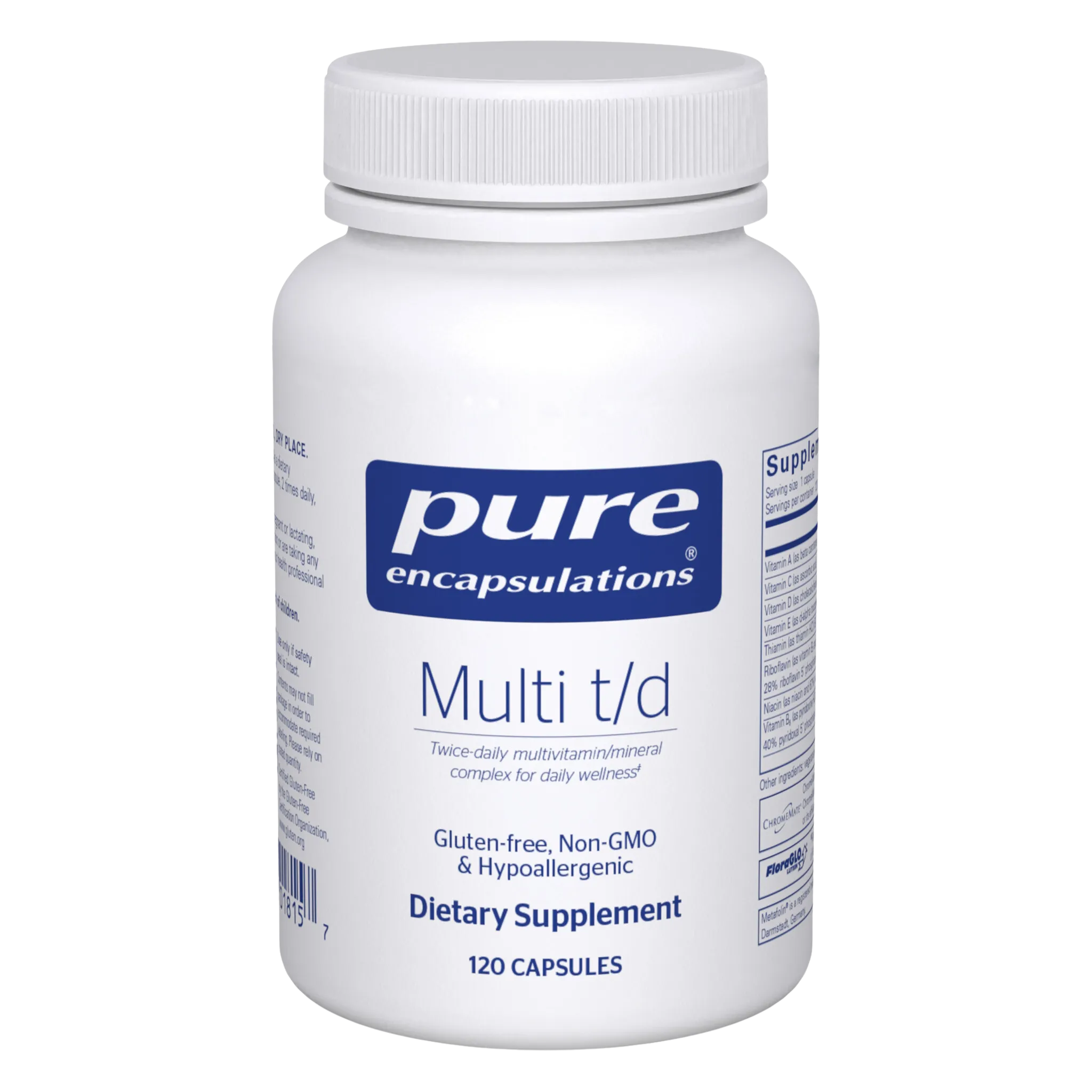
Multi t/d is a comprehensive, twice-daily multivitamin and mineral complex formulated by Pure Encapsulations to provide a concentrated core of essential nutrients. Unlike standard, off-the-shelf multivitamins that often rely on cheap, synthetic ingredients, this formulation is specifically designed for optimal bioavailability and utilization. In a healthy body, vitamins and minerals act as crucial cofactors—non-protein chemical compounds that bind to enzymes to catalyze the millions of biochemical reactions required for life. From the synthesis of DNA and the production of cellular energy (ATP) to the regulation of immune responses and the maintenance of neurological function, these micronutrients form the absolute foundation of human biology.
For individuals managing complex chronic conditions, the body's demand for these foundational nutrients is often exponentially higher due to the constant state of physiological stress. However, simply ingesting vitamins is not enough; the body must be able to absorb them across the intestinal lining and transport them into the cells where they are needed. Multi t/d addresses this challenge by utilizing forms of vitamins and minerals that mirror those naturally found in the body, bypassing the complex enzymatic conversions that are often impaired in chronic illness. This meticulous approach to formulation ensures that even sensitive individuals with compromised digestive or metabolic pathways can access the core support they need.
The formula provides a broad spectrum of fundamental support, including vitamins A, C, D3, and E, alongside a complete profile of essential minerals like iodine, zinc, selenium, and chromium. Each of these components plays a distinct, synergistic role in maintaining homeostasis. For example, vitamin C and vitamin E work in tandem within the lipid membranes of cells to neutralize free radicals, while minerals like zinc and selenium are vital for the structural integrity of proteins and the function of the immune system. By providing these nutrients in their most bioavailable forms, Multi t/d serves as a robust nutritional safety net.
The Methylation Advantage: Active B-Vitamins
One of the most critical distinctions of Multi t/d is its inclusion of biologically active B-vitamins, specifically Metafolin® (L-5-MTHF) and methylcobalamin (Vitamin B12). In conventional supplements, vitamin B9 is typically provided as synthetic folic acid, and B12 as cyanocobalamin. However, before the body can use these synthetic forms, they must undergo a series of complex enzymatic conversions in the liver. A significant portion of the population possesses genetic variations, such as the MTHFR (methylenetetrahydrofolate reductase) mutation, which drastically reduces the efficiency of these conversions. This can lead to a functional deficiency of these crucial vitamins, even when dietary intake appears adequate.
By providing folate as L-5-MTHF and B12 as methylcobalamin, Multi t/d completely bypasses these genetic bottlenecks, delivering the vitamins in the exact forms the body uses for the methylation cycle. Methylation is a fundamental biochemical process that occurs billions of times a second in every cell of the body. It acts as a biological switch, turning genes on and off, synthesizing neurotransmitters like serotonin and dopamine, repairing DNA, and producing energy. Furthermore, the methylation cycle is inextricably linked to the production of glutathione, the body's master antioxidant, which is essential for cellular detoxification and mitigating oxidative stress.
In addition to active folate and B12, the formula includes activated forms of riboflavin (vitamin B2 as riboflavin 5' phosphate) and vitamin B6 (as pyridoxal 5' phosphate). These activated B-vitamins are essential cofactors in the electron transport chain within the mitochondria, the powerhouses of the cells. Riboflavin is a precursor to FAD (flavin adenine dinucleotide), while niacin (vitamin B3) is a precursor to NAD+ (nicotinamide adenine dinucleotide)—both of which are critical electron carriers required for the production of ATP. By supplying these vitamins in their pre-activated states, the formula directly supports the mitochondrial energy production pathways that are frequently compromised in conditions like ME/CFS and Long COVID.
Beyond Basic Nutrition: The MacularSynergy Complex
What truly sets Multi t/d apart from other foundational multivitamins is the inclusion of the MacularSynergy Complex, a targeted blend designed to enhance the integrity of the macula and retina. This complex features FloraGLO® lutein and zeaxanthin, two powerful oxygenated carotenoids (xanthophylls) naturally found in dark leafy greens and egg yolks. In the human body, these compounds selectively accumulate in the macula of the eye, where they act as a natural filter for high-energy blue light and protect the delicate photoreceptor cells from oxidative damage.
However, the benefits of lutein and zeaxanthin extend far beyond vision. Emerging scientific research has firmly established that these powerful antioxidants readily cross the blood-brain barrier and accumulate in brain tissue, specifically in the hippocampus, cerebellum, and frontal cortices. Within the central nervous system, they serve as potent neuroprotective agents, combating neuroinflammation and supporting cognitive function. This dual action—protecting both the visual and neurological systems—makes these carotenoids particularly relevant for individuals experiencing the cognitive impairments and visual disturbances often associated with post-viral syndromes.
The MacularSynergy Complex is further enhanced by synergistic cofactors, including vitamin C, vitamin E, zinc, and a proprietary mixed carotenoid blend. These cofactors work collaboratively to regenerate oxidized lutein and zeaxanthin, ensuring a continuous cycle of antioxidant protection. For instance, when vitamin E neutralizes a free radical in a cellular membrane, it becomes oxidized itself; vitamin C then steps in to restore vitamin E to its active state. This intricate, synergistic network of antioxidants provides robust defense against the systemic oxidative stress that characterizes complex chronic illnesses, offering comprehensive support for both the eyes and the brain.
How Long COVID and ME/CFS Impact Cellular Function
The Methylation Cycle Block Hypothesis
To understand why targeted nutritional support is so vital, we must first examine how conditions like Long COVID and ME/CFS disrupt the body's fundamental biochemistry. One of the leading paradigms in the study of post-viral fatigue syndromes is the Methylation Cycle Block Hypothesis. Methylation is a continuous biochemical process that involves the transfer of a methyl group (one carbon atom linked to three hydrogen atoms) from one molecule to another. This process is essential for DNA repair, immune system regulation, and the synthesis of critical neurotransmitters. However, when the body is subjected to the immense physiological stress of a severe viral infection, such as SARS-CoV-2, this delicate cycle can become overwhelmed and effectively "blocked."
This blockage is often exacerbated by underlying genetic predispositions. Many individuals carry mutations in the MTHFR gene, which impairs the body's ability to convert dietary folate and synthetic folic acid into their active, usable forms. In a healthy state, the body might compensate for this inefficiency. However, the immense oxidative burden of a chronic illness rapidly depletes the body's reserves of active methyl donors. When the methylation cycle stalls, the downstream effects are catastrophic. The body loses its ability to efficiently convert toxic homocysteine into benign methionine, leading to a buildup of neurotoxic compounds that damage the vascular system and the brain.
Furthermore, a stalled methylation cycle directly halts the endogenous production of glutathione, the body's master antioxidant. Glutathione is absolutely critical for neutralizing the massive amounts of reactive oxygen species (ROS) generated during an immune response. Without adequate glutathione, the cells are left defenseless against oxidative damage, leading to a vicious cycle of systemic inflammation, cellular toxicity, and profound energy failure. This biochemical gridlock is a primary driver of the debilitating fatigue and post-exertional malaise (PEM) that characterize these complex chronic conditions.
Oxidative and Nitrosative Stress
The depletion of glutathione sets the stage for rampant oxidative and nitrosative stress, two destructive forces that wreak havoc on cellular function. Oxidative stress occurs when there is an imbalance between the production of free radicals (unstable molecules with unpaired electrons) and the body's ability to neutralize them. In Long COVID and ME/CFS, the immune system's prolonged activation generates excessive amounts of these free radicals, which indiscriminately attack cellular membranes, proteins, and DNA in a process known as lipid peroxidation. This widespread cellular damage triggers further immune activation, creating a self-perpetuating loop of inflammation.
Nitrosative stress, a specific type of oxidative stress, is particularly relevant to post-viral syndromes. It is driven by the overproduction of nitric oxide (NO) and its highly reactive derivative, peroxynitrite. Research indicates that the SARS-CoV-2 spike protein can induce an up to 57% elevation in the expression of Nitric Oxide Synthase (NOS) within the microglia, the resident immune cells of the brain. This massive influx of nitric oxide creates severe nitrosative stress, which damages the mitochondria—the cellular powerhouses—and impairs their ability to produce adenosine triphosphate (ATP), the energy currency of the cell.
The mitochondria are incredibly sensitive to both oxidative and nitrosative damage. When their delicate inner membranes are compromised by peroxynitrite, the electron transport chain begins to leak electrons, further reducing ATP output and generating even more free radicals. This mitochondrial dysfunction is a hallmark of ME/CFS and is increasingly recognized as a core component of Long COVID. It explains why patients experience such profound, crushing fatigue; their cells are literally starved of energy and suffocating under the weight of unneutralized oxidative stress.
Neuroinflammation and the Spike Protein
The consequences of this systemic oxidative burden are perhaps most devastating within the central nervous system. Neuroinflammation is now widely recognized as a primary driver of the cognitive impairments, memory issues, and profound mental fatigue commonly referred to as "brain fog." In a healthy brain, the blood-brain barrier serves as a highly selective filter, protecting delicate neural tissue from circulating pathogens and inflammatory cytokines. However, the systemic inflammation and vascular damage associated with Long COVID can compromise the integrity of this barrier, allowing inflammatory molecules to infiltrate the brain.
Once inside, these inflammatory mediators activate the microglia, shifting them from their normal, neuroprotective state into an aggressive, pro-inflammatory phenotype. This microglial activation is heavily influenced by the persistence of viral antigens, such as the SARS-CoV-2 spike protein, which can linger in the body for months or even years after the acute infection has resolved. The spike protein hijacks critical cellular signaling pathways, specifically suppressing the activation of Nuclear Factor-kappa B (NF-κB) and Activator Protein 1 (AP-1) pathways, forcing the microglia to pump out a continuous stream of pro-inflammatory cytokines like Tumor Necrosis Factor-alpha (TNF-α) and Interleukin-6 (IL-6).
This chronic neuroinflammatory state disrupts synaptic plasticity, impairs neurotransmitter signaling, and inhibits the production of Brain-Derived Neurotrophic Factor (BDNF), a crucial protein required for the growth and survival of neurons. The resulting neurochemical chaos manifests clinically as the debilitating cognitive symptoms that so many Long COVID and ME/CFS patients endure. To break this cycle of neuroinflammation and cognitive decline, therapeutic interventions must be able to cross the blood-brain barrier, neutralize nitrosative stress, and downregulate these hyperactive inflammatory pathways.
Multi t/d: Supporting Energy, Brain Health, and Immunity
Restoring the Methylation Cycle and Glutathione Production
Multi t/d is specifically engineered to address these profound cellular deficits by providing the exact molecular tools the body needs to restore homeostasis. The foundation of this support lies in its ability to bypass the methylation block. By delivering 667 mcg of folate as Metafolin® (L-5-MTHF) and 250 mcg of vitamin B12 as methylcobalamin, the formula directly supplies the active methyl donors required to restart the stalled methylation cycle. This allows the body to resume the critical task of converting neurotoxic homocysteine back into methionine, significantly reducing the burden of oxidative stress on the cardiovascular and nervous systems.
As the methylation cycle regains its momentum, a crucial downstream effect occurs: the restoration of endogenous glutathione production. With adequate levels of active B-vitamins, the transsulfuration pathway—which branches off from the methylation cycle—can efficiently synthesize glutathione. This master antioxidant is then deployed throughout the body to neutralize the rampant reactive oxygen species (ROS) and peroxynitrite that drive lipid peroxidation and mitochondrial damage. By rebuilding the body's primary antioxidant defense system, Multi t/d helps to break the vicious cycle of systemic inflammation and cellular toxicity.
Furthermore, the activated forms of riboflavin (B2) and vitamin B6 in the formula act as essential cofactors for the enzymes involved in these complex biochemical pathways. Riboflavin 5' phosphate is required for the proper function of the MTHFR enzyme itself, while pyridoxal 5' phosphate is necessary for the conversion of homocysteine to glutathione. This comprehensive, synergistic approach ensures that every step of the methylation and transsulfuration pathways is fully supported, maximizing the body's ability to detoxify and repair damaged tissues.
Neutralizing Neuroinflammation with Lutein and Zeaxanthin
While the active B-vitamins work to restore systemic biochemistry, the MacularSynergy Complex provides targeted support for the central nervous system. The lutein and zeaxanthin in Multi t/d are uniquely capable of crossing the blood-brain barrier, where they act as potent neuroprotective agents. Once inside the brain, these oxygenated carotenoids directly intervene in the hyperactive inflammatory pathways that drive "brain fog." Research indicates that they significantly attenuate neuroinflammation by blocking the activation of Nuclear Factor-kappa B (NF-κB) and the p38 MAPK/JNK pathways, effectively silencing the microglial production of pro-inflammatory cytokines like TNF-α and IL-6.
By suppressing these inflammatory cascades, lutein and zeaxanthin help to neutralize the severe nitrosative stress induced by the SARS-CoV-2 spike protein. They act as direct scavengers of reactive nitrogen species, protecting the delicate neuronal membranes and mitochondrial structures from oxidative damage. This reduction in neuroinflammation creates a more favorable environment for synaptic repair and neurotransmitter synthesis, directly counteracting the neurochemical chaos that underlies cognitive impairment in post-viral syndromes.
Moreover, lutein is a natural dihydroxy carotenoid abundant in yellow-colored fruits and green leafy vegetables. By acting as powerful antioxidants, these compounds may help promote neurogenesis, enhance synaptic plasticity, and support the learning and memory functions that are so frequently compromised in Long COVID and ME/CFS.
Rebuilding Immune and Mitochondrial Defenses
In addition to its targeted B-vitamin and carotenoid complexes, Multi t/d provides a robust profile of essential vitamins and chelated minerals that are critical for immune regulation and mitochondrial energy production. The inclusion of 12.5 mg (500 IU) of Vitamin D3 is particularly important, as vitamin D deficiency is highly prevalent in chronic illness and is associated with increased disease severity. Vitamin D acts as a powerful immunomodulator, helping to calm the hyperactive immune responses that drive chronic inflammation while simultaneously supporting the body's natural defenses against viral persistence.
The formula also features highly bioavailable, chelated forms of essential minerals, including zinc picolinate and selenomethionine. Zinc is a crucial structural component of thousands of proteins and enzymes, and it plays a vital role in regulating T-cell function and maintaining the integrity of the intestinal barrier. Selenium, meanwhile, is an essential cofactor for glutathione peroxidase, the enzyme responsible for utilizing glutathione to neutralize hydrogen peroxide and lipid hydroperoxides. By providing these minerals in their most absorbable forms, Multi t/d ensures that the body has the raw materials it needs to mount an effective antioxidant defense.
Finally, the synergistic combination of these vitamins and minerals provides comprehensive support for the mitochondrial electron transport chain. The activated B-vitamins act as precursors to NAD+ and FAD, the critical electron carriers that drive ATP production. Meanwhile, the robust antioxidant network—powered by glutathione, vitamin C, vitamin E, and selenium—protects the delicate mitochondrial membranes from oxidative damage, ensuring that the energy production pathways can operate efficiently. This multi-targeted approach helps to restore cellular energy levels, directly addressing the profound fatigue that characterizes Long COVID and ME/CFS.

Symptoms Multi t/d May Help Manage
Targeting Systemic and Neurological Symptoms
By addressing the root causes of cellular dysfunction—including methylation blocks, neuroinflammation, and mitochondrial failure—the comprehensive formulation of Multi t/d may help manage a wide range of debilitating symptoms associated with complex chronic conditions. While individual responses will vary, the targeted ingredients in this formula are designed to support the body's natural healing processes across multiple physiological systems.
Brain Fog and Cognitive Impairment: The MacularSynergy Complex, featuring lutein and zeaxanthin, readily crosses the blood-brain barrier to neutralize neuroinflammation and boost Brain-Derived Neurotrophic Factor (BDNF). This helps to clear the mental fog, improve focus, and support memory recall by protecting delicate neural pathways from spike protein-induced nitrosative stress.
Debilitating Fatigue and PEM: By providing active B-vitamins (L-5-MTHF and methylcobalamin) that bypass genetic methylation blocks, the formula directly supports the mitochondrial electron transport chain. This enhances the production of ATP (cellular energy), helping to alleviate profound exhaustion and potentially raising the threshold for post-exertional malaise (PEM).
Visual Disturbances and Light Sensitivity: Lutein and zeaxanthin selectively accumulate in the macula of the eye, where they act as a natural filter for high-energy blue light and protect the retina from oxidative damage. This targeted support can help manage the visual snow, blurry vision, and photophobia frequently reported by patients with dysautonomia and post-viral syndromes.
Immune Dysregulation and Chronic Inflammation: The combination of Vitamin D3, zinc picolinate, and selenomethionine provides powerful immunomodulatory support. These nutrients help to calm hyperactive immune responses, regulate T-cell function, and support the endogenous production of glutathione, the body's master antioxidant, thereby reducing systemic inflammation.
Neuropathy and Nerve Pain: Active B-vitamins, particularly methylcobalamin, are essential for the maintenance and repair of the myelin sheath, the protective coating that surrounds nerve fibers. By supporting healthy methylation and reducing neurotoxic homocysteine levels, the formula may help alleviate the tingling, numbness, and nerve pain associated with small fiber neuropathy.
Practical Considerations: Forms, Dosing, and Absorption
The Importance of Active and Chelated Forms
When selecting a multivitamin for the management of complex chronic conditions, the specific forms of the nutrients are just as important as the dosages. Many standard supplements use cheap, synthetic ingredients like folic acid and cyanocobalamin, which require extensive enzymatic conversion in the liver before the body can utilize them. For individuals with genetic variations like the MTHFR mutation, or those whose metabolic pathways are compromised by chronic illness, these synthetic forms can actually be detrimental. Unmetabolized folic acid can build up in the bloodstream, blocking cellular receptors and further stalling the methylation cycle. Multi t/d avoids this issue entirely by utilizing Metafolin® (L-5-MTHF) and methylcobalamin, the biologically active forms that are immediately available for cellular use.
Similarly, the bioavailability of the minerals in a supplement is critical for optimal absorption. Inorganic mineral salts, such as zinc oxide or sodium selenite, are notoriously difficult for the body to absorb and can cause gastrointestinal distress. Multi t/d utilizes chelated minerals, such as zinc picolinate and selenomethionine. Chelation is a process where the mineral is bound to an organic molecule, usually an amino acid, which allows it to be easily transported across the intestinal lining. This significantly enhances absorption and utilization, ensuring that these vital cofactors reach the cells where they are needed to support immune function and antioxidant defense.
The meticulous selection of these active and chelated forms makes Multi t/d an ideal choice for sensitive individuals. By bypassing the complex enzymatic conversions required by synthetic nutrients, the formula minimizes the metabolic burden on the liver and digestive system. This is particularly important for patients with Long COVID, ME/CFS, or mast cell activation syndrome (MCAS), who frequently experience gastrointestinal dysfunction and heightened sensitivities to synthetic additives and fillers.
Optimizing Absorption and Timing
To maximize the therapeutic benefits of Multi t/d, it is essential to consider the timing and method of administration. The formula contains several fat-soluble nutrients, including vitamins A, D3, E, and the carotenoids lutein and zeaxanthin. Because these compounds have long aliphatic backbones, their natural bioavailability is relatively low when taken on an empty stomach. To ensure optimal absorption across the intestinal lumen, it is highly recommended to take the supplement alongside a meal that contains healthy fats, such as avocado, nuts, or extra virgin olive oil (EVOO). The oleic acid in EVOO is particularly effective at enhancing the absorption of dietary lutein.
The suggested use for Multi t/d is one capsule, two times daily with meals. This divided dosing strategy is crucial for maintaining stable blood levels of the water-soluble B-vitamins and vitamin C throughout the day. Unlike fat-soluble vitamins, which can be stored in the liver and adipose tissue, water-soluble vitamins are rapidly excreted in the urine if they are not immediately utilized. By splitting the dose, you provide the body with a continuous supply of these essential cofactors, ensuring that the methylation cycle and mitochondrial energy production pathways remain fully supported from morning until evening.
When integrating a new comprehensive multivitamin into your protocol, it is also important to consider potential interactions with other medications or supplements. While the ingredients in Multi t/d are generally well-tolerated, high doses of active B-vitamins can sometimes interact with certain medications, such as anticonvulsants or methotrexate. Additionally, the vitamin K content in some mixed carotenoid blends may require monitoring for individuals on blood-thinning medications like warfarin. As always, it is imperative to consult with a knowledgeable healthcare provider before starting any new supplement regimen, especially if you are managing a complex chronic illness.
Pacing Your Supplementation and Potential Reactions
For individuals with severe ME/CFS or Long COVID, introducing active B-vitamins can sometimes trigger a phenomenon known as "refeeding syndrome" or over-methylation. When a stalled methylation cycle is suddenly restarted by the introduction of L-5-MTHF and methylcobalamin, the cells rapidly begin to detoxify, produce energy, and synthesize neurotransmitters. This sudden surge in metabolic activity can temporarily overwhelm the body's capacity to process the newly generated waste products, leading to a paradoxical exacerbation of symptoms, such as intense anxiety, insomnia, irritability, or increased fatigue.
Furthermore, as the cells suddenly start metabolizing properly, they consume vast amounts of essential electrolytes, particularly potassium and magnesium. This rapid cellular uptake can lead to transient hypokalemia (low potassium levels), which may manifest as painful muscle cramps, heart palpitations, or profound weakness. To mitigate these potential reactions, many experienced practitioners recommend a "low and slow" approach when introducing active B-vitamins. While Multi t/d provides a balanced, foundational dose, highly sensitive individuals may choose to start with just one capsule per day, gradually increasing to the full two-capsule dosage as their body adjusts.
It is also crucial to remember that nutritional supplementation is just one component of a comprehensive management strategy. While Multi t/d provides the essential biochemical tools for cellular repair, it cannot replace the fundamental principles of pacing and energy conservation. Pushing through fatigue or ignoring the warning signs of post-exertional malaise (PEM) will only generate more oxidative stress, rapidly depleting the very nutrients you are trying to replenish. By combining targeted nutritional support with careful symptom tracking and strict pacing, you can create a sustainable foundation for long-term recovery. You can learn more about managing your diet and nutrition in our guide on Learning to Eat Nutritionally with Changes to Your Sense of Smell and Taste.

Follow the Science
Multivitamins and Oxidative Stress in ME/CFS
The scientific literature provides compelling evidence for the use of targeted nutritional therapies in the management of complex chronic conditions. While broad, generic multivitamin supplementation often shows mixed results in clinical trials, studies utilizing high-quality, comprehensive formulations have demonstrated significant clinical benefits. A landmark ME/CFS multivitamin trial conducted by Maric et al. in 2014 remains a benchmark in the field. In this study, 38 women diagnosed with ME/CFS were given a daily commercial multivitamin/mineral supplement for two months.
The researchers meticulously tracked the patients' blood markers, specifically measuring the activity of superoxide dismutase (SOD)—a crucial endogenous enzyme responsible for neutralizing cellular oxidative stress. After just two months of supplementation, the patients' SOD activity levels dramatically increased from an average of 71 to 314 mEq, indicating a vast reduction in systemic oxidative stress. This biochemical improvement translated into statistically significant clinical outcomes, with participants reporting marked reductions in profound fatigue, sleep disorders, autonomic nervous system symptoms, and the frequency and intensity of headaches.
These findings underscore the critical role that foundational micronutrients play in rebuilding the body's antioxidant defense systems. By providing the essential cofactors required for enzymes like SOD and glutathione peroxidase to function optimally, comprehensive multivitamins can help to break the cycle of rampant oxidative damage that drives the debilitating symptoms of ME/CFS and Long COVID. This research validates the clinical approach of using high-quality, broad-spectrum nutritional support as a primary intervention for post-viral fatigue syndromes.
The Evidence for Active B-Vitamins
The use of biologically active B-vitamins, particularly L-5-MTHF and methylcobalamin, is one of the most heavily researched and widely utilized targeted nutritional therapies for ME/CFS. The Gottfries Clinic, a renowned specialty center in Sweden that treats thousands of ME/CFS patients, published a landmark cross-sectional study analyzing the clinical response to vitamin B12 and folic acid supplementation in patients with ME/CFS and fibromyalgia. The researchers found a clear dose-response relationship, noting that "good responders" utilized significantly higher doses of active B-vitamins for longer durations compared to "mild responders."
Furthermore, the study revealed that these good responders took higher daily amounts of oral folate in direct relation to their individual MTHFR genotypes. Remarkably, the patients who effectively utilized high-dose active B12 and folate rarely needed strong analgesic medications (opioids) to manage their pain, whereas 70% of the mild responders required daily painkillers. This data strongly supports the Methylation Cycle Block Hypothesis, demonstrating that bypassing genetic bottlenecks with active B-vitamins can lead to massive symptom reduction and improved quality of life.
Recent systematic reviews continue to validate this approach. A 2024 systematic review and meta-analysis assessed the efficacy of multivitamin, vitamin A, B, C, and D supplements in the prevention and management of COVID-19 and Long-COVID. By lowering neurotoxic homocysteine levels and restoring glutathione production, active vitamins provide critical support for the neurological and immunological systems compromised by chronic illness.
Lutein, Zeaxanthin, and Cognitive Recovery
The inclusion of the MacularSynergy Complex in Multi t/d is strongly supported by emerging research on the neuroprotective properties of lutein and zeaxanthin. While traditionally known for their role in ocular health, extensive peer-reviewed literature published in 2023 and 2024 specifically identifies lutein as a powerful natural therapeutic agent to combat Long COVID pathogenesis. Researchers have documented that the SARS-CoV-2 spike protein induces massive oxidative stress and triggers severe neuroinflammation by upregulating Nitric Oxide Synthase (NOS) in the brain's microglia.
Clinical trials have demonstrated that lutein and zeaxanthin supplementation directly counteracts this spike protein-induced damage. By acting as potent scavengers of reactive oxygen and nitrogen species, these carotenoids effectively suppress the exact molecular pathways (NF-κB and AP-1) exploited by the virus, neutralizing nitrosative stress and calming microglial activation. This reduction in neuroinflammation is critical for resolving the debilitating "brain fog" and cognitive impairments that plague so many Long COVID patients.
Moreover, studies across multiple age groups have shown that lutein and zeaxanthin supplementation directly correlates with significant increases in systemic Brain-Derived Neurotrophic Factor (BDNF). In randomized, double-blind, placebo-controlled trials, participants taking these specific carotenoids demonstrated statistically significant improvements in visual episodic memory, processing speed, and overall cognitive performance. By simultaneously extinguishing neuroinflammation and boosting neuroplasticity, the MacularSynergy Complex offers a scientifically validated approach to supporting cognitive recovery in post-viral syndromes.
The Path Forward
A Foundational Piece of the Puzzle
Living with a complex chronic condition like Long COVID, ME/CFS, or dysautonomia is an exhausting, unpredictable journey. The profound fatigue, the cognitive fog, and the constant battle against post-exertional malaise can make every day feel like an insurmountable challenge. It is entirely valid to feel frustrated by the lack of definitive cures and the slow pace of medical research. However, understanding the underlying cellular mechanisms—the methylation blocks, the oxidative stress, the neuroinflammation—empowers you to take targeted, scientifically grounded steps toward managing your symptoms and reclaiming your baseline.
Multi t/d is not a miracle cure, but it is a meticulously formulated, foundational tool designed to address these core biochemical deficits. By providing biologically active B-vitamins that bypass genetic bottlenecks, chelated minerals for optimal absorption, and the potent neuroprotective benefits of the MacularSynergy Complex, this comprehensive formula delivers the exact molecular building blocks your body needs to restore mitochondrial energy production and combat systemic inflammation. It serves as a robust nutritional safety net, ensuring that your cells have the resources they need to heal.
Comprehensive Care and Next Steps
Remember that targeted nutritional supplementation is most effective when integrated into a comprehensive, holistic management strategy. Supplements provide the biochemical tools for repair, but they must be paired with strict pacing, careful symptom tracking, and adequate rest to prevent further oxidative damage. Listen to your body, respect your energy envelope, and work closely with a knowledgeable healthcare provider to tailor your treatment approach to your unique physiological needs. If you are exploring other management strategies, you might find our article on What Drugs Are Used for COVID Long Haulers? helpful.
If you are looking for a high-quality, highly bioavailable multivitamin to support your recovery journey, consider discussing Multi t/d with your medical team. By addressing the foundational pillars of cellular health, you can build a stronger, more resilient foundation for long-term symptom management and improved quality of life.