Can Multi Enzyme Help Manage Gastrointestinal Symptoms in Long COVID and ME/CFS?
March 6, 2026
Multi EnzymeLong COVIDME/CFS
Share:
Disclaimer: The information provided here is for educational purposes only and is not intended as medical advice. It should not be used to diagnose, treat, cure, or prevent any medical condition. Instead, use it as a starting point for discussion with your healthcare provider. Always consult with a qualified healthcare provider before starting any new medication, supplement, device, or making changes to your health regimen.
For many individuals living with complex chronic conditions, the battle doesn’t stop at profound fatigue or cognitive dysfunction. A hidden, yet equally debilitating front line exists within the digestive tract. Patients frequently report that eating—a fundamental human necessity—has become a source of anxiety, triggering severe bloating, unpredictable bowel habits, and a worsening of systemic symptoms. When you are already navigating the heavy burden of an invisible illness, the inability to properly digest food and absorb vital nutrients can feel like a devastating setback, leaving you exhausted, malnourished, and frustrated by a lack of clinical answers.
In the wake of viral infections, the intricate communication network between the brain and the gut is often severely disrupted. This disruption can halt the body's natural production of stomach acid and digestive enzymes, creating a cascade of gastrointestinal distress that standard antacids and dietary changes fail to resolve. Understanding the mechanics of this dysfunction is the first step toward reclaiming digestive comfort. In this comprehensive guide, we will explore how Thorne’s Multi Enzyme—a potent blend of Betaine Hydrochloride (HCl), pepsin, and pancreatin—works at the cellular level to restore the body’s digestive capacity, optimize nutrient absorption, and support the healing journey for those living with Long COVID, myalgic encephalomyelitis/chronic fatigue syndrome (ME/CFS), and dysautonomia.
What is Multi Enzyme?
The Foundation of Gastric Digestion
To understand how a comprehensive digestive supplement works, we must first examine the natural, highly orchestrated process of digestion in a healthy body. Digestion is not merely the mechanical breakdown of food; it is a complex sequence of biochemical reactions that relies heavily on specific pH environments and enzymatic catalysts. At the forefront of this process is the stomach, which acts as the body's primary chemical processing plant. The parietal cells lining the stomach wall secrete hydrochloric acid (HCl), a highly corrosive fluid that drops the gastric pH to an incredibly acidic level, typically between 1.5 and 3.0. This extreme acidity is essential for sterilizing ingested food, neutralizing potential pathogens, and initiating the breakdown of complex macronutrients.
Within this acidic environment, the stomach also secretes an inactive precursor enzyme called pepsinogen. The high concentration of hydrogen ions provided by the stomach acid is the strict biological trigger required to cleave pepsinogen, converting it into its active form, pepsin. Pepsin is a powerful proteolytic enzyme, meaning its primary function is to dismantle complex dietary proteins. As the hydrochloric acid denatures, or unravels, the tightly folded protein structures, pepsin acts like molecular scissors, cutting the exposed protein chains into smaller, easily digestible fragments known as peptides. Without adequate stomach acid, this initial stage of protein digestion completely stalls, leading to a cascade of downstream gastrointestinal issues.
The Enteric Phase and Pancreatic Enzymes
Once the stomach has processed the food into an acidic, semi-liquid mass known as chyme, it is slowly released into the duodenum, the first section of the small intestine. This transition marks the beginning of the enteric phase of digestion. The highly acidic nature of the chyme acts as a signaling mechanism, prompting the pancreas to release a flood of bicarbonate to neutralize the acid, alongside a concentrated mixture of digestive enzymes collectively known as pancreatin. The exocrine function of the pancreas is responsible for synthesizing these enzymes, which are absolutely critical for the final breakdown and assimilation of the food we eat.
Pancreatin is composed of three primary enzyme classes: amylase, lipase, and protease. Amylase is tasked with breaking down complex starchy carbohydrates into simple sugars, such as glucose, which the body utilizes for immediate cellular energy. Lipase works in tandem with bile salts secreted by the liver to emulsify and dismantle dietary fats, converting triglycerides into free fatty acids and glycerol. Finally, pancreatic protease (including trypsin and chymotrypsin) continues the work started by pepsin in the stomach, further cleaving peptides into individual amino acids that can be absorbed through the intestinal wall and utilized for tissue repair and neurotransmitter synthesis.
The Synergy of Complete Digestive Support
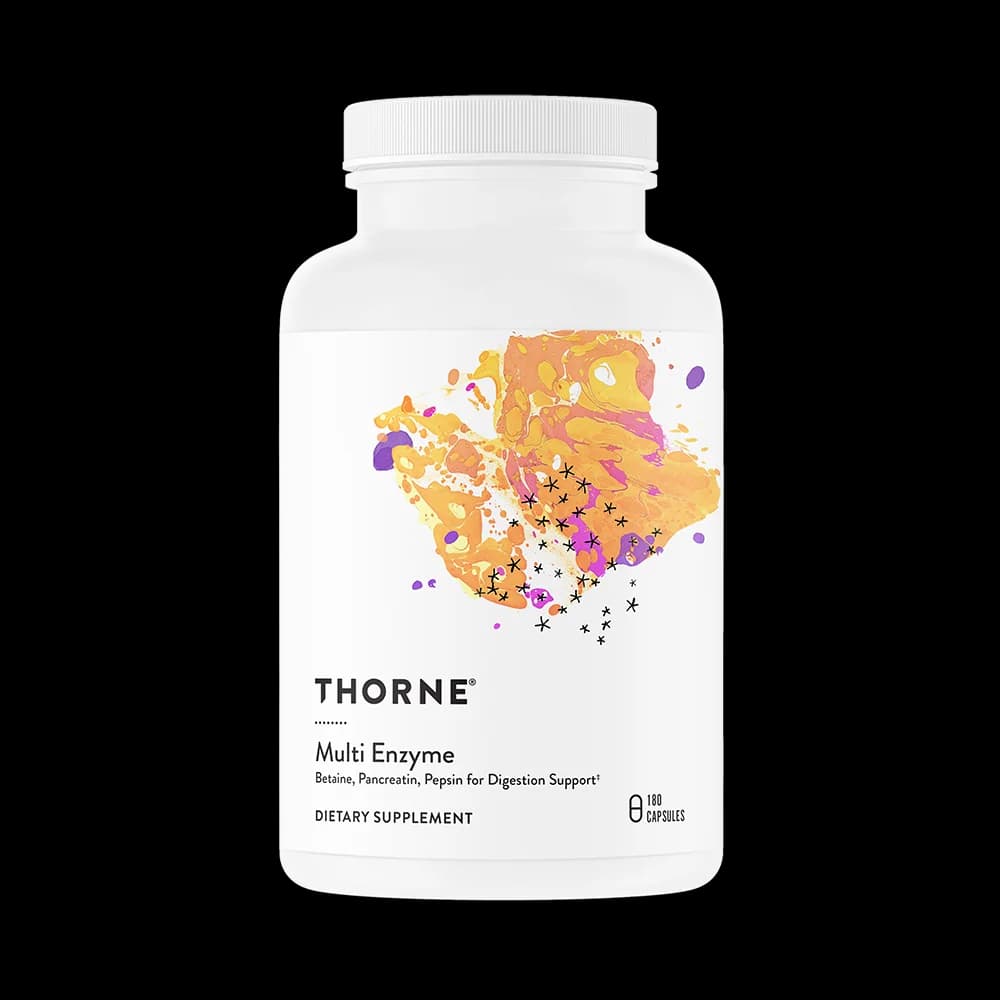
Thorne’s Multi Enzyme is meticulously formulated to replicate and support this entire digestive cascade. By combining Betaine Hydrochloride (Betaine HCl) with porcine-derived pepsin and pancreatin, the supplement addresses both the gastric and enteric phases of digestion simultaneously. Betaine HCl, a stable, supplemental form of hydrochloric acid derived from beets, actively lowers the pH of the stomach upon ingestion. This not only aids in the immediate breakdown of food but also ensures that the accompanying pepsin is fully activated.
Furthermore, the inclusion of undiluted pancreatin ensures that once the food reaches the small intestine, the necessary amylase, lipase, and protease are present in sufficient quantities to complete the digestive process. Unlike many commercial enzyme blends that use lactose as a cheap filler or diluent, Thorne utilizes undiluted porcine enzymes. This is particularly crucial for individuals with complex chronic illnesses, as lactose intolerance and dairy sensitivities are highly prevalent in these populations. By providing a clean, comprehensive blend of both stomach and pancreatic support, Multi Enzyme helps bridge the gap when the body's natural digestive secretions are compromised.
How Long COVID and ME/CFS Impact Digestion
Vagus Nerve Impairment and Dysautonomia
For individuals navigating Infection-Associated Chronic Illnesses (IACIs), gastrointestinal distress is rarely a standalone issue; it is intimately connected to the systemic dysfunction characteristic of these conditions. To understand What Causes Long COVID? and its myriad of symptoms, researchers frequently point to the autonomic nervous system. The autonomic nervous system controls involuntary bodily functions, including heart rate, blood pressure, and digestion. A significant percentage of patients develop dysautonomia, a condition where this regulatory system falls out of balance, often manifesting as Postural Orthostatic Tachycardia Syndrome (POTS).
A central driver of the Gastrointestinal Symptoms Seen with Long COVID is the impairment of the vagus nerve (cranial nerve X). The vagus nerve serves as the superhighway of the parasympathetic nervous system, often referred to as the "rest and digest" state. It carries vital anti-inflammatory signals between the gut and the brain, dictating the speed of gut motility and the secretion of digestive fluids. However, viral neurotropism (where a virus directly attacks nerve tissue), chronic neuroinflammation, and autoimmune autoantibodies can severely damage or suppress vagal signaling. When vagal tone drops, the body becomes trapped in a state of sympathetic dominance (chronic "fight or flight"), causing the digestive tract to dramatically slow down or malfunction.
Hypochlorhydria and the Acid Deficit
One of the most profound, yet frequently overlooked, consequences of vagus nerve dysautonomia is hypochlorhydria, or insufficient stomach acid production. The vagus nerve is directly responsible for signaling the stomach's parietal cells to secrete hydrochloric acid. When this signaling is impaired due to the neurological fallout of Long COVID or ME/CFS, acid production plummets. This creates a severe bottleneck at the very beginning of the digestive process. Without adequate stomach acid, proteins remain intact and begin to putrefy in the stomach, leading to severe bloating, belching, and a feeling of food "sitting like a rock" after meals.
This hypochlorhydria creates a frustrating clinical Catch-22. Many patients with these conditions also suffer from mast cell activation syndrome (MCAS), which can cause histamine-induced reflux and esophageal pain. Gastroenterologists frequently prescribe acid-suppressing medications, such as Proton Pump Inhibitors (PPIs) or H2 blockers, to manage this reflux. While these drugs may temporarily soothe the burning sensation by blocking histamine receptors, they chemically eradicate whatever minimal stomach acid the patient was still producing, severely worsening the underlying hypochlorhydria and perpetuating a vicious cycle of maldigestion and malnutrition.
Pancreatic Insufficiency and Malabsorption
The downstream effects of low stomach acid are equally devastating. Because the highly acidic chyme is the primary trigger for the pancreas to release its enzymes, a lack of stomach acid means the pancreas never receives the signal to do its job. This functional shutdown mimics a condition known as Exocrine Pancreatic Insufficiency (EPI). Without adequate amylase, lipase, and protease entering the small intestine, the body loses its ability to break down and absorb essential macronutrients, particularly dietary fats.
When Can Long COVID Trigger ME/CFS? Unraveling the Connection is discussed in clinical settings, the profound fatigue and cellular energy crisis are central themes. This energy crisis is massively exacerbated by pancreatic insufficiency. If the body cannot extract glucose from carbohydrates, amino acids from proteins, or fatty acids from dietary fats, the mitochondria are starved of the raw materials they need to produce Adenosine Triphosphate (ATP). Furthermore, undigested food particles travel into the large bowel where gut bacteria ferment them, causing excessive flatulence, severe abdominal pain, and an increased risk of Small Intestinal Bacterial Overgrowth (SIBO), further complicating the patient's clinical picture.
Multi Enzyme: Supporting Digestion and Nutrient Absorption
Restoring the Gastric Acid Barrier
Supplementing with Thorne's Multi Enzyme provides a direct, mechanistic intervention to counteract the digestive paralysis seen in chronic illness. The first and most critical mechanism of action is the restoration of the gastric acid barrier via Betaine HCl. When a capsule of Betaine HCl is ingested and enters the stomach, it rapidly dissociates into zwitterionic betaine, protons (H+), and chloride ions (Cl-). This massive influx of protons actively and forcefully lowers the pH of the gastric fluid, overriding the impaired vagal signaling that caused the hypochlorhydria in the first place. By artificially re-acidifying the stomach to an optimal pH of less than 3.0, the supplement instantly restores the stomach's ability to act as a chemical processing plant.
This re-acidification is not just about breaking down food; it is a vital immune defense mechanism. A highly acidic stomach acts as a primary barrier against ingested pathogens. When stomach acid is low, harmful bacteria and opportunistic parasites can easily survive the journey through the stomach and colonize the small intestine, leading to severe dysbiosis and SIBO. By maintaining a harsh, acidic environment, Betaine HCl helps sterilize the upper gastrointestinal tract, preventing the upward migration of colonic bacteria and reducing the systemic inflammatory load that drives many Long COVID and ME/CFS symptoms.
Enzymatic Cleavage and Macronutrient Breakdown
Once the Betaine HCl has established the necessary acidic environment, the porcine pepsin included in the Multi Enzyme formula is immediately activated. This allows for the rapid denaturation and cleavage of complex dietary proteins into smaller peptides. This step is particularly crucial for patients with MCAS and food sensitivities. When proteins are incompletely digested due to low stomach acid, large, intact protein molecules can pass through the inflamed intestinal lining (leaky gut) and enter the bloodstream. The immune system flags these large molecules as foreign invaders, triggering massive mast cell degranulation and severe allergic-type reactions. By ensuring proteins are thoroughly dismantled in the stomach, pepsin helps reduce the antigenic load on the immune system.
As the properly acidified chyme moves into the small intestine, the pancreatin component of the supplement takes over. The supplemental amylase, lipase, and protease bypass the need for endogenous pancreatic signaling, directly going to work on the remaining macronutrients. The lipase is particularly vital, as it binds to dietary triglycerides and hydrolyzes them into absorbable free fatty acids. This prevents the distressing symptoms of steatorrhea (fatty, floating stools) and ensures that the body can actually utilize the healthy fats consumed in the diet for cellular membrane repair and neurological function.
Enhancing Micronutrient Bioavailability
Beyond macronutrients, the mechanisms of Multi Enzyme are essential for the bioavailability and absorption of critical micronutrients. Hydrochloric acid is an absolute requirement for the liberation of vitamin B12 from dietary proteins. It is also necessary to convert poorly absorbed forms of plant-based iron (non-heme iron) into a bioavailable state, and to ionize minerals like calcium, magnesium, and zinc so they can cross the intestinal mucosa. In patients with chronic illness, deficiencies in these specific minerals are rampant and directly contribute to neuropathy, muscle spasms, and profound fatigue.
Simultaneously, the pancreatic lipase ensures the absorption of fat-soluble vitamins, including Vitamin A, Vitamin D, Vitamin E, and Vitamin K, as well as crucial lipid-based antioxidants like Coenzyme Q10 (CoQ10) and Omega-3 fatty acids. Without lipase, these expensive and vital supplements simply pass through the digestive tract unabsorbed. By providing a comprehensive suite of gastric and enteric support, Multi Enzyme ensures that the body can actually extract and utilize the nutritional building blocks required for cellular recovery and immune modulation.

Symptoms Multi Enzyme May Help Manage
Targeting Upper Gastrointestinal Distress
Because Multi Enzyme addresses digestion at multiple stages, it can help manage a wide array of symptoms associated with gastrointestinal dysfunction in chronic illness. By restoring the proper acidic environment and enzymatic breakdown, patients often experience relief from upper GI distress.
Occasional Indigestion and Early Satiety: By accelerating the breakdown of proteins in the stomach, Betaine HCl and pepsin prevent food from sitting stagnant, relieving the sensation of feeling overly full after only a few bites.
Reflux and Heartburn: Counterintuitively, acid reflux is often caused by low stomach acid, which prevents the lower esophageal sphincter from closing properly. Re-acidifying the stomach with Betaine HCl can signal this valve to shut, reducing the upward flow of gastric contents.
Nausea and Gastric Heaviness: By improving the overall speed and efficiency of gastric emptying, the supplement helps alleviate the chronic nausea associated with delayed digestion and mild gastroparesis.
Addressing Lower GI and Systemic Issues
The benefits of comprehensive enzyme support extend far beyond the stomach. By ensuring that food is properly broken down before it reaches the large intestine, Multi Enzyme helps mitigate lower bowel symptoms and systemic nutritional deficits.
Gas and Bloating: By providing amylase to break down complex carbohydrates, the supplement prevents undigested starches from reaching the colon, where they would otherwise be fermented by bacteria to produce painful gas and severe bloating.
Steatorrhea and Bowel Irregularity: The inclusion of pancreatic lipase ensures that dietary fats are properly absorbed, preventing the formation of greasy, foul-smelling, and urgent loose stools, thereby helping to maintain normal bowel regularity.
Fatigue from Malnutrition: By optimizing the extraction and absorption of essential vitamins (like B12 and Vitamin D), minerals (like iron and magnesium), and amino acids, the supplement provides the raw materials the mitochondria need to produce energy, directly combating the profound fatigue of ME/CFS and Long COVID.
Food Sensitivities: By thoroughly dismantling complex proteins with protease and pepsin, the supplement reduces the likelihood of large, undigested protein molecules triggering immune responses and mast cell flares in the gut.
Practical Considerations: Forms, Dosing, and Absorption
The Betaine HCl Titration Protocol
When incorporating a powerful digestive aid like Thorne's Multi Enzyme into your regimen, proper dosing and timing are critical for both safety and efficacy. Because the supplement contains Betaine HCl, it must be taken specifically with meals that contain a significant amount of protein. Taking it on an empty stomach or with a small, carbohydrate-only snack (like a piece of fruit) can lead to a burning sensation, as there is no protein present for the acid and pepsin to act upon. Functional medicine practitioners typically recommend taking 1 to 2 capsules right at the beginning of the meal, or midway through the first few bites, to ensure the supplement mixes thoroughly with the ingested food.
Finding the optimal dose of Betaine HCl is highly individualized and often requires a process known as titration. A common clinical protocol involves starting with one capsule per protein-rich meal. If no warming or mild burning sensation is felt in the stomach, the dose is increased by one capsule at the next similar meal. The patient continues to carefully increase the dose until a mild, temporary warmth or discomfort is noticed. At that point, the patient scales back by one capsule to establish their ideal maintenance dose. This process helps tailor the supplementation to the exact level of the individual's hypochlorhydria.
Formulation Purity and Lactose Sensitivity
Bioavailability and formulation purity are paramount, especially for patients with highly reactive immune systems. Thorne’s Multi Enzyme is distinguished by its use of undiluted, porcine-derived pepsin and pancreatin. In the supplement industry, it is incredibly common for manufacturers to use lactose (milk sugar) as a cheap diluent to standardize the strength of their enzyme blends. However, for individuals with Long COVID, ME/CFS, or MCAS, lactose is a frequent trigger for severe gastrointestinal distress and systemic inflammation. By utilizing an undiluted formula, Thorne ensures that lactose-sensitive individuals can safely access the digestive support they need without risking an adverse reaction.
Safety Warnings and Contraindications
While highly beneficial for those with low stomach acid, Multi Enzyme is not suitable for everyone and carries specific contraindications. It must never be used by individuals with active peptic ulcers, a history of gastric ulcers, or severe gastritis, as the introduction of supplemental hydrochloric acid can severely irritate or damage the compromised stomach lining. Additionally, the capsules should never be opened and the powder consumed directly, as the Betaine HCl and proteolytic enzymes can be highly irritating to the oral mucosa and esophagus.
Crucially, Multi Enzyme should not be used concurrently with prescription acid-suppressing medications, such as Proton Pump Inhibitors (PPIs) or H2-blocking drugs. These medications are specifically designed to halt the production of stomach acid; taking a supplement designed to increase stomach acid directly counteracts their intended pharmacological effect. If you experience an accidental burning sensation from taking too high a dose of Betaine HCl, it can typically be neutralized by drinking a teaspoon of baking soda mixed in a glass of water. As always, if you are pregnant, nursing, or managing a complex chronic illness, consult your healthcare practitioner before initiating any new supplement protocol.

Follow the Science
Clinical Evidence for Gastric Re-acidification
The clinical efficacy of Betaine HCl in restoring gastric acidity is well-documented, particularly in pharmacological studies examining drug absorption. A pivotal study published in Molecular Pharmaceutics investigated the ability of Betaine HCl to re-acidify the stomachs of healthy volunteers who had been given rabeprazole, a powerful Proton Pump Inhibitor, to artificially induce hypochlorhydria (a gastric pH greater than 4.0). The researchers found that a single 1,500 mg dose of Betaine HCl was astonishingly effective, dropping the average gastric pH from 5.2 down to a highly acidic 0.6 within just 30 minutes. The acidification was rapid, taking an average of only 6.25 minutes to reach an optimal pH of less than 3.0, proving the supplement's raw potency in overcoming severe acid suppression.
Further research highlights the critical importance of dosing Betaine HCl appropriately when food is involved. Food naturally buffers stomach acid, meaning higher doses are required during meals. A randomized controlled trial published in eScholarship demonstrated that while lower doses were sufficient in a fasted state, it required a 4,500 mg dose of Betaine HCl to successfully re-acidify the gastric pH back to baseline when taken with a standard meal. This data underscores the necessity of the titration protocol, as the amount of Betaine HCl needed to optimize digestion varies significantly depending on the size and protein content of the meal being consumed.
The Efficacy of Pancreatic Enzyme Replacement
The scientific backing for the pancreatin component of the supplement is equally robust. Pancreatic Enzyme Replacement Therapy (PERT) is the gold-standard medical treatment for exocrine pancreatic insufficiency. A comprehensive meta-analysis of seven randomized controlled trials involving 282 patients, published in the National Institutes of Health database, evaluated the efficacy of pancreatic enzyme replacement. The analysis demonstrated that supplemental enzymes significantly increased the Coefficient of Fat Absorption (CFA) compared to a placebo. The therapy substantially improved stool frequency, stool weight, and objective nutritional parameters, confirming that exogenous amylase, lipase, and protease can successfully take over the digestive burden when the body's natural production fails.
Reversing Malnutrition in Chronic Illness
The real-world impact of combining Betaine HCl and digestive enzymes is profoundly illustrated in clinical case studies involving severe malnutrition. A case report published via ResearchGate tracked an esophageal cancer patient suffering from severe chemotherapy-induced gastrointestinal symptoms, dumping syndrome, and significant weight loss due to gastric hypochlorhydria. The patient was prescribed a regimen of Betaine HCl and pepsin prior to meals. The intervention completely dissipated the debilitating GI symptoms and allowed the patient to successfully regain their lost body weight. Crucially, when the supplement was temporarily discontinued, the symptoms immediately returned, providing clear clinical evidence of the supplement's metabolic necessity in restoring digestive function and reversing malnutrition in severely compromised patients.
The Path Forward
Validating the Gastrointestinal Struggle
Living with a complex chronic illness like Long COVID, ME/CFS, or dysautonomia is an arduous journey, and the addition of severe gastrointestinal distress can make the daily battle feel insurmountable. It is deeply validating to understand that your bloating, nausea, and food sensitivities are not "all in your head" or simply a product of anxiety. They are the direct, physiological consequences of autonomic nervous system dysfunction, vagus nerve impairment, and the resulting deficits in stomach acid and pancreatic enzymes. Acknowledging the biological reality of these symptoms is the first step toward finding effective, targeted management strategies.
A Comprehensive Management Strategy
While Thorne's Multi Enzyme offers a powerful tool for restoring digestive function, it is most effective when integrated into a broader, comprehensive management plan. When considering How Can You Live with Long-Term COVID, it is essential to combine targeted supplementation with strategic lifestyle adjustments. This includes pacing your physical and cognitive exertion to manage post-exertional malaise, utilizing symptom tracking to identify specific food triggers, and working with a dysautonomia-literate dietician to ensure your meals are nutrient-dense and easily digestible. Addressing the root cause of the autonomic dysfunction, whether through neuro-modulating medications, vagus nerve stimulation, or targeted mast cell stabilizers, is also a critical component of long-term recovery.
Next Steps in Your Healing Journey
Reclaiming your ability to digest food and absorb vital nutrients is a profound step toward rebuilding your cellular energy and improving your overall quality of life. By providing the essential hydrochloric acid, pepsin, and pancreatic enzymes your body may be struggling to produce, you can begin to break the vicious cycle of malabsorption and systemic inflammation. If you are ready to support your gastrointestinal health and optimize your nutritional status, consult with your healthcare provider to see if comprehensive enzyme support is right for your unique clinical picture.