Can Motility PRO Restore Gut Function and Relieve SIBO in Long COVID Patients?
March 6, 2026
Motility PROLong COVIDDysautonomia
Share:
Disclaimer: The information provided here is for educational purposes only and is not intended as medical advice. It should not be used to diagnose, treat, cure, or prevent any medical condition. Instead, use it as a starting point for discussion with your healthcare provider. Always consult with a qualified healthcare provider before starting any new medication, supplement, device, or making changes to your health regimen.
Months or even years after recovering from an initial SARS-CoV-2 infection, many individuals find themselves fighting a new, unpredictable battle within their own bodies. For patients living with Long COVID, myalgic encephalomyelitis/chronic fatigue syndrome (ME/CFS), and dysautonomia, the gastrointestinal tract often becomes a primary source of daily suffering. Symptoms like severe, painful bloating after meals, unpredictable nausea, early satiety, and profound abdominal discomfort are frequently dismissed as simple indigestion or irritable bowel syndrome. However, these symptoms are often the result of a profound neurological and mechanical failure within the gut—a condition known as impaired gastrointestinal motility. When the autonomic nervous system is damaged by viral infection or chronic inflammation, the gut loses its ability to physically move food and clear out bacteria, leading to a cascade of systemic issues, including Small Intestinal Bacterial Overgrowth (SIBO).
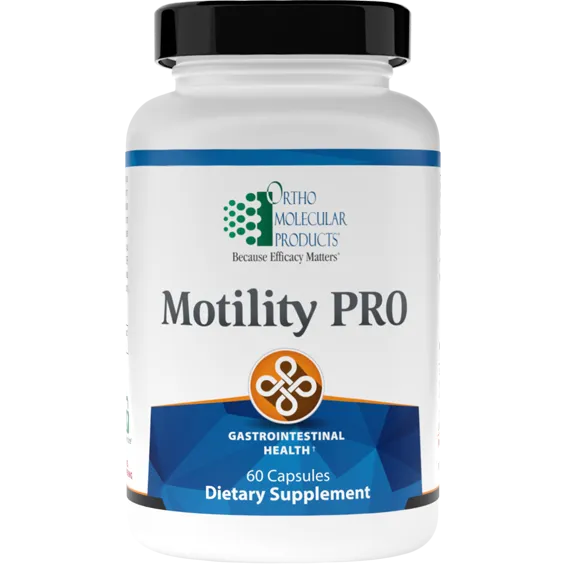
In the search for effective, non-pharmaceutical interventions to restore this critical digestive rhythm, a targeted botanical formulation has emerged as a powerful tool. Motility PRO is a specialized supplement featuring a patented blend of ginger root and artichoke leaf extracts, clinically studied to support the gut's natural cleansing waves. By understanding the intricate connection between the brain, the vagus nerve, and the enteric nervous system, we can begin to see why restoring gastric motility is not just about relieving stomach pain—it is a foundational step in managing the complex, overlapping symptoms of chronic illness. In this comprehensive guide, we will explore the science behind Motility PRO, how it interacts with the nervous system, and why supporting the migrating motor complex is essential for patients navigating the complexities of post-viral syndromes.
TL;DR
Impaired gut motility and SIBO are common in Long COVID and dysautonomia due to vagus nerve dysfunction.
The Migrating Motor Complex (MMC) clears bacteria during fasting, but is often paralyzed in chronic illness.
Motility PRO combines ginger and artichoke extracts to support gastric emptying and small bowel motility.
Research suggests this botanical blend may help manage bloating, nausea, and SIBO relapse when taken fasting.
What is Motility PRO?
The Anatomy of Gut Motility
To understand how Motility PRO functions, we must first look at the natural, healthy mechanics of the human digestive system. Gastrointestinal motility refers to the highly coordinated muscular contractions that move food, liquids, and waste through the stomach, small intestine, and large intestine. This process is not merely a gravity-driven chute; it is a complex, neurologically mediated symphony controlled by the Enteric Nervous System (ENS), often referred to as the "second brain." The ENS contains over 500 million neurons and operates in constant communication with the central nervous system via the vagus nerve. When we eat, the stomach must expand to accommodate the meal, mechanically churn the food into a liquid mixture called chyme, and then meticulously release it into the small intestine at a controlled rate—a process known as gastric emptying.
However, the most critical aspect of gut motility actually occurs when we are not eating. During periods of fasting—such as between meals and overnight while we sleep—the digestive tract initiates a completely different pattern of movement. This fasting motility is essential for maintaining the hygiene and bacterial balance of the entire gastrointestinal system. Without these inter-digestive movements, residual food particles would stagnate, and the trillions of bacteria residing in the large intestine would slowly migrate upward into the sterile environment of the small intestine, causing severe disease and malabsorption.
The Migrating Motor Complex (MMC): The Gut's Street Sweeper
The physiological mechanism responsible for this inter-digestive hygiene is called the Migrating Motor Complex (MMC). Discovered in the late 1960s, the MMC is a cyclical wave of electromechanical activity that sweeps through the stomach and small intestine every 90 to 120 minutes during fasting. The MMC is divided into four distinct phases. Phase I is a period of quiescence, or rest. Phase II involves irregular, low-amplitude contractions. Phase III is the most critical stage: a 5-to-10 minute burst of intense, highly active peristaltic contractions that physically sweep indigestible food remnants, cellular debris, and bacteria down into the colon. Phase IV is a brief transitional period before the cycle begins again.
You can think of the Phase III MMC as the gut's internal "street sweeper." Just as a city deploys street sweepers in the middle of the night when the roads are empty to clear away the day's debris, the MMC deploys powerful muscular waves to clean the small intestine when it is empty of food. Crucially, the moment you ingest food or caloric beverages, the MMC is immediately halted, and the digestive tract switches back to its fed-state motility patterns. If the MMC is weak, infrequent, or entirely absent, the street sweeper never runs. This allows colonic bacteria to permanently colonize the small intestine, leading to a debilitating condition known as Small Intestinal Bacterial Overgrowth (SIBO).
The Prodigest® Synergy: Ginger and Artichoke
Motility PRO utilizes a patented, clinically researched botanical blend known as Prodigest®, developed to specifically target and stimulate these natural motility pathways. Prodigest consists of two standardized, highly concentrated ingredients: Ginger Root Extract (Zingiber officinale Roscoe) and Artichoke Leaf Extract (Cynara cardunculus L.). While both of these botanicals have been used for centuries in traditional medicine to soothe indigestion, modern pharmacological extraction techniques have isolated their active lipophilic compounds.
The synergy between these two extracts is what makes the formulation uniquely effective. The ginger root extract acts primarily on the upper gastrointestinal tract, specifically accelerating gastric emptying by modulating receptors in the stomach lining. Simultaneously, the artichoke leaf extract acts on the lower gastrointestinal tract, stimulating bile flow and promoting the sweeping contractions of the small intestine. Together, they create a top-to-bottom prokinetic (motility-enhancing) effect that mimics and supports the body's natural MMC, helping to restore order to a dysfunctional digestive system.
Bile is not just necessary for digesting dietary fats; it is also a natural antimicrobial and a powerful stimulant for small bowel motility. When artichoke extract triggers a surge of bile into the duodenum, the bile acids act as signaling molecules that stimulate the smooth muscle of the small intestine to contract. This localized stimulation helps to trigger the Phase III Migrating Motor Complex in the lower digestive tract. By combining ginger to empty the stomach and artichoke to sweep the small intestine, Motility PRO provides a comprehensive, top-to-bottom support of the gut's natural flow, which may help prevent the stagnation that leads to SIBO.
How Long COVID and Dysautonomia Paralyze the Gut
Viral Invasion and the Enteric Nervous System
For patients living with complex chronic illnesses, gastrointestinal dysfunction is rarely a standalone issue; it is deeply intertwined with systemic neurological and immunological failure. To understand What Causes Long COVID?, researchers have increasingly focused on the gut. The SARS-CoV-2 virus gains entry into human cells by binding to ACE2 receptors. These receptors are found in extraordinarily high concentrations along the brush border of the intestinal enterocytes (the cells lining the gut). During an acute infection, the virus directly invades the gastrointestinal tissue, triggering a massive localized inflammatory response. This viral invasion can cause direct cellular damage to the Enteric Nervous System, the delicate network of nerves embedded in the gut wall that controls peristalsis and the Migrating Motor Complex.
Even after the acute respiratory symptoms resolve, viral RNA and spike proteins can persist in the gut tissue for months or years, acting as a viral reservoir. This persistent presence keeps the local immune system in a state of chronic, low-grade inflammation. The inflammatory cytokines released by the immune system, such as IL-6 and TNF-alpha, are known to be neurotoxic. They degrade the Interstitial Cells of Cajal (ICC)—the specialized pacemaker cells of the gut that generate the electrical rhythms required for the MMC. When these pacemaker cells are damaged, the gut loses its rhythmic contractions, resulting in a condition known as gastroparesis (delayed stomach emptying) or generalized intestinal dysmotility.
Dysautonomia, POTS, and Vagal Neuropathy
The mechanical failure of the gut is further compounded by dysfunction in the central autonomic nervous system. Many patients with Long COVID and ME/CFS develop dysautonomia, specifically Postural Orthostatic Tachycardia Syndrome (POTS). The autonomic nervous system is divided into the sympathetic (fight-or-flight) and parasympathetic (rest-and-digest) branches. The vagus nerve, cranial nerve X, is the primary superhighway of the parasympathetic nervous system, and it is entirely responsible for initiating the gastric phase of the Migrating Motor Complex. Studies have shown that severing or damaging the vagus nerve completely extinguishes fasting motor activity in the stomach.
In POTS and Long COVID, patients are often stuck in a state of severe sympathetic overdrive, while their parasympathetic vagal tone is blunted or damaged by neuroinflammation. Because the body believes it is in a constant state of life-or-death survival (fight-or-flight), it actively shuts down non-essential functions like digestion. Blood is shunted away from the splanchnic (gut) circulation and toward the skeletal muscles and heart. Without adequate blood flow and without the critical signaling from the vagus nerve, the stomach simply stops churning. Food sits in the stomach for hours, fermenting and causing profound nausea, bloating, and early satiety. This vagal neuropathy is a primary driver of the Gastrointestinal Symptoms Seen with Long COVID.
The SIBO Connection: When the Sweeper Stops
When the vagus nerve is impaired and the pacemaker cells of the gut are inflamed, the Phase III Migrating Motor Complex ceases to function. The "street sweeper" is permanently parked. Without this mechanical sweeping action, the trillions of bacteria that normally reside in the large intestine begin to migrate upward, colonizing the small intestine. This results in Small Intestinal Bacterial Overgrowth (SIBO). A massive 2025 global population-based study utilizing the TriNetX database analyzed over 1.6 million COVID-19 patients and found a highly significant, progressive increase in the risk of developing SIBO following a SARS-CoV-2 infection, peaking at 12 months post-infection.
Once SIBO is established, a vicious cycle begins. The overgrown bacteria prematurely ferment the carbohydrates you eat, producing massive amounts of hydrogen, methane, or hydrogen sulfide gas. This gas rapidly expands the small intestine, causing excruciating pain and visible distension (often described by patients as "looking six months pregnant"). Furthermore, these bacteria produce endotoxins (lipopolysaccharides) that damage the intestinal lining, causing "leaky gut." These toxins enter the bloodstream, cross the blood-brain barrier, and trigger severe neuroinflammation. This gut-brain inflammatory loop is a major contributor to the debilitating brain fog, profound fatigue, and post-exertional malaise (PEM) seen in ME/CFS and Long COVID. Breaking this cycle requires physically restarting the gut's motility.
Motility PRO: Restoring the Rhythms of Digestion
Ginger Root Extract: Modulating Serotonin and Calcium Channels
To help support the Migrating Motor Complex, Motility PRO relies on the highly specific pharmacological actions of its active botanical compounds. The first half of the Prodigest blend is a lipophilic CO2 extract of ginger root (Zingiber officinale), standardized to contain high levels of gingerols and shogaols. While ginger is commonly thought of as a simple anti-nausea remedy, its mechanism of action at the cellular level is remarkably sophisticated and rivals that of pharmaceutical prokinetic drugs, without the associated neurological side effects.
The primary mechanism by which gingerols accelerate gastric emptying is through the modulation of serotonergic and cholinergic receptors in the Enteric Nervous System. Specifically, gingerols act as non-competitive antagonists at 5-HT3 receptors. 5-HT3 receptors are ligand-gated ion channels located heavily in the gut and in the brainstem's area postrema (the vomiting center). When serotonin binds to these receptors—often triggered by inflammation, viral toxins, or distension—it induces severe nausea and delays gastric emptying. Research suggests that by blocking these 5-HT3 receptors, gingerols may help silence the nausea signals and remove the inhibitory brakes on the stomach, allowing it to empty its contents into the duodenum more rapidly.
Additionally, gingerols interact with L-type calcium channels in the smooth muscle cells of the gastrointestinal tract. In states of dysautonomia and Mast Cell Activation Syndrome (MCAS), the gut muscles can become spastic and uncoordinated, leading to painful cramping without effective forward propulsion. By gently modulating these calcium channels, ginger helps to relax hyperactive, spastic contractions, allowing for the organized, sweeping peristaltic waves required for the MMC to function properly. It also exhibits weak inhibitory properties at cholinergic M3 receptors, which helps reduce visceral hypersensitivity and the sensation of pain in the gut wall.
The 5-HT4 Misconception and Safe Prokinetic Action
It is crucial to clarify a common misconception in gastroenterology regarding how ginger works. Many pharmaceutical prokinetic drugs (such as prucalopride or metoclopramide) work by acting as agonists (stimulators) at 5-HT4 receptors, which forces the release of acetylcholine to trigger massive gut contractions. While effective, these drugs can cross the blood-brain barrier and cause severe neurological side effects, anxiety, and cardiac arrhythmias, making them difficult for sensitive dysautonomia patients to tolerate.
Rigorous pharmacological studies have definitively proven that ginger constituents possess no agonist activity at 5-HT4 receptors. Ginger does not force the gut to contract through the systemic 5-HT4 pathway. Instead, it works locally within the stomach lining to accelerate antral contractions and physically push food downward, while simultaneously blocking the 5-HT3 nausea pathways. This makes ginger extract a highly safe, non-systemic prokinetic that can be used long-term without the risk of severe central nervous system side effects, which is vital for patients whose nervous systems are already highly reactive.
Artichoke Leaf Extract: Choleretic Action and Small Bowel Sweep
The second half of the Prodigest blend is Artichoke Leaf Extract (Cynara cardunculus L.), which is rich in active compounds called caffeoylquinic acids and cynaropicrin. While ginger primarily targets the stomach (gastric emptying), artichoke extract targets the small intestine and the biliary system. Artichoke is a potent choleretic, meaning it significantly stimulates the liver to produce and release bile into the small intestine.
Symptoms Motility PRO May Help Manage
Targeting the Root of Gastrointestinal Distress
Because Motility PRO addresses the mechanical and neurological failure of the gut rather than just masking symptoms, it may provide profound relief for a wide range of gastrointestinal complaints associated with chronic illness. By restoring the Migrating Motor Complex and accelerating gastric emptying, this targeted botanical blend helps manage the following symptoms:
Severe Post-Prandial Bloating: By ensuring that food does not sit and ferment in the stomach or small intestine, Motility PRO reduces the production of trapped gases (hydrogen and methane) that cause painful, visible abdominal distension after meals.
Nausea and Vomiting: Through the direct blockade of 5-HT3 receptors in the enteric nervous system, the highly concentrated gingerols in the formula act as potent natural antiemetics, calming the neurological triggers for nausea.
Early Satiety (Feeling Full Too Quickly): Patients with gastroparesis often feel excessively full after eating only a few bites. By accelerating the rate at which the stomach empties its contents into the duodenum, Motility PRO restores normal stomach capacity and appetite.
Epigastric Pain and Cramping: The modulation of L-type calcium channels and M3 receptors helps to relax uncoordinated, spastic smooth muscle contractions, reducing the sharp, cramping pain often associated with dysmotility and irritable bowel syndrome.
SIBO Relapse and Bacterial Overgrowth: By physically stimulating the Phase III "street sweeper" waves of the MMC, the supplement helps push migrating colonic bacteria back down into the large intestine, helping to prevent the stagnation that allows SIBO to take root or relapse after antibiotic treatment.
Systemic Brain Fog and Fatigue: By reducing the bacterial burden in the small intestine, Motility PRO decreases the amount of bacterial endotoxins (LPS) leaking into the bloodstream. Lowering this systemic toxic burden can significantly reduce neuroinflammation, helping to alleviate the brain fog and profound fatigue seen in Long COVID and ME/CFS.
Practical Considerations: Forms, Dosing, and Absorption
The Importance of Fasting and Meal Spacing
When utilizing Motility PRO to restore gastrointestinal function, how and when you take the supplement is just as important as the ingredients themselves. Because the goal of this supplement is to stimulate the Migrating Motor Complex (MMC), we must respect the biological rules of the MMC. As previously discussed, the Phase III sweeping contractions of the MMC only occur during periods of fasting. The moment you ingest calories—whether it is a full meal, a snack, or even a caloric beverage like juice or milk—the ENS immediately halts the MMC and switches to fed-state digestion.
Therefore, Motility PRO must be taken on an empty stomach to be effective. The standard recommendation is to take one capsule first thing in the morning upon waking, at least 30 to 60 minutes before consuming any food or caloric beverages. Alternatively, it can be taken right before bed, provided you have not eaten anything for at least 3 hours prior. Furthermore, to allow the MMC time to run its 90-to-120 minute cycle during the day, patients must practice strict meal spacing. This means eating distinct meals spaced 4 to 5 hours apart, with absolutely zero snacking or caloric intake in between. Constantly grazing throughout the day will permanently suppress the MMC, rendering any prokinetic supplement ineffective.
Optimal Dosing and the Prodigest® Standardization
The efficacy of botanical supplements is heavily dependent on the standardization and concentration of their active ingredients. Raw ginger powder or standard ginger tea does not contain high enough concentrations of lipophilic gingerols to significantly alter gastric emptying in cases of severe dysautonomia. Motility PRO utilizes the patented Prodigest® blend, which delivers a clinically proven dose of 320 mg per capsule. This specific 320 mg dose provides the exact ratio of ginger root extract (20 mg of highly concentrated active compounds) and artichoke leaf extract (100 mg) that was utilized in the successful human clinical trials.
For most patients, one capsule per day may be sufficient to support the MMC and maintain motility. However, in cases of severe gastroparesis or stubborn SIBO, healthcare providers may recommend a split dose—one capsule in the morning and one capsule before bed—to ensure the gut is swept both during the day and overnight. Because the Prodigest blend has been shown to have a dose-dependent response, increasing the dosage under medical supervision can yield stronger prokinetic effects. The formula also includes 30 mg of Calcium, which acts as a gentle buffering agent and supports smooth muscle contraction.
Safety, Tolerability, and Potential Interactions
One of the primary advantages of Motility PRO over pharmaceutical prokinetics is its exceptional safety profile. In clinical trials, the Prodigest blend was highly well-tolerated, with no significant adverse events reported. Because it does not cross the blood-brain barrier to stimulate systemic serotonin receptors, it avoids the cardiac and neurological side effects associated with prescription motility drugs.
However, there are a few practical considerations. Because ginger can have a mild warming or spicy effect in the stomach, a small percentage of patients with severe gastritis, active stomach ulcers, or severe acid reflux may experience mild heartburn when taking the extract on an empty stomach. If this occurs, drinking a full glass of water with the capsule can help dilute the concentration in the stomach. Additionally, because artichoke extract stimulates bile production, individuals with active gallstones or biliary tract obstructions should consult their healthcare provider before using this supplement, as increased bile flow could exacerbate a physical blockage.
Follow the Science: Clinical Evidence for Motility Support
Accelerating Gastric Emptying: The Lazzini Trial
The formulation behind Motility PRO is supported by robust, peer-reviewed clinical data demonstrating its physical effects on the human digestive tract. A landmark study published in the European Review for Medical and Pharmacological Sciences by Lazzini et al. (2016) specifically investigated the effects of the Prodigest® blend (ginger and artichoke extract) on gastric motility and emptying in healthy volunteers. The researchers utilized a randomized, cross-over pilot design, which is highly effective for observing direct physiological changes.
In the study, participants underwent ultrasonography to measure their baseline gastric volume. They were then given either the Prodigest supplement or a placebo, followed by a standardized meal. One hour after eating, their gastric volume was measured again. The results were striking: the mean gastric area in the placebo group expanded to 11.0 cm², while the group taking the botanical extract only expanded to 8.4 cm² (p < 0.001). This translated to a highly significant 24% promotion in gastric emptying compared to the placebo. Furthermore, when subjects took a double dose of the extract, the difference in gastric emptying increased to 38%, proving a clear, dose-dependent prokinetic effect.
Alleviating Functional Dyspepsia: The Giacosa Trial
Beyond physical measurements of stomach volume, researchers have also evaluated how this botanical synergy impacts patient-reported symptoms. A randomized, double-blind, placebo-controlled clinical trial by Giacosa et al. (2015) investigated the efficacy of the ginger and artichoke blend in 126 patients suffering from functional dyspepsia—a condition characterized by chronic indigestion, early satiety, bloating, and epigastric pain, very similar to the GI symptoms experienced in Long COVID.
Participants took the extract daily for 28 days. By the end of the trial, the daily consumption of the botanical blend resulted in a statistically significant amelioration of primary dyspepsia symptoms compared to the placebo group. The extract improved overall symptoms by 34% over the placebo. Most impressively, 86% of the participants taking the ginger and artichoke blend reported a "marked reduction" in the intensity of their digestive discomfort, demonstrating that the mechanical acceleration of gastric emptying directly translates to profound clinical relief for the patient.
Emerging Data on Post-COVID SIBO and Motility
The relevance of these prokinetic botanicals has never been higher, given the emerging data on post-viral gastrointestinal damage. Recent literature, including a 2024 analysis on Long COVID and the gut microbiome, highlights that bacterial dysbiosis and impaired motility are primary drivers of Long COVID symptom subphenotypes. The study revealed that patients with high constitutional symptom burdens exhibited significant alterations in their gut microbiota, independent of viral persistence. As researchers continue to map the connection between Long COVID and ME/CFS, the use of targeted motility agents like Motility PRO is becoming a foundational strategy in functional medicine to clear out pathogenic bacteria, heal the gut-brain axis, and reduce systemic neuroinflammation.
The Path Forward
Validating the Gastrointestinal Reality of Chronic Illness
If you are living with Long COVID, ME/CFS, or dysautonomia, and you are struggling with severe bloating, nausea, or abdominal pain, it is vital to understand that these symptoms are not "all in your head," nor are they simply a reaction to stress. The neurological damage to your vagus nerve and the paralysis of your Migrating Motor Complex are real, physiological consequences of your illness. Validating this reality is the first step toward effective management. You are dealing with a complex mechanical failure of the gut, and it requires targeted, mechanical solutions.
A Comprehensive Approach to Gut Rehabilitation
While Motility PRO is a highly effective tool for artificially stimulating the gut's "street sweeper," it is most successful when integrated into a comprehensive management plan. Restoring gut health in the context of autonomic dysfunction requires a multi-faceted approach. This includes practicing strict meal spacing to allow the MMC to run, utilizing vagus nerve stimulation techniques to improve parasympathetic tone, and working with a healthcare provider to address any underlying bacterial overgrowth (SIBO) with targeted antimicrobials. By combining these strategies, you can begin to break the cycle of gut-brain inflammation and reclaim your digestive comfort.
Next Steps
If you suspect that impaired motility or SIBO is contributing to your chronic illness symptoms, discuss the use of prokinetic botanicals with your medical team. How Does a Doctor Diagnose Long COVID? Often, it involves looking closely at these overlapping systemic issues, including gut function. By taking proactive steps to support your enteric nervous system, you are laying the groundwork for broader systemic healing.