Can Mito-NR™ Support Energy Levels for Long COVID and ME/CFS Patients?
March 6, 2026
Mito-NRLong COVIDME/CFS
Share:
Disclaimer: The information provided here is for educational purposes only and is not intended as medical advice. It should not be used to diagnose, treat, cure, or prevent any medical condition. Instead, use it as a starting point for discussion with your healthcare provider. Always consult with a qualified healthcare provider before starting any new medication, supplement, device, or making changes to your health regimen.
For many individuals living with complex chronic illnesses, the morning does not bring a sense of renewal. Instead, waking up feels like emerging from a deep exhaustion, only to find that your cellular battery is already blinking red. Whether you are navigating the unpredictable waves of Long COVID, managing the profound post-exertional malaise (PEM) of myalgic encephalomyelitis/chronic fatigue syndrome (ME/CFS), or dealing with the erratic heart rates of dysautonomia, the underlying sensation is often the same: a profound, inescapable lack of energy. This is not the standard tiredness that follows a busy week; it is a deep, systemic energy failure that dictates what you can and cannot do on any given day. When what causes Long COVID remains a complex puzzle, patients are often left searching for targeted ways to rebuild their baseline function.
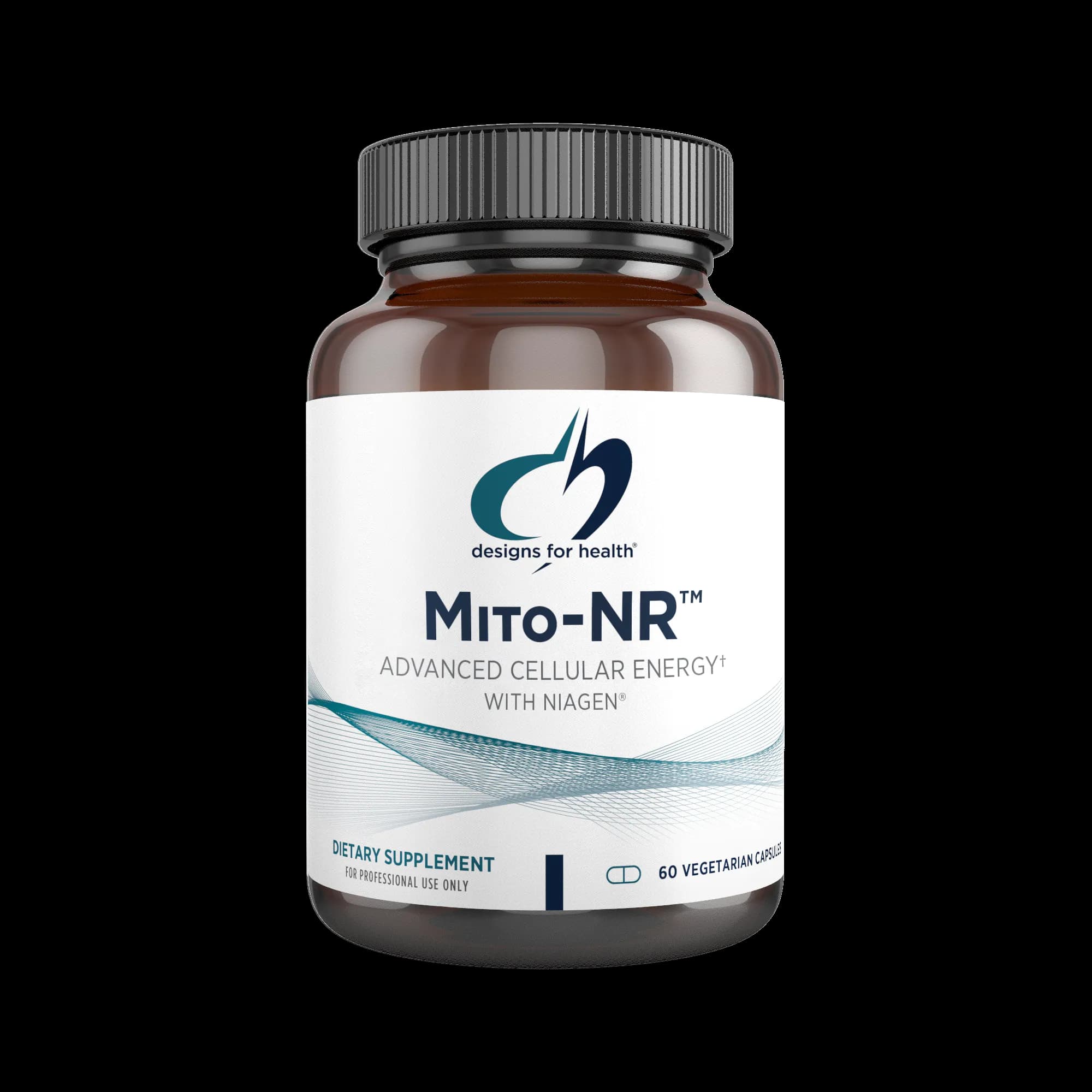
In the search for answers, medical researchers have increasingly turned their attention to the microscopic powerhouses of our cells: the mitochondria. We now understand that post-viral syndromes and chronic inflammatory conditions can fundamentally disrupt how our bodies generate and utilize energy at a molecular level. This is where targeted nutritional support becomes a vital part of a comprehensive management plan. Mito-NR™ is a specialized supplement formulated to address these exact cellular deficits. By combining nicotinamide riboside (NR), coenzyme Q10 (CoQ10), and geranylgeraniol (GG), this formulation is designed to support the intricate biochemical pathways that produce energy, neutralize oxidative stress, and promote cellular repair. In this comprehensive guide, we will explore the deep science behind these ingredients and how they may help support your journey toward better mitochondrial health.
What is Mito-NR™?
The Foundation of Cellular Energy
To understand how Mito-NR™ works, we first need to explore the natural function of its key ingredients within a healthy body. At the core of human vitality is the mitochondrion, a double-membrane organelle responsible for producing adenosine triphosphate (ATP), the primary energy currency of the cell. Every heartbeat, every thought, and every muscle contraction relies on a constant, massive supply of ATP. The process of generating this energy is known as oxidative phosphorylation, a highly complex biochemical dance that takes place across the inner mitochondrial membrane. This process requires a precise sequence of enzymes, electron carriers, and cofactors to function efficiently.
When the mitochondria are functioning optimally, they efficiently convert the food we eat and the oxygen we breathe into usable cellular energy. However, this process is not entirely clean; it naturally produces reactive oxygen species (ROS), which are essentially metabolic exhaust. A healthy cell is equipped with robust antioxidant defense systems to neutralize these free radicals before they can damage delicate cellular structures, DNA, or the mitochondrial membrane itself. The ingredients in Mito-NR™ are naturally occurring compounds that play non-negotiable roles in both the production of ATP and the defense against this oxidative metabolic exhaust.
Nicotinamide Riboside (NR) and the NAD+ Network
The first critical ingredient in this formulation is nicotinamide riboside (NR), a highly efficient form of vitamin B3. In the body, NR acts as a direct building block, or precursor, to a vital coenzyme called nicotinamide adenine dinucleotide (NAD+). NAD+ is arguably one of the most important molecules in human biology, found in every single living cell. It serves as a universal electron transporter, shuttling electrons from the food we consume directly into the mitochondrial electron transport chain to drive ATP production. Without a robust pool of NAD+, cellular respiration simply grinds to a halt, leading to immediate energy deficits.
Beyond its role in energy metabolism, NAD+ is also the required fuel for a family of crucial regulatory enzymes known as sirtuins (SIRT1-7) and poly (ADP-ribose) polymerases (PARPs). Sirtuins are often referred to as the "guardians of the genome" because they regulate cellular health, control inflammatory responses, and promote healthy aging. PARPs, on the other hand, are the cellular first responders that detect and repair damaged DNA. Both sirtuins and PARPs physically consume NAD+ as they perform their protective duties. Therefore, the body must constantly synthesize and recycle NAD+ to keep these essential repair and regulatory pathways functioning, a process that relies heavily on precursors like NR.
Coenzyme Q10 (CoQ10) and the Electron Transport Chain
The second pillar of this formulation is coenzyme Q10 (CoQ10), a fat-soluble, vitamin-like compound that resides primarily within the inner membrane of the mitochondria. CoQ10 is a critical, irreplaceable component of the electron transport chain. As electrons are stripped from NAD+ and passed down the chain to generate the electrical gradient needed for ATP synthesis, CoQ10 acts as the essential mobile ferry. It physically transports electrons between Complex I, Complex II, and Complex III of the respiratory chain. If CoQ10 levels drop, the flow of electrons bottlenecks, severely reducing the total amount of ATP the cell can produce.
In addition to its role as an electron ferry, CoQ10 is one of the most powerful lipid-soluble antioxidants synthesized by the human body. Because the inner mitochondrial membrane is highly susceptible to oxidative damage from the very energy production process it facilitates, CoQ10 stands guard to neutralize rogue free radicals. By preventing a destructive process known as lipid peroxidation, CoQ10 helps maintain the structural integrity of the mitochondrial membrane, ensuring that the cellular power plants do not leak or self-destruct under the stress of high energy demands.
Geranylgeraniol (GG) and Endogenous Synthesis
The final, highly specialized ingredient in Mito-NR™ is geranylgeraniol (GG), provided as GG-Gold®. While CoQ10 is essential, the body must manufacture it internally through a complex biochemical route known as the mevalonate pathway. GG is a naturally occurring isoprenoid compound that acts as a critical, rate-limiting building block for this endogenous synthesis. Specifically, GG is converted into geranylgeranyl pyrophosphate (GGPP), which is required by the enzymes PDSS1 and PDSS2 to construct the long, lipid-soluble "tail" of the CoQ10 molecule. Without an adequate supply of GG, the body's natural production of CoQ10 comes to a complete standstill.
Beyond synthesizing CoQ10, GGPP is also required for a vital cellular process called protein prenylation. This process acts as a biological anchor, attaching essential signaling proteins to cell membranes so they can function correctly. These signaling proteins are particularly crucial for the survival, maintenance, and repair of skeletal muscle tissue. Therefore, maintaining healthy levels of GG is not only necessary for keeping the mitochondrial electron transport chain stocked with CoQ10, but it is also fundamentally required for maintaining overall cellular health and muscular integrity.
How Long COVID and ME/CFS Impact Mitochondrial Function
The Viral Hijacking of NAD+
To understand why supplements like Mito-NR™ are relevant, we must examine how conditions like Long COVID disrupt normal biology. When the SARS-CoV-2 virus enters the body, it triggers a massive, systemic immune response. Recent transcriptomic research has revealed that this viral invasion causes a catastrophic depletion of the body's NAD+ stores. As the innate immune system detects the virus, it aggressively upregulates PARP enzymes to fight the infection and repair cellular damage. However, the virus fights back, forcing these PARP enzymes into a hyperactive "futile cycle." This relentless cycle consumes NAD+ at an astonishing rate, with in vitro studies demonstrating up to an 80% drop in cellular NAD+ levels during acute infection.
This severe NAD+ depletion has devastating downstream consequences that persist long after the initial infection has cleared. Because NAD+ is required for the sirtuin enzymes to function, the sudden drop in NAD+ effectively turns off SIRT1, a key enzyme that acts as a "brake" on the immune system. Without this regulatory brake, the body can fall into a state of chronic, unresolved inflammation. Furthermore, without enough NAD+ to fuel the mitochondria, the cells are plunged into a severe energy crisis. This biological mechanism helps explain why many patients experience profound, lingering fatigue and immune dysregulation months or even years after their initial illness.
Oxidative Stress and CoQ10 Depletion in ME/CFS
Similar mitochondrial disruptions are a hallmark of myalgic encephalomyelitis/chronic fatigue syndrome (ME/CFS). Research has consistently shown that ME/CFS is characterized by a high state of systemic oxidative stress and low-grade inflammation. In this environment, the mitochondria become damaged and inefficient, producing excessive amounts of reactive oxygen species (ROS) while failing to generate adequate ATP. To combat this massive wave of oxidative stress, the body rapidly burns through its endogenous stores of antioxidants, particularly CoQ10.
Multiple clinical studies have documented that ME/CFS patients frequently exhibit significant CoQ10 deficiencies in their blood and tissues. This depletion is not merely a byproduct of the illness; it is a driving factor in the pathophysiology of the disease. When CoQ10 levels fall, the electron transport chain bottlenecks, further reducing energy production and causing the mitochondria to leak even more free radicals. Researchers have found that the severity of a patient's CoQ10 deficiency often directly correlates with the severity of their autonomic dysfunction, neurocognitive symptoms, and debilitating fatigue.
The Vicious Cycle of Energy Failure
Whether triggered by a viral infection like COVID-19 or the complex neuroimmune cascades of ME/CFS, the end result is a vicious cycle of cellular energy failure. The depletion of NAD+ and CoQ10 means the mitochondria cannot meet the energy demands of highly active tissues, such as the brain, heart, and skeletal muscles. When patients attempt to exert themselves—even with minor physical or cognitive tasks—their cells cannot generate the required ATP. This forces the body to rely on inefficient, anaerobic energy pathways that produce lactic acid and further systemic stress.
This metabolic failure is the biochemical foundation of post-exertional malaise (PEM), the hallmark symptom of ME/CFS where symptoms drastically worsen following minor exertion. The cells are essentially running on empty, and the resulting oxidative damage triggers further inflammation, which in turn consumes more NAD+ and CoQ10. Breaking this destructive cycle requires more than just rest; it often necessitates targeted interventions to restore the specific molecular components that the mitochondria need to resume normal, efficient oxidative phosphorylation.
Mito-NR™: Supporting Cellular Recovery and Energy Production
Restoring the NAD+ Pool with NR
Supplementing with nicotinamide riboside (NR) offers a direct mechanism to bypass the metabolic bottlenecks created by chronic illness. While the body can synthesize NAD+ from other forms of vitamin B3, these pathways often require significant energy and specific enzymes that may be downregulated during chronic inflammation. NR, however, utilizes a highly efficient "salvage pathway." It easily enters the cell and is rapidly converted into nicotinamide mononucleotide (NMN), which is then immediately synthesized into active NAD+. This direct route allows NR to effectively replenish the cellular NAD+ pool even when the body is under severe metabolic stress.
By restoring NAD+ levels, NR supplementation helps reignite the stalled engines of cellular respiration. With adequate NAD+ available, electrons can once again be shuttled into the mitochondria to drive ATP production. Furthermore, replenishing NAD+ provides the necessary fuel to reactivate the SIRT1 enzymes. This reactivation is crucial for chronic illness patients, as functional sirtuins help suppress chronic inflammatory pathways, promote the creation of new, healthy mitochondria (mitochondrial biogenesis), and support the repair of cellular damage inflicted during the acute phase of a viral infection.
Fueling the Electron Transport Chain with CoQ10
While NR provides the initial electron carriers, CoQ10 ensures that those electrons can successfully navigate the mitochondrial assembly line. By supplementing with CoQ10, patients can directly address the severe tissue deficiencies commonly seen in ME/CFS and dysautonomia. Introducing exogenous CoQ10 helps restock the inner mitochondrial membrane, effectively removing the bottleneck at Complex II and Complex III of the electron transport chain. This restoration allows for a smoother, more efficient flow of electrons, directly translating to an increase in total cellular ATP output.
Simultaneously, the influx of CoQ10 bolsters the cell's antioxidant defenses. Because chronic illnesses generate massive amounts of reactive oxygen species, the mitochondria are under constant threat of lipid peroxidation. CoQ10 acts as a molecular sponge, neutralizing these free radicals before they can damage the delicate mitochondrial membranes. By reducing this oxidative burden, CoQ10 helps stabilize the mitochondria, preventing them from leaking pro-inflammatory signals into the cell and helping to break the vicious cycle of systemic inflammation and energy failure.
Overcoming Synthesis Bottlenecks with Geranylgeraniol (GG)
The inclusion of geranylgeraniol (GG) is what makes this formulation particularly comprehensive. While taking oral CoQ10 is beneficial, it is a notoriously large molecule that can struggle to penetrate deep into cellular tissues. GG solves this problem by addressing CoQ10 production from the inside out. Because GG is a much smaller molecule, it easily crosses cellular and mitochondrial membranes. Once inside, it provides a massive influx of the exact building block (GGPP) needed by the mevalonate pathway to synthesize CoQ10 endogenously.
This mechanism operates on the principle of mass action. By flooding the cell with GG, the enzymatic pathways are "forced" to upregulate the internal production of CoQ10 directly where it is needed most—inside the mitochondria. Additionally, restoring the GGPP pool ensures that protein prenylation can continue uninterrupted. This is particularly vital for patients experiencing profound muscle fatigue or weakness, as proper protein signaling is required to maintain skeletal muscle integrity and prevent the cellular atrophy often associated with prolonged inactivity or metabolic dysfunction.
A Synergistic Approach to Cellular Repair
The true power of Mito-NR™ lies in the synergy of its ingredients. NR, CoQ10, and GG do not operate in isolation; they support interconnected steps of the exact same energy pathway. NR ensures that the initial fuel (NAD+) is available to start the energy cycle and activate repair enzymes. CoQ10 ensures that the energy generation process runs smoothly and safely without oxidative damage. Finally, GG ensures that the cellular machinery required to build CoQ10 and maintain muscle health remains fully stocked.
This multi-targeted approach is especially relevant for complex conditions like Long COVID and ME/CFS, where single-ingredient interventions often fall short. By addressing the energy crisis from three distinct biochemical angles—precursor availability, electron transport efficiency, and endogenous synthesis—this formulation provides a comprehensive foundation for cellular repair. While it is not a cure, supporting these fundamental mitochondrial pathways is a critical step in helping the body rebuild its resilience and slowly expand its energy envelope.

Symptoms Mito-NR™ May Help Manage
Targeting Core Energy Deficits
Because Mito-NR™ works at the foundational level of cellular energy production, it targets symptoms that stem directly from mitochondrial dysfunction. Patients dealing with post-viral syndromes often experience profound deficits in their daily energy reserves.
Profound Fatigue: By replenishing NAD+ and CoQ10, the supplement supports the efficient production of ATP, helping to raise the baseline energy available to cells and potentially reducing the heavy, leaden feeling of systemic fatigue.
Post-Exertional Malaise (PEM): Supporting the electron transport chain may help cells rely less on inefficient anaerobic energy pathways during minor exertion, potentially mitigating the severity of "crashes" that follow physical or cognitive effort.
Exercise Intolerance: The inclusion of GG supports endogenous CoQ10 synthesis and protein prenylation directly within skeletal muscle, which may help improve muscle endurance and reduce the rapid onset of weakness during activity.
Supporting Cognitive and Neurological Health
The brain is one of the most metabolically demanding organs in the body, consuming roughly 20% of our total ATP. When mitochondrial function drops, neurological symptoms are often the first to appear.
Brain Fog and Cognitive Dysfunction: Elevating NAD+ levels provides the necessary energy for neurons to fire efficiently, which may help clear the cognitive sluggishness, poor concentration, and memory issues commonly reported by Long COVID patients.
Unrefreshing Sleep: Cellular repair processes, driven by NAD+-dependent sirtuin enzymes, occur primarily during sleep. Supporting these pathways may help restore normal circadian rhythms and improve overall sleep quality.
Mood Disturbances: Chronic neuroinflammation is closely linked to depression and anxiety in chronic illness. By supporting antioxidant defenses and SIRT1 activation, these ingredients may help calm inflammatory pathways in the central nervous system.
Addressing Muscular and Autonomic Symptoms
Conditions like dysautonomia and ME/CFS heavily impact the autonomic nervous system and muscular health, both of which require immense cellular energy to maintain homeostasis.
Muscle Pain and Aches: CoQ10 acts as a powerful antioxidant to neutralize the reactive oxygen species that cause painful lipid peroxidation in muscle tissues, potentially alleviating chronic myalgia.
Autonomic Dysfunction (POTS): The heart muscle requires a massive, uninterrupted supply of ATP to maintain a steady rhythm. Supporting mitochondrial efficiency may help stabilize the erratic heart rates and palpitations associated with postural orthostatic tachycardia syndrome.
Statin-Associated Muscle Symptoms: For patients taking cholesterol-lowering statins, the mevalonate pathway is blocked. Supplementing with GG bypasses this block, restoring the GGPP needed to prevent statin-induced muscle fatigue and weakness.
Practical Considerations: Forms, Dosing, and Absorption
Understanding Bioavailability and Absorption
When utilizing nutritional supplements for chronic illness, understanding how the body absorbs these compounds is just as important as the ingredients themselves. CoQ10, for instance, is a notoriously large, highly lipophilic (fat-soluble) molecule. In clinical discussions, there is often a debate between the two forms of CoQ10: ubiquinone (the oxidized form) and ubiquinol (the reduced form). While marketing often claims ubiquinol is vastly superior, clinical pharmacology studies demonstrate a more nuanced reality. Both forms are effective, and the body naturally converts ubiquinone into the active ubiquinol form during the absorption process in the intestines and lymphatic system.
The key to CoQ10 absorption is not necessarily the form, but the delivery system and the presence of dietary fat. Because it forms insoluble crystals at room temperature, CoQ10 must be properly formulated to be absorbed. Furthermore, the inclusion of Geranylgeraniol (GG) in Mito-NR™ provides a strategic advantage. GG has a molecular weight approximately one-third that of CoQ10, allowing it to easily cross the gastrointestinal wall and cellular membranes. By providing this highly bioavailable precursor, the body can bypass the absorption hurdles of large CoQ10 molecules and synthesize its own active CoQ10 directly inside the cells where it is needed.
Optimal Timing and Dietary Fat Requirements
To maximize the therapeutic benefits of Mito-NR™, timing and dietary context are critical. Because CoQ10 and GG are fundamentally fat-soluble compounds, taking this supplement on an empty stomach will result in poor absorption and wasted potential. Clinical guidelines dictate that these types of supplements must be taken alongside a meal that contains a healthy source of dietary fat, such as avocados, olive oil, nuts, or fatty fish. The presence of fat triggers the release of bile acids in the digestive tract, which emulsify the lipophilic molecules and allow them to be absorbed through the intestinal wall.
Regarding timing, many patients find it best to take mitochondrial support supplements in the morning or early afternoon. Because NR and CoQ10 are designed to support cellular energy production, taking them late in the evening could potentially cause mild overstimulation or interfere with the natural winding-down process before sleep. Consistency is also key; mitochondrial repair is a slow, cumulative process. It typically takes several weeks of daily supplementation for cellular NAD+ and CoQ10 pools to fully saturate and for patients to begin noticing subtle shifts in their baseline energy and stamina.
Potential Interactions and Safety Profile
The ingredients in Mito-NR™ are naturally occurring compounds and are generally well-tolerated, even at higher clinical doses. However, patients with complex chronic conditions should always be aware of potential interactions. CoQ10 has a mild blood-thinning effect and is structurally similar to Vitamin K. Therefore, it may interact with anticoagulant medications like warfarin (Coumadin), potentially altering their efficacy. Patients on blood thinners must consult their prescribing physician before introducing CoQ10 to ensure their clotting times (INR) remain safely monitored.
Conversely, this formulation is highly complementary for patients taking statin medications. Statins work by inhibiting the HMG-CoA reductase enzyme, which effectively lowers cholesterol but also inadvertently blocks the body's natural production of both CoQ10 and GG. This mechanism is the primary cause of statin-induced muscle pain and fatigue. By supplementing with CoQ10 and specifically GG, patients can bypass this pharmaceutical blockade, replenishing the exact compounds depleted by the medication and potentially rescuing muscle function without compromising the cholesterol-lowering benefits of the statin.
Follow the Science
Clinical Trials on Nicotinamide Riboside for Long COVID
The hypothesis that NAD+ depletion drives post-viral fatigue has recently moved from the laboratory into human clinical trials. A landmark randomized, double-blind, placebo-controlled trial published in eClinicalMedicine investigated the effects of high-dose Nicotinamide Riboside on patients with Long COVID. Researchers at Massachusetts General Hospital administered 2,000 mg per day of NR to community-dwelling participants over a 24-week period. The biological results were striking: the trial successfully proved that NR safely and effectively elevated whole blood NAD+ levels by 2.6- to 3.1-fold compared to baseline.
While the study faced challenges with sample size and dropout rates, the secondary exploratory outcomes were highly encouraging for the chronic illness community. Participants who took NR for at least 10 weeks demonstrated significant within-group improvements in several debilitating symptoms. Specifically, researchers measured measurable relief in profound fatigue (via the Fatigue Severity Scale), improved sleep quality, and enhanced executive functioning and mood. These findings establish that elevating NAD+ is a measurable, biological response that acts as a promising therapeutic target for post-viral recovery, prompting larger, ongoing trials to further solidify these protocols.
CoQ10 Efficacy in ME/CFS and Post-Viral Fatigue
The clinical evidence supporting CoQ10 for mitochondrial dysfunction in ME/CFS is robust and spans several decades. Researchers have consistently identified that CoQ10 deficiency in ME/CFS is directly related to fatigue, autonomic, and neurocognitive symptoms. To address this, numerous trials have tested CoQ10 supplementation, often pairing it with synergistic cofactors. For example, a 2021 prospective, randomized, double-blind trial gave 207 ME/CFS patients a daily combination of 200 mg of CoQ10 and 20 mg of NADH for 12 weeks. The experimental group showed statistically significant improvements in perceived cognitive fatigue, health-related quality of life, and sleep efficiency.
Other open-label studies have paired 400 mg of CoQ10 with selenium, resulting in significant improvements in overall fatigue severity compared to baseline. Furthermore, in vitro studies analyzing the peripheral blood mononuclear cells (PBMCs) of ME/CFS patients have shown that incubating these stressed cells with CoQ10 successfully enhances and restores mitochondrial respiration. While medical bodies caution that supplements are not definitive cures, the current consensus among researchers is that CoQ10 is a highly tolerated, safe, and beneficial supplementary therapy for managing the core energy deficits of post-viral fatigue syndromes.
The Emerging Science of Geranylgeraniol
While NR and CoQ10 have been studied for years, Geranylgeraniol (GG) represents the cutting edge of mitochondrial research. Much of the clinical data on GG originates from studies on statin-induced myopathy, a condition that perfectly mirrors the metabolic muscle fatigue seen in chronic illness. In landmark in vitro and animal models, researchers demonstrated that when the mevalonate pathway is blocked, muscle myofibers degrade rapidly. However, supplementing with GG completely reversed the myofiber reduction and reduced the expression of genes responsible for muscle atrophy by 65%—a structural rescue that exogenous CoQ10 alone could not achieve.
Further studies have shown that administering GG prevents metabolic muscle fatigue by preserving maximum force production and overall muscle performance. By forcing the de novo synthesis of CoQ10 and restoring the GGPP pool required for cellular signaling, GG addresses mitochondrial dysfunction at its absolute biochemical root. As research into Long COVID and ME/CFS continues to highlight the importance of metabolic and muscular integrity, compounds like GG are becoming increasingly recognized as vital tools for comprehensive cellular rehabilitation.
The Path Forward
Validating the Chronic Illness Experience
Living with a complex chronic illness like Long COVID, ME/CFS, or dysautonomia is an exhausting, full-time job. When your cells are fundamentally unable to produce the energy required for basic daily tasks, the frustration can be overwhelming. It is vital to understand that your fatigue is not a lack of willpower; it is a documented, biochemical reality rooted in mitochondrial dysfunction, NAD+ depletion, and oxidative stress. Validating this physiological basis is the first step toward finding effective, targeted management strategies. You are not imagining your symptoms, and the scientific community is finally beginning to uncover the molecular mechanisms driving your experience.
While the journey to recovery is rarely linear, understanding the science behind your symptoms can empower you to make informed decisions about your care. The profound exhaustion and unpredictable crashes you experience are the result of complex systems struggling to maintain balance. By acknowledging the severity and reality of these invisible illnesses, we can move away from unhelpful advice to simply "push through" and instead focus on scientifically grounded methods to support and rebuild your body's foundational energy systems.
Integrating Supplements into Comprehensive Care
It is important to maintain a realistic outlook: no single supplement is a miracle cure for complex neuroimmune conditions. Mito-NR™ is designed to be a powerful tool within a much broader, comprehensive management strategy. Rebuilding mitochondrial health requires a multi-faceted approach. Supplements that support cellular energy must be paired with strict pacing strategies to ensure you do not exceed your energy envelope and trigger post-exertional malaise. You cannot supplement your way out of a crash if you are continually overexerting your fragile cellular battery.
Symptom tracking, adequate rest, nervous system regulation, and working closely with a medical team are all non-negotiable components of living with a chronic illness. By combining targeted nutritional support like NR, CoQ10, and GG with these foundational lifestyle adaptations, you create an environment where your cells have the resources and the safety they need to begin the slow process of repair. Think of Mito-NR™ as providing the high-quality building materials; your pacing and lifestyle management provide the stable foundation upon which recovery can be built.
Next Steps on Your Journey
If you are struggling with profound fatigue, brain fog, or muscle weakness, supporting your mitochondrial health may be a valuable next step in your management plan. Always consult with your healthcare provider before starting any new supplement regimen, especially if you are taking prescription medications like blood thinners or statins. Your provider can help you determine if targeting the NAD+ and CoQ10 pathways is appropriate for your specific clinical picture.
Sources
Identification of CD8 T-cell dysfunction associated with symptoms in ME/CFS and Long COVID
Towards a Better Understanding of the Complexities of ME/CFS and Long COVID
Geranylgeraniol prevents statin-induced skeletal muscle fatigue without causing adverse effects
The potential therapeutic approaches targeting gut health in ME/CFS: a narrative review