Can Mineral 650 w/o Cu & Fe Support Energy Levels for Long COVID and ME/CFS Patients?
March 5, 2026
Mineral 650Long COVIDME/CFS
Share:
Disclaimer: The information provided here is for educational purposes only and is not intended as medical advice. It should not be used to diagnose, treat, cure, or prevent any medical condition. Instead, use it as a starting point for discussion with your healthcare provider. Always consult with a qualified healthcare provider before starting any new medication, supplement, device, or making changes to your health regimen.
Months or even years after recovering from an initial SARS-CoV-2 infection, many people find themselves fighting a relentless battle against debilitating symptoms. The profound fatigue, unpredictable cognitive impairment, and widespread muscle pain associated with Long COVID, myalgic encephalomyelitis/chronic fatigue syndrome (ME/CFS), and dysautonomia can completely derail a person's life. When your body feels like it is constantly running on empty, it is natural to wonder what fundamental building blocks might be missing. Why does the cellular engine refuse to start, no matter how much rest you get?
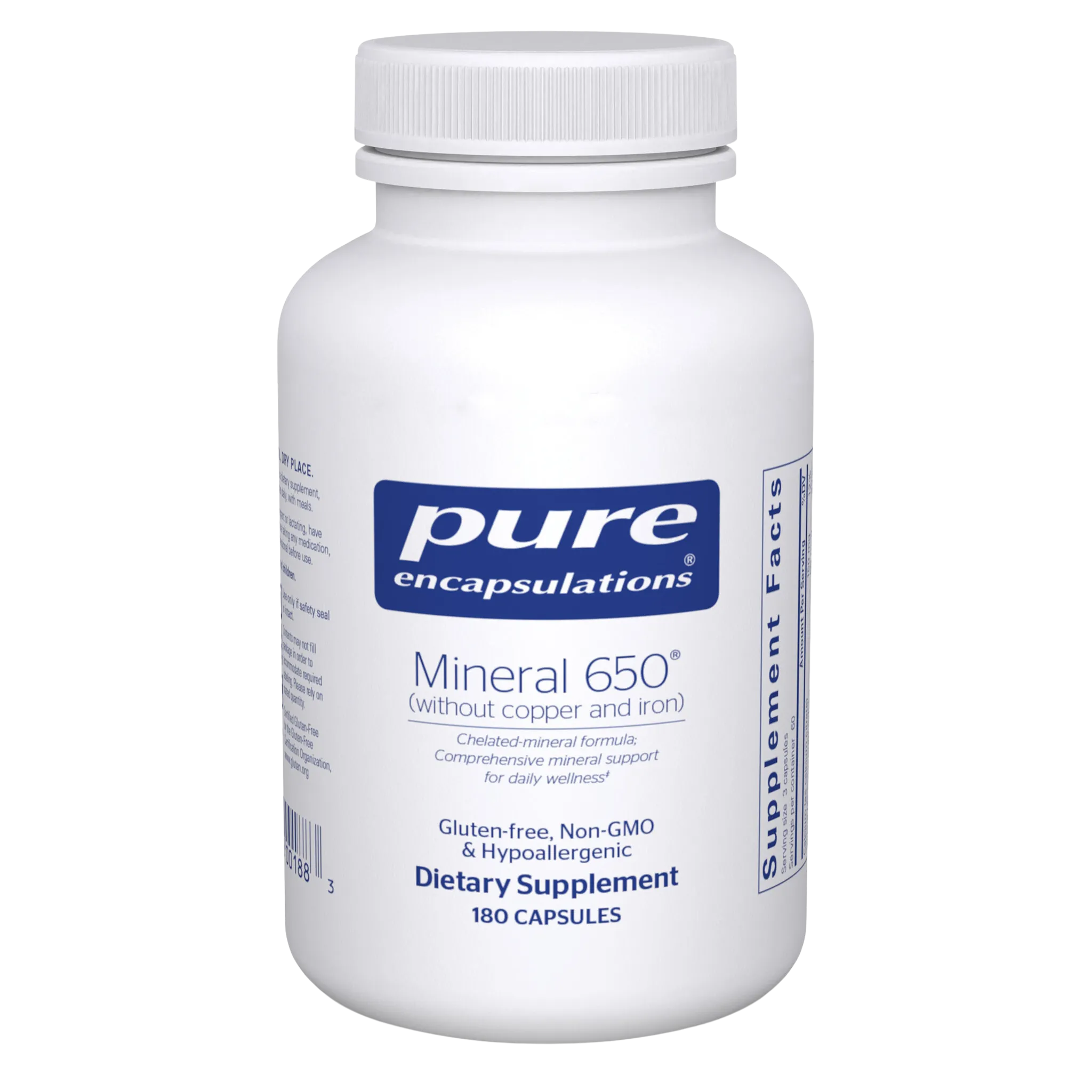
One critical piece of this complex puzzle lies in our cellular micronutrient status. Fighting off a severe viral infection places extraordinary metabolic demands on the body, rapidly burning through vital mineral stores. Furthermore, the chronic inflammation and oxidative stress that persist in post-viral syndromes create a vicious cycle, continuously depleting the very nutrients required to heal. This is where targeted, highly bioavailable supplementation becomes a foundational strategy. Mineral 650 w/o Cu & Fe by Pure Encapsulations is a comprehensive chelated-mineral formula designed to replenish these exhausted stores without exacerbating underlying inflammatory pathways. By providing essential minerals in a controlled ratio—and intentionally excluding iron and copper—this formula offers a precise tool for supporting mitochondrial function, immune regulation, and metabolic balance in patients navigating complex chronic illnesses.
TL;DR
Chronic illness and viral infections rapidly deplete essential minerals, worsening fatigue and inflammation.
Mineral 650 provides highly absorbable, chelated minerals to support cellular energy and immune function.
The formula excludes iron and copper to help minimize oxidative stress and inflammation.
Replenishing targeted micronutrients may help manage symptoms like brain fog, muscle cramps, and PEM.
What is Mineral 650 w/o Cu & Fe?
The Power of Comprehensive Mineral Support
Minerals are the unsung heroes of human biochemistry. While macronutrients like carbohydrates and proteins provide the raw fuel and structural materials for the body, minerals act as the essential spark plugs and regulatory switches. They function as critical cofactors for thousands of enzymatic reactions, dictating everything from how our mitochondria produce cellular energy to how our nervous system transmits signals. Mineral 650 w/o Cu & Fe is a comprehensive dietary supplement that provides a balanced, broad-spectrum array of these essential micronutrients. Rather than isolating a single mineral, this formula recognizes that minerals work synergistically within the body, supporting complex interconnected systems like glucose metabolism, antioxidant defense, and bone structure.
The formula includes foundational macrominerals like calcium, magnesium, and potassium, alongside vital trace minerals such as zinc, selenium, manganese, chromium, molybdenum, boron, and vanadium. Each of these elements plays a highly specific role at the molecular level. For instance, molybdenum is often noted as a cofactor for sulfite oxidase, an enzyme critical for detoxifying systemic metabolic waste, while chromium amplifies insulin signaling by increasing the binding affinity of cellular insulin receptors. By providing these minerals together in a controlled ratio, the supplement ensures that the body has the diverse array of cofactors necessary to maintain homeostasis and daily wellness.
The Chelation Advantage
One of the most significant challenges in mineral supplementation is bioavailability—the proportion of a nutrient that actually enters systemic circulation and is utilized by the cells. In their raw, inorganic forms (such as oxides, sulfates, or carbonates), minerals are notoriously difficult for the human digestive tract to absorb. They often require highly acidic environments to dissolve and frequently compete with one another for the same ion transport channels in the gut. This competition means that taking a high dose of an inorganic zinc supplement could inadvertently block the absorption of copper or iron, leading to secondary deficiencies.
To overcome this physiological hurdle, Mineral 650 utilizes chelated minerals. Chelation is a biochemical process where a mineral ion is chemically bound to an organic molecule, typically an amino acid (like glycine or aspartate) or an organic acid (like citric acid or picolinic acid). The term "chelate" originates from the Greek word for "claw," perfectly describing how the organic molecule tightly grips the mineral. This protective organic ring allows the mineral to bypass the highly competitive, traditional ion transport pathways. Instead, the body absorbs the chelate through amino acid transport channels, which are far more efficient. Chelated minerals are generally considered to be more stable, cause far less gastrointestinal distress, and achieve much higher intracellular concentrations than their non-chelated counterparts.
Why Exclude Copper and Iron?
The most distinctive feature of this specific formula is the intentional omission of copper (Cu) and iron (Fe). While both are essential trace minerals, they are also "redox-active" transition metals. In a healthy, perfectly balanced system, iron and copper are safely bound to transport proteins like transferrin and ceruloplasmin. However, in states of chronic illness, immune dysregulation, or aging, these metals can become unbound or "free" in the bloodstream and tissues. When free iron and copper encounter hydrogen peroxide—a natural byproduct of cellular metabolism—they catalyze a highly destructive chemical reaction known as the Fenton reaction.
The Fenton reaction generates hydroxyl radicals (•OH), which are among the most dangerous and reactive forms of free radicals in the human body. These radicals aggressively attack cell membranes through a process called lipid peroxidation, damaging mitochondrial DNA and triggering inflammatory cascades. By utilizing a "copper-free" and "iron-free" multimineral, patients can safely replenish their depleted magnesium, zinc, and selenium stores without accidentally throwing fuel on the fire of systemic oxidative stress. This makes the formula exceptionally well-suited for individuals managing post-viral inflammation, where minimizing free radical damage is a top clinical priority.
How Chronic Illness Impacts Mineral Status
The Metabolic Toll of Viral Infection
To understand why mineral depletion is so prevalent in post-viral syndromes, we must examine the sheer metabolic cost of an acute immune response. When the body encounters a novel pathogen like SARS-CoV-2, it mounts a massive, energy-intensive defense. The rapid proliferation of immune cells, the synthesis of antibodies, and the generation of a fever all require an extraordinary amount of cellular energy (ATP) and enzymatic activity. Because minerals like zinc, magnesium, and selenium are the required cofactors for these processes, the body rapidly burns through its stored reserves. This acute depletion can set the stage for long-term physiological dysfunction if the minerals are not adequately replenished during the recovery phase.
In conditions like Long COVID and ME/CFS, the immune system fails to return to a baseline state of rest. Instead, patients often experience persistent, low-grade immune activation, viral persistence, or autoimmune cross-reactivity. This chronic state of alert means the body continues to consume micronutrients at an accelerated rate. If you are wondering what causes Long COVID, this ongoing metabolic drain and the resulting cellular starvation are considered major contributing factors to the profound, unyielding fatigue that characterizes the condition.
Oxidative Stress and the Mineral Drain
Chronic illness is inherently an oxidative state. In Long COVID and ME/CFS, dysfunctional mitochondria leak excessive amounts of reactive oxygen species (ROS), while hyperactive immune cells release inflammatory cytokines. To neutralize this oxidative threat, the body relies heavily on its endogenous antioxidant systems, the most important of which is glutathione. However, the enzymes that utilize glutathione—such as glutathione peroxidase—are entirely dependent on adequate levels of selenium. As the body desperately tries to quench the inflammatory fire, it exhausts its selenium supply, leading to a breakdown in antioxidant defense and further mitochondrial damage.
Similarly, zinc is rapidly consumed during chronic inflammation. Zinc is a crucial structural component of the antioxidant enzyme superoxide dismutase (SOD). When zinc levels fall due to chronic immune demand, SOD activity plummets, allowing superoxide radicals to accumulate and damage cellular tissues. This mineral drain creates a vicious cycle: inflammation depletes minerals, and the resulting mineral deficiency allows inflammation to run unchecked, further driving the debilitating symptoms of ME/CFS and dysautonomia.
The Danger of Iron Overload and Elevated Ferritin
While many people associate fatigue with iron-deficiency anemia, the reality for many Long COVID and ME/CFS patients is often the exact opposite. During states of chronic infection and systemic inflammation, the body deliberately sequesters iron away from the bloodstream to prevent pathogens from using it to replicate—a process known as the anemia of chronic disease. As a result, the liver ramps up the production of ferritin, the primary iron-storage protein. In this context, ferritin acts as an "acute-phase reactant," meaning its levels spike in direct response to inflammation, regardless of total body iron stores.
A recent 2023 study analyzing 234 Long COVID patients found that those who met the diagnostic criteria for ME/CFS had significantly higher serum ferritin levels (median 193 µg/L) compared to those without ME/CFS symptoms. The researchers noted that elevated ferritin strongly correlated with the severity of post-exertional fatigue. In these patients, adding supplemental iron would not resolve their fatigue; instead, it could exacerbate oxidative stress and fuel the inflammatory fire. This highlights exactly why a comprehensive mineral supplement without iron and copper is so critical for patients navigating the complexities of how Long COVID triggers ME/CFS.
How Mineral 650 Supports Cellular Recovery
Magnesium and Mitochondrial Energy
Magnesium is arguably the most critical mineral for patients suffering from profound fatigue and post-exertional malaise (PEM). At the cellular level, magnesium is required for over 300 enzymatic reactions, but its most vital role is in the mitochondria, the powerhouses of the cell. The biological currency of energy is a molecule called adenosine triphosphate (ATP). However, ATP must bind to a magnesium ion (forming Mg-ATP) to become biologically active and usable by the body. Without adequate magnesium, the mitochondria can produce all the ATP they want, but the cells cannot actually utilize it to power muscle contractions, nerve impulses, or cognitive functions.
In the context of Long COVID and dysautonomia, magnesium deficiency directly impairs the electron transport chain within the mitochondria, leading to the severe energy crashes characteristic of PEM. Furthermore, magnesium acts as a natural calcium channel blocker, helping to regulate the autonomic nervous system. By preventing excessive calcium from flooding into nerve cells, magnesium is thought to soothe hyperactive neural pathways, reducing the severity of sympathetic nervous system overdrive (the "fight or flight" state) commonly seen in Postural Orthostatic Tachycardia Syndrome (POTS) and other forms of dysautonomia.
Zinc for Immune and Gut Integrity
Zinc is a foundational pillar of a healthy, regulated immune response. It is essential for the development and maturation of T-lymphocytes, the white blood cells responsible for identifying and destroying virally infected cells. In post-viral syndromes, the immune system often becomes dysregulated, oscillating between immunodeficiency and autoimmune hyper-reactivity. Zinc helps restore this balance by modulating intracellular signaling pathways, specifically by inhibiting the pro-inflammatory NF-κB pathway, which is responsible for the devastating "cytokine storms" associated with severe viral infections.
Beyond the immune system, zinc plays a critical role in maintaining the integrity of the gastrointestinal lining. Many patients with ME/CFS and mast cell activation syndrome (MCAS) suffer from increased intestinal permeability, commonly known as "leaky gut." When the tight junctions between intestinal cells break down, undigested food particles and bacterial endotoxins leak into the bloodstream, triggering widespread mast cell degranulation and systemic inflammation. Zinc supplementation has been shown to upregulate the expression of tight junction proteins, helping to seal the gut barrier, reduce systemic endotoxemia, and calm the hyperactive immune response.
Selenium and the Antioxidant Shield
Selenium is a highly potent trace mineral that serves as the backbone of the body's endogenous antioxidant defense system. It is incorporated into a family of proteins known as selenoproteins, the most notable being glutathione peroxidase. This enzyme is responsible for neutralizing hydrogen peroxide and lipid hydroperoxides, converting them into harmless water molecules before they can damage mitochondrial membranes and cellular DNA. In the highly oxidative environment of Long COVID, replenishing selenium is essential to halt the progressive cellular damage that drives chronic fatigue and muscle pain.
Additionally, selenium is absolutely critical for thyroid function. The thyroid gland contains the highest concentration of selenium of any organ in the body. It is required for the enzymatic conversion of the inactive thyroid hormone (T4) into its active form (T3). Many patients navigating how to live with long-term COVID experience secondary hypothyroidism or "euthyroid sick syndrome" due to systemic inflammation. By providing highly bioavailable selenomethionine, Mineral 650 supports optimal thyroid hormone conversion, helping to stabilize metabolic rate, body temperature, and baseline energy levels.
Trace Minerals for Metabolic Balance
While magnesium, zinc, and selenium often take the spotlight, the trace minerals in this formula provide indispensable metabolic support. Chromium and vanadium work synergistically to enhance insulin sensitivity. Vanadium acts as an insulin mimetic, which preserves insulin receptor signaling and helps drive glucose out of the bloodstream and into the cells where it can be used for energy. This is particularly beneficial for patients experiencing post-viral metabolic syndrome or reactive hypoglycemia.
Boron and manganese play vital roles in structural integrity and enzymatic function. Boron regulates the metabolism of calcium and vitamin D, supporting bone density and reducing joint pain associated with chronic inflammation. Meanwhile, manganese is a required cofactor for the mitochondrial form of superoxide dismutase (MnSOD), providing a localized, highly specific antioxidant shield directly inside the mitochondria where the majority of free radicals are generated during ATP production.

Symptoms Mineral 650 May Help Manage
Because minerals are involved in thousands of biochemical pathways, a comprehensive formula like Mineral 650 w/o Cu & Fe targets a wide array of systemic symptoms. Patients managing Long COVID, ME/CFS, dysautonomia, and MCAS may find support for the following:
Profound Fatigue and PEM: By supplying highly bioavailable magnesium and manganese, the formula directly supports the mitochondrial electron transport chain, facilitating the production of Mg-ATP and helping to raise the cellular energy baseline.
Brain Fog and Cognitive Impairment: Zinc and selenium reduce neuroinflammation and oxidative stress in the brain, while magnesium soothes hyperactive neural pathways, helping to improve focus, memory retrieval, and mental clarity.
Muscle Cramps and Spasms: Magnesium acts as a natural muscle relaxant, counteracting the calcium-induced muscle contractions that lead to painful spasms, restless leg syndrome, and widespread myalgia common in ME/CFS.
Autonomic Dysfunction (POTS): Potassium and magnesium work together to regulate cardiovascular electrical impulses, supporting healthy blood pressure, stabilizing heart rate variability, and reducing the severity of palpitations.
Immune Dysregulation and Frequent Illness: Zinc picolinate supports the maturation of T-cells and modulates the inflammatory cytokine response, helping the immune system fight off latent viral reactivations without triggering autoimmune flares.
Metabolic Instability and Sugar Crashes: Chromium and vanadium enhance cellular insulin sensitivity, helping to stabilize blood glucose levels and help avoid the severe energy crashes associated with reactive hypoglycemia.
Gastrointestinal Issues and Leaky Gut: Zinc supports the repair of intestinal tight junctions, reducing gut permeability and helping to reduce the translocation of inflammatory endotoxins that trigger systemic mast cell activation.
Practical Considerations: Forms, Dosing, and Absorption
Maximizing Bioavailability
The efficacy of any supplement is entirely dependent on its bioavailability. Pure Encapsulations designed Mineral 650 using highly absorbable, chelated forms of minerals, such as magnesium citrate, zinc picolinate, and selenomethionine. Because these minerals are bound to organic acids or amino acids, they do not require a highly acidic stomach environment to break down, making them ideal for patients who may be taking acid-reducing medications (like H2 blockers or PPIs) for MCAS or acid reflux. Furthermore, because the minerals are chelated, they are significantly gentler on the gastrointestinal tract, drastically reducing the risk of nausea, cramping, or diarrhea commonly associated with cheap mineral oxides.
To maximize absorption, it is generally recommended to take mineral supplements with food. The presence of dietary fats and proteins stimulates the release of digestive enzymes and bile, which further aids in the breakdown and assimilation of the chelated complexes. Additionally, taking the supplement with a meal helps buffer the stomach, ensuring a slow, steady release of nutrients into the intestinal tract for optimal uptake.
Dosing and Timing Strategies
The suggested use for Mineral 650 w/o Cu & Fe is to take 3 vegetarian capsules, 1 to 2 times daily, with meals. For patients with complex chronic illnesses, it is often wise to start with a lower dose—such as 1 or 2 capsules a day—and gradually titrate up to the full recommended dosage. This "start low and go slow" approach allows the body to adjust to the influx of metabolic cofactors and minimizes the risk of overwhelming sensitive detoxification pathways.
When considering timing, many patients find it beneficial to split the dose throughout the day. Taking half the dose with breakfast and the other half with dinner ensures a consistent supply of essential minerals to the cells over a 24-hour period. Because magnesium has a natural calming effect on the nervous system, taking the evening dose with dinner may also help support relaxation and improve sleep architecture, which is frequently disrupted in post-viral syndromes.
Potential Interactions and Contraindications
While chelated minerals are generally very safe, they can interact with certain medications. For example, mineral supplements can bind to certain classes of antibiotics (such as tetracyclines and fluoroquinolones) and thyroid medications (like levothyroxine) in the digestive tract, significantly reducing the absorption of the drugs. To prevent this, it is crucial to separate the intake of Mineral 650 from these medications by at least two to four hours.
Additionally, while this formula specifically excludes iron and copper, patients should still be mindful of their overall mineral intake from other supplements and fortified foods to avoid exceeding the tolerable upper intake levels for trace minerals like selenium and zinc. As always, particularly when navigating what drugs are used for COVID long haulers, it is imperative to consult with a healthcare provider before introducing a new comprehensive mineral formula to ensure it aligns with your specific lab results and treatment plan.

Follow the Science: Minerals and Chronic Illness
Zinc Deficiency and Post-Viral Fatigue
Zinc's role in post-viral recovery has also been the subject of intense scientific scrutiny. A cross-sectional study out of Taiwan assessed outpatients suffering from Long COVID and found a staggering prevalence of mineral depletion. The researchers discovered that 27.3% of the Long COVID participants were clinically deficient in zinc. Among those deficient individuals, over 60% had serum concentrations dangerously below 700 µg/L.
The study noted a direct correlation between these low zinc levels and the severity of cognitive impairment ("brain fog") and prolonged fatigue. Furthermore, a 2021 clinical review highlighted that low baseline zinc levels during the acute phase of a viral infection strongly predicted the development of severe respiratory distress and the subsequent transition into a chronic, long-haul state. This underscores the necessity of zinc supplementation not just for acute immune defense, but for helping to avoid the long-term immune exhaustion seen in ME/CFS.
Ferritin Levels as an ME/CFS Predictor
The decision to utilize an iron-free mineral formula is strongly supported by recent biomarker research in the Long COVID population. A pivotal 2023 study published in the Journal of Clinical Medicine analyzed 234 Long COVID patients to identify predictive biomarkers for the development of ME/CFS. The researchers found that the 50 patients who met the strict diagnostic criteria for ME/CFS had markedly worse symptom scores and significantly higher serum ferritin levels (median 193 µg/L) than the non-ME/CFS group (98 µg/L).
The study revealed a strong correlation between elevated ferritin and the severity of post-exertional fatigue, particularly in female patients. Because ferritin is an acute-phase reactant, these elevated levels indicate a state of severe, ongoing systemic inflammation and oxidative stress, rather than a healthy storage of iron. The authors proposed that high serum ferritin could serve as a predictive biomarker for post-COVID ME/CFS. In this highly inflammatory, iron-sequestered state, introducing supplemental iron could trigger the Fenton reaction and exacerbate cellular damage, validating the clinical preference for iron-free comprehensive mineral support.
The Path Forward
A Foundational Step in Recovery
Living with the unpredictable, exhausting reality of Long COVID, ME/CFS, dysautonomia, or MCAS can feel like an endless uphill battle. When your body is trapped in a cycle of chronic inflammation and metabolic dysfunction, even the simplest daily tasks can trigger profound post-exertional crashes. It is entirely valid to feel frustrated by the lack of quick fixes or definitive cures. However, understanding the biochemical mechanisms driving your symptoms—such as the massive oxidative stress and the rapid depletion of vital cofactors—empowers you to take targeted, scientifically grounded steps toward cellular repair.
Comprehensive Care
Replenishing your body's exhausted mineral stores is not a miracle cure, but it is a critical, foundational piece of a comprehensive management strategy. By providing highly bioavailable, chelated minerals in a carefully controlled, iron-free and copper-free ratio, Mineral 650 w/o Cu & Fe supports the very enzymes and mitochondrial pathways required to generate energy, regulate the immune system, and neutralize free radicals. When combined with aggressive pacing, symptom tracking, and personalized medical care, restoring your micronutrient baseline can help raise your energy envelope and improve your overall quality of life.
Disclaimer: This content is for educational purposes only and is not intended as medical advice. Always consult your healthcare provider before starting any new supplement, especially if you have a complex chronic condition, are pregnant, or are taking prescription medications.