Can Milk Thistle Phytosome Support Liver Detoxification and Energy in Long COVID and ME/CFS?
March 6, 2026
Milk Thistle PhytosomeLiver HealthDetoxification
Share:
Disclaimer: The information provided here is for educational purposes only and is not intended as medical advice. It should not be used to diagnose, treat, cure, or prevent any medical condition. Instead, use it as a starting point for discussion with your healthcare provider. Always consult with a qualified healthcare provider before starting any new medication, supplement, device, or making changes to your health regimen.
In the complex landscape of chronic illnesses like Long COVID, myalgic encephalomyelitis/chronic fatigue syndrome (ME/CFS), dysautonomia, and mast cell activation syndrome (MCAS), patients often find themselves battling a relentless combination of severe fatigue, systemic inflammation, and a profound sensitivity to their environment. When the body's natural detoxification pathways become overwhelmed by viral persistence, chronic immune activation, or autonomic dysfunction, the resulting oxidative stress can damage cellular machinery and leave patients feeling trapped in a cycle of debilitating symptoms. For many, finding a way to support the body's master antioxidant systems and protect vulnerable cellular structures is a critical step in their management strategy.
Enter milk thistle, a botanical with a centuries-long history of use for liver support. However, traditional milk thistle extracts have a significant clinical flaw: they are notoriously difficult for the human body to absorb. This is where advanced nutritional science steps in. By combining the most active component of milk thistle with specialized lipid technology, Milk Thistle Phytosome (formerly known as Siliphos) offers a highly bioavailable solution. This innovative complex not only supports healthy liver detoxification processes but also helps maintain normal glutathione levels, promotes liver cell membrane stability, and protects against the free radical damage that drives post-viral fatigue and inflammation.
TL;DR
Milk Thistle Phytosome offers a highly absorbable form of silybin to support liver health and detoxification.
It may help manage oxidative stress and support mitochondrial function in chronic conditions like ME/CFS and Long COVID.
Research suggests silybin acts as a natural mast cell stabilizer, potentially benefiting those with MCAS.
Always consult your healthcare provider before starting new supplements, especially if taking prescription medications.
What is Milk Thistle Phytosome?
The Power of Silybin and Silymarin
To understand the unique benefits of Milk Thistle Phytosome, we must first look at the traditional plant from which it is derived. Milk thistle (Silybum marianum) is a striking plant characterized by its prickly leaves and vibrant purple flowers. For decades, researchers have focused on the plant's seeds, which contain a potent complex of flavonolignans collectively known as silymarin. Silymarin is renowned for its hepatoprotective (liver-protecting) properties, but it is actually a mixture of several different compounds. Among these, silybin (also referred to as silibinin) is the most abundant and biologically active flavonoid, accounting for roughly 50% to 70% of the silymarin complex. Silybin is the primary engine driving the antioxidant and anti-inflammatory benefits associated with milk thistle supplementation.
In a healthy body, silybin functions as a formidable free radical scavenger. At the molecular level, it intercepts reactive oxygen species (ROS)—unstable molecules that can cause severe damage to cellular structures, proteins, and DNA through a process known as lipid peroxidation. By neutralizing these free radicals, silybin helps to maintain the integrity of cell membranes, particularly within the liver, which bears the brunt of the body's detoxification burden. Furthermore, silybin plays a crucial role in supporting the body's endogenous antioxidant defense systems. It actively promotes the synthesis of glutathione, often referred to as the body's "master antioxidant," and upregulates the activity of essential enzymes like superoxide dismutase (SOD) and catalase.
The Phytosome Advantage: Phosphatidylcholine
Despite the profound biochemical potential of silybin, standard silymarin extracts face a massive pharmacological hurdle: poor bioavailability. Silybin is a large, complex molecule that is neither highly water-soluble nor highly lipid-soluble. Consequently, when taken orally in a standard form, it struggles to pass through the lipid-rich membranes of the intestinal tract, resulting in minimal absorption into the bloodstream. This poor absorption severely limits the clinical efficacy of conventional silymarin supplements. To overcome this barrier, scientists developed "phytosome" technology, which binds the silybin molecule at a molecular level with dietary phospholipids, specifically phosphatidylcholine derived from sunflower or soy.
This molecular pairing creates an amphiphilic hybrid molecule—one that is both water-soluble and lipid-soluble. Because human cell membranes, including the enterocytes lining the gut, are primarily composed of phospholipids, the body easily recognizes and absorbs this phytosome complex. The phosphatidylcholine acts as a highly efficient delivery vehicle, shuttling the silybin directly across the intestinal barrier and into systemic circulation. However, phosphatidylcholine is not merely a passive carrier; it is a biologically active ingredient in its own right. As a fundamental structural component of cellular membranes, phosphatidylcholine actively participates in repairing and replacing damaged liver cell membranes, providing a synergistic benefit that enhances the overall hepatoprotective effects of the silybin.
How Chronic Illness Impacts Liver Detoxification and Cellular Health
The Burden of Viral Infection and Inflammation
In chronic, complex conditions like Long COVID, the body's detoxification and cellular defense systems are placed under extraordinary and prolonged stress. The pathophysiology of Long COVID is increasingly understood to involve viral persistence, chronic endothelial (blood vessel) inflammation, and the widespread presence of microclots. The SARS-CoV-2 spike protein can induce severe oxidative stress, triggering the release of pro-inflammatory cytokines in what is often described as a localized cytokine storm. This systemic inflammation places a massive burden on the liver, the body's primary filtration and detoxification organ. The liver must constantly process and eliminate these inflammatory mediators, metabolic waste products, and cellular debris, which can quickly deplete its natural antioxidant reserves and lead to hepatic stress.
Furthermore, the chronic inflammation seen in Long COVID and related post-viral syndromes heavily impacts the liver's sinusoidal endothelial cells. These specialized cells line the blood vessels within the liver and are crucial for filtering toxins from the blood. When these cells are damaged by oxidative stress and micro-clotting, the liver's ability to efficiently clear toxins is compromised. This creates a vicious cycle: impaired detoxification leads to a buildup of systemic toxins and inflammatory markers, which in turn fuels further endothelial damage, neuroinflammation, and the pervasive "brain fog" that so many patients experience. Supporting the liver's capacity to manage this inflammatory load is a critical component of addressing post-viral pathology.
Oxidative Stress and the Glutathione Drain in ME/CFS
Myalgic encephalomyelitis/chronic fatigue syndrome (ME/CFS) is characterized by a profound cellular energy crisis and severe, unrelenting oxidative stress. At the core of ME/CFS pathology is mitochondrial dysfunction. The mitochondria, the powerhouses of the cells, become inefficient at producing adenosine triphosphate (ATP), the currency of cellular energy. Instead of producing ATP, these dysfunctional mitochondria generate excessive amounts of reactive oxygen species (ROS). To neutralize these ROS, the body rapidly consumes its stores of intracellular glutathione. Research consistently shows that patients with ME/CFS have significantly depleted levels of reduced glutathione, leaving their cells highly vulnerable to oxidative damage.
When glutathione is depleted, lipid peroxidation runs rampant, damaging the delicate double membranes of the mitochondria. This structural damage further impairs ATP production, leading to the hallmark symptom of ME/CFS: post-exertional malaise (PEM), a severe exacerbation of symptoms following even minor physical or cognitive exertion. Without adequate antioxidant protection, the mitochondria cannot recover, and the patient remains trapped in a state of profound energy depletion. The depletion of glutathione also impairs Phase II liver detoxification, specifically the glutathione conjugation pathway, meaning that environmental toxins, metabolic byproducts, and heavy metals are not efficiently neutralized and excreted, further contributing to the systemic toxic burden.
The Liver-Autonomic Connection in Dysautonomia and POTS
Dysautonomia, including postural orthostatic tachycardia syndrome (POTS), involves the dysregulation of the autonomic nervous system, which controls involuntary bodily functions like heart rate, blood pressure, and digestion. Patients with dysautonomia frequently experience gastrointestinal dysmotility, meaning that the movement of food and waste through the digestive tract is abnormally slow. This sluggish motility can lead to the reabsorption of toxins and hormones from the gut back into the bloodstream, a phenomenon that places an additional, continuous workload on the liver. The liver must repeatedly filter these recirculating compounds, which can overwhelm its Phase I and Phase II detoxification pathways.
Additionally, the autonomic nervous system in POTS patients is often trapped in a state of sympathetic overdrive—the "fight or flight" response. This constant state of physiological stress results in the continuous release of stress hormones like adrenaline and cortisol. The liver is responsible for metabolizing and clearing these excess hormones. If liver function is sluggish due to oxidative stress or nutrient depletion, these excitatory hormones remain in circulation longer, exacerbating tachycardia, anxiety, and autonomic instability. Therefore, supporting liver health and ensuring efficient detoxification is not just about clearing environmental chemicals; it is fundamentally linked to calming the autonomic nervous system and restoring physiological balance.
Milk Thistle Phytosome: Supporting Detoxification, Mitochondria, and Mast Cells
Upregulating Glutathione and the Nrf2 Pathway
Milk Thistle Phytosome offers a profound, multi-targeted approach to supporting the body through the complex pathophysiology of chronic illness. One of its most critical mechanisms of action is its ability to restore and maintain normal levels of intracellular glutathione. Silybin achieves this not by simply providing exogenous glutathione, but by actively upregulating the body's own endogenous production. It does this by stimulating the Nrf2 (Nuclear factor erythroid 2-related factor 2) signaling pathway. Nrf2 is a master transcription factor that, when activated, travels to the cell nucleus and binds to the Antioxidant Response Element (ARE). This binding triggers the expression of a vast array of antioxidant and detoxification genes, significantly increasing the synthesis of glutathione, superoxide dismutase (SOD), and glutathione peroxidase.
By activating the Nrf2 pathway, Milk Thistle Phytosome helps to break the cycle of oxidative stress that drives ME/CFS and Long COVID. Increased intracellular glutathione provides the necessary ammunition to neutralize the excessive reactive oxygen species generated by dysfunctional mitochondria and chronic viral persistence. Furthermore, silybin increases the availability of cysteine, a crucial amino acid building block required for glutathione synthesis. This mechanism makes Milk Thistle Phytosome an excellent complementary therapy to NAC (N-Acetyl-l-Cysteine), as both work synergistically to replenish the body's master antioxidant reserves and support robust Phase II liver detoxification.
Shielding Mitochondrial Energy Production
Beyond upregulating antioxidants, silybin exerts direct protective effects on the mitochondria themselves, which is vital for patients battling the profound fatigue and PEM associated with ME/CFS. Because the phytosome complex utilizes phosphatidylcholine, the silybin is highly lipid-soluble, allowing it to easily penetrate the lipid bilayer of the cell and anchor directly into the mitochondrial membranes. Once positioned within the mitochondrial membrane, silybin acts as a physical shield against lipid peroxidation. It intercepts free radicals before they can damage the delicate protein complexes of the electron transport chain, which are responsible for generating ATP.
Research indicates that silybin helps to stabilize the mitochondrial membrane potential (ΔΨm) and prevents pathological proton leaks. By maintaining the structural and electrical integrity of the mitochondria, Milk Thistle Phytosome ensures that the cellular machinery can continue to produce energy efficiently, even in the presence of systemic metabolic stress. Additionally, by preventing the rupture of the mitochondrial membrane, silybin stops the release of pro-apoptotic factors (like cytochrome c) into the cytosol, effectively protecting liver cells and neurons from premature cell death. This mitochondrial shielding is a crucial mechanism for restoring baseline energy levels and improving exertion tolerance in post-viral syndromes.
Stabilizing Mast Cells in MCAS
Mast cell activation syndrome (MCAS) is a frequent and highly disruptive comorbidity in Long COVID and dysautonomia, characterized by the inappropriate degranulation of mast cells and the release of inflammatory mediators like histamine and cytokines. Interestingly, emerging research highlights silymarin as a potent, natural mast cell stabilizer. Silybin has been shown to act as an inhibitor of PLC-β3 (Phospholipase C beta 3), an enzyme that plays a key role in the intracellular signaling cascade that triggers mast cell degranulation. By inhibiting this pathway, silybin helps to prevent the rupture of mast cells and the subsequent massive release of histamine and pro-inflammatory cytokines such as TNF-α and IL-6.
This mast cell-stabilizing effect, combined with its profound hepatoprotective properties, makes Milk Thistle Phytosome uniquely suited for MCAS patients. The liver is responsible for metabolizing excess circulating histamine via the HNMT (histamine N-methyltransferase) enzyme pathway. By protecting liver cells from oxidative damage and supporting overall hepatic function, silybin ensures that the liver can efficiently clear histamine from the bloodstream. This dual action—preventing histamine release at the mast cell level while supporting histamine clearance at the liver level—can significantly reduce the severity of allergic-like reactions, chemical sensitivities, and systemic inflammation experienced by those with MCAS.

Symptoms Milk Thistle Phytosome May Help Manage
Because Milk Thistle Phytosome acts on fundamental cellular processes—antioxidant defense, mitochondrial function, and liver detoxification—it can help manage a wide array of systemic symptoms associated with complex chronic illnesses:
Profound Fatigue and Low Energy: By shielding the mitochondrial electron transport chain from oxidative damage and preventing proton leaks, silybin supports more efficient ATP (cellular energy) production, helping to raise the baseline energy levels in patients with ME/CFS and Long COVID.
Post-Exertional Malaise (PEM): The upregulation of intracellular glutathione via the Nrf2 pathway helps neutralize the massive surge of reactive oxygen species generated during physical or cognitive exertion, potentially reducing the severity and duration of PEM crashes.
Brain Fog and Cognitive Dysfunction: Silybin's lipid-soluble phytosome structure allows it to cross the blood-brain barrier, where it reduces neuroinflammation and lipid peroxidation, supporting clearer cognition and improved focus.
Chemical and Food Sensitivities: By supporting Phase I and Phase II liver detoxification pathways, Milk Thistle Phytosome enhances the body's ability to process and eliminate environmental toxins, heavy metals, and metabolic byproducts that trigger sensitivity reactions.
Histamine Intolerance and Allergic-Like Reactions: Silybin acts as a natural mast cell stabilizer by inhibiting the PLC-β3 pathway, reducing the inappropriate release of histamine, while simultaneously supporting the liver's ability to metabolize and clear circulating histamine.
Autonomic Instability (Tachycardia/Palpitations): By improving liver function, the body can more efficiently clear excess circulating stress hormones (like adrenaline and cortisol) that drive the sympathetic overdrive and autonomic instability seen in POTS and dysautonomia.
Digestive Sluggishness and Nausea: Supporting bile flow and liver health can improve overall gastrointestinal motility and digestion, which is often impaired in patients with autonomic nervous system dysfunction.
Practical Considerations: Forms, Dosing, and Absorption
Overcoming Poor Bioavailability
When considering a milk thistle supplement, understanding bioavailability is paramount. Standard silymarin extracts are notoriously poorly absorbed by the human gastrointestinal tract. However, a review of milk thistle in liver diseases highlights its role as an antioxidant that reduces free radical production and lipid peroxidation, and its use in treating toxin-induced liver diseases. The cited abstract does not provide specific pharmacokinetic multipliers for phytosome absorption. Despite this, phytosome technology is generally designed to increase bioavailability so that patients can achieve therapeutic, hepatoprotective blood levels of silybin using lower doses than would be required with standard extracts.
Dosing and Timing Strategies
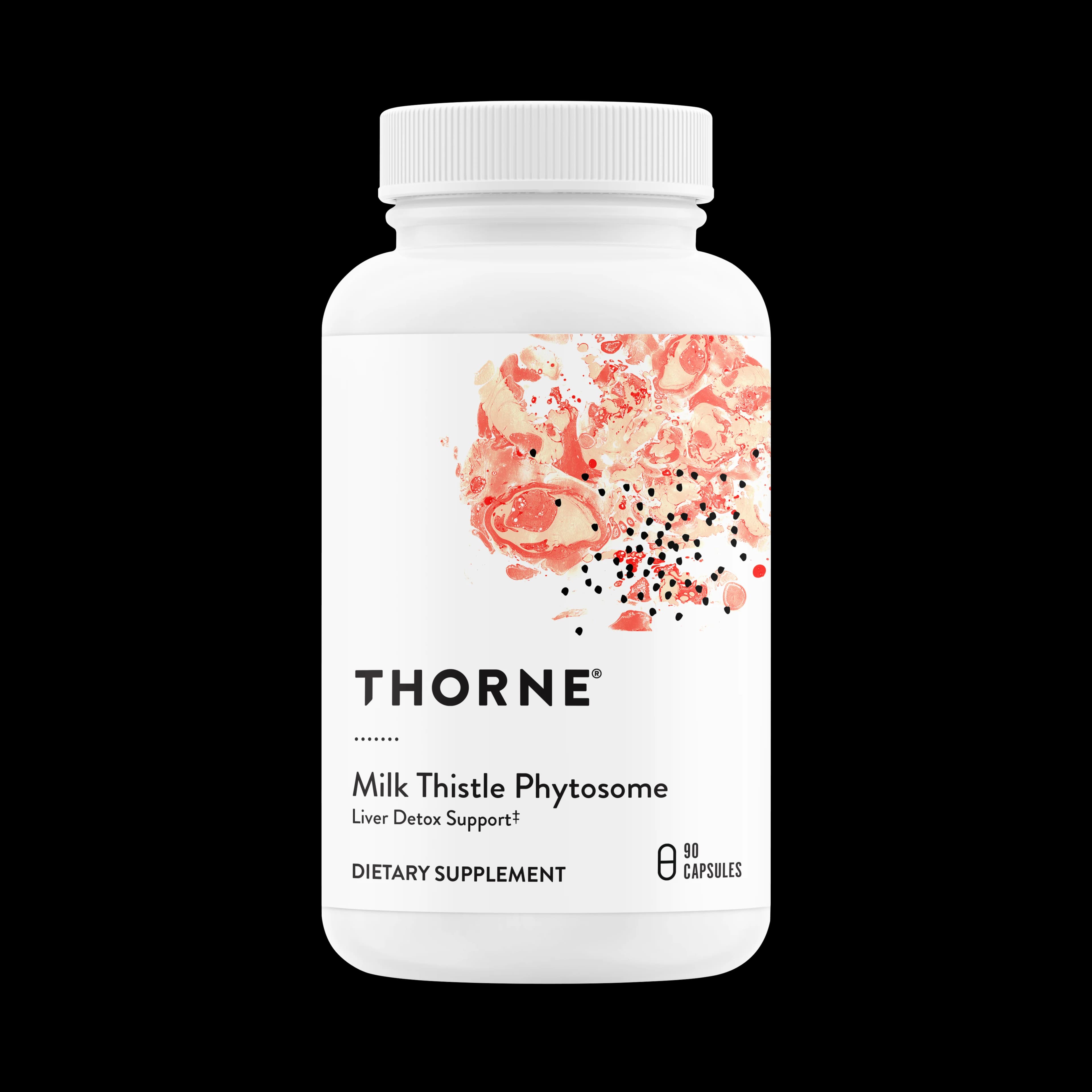
Thorne's Milk Thistle Phytosome provides 180 mg of the silybin-phospholipid complex per capsule. The suggested use is typically one capsule taken two to three times daily, or as recommended by a healthcare practitioner. Because the phytosome complex already contains dietary phospholipids (phosphatidylcholine) that facilitate lipid-based absorption, it does not strictly need to be taken with a heavy, high-fat meal to be absorbed, unlike some other fat-soluble supplements. However, taking it with a light meal or snack can help minimize any potential mild gastrointestinal upset. For patients dealing with chronic fatigue and oxidative stress, consistency is key. It often takes several weeks of consistent supplementation for intracellular glutathione levels to replenish and for mitochondrial repair mechanisms to translate into noticeable improvements in energy and symptom reduction.
Safety, Contraindications, and Interactions
Milk Thistle Phytosome is generally exceptionally well-tolerated, with a strong safety profile even in long-term clinical trials. When side effects do occur, they are typically mild and transient, consisting primarily of gastrointestinal disturbances such as mild bloating, flatulence, or a slight laxative effect (due to the supplement's ability to stimulate bile flow). However, there are important contraindications to consider. Because milk thistle belongs to the Asteraceae/Compositae plant family, individuals with known allergies to ragweed, chrysanthemums, marigolds, or daisies should avoid this product, as it may trigger an allergic reaction. Additionally, the product carries a warning for pregnant individuals, who should consult their healthcare practitioner before use.
Regarding drug interactions, silybin is metabolized by the liver and can interact with the Cytochrome P450 (CYP450) enzyme system. While in vitro studies suggest silybin can inhibit enzymes like CYP3A4 and CYP2C9, human clinical trials indicate that these interactions are rarely clinically significant at standard physiological doses. Nevertheless, because it may mildly inhibit CYP2C9, patients taking blood-thinning medications like Warfarin should exercise caution and have their coagulation levels monitored. Furthermore, because milk thistle can improve insulin sensitivity and support metabolic health, it may have an additive blood-sugar-lowering effect when combined with prescription antidiabetic medications. Patients on these medications should monitor their blood glucose levels closely to prevent hypoglycemia. Always consult with your healthcare provider before adding a highly bioavailable liver support supplement to your regimen, especially if you are taking prescription medications or utilizing other detoxification binders.

Follow the Science
Clinical Evidence for Liver Health and Oxidative Stress
The clinical efficacy of Milk Thistle Phytosome (often studied under the trademark Siliphos or IdB 1016) is supported by a robust body of scientific literature, particularly regarding its hepatoprotective and antioxidant properties.
More recently, a comprehensive 2023 systematic review and meta-analysis analyzed the systemic effects of silymarin across multiple randomized controlled trials. The meta-analysis confirmed that silymarin supplementation results in massive, statistically significant increases in endogenous antioxidant enzymes. Specifically, it demonstrated profound increases in Superoxide Dismutase (SOD) and Glutathione Peroxidase. Crucially for patients with chronic inflammatory conditions, the analysis also showed that silymarin successfully reduced systemic levels of C-reactive protein (CRP), a key marker of systemic inflammation. These findings validate the use of silybin as a powerful tool for combating the systemic oxidative stress that underpins many complex chronic illnesses.
Emerging Research in Post-Viral Syndromes
While large-scale, double-blind clinical trials specifically evaluating Milk Thistle Phytosome for Long COVID and ME/CFS are still in their early stages, the mechanistic evidence and emerging literature are highly compelling. Research into post-COVID pathology highlights the devastating impact of the SARS-CoV-2 spike protein on endothelial function and the induction of localized cytokine storms. Studies indicate that silibinin actively inhibits the activation of NF-κB, a primary genetic transcription pathway responsible for triggering these inflammatory cascades. By modulating this pathway, silybin acts as a powerful anti-inflammatory agent that can help mitigate the vascular and hepatic damage associated with viral persistence.
Furthermore, in the context of Mast Cell Activation Syndrome (MCAS)—a frequent overlapping condition in post-viral patients—research has identified silibinin as a potent inhibitor of mast cell degranulation. By acting as a PLC-β3 inhibitor, silybin dose-dependently suppresses the release of histamine and major pro-inflammatory cytokines like TNF-α. This dual capability—shielding the mitochondria from oxidative destruction while simultaneously stabilizing hyperactive mast cells—positions highly bioavailable silybin as a highly promising, multi-target therapeutic intervention for the complex web of symptoms seen in Long COVID, ME/CFS, and dysautonomia.
The Path Forward
A Comprehensive Approach to Healing
Living with a complex chronic illness like Long COVID, ME/CFS, dysautonomia, or MCAS is an incredibly challenging journey. The profound fatigue, unpredictable symptom flares, and systemic inflammation can leave you feeling frustrated and disconnected from your own body. It is important to validate that these symptoms are not in your head; they are the result of measurable physiological disruptions, including severe oxidative stress, mitochondrial dysfunction, and overwhelmed detoxification pathways. While there is no single "magic pill" that can instantly cure these complex conditions, utilizing targeted, science-backed nutritional support like Milk Thistle Phytosome can be a powerful step in reclaiming your cellular health. By providing your liver and mitochondria with the highly bioavailable silybin and phosphatidylcholine they need to neutralize free radicals and synthesize glutathione, you are actively supporting your body's innate ability to heal and restore balance.
Partnering with Your Care Team
It is crucial to remember that supplements are most effective when utilized as part of a comprehensive, holistic management strategy. Supporting your liver with lipotropic nutrients and phytosomes must be paired with foundational lifestyle practices, including aggressive pacing to avoid PEM, careful symptom tracking, nervous system regulation, and a nutrient-dense diet tailored to your specific sensitivities. Because Milk Thistle Phytosome actively modulates liver detoxification pathways and can interact with certain medications, it is essential to work collaboratively with a knowledgeable healthcare provider. A functional medicine practitioner can help you determine the optimal dosage, monitor your progress, and ensure that this powerful antioxidant complex integrates safely into your broader treatment protocol.