Can MenoVive Support Hormonal Balance in Long COVID and Dysautonomia?
March 5, 2026
MenoViveLong COVIDDysautonomia
Share:
Disclaimer: The information provided here is for educational purposes only and is not intended as medical advice. It should not be used to diagnose, treat, cure, or prevent any medical condition. Instead, use it as a starting point for discussion with your healthcare provider. Always consult with a qualified healthcare provider before starting any new medication, supplement, device, or making changes to your health regimen.
For many women in their 40s and 50s, the onset of complex chronic illnesses like Long COVID, myalgic encephalomyelitis/chronic fatigue syndrome (ME/CFS), and dysautonomia feels like navigating a storm without a compass. You might find yourself suddenly battling debilitating brain fog, racing heart rates upon standing, and crushing fatigue that leaves you bedbound for days. But when you describe these symptoms to a doctor, the response is often a dismissive, "It's just menopause." This intersection of post-viral illness and perimenopause is not a coincidence; it is a profound biological collision. The rapid decline of protective hormones during the menopausal transition leaves the autonomic nervous system and the vascular endothelium highly vulnerable to the inflammatory triggers of viral infections.
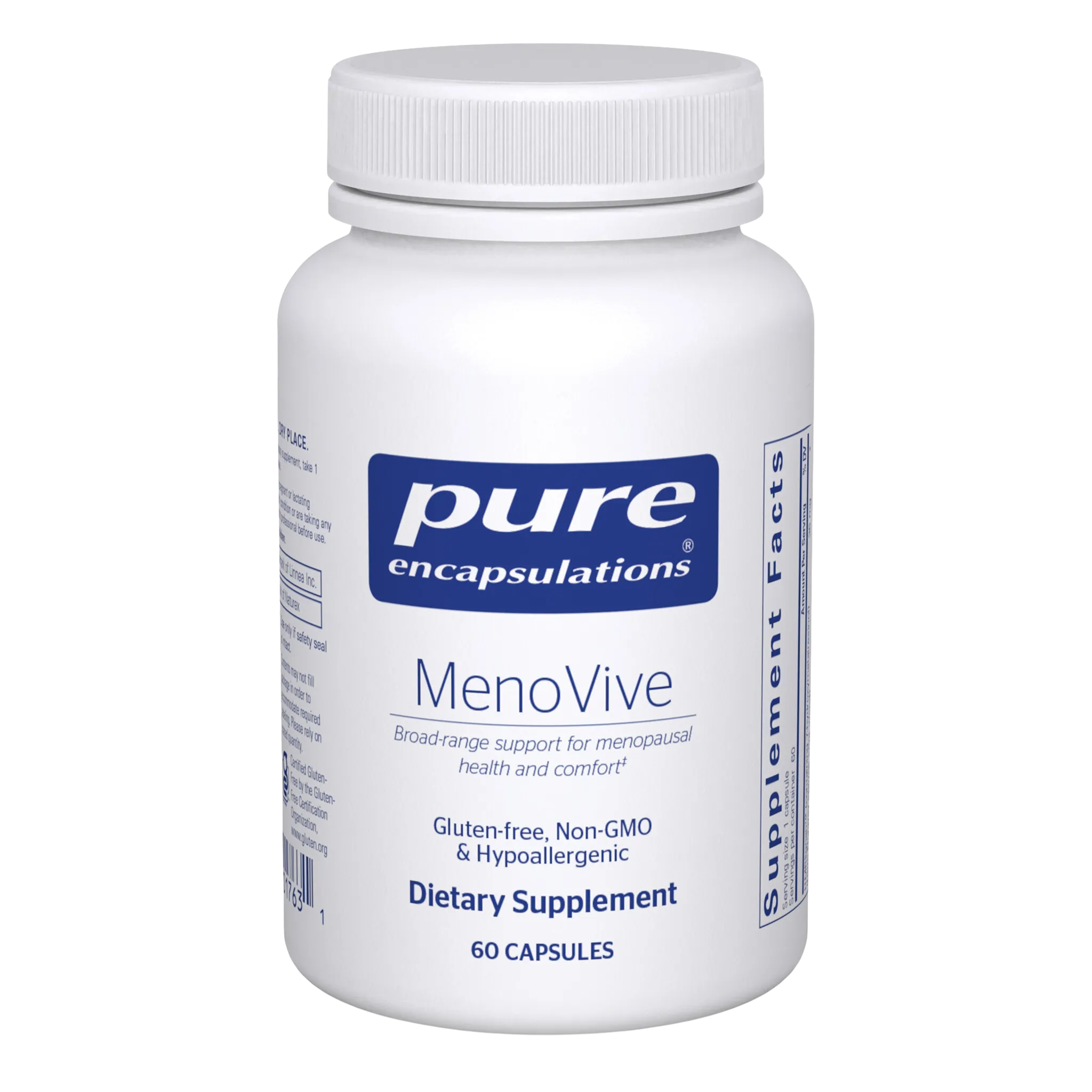
Understanding this complex web of hormonal withdrawal, immune dysregulation, and autonomic dysfunction is the first step toward reclaiming your quality of life. While there is no single cure for these overlapping conditions, targeted nutritional and botanical support can help stabilize the body's foundational systems. MenoVive by Pure Encapsulations is a comprehensive supplement designed to support women through this exact transition. By combining potent phytoestrogens, resilient adaptogens, and vascular-supporting polyphenols, MenoVive offers a multi-targeted approach to restoring hormonal balance, soothing the hyperactive stress response, and supporting the cellular energy production that complex chronic illness so often depletes.
TL;DR
Hormonal changes during perimenopause can worsen symptoms of Long COVID, ME/CFS, and dysautonomia.
MenoVive offers botanical support that may help stabilize hormones and support cellular energy.
Always consult your healthcare provider before starting new supplements, especially with complex chronic conditions.
What is MenoVive?
The Role of Phytoestrogens and Lignans
At its core, MenoVive is formulated to address the systemic effects of estrogen withdrawal using highly specialized plant compounds known as phytoestrogens. The first key ingredient is HMRlignan™, which provides 36 mg of 7-hydroxymatairesinol extracted from the knot wood of the Norway spruce (Picea abies). In its raw form, 7-hydroxymatairesinol is not the primary active compound in the human body; rather, it acts as a crucial precursor. Once it reaches the gastrointestinal tract, gut bacteria convert it into a compound called enterolactone. Because enterolactone has a chemical structure that is strikingly similar to human estrogen, it is classified as a phytoestrogen, capable of interacting with the body's endocrine system to support a healthy estrogen-to-progesterone ratio.
Complementing the lignans is Lifenol® hops extract, standardized to contain 0.15% 8-prenylnaringenin (8-PN). Found predominantly in the female cones of the hop plant (Humulus lupulus L.), 8-PN has garnered significant scientific attention as the most potent plant-derived phytoestrogen identified to date. Unlike synthetic hormone replacements, these plant-based compounds exert a selective, balancing effect on the body's estrogen receptors. They provide a mild estrogenic "boost" when natural estradiol levels precipitously drop, helping to satisfy cellular receptors and mitigate the severe withdrawal symptoms that characterize the menopausal transition, such as vasomotor instability and bone density loss.
Adaptogens and the Stress Response
Beyond hormonal support, MenoVive incorporates powerful adaptogenic herbs to stabilize the body's central stress-response system, known as the Hypothalamic-Pituitary-Adrenal (HPA) axis. The formula includes 125 mg of Ashwagandha extract (Withania somnifera), standardized to contain 2.5% withanolides. Withanolides are biologically active steroidal lactones that are discussed in current narrative reviews regarding their general health-promoting activities. By regulating the HPA axis, ashwagandha helps the body resist physical, chemical, and biological stressors, preventing the chronic "fight-or-flight" state that depletes cellular energy.
The supplement also features 50 mg of Rhodiola extract (Rhodiola rosea), standardized to contain 3% total rosavins and 1% salidroside, alongside 250 mg of Maca extract (Lepidium meyenii). Rhodiola is renowned in clinical literature for its ability to combat mental fatigue, improve physical stamina, and activate adenosine triphosphate (ATP) synthesis within the mitochondria of skeletal muscles. Maca, while not containing actual plant estrogens, acts on the endocrine system to support emotional well-being, libido, and overall vitality.
Polyphenols for Vascular Health
The final pillar of the MenoVive formulation focuses on the cardiovascular system and endothelial health, utilizing the potent antioxidant properties of polyphenols. The blend includes 50 mg of Grape seed extract (Vitis vinifera), standardized to an impressive 92% polyphenols, and 50 mg of resVida® resveratrol (as trans-resveratrol). Resveratrol is a naturally occurring compound found in grape skins that has been extensively studied for its cardioprotective and anti-inflammatory properties.
Grape seed extract is exceptionally rich in oligomeric proanthocyanidins (OPCs) and specific plant tannins. These compounds function as powerful scavengers of reactive oxygen species (ROS), neutralizing the severe oxidative stress that can damage the delicate inner lining of blood vessels. Together, resveratrol and grape seed extract work synergistically to support the production of nitric oxide, a crucial signaling molecule that tells blood vessels to dilate and relax. This combined action not only supports long-term cardiovascular wellness and cognitive function but also helps maintain healthy microvascular circulation throughout the body.
How Long COVID and Dysautonomia Impact Hormonal and Autonomic Systems
The "Perfect Storm" of Perimenopause and Post-Viral Illness
To understand why a menopause supplement might be relevant for complex chronic illness, we must examine the profound overlap between hormonal transitions and post-viral syndromes. Long COVID disproportionately affects women in their 40s and 50s; in fact, the average age of a female Long COVID patient is roughly 46.5 years old, placing them squarely in the perimenopausal window. A massive NIH RECOVER study revealed that non-menopausal women ages 40 to 54 have a 45% higher risk of developing Long COVID compared to men of the same age. This data strongly suggests that the active, stable female reproductive hormones present in younger women are protective against the long-term effects of the virus, and the loss of these hormones acts as a major vulnerability. If you are wondering What Causes Long COVID?, this hormonal intersection is a critical piece of the puzzle.
Estrogen is a powerful immunomodulator; it helps maintain vascular tone, supports the survival of pericytes (cells that regulate blood flow), and suppresses chronic inflammation. When estrogen levels rapidly drop or fluctuate wildly during perimenopause, it reduces vascular tone and triggers inflammatory pathways, such as NF-κB signaling. This creates a state of "sensitization" in the central nervous system. If a patient contracts SARS-CoV-2 during this highly vulnerable window, the virus can easily trigger severe autonomic dysfunction and chronic neuroinflammation, creating a perfect storm of overlapping, debilitating symptoms that are incredibly difficult to untangle.
Endothelial Dysfunction and Microvascular Damage
One of the primary drivers of Long COVID and related dysautonomia is endothelial dysfunction. The SARS-CoV-2 virus gains entry into human cells by binding to the ACE2 receptor, which is heavily concentrated in the endothelial cells that line our blood vessels, as well as in the ovaries. As the virus attacks the endothelium, it impairs the vessels' ability to produce nitric oxide, drastically reducing their capacity to dilate and contract appropriately.
Because blood flow and oxygen delivery are physically restricted to various organs, including the brain and skeletal muscles, this endothelial damage manifests clinically as severe fatigue, post-exertional malaise (PEM), chest pain, and the cognitive impairment commonly referred to as "brain fog." Furthermore, because the ACE2 receptors in the ovaries are also targeted, up to 73% of women with Long COVID report disruptive changes to their menstrual cycles, further compounding the hormonal chaos and exacerbating the baseline endothelial dysfunction caused by the viral infection.
HPA Axis Dysfunction and Hypocortisolism
Beyond the vascular system, post-viral conditions wreak havoc on the body's neuroendocrine network, particularly the HPA axis. ME/CFS is frequently triggered by viral infections, and researchers now recognize Long COVID as a remarkably similar post-viral fatigue syndrome. If you are exploring Can Long COVID Trigger ME/CFS? Unraveling the Connection, the HPA axis is the biological bridge. Viral pathogens can directly infect or inflame the hypothalamus and pituitary gland, disrupting the delicate feedback loops that control energy and stress responses.
A groundbreaking 2025 ME/CFS brain autopsy study revealed a functionally "wrecked" HPA axis in severe patients, showing a dramatic reduction in corticotropin-releasing hormone (CRH)-producing neurons. Instead of having high cortisol (which is typical in acute, short-term stress), Long COVID and ME/CFS patients frequently exhibit chronically low cortisol, known as hypocortisolism. Because cortisol is necessary to dampen immune responses, this chronic deficit prevents the body from turning off its inflammatory alarms, leading to a vicious cycle of low-grade neuroinflammation, profound physical exhaustion, and an inability to recover from even minor physical or cognitive exertion.
MenoVive: Supporting Hormonal Stability and Cellular Energy
Selective Estrogen Receptor Modulation (SERM)
MenoVive addresses the complex pathophysiology of these overlapping conditions through multiple targeted mechanisms. First, the phytoestrogens in the formula act as Selective Estrogen Receptor Modulators (SERMs). Unlike many other dietary phytoestrogens (such as soy isoflavones) which bind preferentially to estrogen receptor-beta (ERβ), the 8-prenylnaringenin (8-PN) from the Lifenol hops extract displays a remarkably high affinity for estrogen receptor-alpha (ERα). This specific receptor interaction is absolutely critical for regulating the body's thermoneutral zone in the hypothalamus.
In a healthy body, estrogen maintains a wide thermoneutral zone, allowing for normal temperature fluctuations without triggering a massive cooling response. When estrogen drops, this zone narrows drastically; even a tiny increase in core body temperature triggers inappropriate, massive vasodilation and sweating—the classic hot flash. By binding to ERα, 8-PN effectively widens this thermoneutral zone back out, preventing the sudden spikes in skin temperature and autonomic hyperreactivity. Simultaneously, the enterolactone derived from the HMRlignan provides a gentle, systemic estrogenic effect that helps stabilize the renin-angiotensin-aldosterone system (RAAS), which is heavily implicated in the orthostatic intolerance seen in POTS.
Restoring the HPA Axis and Mitochondrial ATP
To combat the profound fatigue and hypocortisolism characteristic of ME/CFS and Long COVID, MenoVive leverages the adaptogenic power of Ashwagandha and Rhodiola. These botanicals do not act as central nervous system stimulants like caffeine, which simply mask fatigue and inevitably lead to a severe metabolic "crash." Instead, they work at the root of the HPA axis dysfunction. The withanolides in Ashwagandha directly modulate the adrenal glands, helping to restore a healthy diurnal cortisol rhythm. By soothing the overactive sympathetic nervous system, Ashwagandha helps shift the body out of a state of chronic hyperarousal, allowing for restorative sleep and a reduction in systemic neuroinflammation.
Concurrently, Rhodiola rosea targets cellular energy production. The active compounds in Rhodiola, particularly salidroside and rosavins, have been shown to support mitochondrial ATP synthesis and reduce oxidative damage in skeletal muscle. In patients with post-viral fatigue, mitochondrial function is often severely impaired, leading to a heavy reliance on inefficient anaerobic energy production (which generates painful lactic acid). By upregulating oxidative phosphorylation and protecting the mitochondrial membrane from oxidative stress, Rhodiola helps restore the cellular energy currency required for both physical stamina and cognitive clarity, directly combating the mechanisms of post-exertional malaise.
Endothelial Repair and Nitric Oxide Production
The final therapeutic angle of MenoVive targets the widespread endothelial dysfunction that drives Long COVID vascular symptoms. The resVida resveratrol in the formula acts as a potent vasodilator. Preclinical and human clinical studies demonstrate that resveratrol increases nitric oxide bioavailability and improves vascular relaxation. This is often measured clinically as an increase in Flow-Mediated Dilation (FMD) of the brachial artery. By boosting nitric oxide, resveratrol helps reverse the microvascular constriction that deprives the brain and muscles of oxygen.
Working in tandem with resveratrol, the grape seed extract provides powerful oligomeric proanthocyanidins (OPCs) that protect this newly generated nitric oxide from being immediately destroyed by roaming free radicals. Furthermore, emerging research highlights that the specific tannic acids found in grape seeds act as potent dual inhibitors against viral mechanisms. By neutralizing vascular oxidative stress and potentially inhibiting persistent viral activity, these polyphenols are essential for long-term endothelial rehabilitation.
Symptoms MenoVive May Help Manage
Vasomotor and Autonomic Symptoms
Due to its multi-targeted approach, MenoVive may help manage a wide array of symptoms that overlap between perimenopause and complex chronic illness. If you are tracking What Are the Symptoms of Long COVID?, you will likely recognize many of these autonomic and vasomotor challenges:
Hot Flashes and Night Sweats: By providing potent phytoestrogens like 8-PN that bind to estrogen receptor-alpha, the formula helps widen the body's thermoneutral zone, preventing the sudden, inappropriate vasodilation that causes severe sweating and temperature dysregulation.
Orthostatic Intolerance and Palpitations: The systemic hormonal stabilization provided by enterolactone helps modulate the renin-angiotensin-aldosterone system (RAAS), which is crucial for maintaining blood volume and vascular tone when standing, thereby reducing the severity of POTS-related tachycardia.
Temperature Dysregulation: Adaptogens like Ashwagandha help soothe the hyperactive sympathetic nervous system, reducing the erratic nerve signaling that contributes to feeling constantly too hot or too cold.
Cognitive and Physical Fatigue
The combination of mitochondrial support and endothelial repair targets the core drivers of post-viral exhaustion and cognitive impairment:
Brain Fog and Cognitive Fatigue: Resveratrol and grape seed extract boost nitric oxide production, enhancing cerebral blood flow and oxygen delivery to the brain, while Rhodiola's SERM properties support mental sharpness and focus.
Post-Exertional Malaise (PEM): By activating ATP synthesis in the mitochondria and reducing cellular reliance on inefficient anaerobic metabolism, Rhodiola helps increase the baseline energy envelope, potentially reducing the severity of post-exertional crashes.
Emotional Dysregulation and Anxiety: Ashwagandha directly modulates the HPA axis to lower chronic neuroinflammation and regulate cortisol rhythms, helping to pull the nervous system out of a chronic "fight-or-flight" state and promoting emotional resilience.
Low Libido and Sexual Dysfunction: Maca extract acts on the endocrine system to support healthy sexual function and vitality, which are often heavily impacted by both hormonal withdrawal and the systemic burden of chronic illness.
Practical Considerations: Forms, Dosing, and Absorption
Bioavailability and the Gut Microbiome
When considering a complex botanical supplement like MenoVive, understanding bioavailability—how much of the active ingredient actually reaches your bloodstream—is crucial. The pharmacokinetics of the HMRlignan are particularly fascinating because they rely entirely on the health of your digestive system. When you ingest the 36 mg of 7-hydroxymatairesinol, it is quickly absorbed into the plasma, reaching its peak concentration (Cmax) just one hour after ingestion.
Because this conversion process is dependent on gut bacteria, patients with severe dysbiosis, mast cell activation syndrome (MCAS) affecting the gut, or those who have recently taken heavy courses of antibiotics may experience variations in how effectively they metabolize the lignans. Supporting your gut health with a diverse diet or targeted probiotics can enhance the enzymatic conversion of HMR to enterolactone, maximizing the phytoestrogenic benefits of the supplement. Unlike flaxseed-derived lignans, which can sometimes cause severe abdominal bloating and gas, the spruce-derived HMR extracts in MenoVive are generally reported to cause fewer gastrointestinal complaints, making them better suited for patients with sensitive digestion.
Standardized Extracts and Optimal Dosing
MenoVive utilizes highly standardized, trademarked extracts to ensure consistent dosing and clinical efficacy. The suggested use is one capsule twice daily with meals. Taking the supplement with food is highly recommended, as the presence of dietary fats can significantly enhance the absorption of fat-soluble polyphenols like resveratrol and the steroidal lactones in Ashwagandha. The Lifenol hops extract is precisely standardized to deliver a consistent dose of 8-prenylnaringenin, avoiding the wild fluctuations in potency often seen in cheaper, non-standardized herbal powders.
The inclusion of resVida, a pure form of trans-resveratrol, is also a critical formulation choice. Trans-resveratrol is the biologically active isomer that the body can readily utilize for endothelial repair and SIRT1 activation, whereas the cheaper cis-resveratrol isomer is largely inactive. By splitting the dose into twice-daily administrations, MenoVive helps maintain a steady concentration of these active metabolites in the bloodstream, providing continuous support for the HPA axis and vascular endothelium throughout the day and night.
Safety, Contraindications, and Synergies
While MenoVive is formulated with natural botanicals, its potent effects on the endocrine and autonomic systems require careful consideration, especially for patients with complex chronic illnesses. Because the phytoestrogens in the formula actively bind to estrogen receptors, women who have a history of estrogen-receptor-positive cancers (such as certain breast or uterine cancers) should strictly avoid this supplement unless explicitly cleared by their oncologist. Additionally, if you are currently utilizing prescription Hormone Replacement Therapy (HRT), you must consult your healthcare provider, as the phytoestrogens in MenoVive can compete with synthetic hormones for receptor binding sites, potentially altering the efficacy of your prescribed treatment.
For patients with ME/CFS and Long COVID, it is also important to monitor thyroid function. Ashwagandha is known to stimulate the production of thyroid hormones (T3 and T4). While this can be beneficial for patients with sluggish metabolisms, those with hyperthyroidism or autoimmune thyroid conditions (like Hashimoto's) should proceed with caution and monitor their lab panels. As always, when introducing a new multi-ingredient supplement, it is wise to start slowly and track your baseline symptoms to accurately gauge your body's response to the adaptogenic and vascular-supporting compounds.
Follow the Science
Clinical Trials on Phytoestrogens for Vasomotor Symptoms
The individual ingredients in MenoVive have been the subject of rigorous clinical investigation, particularly regarding their efficacy in managing the vasomotor symptoms of menopause. A prominent 2013 study published in the Journal of the American College of Nutrition evaluated the pharmacokinetics and clinical effects of HMRlignan in postmenopausal women. Women in the active group reported a remarkable 79% reduction in severe hot flashes by the end of the trial, with no significant adverse side effects reported.
The clinical data supporting the Lifenol hops extract (8-PN) is even more striking. A rigorous 12-week randomized, double-blind, placebo-controlled trial published in Complementary Therapies in Clinical Practice tested standardized hop tablets on 120 perimenopausal and postmenopausal women. By the end of the 12-week trial, hot flashes had plummeted by an astounding 94.5% in the active treatment group, firmly establishing 8-PN as a highly effective, scientifically backed alternative for managing vasomotor instability.
Adaptogens in Post-Viral Fatigue and ME/CFS
In the realm of post-viral illness and HPA axis dysfunction, adaptogens like Rhodiola and Ashwagandha are heavily researched. A landmark 2022 quadruple-blind, randomized, placebo-controlled trial investigated the effects of an adaptogen complex on post-viral fatigue. The researchers found that the adaptogen successfully decreased the duration of chronic fatigue and pain by one to two days in half of the participants. By Day 11 of the trial, significantly fewer patients in the adaptogen group experienced severe fatigue symptoms compared to the placebo group. For patients wondering How Long Does Long COVID Last?, interventions that actively repair the HPA axis are showing immense promise in accelerating the recovery timeline.
Similarly, a recent randomized, double-blind, placebo-controlled trial tested a standardized Ashwagandha root extract (Witholytin®) on adults experiencing high stress and fatigue. Crucially for dysautonomia patients, the study also noted a significant increase in Heart Rate Variability (HRV), a key metric of autonomic nervous system resilience that is famously blunted in patients with POTS and ME/CFS.
Polyphenols and Vascular Rehabilitation
The vascular benefits of resveratrol and grape seed extract are well-documented in cardiovascular literature. A clinical study by Wong et al. demonstrated that resveratrol supplementation improves flow-mediated dilation, a measure of endothelial function. This objective measurement proves that resveratrol physically improves the blood vessels' ability to dilate and deliver oxygen. When combined with the antiviral and antioxidant properties of grape seed tannins, these polyphenols offer a robust, evidence-based strategy for rehabilitating the damaged endothelium in post-viral syndromes.
The Path Forward
Validating the Complex Illness Experience
Living at the intersection of perimenopause, Long COVID, and dysautonomia is an incredibly heavy burden to carry. If you find yourself frustrated by unpredictable symptom flares, wondering Do Long COVID Symptoms Come and Go? in rhythm with your hormonal cycles, please know that your experience is biologically valid. The profound fatigue, the racing heart, and the sudden, drenching sweats are not simply anxiety or "normal aging"—they are the physiological manifestations of a nervous system and vascular network that have been pushed to their limits by viral triggers and hormonal withdrawal. You are not imagining the severity of these overlapping conditions, and you deserve comprehensive, science-backed support.
A Comprehensive Approach to Healing
While MenoVive offers a powerful, multi-targeted formulation to support hormonal balance, endothelial health, and HPA axis function, it is most effective when integrated into a broader, holistic management strategy. Supplements are tools, not standalone cures. Combining targeted botanical support with aggressive radical resting, meticulous symptom tracking, and dysautonomia management protocols (like increased sodium and hydration) provides the best foundation for stabilizing your foundational systems. Always work closely with a dysautonomia-literate or Long COVID-literate healthcare provider to ensure that any new supplement fits safely into your unique clinical picture.