Can Melatonin Support Restorative Sleep and Calm Neuroinflammation in Long COVID?
March 6, 2026
MelatoninLong COVIDME/CFS
Share:
Disclaimer: The information provided here is for educational purposes only and is not intended as medical advice. It should not be used to diagnose, treat, cure, or prevent any medical condition. Instead, use it as a starting point for discussion with your healthcare provider. Always consult with a qualified healthcare provider before starting any new medication, supplement, device, or making changes to your health regimen.
Months or even years after a mild viral infection, many patients find themselves trapped in a relentless cycle of exhaustion and neurological dysfunction. You might lie awake at night, your heart racing and your mind wired, only to spend the next day battling profound fatigue and brain fog. When standard advice like "practice better sleep hygiene" or "drink chamomile tea" fails to make a dent in your symptoms, it becomes clear that post-viral sleep disturbances are not merely psychological. They are deeply rooted in physiological changes, autonomic nervous system dysfunction, and chronic neuroinflammation that fundamentally alter how your brain regulates rest.
In the search for answers, researchers and clinicians are increasingly looking beyond traditional pharmaceuticals to molecules that can fundamentally repair the body's broken biological clocks. Melatonin, often dismissed as just a simple over-the-counter sleep aid for jet lag, is emerging as a powerful, multi-targeted compound. By acting as a master chronobiotic, a potent mitochondrial antioxidant, and a neuroinflammatory modulator, melatonin offers a compelling physiological approach to managing the complex, overlapping symptoms of Long COVID, myalgic encephalomyelitis/chronic fatigue syndrome (ME/CFS), and dysautonomia.
TL;DR
Melatonin acts as a powerful antioxidant and chronobiotic, supporting sleep architecture and cellular energy.
It may help reduce neuroinflammation and protect mitochondrial function in Long COVID and ME/CFS.
Clinical studies show melatonin can lower standing heart rate in POTS, though it may not relieve all symptoms.
Always consult a doctor before use, as melatonin can interact with blood thinners and other medications.
What is Melatonin?
The Master Chronobiotic Hormone
Melatonin (5-methoxy-N-acetyltryptamine) is an ancient, highly conserved molecule that functions as the body’s primary chronobiotic hormone, meaning it dictates the timing of our internal biological rhythms. In a healthy physiological state, melatonin is synthesized from the amino acid tryptophan within the pineal gland, a small, pea-shaped structure located deep within the brain. This production is strictly governed by the Earth's light-dark cycle. During daylight hours, visual receptors in the retina detect light and send inhibitory signals to the suprachiasmatic nucleus (SCN) of the hypothalamus, effectively suppressing melatonin synthesis. As darkness falls, this inhibition is lifted, prompting the pineal gland to release melatonin into the bloodstream and cerebrospinal fluid. This nocturnal surge acts as a systemic broadcast signal, synchronizing peripheral biological clocks across all organ systems and initiating the physiological cascade that leads to restorative sleep.
MT1 and MT2 Receptors: The Cellular Sleep Switches
To exert its profound effects on the sleep-wake cycle, melatonin primarily binds to two high-affinity G-protein-coupled receptors (GPCRs) known as MT1 and MT2. These receptors are densely concentrated within the suprachiasmatic nucleus, and while both are found in various tissues, research indicates that primarily MT1 receptors are expressed in the gastrointestinal tract. When melatonin binds to the MT1 receptor, it inhibits the enzyme adenylate cyclase, which in turn decreases intracellular levels of cyclic AMP (cAMP). This biochemical action directly suppresses neuronal firing in the SCN, mediating the hypnotic, sleep-promoting effects of the hormone and helping to lower core body temperature. Conversely, activation of the MT2 receptor is more heavily involved in phase-shifting and synchronizing the circadian rhythm, ensuring that the body's internal clock remains aligned with external environmental cues. Together, these receptors orchestrate a seamless transition from wakefulness to deep, restorative rest.
The Apex Mitochondrial Antioxidant
Beyond its well-known role in sleep regulation, modern medical research has revealed that melatonin is an exceptionally potent, mitochondria-targeted antioxidant. Evolutionary biology suggests that mitochondria—the energy-producing powerhouses of our cells—originated from melatonin-producing bacteria billions of years ago. Because of this ancient lineage, modern human mitochondria possess the unique ability to synthesize their own melatonin locally, independent of the pineal gland. Furthermore, circulating melatonin is highly lipophilic, allowing it to easily cross cellular membranes and accumulate within the mitochondria via specific oligopeptide transporters (PEPT1 and PEPT2). Once inside, melatonin acts as an apex free radical scavenger. It directly donates electrons to neutralize highly destructive reactive oxygen species (ROS) generated during cellular energy production. Additionally, melatonin activates the SIRT3 signaling pathway, which subsequently upregulates Superoxide Dismutase 2 (SOD2), a critical enzyme that converts toxic superoxide radicals into less harmful byproducts. This dual action protects mitochondrial DNA, preserves the integrity of the electron transport chain, and ensures optimal cellular bioenergetics.
How Chronic Illness Impacts the Sleep-Wake Cycle
Neuroinflammation and the "Warburg Effect" in Long COVID
In complex chronic conditions like Long COVID, the delicate balance of the sleep-wake cycle is often shattered by persistent, low-grade inflammation, a state sometimes referred to as "inflammaging." When exploring what causes Long COVID, researchers have identified that viral persistence and immune dysregulation can force cellular metabolism into a dysfunctional state known as the "Warburg effect." This metabolic shift converts restorative, anti-inflammatory "M2" macrophages into aggressive, pro-inflammatory "M1" macrophages. These activated immune cells release a continuous storm of cytokines, including Interleukin-6 (IL-6) and Tumor Necrosis Factor-alpha (TNF-α), which cross the blood-brain barrier and trigger widespread neuroinflammation. This chronic inflammatory state fundamentally disrupts the brain's ability to produce and utilize melatonin effectively, leaving patients trapped in a state of wired exhaustion where restorative sleep becomes biologically impossible.
Thalamic Dysfunction and the Loss of the "Sleep Gate"
The neurological impact of post-viral syndromes extends beyond cellular inflammation to actual structural and functional changes within the brain. Recent clinical studies investigating the neuroimmune pathophysiology of Long COVID have observed disruptions in the thalamus, the brain's primary relay station for sensory information and sleep-wake regulation. Furthermore, viral-induced damage to the hypothalamus can decrease the production of orexin, a critical neuropeptide that stabilizes wakefulness. When these central sleep regulatory centers are compromised, patients lose their natural "sleep gate"—the narrow biological window where the body is primed to transition into deep sleep. This structural dysfunction explains why so many patients experience profound Long COVID sleep changes and disturbances, rendering standard behavioral interventions like sleep hygiene largely ineffective without underlying physiological support.
Autonomic Overdrive in POTS and Dysautonomia
For individuals living with Postural Orthostatic Tachycardia Syndrome (POTS) and other forms of dysautonomia, sleep disruption is frequently driven by severe autonomic nervous system imbalance. In these conditions, the body struggles to regulate basic involuntary functions, often defaulting to a hyperadrenergic state characterized by excessive levels of circulating adrenaline and noradrenaline. This sympathetic nervous system overdrive keeps the body in a perpetual "fight or flight" mode, making it incredibly difficult to achieve the parasympathetic "rest and digest" state required for sleep onset. Patients frequently report lying in bed with a racing heart, internal tremors, and a profound inability to wind down, even when completely exhausted. This relentless autonomic hyperarousal not only prevents the initiation of sleep but also fragments sleep architecture, preventing the brain from reaching the deep, restorative stages of non-REM sleep necessary for physical and cognitive repair.
Melatonin: Supporting Sleep, Brain Health, and Cellular Energy
Resynchronizing the Circadian Rhythm and Glymphatic Clearance
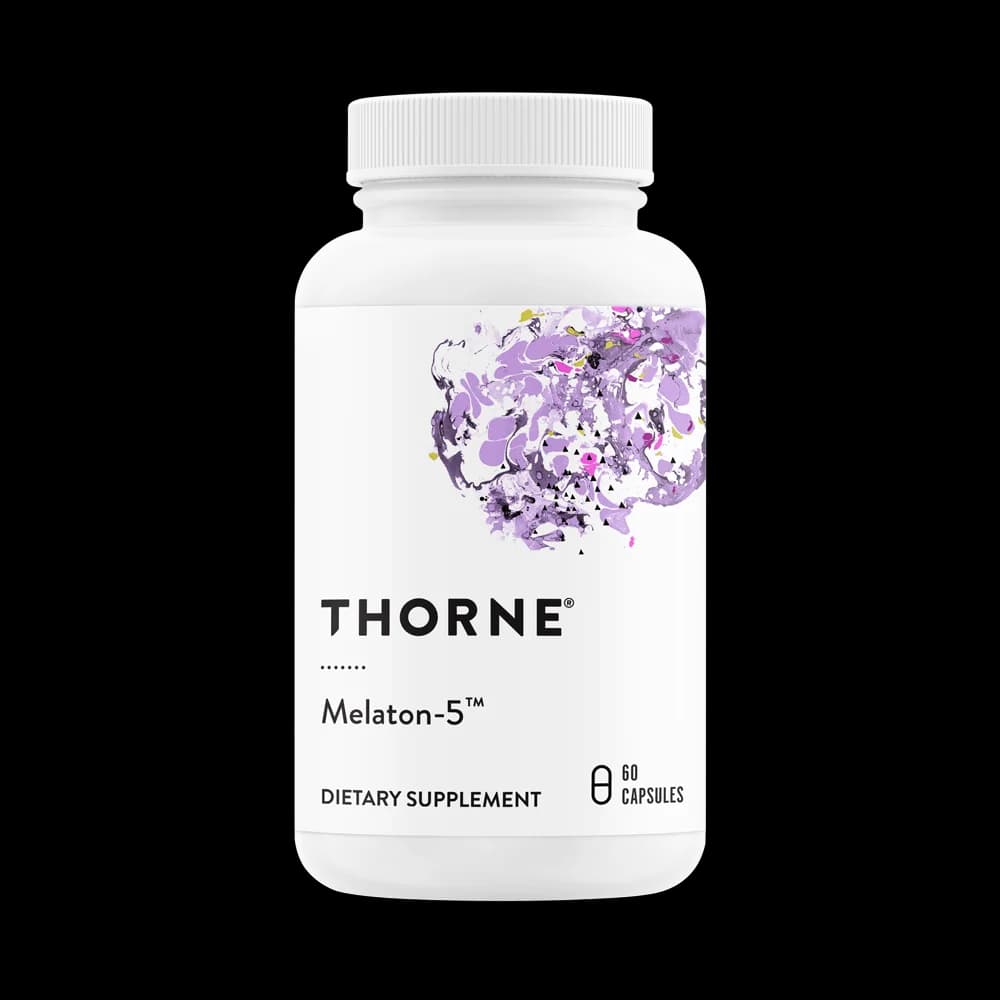
Supplementing with a high-quality product like Thorne Melaton-5 can provide critical support for patients struggling to reclaim their sleep architecture. By acting as a powerful chronobiotic agent, exogenous melatonin helps to artificially force the "sleep gate" open, signaling to the brain's suprachiasmatic nucleus that it is time to power down. This resynchronization of the circadian rhythm is vital for activating the brain's glymphatic system. The glymphatic system functions as the brain's nocturnal waste clearance mechanism, flushing out toxic inflammatory byproducts and amyloid-beta proteins that accumulate during waking hours. Because conditions like Long COVID and ME/CFS severely disrupt deep sleep, these neurotoxins build up, worsening brain fog and perpetuating the cycle of insomnia. By facilitating entry into deep, restorative sleep, melatonin allows the glymphatic system to perform its essential maintenance, gradually reducing the neurotoxic burden on the central nervous system. Those looking for comprehensive sleep support often ask, Can Deep Sleep Complex Support Restorative Rest for Long COVID and ME/CFS?, and melatonin is frequently a foundational component of such restorative protocols.
Calming the NLRP3 Inflammasome and Microglial Activation
Beyond its role as a sleep initiator, melatonin exerts profound anti-inflammatory effects that directly target the mechanisms driving post-viral neurological symptoms. At the molecular level, research indicates that melatonin acts as a potent inhibitor of the NLRP3 inflammasome, a multi-protein complex responsible for initiating inflammatory cell death. Furthermore, melatonin suppresses the activation of Nuclear Factor kappa B (NF-κB), a primary transcription factor that controls the expression of pro-inflammatory genes. In the central nervous system, this biochemical modulation helps to soothe chronically activated microglia and astrocytes, the resident immune cells of the brain. By dampening this microglial hyperactivation, melatonin helps to interrupt the vicious cycle of neuroinflammation, potentially alleviating the central pain sensitization and cognitive dysfunction frequently seen in post-viral syndromes.
Defending Mitochondrial Bioenergetics in ME/CFS
For patients navigating the debilitating fatigue of ME/CFS, melatonin's role as a mitochondria-targeted antioxidant is particularly relevant. The profound exhaustion and post-exertional malaise (PEM) characteristic of ME/CFS are deeply linked to mitochondrial bioenergetic failure and severe oxidative stress. When exploring if Long COVID can trigger ME/CFS, researchers point to this exact cellular breakdown. When the mitochondria are overwhelmed by free radicals, the electron transport chain loses its efficiency, leading to a catastrophic drop in adenosine triphosphate (ATP) production. Melatonin steps in as a critical defender of these cellular power plants. By neutralizing reactive oxygen species and bolstering endogenous antioxidant defenses like SOD2, melatonin preserves the integrity of mitochondrial complexes I, III, and IV. Additionally, it helps prevent the opening of the mitochondrial permeability transition pore (mPTP), a catastrophic event that leads to cellular apoptosis. Through these protective mechanisms, melatonin supports the restoration of cellular energy production, offering a physiological foundation for managing profound fatigue.

Symptoms Melatonin May Help Manage
Sleep Disturbances and Insomnia
Prolonged Sleep Latency: Melatonin directly interacts with MT1 receptors in the brain to decrease the amount of time it takes to transition from wakefulness to sleep, helping to overcome the "wired and tired" feeling common in chronic illness.
Fragmented Sleep Architecture: By stabilizing the circadian rhythm and promoting the activity of gamma-aminobutyric acid (GABA), melatonin helps maintain sleep continuity, reducing the frequency of middle-of-the-night awakenings and supporting deeper, more restorative sleep cycles.
Circadian Rhythm Reversal: For patients whose sleep schedules have become completely inverted due to prolonged illness or prolonged bed rest, strategically timed melatonin supplementation can help phase-shift the biological clock back to a normal nocturnal pattern.
Post-Exertional Malaise (PEM) and Fatigue
Cellular Energy Depletion: By protecting the mitochondrial electron transport chain from oxidative damage, melatonin supports more efficient ATP production, helping to raise the baseline of cellular energy available for daily activities.
Exercise Intolerance: The antioxidant properties of melatonin help to neutralize the massive influx of free radicals generated during even mild physical exertion in ME/CFS patients, potentially reducing the severity and duration of post-exertional crashes.
Musculoskeletal Pain: Melatonin modulates central pain pathways by interacting with NMDA and opioid receptors, which may help alleviate the diffuse, fibromyalgia-like pain that frequently accompanies severe fatigue and PEM.
Brain Fog and Cognitive Dysfunction
Neurotoxic Buildup: By promoting the deep sleep necessary for glymphatic clearance, melatonin facilitates the removal of inflammatory cytokines and amyloid-beta proteins from the brain, which are primary drivers of post-viral cognitive impairment.
Neurovascular Uncoupling: Melatonin's anti-inflammatory effects on the central nervous system help to restore healthy blood flow and oxygen delivery to brain tissues, mitigating the confusion, memory loss, and lack of focus associated with brain fog.
Tachycardia and Autonomic Imbalance
Sympathetic Overdrive: By acting on receptors within the cardiovascular system and the central nervous system, melatonin helps to gently dampen excessive sympathetic nervous system activity, promoting a shift toward the calming parasympathetic state.
Orthostatic Heart Rate Spikes: Clinical research in dysautonomia patients suggests that melatonin can modestly reduce standing heart rate without negatively impacting blood pressure, providing supportive relief for the tachycardia experienced upon standing.
Practical Considerations: Forms, Dosing, and Absorption
Understanding Bioavailability and the First-Pass Effect
When incorporating melatonin into a management plan, it is crucial to understand its pharmacokinetic profile, as oral bioavailability is notoriously low and highly variable. When you swallow a standard melatonin capsule, it must pass through the gastrointestinal tract and the liver before reaching systemic circulation. During this process, known as "first-pass metabolism," the liver's cytochrome P450 enzymes (specifically CYP1A2) rapidly break down the hormone. As a result, the absolute oral bioavailability of melatonin typically ranges between just 10% and 30%. Despite this low absorption rate, exogenous melatonin reaches its peak plasma concentration (Tmax) very quickly, usually within 30 to 60 minutes of ingestion. Because it has a short half-life of approximately 30 to 50 minutes, it clears from the body rapidly, which is why timing the dosage correctly is often more important than the absolute milligram amount.
Optimal Dosing Strategies for Sleep and Chronic Illness
Dosing melatonin requires a nuanced approach tailored to the specific symptom being targeted. For general sleep onset insomnia, a standard dose of 3 mg to 5 mg (such as Thorne Melaton-5) taken 30 to 60 minutes before the desired bedtime is generally effective for signaling the brain to wind down. However, if the goal is to correct a severely delayed sleep phase (where a patient naturally falls asleep at 3 AM), a lower dose (0.5 mg to 1 mg) taken several hours earlier in the evening may be more effective for shifting the circadian clock. Interestingly, when addressing the profound neuroinflammation and oxidative stress seen in conditions like Long COVID and ME/CFS, some clinical researchers advocate for higher therapeutic dosages. While standard sleep support relies on lower doses, the antioxidant and mitochondrial protective benefits of melatonin are highly dose-dependent, prompting ongoing studies into the efficacy of higher-dose protocols for chronic post-viral syndromes.
Crucial Drug Interactions and Blood Thinner Warnings
Because melatonin is heavily metabolized by the CYP1A2 enzyme in the liver, it can interact significantly with other medications that utilize this same pathway. For example, the SSRI antidepressant fluvoxamine (Luvox) is a potent CYP1A2 inhibitor and can drastically increase melatonin levels in the blood, leading to severe, excessive drowsiness; this combination should be strictly avoided. Furthermore, patients managing vascular complications of Long COVID must exercise extreme caution regarding blood thinners. Melatonin naturally influences the coagulation cascade and can suppress platelet aggregation. When taken concurrently with anticoagulant medications like warfarin or antiplatelet drugs, melatonin may potentiate their effects, increasing the risk of bleeding or causing fluctuations in Prothrombin Time (PT) and International Normalized Ratio (INR). Always consult with a healthcare provider before initiating melatonin, especially if you are on cardiovascular medications or preparing for surgery.

Follow the Science
Clinical Trials in POTS and Dysautonomia
The therapeutic potential of melatonin for autonomic nervous system disorders has been explored in several targeted clinical trials. A notable randomized, crossover trial published in Cardiovascular Therapeutics by Green et al. investigated the effects of melatonin on patients with Postural Orthostatic Tachycardia Syndrome (POTS). In this study, 78 patients were administered a single acute dose of 3 mg of oral melatonin versus a placebo. The researchers found that melatonin produced a statistically significant reduction in standing heart rate compared to the placebo, lowering it by approximately 7 beats per minute at the two-hour mark. Crucially, this reduction in tachycardia occurred without causing a significant drop in systolic or diastolic blood pressure, indicating that melatonin did not exacerbate orthostatic hypotension. While it successfully reduced standing heart rate, the study noted that overall symptom burden was not improved compared to placebo, indicating it may help with specific physiological markers rather than broad symptom relief.
Evidence for Fatigue Management in ME/CFS
In the realm of myalgic encephalomyelitis/chronic fatigue syndrome, researchers have investigated melatonin's ability to modulate the profound physical exhaustion that defines the illness. A 16-week, randomized, double-blind, placebo-controlled trial conducted by Castro-Marrero et al. evaluated the efficacy of combining 1 mg of melatonin with 10 mg of zinc in ME/CFS patients. The study revealed that the active treatment group experienced a significant reduction in their perception of physical fatigue and a marked improvement in their overall health-related quality of life compared to the placebo group. Interestingly, the researchers noted a distinct withdrawal effect; when patients ceased the melatonin and zinc supplementation, they experienced a symptomatic relapse in physical function, strongly suggesting that the combination was actively managing the underlying oxidative stress and bioenergetic dysfunction driving their fatigue.
Emerging Research on Long COVID and Neuroinflammation
As the medical community races to understand how a doctor diagnoses Long COVID and develops effective treatments, melatonin has emerged as a molecule of high interest. A comprehensive 2022 review published in Biomolecules by Cardinali et al. meticulously detailed the potential applications of melatonin in treating Long COVID. The authors highlighted melatonin's unique capacity to reverse the "Warburg effect," suppress the NLRP3 inflammasome, and facilitate the clearance of amyloid-beta proteins from the brain. The review emphasized that because Long COVID is fundamentally driven by a pro-inflammatory state and mitochondrial dysregulation, melatonin's dual role as an immunomodulator and a mitochondria-targeted antioxidant makes it a highly logical therapeutic candidate. Despite its low cost and high safety profile, the authors noted the urgent need for large-scale, well-controlled clinical trials to fully establish standardized, high-dose protocols for post-viral neuroinflammation.
The Path Forward
Validating the Complexity of Post-Viral Sleep Disorders
Living with the relentless exhaustion of Long COVID, ME/CFS, or dysautonomia is an incredibly isolating experience, particularly when your sleep architecture is fundamentally broken. It is deeply frustrating to be told that you simply need to "relax more" or "turn off your screens" when your nervous system is trapped in a state of biological hyperarousal and neuroinflammation. If you are struggling to find restorative rest, it is vital to understand that your symptoms are real, they are physiological, and they are not your fault. The structural changes in the brain and the autonomic dysfunction driving your insomnia require targeted, science-backed interventions that address the root causes of cellular damage and circadian disruption. You are navigating a complex, multi-system illness, and finding the right combination of therapies takes time, patience, and compassionate medical guidance.
Integrating Melatonin into a Comprehensive Strategy
While Thorne Melaton-5 offers a powerful, NSF Certified for Sport® approach to supporting your circadian rhythm and calming neuroinflammation, it is most effective when utilized as part of a broader, comprehensive management plan. When exploring how you can live with long-term COVID, it is crucial to combine targeted supplementation with aggressive pacing strategies, heart rate monitoring, and autonomic nervous system rehabilitation. By tracking your sleep metrics and symptom flares, you and your healthcare provider can fine-tune your dosage and timing to maximize the restorative benefits of melatonin. Always consult with your medical team before introducing new supplements, especially if you are managing complex medication regimens. With the right physiological support, it is possible to slowly rebuild your sleep architecture and reclaim your baseline of health.
Sources
Melatonin reduces tachycardia in postural tachycardia syndrome: a randomized, crossover trial
Melatonin as a Guardian of Mitochondria: Mechanisms and Therapeutic Potential
Mitochondria: Central Organelles for Melatonin′s Antioxidant and Anti-Aging Actions
Revealing Melatonin's Mysteries: Receptors, Signaling Pathways, and Therapeutics