Can Melatonin Help Manage Sleep Disturbances in Long COVID and ME/CFS?
March 6, 2026
MelatoninLong COVIDME/CFS
Share:
Disclaimer: The information provided here is for educational purposes only and is not intended as medical advice. It should not be used to diagnose, treat, cure, or prevent any medical condition. Instead, use it as a starting point for discussion with your healthcare provider. Always consult with a qualified healthcare provider before starting any new medication, supplement, device, or making changes to your health regimen.
Months after recovering from an initial SARS-CoV-2 infection, many individuals find themselves fighting a new, debilitating battle: complex sleep disturbances that leave them feeling profoundly unrefreshed, no matter how many hours they spend in bed. For patients navigating the unpredictable terrain of Long COVID, myalgic encephalomyelitis/chronic fatigue syndrome (ME/CFS), and dysautonomia, sleep is rarely just sleep. It is often a fragmented, frustrating experience characterized by insomnia, altered circadian rhythms, and waking up feeling as though a marathon was run overnight. You are not alone in this experience, and the exhaustion you feel is not simply "tiredness"—it is a complex physiological disruption rooted in neuroinflammation, autonomic dysfunction, and cellular energy deficits.
In the search for validating, science-backed management strategies, one molecule has emerged at the forefront of clinical research: melatonin. While widely known as an over-the-counter sleep aid, recent scientific discoveries have revealed that melatonin is far more than just a "sleep hormone." It is an ancient, highly conserved molecule that acts as a master regulator of the circadian rhythm, a potent broad-spectrum antioxidant, and a critical protector of mitochondrial function. In fact, its potential to address the underlying mechanisms of post-viral syndromes has led to its inclusion in major 2024 clinical trials, including the NIH's RECOVER-SLEEP initiative. In this comprehensive guide, we will explore the deep biochemistry of melatonin, how chronic illness disrupts its natural pathways, and how targeted supplementation may help manage the complex symptoms of Long COVID, ME/CFS, and dysautonomia.
TL;DR
Melatonin acts as a master circadian regulator, potent antioxidant, and mitochondrial protector, not just a sleep aid.
Chronic illnesses like Long COVID and ME/CFS disrupt natural melatonin production, worsening sleep and fatigue.
Targeted supplementation may help manage insomnia, autonomic dysfunction, and cellular energy deficits in complex conditions.
A 3 mg dose taken 30-60 minutes before bed is often recommended for optimal absorption.
What is Melatonin?
To understand how melatonin functions, we must first look at its primary systemic role: synchronizing the body's physiological functions with the external light-dark cycle. In humans, melatonin (N-acetyl-5-methoxytryptamine) is primarily synthesized in the pineal gland, a small endocrine gland located deep within the brain. The biochemical synthesis of melatonin begins with the essential amino acid tryptophan, which is converted into 5-hydroxytryptophan, then into the neurotransmitter serotonin, and finally into melatonin. This intricate process is heavily regulated by the suprachiasmatic nucleus (SCN) in the hypothalamus, which acts as the body's master biological clock. When the retinas of the eyes detect daylight, signals are sent to the SCN to suppress melatonin production via gamma-aminobutyric acid (GABA) pathways, keeping us alert and awake. Conversely, as darkness falls, this suppression is lifted, and the pineal gland begins to secrete melatonin into the bloodstream, signaling to the entire body that it is time to prepare for restorative sleep.
Once released, melatonin exerts its sleep-promoting effects by binding to high-affinity G-protein-coupled membrane receptors, specifically known as MT1 and MT2 receptors. These receptors are densely concentrated in the SCN but are also distributed throughout the body, including in the cardiovascular system, immune cells, and gastrointestinal tract. When melatonin binds to these receptors, it initiates a signaling cascade that inhibits the enzyme adenylyl cyclase, thereby reducing intracellular levels of cyclic AMP (cAMP). This reduction in cAMP lowers core body temperature, induces drowsiness, and promotes the onset of sleep. By interacting with these receptors, melatonin acts as a powerful "chronobiotic," a substance that adjusts the timing of the internal biological clock and helps synchronize the body's complex multioscillator system.
Beyond its role in sleep architecture, melatonin is widely considered by researchers to be an "apex antioxidant." Unlike classic antioxidants such as Vitamin C or Vitamin E, which are primarily either water-soluble or fat-soluble, melatonin is uniquely both lipophilic (fat-soluble) and hydrophilic (water-soluble). This dual nature allows it to easily cross all morphophysiological barriers, including the highly restrictive blood-brain barrier, and enter all cells and subcellular compartments. Once inside the cell, melatonin protects against oxidative stress through a process known as direct free radical scavenging. It directly neutralizes highly toxic reactive oxygen species (ROS) and reactive nitrogen species (RNS), such as hydroxyl radicals, hydrogen peroxide, and peroxynitrite, which are known to cause extensive cellular damage if left unchecked.
What truly sets melatonin apart from other antioxidants is its ability to initiate a "free radical scavenging cascade." When a classic antioxidant neutralize a free radical, it often becomes a weak free radical itself and can sometimes exhibit harmful pro-oxidative activity. Melatonin, however, is completely devoid of pro-oxidative activity. When a melatonin molecule neutralizes a reactive species, it breaks down into secondary metabolites, such as cyclic 3-hydroxymelatonin, N1-acetyl-N2-formyl-5-methoxykynuramine (AFMK), and N1-acetyl-5-methoxykynuramine (AMK). Remarkably, these metabolites are also highly potent free radical scavengers. Because of this cascading effect, a single molecule of melatonin can effectively neutralize four or more reactive species, providing unparalleled protection against cellular damage. Furthermore, melatonin indirectly boosts the body's defense systems by upregulating the gene expression of endogenous first-line antioxidant enzymes, including Superoxide Dismutase (SOD), Catalase (CAT), and Glutathione Peroxidase (GPx).
Perhaps the most groundbreaking discoveries regarding melatonin revolve around its intimate relationship with mitochondria, the energy-producing powerhouses of our cells. According to the endosymbiotic theory of evolution, mitochondria originally evolved billions of years ago from ancient, melatonin-synthesizing bacteria that were engulfed by ancestral eukaryotic cells. Because of this evolutionary history, mitochondria have retained the remarkable ability to synthesize melatonin locally, independent of the pineal gland. This local production is critical because mitochondria, while generating the adenosine triphosphate (ATP) that powers our bodies, are also the primary source of toxic free radicals. By producing melatonin directly at the site of ROS generation, mitochondria possess a built-in defense mechanism to protect their delicate structural integrity and mitochondrial DNA (mtDNA) from oxidative damage.
In times of severe cellular stress, when local production is insufficient, circulating melatonin from the bloodstream is actively transported directly into the mitochondria against a concentration gradient. This transport is facilitated by specific oligopeptide transporters known as PEPT1 and PEPT2. As a result of this active uptake, the concentration of melatonin within the mitochondria is significantly higher than in the surrounding blood plasma. Once inside, melatonin supports mitochondrial bioenergetics by smoothing the flow of electrons through the electron transport chain, thereby reducing electron leakage and enhancing ATP production. It also regulates mitochondrial dynamics, promoting mitochondrial fusion (where mitochondria join together to share resources) and mitophagy (the clearing out of damaged, dysfunctional mitochondria). Through these mechanisms, melatonin acts as a vital guardian of cellular energy production.
How Chronic Illness Impacts Melatonin and Sleep
In complex chronic illnesses such as Long COVID and ME/CFS, the body's delicate physiological balance is profoundly disrupted, and the circadian rhythm is often one of the first systems to falter. Research indicates that the acute phase of a viral infection, such as SARS-CoV-2, triggers a massive systemic inflammatory response that can infiltrate the central nervous system. This neuroinflammation directly impacts the hypothalamus and the suprachiasmatic nucleus (SCN), impairing the brain's ability to properly regulate the sleep-wake cycle. As a result, the natural timing and amplitude of melatonin secretion from the pineal gland become blunted or delayed. Patients frequently experience a phenomenon known as delayed Dim Light Melatonin Onset (DLMO), where the body fails to produce melatonin at the appropriate time in the evening, leading to severe sleep latency (difficulty falling asleep) and fragmented sleep architecture.
This disruption creates a vicious cycle of dysfunction. Because melatonin is critical for initiating the deep, restorative phases of sleep—particularly slow-wave sleep and rapid eye movement (REM) sleep—its depletion means that patients spend more time in lighter, non-restorative sleep stages. Without adequate deep sleep, the brain's glymphatic system, which is responsible for clearing out neurotoxic waste products accumulated during the day, cannot function optimally. This failure in cellular "housekeeping" exacerbates neuroinflammation, worsening symptoms of cognitive dysfunction, commonly referred to as "brain fog," and profound fatigue. You can learn more about how viral infections alter sleep architecture in our detailed guide on Long COVID: Sleep Changes and Disturbances.
The pathophysiology of Long COVID and ME/CFS is heavily characterized by chronic, low-grade inflammation and severe oxidative stress. When the immune system remains locked in a hyperactive state long after the initial viral threat has passed, it continuously generates high levels of reactive oxygen species (ROS) and pro-inflammatory cytokines, such as Interleukin-6 (IL-6) and Tumor Necrosis Factor-alpha (TNF-alpha). This persistent oxidative burden rapidly depletes the body's endogenous antioxidant reserves, including its natural stores of melatonin. Because melatonin is actively consumed as it neutralizes the overwhelming flood of free radicals, systemic levels drop significantly, leaving cells vulnerable to further damage.
This depletion is particularly devastating for the mitochondria. In ME/CFS and Long COVID, mitochondrial dysfunction is a core driver of post-exertional malaise (PEM) and debilitating fatigue. When mitochondrial melatonin levels fall, the electron transport chain becomes inefficient, leading to increased electron leakage and decreased ATP production. The mitochondria, unable to meet the energy demands of the cell, begin to fail. Furthermore, under severe oxidative stress, the mitochondrial permeability transition pore (mPTP) may open, releasing cytochrome C and triggering premature cellular apoptosis (cell death). This widespread cellular energy crisis explains why patients experience such profound exhaustion even after minimal physical or cognitive exertion. For a deeper understanding of these overlapping mechanisms, explore our article on Can Long COVID Trigger ME/CFS? Unraveling the Connection.
Dysautonomia, and specifically Postural Orthostatic Tachycardia Syndrome (POTS), frequently co-occurs with Long COVID and ME/CFS, adding another layer of complexity to the patient experience. POTS is characterized by an abnormal increase in heart rate upon standing, driven by a dysfunction in the autonomic nervous system. Many POTS patients suffer from a "hyperadrenergic state," meaning their sympathetic nervous system (the "fight or flight" response) is constantly overactive, leading to excessive releases of norepinephrine and epinephrine. This constant state of high alert not only causes physical symptoms like palpitations, tremors, and shortness of breath but also severely interferes with the body's ability to transition into the parasympathetic "rest and digest" state required for sleep.
The relationship between melatonin and the autonomic nervous system is bidirectional. The overactive sympathetic nervous system in POTS can suppress the natural synthesis of melatonin, as the body is chemically signaling that it is in danger and must remain awake. Conversely, a lack of melatonin removes a crucial regulatory brake on the sympathetic nervous system. Melatonin naturally possesses sympatholytic properties, meaning it helps to calm and inhibit sympathetic overactivity. When melatonin levels are chronically low due to illness, the hyperadrenergic state goes unchecked, exacerbating the tachycardia and making restorative sleep nearly impossible. This interplay highlights why addressing melatonin pathways is so critical for patients managing complex autonomic disorders.
Melatonin: Supporting Sleep, Mitochondria, and Autonomic Function
For individuals battling the complex sleep disturbances associated with Long COVID and ME/CFS, targeted melatonin supplementation offers a direct mechanism to help restore the disrupted circadian rhythm. When exogenous melatonin is introduced, it binds directly to the MT1 and MT2 receptors located in the suprachiasmatic nucleus (SCN) and throughout the central nervous system. By activating these receptors, supplementation effectively mimics the body's natural physiological signal that darkness has fallen and it is time to sleep. This receptor binding inhibits adenylyl cyclase, lowers intracellular cAMP levels, and promotes the onset of drowsiness, significantly reducing sleep latency—the frustrating amount of time spent tossing and turning before finally drifting off.
Furthermore, clinical research indicates that melatonin enhances the effect of gamma-aminobutyric acid (GABA), the primary inhibitory neurotransmitter in the brain. Through direct interaction with GABA receptors, melatonin promotes a state of deep neurological relaxation, helping to quiet the racing thoughts and hyperarousal that often plague patients with chronic illness. By resynchronizing the biological clock, melatonin supplementation not only helps patients fall asleep faster but also promotes the ability to stay asleep, enhancing the depth and restorative quality of the sleep architecture. This allows the brain's glymphatic system the necessary time to clear neurotoxic waste, which is vital for reducing morning brain fog and cognitive fatigue.
Beyond its sleep-promoting capabilities, melatonin serves as a powerful therapeutic agent for addressing the mitochondrial dysfunction at the heart of ME/CFS and Long COVID. Because of its unique lipophilic and hydrophilic properties, supplemented melatonin is rapidly taken up by cells experiencing high oxidative stress. It is actively transported into the mitochondria via PEPT1 and PEPT2 transporters, where it positions itself directly at the site of reactive oxygen species (ROS) generation. Here, it initiates its free radical scavenging cascade, neutralizing toxic hydroxyl radicals and peroxynitrite before they can damage the delicate mitochondrial DNA (mtDNA) and inner lipid membranes.
By reducing the oxidative burden within the mitochondria, melatonin helps to restore the efficiency of the electron transport chain. It facilitates a smoother flow of electrons, reducing leakage and allowing the mitochondria to resume optimal production of adenosine triphosphate (ATP). This restoration of cellular bioenergetics is crucial for combating the profound, debilitating fatigue and post-exertional malaise (PEM) that characterize post-viral syndromes. Additionally, by inhibiting the opening of the mitochondrial permeability transition pore (mPTP), melatonin may help prevent premature cellular apoptosis, preserving the structural integrity of tissues heavily reliant on energy, such as the brain and skeletal muscles.
For patients managing dysautonomia and POTS, melatonin's role as an autonomic nervous system modulator provides a unique therapeutic angle. Melatonin acts as a mild sympatholytic, meaning it has the ability to inhibit the overactivity of the sympathetic nervous system. By binding to receptors in the cardiovascular system and the brainstem, melatonin helps to blunt the excessive release of norepinephrine that triggers the hyperadrenergic state in POTS. This calming effect on the autonomic nervous system can help reduce the severity of tachycardia and palpitations, particularly during the evening and nighttime hours when the body should be transitioning into a parasympathetic state.
Clinical trials have demonstrated that melatonin supplementation can successfully restrain tachycardia in POTS patients, significantly lowering standing heart rates without causing a dangerous drop in blood pressure. This is a critical distinction, as many traditional heart rate-lowering medications (like beta-blockers) can exacerbate the hypotension (low blood pressure) that many dysautonomia patients already struggle with. By supporting autonomic balance, melatonin not only helps manage cardiovascular symptoms but also creates the physiological conditions necessary for restorative sleep, breaking the cycle of hyperarousal and exhaustion.

Symptoms Melatonin May Help Manage
Melatonin supplementation may help target a wide array of symptoms associated with complex chronic illnesses by addressing underlying disruptions in circadian rhythms, mitochondrial energy production, and autonomic balance. Here are specific symptoms that melatonin may help manage:
Severe Sleep Latency (Insomnia): By binding to MT1 and MT2 receptors in the brain, melatonin mimics the body's natural sleep signal, significantly reducing the frustrating amount of time it takes to fall asleep at night.
Fragmented and Unrefreshing Sleep: Melatonin enhances the effect of GABA, promoting deep neurological relaxation and helping to maintain sleep architecture, allowing patients to achieve the restorative deep sleep phases necessary for recovery.
Delayed Sleep-Wake Phase: For patients experiencing a delayed circadian rhythm (often seen in ME/CFS), melatonin acts as a chronobiotic to reset the internal biological clock, helping to shift sleep onset to a more normal, earlier time.
Profound Physical Fatigue: By actively transporting into the mitochondria and reducing oxidative stress, melatonin supports the electron transport chain and enhances ATP (energy) production, which may help alleviate the debilitating exhaustion characteristic of post-viral syndromes.
Cognitive Dysfunction (Brain Fog): Melatonin's ability to cross the blood-brain barrier and reduce neuroinflammation helps protect neural pathways, while its promotion of deep sleep allows the glymphatic system to clear neurotoxic waste, potentially improving focus and memory.
In addition to sleep and energy, melatonin's broad-spectrum properties can help manage symptoms related to autonomic nervous system dysfunction and chronic immune activation:
Evening and Morning Tachycardia (POTS): Acting as a mild sympatholytic, melatonin helps blunt the overactive sympathetic nervous system, reducing the excessive release of norepinephrine and lowering rapid heart rates without dangerously dropping blood pressure.
Post-Exertional Malaise (PEM): By acting as an apex antioxidant and initiating a free radical scavenging cascade, melatonin helps neutralize the massive influx of oxidative stress that occurs after physical or cognitive exertion, potentially reducing the severity of crashes.
Widespread Muscle and Joint Pain: Melatonin's ability to downregulate pro-inflammatory cytokines (like IL-6 and TNF-alpha) can help soothe the systemic inflammation that drives the widespread, aching pain often reported by patients with Long COVID and ME/CFS.
Hyperarousal and Anxiety: By interacting with GABA receptors and calming the "fight or flight" response, melatonin promotes a sense of physiological calm, helping to mitigate the wired-but-tired sensation common in dysautonomia.
Practical Considerations: Forms, Dosing, and Absorption
When considering melatonin supplementation, understanding its pharmacokinetics—how the body absorbs, distributes, and eliminates the molecule—is crucial for achieving optimal results. Oral melatonin has notoriously poor and highly variable bioavailability, averaging around 15%. This low absorption rate is primarily due to extensive "first-pass metabolism" in the liver. When you swallow a standard melatonin capsule, it passes through the gastrointestinal tract and is transported directly to the liver via the portal vein. There, enzymes—predominantly the CYP1A2 enzyme—rapidly metabolize and break down a large portion of the melatonin before it ever reaches systemic circulation. Because of this, the actual amount of melatonin that makes it to your brain and tissues is significantly less than the dose listed on the bottle.
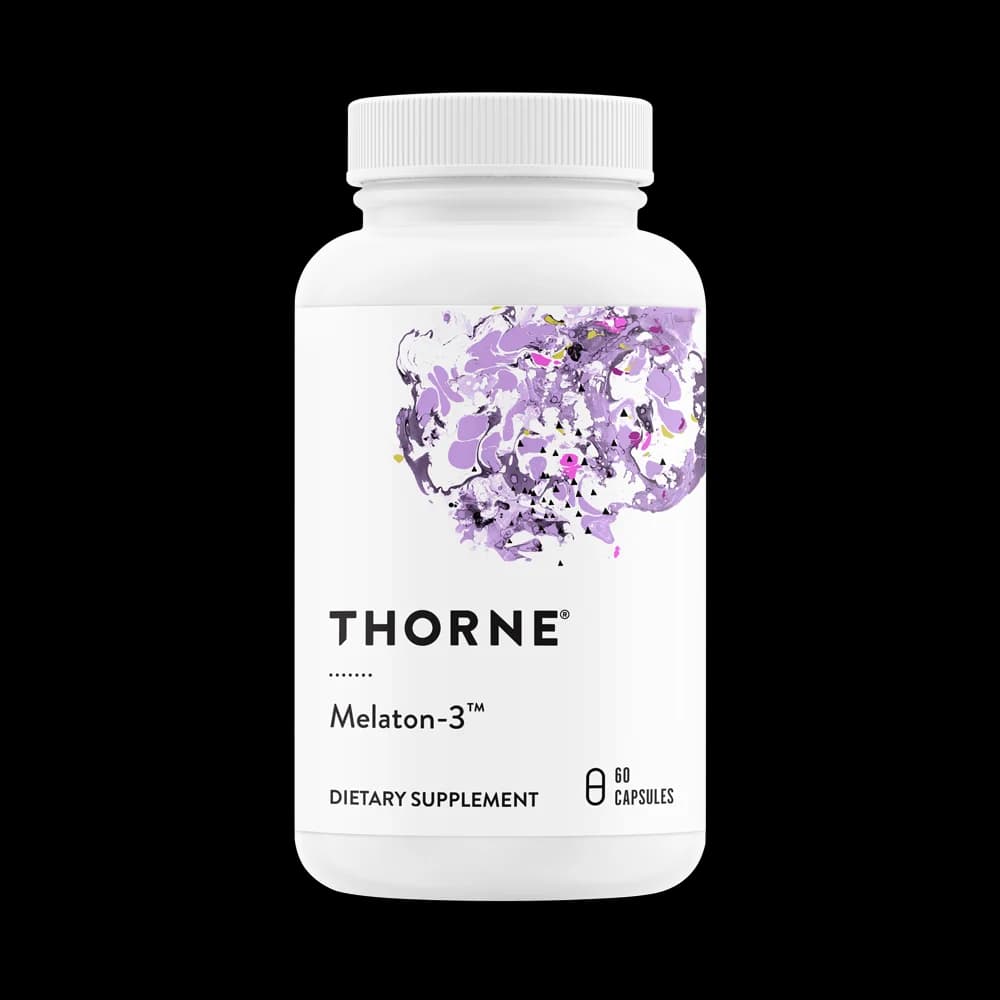
Furthermore, melatonin has a very short elimination half-life, generally ranging between 40 to 60 minutes. This means that the body clears the supplement from the bloodstream very rapidly, typically within 4 to 5 hours. To maximize absorption and effectiveness, the formulation matters. Products like Thorne's Melaton-3 utilize high-quality, pure ingredients designed for efficient dissolution and absorption. Because taking melatonin alongside carbohydrate-rich meals can sometimes impair blood glucose control and alter absorption rates, clinical guidelines often recommend taking the supplement on an empty stomach, or at least two hours after your last meal, to ensure a predictable and effective release into the bloodstream.
In the world of supplements, there is often a misconception that "more is better," but with melatonin, this is rarely the case. While over-the-counter doses can range anywhere from 0.3 mg to 10 mg or higher, clinical studies consistently indicate that a 3 mg dose is highly effective for promoting sleep onset and maintaining circadian rhythms. A 3 mg dose typically produces blood melatonin concentrations that are 10 to 100 times higher than the body's natural nighttime physiological peak, providing a robust signal to the MT1 and MT2 receptors without overwhelming the system. This dosage provides a gentle yet highly effective approach to supporting healthy sleep patterns, particularly for individuals with an age-related decrease in melatonin synthesis or those recovering from viral disruptions.
Timing is just as important as the dosage. To properly synchronize with the body's natural biological clock, a 3 mg immediate-release capsule should be taken approximately 30 to 60 minutes before your desired bedtime. Peak plasma concentration is usually reached within an hour, aligning perfectly with the time you are getting into bed. For patients with dysautonomia or POTS, specialists often advise a "start low and go slow" approach. Because melatonin can alter autonomic tone, some patients may experience temporary dizziness or an altered heart rate upon waking until their body adjusts. Starting with a 3 mg dose allows patients to gauge their physiological response safely while still receiving the therapeutic benefits of the hormone.
Melatonin is generally considered highly safe and well-tolerated for both short-term and long-term use. It has remarkably low acute toxicity, and clinical studies evaluating chronic administration have reported that daily doses do not induce tolerance or severe adverse effects. The most commonly reported side effects are mild and transient, including daytime drowsiness, mild headaches, vivid dreams, or slight dizziness. However, because melatonin is a potent hormone that acts on the central nervous system and is metabolized by the liver, it carries several clinically significant drug interactions that patients must be aware of.
Crucially, melatonin is contraindicated for individuals taking certain medications. Because it is metabolized by the CYP1A2 enzyme, taking melatonin alongside strong CYP1A2 inhibitors, such as the antidepressant fluvoxamine, can massively increase melatonin levels in the blood, leading to excessive and potentially dangerous sedation. Additionally, melatonin may potentiate the effects of blood-thinning medications (anticoagulants like warfarin), increasing the risk of bruising and bleeding. It should also be used with caution in patients taking central nervous system depressants, benzodiazepines, or blood pressure medications, as it can compound sedative effects and alter cardiovascular dynamics. As always, it is imperative to consult with your healthcare provider before adding melatonin to your regimen, especially if you are managing complex chronic conditions or taking multiple prescription medications.

Follow the Science
The scientific community's understanding of melatonin has evolved dramatically, shifting from viewing it merely as a sleep aid to recognizing it as a potent therapeutic agent for post-viral syndromes. This shift is most clearly evidenced by the launch of the NIH RECOVER-SLEEP clinical trials in May 2024. As part of a massive $1.15 billion initiative to address Post-Acute Sequelae of SARS-CoV-2 infection (PASC), researchers are conducting a double-blind, phase 2, randomized, placebo-controlled trial specifically targeting complex sleep disturbances. The trial evaluates the efficacy of an 8-week regimen of melatonin combined with tailored light therapy to resynchronize circadian rhythms and alleviate the profound insomnia and unrefreshing sleep reported by Long COVID patients.
The rationale behind this major trial stems from compelling data gathered in 2023. A meta-analysis of randomized controlled trials demonstrated that COVID-19 patients receiving melatonin had a significantly higher clinical recovery rate compared to control groups. Researchers highlighted melatonin's robust antioxidant and anti-inflammatory properties, noting its ability to act as a free radical scavenger and alleviate the mitochondrial dysfunction suspected to drive Long COVID's cognitive impairment and chronic fatigue. By targeting both the sleep-wake cycle and underlying cellular damage, these trials represent a significant step forward in validating and managing the complex pathophysiology of Long COVID.
In the realm of myalgic encephalomyelitis/chronic fatigue syndrome (ME/CFS), melatonin has been studied extensively for its ability to address delayed sleep phases and severe physical fatigue. A landmark study published in the European Journal of Neurology evaluated ME/CFS patients with a confirmed delayed Dim Light Melatonin Onset (DLMO). After three months of targeted melatonin supplementation, patients experienced significant improvements in overall fatigue severity, concentration, motivation, and physical activity levels. The benefits were most pronounced in patients with the most severely delayed sleep cycles, underscoring melatonin's efficacy as a chronobiotic.
More recently, a 2021 randomized, double-blind, placebo-controlled trial published in Antioxidants evaluated the effects of melatonin paired with zinc in ME/CFS patients over 16 weeks. The treatment group showed a statistically significant reduction in the perception of physical fatigue and demonstrated marked improvements in the physical component summary of their health-related quality of life scores. Notably, four weeks after stopping the treatment, patients experienced a symptomatic relapse in sleep quality and physical function, strongly suggesting the active therapeutic benefit of the supplement in managing the chronic, systemic burden of ME/CFS.
For patients with dysautonomia, particularly Postural Orthostatic Tachycardia Syndrome (POTS), melatonin's sympatholytic properties have been the subject of targeted clinical research. A pivotal randomized, single-blind, crossover trial conducted at Vanderbilt University evaluated the cardiovascular effects of a 3 mg oral dose of melatonin in POTS patients. The researchers found that melatonin successfully and significantly reduced the patients' standing heart rate—a decrease of about 7 beats per minute compared to the placebo—without causing a detrimental drop in systolic blood pressure.
This finding is highly clinically relevant because many POTS patients struggle with a hyperadrenergic state, where excessive norepinephrine release drives severe tachycardia upon standing. The study concluded that melatonin effectively restrains this tachycardia by modulating the autonomic nervous system. While the acute daytime administration in the study did not immediately resolve all symptom burdens, the researchers noted that nighttime administration is a highly logical clinical approach. By taking melatonin before bed, POTS patients can help regulate their disrupted sleep architecture while simultaneously mitigating the morning tachycardia and hyperarousal that so often complicate their daily lives.
The Path Forward
Living with Long COVID, ME/CFS, dysautonomia, or MCAS often means navigating a medical landscape that can feel dismissive of the profound, debilitating nature of your symptoms. When you explain that you are "tired," it rarely captures the reality of post-exertional malaise, the frustration of severe sleep latency, or the physical toll of waking up with a racing heart and unrefreshing sleep. It is vital to understand that these sleep disturbances are not a failure of willpower or simply "poor sleep hygiene." They are the result of complex, measurable physiological disruptions—from neuroinflammation and mitochondrial energy deficits to autonomic hyperarousal and altered circadian rhythms. Validating the biological reality of your experience is the first and most crucial step toward finding effective management strategies.
The emerging scientific consensus surrounding melatonin offers a beacon of hope. By recognizing melatonin not just as a sleep aid, but as a master chronobiotic, an apex antioxidant, and a mitochondrial protector, we can begin to address the root mechanisms of these post-viral syndromes. While there is no single miracle cure for complex chronic illness, targeted supplementation provides a scientifically grounded tool to help resynchronize your biological clock, soothe an overactive sympathetic nervous system, and protect your cells from the relentless burden of oxidative stress. Every small improvement in sleep architecture and cellular energy production is a meaningful victory in the journey toward a better quality of life.
It is important to remember that supplements are most effective when integrated into a comprehensive, multidisciplinary management plan. Melatonin should be viewed as one piece of a larger puzzle that includes meticulous symptom tracking, aggressive pacing to avoid post-exertional crashes, and ongoing collaboration with a knowledgeable healthcare team. Because of its specific interactions with liver enzymes and certain medications, such as blood thinners and CYP1A2 inhibitors, it is essential to consult your healthcare provider before introducing melatonin to your regimen. Together, you can determine the optimal dosage and timing to ensure it safely supports your unique physiological needs.
At RTHM, we are committed to providing you with the highest quality, science-backed tools to support your health journey. Thorne's Melaton-3 offers a clinically effective 3 mg dose of pure melatonin, rigorously tested and NSF Certified for Sport® to ensure it is free from banned substances and contaminants. If you are struggling with altered circadian rhythms, severe sleep latency, or the complex autonomic symptoms of chronic illness, this targeted formulation may help promote the restorative sleep your body desperately needs to heal.