Can Spore-Based Probiotics Like MegaSporeBiotic Support Gut Health in Long COVID and ME/CFS?
March 6, 2026
MegaSporeBioticLong COVIDME/CFS
Share:
Disclaimer: The information provided here is for educational purposes only and is not intended as medical advice. It should not be used to diagnose, treat, cure, or prevent any medical condition. Instead, use it as a starting point for discussion with your healthcare provider. Always consult with a qualified healthcare provider before starting any new medication, supplement, device, or making changes to your health regimen.
Months or even years after recovering from an initial viral infection, many individuals find themselves fighting a daily battle against debilitating, invisible symptoms. For those living with complex chronic conditions like Long COVID, myalgic encephalomyelitis/chronic fatigue syndrome (ME/CFS), and mast cell activation syndrome (MCAS), the search for answers often leads down a frustrating path of fragmented medical care. However, emerging research is increasingly pointing to a central, unifying factor in many of these systemic illnesses: the profound disruption of the gut microbiome and the loss of intestinal barrier integrity. When the delicate ecosystem of the gastrointestinal tract is thrown into chaos by viral persistence, chronic inflammation, or immune dysregulation, the effects ripple outward, impacting everything from cognitive function to cellular energy production.
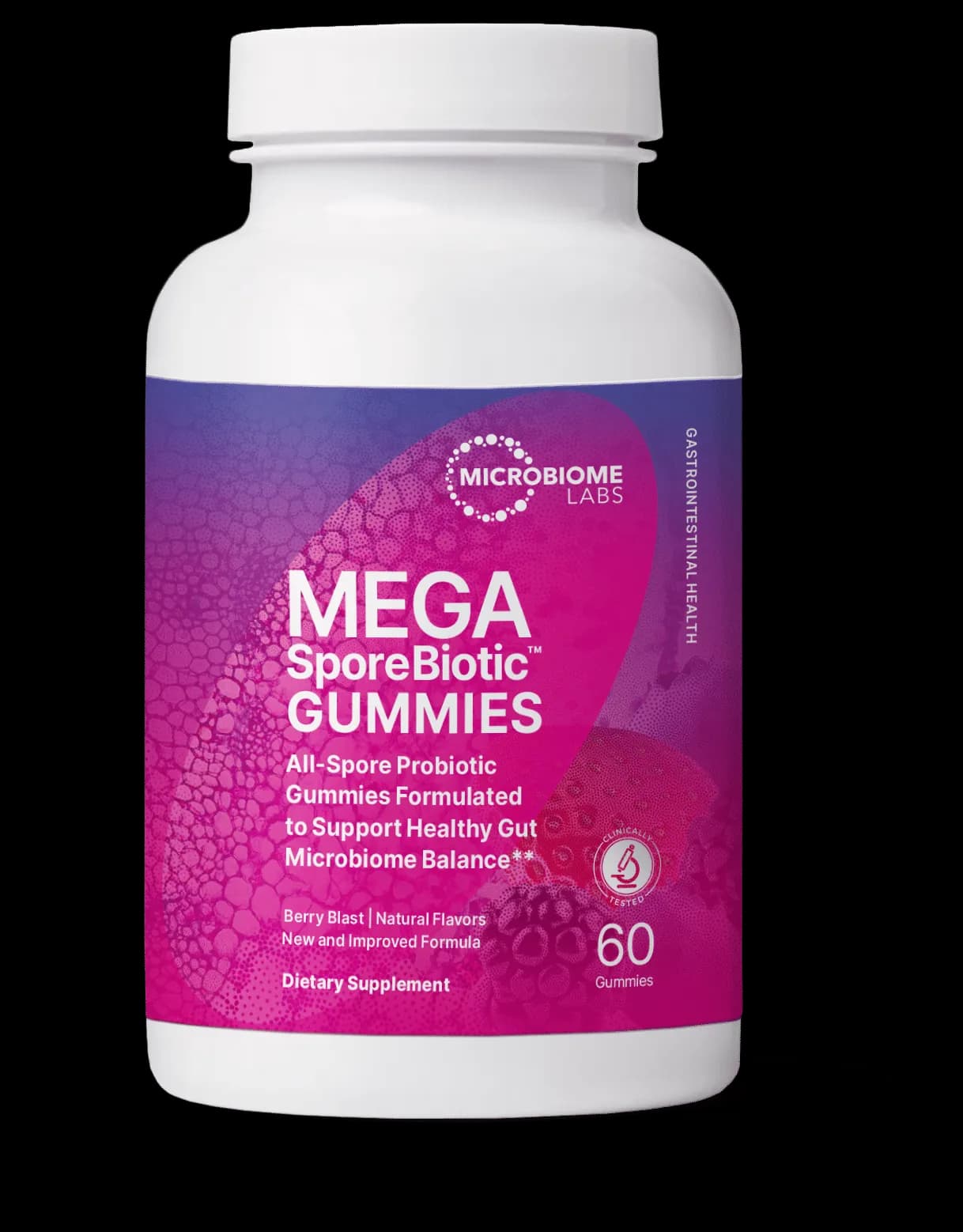
In the quest to restore balance to the body, targeted microbiome support has become a cornerstone of functional and integrative management strategies. MegaSporeBiotic Gummies offer a unique, scientifically backed approach to gut rehabilitation. By utilizing a proprietary blend of 100% spore-based Bacillus probiotics, this formulation is designed to survive the harsh environment of the stomach, colonize the lower intestines, and actively recondition the gut environment. In this comprehensive guide, we will explore the intricate mechanisms behind spore-based probiotics, examine how chronic illness impacts the gut-immune axis, and detail how the specific strains in MegaSporeBiotic may help patients manage complex symptoms and support their overall recovery journey.
What is MegaSporeBiotic?
The Power of Spore-Based Probiotics
The human gastrointestinal tract is a complex, bustling ecosystem home to trillions of microorganisms that dictate everything from our digestion and nutrient absorption to our systemic immune responses and neurological function. In a healthy body, this microbiome exists in a delicate state of homeostasis, where beneficial commensal bacteria keep opportunistic pathogens in check and maintain the integrity of the intestinal lining. MegaSporeBiotic Gummies deliver a proprietary, 100% spore-based probiotic blend designed to fundamentally recondition this internal environment. Unlike traditional probiotics, which often rely on fragile, vegetative strains of Lactobacillus or Bifidobacterium, spore-based probiotics utilize robust Bacillus strains that have evolved over millions of years to survive extreme environmental conditions. These unique microorganisms exist in a dormant, highly protected endospore state until they reach the optimal, nutrient-rich environment of the large intestine, where they germinate and become metabolically active.
The concept of reconditioning the gut, rather than simply reseeding it, is central to the efficacy of spore-based probiotics. Traditional probiotic supplements often attempt to introduce billions of foreign bacteria into the gut with the hope that they will take up residence. However, the gut microbiome is a highly territorial ecosystem, and foreign strains are rarely allowed to permanently colonize. Instead of attempting to artificially inflate the numbers of specific bacteria, the Bacillus spores in MegaSporeBiotic act more like microscopic gardeners. Once they germinate in the intestines, they actively modulate the local environment—producing antimicrobial compounds to suppress pathogenic overgrowth, altering the local pH, and secreting nutrients that feed and revive the body's native, beneficial keystone species. This ecological approach helps to restore the natural diversity and resilience of the patient's unique microbiome.
Surviving the Harsh Gastric Environment
One of the most significant and well-documented challenges in probiotic supplementation is ensuring that the beneficial bacteria actually survive the treacherous journey through the upper digestive tract. The human stomach is an incredibly harsh, highly acidic environment designed by evolution to break down complex food structures and destroy invading viral and bacterial pathogens. Traditional vegetative probiotics, which lack natural protective mechanisms, often suffer massive die-offs when exposed to stomach acid and bile salts. This means that only a minute fraction of the ingested dose ever reaches the lower intestines where it is needed most. Consequently, many traditional probiotic products must be manufactured with excessively high colony-forming unit (CFU) counts just to guarantee that a small percentage survives transit.
Spore-based probiotics, however, completely bypass this biological hurdle. The Bacillus endospores in MegaSporeBiotic are naturally encased in a tough, bi-layered outer protein coat composed of keratin-like structures. Beneath this coat lies a specialized cortex containing dipicolinic acid, a compound that binds with calcium to dehydrate the core of the spore and protect its vital DNA from heat, extreme acidity, light, and even certain antibiotics. This evolutionary armor allows the spores to boast a nearly 100% survivability rate through the gastric barrier. They remain completely dormant and unaffected by the stomach's low pH. It is only when they sense the specific amino acids, sugars, and neutral pH of the small and large intestines that they shed their protective coating, rehydrate, and begin to multiply and exert their therapeutic effects.
The Four Core Bacillus Strains
The clinical efficacy of MegaSporeBiotic Gummies lies in its specific, highly researched consortium of four distinct Bacillus strains, each offering unique and complementary biochemical benefits. The blend includes Bacillus indicus HU36, a revolutionary and patented strain known for its remarkable ability to produce highly bioavailable carotenoid antioxidants directly within the digestive tract. It also features Bacillus subtilis HU58, a robust and well-documented strain that has been extensively studied for its ability to modulate systemic immune responses, competitively exclude pathogenic bacteria, and support the production of vital short-chain fatty acids.
Rounding out the proprietary blend are two additional powerhouse strains. Bacillus clausii (SC109) is included for its well-documented capacity to maintain microbial balance during periods of intense physiological stress, immune challenge, or antibiotic use. It is particularly adept at modulating the mucosal immune system. Finally, Bacillus coagulans (SC208) is renowned for its prolific production of L-lactic acid. By producing this specific form of lactic acid, B. coagulans helps to gently lower the pH of the intestinal environment, making it highly inhospitable to pathogenic yeasts like Candida and harmful bacteria, while simultaneously creating an ideal environment for the growth of beneficial, butyrate-producing commensal microbes. Together, these four strains work in perfect synergy to support comprehensive gastrointestinal health.
How Long COVID and ME/CFS Impact the Gut Microbiome
Viral Disruption and ACE2 Downregulation
To understand why targeted gut health support is so critical in chronic, infection-associated illnesses, we must first examine how these conditions physically and biochemically alter the gastrointestinal landscape. In the context of Long COVID, the initial SARS-CoV-2 infection acts as a catastrophic trigger for the gut microbiome. The virus gains entry into human cells by binding to Angiotensin-Converting Enzyme 2 (ACE2) receptors, which are highly expressed along the epithelial lining of the intestines. When the virus binds to these receptors, it severely downregulates ACE2 expression. This downregulation impairs the absorption of crucial amino acids like tryptophan, disrupts the secretion of antimicrobial peptides, and alters local immune signaling. This viral interference creates a state of profound gut dysbiosis, characterized by a loss of microbial diversity and a dangerous depletion of beneficial, short-chain fatty acid (SCFA)-producing bacteria.
Furthermore, research into the pathophysiology of Long COVID suggests that viral antigens, or even intact viral reservoirs, may persist in the gut tissue long after the acute respiratory infection has cleared. This viral persistence acts as a constant source of immune provocation, keeping the local gut-associated immune system in a perpetual state of high alert and driving chronic, low-grade inflammation. This ongoing battle in the gut diverts crucial energy and resources away from systemic healing, contributing heavily to the profound exhaustion patients experience. You can learn more about the broader systemic impacts of this viral persistence in our detailed article on What Causes Long COVID?.
Intestinal Permeability and the Leaky Gut
This state of viral-induced dysbiosis rapidly compromises the structural integrity of the intestinal barrier, leading to a pathological condition known as intestinal permeability, commonly referred to as "leaky gut." The gut lining is composed of a single, delicate layer of epithelial cells held tightly together by complex protein structures known as tight junctions, which include proteins like zonulin, occludin, and claudin. These tight junctions act as highly selective gatekeepers, allowing microscopic nutrients to pass into the bloodstream while keeping bacteria, toxins, and undigested food particles safely inside the digestive tract. However, when beneficial SCFA-producing bacteria are depleted by chronic illness, the gut lining loses its primary fuel source—butyrate. Without adequate butyrate, the epithelial cells starve, and the tight junctions begin to degrade and pull apart.
As the intestinal barrier becomes permeable, dangerous endotoxins—specifically lipopolysaccharides (LPS) from the cell walls of Gram-negative bacteria—escape from the gut lumen and translocate directly into the systemic circulation. This phenomenon, known as metabolic endotoxemia, triggers a massive, systemic immune response. The body's macrophages detect these circulating bacterial fragments as a severe threat, triggering the NF-κB inflammatory pathway. The resulting cascade of pro-inflammatory cytokines, including Interleukin-6 (IL-6) and Tumor Necrosis Factor-alpha (TNF-alpha), drives the systemic inflammation and neuroinflammation that characterize both Long COVID and ME/CFS. In fact, recent reviews on ME/CFS and gut health highlight this endotoxemia as a primary driver of the profound fatigue, post-exertional malaise, and cognitive dysfunction patients experience.
The Mast Cell Connection (MCAS)
The physiological consequences of a compromised gut barrier extend far beyond the digestive tract, deeply impacting the body's mast cells and contributing to systemic allergic-like symptoms. Mast cells are specialized white blood cells that act as the immune system's first responders and environmental sensors. Crucially, over 70% of the body's entire immune tissue is located in the Gut-Associated Lymphoid Tissue (GALT), making the gastrointestinal tract the most mast-cell-dense environment in the human body. In a healthy, balanced gut, these mast cells remain relatively quiet, responding only to genuine parasitic or severe bacterial threats. However, in patients dealing with the overlapping complexities of chronic illness, the constant influx of translocated bacteria and undigested food antigens through a leaky gut keeps these mast cells in a relentless state of hyper-reactivity.
When repeatedly triggered by these translocated antigens, mast cells degranulate, releasing a massive flood of inflammatory mediators—including histamine, tryptase, leukotrienes, and prostaglandins—into the surrounding intestinal tissues and the bloodstream. This localized histamine release further inflames the intestinal lining, exacerbating the permeability and creating a vicious, self-perpetuating cycle of dysbiosis, barrier dysfunction, and systemic mast cell activation syndrome (MCAS). Furthermore, gut dysbiosis often impairs the body's ability to produce diamine oxidase (DAO), the primary enzyme responsible for breaking down histamine in the gut, leading to severe histamine intolerance. Understanding this interconnected web is absolutely crucial when exploring the Gastrointestinal Symptoms Seen with Long COVID and developing effective, root-cause management strategies.
MegaSporeBiotic: Supporting Gut Barrier and Immune Function
Restoring Microbial Balance and Competitive Exclusion
MegaSporeBiotic Gummies are specifically formulated to address the complex web of dysbiosis and barrier dysfunction seen in chronic illness by utilizing the unique physiological properties of Bacillus spores. When the spores reach the large intestine and germinate into their active, vegetative state, their first major mechanism of action is competitive exclusion. The gut microbiome is essentially a microscopic battleground for resources and physical space along the mucosal lining. The Bacillus strains, particularly Bacillus subtilis HU58, are incredibly adept at identifying and neutralizing pathogenic bacteria and opportunistic yeast overgrowths. They achieve this by producing an array of targeted antimicrobial peptides and bacteriocins—compounds that act like natural, localized antibiotics to selectively destroy harmful microbes without harming beneficial commensal bacteria.
By actively suppressing the populations of pro-inflammatory pathobionts, MegaSporeBiotic creates the necessary ecological space for the patient's native, beneficial bacteria to thrive and multiply. This is a critical step in breaking the cycle of dysbiosis. Furthermore, the metabolic byproducts of the Bacillus strains, such as the L-lactic acid produced by Bacillus coagulans, gently lower the pH of the local intestinal environment. This slight acidification is highly beneficial for the growth of keystone species like Akkermansia muciniphila and Faecalibacterium prausnitzii, which are frequently depleted in patients with Long COVID and ME/CFS. By acting as ecological engineers, the spore-based probiotics help to rebuild a diverse, resilient, and highly functional microbiome from the ground up.
In-Situ Antioxidant Production via Bacillus indicus HU36
One of the most remarkable and technologically advanced features of the MegaSporeBiotic blend is the inclusion of Bacillus indicus HU36. Chronic illnesses like ME/CFS and Long COVID are characterized by profound systemic oxidative stress, where an excess of free radicals damages cellular structures, impairs mitochondrial function, and drives chronic inflammation. While many patients take oral antioxidant supplements to combat this, traditional oral antioxidants (like lycopene or astaxanthin) suffer from incredibly poor bioavailability. They are highly unstable and are largely destroyed by stomach acid and digestive enzymes before they can be absorbed into the bloodstream.
Bacillus indicus HU36 solves this bioavailability problem through a process known as in-situ production. Once HU36 germinates and colonizes the large intestine, it begins to actively synthesize high levels of potent carotenoid antioxidants—including lycopene, astaxanthin, beta-carotene, and lutein—directly within the digestive tract. Because these antioxidants are produced right at the site of absorption in the gut mucosa, they completely bypass the destructive environment of the stomach. This allows for near-total absorption into the bloodstream, where they can effectively neutralize free radicals, protect mitochondrial membranes from oxidative damage, and significantly lower the systemic inflammatory burden. This localized antioxidant production is a game-changer for patients struggling with the severe oxidative stress associated with post-viral syndromes.
Repairing the Gut Barrier and Tight Junctions
Addressing intestinal permeability is perhaps the most critical step in halting the systemic inflammation that drives chronic fatigue and neuroimmune symptoms. MegaSporeBiotic supports the repair of the "leaky gut" through several distinct biochemical pathways. First, by fostering the growth of beneficial commensal bacteria, the Bacillus spores indirectly increase the overall production of short-chain fatty acids (SCFAs), particularly butyrate. Butyrate is the primary and preferred energy source for the colonocytes (the cells lining the colon). When these cells are adequately fueled by butyrate, they can upregulate the genetic expression and synthesis of tight junction proteins like zonulin and occludin, effectively "zipping" the gut lining back together and sealing the leaks.
Additionally, the Bacillus strains directly interact with the epithelial cells to promote mucosal healing. By reducing the local populations of LPS-producing Gram-negative bacteria, the spores drastically reduce the amount of endotoxin physically pressing against the gut barrier. This reduction in localized toxic stress allows the intestinal tissue to shift from a state of chronic alarm and defense into a state of cellular repair and regeneration. As the tight junctions are restored and the mucosal barrier regains its integrity, the translocation of endotoxins and undigested food antigens into the bloodstream is halted, effectively cutting off the primary fuel source for systemic inflammation and mast cell activation.
Modulating the Immune Response and GALT
Beyond physical barrier repair, the Bacillus spores in MegaSporeBiotic engage in sophisticated cross-talk with the body's immune system. Because the majority of the immune system resides in the Gut-Associated Lymphoid Tissue (GALT), the state of the gut microbiome directly dictates systemic immune function. Bacillus clausii and Bacillus subtilis have been shown to interact directly with dendritic cells and macrophages in the gut mucosa. This interaction helps to shift the immune system away from a hyper-reactive, pro-inflammatory Th2/Th17 dominant state (which drives allergies, autoimmunity, and MCAS) and toward a more balanced, regulatory state mediated by T-regulatory (Treg) cells.
These Treg cells are the "peacekeepers" of the immune system; they circulate throughout the body and release anti-inflammatory cytokines like Interleukin-10 (IL-10), which calm hyperactive mast cells and reduce systemic tissue inflammation. Furthermore, the spores stimulate the production of Secretory IgA (sIgA), the primary antibody found in mucosal secretions. Elevated sIgA levels provide a robust first line of defense against incoming viral and bacterial pathogens, helping to prevent the frequent secondary infections and viral reactivations—such as Epstein-Barr Virus (EBV) and HSV-1—that frequently plague patients with ME/CFS and Long COVID. By modulating the immune response at its source in the gut, MegaSporeBiotic helps to restore systemic immunological tolerance.

Symptoms MegaSporeBiotic May Help Manage
Targeting Gastrointestinal Distress
Bloating and Distension: By competitively excluding gas-producing pathogenic bacteria and yeast, the Bacillus strains help reduce the abnormal fermentation of carbohydrates in the small and large intestines, significantly alleviating painful bloating and abdominal distension.
Irregular Bowel Movements (Diarrhea and Constipation): The modulation of the gut microbiome and the reduction of localized mucosal inflammation help to normalize gut motility. Bacillus coagulans and Bacillus clausii, in particular, have been shown to improve stool consistency and regulate transit time, offering relief for patients with IBS-like symptoms.
Food Sensitivities and Histamine Intolerance: By repairing the tight junctions and sealing the leaky gut, MegaSporeBiotic prevents large, undigested food proteins from entering the bloodstream and triggering immune responses. Furthermore, by calming localized mast cells in the GALT, it may help reduce the severity of histamine-mediated reactions to foods.
Abdominal Pain and Cramping: The reduction of pro-inflammatory cytokines in the gut tissue, combined with the soothing effects of increased butyrate production, helps to calm the hypersensitive enteric nervous system, reducing the visceral hypersensitivity and cramping often experienced by patients with chronic dysbiosis.
Addressing Systemic and Neurological Symptoms
Brain Fog and Cognitive Dysfunction: By halting the translocation of lipopolysaccharides (LPS) into the bloodstream, the spores help prevent metabolic endotoxemia. This directly reduces the activation of microglial cells in the brain, lowering the neuroinflammation that is a primary driver of brain fog, memory issues, and cognitive slowing in Long COVID and ME/CFS.
Profound Fatigue and Post-Exertional Malaise (PEM): Systemic inflammation places a massive energy burden on the body and directly impairs mitochondrial ATP production. By sealing the gut barrier and providing highly bioavailable antioxidants via Bacillus indicus HU36, the supplement helps lower the overall inflammatory load, freeing up cellular energy and supporting mitochondrial recovery.
Immune Dysregulation and Frequent Infections: By stimulating the production of Secretory IgA (sIgA) and promoting the activity of T-regulatory cells, the probiotic blend helps to fortify the body's mucosal defenses and restore immunological balance, potentially reducing susceptibility to opportunistic infections and viral reactivations.
Systemic Joint and Muscle Pain: The systemic circulation of bacterial endotoxins from a leaky gut frequently deposits inflammatory complexes in joints and muscle tissues. By resolving the source of this endotoxemia at the gut barrier, patients may experience a reduction in widespread, inflammatory pain.
Practical Considerations: Forms, Dosing, and Absorption
The Advantage of the Gummy Format
For patients managing complex chronic illnesses, the daily burden of taking dozens of pills and capsules—often referred to as "pill fatigue"—can be overwhelming and psychologically draining. MegaSporeBiotic Gummies offer a highly practical and palatable alternative to traditional encapsulated probiotics. The gummy format delivers the exact same proprietary, 100% spore-based Bacillus blend found in the flagship MegaSporeBiotic capsules, but in a convenient, easy-to-consume form. This is particularly beneficial for individuals who struggle with dysphagia (difficulty swallowing), a symptom sometimes seen in patients with severe dysautonomia or vagus nerve dysfunction.
Beyond convenience, the gummy format does not compromise the efficacy or survivability of the probiotic strains. Because the Bacillus endospores are naturally resilient and protected by their robust protein coats, they remain completely stable and viable within the gummy matrix. They do not require the specialized enteric coatings or delayed-release capsules that fragile vegetative strains depend on to survive stomach acid. This ensures that every gummy delivers a potent, active dose of therapeutic spores directly to the large intestine, exactly where they are needed to initiate microbiome reconditioning and barrier repair.
Dosing and Titration Strategies
The standard suggested use for adults (ages 18 and older) is to take two gummies per day, or as directed by a healthcare practitioner. However, when introducing a powerful, active microbiome modulator like MegaSporeBiotic into a highly dysbiotic gut, a cautious and gradual titration strategy is often recommended by functional medicine practitioners. Because the Bacillus spores actively target and destroy pathogenic bacteria and yeast, a rapid die-off of these harmful microbes can release a sudden flood of endotoxins into the gut. This can trigger a temporary exacerbation of symptoms—such as increased fatigue, brain fog, bloating, or mild flu-like sensations—known as a Herxheimer reaction.
To minimize the risk of a severe die-off reaction, patients with Long COVID, ME/CFS, or severe MCAS may benefit from starting with a reduced dose, such as one gummy every other day, for the first week. If tolerated well, the dose can be slowly increased to one gummy daily, and eventually to the full dose of two gummies per day over the course of several weeks. It is generally recommended to take the gummies with a meal. Taking the supplement alongside food, particularly a meal containing healthy fats, can enhance the absorption of the fat-soluble carotenoid antioxidants (like astaxanthin and lycopene) produced by the Bacillus indicus HU36 strain in the gut.
Survivability, Storage, and Interactions
One of the most significant practical advantages of spore-based probiotics is their incredible environmental stability. Unlike traditional Lactobacillus or Bifidobacterium supplements, which are highly sensitive to heat and moisture and rapidly lose potency if left out of the fridge, MegaSporeBiotic Gummies are completely shelf-stable. They do not require refrigeration and can withstand extreme temperature fluctuations without any degradation of the spore count. This makes them an ideal option for travel or for patients who struggle with the cognitive load of managing complex, temperature-sensitive medication regimens.
Regarding interactions, spore-based probiotics are generally very well tolerated and have a high safety profile. Interestingly, because strains like Bacillus clausii possess innate resistance to several common classes of antibiotics, spore-based probiotics are often uniquely suited for co-administration during necessary antibiotic therapy to help prevent antibiotic-associated diarrhea and protect the native microbiome from total decimation. However, as with any new supplement, especially in the context of complex chronic illness and polypharmacy, it is crucial to consult with a healthcare provider before adding MegaSporeBiotic to your regimen to ensure it aligns with your specific clinical needs and treatment plan.

Follow the Science
Clinical Trials on Bacillus subtilis HU58
The scientific literature surrounding spore-forming Bacillus probiotics has expanded rapidly, providing robust clinical validation for their mechanisms of action. Bacillus subtilis HU58, a core component of the MegaSporeBiotic blend, has been extensively studied for its profound effects on systemic inflammation and gastrointestinal integrity. A landmark 2017 clinical trial in healthy adults demonstrated that just 8 weeks of daily HU58 supplementation significantly reduced major systemic pro-inflammatory markers. Specifically, researchers observed a remarkable 45% reduction in Interleukin-6 (IL-6) and a 55% reduction in Tumor Necrosis Factor-alpha (TNF-alpha), alongside notable improvements in overall stool consistency. These specific cytokines are heavily implicated in the neuroinflammation and fatigue seen in ME/CFS and Long COVID.
Furthermore, HU58 has shown significant promise in managing severe metabolic and hepatic conditions driven by gut dysbiosis. A double-blind, placebo-controlled pilot study investigated HU58 as an add-on therapy for patients with hepatic encephalopathy. The trial revealed that patients in the probiotic group with severe baseline blood ammonia levels experienced a significant 26.5% reduction in blood ammonia, while the placebo group actually saw an increase. This demonstrates the strain's powerful ability to modulate toxic metabolic byproducts originating from the gut microbiome, a mechanism highly relevant to the D-lactic acidosis and endotoxemia often suspected in complex chronic fatigue syndromes.
Research on Bacillus indicus HU36 and Systemic Inflammation
Bacillus indicus HU36 is perhaps the most unique strain in the blend due to its in-situ antioxidant production, and it has been the subject of several compelling clinical trials, primarily studied as part of a multi-spore consortium. A 2023 retrospective observational study evaluated the effects of an HU36-containing multi-strain spore probiotic on patients recovering from mild COVID-19. The researchers found that patients who had been taking the spore-based probiotic for at least one month prior to infection experienced a significantly faster time to complete symptom resolution compared to those who did not, highlighting the protective and immunomodulatory power of a pre-conditioned gut microbiome.
Additionally, the systemic anti-inflammatory effects of the HU36 blend have been demonstrated in dermatological and cardiovascular studies. A 12-week open-label clinical trial evaluated the blend in patients with psoriasis, a severe autoimmune skin condition driven by systemic inflammation. Patients receiving the HU36-containing probiotic exhibited superior improvements in skin thickness and lowered inflammatory markers, with microbiome analysis revealing a distinct shift toward an anti-inflammatory microbial profile. Similarly, a randomized, double-blind, placebo-controlled trial showed that the spore blend significantly reduced blood triglycerides in patients with hypertriglyceridemia, further validating its ability to modulate systemic metabolic health from within the gut.
Evidence for Bacillus clausii and Bacillus coagulans in Gastrointestinal Relief
The remaining strains in the MegaSporeBiotic blend, Bacillus clausii and Bacillus coagulans, boast decades of clinical data supporting their efficacy in treating acute and chronic gastrointestinal distress. A 2025 systematic review analyzing multi-center clinical trials concluded that B. clausii is highly effective at preventing antibiotic-associated diarrhea (AAD). Furthermore, the large-scale CODDLE study demonstrated that B. clausii treatment significantly reduced the mean number of diarrhea stools from 5.2 per day at baseline to just 1.2 per day, proving its rapid efficacy in restoring mucosal homeostasis during acute dysbiosis.
Bacillus coagulans has emerged as a gold-standard strain for the management of Irritable Bowel Syndrome (IBS), a condition frequently comorbid with ME/CFS and Long COVID. A double-blind randomized controlled trial on the B. coagulans Unique IS2 strain showed that an astonishing 90.57% of IBS patients experienced a greater than 50% reduction in severe abdominal pain by the end of the trial. More recently, a 2024 double-blind trial demonstrated major reductions in IBS severity and gastrointestinal symptom frequency, with the probiotic group also reporting highly significant improvements in mental stress relief, beautifully illustrating the profound bidirectional communication of the gut-brain axis.
The Path Forward
Patience in the Healing Process
Living with conditions like Long COVID, ME/CFS, and MCAS is a daily exercise in resilience. The symptoms are often unpredictable, invisible to the outside world, and profoundly disruptive to every aspect of life. It is entirely valid to feel frustrated by the slow pace of recovery and the trial-and-error nature of finding effective management strategies. When incorporating a powerful tool like MegaSporeBiotic Gummies into your protocol, it is vital to approach the process with patience and self-compassion. Reconditioning a deeply dysbiotic gut microbiome and repairing the structural integrity of a permeable intestinal barrier is not an overnight fix; it is a biological rebuilding process that typically requires consistent support over the course of three to six months.
A Comprehensive Approach to Chronic Illness
While spore-based probiotics offer a scientifically rigorous, targeted approach to resolving metabolic endotoxemia and modulating the gut-immune axis, they are most effective when utilized as one piece of a broader, comprehensive management puzzle. True healing requires a multi-system approach that includes aggressive radical resting, meticulous symptom tracking, and strict adherence to pacing to avoid post-exertional crashes. You can explore more about these holistic strategies in our guide on How Can You Live with Long-Term COVID. By combining foundational gut support with nervous system regulation and personalized medical care, patients can begin to slowly unravel the complex web of systemic inflammation and reclaim their quality of life.
Explore MegaSporeBiotic Gummies
If you are struggling with the systemic, neuroimmune, or gastrointestinal symptoms of complex chronic illness, restoring your gut barrier may be a critical step forward. Always consult with your primary healthcare provider or a functional medicine specialist before introducing new supplements, especially if you are managing severe mast cell reactivity or are on complex medication regimens. They can help you determine the appropriate titration schedule and ensure this intervention aligns safely with your overall treatment goals.
Sources
The potential therapeutic approaches targeting gut health in ME/CFS: a narrative review
Efficacy of Bacillus subtilis HU58 in Pediatric Antibiotic-Associated Diarrhea
Bacillus subtilis HU58 as Add-on Therapy for Hepatic Encephalopathy
Retrospective Observational Study on Spore-Based Probiotics and COVID-19 Recovery
Systematic Review of Bacillus clausii for Antibiotic-Associated Diarrhea
CODDLE Study: Bacillus clausii in Acute Community-Acquired Diarrhea
Efficacy of Bacillus coagulans BCP92 in IBS and Mental Stress