Can Spore-Based Probiotics Help Manage Pediatric Long COVID and Gut Dysbiosis?
March 6, 2026
MegaSporeBioticLong COVIDGut Health
Share:
Disclaimer: The information provided here is for educational purposes only and is not intended as medical advice. It should not be used to diagnose, treat, cure, or prevent any medical condition. Instead, use it as a starting point for discussion with your healthcare provider. Always consult with a qualified healthcare provider before starting any new medication, supplement, device, or making changes to your health regimen.
Months or even years after recovering from an initial SARS-CoV-2 infection, many children and adolescents continue to fight debilitating, unpredictable symptoms. For parents and caregivers, watching a child struggle with pediatric Long COVID, myalgic encephalomyelitis/chronic fatigue syndrome (ME/CFS), or dysautonomia is an incredibly frustrating and isolating experience. When standard pediatric tests come back "normal," yet your child is still battling severe abdominal pain, chronic nausea, profound fatigue, and cognitive dysfunction, it can feel like you are out of medical options. However, emerging medical research is shining a bright light on a critical, often-overlooked driver of these systemic symptoms: the gastrointestinal microbiome.
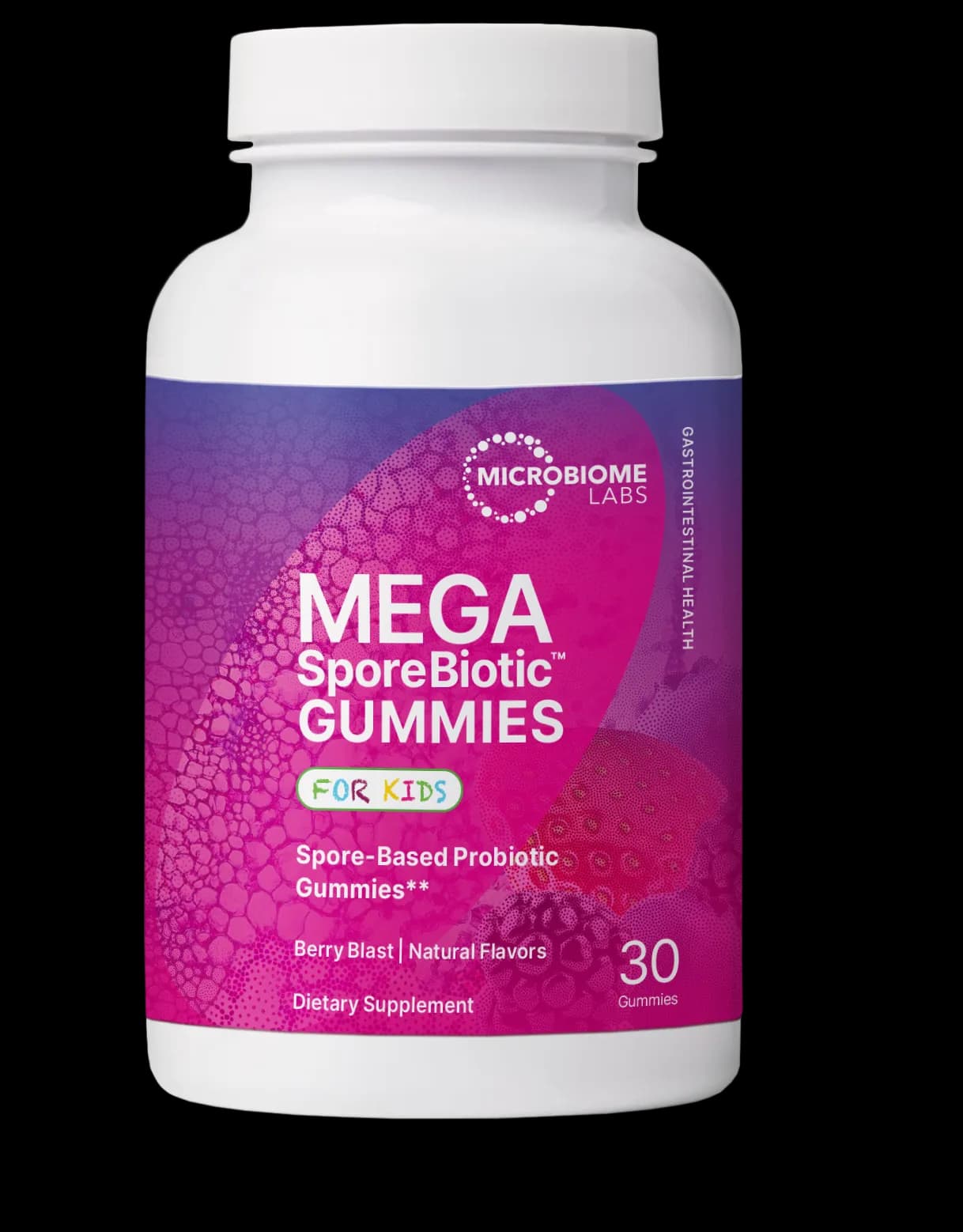
In the wake of the COVID-19 pandemic, scientists have discovered that the virus can severely disrupt the delicate ecosystem of bacteria in the gastrointestinal tract, leading to a state of chronic inflammation known as dysbiosis. This microbial imbalance doesn't just cause digestive distress; through the gut-brain axis, it fuels systemic issues like brain fog, immune dysregulation, and autonomic nervous system dysfunction. Addressing this foundational gut damage is paramount for post-viral recovery. MegaSporeBiotic Gummies For Kids by Microbiome Labs offers a scientifically backed, kid-friendly approach to gut restoration. By utilizing highly resilient, spore-based Bacillus strains, this targeted probiotic is designed to survive the harsh gastric environment, support the intestinal barrier, and modulate the immune system from the inside out.
TL;DR
Long COVID can disrupt the pediatric gut microbiome, driving systemic inflammation and symptoms like brain fog.
Spore-based probiotics survive stomach acid to support gut barrier repair and microbiome balance.
Specific Bacillus strains may help manage post-viral GI symptoms, immune dysregulation, and food sensitivities.
Always consult a healthcare provider before starting new supplements for complex chronic conditions.
What are Spore-Based Probiotics?
The Foundation of the Pediatric Microbiome
The human gastrointestinal tract is home to trillions of microorganisms, collectively known as the gut microbiome. In a healthy child, this complex ecosystem operates like a highly efficient, self-regulating organ. Beneficial bacteria in the colon ferment dietary fibers to produce short-chain fatty acids (SCFAs), such as butyrate, propionate, and acetate. These SCFAs are the primary fuel source for colonocytes (the cells lining the colon) and are absolutely essential for maintaining the structural integrity of the gut barrier. Without adequate SCFAs, the intestinal lining becomes compromised, leading to systemic health issues.
Furthermore, because approximately 70% to 80% of the body's immune cells reside in the gut-associated lymphoid tissue (GALT), a diverse and balanced pediatric microbiome is critical for early-life immune imprinting. The bacteria in the gut constantly communicate with the host's immune system, teaching it how to distinguish between harmless environmental proteins (like food particles) and dangerous pathogens (like viruses and harmful bacteria). This continuous cross-talk ensures that the immune system remains vigilant against threats without becoming hyper-reactive and triggering unnecessary allergic or autoimmune responses.
The Vulnerability of Traditional Probiotics
When a child's gut becomes compromised by viral infections, antibiotics, or chronic stress, pediatricians often recommend traditional probiotic supplements containing vegetative strains like Lactobacillus and Bifidobacterium. While these lactic-acid-producing bacteria are undeniably important for human health and play a key role in a balanced microbiome, they possess a significant structural vulnerability when taken as an oral supplement: they are incredibly fragile. Vegetative bacteria are highly susceptible to extreme environmental stressors, particularly heat and acidity.
When swallowed, the vast majority of these traditional probiotic strains are rapidly destroyed by the highly acidic environment of the stomach, which typically has a pH ranging from 1.5 to 3.5. If they manage to survive the stomach, they must then face the antimicrobial bile salts secreted into the upper small intestine. Consequently, only a tiny fraction of the ingested vegetative bacteria ever reaches the large intestine alive. This massive die-off severely limits their supportive potential for deep gut restoration, as dead bacteria cannot colonize the gut or produce the necessary postbiotic metabolites required for supporting gut health.
The Spore Advantage: Built-In Biological Armor
This is where spore-based probiotics, specifically those from the Bacillus genus, offer a revolutionary advantage in gastrointestinal support. Unlike traditional vegetative strains, Bacillus bacteria possess the unique biological ability to form a highly protective, dormant outer shell known as an endospore. This microscopic "body armor" is composed of a tough keratin-like protein coating that allows the bacteria to survive extreme temperatures, desiccation, UV radiation, and, most importantly, the harsh, acidic gauntlet of the human digestive tract.
Clinical research demonstrates that spore-based probiotics boast a nearly 100% survivability rate through the stomach acid and bile salts. Because they are in a dormant state during transit, they do not require refrigeration and are completely unaffected by the digestive process. Once these spores safely reach the nutrient-rich, favorable environment of the large intestine, they undergo a rapid process called germination.
During germination, the Bacillus spores shed their protective shells, revert to their active, vegetative state, and immediately begin colonizing the gut mucosa. Once active, they utilize a communication method called quorum sensing to assess the microbial landscape. They then begin crowding out pathogenic overgrowths and producing vital beneficial compounds—such as antimicrobial peptides, antioxidants, and lactic acid—to support microbial homeostasis and support the growth of the host's native, beneficial flora.
How Long COVID Impacts the Pediatric Gut Microbiome
Viral Persistence and the ACE2 Receptor
To understand why children with Long COVID suffer from chronic gastrointestinal issues, we must look at how the SARS-CoV-2 virus interacts with the body at a cellular level. The virus gains entry into human cells by binding to the Angiotensin-Converting Enzyme 2 (ACE2) receptor. While these receptors are present in the lungs, they are actually expressed in significantly higher concentrations along the epithelial lining of the small intestine and colon. This makes the gastrointestinal tract a primary target for the virus. If you are wondering What Causes Long COVID?, this initial cellular invasion is a major piece of the puzzle.
Recent studies published in Cell iScience and other leading journals have demonstrated that viral RNA and viral antigens can persist in the gut mucosa and feces of patients for many months, or even years, after the acute respiratory infection has resolved. This phenomenon, known as viral persistence, turns the gut into a hidden reservoir for the virus. The continuous presence of viral particles triggers a localized, chronic immune response in the intestinal lining, leading to persistent, low-grade inflammation that disrupts normal digestive processes and damages the mucosal barrier.
Post-Viral Dysbiosis and the Loss of Keystone Species
This chronic localized inflammation inevitably leads to a profound disruption of the gut microbiome, a state known as post-viral dysbiosis. Extensive research on the gut-lung axis reveals that SARS-CoV-2 infection causes a massive depletion of keystone bacterial species, particularly those responsible for producing short-chain fatty acids (SCFAs). Crucial beneficial bacteria, such as Faecalibacterium prausnitzii and Bifidobacterium, are frequently decimated in pediatric Long COVID patients. Because these bacteria are responsible for keeping inflammation in check, their absence creates a dangerous biological vacuum.
Nature abhors a vacuum, and in the gut, this empty space is quickly filled by opportunistic, pro-inflammatory pathogens. Studies have shown an overabundance of harmful bacteria like Ruminococcus gnavus and Bacteroides vulgatus in post-COVID patients. This pathogenic overgrowth further suppresses the immune system and halts the production of butyrate, the essential fuel that keeps the gut lining healthy and intact. This vicious cycle of depletion and overgrowth traps the child in a state of chronic illness.
Dietary Endotoxemia and "Leaky Gut"
The most severe consequence of post-viral dysbiosis is the breakdown of the intestinal barrier, commonly referred to as "leaky gut" or, in clinical terms, intestinal permeability. The cells lining the gut are normally held tightly together by proteins called tight junctions (such as zonulin and occludin). These junctions act as a highly selective filter, allowing digested nutrients to pass into the bloodstream while keeping bacteria, toxins, and undigested food particles safely inside the digestive tract. However, the chronic inflammation and lack of butyrate caused by Long COVID cause these tight junctions to loosen and pull apart.
When the gut barrier becomes permeable, toxic byproducts from the overgrown pathogenic bacteria—specifically lipopolysaccharides (LPS), also known as endotoxins—leak directly into the bloodstream. This process is known as dietary endotoxemia. Once in the blood, these endotoxins trigger a massive, systemic immune response, leading to the widespread Gastrointestinal Symptoms Seen with Long COVID. The immune system goes into overdrive, releasing a storm of pro-inflammatory cytokines (like IL-6 and TNF-alpha) that circulate throughout the entire body, causing joint pain, severe fatigue, and allergic-like reactions.
The Gut-Brain Axis and Vagus Nerve Dysfunction
The systemic inflammation caused by leaky gut does not stay confined to the body; it profoundly impacts the brain and the nervous system via the gut-brain axis. The gut and the brain are physically connected by the vagus nerve, a massive neural superhighway that controls the autonomic nervous system, including involuntary functions like heart rate, breathing, and digestion. When endotoxins and inflammatory cytokines from a leaky gut cross the blood-brain barrier, they cause neuroinflammation, which manifests clinically as the severe "brain fog," cognitive impairment, and memory issues frequently seen in pediatric Long COVID.
Furthermore, this neuroinflammation can damage or suppress the function of the vagus nerve itself. When the vagus nerve is impaired, it can no longer properly signal the stomach and intestines to contract and move food along (a process called peristalsis). This neurologically driven dysmotility leads to severe pediatric conditions like gastroparesis (delayed stomach emptying), chronic constipation, and debilitating nausea. In these cases, the child's digestive issues are not just a "stomach problem"—they are a complex neuroimmune condition driven by gut dysbiosis.
MegaSporeBiotic: Supporting Gut Repair and Immunity
Bacillus indicus HU36: The In-Vivo Antioxidant Factory
One of the most remarkable strains in MegaSporeBiotic Gummies is Bacillus indicus HU36. This patented strain serves a highly unique function: it is the first commercially available probiotic strain that produces high levels of powerful antioxidants directly inside the digestive tract. Oxidative stress—an imbalance between free radicals and antioxidants—is a primary driver of tissue damage in the gut lining and a major contributor to intestinal permeability. When the gut is inflamed due to Long COVID or ME/CFS, reactive oxygen species (ROS) actively destroy the tight junction proteins that hold the gut barrier together.
Traditional antioxidant supplements (like Vitamin C or CoQ10) are often degraded by stomach acid or poorly absorbed, meaning very little reaches the large intestine where the damage is occurring. Bacillus indicus HU36 solves this bioavailability problem by acting as an in-vivo antioxidant factory. Once it germinates in the large intestine, it begins synthesizing distinct yellow-orange carotenoids (similar to those found in carrots and tomatoes) right at the site of the inflammation. These gut-produced antioxidants are highly gastric-stable and immediately go to work neutralizing free radicals, quenching oxidative stress, and providing the cellular protection necessary to support the gut lining.
Bacillus subtilis HU58: The Microbiome Modulator and SCFA Booster
Bacillus subtilis HU58 is the heavy lifter when it comes to actively remodeling the dysbiotic microbiome. This robust strain acts as a competitive excluder, meaning it actively seeks out and eliminates pathogenic bacteria that have overgrown in the gut. HU58 achieves this by secreting nearly 12 targeted antimicrobial peptides (bacteriocins) that specifically destroy harmful opportunistic pathogens, such as Staphylococcus and Clostridium species, without harming the host's beneficial flora. By clearing out the "bad guys," HU58 creates the physical space and biological environment needed for healthy bacteria to return.
Beyond its antimicrobial properties, Bacillus subtilis HU58 is a massive driver of short-chain fatty acid (SCFA) production. Clinical models have demonstrated that HU58 can increase the production of SCFAs, particularly butyrate, by up to 40%. Butyrate is the critical energy source for colonocytes; it reduces mucosal inflammation, promotes the repair of tight junctions, and increases the production of mucin, the protective mucus layer that coats the intestinal lining. By boosting butyrate levels, HU58 helps address the SCFA depletion commonly seen in post-viral syndromes, helping to support the "leaky gut" barrier.
Bacillus coagulans: Lactic Acid Production and pH Regulation
The inclusion of Bacillus coagulans (SC208) provides a unique metabolic advantage. Unlike most Bacillus species, B. coagulans is a prolific producer of L-lactic acid. In a dysbiotic gut, the pH often becomes too alkaline, which creates an environment where pathogenic bacteria and yeast (like Candida) can thrive. By producing lactic acid, B. coagulans gently lowers the pH of the large intestine, restoring a slightly acidic environment. This acidic shift is highly unfavorable to pathogens but perfectly suited for the growth of indigenous, beneficial lactic-acid bacteria like Lactobacillus and Bifidobacterium.
Clinically, Bacillus coagulans is highly regarded for its ability to manage functional gastrointestinal disorders. Because of its enzymatic activity and lactic acid production, it is particularly effective at accelerating gastric emptying and improving intestinal motility. For pediatric patients suffering from Long COVID-induced constipation, bloating, and irritable bowel syndrome (IBS) symptoms, B. coagulans helps regulate the pace of digestion, reducing abdominal discomfort and the buildup of painful trapped gas.
Bacillus clausii: Systemic Immune Modulation
Bacillus clausii (SC109) is widely recognized as one of the most powerful immunomodulatory probiotic strains available. Because the majority of the immune system is located in the gut, B. clausii acts as a direct communicator with the host's immune cells. When it colonizes the gut, it stimulates the intestinal epithelial cells to synthesize powerful antimicrobial peptides, specifically human beta-defensin 2 (HBD-2) and cathelicidin. These host-produced peptides act as a natural, broad-spectrum defense system against viral and bacterial invaders, bolstering the child's innate immunity.
Furthermore, Bacillus clausii plays a crucial role in balancing the adaptive immune system. In children with post-viral syndromes, the immune system is often stuck in a hyper-inflammatory, allergic state (known as a Th2 dominant response), which drives symptoms like mast cell activation and food sensitivities. B. clausii helps shift this immune response back toward a protective, regulatory state (Th1/Treg balance). It achieves this by downregulating pro-inflammatory interleukins like IL-4 and boosting the production of anti-inflammatory cytokines like IL-10 and TGF-beta. This systemic immune calming is essential for reducing the chronic inflammation that fuels Long COVID symptoms.

Symptoms MegaSporeBiotic Gummies May Help Manage
Abdominal Pain and Cramping: By lowering gut inflammation, modulating the local immune response, and crowding out gas-producing pathogenic bacteria, spore-based probiotics help soothe the irritated intestinal lining and reduce the frequency and severity of pediatric abdominal pain.
Chronic Diarrhea and Loose Stools: Research suggests strains like Bacillus clausii may help reduce the duration and severity of diarrhea by supporting water absorption in the colon, neutralizing bacterial toxins, and supporting the protective mucosal barrier.
Constipation and Dysmotility: Bacillus coagulans produces lactic acid and specific digestive enzymes that help regulate gut pH and stimulate healthy peristalsis, encouraging regular, comfortable bowel movements in children with sluggish digestion or mild gastroparesis.
Brain Fog and Cognitive Fatigue: By supporting the tight junctions in the gut, these spores may help keep inflammatory endotoxins (LPS) from leaking into the bloodstream and crossing the blood-brain barrier, thereby helping to manage the neuroinflammation associated with post-viral brain fog.
Food Sensitivities and Histamine Reactions: Unlike traditional fermented probiotics that can trigger Mast Cell Activation Syndrome (MCAS), these specific Bacillus strains do not produce histamine. Instead, they help calm the hyper-reactive Th2 immune response, potentially reducing the severity of new-onset food intolerances.
Frequent Infections and Immune Dysregulation: By stimulating the production of host antimicrobial peptides (like HBD-2) and increasing the abundance of beneficial, immune-supporting bacteria, MegaSporeBiotic helps retrain and strengthen the pediatric immune system against secondary viral and bacterial infections.
Practical Considerations: Forms, Dosing, and Absorption
The Gummy Advantage and Unmatched Survivability
Administering supplements to children, especially those dealing with the nausea and appetite loss associated with Long COVID, can be a daily battle. MegaSporeBiotic Gummies for Kids bypasses the difficulty of swallowing large capsules or dealing with unpleasant tasting powders. Formulated with natural blueberry, strawberry, and blackberry flavors, these gummies provide a highly palatable, stress-free delivery method. Each gummy delivers a clinically relevant dose of 2 Billion CFU (Colony Forming Units) of the proprietary Bacillus blend, ensuring that the child receives a potent supportive option in a format they actually enjoy.
The true advantage of this formulation, however, lies in the biological resilience of the spores themselves. Because the Bacillus strains are encased in their dormant endospore armor, they are impervious to the heat and moisture that typically destroy traditional gummy probiotics. There is absolutely no need to refrigerate MegaSporeBiotic Gummies, making them incredibly convenient for travel or school. More importantly, this resilience guarantees that 100% of the 2 Billion CFUs will survive the child's stomach acid and arrive alive in the large intestine, ready to germinate and support the gut.
Optimal Dosing, Timing, and Titration
The suggested use for children ages 4 and up is to chew one gummy daily, or as directed by a healthcare practitioner. Because spore-based probiotics are highly active and immediately begin killing off pathogenic bacteria upon reaching the gut, it is not uncommon for patients with severe dysbiosis to experience a mild "die-off" reaction (known as a Herxheimer reaction). As the harmful bacteria die, they release toxins that can temporarily cause mild bloating, gas, or changes in bowel movements. To minimize this, practitioners often recommend starting slowly—perhaps half a gummy every other day—and gradually titrating up to the full daily dose as the child's gut adjusts.
For optimal absorption and efficacy, it is highly recommended to take MegaSporeBiotic Gummies with a meal, particularly one that contains some dietary fat and complex carbohydrates. The presence of food in the stomach triggers the digestive process, signaling the spores that they are entering a nutrient-rich environment. The physical churning of the stomach and the release of digestive enzymes help prime the endospores for rapid germination once they reach the large intestine. Learning How Can You Live with Long-Term COVID involves establishing these small, consistent daily routines that maximize supportive benefits.
Histamine Compatibility and MCAS
A critical consideration for children with Long COVID, ME/CFS, or dysautonomia is the frequent co-occurrence of Mast Cell Activation Syndrome (MCAS) or severe histamine intolerance. In these conditions, the child's immune system inappropriately releases massive amounts of histamine, triggering allergic-like reactions, flushing, tachycardia, and severe gastrointestinal distress. Unfortunately, many traditional gut-supporting protocols rely heavily on fermented foods (like kefir, sauerkraut, and kombucha) and traditional Lactobacillus probiotics, which are notorious histamine producers. Giving these to a child with MCAS can trigger a severe symptom flare.
MegaSporeBiotic Gummies offer a profoundly safer alternative for this sensitive population. The specific Bacillus strains used in this formulation (B. indicus, B. subtilis, B. coagulans, and B. clausii) do not produce histamine in the gut. In fact, by actively repairing the intestinal barrier and downregulating the hyper-reactive Th2 immune response, these spores help stabilize mast cells and reduce the overall systemic histamine burden. This makes spore-based probiotics a foundational, highly tolerated intervention for children with complex, histamine-driven chronic illnesses.

Follow the Science
Reversing Leaky Gut: The Seminal 2017 Trial
The therapeutic power of the specific Bacillus strains found in MegaSporeBiotic is backed by rigorous clinical data. The most prominent evidence regarding their ability to repair the gut barrier comes from a seminal 2017 clinical trial published in the World Journal of Gastrointestinal Pathophysiology. Researchers at the University of North Texas investigated individuals suffering from dietary endotoxemia—a hallmark of leaky gut where toxic bacterial fragments (LPS) flood the bloodstream after eating. Participants were given either a placebo or a 30-day course of a spore-based probiotic blend.
The results were highly significant. After just 30 days, with no other changes to diet or lifestyle, the probiotic group experienced a massive 42% reduction in post-prandial serum endotoxin levels, suggesting support for the intestinal barrier. Conversely, the placebo group saw their endotoxin levels increase by 36%. Furthermore, the spore-supplemented group exhibited a 24% reduction in blood triglycerides and significant decreases in systemic inflammatory cytokines, specifically IL-12p70 and IL-1β. This trial suggested that these specific Bacillus spores can help support intestinal permeability and manage systemic inflammation.
Spore Probiotics in Post-Viral Recovery
More recently, researchers have directly investigated the use of spore-based probiotics in the context of COVID-19 recovery. An observational study published in the journal Nutrients evaluated patients suffering from mild to moderate COVID-19 infections. The researchers compared a control group to a treatment group that had been taking a 5-strain Bacillus spore probiotic blend. The clinical outcomes strongly supported the gut-lung axis theory of recovery.
Patients taking the spore-based probiotics experienced symptom improvement significantly faster than the control group (averaging 6.63 days versus 8.48 days). They also experienced a much faster reduction in fever. Most notably, the spore-supplemented group saw a significant reduction in gastrointestinal symptoms, which are a massive driver of prolonged post-viral illness. When parents ask What Drugs Are Used for COVID Long Haulers?, it is vital to recognize that while pharmaceuticals have their place, foundational microbiome support with researched spores is emerging as a critical, evidence-based pillar of recovery.
Pediatric Efficacy in Diarrhea and IBS
The individual strains within the MegaSporeBiotic formulation have also been studied in pediatric populations. Research, such as a 2024 double-blind, controlled clinical trial, has explored the use of high-dose Bacillus clausii and Bacillus coagulans in children experiencing persistent diarrhea and GI distress. Studies indicate that probiotic groups may experience faster improvement than placebo groups and exhibit immunomodulatory effects. Blood tests in such studies have revealed decreases in pro-inflammatory cytokines, suggesting the systemic anti-inflammatory potential of these spores.
Similarly, a clinical study involving 141 children with Irritable Bowel Syndrome (IBS) demonstrated that 8 weeks of supplementation with Bacillus coagulans resulted in statistically significant improvements across all assessed GI symptoms. The children experienced marked reductions in abdominal discomfort, bloating, and gas compared to the placebo control. These targeted pediatric trials suggest that the strains in MegaSporeBiotic Gummies are safe for children and can be highly effective at supporting the management of the exact types of severe functional GI disorders frequently triggered by Long COVID.
The Path Forward
Validating the Pediatric Chronic Illness Experience
Navigating a complex chronic illness like Long COVID, ME/CFS, or dysautonomia with a child is an exhausting journey. It is entirely valid to feel overwhelmed when your child's symptoms fluctuate wildly from day to day, and it is devastating to watch them miss out on school, sports, and normal childhood activities due to severe fatigue and gastrointestinal pain. Healing from post-viral dysbiosis is not a linear process, and it requires immense patience. Acknowledging the reality of this invisible illness is the first step toward finding a sustainable path forward.
A Comprehensive, Multi-System Approach
While MegaSporeBiotic Gummies offer a powerful, science-backed tool for repairing the gut barrier and modulating the immune system, they are most effective when used as part of a comprehensive management strategy. Healing the pediatric microbiome requires a multi-system approach that includes aggressive pacing to help manage post-exertional malaise (PEM), nervous system regulation to support vagal tone, and a nutrient-dense diet tailored to the child's specific tolerances. By addressing the root cause of systemic inflammation at the gut level, you are laying the biological foundation necessary for the rest of the body to heal.
Consult Your Care Team
Always consult with your child's pediatrician or a specialized healthcare provider before introducing new supplements, especially if they are managing complex conditions like MCAS or dysautonomia. A knowledgeable practitioner can help you determine the optimal dosing schedule and integrate gut-supporting protocols safely into their broader care plan.