Can Vitamin K2 Support Vascular and Bone Health in Long COVID and POTS?
March 6, 2026
Vitamin K2Long COVIDPOTS
Share:
Disclaimer: The information provided here is for educational purposes only and is not intended as medical advice. It should not be used to diagnose, treat, cure, or prevent any medical condition. Instead, use it as a starting point for discussion with your healthcare provider. Always consult with a qualified healthcare provider before starting any new medication, supplement, device, or making changes to your health regimen.
Months or even years after a SARS-CoV-2 infection, many individuals find themselves battling a complex web of debilitating symptoms. From the crushing exhaustion of post-exertional malaise (PEM) to the dizzying heart rate spikes of dysautonomia, living with Long COVID or myalgic encephalomyelitis/chronic fatigue syndrome (ME/CFS) often feels like navigating a body that has forgotten how to regulate itself. While the search for definitive answers continues, researchers are increasingly focusing on the microscopic damage left in the virus's wake—specifically, the profound injury to our blood vessels and cellular energy factories.
In this search for targeted support, a nutrient traditionally known for bone health has emerged as a surprising and powerful ally: Vitamin K2. Specifically, the highly bioavailable menaquinone-7 (MK-7) form is drawing intense clinical interest for its ability to support endothelial function, regulate systemic inflammation, and act as a mitochondrial electron carrier. For patients dealing with the vascular stiffness of POTS or the cellular energy crisis of ME/CFS, understanding how Vitamin K2 directs calcium, supports blood vessel health, and synergizes with minerals like magnesium and zinc could be a crucial step forward in comprehensive symptom management.
TL;DR
Vitamin K2 (MK-7) supports vascular health and may help manage symptoms of Long COVID and POTS.
It acts as a mitochondrial electron carrier, potentially improving cellular energy and reducing severe fatigue.
MK-7 directs calcium to bones instead of arteries, supporting skeletal strength and blood vessel flexibility.
Taking MK-7 with magnesium and zinc may optimize absorption and support autonomic nervous system balance.
What is Vitamin K2 (MK-7) and How Does It Function?
The "Calcium Command" Cascade and Carboxylation
To understand the profound impact of Vitamin K2, we must first look at its primary biological role: the "calcium paradox." In a healthy body, calcium is essential for building strong bones and teeth. However, if calcium is left to float freely in the bloodstream, it can deposit into the soft tissues, leading to the dangerous calcification (hardening) of arteries, kidneys, and even brain tissue. Vitamin K2 acts as the biological traffic cop that helps keep this from happening. It serves as an essential enzymatic cofactor for an enzyme called γ-glutamyl carboxylase. This enzyme is responsible for a post-translational modification process known as carboxylation, which activates specific Vitamin K-Dependent Proteins (VKDPs).
Without adequate Vitamin K2, these critical proteins remain in an "undercarboxylated" or inactive state, rendering them useless. When Vitamin K2 is present, it converts glutamic acid residues into gamma-carboxyglutamic acid (Gla) residues on these proteins. Once activated, these proteins gain a high affinity for binding calcium ions. The two most heavily studied VKDPs are Osteocalcin, which pulls calcium into the bone matrix, and Matrix Gla Protein (MGP), which actively sweeps calcium out of the vascular smooth muscle cells. This dual action ensures that calcium is utilized for skeletal integrity rather than contributing to cardiovascular issues.
While Vitamin K1 (phylloquinone) is primarily utilized by the liver to manage blood coagulation pathways, Vitamin K2 is highly utilized by extrahepatic tissues—meaning it goes to work in the bones, blood vessels, and nervous system. This distinction is critical because standard diets often provide enough K1 through leafy greens to support basic clotting, but they frequently fall drastically short of the K2 needed to protect the cardiovascular system and support optimal metabolic health.
The Mitochondrial Electron Carrier
Beyond its well-documented role in calcium metabolism, recent scientific discoveries have unveiled a "non-canonical" role for Vitamin K2 that is highly relevant to chronic fatigue conditions: it acts as a powerful mitochondrial enhancer. Inside every cell, mitochondria generate adenosine triphosphate (ATP), the primary energy currency of the body. This process occurs along the electron transport chain (ETC). Similar to Coenzyme Q10 (CoQ10), Vitamin K2 functions as a vital electron carrier within the mitochondrial membrane, facilitating the smooth flow of electrons required to produce ATP.
When mitochondrial function is impaired—a hallmark of conditions like ME/CFS—cells leak reactive oxygen species (ROS), leading to severe oxidative stress and profound fatigue. Vitamin K2 helps mitigate this by not only boosting ATP production but also by upregulating specific signaling pathways, such as the PINK1 and Parkin pathways. These pathways are responsible for mitophagy, the cellular cleanup process that flags damaged, dysfunctional mitochondria for destruction so they can be replaced by healthy, efficient ones. By supporting this mitochondrial quality control, Vitamin K2 helps restore the cellular energy baseline.
The Extended Power of Menaquinone-7 (MK-7)
Not all forms of Vitamin K2 are created equal. The two most common forms found in supplements are MK-4 (menaquinone-4) and MK-7 (menaquinone-7). While MK-4 is rapidly metabolized and clears from the bloodstream within a few hours, MK-7 features a longer molecular chain that makes it highly lipophilic (fat-soluble). This unique structure gives MK-7 a significantly longer half-life, allowing it to remain active in the bloodstream for up to 72 hours.
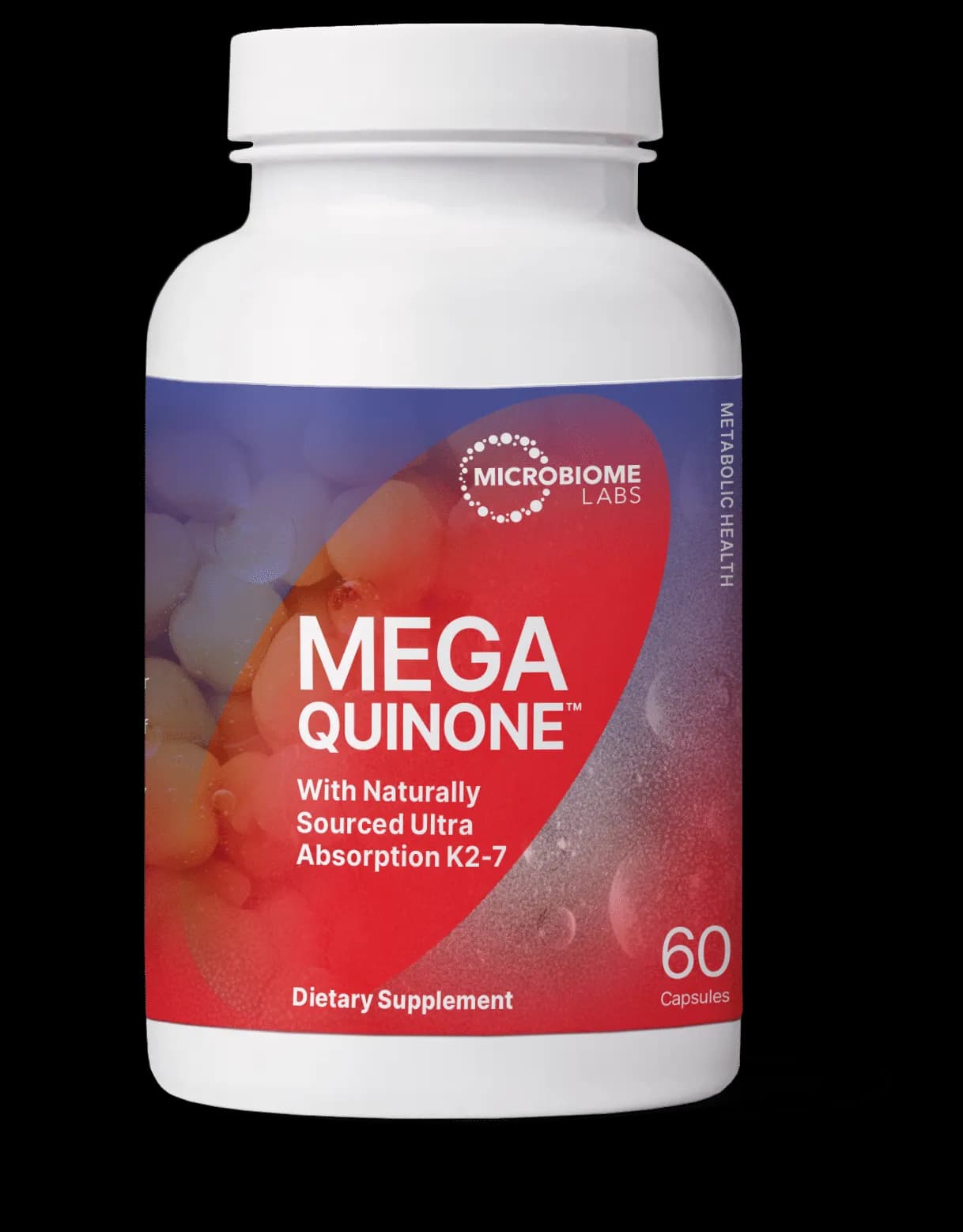
Because of this extended half-life, a single daily dose of MK-7 can build up a stable, therapeutic serum concentration in the body. This provides round-the-clock activation of Matrix Gla Protein and osteocalcin, ensuring continuous support against arterial calcification and continuous support for bone mineralization. MegaQuinone specifically utilizes MenaquinGold®, a highly researched, patented form of MK-7 derived from chickpea fermentation, ensuring optimal bioavailability and an ideal isomer profile for maximum cellular recognition.
How Long COVID and Dysautonomia Impact Vascular and Cellular Health
Endothelial Dysfunction and "Stiff" Blood Vessels
To understand why Vitamin K2 is so relevant to chronic illness, we must examine What Causes Long COVID at a microscopic level. A primary driver of Long COVID, POTS, and related dysautonomias is endothelial dysfunction—the impairment of the delicate inner lining of the blood vessels. When the SARS-CoV-2 virus attacks the body, it triggers a massive inflammatory response that directly damages the endothelium. This damage reduces the bioavailability of nitric oxide (a crucial molecule for blood vessel dilation) and promotes a pro-coagulant state, leading to the formation of microclots that starve tissues of oxygen.
In conditions like Postural Orthostatic Tachycardia Syndrome (POTS), the autonomic nervous system struggles to properly constrict blood vessels in the lower body when a person stands up. If the blood vessels are stiff, inflamed, or beginning to calcify due to inactive Matrix Gla Protein (MGP), they lose their elasticity. This vascular stiffness severely impairs the body's ability to regulate blood pressure and heart rate, leading to the dizzying tachycardia and blood pooling that POTS patients experience daily. The chronic inflammation seen in these conditions accelerates the degradation of elastic fibers in the vasculature, creating a vicious cycle of autonomic dysfunction.
The Mitochondrial Energy Crisis in ME/CFS and POTS
For patients wondering Can Long COVID Trigger ME/CFS? Unraveling the Connection, the answer often lies in the mitochondria. ME/CFS is characterized by a profound inability of the cells to produce adequate ATP on demand, leading to post-exertional malaise (PEM) or "crashes" after minimal physical or cognitive effort. The chronic, low-grade inflammation and immune dysregulation triggered by viral infections act like a constant drain on the body's energy reserves.
The autonomic nervous system, which controls involuntary functions like heart rate, digestion, and breathing, is incredibly energy-hungry. When mitochondrial function is impaired, the peripheral nerves simply do not have the ATP required to fire correctly. This energy deficit exacerbates dysautonomia symptoms, leaving patients feeling wired yet profoundly exhausted. Furthermore, damaged mitochondria release excessive oxidative stress, which further damages the surrounding cellular structures and perpetuates the inflammatory loop that keeps patients locked in a state of chronic illness.
Viral Depletion of Vitamin K2 Reserves
One of the most compelling discoveries in recent years is how aggressively viral infections deplete the body's nutritional reserves. A 2022 cross-sectional analysis published in Antioxidants found a dramatic and significant decrease specifically in the Vitamin K2 subtype Menaquinone-7 (MK-7) in COVID-19 patients compared to healthy controls. The researchers concluded that severe viral infections cause heavy "consumption" of MK-7 as the body desperately tries to fight off oxidative stress, inflammatory factors, and coagulopathy.
This rapid depletion during the acute phase of infection leaves patients functionally deficient during the recovery phase. Without adequate MK-7, the body cannot activate the proteins necessary to support the endothelium, clear out microclots, or restore mitochondrial electron transport. This functional deficiency is a key piece of the puzzle when exploring How Can You Live with Long-Term COVID, as restoring these depleted reserves is essential for breaking the cycle of chronic vascular and cellular dysfunction.
MegaQuinone: Supporting Vascular, Bone, and Energy Pathways
Activating Matrix GLA Protein (MGP) for Clean Arteries
MegaQuinone provides a clinical dose of 160 mcg of Vitamin K2 (MK-7), which directly targets the vascular stiffness and endothelial dysfunction seen in Long COVID and POTS. By providing the essential cofactor for carboxylation, MK-7 activates Matrix Gla Protein (MGP). Once activated, cMGP acts as the most potent known inhibitor of arterial and soft-tissue calcification. It binds to free-floating calcium in the bloodstream, helping to keep it from depositing as rigid plaques on the walls of arteries and micro-vessels.
For patients with dysautonomia, this mechanism is life-changing. By keeping the vasculature flexible and free of calcification, MK-7 allows the autonomic nervous system to efficiently constrict and dilate blood vessels. This improved vascular elasticity directly supports better blood pressure regulation, reduces blood pooling in the extremities, and ensures that oxygen-rich blood can successfully reach the brain, thereby mitigating the brain fog and dizziness associated with orthostatic intolerance. Furthermore, MK-7 acts as a mandatory cofactor for Protein S, a protein synthesized in endothelial cells that exerts local suppressive roles against thrombosis (blood clotting) and acts as a potent vascular anti-inflammatory agent.
Osteocalcin and the Bone-Building Matrix
Chronic illness often leads to a highly sedentary lifestyle due to severe fatigue and exercise intolerance. This lack of weight-bearing movement, combined with systemic inflammation, puts Long COVID and ME/CFS patients at a significantly higher risk for accelerated bone loss and osteoporosis. MegaQuinone addresses this by utilizing MK-7 to convert inactive undercarboxylated osteocalcin (ucOC) into active carboxylated osteocalcin (cOC).
Once activated, osteocalcin acts like biological glue. It strongly binds to the calcium that has been kept out of the arteries by MGP and pulls it directly into the hydroxyapatite matrix of the bones and teeth. Clinical studies have shown that Vitamin K2 directly improves the quality and flexibility of the bone by promoting collagen accumulation. Additionally, MK-7 downregulates the expression of RANKL (a protein that stimulates bone-destroying cells) while stimulating osteoblastogenesis (the creation of new bone-building cells), providing comprehensive support for skeletal integrity during prolonged periods of illness-induced inactivity.
Calming Inflammation via NF-κB Inhibition
The systemic inflammation that drives the symptoms of Long COVID and Mast Cell Activation Syndrome (MCAS) is largely controlled by a protein complex called nuclear factor kappa B (NF-κB). NF-κB acts as the "master switch" for inflammatory signal transduction; when it is turned on, it triggers the release of cytokine storms and chronic inflammatory mediators that sustain debilitating symptoms.
Vitamin K2 (MK-7) has been shown to downregulate the NF-κB signaling pathway. By inhibiting this master switch, MK-7 helps to calm the neuro-immune overactivation seen in complex chronic conditions. This anti-inflammatory action not only protects the delicate endothelial cells from further damage but also reduces the oxidative stress that damages cellular mitochondria. By lowering the overall inflammatory burden, MegaQuinone supports a more balanced immune response, allowing the body to shift its resources from constant defense back to cellular repair and energy production.
Symptoms Vitamin K2 May Help Manage
Targeted Symptom Relief Through Biochemical Support
Because Vitamin K2 (MK-7) operates at the foundational levels of calcium metabolism, vascular elasticity, and mitochondrial energy production, its benefits can be felt across multiple interconnected bodily systems. For patients navigating the unpredictable landscape of post-viral syndromes, addressing these root physiological mechanisms can lead to noticeable improvements in daily quality of life. Here are the specific symptoms that MegaQuinone may help manage:
Orthostatic Intolerance and Dizziness: By activating Matrix Gla Protein (MGP), MK-7 helps manage arterial calcification and improves vascular elasticity. This allows blood vessels to constrict more effectively when standing, reducing the dizziness, lightheadedness, and blood pooling commonly experienced by POTS patients.
Post-Exertional Malaise (PEM) and Severe Fatigue: Acting as an electron carrier in the mitochondrial membrane, Vitamin K2 enhances the production of ATP (cellular energy). This helps restore the energy baseline and mitigates the crushing exhaustion that follows minimal physical or cognitive exertion in ME/CFS.
Brain Fog and Cognitive Dysfunction: Improved vascular flexibility ensures better microcirculation and oxygen delivery to the brain. Additionally, by reducing systemic inflammation via NF-κB inhibition, MK-7 helps clear the neuroinflammation that drives cognitive impairment and memory issues.
Joint and Bone Pain: By activating osteocalcin, Vitamin K2 directs calcium away from soft tissues and joints (where it can cause painful bone spurs and stiffness) and binds it securely into the skeletal matrix, supporting bone density and reducing deep, aching bone pain.
Heart Palpitations and Cardiovascular Strain: The synergy of Vitamin K2 with the magnesium glycinate in MegaQuinone helps calm the autonomic nervous system. Magnesium acts as a natural relaxant for the heart muscle, while K2 ensures the coronary arteries remain flexible and free of plaque buildup.
Unexplained Bruising and Microclotting: Vitamin K2 is a mandatory cofactor for Protein S, an endothelial protein that exerts local suppressive roles against excessive thrombosis (blood clotting). This helps balance the coagulation cascade, potentially reducing the microclots associated with Long COVID.
Practical Considerations: Forms, Dosing, and Absorption
The MenaquinGold Advantage: Chickpea Fermentation
When selecting a Vitamin K2 supplement, the source and manufacturing process dictate its biological efficacy. Traditionally, natural Vitamin K2 (MK-7) is extracted from natto, a fermented soybean dish. However, for patients with Mast Cell Activation Syndrome (MCAS) or severe food sensitivities, soy can be a potent trigger for inflammation. MegaQuinone circumvents this issue by utilizing MenaquinGold®, a patented form of MK-7 derived entirely from chickpea fermentation.
This innovative fermentation process yields a product that is 100% soy-free, dairy-free, gluten-free, and non-GMO. More importantly, natural fermentation ensures that the resulting MK-7 is composed predominantly of 100% trans isomers. In human biochemistry, trans isomers are fully biologically active and easily recognized by cellular receptors. In contrast, synthetic Vitamin K2 often contains a high percentage of cis isomers, which are biologically inactive and degrade quickly in the body. By providing a pure trans isomer profile, MenaquinGold supports optimal absorption and utilization.
The Synergy of Magnesium and Zinc Bisglycinate
MegaQuinone is not just a standalone Vitamin K2 supplement; it is a meticulously formulated metabolic complex that includes 36 mg of Magnesium Glycinate and 15 mg of Zinc Bisglycinate. This combination is highly synergistic. Magnesium is the essential "ignition" cofactor required by the body to convert Vitamin D into its active form. Without adequate magnesium, Vitamin D cannot effectively absorb calcium from the gut, rendering Vitamin K2's job of directing that calcium impossible.
Furthermore, by utilizing the "bisglycinate" forms of these minerals, MegaQuinone bypasses the usual biological bottlenecks. Standard, inorganic minerals (like magnesium oxide) compete for the same absorption pathways in the intestines and often cause severe gastrointestinal distress. By chelating (binding) the magnesium and zinc to the amino acid glycine, the body absorbs them via dipeptide channels. This ensures near-perfect bioavailability without the laxative effect or nausea commonly associated with mineral supplements, while the glycine itself acts as a calming neurotransmitter for the central nervous system.
Timing, Fat Solubility, and Safety Considerations
Because Vitamin K2 is a fat-soluble vitamin, it must be taken with a meal that contains healthy fats (such as avocado, olive oil, or nuts) to ensure optimal absorption through the intestinal wall. Thanks to the extended 72-hour half-life of the MK-7 form, a single daily capsule of MegaQuinone is sufficient to maintain therapeutic blood levels, making it easy to incorporate into a daily routine. Patients typically begin to notice improvements in energy and orthostatic tolerance within 4 to 8 weeks of consistent use as mitochondrial efficiency improves and vascular inflammation subsides.
While Vitamin K2 is generally exceptionally safe and holds an FDA GRAS (Generally Recognized as Safe) status, there is one critical contraindication. Because Vitamin K plays a role in the blood coagulation cascade, individuals taking warfarin (Coumadin) or similar Vitamin K antagonist blood thinners must consult their healthcare provider before starting MegaQuinone, as supplementation can directly interfere with the medication's efficacy. However, it is generally considered safe to take alongside newer direct oral anticoagulants (DOACs), though medical supervision is always advised for patients with complex chronic conditions.
Follow the Science: Vitamin K2 and Chronic Illness
The 2025 Long COVID Clinical Trial
The therapeutic potential of Vitamin K2 for post-viral syndromes was recently solidified by a landmark randomized controlled trial published in January 2025 in the journal Nutrients. The 24-week study enrolled 151 adults experiencing moderate to severe Long COVID symptoms. Participants were randomized to receive either standard of care or a daily intervention of 240 µg of pure Vitamin K2 (MK-7) combined with 2,000 IU of Vitamin D3. The results provided compelling evidence for K2's role in systemic recovery.
The active treatment group experienced a statistically significant 7.1% decrease in their Long COVID symptom index, compared to a 7.2% worsening in the standard of care group. Crucially, the researchers tracked specific biomarkers of vascular and systemic inflammation. The K2/D3 arm exhibited significant reductions in oxidized LDL (oxLDL), a primary driver of endothelial dysfunction, as well as significant drops in soluble inflammatory markers like sTNF-RI and sCD163. The treatment also reduced markers of fungal translocation in the gut, highlighting MK-7's ability to repair the gut-lung axis and quiet the immune dysregulation at the heart of Long COVID.
The Rotterdam and Arterial Flexibility Studies
The cardiovascular benefits of Vitamin K2 are supported by decades of robust epidemiological and clinical data. The famous Rotterdam Study, a 10-year population-based study monitoring over 4,800 adults, found that a high dietary intake of natural Vitamin K2 resulted in a massive 50% reduction in severe arterial calcification and a 50% reduction in cardiovascular death. Notably, high intakes of Vitamin K1 offered no such cardiovascular protection, underscoring the unique physiological role of the K2 menaquinones.
Building on this, a groundbreaking 3-year double-blind, randomized clinical trial investigated the long-term effects of MK-7 supplementation on arterial stiffness. The study followed 244 healthy postmenopausal women given either a placebo or 180 mcg/day of MK-7. The findings were unprecedented: the MK-7 group not only halted age-related arterial stiffening but experienced a statistically significant improvement in vascular elasticity (decreased carotid-femoral pulse wave velocity). This suggests that MK-7 may help improve vascular stiffness, a finding of immense importance for patients battling the rigid blood vessels associated with dysautonomia and POTS.
Reversing Endothelial Senescence
Recent deep-dive research into the pathophysiology of ME/CFS and Long COVID has identified "endothelial senescence"—the premature aging and dysfunction of blood vessel cells—as a primary driving factor for these diseases. A 2025 comprehensive review argued that acute viral infections induce a senescence-associated secretory phenotype (SASP) in the endothelium, making it pro-inflammatory, pro-oxidant, and vasoconstrictive. This perfectly explains the reduced cerebral perfusion, post-exertional malaise, and microclots seen in patients.
By acting as a potent antioxidant within the vascular tissue and activating Matrix Gla Protein, Vitamin K2 directly combats this endothelial senescence. By clearing out oxidative stress and helping to manage the calcification that accelerates cellular aging, MK-7 acts as a foundational senotherapeutic agent, helping to restore youthful flexibility and function to the damaged vascular network.
The Path Forward
A Foundational Piece of the Puzzle
Living with a complex chronic condition like Long COVID, ME/CFS, or dysautonomia often requires managing an overwhelming array of symptoms. It is easy to feel frustrated when standard medical tests come back "normal" despite experiencing debilitating fatigue, brain fog, and a racing heart. However, as science continues to uncover the microscopic mechanisms driving these illnesses—such as endothelial dysfunction, mitochondrial impairment, and systemic inflammation—we are gaining access to more targeted, validating, and effective management strategies.
MegaQuinone represents a highly sophisticated approach to addressing these root causes. By providing a highly bioavailable, soy-free source of Vitamin K2 (MK-7) alongside synergistic magnesium and zinc, this formula goes beyond basic nutritional support. It actively works to restore cellular energy production, clear calcium from inflamed blood vessels, and rebuild skeletal integrity. While no single supplement is a cure for complex post-viral syndromes, optimizing your vascular and mitochondrial health with targeted nutrients like MK-7 can be a powerful foundational step in your comprehensive management plan, working alongside pacing, symptom tracking, and personalized medical care.
Next Steps for Your Health Journey
If you are struggling with the vascular stiffness of POTS, the profound exhaustion of ME/CFS, or the systemic inflammation of Long COVID, supporting your body's calcium metabolism and endothelial function may provide the physiological relief you've been searching for. Always remember to consult with your healthcare provider before starting any new supplement regimen, especially if you are taking prescription blood thinners or managing complex cardiovascular symptoms.
Sources
Dramatic Decrease of Vitamin K2 Subtype Menaquinone-7 in COVID-19 Patients (Antioxidants, 2022)
Safety assessment of menaquinone-7 for use in human nutrition (ResearchGate)
MenaquinGold Ingredient Specifications and Fermentation Process (Pureness Link)
Vitamin K2 acts as an electron carrier in the mitochondrial membrane (Nutrients, 2022)