Can Vitamin D3 and K2 Help Manage Fatigue and Dysautonomia in Long COVID?
March 6, 2026
Vitamin D3Vitamin K2Long COVID
Share:
Disclaimer: The information provided here is for educational purposes only and is not intended as medical advice. It should not be used to diagnose, treat, cure, or prevent any medical condition. Instead, use it as a starting point for discussion with your healthcare provider. Always consult with a qualified healthcare provider before starting any new medication, supplement, device, or making changes to your health regimen.
Living with a complex chronic illness often feels like navigating a maze in the dark. Months or even years after an initial viral infection, many people find themselves fighting a daily battle against debilitating symptoms. The profound exhaustion, the racing heart upon standing, and the persistent brain fog are not just "in your head"—they are the hallmarks of conditions like Long COVID, myalgic encephalomyelitis/chronic fatigue syndrome (ME/CFS), and dysautonomia. When standard medical tests come back "normal" but you still feel fundamentally unwell, it is easy to feel dismissed and overwhelmed by the lack of clear answers.
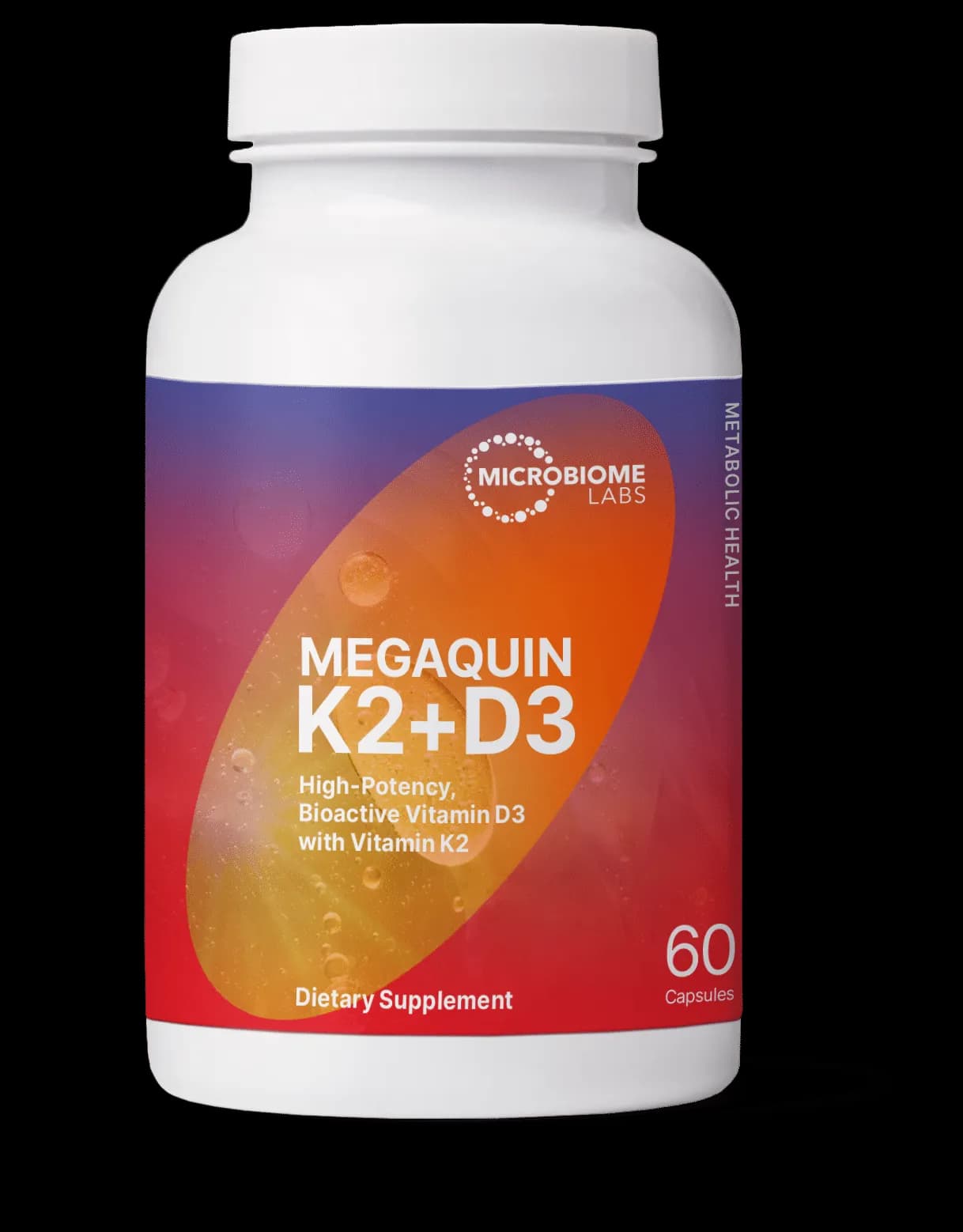
In the search for validating, science-backed management strategies, researchers are increasingly looking at the foundational biochemistry of the immune and vascular systems. One of the most compelling areas of recent study involves the synergistic relationship between two essential nutrients: Vitamin D3 and Vitamin K2. While individually recognized for their roles in immune and bone health, their combined mechanism of action offers a unique, targeted approach to addressing the systemic inflammation, endothelial dysfunction, and profound fatigue that characterize post-viral syndromes. This article explores the deep cellular science behind MegaQuin K2+D3 and how this powerful combination may support your journey toward better health.
TL;DR
Vitamin D3 and K2 work together to support immune balance and cardiovascular health.
This combination may help manage Long COVID and ME/CFS symptoms like fatigue and brain fog.
Vitamin K2 directs calcium to bones, preventing harmful buildup in blood vessels.
Take D3/K2 with a fat-containing meal and magnesium for optimal absorption.
What is MegaQuin K2+D3?
The "Sunshine Vitamin" and Its Essential Partner
To understand the power of MegaQuin K2+D3, we must first look at how these two vitamins function at a molecular level in a healthy body. Vitamin D3 (Cholecalciferol) is often called the "sunshine vitamin" because our skin synthesizes it upon exposure to ultraviolet B (UVB) radiation. Once in the bloodstream, it travels to the liver, where it is converted into 25-hydroxyvitamin D, and then to the kidneys, where it becomes its active steroid hormone form, calcitriol. Calcitriol binds to the Vitamin D Receptor (VDR) present in nearly every cell in the body, regulating the expression of over 2,000 genes. One of its primary physiological roles is to dramatically upregulate the absorption of calcium from the intestines into the bloodstream by activating specific calcium transport channels.
However, bringing calcium into the bloodstream is only half the battle. This is where Vitamin K2 (Menaquinone) steps in as an essential biological partner. While Vitamin K1 is primarily found in leafy greens and manages blood clotting, Vitamin K2 is synthesized through bacterial fermentation and plays a vastly different role. Vitamin K2 acts as a critical cofactor for an enzyme called γ-glutamyl carboxylase. This enzyme is responsible for "switching on" or activating specific Vitamin K-dependent proteins (VKDPs) that manage where calcium goes once it enters the body. Without adequate Vitamin K2, the calcium absorbed via Vitamin D3 lacks direction, which can lead to significant physiological problems.
The Calcium Paradox and Cardiovascular Health
The intricate dance between these two nutrients is often referred to by researchers as the solution to the "Calcium Paradox." This paradox describes a dangerous physiological phenomenon where a person can simultaneously suffer from osteoporosis (a lack of calcium in the bones) and arteriosclerosis (an excess of calcium in the arteries). When individuals take high doses of calcium or Vitamin D3 without sufficient Vitamin K2, the newly absorbed calcium circulates aimlessly in the bloodstream. Over time, this rogue calcium can deposit into the soft tissues, including the endothelial lining of blood vessels and heart valves, causing them to stiffen and narrow.
Vitamin K2 solves this paradox by acting as a biological traffic director. It ensures that calcium is safely guided away from the cardiovascular system and deposited firmly into the skeletal system where it belongs. This synergistic mechanism is why modern clinical nutrition heavily emphasizes that high-dose Vitamin D3 should rarely be taken in isolation. By combining these two fat-soluble vitamins, the body can safely harness the immune-modulating benefits of Vitamin D3 while actively protecting the cardiovascular system from calcification, a balance that is especially vital for individuals managing complex chronic conditions.
Activating Osteocalcin and Matrix Gla Protein
At the cellular level, Vitamin K2 executes this traffic-directing role by carboxylating (activating) two highly specific proteins produced by Vitamin D. The first is Osteocalcin, a protein secreted by bone-building cells called osteoblasts. When Vitamin D3 stimulates the production of osteocalcin, it is released in an inactive, uncarboxylated state. Vitamin K2 adds specific chemical groups (carboxyl groups) to the protein, allowing it to bind tightly to calcium ions and integrate them into the bone matrix, thereby supporting healthy bone density and strength.
The second, and perhaps most critical protein for chronic illness patients, is Matrix Gla Protein (MGP). MGP is synthesized in the smooth muscle cells of blood vessels and is widely considered the most potent known natural inhibitor of vascular calcification. Like osteocalcin, MGP requires Vitamin K2 for activation. Once activated, MGP actively sweeps the arterial walls, binding to free calcium and preventing it from crystalizing into dangerous plaques. Research suggests that maintaining high levels of activated MGP is essential for preserving the elasticity and flexibility of blood vessels, a factor that plays a massive role in autonomic nervous system function and healthy blood flow.
How Long COVID and ME/CFS Impact Immune and Vascular Systems
Viral Disruption of the Endothelium
To understand why the MegaQuin K2+D3 combination is so relevant to post-viral syndromes, we must examine What Causes Long COVID and how these conditions alter the body's baseline physiology. When a virus like SARS-CoV-2 enters the body, it frequently binds to ACE2 receptors, which are highly concentrated on the endothelial cells lining our blood vessels. This viral interaction triggers widespread endothelialitis—a persistent, low-grade inflammation of the vascular lining. Recent medical literature suggests that this persistent endothelial damage is a driving force behind the complex symptoms seen in Long COVID and ME/CFS, as it impairs the blood vessels' ability to dilate and constrict properly.
When the endothelium is inflamed, it disrupts the delivery of oxygen and vital nutrients to the brain, muscles, and organs. This microvascular dysfunction is particularly devastating for patients with dysautonomia and Postural Orthostatic Tachycardia Syndrome (POTS). In a healthy body, blood vessels in the lower extremities constrict upon standing to push blood back up to the heart and brain. In patients with post-viral endothelial damage, these vessels often fail to constrict adequately, leading to severe blood pooling, rapid heart rate (tachycardia), and debilitating orthostatic intolerance. The structural integrity and elasticity of these vessels become compromised by ongoing inflammatory stress.
Immune Dysregulation and Persistent Inflammation
Beyond the blood vessels, chronic post-viral conditions are characterized by profound immune dysregulation. In many patients, the immune system fails to return to a resting state after the initial infection is cleared. Instead, it remains locked in a hyperactive, pro-inflammatory loop. This ongoing immune battle depletes the body's natural reserves of essential nutrients, particularly Vitamin D, which is rapidly consumed by immune cells attempting to modulate the inflammatory response. As Vitamin D levels plummet, the immune system loses its primary regulatory hormone, leading to a vicious cycle of unchecked inflammation and the continuous release of pro-inflammatory cytokines like IL-6 and TNF-alpha.
This systemic inflammation also heavily impacts mast cells, the immune cells responsible for releasing histamine and other chemical mediators. In conditions like mast cell activation syndrome (MCAS), which frequently co-occurs with Long COVID and POTS, mast cells become overly sensitive and degranulate inappropriately. Because mast cells possess specific Vitamin D receptors, a deficiency in this vital nutrient removes a critical stabilizing force, leaving the mast cells hyper-reactive to even minor triggers like temperature changes, stress, or certain foods. This constant barrage of inflammatory chemicals further damages tissues and exacerbates systemic fatigue.
The Mitochondrial Energy Crisis
The downstream consequence of this persistent vascular and immune dysfunction is a devastating impact on cellular energy production. Emerging research shows that Long COVID and ME/CFS are associated with elevated oxidative stress and direct damage to the mitochondria, the powerhouses of our cells. When the immune system is hyperactive, it generates excessive reactive oxygen species (ROS) that damage mitochondrial membranes and impair oxidative phosphorylation (OXPHOS)—the biochemical process used to generate adenosine triphosphate (ATP), or cellular energy.
This mitochondrial energy crisis is the biological root of post-exertional malaise (PEM), the hallmark symptom where minor physical or cognitive exertion triggers a disproportionate and debilitating crash in energy. When the mitochondria cannot produce enough ATP to meet the demands of daily life, the body is forced to rely on inefficient anaerobic energy pathways, leading to a rapid buildup of lactic acid and profound muscle fatigue. Understanding Can Long COVID Trigger ME/CFS? Unraveling the Connection requires acknowledging this shared mitochondrial pathophysiology, which leaves patients trapped in a state of severe, unyielding exhaustion.
MegaQuin K2+D3: Supporting Immune and Cardiovascular Health
Modulating the Immune Response
Supplementing with a highly bioavailable formula like MegaQuin K2+D3 offers a targeted intervention to disrupt the vicious cycles of inflammation and vascular dysfunction. At the core of this intervention is Vitamin D3's profound ability to act as an immune modulator. Rather than simply "boosting" the immune system—which could be detrimental in autoimmune-leaning conditions—Vitamin D3 helps to balance it. It actively shifts the immune system's polarization away from the aggressive, tissue-damaging Th1 and Th17 cell pathways and promotes the activity of Regulatory T-cells (Tregs). These Tregs act as the immune system's brakes, calming the excessive cytokine storms that drive neuroinflammation and brain fog.
Furthermore, by saturating the Vitamin D receptors on mast cells, adequate D3 levels help stabilize these volatile cells, reducing the inappropriate release of histamine and inflammatory mediators. This stabilization is a crucial step for patients managing the unpredictable allergic-type reactions associated with MCAS. However, because achieving these immunomodulatory effects often requires higher therapeutic doses of Vitamin D3, the inclusion of Vitamin K2 becomes an absolute biological necessity to prevent the dangerous side effects of calcium toxicity.
Preserving Vascular Elasticity for Dysautonomia
For patients battling dysautonomia and POTS, the Vitamin K2 component of this formula is a vital cardiovascular protector. As discussed, POTS involves a failure of the autonomic nervous system to properly regulate blood vessel constriction. If the endothelial lining is stiffened by inappropriate calcium deposition—a direct risk of taking Vitamin D without K2—the blood vessels lose their natural elasticity, known as the Windkessel effect. This stiffness severely impairs the vessels' ability to contract and push blood upward against gravity, exacerbating orthostatic intolerance and tachycardia.
By providing a potent dose of Vitamin K2 (as MK-7), MegaQuin ensures that Matrix Gla Protein (MGP) remains fully activated. Clinical studies indicate that activated MGP actively sweeps the arterial walls, binding free calcium and preventing it from crystalizing in the smooth muscle tissues. This mechanism preserves the flexibility and responsiveness of the blood vessels, supporting healthier circulation, reducing blood pooling in the lower extremities, and providing the structural foundation necessary for the autonomic nervous system to regain control over blood pressure regulation.
Protecting Mitochondrial Function
The synergistic action of D3 and K2 also extends deep into the cellular mitochondria. By calming systemic inflammation and reducing the burden of reactive oxygen species (ROS), Vitamin D3 helps lower the oxidative stress that damages mitochondrial membranes. This protective effect allows the mitochondria to begin repairing their oxidative phosphorylation pathways, slowly restoring their ability to generate ATP efficiently. When cellular energy production improves, patients often experience a gradual lifting of the profound, heavy fatigue that characterizes their illness.
Simultaneously, Vitamin K2 has been shown in emerging cellular research to play a unique role in mitochondrial electron transport. While primarily known for calcium regulation, K2 molecules share a structural similarity to Coenzyme Q10 and can facilitate electron transfer within the mitochondrial membrane. This dual-action support—D3 reducing inflammatory damage and K2 supporting electron flow—makes the combination a powerful tool for addressing the root causes of post-exertional malaise and restoring baseline cellular energy in complex chronic conditions.
Symptoms Vitamin D3 and K2 May Help Manage
Post-Exertional Malaise (PEM): By reducing systemic inflammation and supporting mitochondrial ATP production, the D3/K2 combination helps address the cellular energy crisis that causes severe crashes after minor physical or cognitive exertion.
Orthostatic Intolerance and Tachycardia: Vitamin K2 activates Matrix Gla Protein (MGP), which prevents arterial calcification and preserves the elasticity of blood vessels. This flexibility is crucial for patients with POTS and dysautonomia, helping blood vessels constrict properly to reduce blood pooling and stabilize heart rates upon standing.
Brain Fog and Cognitive Dysfunction: Vitamin D3 acts as a potent immune modulator, shifting the immune response away from pro-inflammatory Th1 pathways toward calming Regulatory T-cells. This reduces the neuroinflammation and cytokine activity that frequently manifest as severe cognitive impairment and brain fog.
Bone and Muscle Pain: Chronic viral infections and immune dysregulation often deplete Vitamin D stores, leading to deep bone aches and muscle weakness. MegaQuin provides a potent 5000 IU dose of D3 to replenish these stores, while K2 ensures the resulting calcium absorption is directed into the bone matrix via activated osteocalcin, alleviating structural pain.
Mast Cell Hyper-Reactivity: Mast cells possess specific Vitamin D receptors, and a deficiency can cause them to become unstable and degranulate inappropriately. Restoring optimal Vitamin D levels helps stabilize these cells, potentially reducing the unpredictable allergic-type reactions and histamine dumps seen in MCAS.
Practical Considerations: Forms, Dosing, and Absorption
The Power of MenaquinGold (MK-7)
When selecting a Vitamin K2 supplement, the specific molecular form is of paramount importance. Vitamin K2 exists in several forms, known as menaquinones, with MK-4 and MK-7 being the most common in supplements. MegaQuin utilizes MenaquinGold, a highly purified, all-trans form of menaquinone-7 (MK-7) derived from a natural fermentation process. The distinction between MK-4 and MK-7 comes down to their pharmacokinetics—specifically, their half-life and bioavailability in the human body. MK-4 has a very short half-life of only 1.5 to 3 hours, meaning it clears from the bloodstream rapidly and requires multiple large doses throughout the day to maintain therapeutic levels.
In stark contrast, pharmacokinetic research demonstrates that MK-7 has an incredibly long half-life of approximately 72 hours (three days). Because MK-7 is incorporated into Low-Density Lipoprotein (LDL) particles by the liver, it circulates in the bloodstream for an extended period. This long half-life allows MK-7 to build up to a steady-state accumulation with just a single daily dose, ensuring that extra-hepatic tissues—like your blood vessels and bones—have a constant supply of the cofactor needed to keep MGP and osteocalcin fully activated around the clock.
Absorption and Timing
Because both Vitamin D3 and Vitamin K2 are fat-soluble vitamins, their absorption in the gastrointestinal tract is highly dependent on the presence of dietary fats. When consumed, these vitamins are incorporated into chylomicrons—microscopic fat droplets that transport lipids through the lymphatic system and into the bloodstream. Taking MegaQuin on an empty stomach can significantly reduce its bioavailability, meaning a large portion of the active ingredients may pass through the digestive tract unabsorbed.
To maximize absorption, it is highly recommended to take this supplement alongside your largest meal of the day, or at least a meal that contains a healthy source of fat, such as avocados, olive oil, nuts, or fatty fish. Clinical studies indicate that MK-7 reaches its peak serum concentration (Tmax) approximately 5 to 6 hours after ingestion. By pairing the supplement with a robust meal, you ensure that the digestive system is fully primed to extract and transport these vital nutrients into systemic circulation.
The Magnesium Connection
A critical, yet often overlooked, aspect of Vitamin D supplementation is its intimate relationship with magnesium. The enzymes responsible for metabolizing Vitamin D into its active form (calcitriol) in the liver and kidneys are entirely magnesium-dependent. When you introduce a potent dose of Vitamin D3 (like the 5000 IU found in MegaQuin) into the body, it rapidly consumes available magnesium stores to process the vitamin. If your baseline magnesium levels are already low—which is incredibly common in the general population and even more so in chronic illness patients—this process can trigger a functional magnesium deficiency.
This phenomenon, often referred to as the triage effect, can lead to uncomfortable side effects such as muscle cramps, heart palpitations, and increased anxiety, which patients may mistakenly attribute to the Vitamin D itself. For individuals managing dysautonomia or Long COVID, these symptoms can mimic a flare-up of their underlying condition. Therefore, clinical best practices strongly suggest pairing a high-quality D3/K2 supplement like MegaQuin with a highly absorbable form of magnesium (such as magnesium glycinate or malate) to support the enzymatic pathways and prevent the depletion of this crucial mineral.
Follow the Science
Long COVID Clinical Research
The therapeutic potential of combining Vitamin D3 and K2 for post-viral syndromes has recently moved from theoretical biochemistry to clinical validation. Recent research reveals that a combination of Vitamin K2 (as MK-7) and Vitamin D3 may help alleviate Long COVID symptoms.
Research suggests that this nutrient combination helps address the profound fatigue and energy crashes associated with the condition. By supporting immune and lung health, the formula demonstrates an ability to calm systemic inflammation and support overall wellness and recovery.
Cardiovascular and Bone Health Studies
The cardiovascular protective effects of Vitamin K2 have been documented in large-scale population studies for decades. The most famous of these is the Rotterdam Study, which followed nearly 4,800 initially healthy subjects over a 10-year period. The researchers discovered that individuals with the highest dietary intake of Vitamin K2 experienced a staggering 50% reduction in severe aortic calcification and a similar reduction in cardiovascular disease mortality. This study cemented K2's reputation as a vital nutrient for preserving arterial elasticity, a finding that holds immense relevance for patients managing the vascular complications of dysautonomia.
In terms of cardiovascular and bone health, the synergy between D3 and K2 is highly beneficial. A major study from the Netherlands suggests that eating more Vitamin K2—found in cheese, meat, and eggs—may help reduce the risk of heart disease and artery calcification. This data supports the concept that K2 is essential for ensuring that the calcium absorbed via D3 is safely directed away from arteries and integrated into the skeletal structure.
Addressing Gut Permeability
An unexpected but profound finding from the 2025 Long COVID trial was the formula's impact on gut health. The researchers noted that the D3/K2 combination significantly reduced levels of (1,3)-β-d-glucan, a biomarker associated with fungal translocation and gut permeability. Many patients with chronic post-viral conditions suffer from "leaky gut," where the intestinal barrier becomes compromised, allowing pathogens and endotoxins to leak into the bloodstream and drive systemic inflammation. By supporting the integrity of the gut lining, MegaQuin K2+D3 addresses yet another foundational mechanism of chronic illness, highlighting its broad, multi-system therapeutic potential.
The Path Forward
A Piece of the Puzzle
Living with conditions like Long COVID, ME/CFS, and dysautonomia requires immense resilience. It is entirely valid to feel frustrated by the unpredictable nature of your symptoms and the slow pace of recovery. While the scientific community is making rapid strides in understanding the underlying mechanisms of these illnesses—such as the role of endothelialitis and immune exhaustion—there is no single magic pill that can instantly reverse these complex biological changes. However, targeted nutritional interventions like MegaQuin K2+D3 represent a powerful, evidence-based tool for addressing the root causes of systemic inflammation and vascular dysfunction.
Pacing and Comprehensive Care
Supplements are most effective when integrated into a broader, comprehensive management strategy. Rebuilding cellular energy and calming an overactive immune system takes time and consistency. It is crucial to pair nutritional support with aggressive pacing strategies to avoid triggering post-exertional malaise. Learning How Can You Live with Long-Term COVID involves listening closely to your body's signals, tracking your symptoms, and working with healthcare providers who understand the nuances of post-viral syndromes. Additionally, considering the metabolic overlaps discussed in Diabetes and Long COVID: A Pandemic Within a Pandemic can provide further insights into managing systemic health.
Next Steps
If you are struggling with severe fatigue, orthostatic intolerance, or immune dysregulation, optimizing your Vitamin D3 and K2 levels may provide the foundational support your body needs to begin repairing its vascular and cellular pathways. Always consult with your healthcare provider before starting any new supplement regimen, especially to discuss appropriate dosing and potential interactions with your current medications. By taking a science-backed, systematic approach to your recovery, you can begin to regain control over your health and improve your daily quality of life.
Sources
Nutrients Journal: 2025 Long COVID Clinical Trial on Vitamin D3 and K2
The Rotterdam Study: Dietary Intake of Menaquinone is Associated with a Reduced Risk of Coronary Heart Disease
Pharmacokinetics of Menaquinone-7 (MK-7) and its Extended Half-Life
The Calcium Paradox: The Role of Vitamin K2 in Bone and Vascular Health
Clinical Trial: Synergistic Effect of Vitamin K2 and D3 on Bone Mineral Density
Research Paper: Oxidative stress is a shared characteristic of ME/CFS and Long COVID