Can MegaMycoBalance Support Gut Health and Fungal Balance in Long COVID?
March 6, 2026
MegaMycoBalanceLong COVIDGut Microbiome
Share:
Disclaimer: The information provided here is for educational purposes only and is not intended as medical advice. It should not be used to diagnose, treat, cure, or prevent any medical condition. Instead, use it as a starting point for discussion with your healthcare provider. Always consult with a qualified healthcare provider before starting any new medication, supplement, device, or making changes to your health regimen.
Months or even years after recovering from the initial acute phase of a SARS-CoV-2 infection, millions of people continue to fight debilitating, unpredictable symptoms. If you are living with Long COVID, myalgic encephalomyelitis/chronic fatigue syndrome (ME/CFS), or dysautonomia, you are likely intimately familiar with the profound exhaustion, cognitive dysfunction, and gastrointestinal distress that can hijack your daily life. Often, patients are told their lab results look "normal," leaving them frustrated and searching for answers to a complex puzzle that conventional medicine is still struggling to piece together.
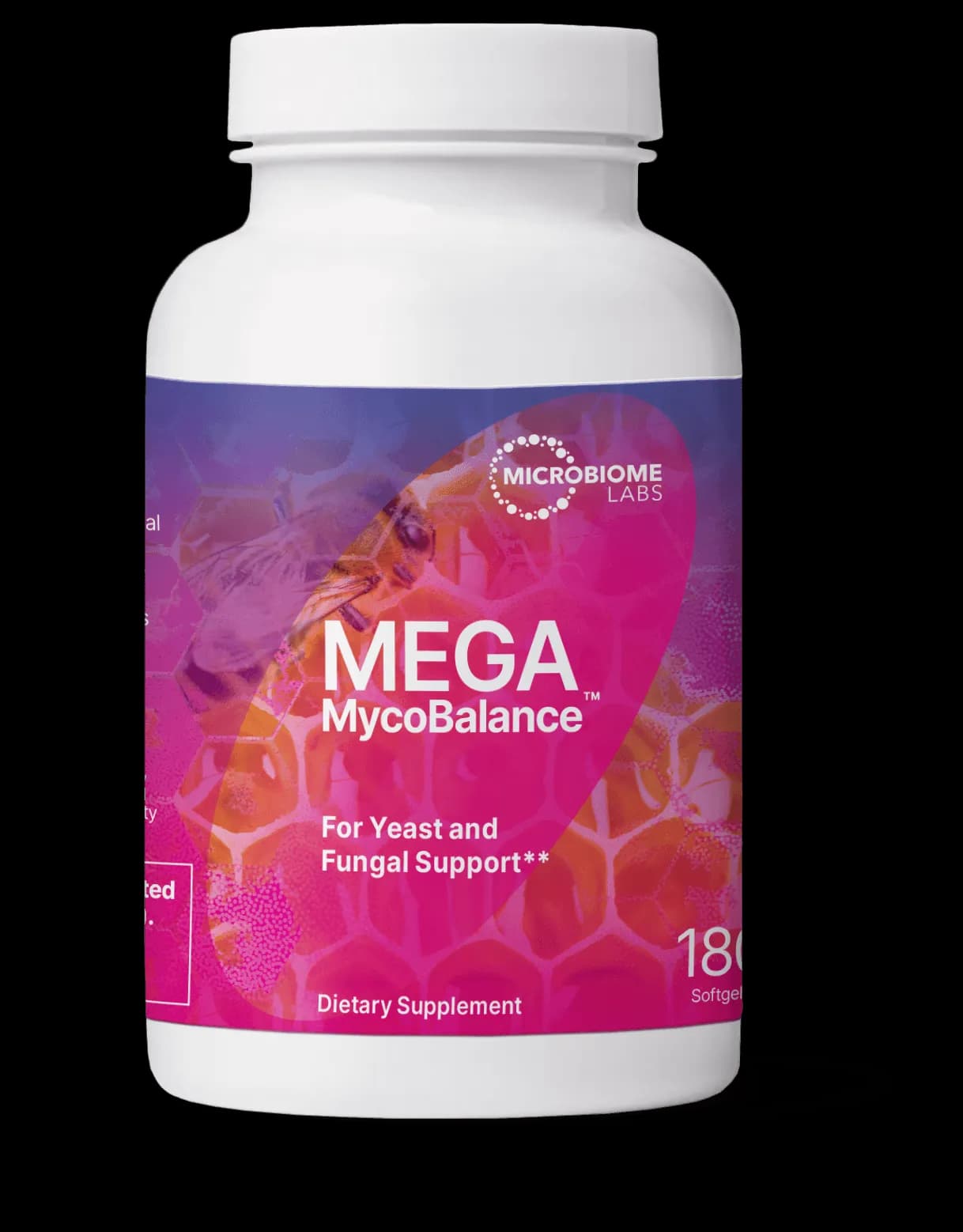
Recent clinical research is shedding light on a critical, yet frequently overlooked, piece of this puzzle: the gut mycobiome. While much attention has been paid to bacterial imbalances in the gut, scientists are now discovering that fungal overgrowth—particularly of opportunistic yeasts like Candida albicans—plays a massive role in driving the systemic inflammation and neurological symptoms seen in post-viral syndromes. This is where MegaMycoBalance, a targeted supplement formulated by Microbiome Labs, comes into the clinical conversation. By combining the potent, scientifically backed properties of undecylenic acid and bee propolis, MegaMycoBalance is designed to dismantle pathogenic fungal biofilms, halt yeast overgrowth, and restore the delicate microbial balance required for systemic healing.
What is MegaMycoBalance?
MegaMycoBalance is fundamentally designed to address fungal dysbiosis, and its primary engine for doing so is undecylenic acid. Also known as 10-undecenoic acid, this is an 11-carbon, unsaturated medium-chain fatty acid that occurs naturally in human sweat as part of the body's innate defense against skin infections. In clinical applications, it has been recognized for decades as a potent, FDA-approved antifungal agent. However, its utility extends far beyond topical applications; when utilized internally, undecylenic acid acts as a powerful regulator of the gastrointestinal ecosystem.
At the molecular level, undecylenic acid targets the structural integrity and life cycle of opportunistic fungi like Candida albicans. Fungi rely on a specific sterol called ergosterol—the fungal equivalent of human cholesterol—to maintain the fluidity and stability of their cell membranes. Undecylenic acid interferes with the biosynthesis of ergosterol, compromising the fungal cell wall. Furthermore, because it is highly lipophilic (fat-loving), undecylenic acid directly integrates into the lipid bilayers of the yeast membrane. This integration destabilizes the membrane, causing it to become highly permeable and leading to the leakage of essential intracellular components, which ultimately neutralizes the fungal cell.
Beyond physical disruption, undecylenic acid exerts profound genetic control over yeast. It actively downregulates the transcription of specific genes, such as the HWP1 (Hyphal Wall Protein 1) gene, which Candida requires to organize and build protective biofilms. By suppressing these genetic pathways, undecylenic acid strips the yeast of its primary defense mechanisms, rendering it vulnerable to the body's immune system and preventing it from establishing deep-rooted colonies within the mucosal lining of the gut.
The second foundational ingredient in MegaMycoBalance is bee propolis, a complex, resinous substance produced by honeybees. Bees create propolis by mixing their saliva and beeswax with exudate gathered from tree buds and botanical sap. Inside the hive, propolis acts as both a structural sealant and a sophisticated, broad-spectrum medicinal defense system that protects the colony from bacterial, viral, and fungal pathogens. In human health, propolis is heavily researched for its potent antimicrobial, anti-inflammatory, and microbiome-modulating properties.
Propolis is exceptionally rich in bioactive compounds, containing over 500 identified molecules, including potent polyphenols, phenolic acids (like caffeic acid and p-coumaric acid), and flavonoids (such as pinocembrin, galangin, and chrysin). These compounds work synergistically to exert fungistatic (growth-inhibiting) and fungicidal (yeast-killing) effects. Clinical studies have demonstrated that propolis is highly effective against multiple strains of Candida, and remarkably, it has shown the ability to combat azole-resistant strains that no longer respond to conventional prescription antifungals like fluconazole.
Unlike broad-spectrum antibiotics or synthetic antifungals that can devastate the entire gut flora, propolis exhibits a selective intelligence. It targets opportunistic pathogens while simultaneously acting as a prebiotic to nourish beneficial bacteria. Research indicates that oral supplementation with propolis significantly increases the abundance of Lactobacillus and Bifidobacterium species in the gut. These beneficial microbes produce short-chain fatty acids (like butyrate and lactic acid) that naturally lower the intestinal pH, creating a hostile environment for yeast while providing essential fuel for the cells lining the colon.
The human gut is not just a bacterial ecosystem; it is a complex web of bacteria, viruses, archaea, and fungi, collectively known as the microbiome and mycobiome. In a healthy state, these organisms exist in a symbiotic balance, keeping each other in check. Small amounts of Candida naturally reside in the gastrointestinal tract without causing harm. However, when the immune system is compromised or the bacterial flora is depleted, this balance is shattered, allowing fungi to rapidly multiply and shift from commensal residents to opportunistic pathogens.
MegaMycoBalance leverages the synergistic relationship between undecylenic acid and bee propolis to address this exact imbalance. While undecylenic acid aggressively targets the structural and genetic vulnerabilities of the yeast, breaking down its defenses and halting its spread, the bee propolis sweeps in to clear the disrupted biofilms, neutralize inflammatory damage, and stimulate the regrowth of protective bacterial colonies. This dual-action approach does not simply "kill" the overgrowth; it actively rehabilitates the terrain of the gut, making it inhospitable to future fungal blooms.
How Long COVID and Chronic Illness Impact the Gut Microbiome
To understand why a supplement like MegaMycoBalance is so relevant for chronic illness, we must examine how conditions like Long COVID fundamentally alter the gastrointestinal landscape. When the SARS-CoV-2 virus enters the body, it frequently binds to ACE2 receptors, which are highly expressed in the intestinal lining. This direct viral infection of the gut triggers severe localized inflammation, disrupting the mucosal barrier and devastating populations of beneficial, butyrate-producing bacteria. If you are experiencing gastrointestinal symptoms seen with Long COVID, this viral-induced dysbiosis is likely a primary driver.
The depletion of these protective bacteria removes the natural biological checks on fungal expansion. A landmark 2023 study published in Nature Immunology revealed that severe COVID-19 cases exhibit an extreme bloom of Candida albicans in the gut. This fungal overgrowth is not a temporary glitch; longitudinal studies show that this dysbiosis can persist for years post-infection. The expanded fungal populations trigger a severe, systemic immune response, keeping neutrophils (a type of white blood cell) in a hyper-reactive state and driving the chronic inflammation that characterizes Long COVID and ME/CFS.
One of the most insidious ways that Candida overgrowth impacts patients with complex chronic illness is through the hijacking of amino acid metabolism. Specifically, Candida alters the metabolism of tryptophan, an essential amino acid. The yeast synthesizes its own IDO (indoleamine 2,3-dioxygenase) enzyme, which aggressively consumes the host's circulating tryptophan to fuel the fungus's own survival and immune evasion strategies.
Why does this matter for a Long COVID or ME/CFS patient? Tryptophan is the direct biochemical precursor to serotonin (the neurotransmitter responsible for mood, gut motility, and autonomic regulation) and melatonin (the hormone that regulates sleep). Because up to 95% of the body's serotonin is produced in the gut, the fungal "tryptophan steal" leads to severe systemic depletion of these critical molecules. This mechanism directly contributes to the hallmark neuropsychiatric symptoms of these conditions, including severe brain fog, unrefreshing sleep, profound fatigue, and the autonomic nervous system dysfunction seen in dysautonomia and POTS.
The physical presence of overgrown Candida in the gut also wreaks havoc on the structural integrity of the intestinal lining. As Candida proliferates, it stimulates the release of zonulin, a protein that modulates the permeability of tight junctions between intestinal cells. Elevated zonulin causes these junctions to pull apart, creating a condition commonly known as "leaky gut" or intestinal hyperpermeability.
When the gut barrier is compromised, fungal cell wall components (such as hyphal mannans), undigested food particles, and bacterial endotoxins spill directly into the bloodstream. The immune system identifies these foreign particles as a massive threat, triggering a cascade of inflammatory cytokines, including IL-6 and TNF-alpha. Furthermore, these fungal antigens can act as molecular mimics, confusing the immune system and potentially triggering the production of autoantibodies. This vicious cycle of leaky gut and immune hyperactivation helps explain what causes Long COVID symptoms to persist and why many patients develop secondary conditions like mast cell activation syndrome (MCAS), where the immune system becomes hypersensitive to seemingly benign triggers.
MegaMycoBalance: Supporting Fungal Balance and Gut Repair
MegaMycoBalance addresses the root mechanics of fungal dysbiosis by targeting the specific life cycle phases that make Candida so dangerous. In a healthy gut, Candida exists in a benign, round yeast form. However, when it becomes opportunistic, it undergoes a morphological transition into a pathogenic, filamentous form characterized by elongated, branch-like structures called hyphae. These hyphae act like microscopic roots, piercing through the intestinal epithelial cells, driving tissue invasion, and exacerbating leaky gut.
The undecylenic acid in MegaMycoBalance is clinically proven to block this dangerous morphological transition. Research demonstrates that undecylenic acid inhibits the fatty acid biosynthesis required for the yeast to construct and elongate these hyphal structures. By keeping Candida trapped in its benign yeast form, the supplement prevents the fungus from invading the mucosal tissue, effectively neutralizing its primary virulence factor and allowing the gut lining an opportunity to heal.
Furthermore, bee propolis works in tandem to inhibit germ tube formation—the very first step in the yeast-to-hyphae transition. Studies have shown that the flavonoids in propolis completely arrest this development at the cellular level. This dual-inhibition strategy ensures that the fungal population is disarmed before it can cause structural damage to the intestinal barrier.
One of the primary reasons fungal overgrowth is so notoriously difficult to eradicate is the formation of biofilms. Candida constructs dense, extracellular matrices made of polysaccharides, proteins, and DNA that act as a physical shield. This biofilm protects the yeast colony from the host's immune cells and renders them highly resistant to both natural and prescription antifungal agents. If you only kill the free-floating (planktonic) yeast without addressing the biofilm, the infection will inevitably return.
MegaMycoBalance is uniquely equipped to dismantle these fortresses. Undecylenic acid actively downregulates the transcription of the genes required for biofilm organization, leading to weakened, structurally unsound matrices. Simultaneously, the phenolic acids in bee propolis have been shown to penetrate and degrade pre-formed Candida biofilms. By dissolving this protective shield, MegaMycoBalance exposes the hidden fungal cells, allowing the immune system and the supplement's fungicidal compounds to effectively clear the overgrowth.
Eradicating pathogenic yeast is only half the battle; true recovery requires rebuilding the gut ecosystem. This is where the propolis in MegaMycoBalance shines as a restorative agent. While it exerts lethal force against Candida and opportunistic bacteria like Clostridium difficile, it acts as a nourishing prebiotic for beneficial flora. Clinical trials indicate that propolis supplementation significantly boosts populations of Lactobacillus and Bifidobacterium.
As these beneficial bacteria repopulate the gut, they produce short-chain fatty acids (SCFAs) like butyrate. Butyrate is the primary energy source for colonocytes (the cells lining the colon) and is essential for repairing the tight junctions damaged by leaky gut. Furthermore, propolis contains potent anti-inflammatory compounds that inhibit the NF-κB signaling pathway, reducing localized gut inflammation. By lowering inflammation and boosting butyrate production, MegaMycoBalance supports the structural repair of the intestinal barrier, helping to quiet the systemic immune hyperactivation that drives symptoms in Long COVID and ME/CFS.
Symptoms MegaMycoBalance May Help Manage
By directly addressing fungal dysbiosis, dismantling biofilms, and supporting the integrity of the intestinal mucosal barrier, MegaMycoBalance targets the root physiological causes of many debilitating gut issues. Patients dealing with Long COVID, ME/CFS, or MCAS often experience profound relief in the following areas:
Severe Bloating and Distension: Fungal fermentation of carbohydrates produces excess gas in the small intestine. By reducing Candida populations, the supplement helps minimize this painful gas production.
Unpredictable Bowel Habits (Diarrhea/Constipation): Fungal overgrowth disrupts the osmotic balance and motility of the gut. Restoring beneficial flora helps regulate transit time and stool consistency.
Food Sensitivities and Histamine Intolerance: Leaky gut allows undigested proteins to trigger immune responses. By supporting gut barrier repair, the supplement may help reduce the severity of acquired food intolerances often seen in MCAS.
Abdominal Pain and Cramping: The anti-inflammatory properties of bee propolis help soothe the inflamed mucosal lining, reducing localized visceral pain.
Nutrient Malabsorption: Fungal biofilms can coat the intestinal villi, blocking the absorption of essential vitamins and minerals. Breaking down these biofilms restores the gut's ability to absorb nutrients efficiently.
The gut-brain axis is a bidirectional superhighway, and the health of the microbiome directly dictates neurological function. By halting the fungal "tryptophan steal" and reducing the systemic circulation of inflammatory cytokines and neurotoxins, MegaMycoBalance can have profound downstream effects on systemic symptoms:
Brain Fog and Cognitive Dysfunction: Candida produces acetaldehyde, a neurotoxin that crosses the blood-brain barrier and impairs cognition. Reducing fungal load decreases acetaldehyde production, supporting mental clarity.
Severe Fatigue and PEM: Chronic immune activation against fungal overgrowth drains cellular energy reserves (ATP). Lowering this immune burden frees up energy, potentially helping to manage post-exertional malaise (PEM).
Mood Instability and Anxiety: By preventing Candida from consuming tryptophan, the body can resume normal production of serotonin in the gut, supporting emotional regulation and mood stability.
Sleep Disturbances: Restored tryptophan metabolism also allows for the proper synthesis of melatonin, the hormone critical for regulating circadian rhythms and achieving restorative sleep.
Autonomic Dysfunction (POTS/Dysautonomia): Systemic inflammation from leaky gut can irritate the vagus nerve and autonomic nervous system. Sealing the gut barrier helps lower the inflammatory triggers driving tachycardia and blood pressure fluctuations.
Practical Considerations: Forms, Dosing, and Absorption
When utilizing natural compounds for gastrointestinal health, the physical form and bioavailability of the ingredients are just as crucial as the ingredients themselves. Undecylenic acid, in its pure free-fatty acid form, is a pungent liquid that can be highly irritating to the gastric mucosa. To bypass this, MegaMycoBalance utilizes undecylenic acid suspended in a specialized softgel matrix. This ensures that the compound survives the acidic environment of the stomach and is delivered directly to the small and large intestines, where fungal overgrowth primarily occurs. Interestingly, research has shown that medium-chain fatty acids like undecylenic acid can also act as mild intestinal permeation enhancers, slightly improving the absorption of co-administered therapeutic compounds without causing cellular toxicity.
Bee propolis presents its own unique absorption challenges. In its raw state, propolis is a highly complex, hydrophobic (water-repelling) matrix of waxes and resins, making its potent polyphenols difficult for the human digestive tract to extract and absorb. MegaMycoBalance utilizes a highly concentrated 70% propolis extract. By refining the propolis to concentrate the active flavonoids and phenolic acids while removing the indigestible beeswax, the formulation drastically improves the bioavailability of the antimicrobial compounds. The synergistic combination of the lipid-based undecylenic acid and the concentrated propolis extract ensures that the active ingredients achieve prolonged contact time with the intestinal walls, maximizing their local antifungal efficacy.
Because MegaMycoBalance is a potent antimicrobial formulation, proper dosing and titration are critical to ensure tolerability and minimize adverse reactions. The suggested use for individuals ages 8 and older is to start with a very low dose: 1 softgel per day for the first 5 days. This slow introduction allows the gastrointestinal tract to acclimate to the active compounds. After the initial 5 days, patients should gradually increase the dosage by 1 softgel per day every few days, monitoring their symptoms closely, until reaching the full therapeutic dose of 6 softgels per day (typically divided into multiple doses with meals).
Taking the supplement with meals is highly recommended. Because undecylenic acid is a fatty acid and propolis contains lipophilic compounds, consuming the softgels alongside dietary fat stimulates the release of bile and pancreatic enzymes, which significantly enhances the emulsification and absorption of the active ingredients. Furthermore, taking it with food helps to buffer the stomach and reduces the likelihood of mild gastrointestinal upset that can sometimes occur when taking concentrated fatty acids on an empty stomach.
When initiating any powerful antifungal protocol, patients must be aware of the potential for a Herxheimer reaction, commonly known as "die-off." As MegaMycoBalance successfully dismantles biofilms and destroys large numbers of Candida cells, the dying yeast rapidly releases endotoxins, proteins, and acetaldehyde into the gut lumen. If the body's detoxification pathways (particularly the liver) cannot clear these toxins quickly enough, patients may experience a temporary exacerbation of symptoms, including fatigue, brain fog, mild fever, muscle aches, or changes in bowel habits. This is precisely why the slow titration schedule is so important; it controls the rate of fungal die-off, keeping the toxin release manageable for the body.
Regarding safety and interactions, both undecylenic acid and bee propolis are generally well-tolerated with high safety profiles. However, because propolis is a bee product, individuals with severe allergies to bees, honey, or conifer trees should exercise extreme caution or avoid the product entirely to prevent allergic reactions. Additionally, because propolis can have mild immunomodulatory and blood-thinning properties, patients taking immunosuppressants or anticoagulant medications should consult their healthcare provider before beginning supplementation. As always, if you are wondering how can you live with long-term COVID and manage complex protocols, working alongside a knowledgeable practitioner is essential.
Follow the Science
The scientific foundation for undecylenic acid as a targeted antifungal is robust and well-documented. A landmark 2016 study published in the International Journal of Clinical Pharmacology and Therapeutics mapped the exact mechanisms by which this fatty acid neutralizes Candida albicans. The researchers demonstrated that at concentrations above 3 mM, undecylenic acid effectively inhibits the formation of Candida biofilms by downregulating the HWP1 gene. Furthermore, at concentrations above 4 mM, it completely abolishes the yeast's ability to transition into its pathogenic, tissue-invading hyphal form. This study provided the crucial data proving that undecylenic acid does not merely kill yeast, but fundamentally disarms its genetic virulence factors.
More recent innovations have further validated its efficacy. A 2018 study in the journal Nanomaterials investigated novel delivery systems for undecylenic acid, encapsulating it into liquid crystalline nanocarriers. The researchers found that this formulation achieved remarkable efficacy against Candida albicans, reducing metabolically active Candida cells by 72–96% at extremely low concentrations without showing any toxicity to human cells. These findings underscore the profound fungicidal capabilities of the compound when properly delivered to the site of infection.
Bee propolis has been the subject of extensive clinical research, particularly regarding its ability to modulate the gut microbiome and overcome drug-resistant pathogens. A comprehensive review published in MDPI detailed the broad-spectrum efficacy of propolis against multiple strains of Candida, including C. glabrata and C. tropicalis. Crucially, clinical evaluations of yeasts isolated from the blood cultures of intensive care patients revealed that the minimum inhibitory concentration (MIC) of propolis required to halt azole-resistant Candida strains was frequently lower than that of conventional prescription drugs like fluconazole.
Beyond its antifungal properties, propolis is gaining recognition as a powerful prebiotic. Animal studies and clinical trials have consistently shown that oral supplementation with propolis significantly alters the gut microbiota by increasing the abundance of beneficial Lactobacillus and Bifidobacterium species. By fostering the growth of these butyrate-producing bacteria, propolis helps repair the intestinal mucosal barrier, reduce systemic inflammation, and create a gut environment that naturally resists future pathogenic overgrowth.
The relevance of these antifungal mechanisms to chronic illness has been sharply illuminated by recent Long COVID research. A pivotal 2023 study by Weill Cornell Medicine, published in Nature Immunology, analyzed the blood and fecal samples of severe COVID-19 patients. The researchers discovered an extreme, persistent bloom of Candida albicans in the gut that correlated directly with severe systemic inflammation and the reprogramming of immune cells in the bone marrow. This fungal dysbiosis was shown to persist for up to a year post-infection, driving the chronic immune hyperactivation seen in Long COVID long-haulers.
This research paradigm shifts our understanding of post-viral syndromes. It suggests that many of the lingering symptoms of Long COVID—from profound fatigue to autonomic dysfunction—are not merely the result of viral damage, but are actively sustained by an opportunistic fungal infection in the gut. By utilizing compounds like those found in MegaMycoBalance to target this specific mycobiome dysbiosis, practitioners are opening new, evidence-based avenues for managing the complex pathophysiology of what causes Long COVID symptoms to endure.
The Path Forward
Living with a complex chronic condition like Long COVID, ME/CFS, dysautonomia, or MCAS is an exhausting, often isolating journey. When your daily reality is dictated by unpredictable flares of brain fog, profound fatigue, and severe gastrointestinal distress, it is incredibly frustrating to be told by conventional medical systems that your labs are "normal" or that your symptoms are merely anxiety. Your experience is valid, your symptoms are real, and as emerging research into the gut mycobiome demonstrates, there are profound, measurable physiological mechanisms driving your illness. Understanding the role of fungal dysbiosis and immune hyperactivation provides not just validation, but a tangible target for therapeutic intervention.
It is important to recognize that healing from post-viral syndromes is rarely a linear process. The gut microbiome is a complex ecosystem, and restoring balance after a massive viral disruption takes time, patience, and a multi-faceted approach. Supplements like MegaMycoBalance are powerful tools, but they are not overnight cures. They are designed to do the heavy lifting of dismantling pathogenic biofilms and halting yeast overgrowth, creating the necessary space for your body's innate healing mechanisms to come back online.
Addressing fungal overgrowth is just one piece of a comprehensive management strategy. To truly support your recovery, interventions like MegaMycoBalance should be integrated into a broader protocol that includes radical pacing to manage post-exertional malaise, dietary modifications to starve opportunistic yeast (such as reducing refined carbohydrates and sugars), and targeted nervous system regulation techniques. If you are wondering how does a doctor diagnose Long COVID and its related gut complications, seeking out a practitioner who understands the nuances of the microbiome and the gut-brain axis is crucial.
Always remember that managing complex chronic illness requires personalized care. Because powerful antifungals can trigger die-off reactions and interact with other aspects of your health, it is essential to consult with a knowledgeable healthcare provider before starting any new supplement regimen. They can help you tailor the titration schedule, monitor your progress, and ensure that the intervention aligns safely with your overall treatment goals.
If you are struggling with persistent gastrointestinal symptoms, cognitive dysfunction, or systemic inflammation, supporting your gut mycobiome may be a critical step forward in your healing journey. By leveraging the synergistic power of undecylenic acid and bee propolis, you can begin to address the hidden fungal imbalances that often sustain chronic illness.