Can Magnesium Gummies Support Energy and Calm the Nervous System in Long COVID and ME/CFS?
March 5, 2026
MagnesiumLong COVIDME/CFS
Share:
Disclaimer: The information provided here is for educational purposes only and is not intended as medical advice. It should not be used to diagnose, treat, cure, or prevent any medical condition. Instead, use it as a starting point for discussion with your healthcare provider. Always consult with a qualified healthcare provider before starting any new medication, supplement, device, or making changes to your health regimen.
Months or even years after recovering from an initial viral infection, many people find themselves fighting a relentless battle against debilitating symptoms like profound exhaustion, racing heart rates, and heavy cognitive dysfunction. For patients navigating the complexities of Long COVID, Myalgic Encephalomyelitis/Chronic Fatigue Syndrome (ME/CFS), and dysautonomia, the search for answers can be incredibly frustrating. Standard blood tests often return "normal" results, leaving patients feeling invalidated and doctors scratching their heads. However, emerging clinical research is pointing toward a hidden, microscopic culprit driving much of this systemic chaos: severe intracellular nutrient depletion.
At the center of this cellular exhaustion is magnesium, a foundational mineral responsible for over 300 biochemical reactions in the human body. When the body is subjected to the massive inflammatory stress of a viral infection or chronic autonomic overdrive, it rapidly burns through its magnesium reserves. This hidden deficiency acts as a physiological bottleneck, preventing the mitochondria from producing energy, leaving the nervous system stuck in a "fight or flight" state, and causing mast cells to inappropriately dump histamine into the bloodstream. In this comprehensive guide, we will explore the deep biochemical mechanisms of magnesium, how chronic illness depletes it, and how highly bioavailable magnesium citrate gummies can serve as a vital tool for restoring cellular energy and calming the nervous system.
TL;DR
Magnesium is essential for cellular energy production and calming the nervous system.
Chronic illnesses like Long COVID and ME/CFS can severely deplete intracellular magnesium levels.
Magnesium citrate may help support energy restoration and manage symptoms of dysautonomia.
Bioavailable formats like gummies offer a convenient, gentle way to maintain consistent magnesium intake.
What is Magnesium?
The Spark Plug of Cellular Energy
Magnesium is the second most abundant intracellular cation in the human body, serving as a foundational mineral for over 300 essential enzymatic reactions. At the very core of human physiology, magnesium is inextricably linked to cellular bioenergetics and the production of adenosine triphosphate (ATP). While we often think of ATP as the universal energy currency of the cell, the reality is that ATP is biologically inactive on its own. In order to be utilized by the body, ATP must bind to a magnesium ion, forming the active Mg-ATP complex. Think of ATP as a tightly coiled spring loaded with potential energy, and magnesium as the crucial safety pin that holds it in place until the exact moment that energy needs to be released. Without adequate magnesium, the mitochondria—the powerhouses of our cells—cannot efficiently synthesize ATP, leading to a profound bottleneck in cellular energy production.
This energetic foundation is particularly critical for the nervous system, where neurons rely heavily on the sodium-potassium (Na+/K+) ATPase pump to maintain their resting membrane potential. This pump, which keeps the inside of the neuron negatively charged relative to the outside, requires constant fuel in the form of Mg-ATP. When magnesium levels drop, this pump begins to fail, causing neurons to become prematurely depolarized and dangerously hyperexcitable. According to comprehensive neurological reviews, magnesium plays a crucial role in managing various neurological disorders and maintaining energetic stability.
The Nervous System's Natural Brake
Beyond its role in energy production, magnesium acts as the central nervous system's primary inhibitory mineral, largely through its regulation of the N-methyl-D-aspartate (NMDA) receptor. The NMDA receptor is an ionotropic glutamate receptor that controls the influx of calcium and sodium into neurons, playing a central role in synaptic plasticity, learning, and memory consolidation. In a healthy, resting neuron, magnesium acts as a voltage-dependent open-channel blocker. It functions much like a bouncer at the door of a crowded nightclub, physically sitting inside the receptor pore and preventing calcium ions from flooding into the cell, even when excitatory neurotransmitters like glutamate are present.
For the channel to open, the neuron must experience a specific "coincidence detection"—glutamate must bind to the receptor, and the cell must be sufficiently depolarized to repel the positively charged magnesium ion out of the pore. This elegant mechanism ensures that calcium only enters the neuron during purposeful, coordinated signaling. However, when the body is deficient in magnesium, this protective block is lost. The NMDA receptors become chronically overactivated, allowing massive amounts of calcium to pour into the neurons. This state of calcium overload, known as excitotoxicity, triggers a cascade of neurotoxic enzymes that can lead to severe neuroinflammation, central sensitization, and even neuronal cell death.
Cardiovascular and Muscle Regulation
In addition to its profound neurological effects, magnesium is an absolute prerequisite for healthy cardiovascular and muscular function. At the cellular level, magnesium operates as a natural calcium channel antagonist. While calcium is responsible for triggering the contraction of muscle fibers—including the skeletal muscles, the smooth muscles lining the blood vessels, and the cardiac muscle of the heart—magnesium is required to facilitate relaxation. After a muscle contracts, magnesium actively pushes calcium back out of the intracellular space, allowing the muscle fibers to uncouple and return to a resting state. When magnesium is depleted, this delicate balance is shattered. Calcium remains trapped inside the cells, leading to a state of chronic hyper-contraction.
In the skeletal muscles, this manifests as painful cramps, spasms, and deep tissue tension. In the cardiovascular system, the inability of the smooth muscles to relax causes the blood vessels to remain constricted, driving up blood pressure and increasing the workload on the heart. Furthermore, magnesium is vital for maintaining the electrical stability of the heart's conduction system. It regulates the flow of electrolytes across the myocardial cell membranes, ensuring a steady, rhythmic heartbeat. Clinical data indicates that magnesium sulfate protects against the bioenergetic consequences of chronic glutamate receptor stimulation, supporting cellular stability. By acting as the body's natural relaxant, magnesium provides a critical buffer against the physical toll of chronic stress and autonomic dysfunction.
How Chronic Illness Impacts Magnesium Levels
Viral Depletion and Long COVID
When a patient is infected with the SARS-CoV-2 virus, the body mounts a massive, energy-demanding immune response that rapidly consumes available nutrient stores. Magnesium is heavily utilized during this acute phase, as it is required to regulate the cytotoxic functions of natural killer (NK) cells and T-lymphocytes, specifically through the activation of the NKG2D receptor. As the immune system battles the virus, systemic inflammation and oxidative stress skyrocket, creating a highly acidic cellular environment. To buffer this acidity and protect vital organs, the body pulls magnesium from the bones and intracellular tissues, excreting the excess through the kidneys. This massive metabolic burn rate leaves the patient severely depleted.
As patients transition from acute infection to Long COVID, this lingering intracellular deficiency becomes a primary driver of ongoing pathology. Recent clinical investigations into Long COVID have explored biomarkers like serum ferritin for predicting ME/CFS, highlighting the complex inflammatory and metabolic disruptions in these patients. Because magnesium is essential for maintaining endothelial integrity and preventing platelet-dependent thrombosis (micro-clotting), its absence allows the vascular damage to smolder, contributing to the poor tissue oxygenation and profound fatigue that define the condition. Understanding What Causes Long COVID? requires looking deeply at these cellular exhaustions, where the body simply lacks the raw materials to rebuild and stabilize after the viral storm has passed.
The Mitochondrial Bottleneck in ME/CFS
For patients living with Myalgic Encephalomyelitis/Chronic Fatigue Syndrome (ME/CFS), magnesium depletion plays a central role in the defining symptom of the disease: post-exertional malaise (PEM). ME/CFS is fundamentally characterized by severe mitochondrial dysfunction and an inability to produce sufficient cellular energy on demand. When researchers evaluate the "ATP Profile" of ME/CFS patients, they consistently find that while the body may be able to synthesize some ATP, it fails at the crucial step of hydrolysis—the process where the cell actually breaks the ATP bond to release usable energy. This hydrolysis reaction is strictly dependent on the presence of intracellular magnesium.
When magnesium is deficient, the mitochondria experience a severe bottleneck. The cells attempt to compensate by shifting away from efficient aerobic respiration and relying heavily on anaerobic glycolysis, a backup system that produces very little energy and generates high amounts of toxic lactic acid. This metabolic shift explains why ME/CFS patients experience burning muscle pain and profound exhaustion after even minor physical or cognitive exertion. The question of Can Long COVID Trigger ME/CFS? Unraveling the Connection is increasingly being answered by looking at these shared mitochondrial failures. In both conditions, the lack of intracellular magnesium traps the patient in a vicious cycle of energy debt, where the harder the body tries to function, the more oxidative stress it generates, further depleting the very minerals needed for recovery.
The Vicious Cycle of Stress and Excretion
One of the most frustrating aspects of chronic illness is the self-perpetuating nature of nutrient depletion, particularly concerning the autonomic nervous system and the hypothalamic-pituitary-adrenal (HPA) axis. Conditions like Long COVID, ME/CFS, and dysautonomia place the body in a state of chronic, unrelenting physiological stress. This constant "fight or flight" activation triggers the continuous release of stress hormones, including cortisol, adrenaline, and norepinephrine. The metabolic processing and clearance of these massive catecholamine surges require significant amounts of magnesium. Furthermore, high levels of circulating adrenaline directly stimulate the kidneys to excrete magnesium into the urine, literally flushing the mineral out of the body during times of stress.
This creates a devastating biological loop: chronic illness causes physiological stress, which depletes magnesium; the resulting magnesium deficiency removes the nervous system's natural brake, leading to even more sympathetic overactivation, anxiety, and stress, which in turn causes further magnesium excretion. Breaking this cycle is incredibly difficult because standard serum blood tests often fail to detect the problem. Less than 1% of the body's total magnesium is kept in the blood serum, with the vast majority stored in the bones and deep tissues. Therefore, a patient can have "normal" blood work while suffering from a severe, debilitating intracellular magnesium deficiency that is actively driving their dysautonomia and fatigue. This diagnostic blind spot is a major reason why patients often struggle to find answers when asking How Does a Doctor Diagnose Long COVID?, as the standard metabolic panels simply do not capture the depth of the cellular exhaustion.
Magnesium Citrate: Supporting Cellular Energy and Autonomic Balance
Calming the Sympathetic Overdrive in POTS
Postural Orthostatic Tachycardia Syndrome (POTS) is a debilitating form of dysautonomia characterized by a severe malfunction of the autonomic nervous system. When a healthy person stands up, the blood vessels in their lower body constrict slightly to push blood upward against gravity. In a patient with POTS, this vascular constriction fails, causing blood to pool in the legs and abdomen. The brain, sensing a dangerous drop in cerebral blood flow, panics and triggers a massive, compensatory surge of the sympathetic nervous system (the "fight or flight" response). This flood of adrenaline and norepinephrine causes the heart rate to skyrocket, leading to severe tachycardia, palpitations, tremors, and profound anxiety.
Magnesium plays a critical therapeutic role in managing this hyperadrenergic state by acting as a natural dampener of sympathetic overdrive. By blocking the NMDA receptors in the brain and regulating the release of catecholamines, magnesium helps to calm the central nervous system and reduce the intensity of the adrenaline surges. Furthermore, because magnesium acts as a natural calcium channel blocker, it helps to relax the smooth muscles lining the blood vessels and the cardiac tissues. This gentle relaxation can help slow the rapid heart rate, ease the physical sensation of pounding palpitations, and stabilize the cardiovascular system. For patients forced to consume massive amounts of sodium to manage their POTS blood volume, magnesium provides a crucial counter-balance, preventing cellular fluid imbalances and protecting the heart from the stress of constant tachycardia.
Stabilizing Mast Cells and Managing Histamine
Mast Cell Activation Syndrome (MCAS) is a complex immunological condition frequently found alongside Long COVID, ME/CFS, and POTS. Mast cells are the immune system's first responders, packed with inflammatory mediators like histamine. In MCAS, these cells become highly unstable and hyper-reactive, constantly degranulating and dumping massive amounts of histamine into the bloodstream in response to minor triggers like food, temperature changes, or stress. Magnesium is a foundational mast cell stabilizer. At the cellular level, adequate intracellular magnesium reinforces the lipid bilayer of the mast cell membrane, physically preventing the cell from rupturing and releasing its inflammatory contents.
Beyond stabilizing the cells, magnesium is also an absolute requirement for the breakdown and clearance of histamine that has already been released. The body relies on the Diamine Oxidase (DAO) enzyme to degrade dietary and extracellular histamine in the gut. Clinical overviews of histamine intolerance confirm that magnesium serves as an essential nutritional co-factor for DAO; without it, the enzyme cannot function, leading to a severe buildup of histamine and the onset of Histamine Intolerance (HIT). By supporting both the stabilization of mast cells and the enzymatic clearance of histamine, magnesium helps to quiet the severe allergic-type reactions, flushing, and gastrointestinal distress that plague MCAS patients.
Restoring the ATP Production Line
While calming the nervous system and stabilizing immune cells are critical, magnesium's most profound impact on chronic illness recovery lies in its ability to restart the cellular energy engines. In the context of post-viral fatigue and ME/CFS, the mitochondria are trapped in a state of hypometabolism, unable to meet the daily energetic demands of the body. Supplementing with a highly bioavailable form of magnesium provides the direct raw materials needed to overcome the hydrolysis bottleneck. By flooding the intracellular space with magnesium ions, the body can once again form the active Mg-ATP complexes required to fuel the sodium-potassium pumps, clear excitatory neurotransmitters from the synaptic clefts, and repair damaged tissues.
This restoration of the ATP production line is particularly vital for overcoming brain fog and cognitive impairment. The brain is an incredibly energy-hungry organ, consuming roughly 20% of the body's total ATP despite accounting for only 2% of its mass. When magnesium levels are restored, the neurons finally have the energy required to maintain their resting potentials, process complex information, and clear out neurotoxic metabolic waste. This energetic support helps explain why many patients notice a gradual lifting of the heavy, oppressive cognitive fatigue that characterizes their illness. For those wondering Do Long COVID Symptoms Come and Go?, the answer often lies in these fluctuating cellular energy reserves, where a sudden drop in intracellular magnesium can trigger a severe crash or relapse of symptoms.
Symptoms Magnesium May Help Manage
Neurological and Cognitive Symptoms
Brain Fog and Cognitive Impairment: By restoring the Mg-ATP complex required for neuronal energy and blocking the excitotoxic NMDA receptors, magnesium helps clear the heavy, sluggish cognitive dysfunction that plagues post-viral patients. It provides the brain with the fuel needed to process information and protects neurons from calcium-induced neuroinflammation.
Severe Anxiety and Hyperarousal: Magnesium acts as the nervous system's natural brake. By dampening the release of stress hormones (catecholamines) and agonizing GABA (the brain's primary calming neurotransmitter), it helps pull patients out of the chronic "fight or flight" state associated with dysautonomia and hyperadrenergic POTS.
Sleep Disturbances and Insomnia: Chronic illness often disrupts the circadian rhythm and prevents deep, restorative sleep. Magnesium supports the natural production of melatonin and relaxes the central nervous system, helping patients transition from a state of wired exhaustion into a parasympathetic "rest and digest" state necessary for cellular repair.
Cardiovascular and Autonomic Symptoms
Palpitations and Tachycardia: As a natural calcium channel antagonist, magnesium helps relax the cardiac muscle and smooth muscles of the blood vessels. This electrical stabilization of the heart's conduction system can significantly reduce the frequency and intensity of the pounding heart rates experienced upon standing in POTS.
Blood Pressure Fluctuations: The autonomic nervous system relies on a delicate balance of electrolytes to regulate vascular tone. Magnesium helps buffer the extreme vasoconstriction driven by sympathetic overactivation, promoting healthier, more stable blood pressure responses during orthostatic challenges.
Migraines and Tension Headaches: Clinical research has consistently shown that magnesium plays a significant role in neurological disorders, including migraines. By preventing the excessive release of pain-signaling neuropeptides (like CGRP) and relaxing the vascular tension in the head and neck, magnesium serves as a potent prophylactic against chronic headaches.
Muscular and Immune Symptoms
Muscle Cramps, Spasms, and Twitching: Calcium causes muscle fibers to contract, while magnesium is required for them to relax. Supplementing with magnesium clears the trapped intracellular calcium, providing profound relief from the painful fasciculations, deep tissue spasms, and restless leg syndrome common in ME/CFS.
Post-Exertional Malaise (PEM) and Physical Fatigue: By directly supporting the mitochondrial synthesis and hydrolysis of ATP, magnesium helps raise the cellular energy ceiling. This allows the muscles to operate more efficiently during daily activities, delaying the onset of anaerobic glycolysis and reducing the toxic lactic acid buildup that triggers severe PEM crashes.
Histamine Intolerance and Allergic Flushing: Magnesium stabilizes the lipid bilayer of mast cells, preventing the inappropriate degranulation of histamine. Furthermore, it acts as a mandatory co-factor for the DAO enzyme, helping the gut break down dietary histamine and reducing the systemic inflammatory load in MCAS patients.
Practical Considerations: Forms, Dosing, and Absorption
Understanding Magnesium Bioavailability
When selecting a magnesium supplement, the most critical factor to consider is bioavailability—the actual percentage of the mineral that survives the digestive tract, enters the bloodstream, and is successfully absorbed into the cells. Many over-the-counter supplements boast high amounts of "elemental magnesium," but utilize cheap, inorganic salts like magnesium oxide. Pharmacokinetic studies have demonstrated that magnesium oxide has an incredibly poor bioavailability rate of roughly 4%. Because it is not water-soluble, the vast majority of the magnesium oxide remains trapped in the gastrointestinal tract.
There, it exerts a strong osmotic effect, pulling water into the intestines and causing severe diarrhea. For patients with dysautonomia or Long COVID, this laxative effect is actively dangerous, as it leads to rapid fluid loss, worsens hypovolemia (low blood volume), and exacerbates orthostatic intolerance. Therefore, understanding the chemical form of the supplement is far more important than simply looking at the total milligram count on the back of the bottle.
Why Choose Magnesium Citrate?
Magnesium citrate represents a highly effective, versatile organic salt form of the mineral. By binding the magnesium ion to citric acid, the compound becomes highly water-soluble, allowing for efficient, passive uptake through the intestinal walls. Clinical bioavailability trials consistently show that magnesium citrate yields significantly higher systemic plasma levels than inorganic forms, making it an excellent choice for correcting deep intracellular deficiencies. The citric acid component also plays a direct role in the Krebs cycle (the citric acid cycle) within the mitochondria, providing an additional layer of metabolic support for cellular energy production.
While magnesium citrate is absorbed beautifully into the bloodstream, any unabsorbed portions do retain a mild osmotic pull in the gut. For patients who struggle with the chronic constipation, gastroparesis, or sluggish gut motility frequently associated with dysautonomia and vagus nerve dysfunction, this gentle bowel support is often a highly welcomed secondary benefit, providing relief without the aggressive, dehydrating effects of magnesium oxide.
The Advantage of Gummy Formats
Living with complex chronic illnesses like Long COVID, ME/CFS, and MCAS often requires patients to manage massive, overwhelming supplement and medication regimens. "Pill fatigue"—the psychological and physical exhaustion of swallowing dozens of capsules a day—is a very real and valid barrier to consistent treatment. Furthermore, many patients with dysautonomia suffer from severe nausea, dysphagia (difficulty swallowing), or gastrointestinal hypersensitivity, making large, chalky tablets incredibly difficult to tolerate.
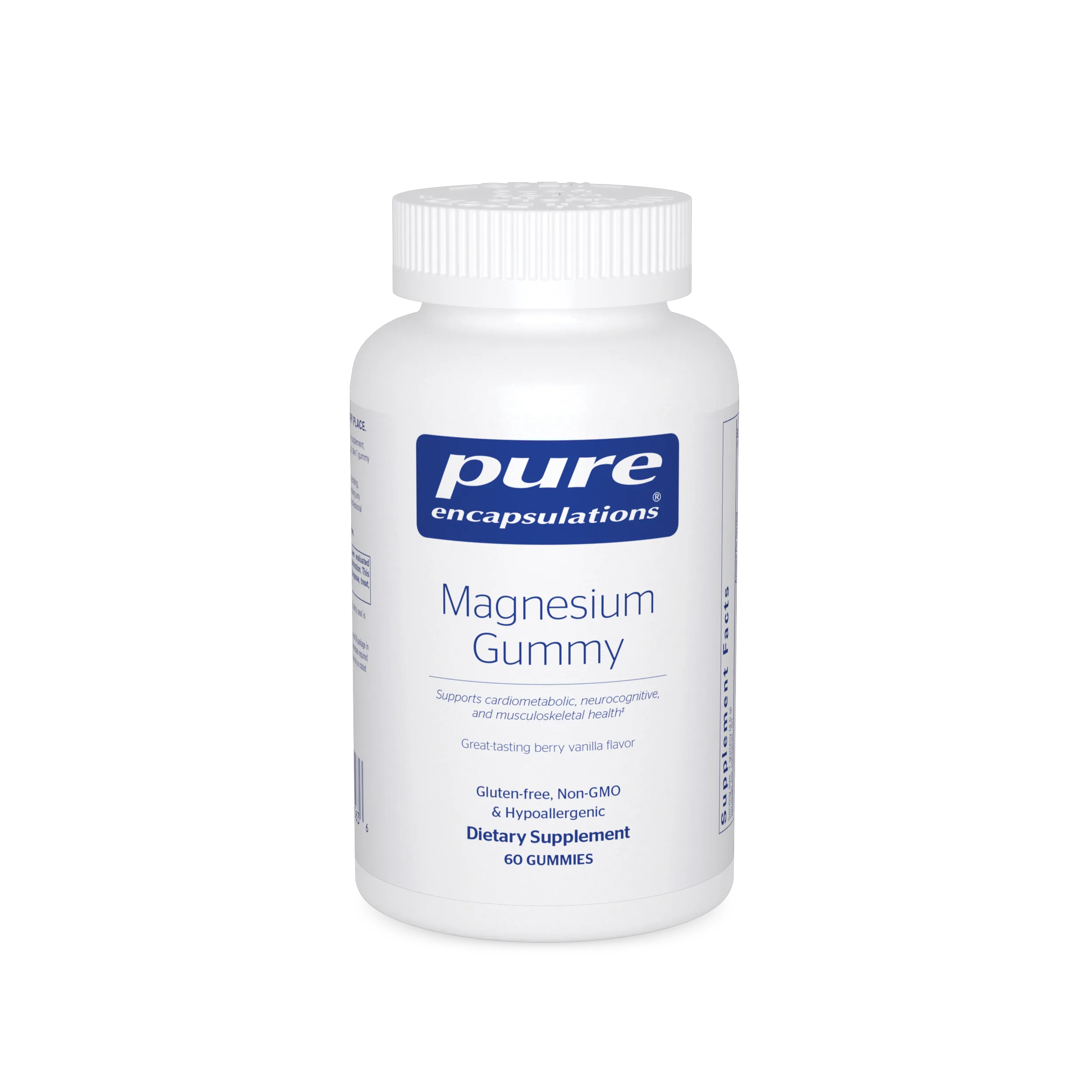
Magnesium gummies offer a highly palatable, convenient, and sensory-friendly alternative. By delivering a clinically meaningful dose of highly bioavailable magnesium citrate in a delicious, berry-vanilla format, gummies bypass the dread of pill-swallowing and make consistency effortless. For patients navigating the complexities of How Can You Live with Long-Term COVID, finding small, joyful ways to reduce the daily friction of symptom management is a crucial aspect of sustainable, long-term care.
Timing and Synergistic Co-factors
To maximize the therapeutic benefits of magnesium, timing and nutritional synergy must be considered. Because magnesium acts as the nervous system's natural relaxant, many patients find the most profound benefits when taking their dose in the late afternoon or evening, helping to quiet the day's sympathetic overstimulation and prepare the brain for restorative sleep. However, magnesium does not operate in a vacuum. It is deeply intertwined with other critical nutrients, most notably Vitamin D.
The enzymes required to convert inactive Vitamin D into its active, hormone-like form (1,25-dihydroxyvitamin D) are strictly magnesium-dependent. If a patient takes high doses of Vitamin D without adequate magnesium, the body will strip magnesium from the muscles and nerves to process the vitamin, paradoxically worsening cramps, palpitations, and fatigue. Therefore, ensuring adequate magnesium intake is a mandatory prerequisite for any successful Vitamin D protocol. Additionally, pairing magnesium with Vitamin B6 can further enhance its cellular uptake and provide synergistic support for the DAO enzyme, maximizing the breakdown of excess histamine in MCAS patients.
Follow the Science
Clinical Trials in Post-Viral Fatigue
The scientific investigation into magnesium's role in post-viral and chronic fatigue syndromes has a long and robust history. A foundational piece of literature in this space is a landmark double-blind, placebo-controlled trial published in The Lancet by Cox et al. The researchers first established that patients with ME/CFS had significantly lower red blood cell (intracellular) magnesium concentrations compared to healthy, matched controls, despite having "normal" standard serum blood tests.
In the clinical intervention phase, 32 ME/CFS patients were treated with either an intramuscular magnesium protocol or a placebo for six weeks. The results were striking: 12 out of 15 patients treated with the magnesium protocol reported significant improvements in their energy levels, emotional stability, and a reduction in deep muscle pain, compared to only 3 out of 17 in the placebo group. This study firmly established the clinical relevance of intracellular magnesium depletion in driving the core pathophysiology of post-viral exhaustion and central sensitization.
Neurological and Autonomic Studies
More recent research has continued to validate magnesium's critical role in regulating the autonomic nervous system and dampening the hyperadrenergic states seen in dysautonomia and POTS. Animal models investigating neurological function have demonstrated that magnesium sulfate protects against the bioenergetic consequences of chronic glutamate receptor stimulation. By restoring magnesium levels, researchers observed a stabilization of the vascular tone and a reduction in the chaotic "fight or flight" signaling.
Recent Data on Cognitive Impairment
As the global medical community grapples with the long-term fallout of the SARS-CoV-2 pandemic, magnesium has emerged as a key biomarker for predicting and managing Long COVID severity. A recent 2024 prospective cohort study found that low serum magnesium is a primary predictor of cognitive impairment—commonly referred to as brain fog—in adults six months post-COVID-19 infection. The researchers hypothesized that magnesium's potent immunomodulatory properties are absolutely required to reduce the lingering neuroinflammation brought on by the virus.
Furthermore, a massive cross-sectional study by Guerrero-Romero et al. identified a devastating "double deficiency" trap in Long COVID patients. The study revealed that individuals suffering from both hypomagnesemia (low magnesium) and Vitamin D deficiency exhibited a significantly higher number of clinical manifestations—specifically memory loss, severe fatigue, sleep disorders, and joint pain—than those with normal levels. Additional research on post-COVID complications has explored the possible application of melatonin, underscoring the need to address core oxidative stress and neuroinflammation.
The Path Forward
A Foundational Piece of the Puzzle
Living with complex, invisible illnesses like Long COVID, ME/CFS, dysautonomia, and MCAS is an incredibly isolating and exhausting journey. The sheer unpredictability of the symptoms—waking up feeling functional one day and completely bedbound the next—can take a profound toll on your emotional and mental wellbeing. It is important to validate that these symptoms are not in your head; they are the result of very real, measurable physiological disruptions at the cellular level. While there is no single magic pill or definitive cure for these conditions, targeted nutritional support plays a vital role in raising your baseline.
By restoring your intracellular magnesium levels, you are providing your mitochondria with the spark plugs they need to generate ATP, giving your nervous system the brake pedal it needs to calm sympathetic overdrive, and reinforcing your mast cells against chaotic histamine release. Magnesium is a foundational piece of the recovery puzzle, helping to stabilize the biological chaos so that other treatments and management strategies can take root and be effective.
Listening to Your Body
As you integrate magnesium into your daily routine, it is crucial to practice radical self-compassion and listen closely to your body's signals. Supplements are most effective when paired with comprehensive lifestyle management strategies, particularly aggressive pacing and symptom tracking. Magnesium can help raise your cellular energy ceiling, but it is not a license to push through fatigue or ignore the warning signs of post-exertional malaise (PEM). Use the additional energetic buffer provided by the magnesium to rest more deeply, rather than doing more chores.
Keep a detailed log of your heart rate, sleep quality, and cognitive clarity to monitor how your body responds to the supplementation over time. Because everyone's biochemistry is unique, the journey to finding your optimal baseline will require patience and careful observation.
Comprehensive Care and Next Steps
Navigating the complexities of post-viral illness requires a multi-disciplinary, highly individualized approach. We strongly encourage you to work closely with a dysautonomia-literate physician or functional medicine practitioner who understands the intricate relationships between mitochondrial health, autonomic dysfunction, and mast cell activation. Always consult your healthcare provider before starting any new supplement regimen to ensure it is safely integrated with your current medications.
If you are ready to support your cellular energy and calm your nervous system with a highly bioavailable, delicious, and convenient option, we invite you to explore our targeted nutritional support.