Can Maca Support Energy and Libido in Long COVID and ME/CFS?
March 5, 2026
MacaLong COVIDME/CFS
Share:
Disclaimer: The information provided here is for educational purposes only and is not intended as medical advice. It should not be used to diagnose, treat, cure, or prevent any medical condition. Instead, use it as a starting point for discussion with your healthcare provider. Always consult with a qualified healthcare provider before starting any new medication, supplement, device, or making changes to your health regimen.
Living with a complex chronic illness often feels like a relentless battle against your own body. For individuals navigating the unpredictable waters of Long COVID, myalgic encephalomyelitis/chronic fatigue syndrome (ME/CFS), and dysautonomia, the most visible struggle is often the profound, debilitating fatigue. However, beneath the surface of this exhaustion lies another, frequently unspoken loss: the decline of libido, sexual health, and reproductive vitality. When your body is dedicating every ounce of its cellular energy simply to keeping you upright and functioning, intimacy and sexual desire are often the first physiological processes to be downregulated. This loss can take a heavy emotional toll, compounding the grief and isolation that already accompany chronic illness.
For centuries, traditional medicine systems have utilized adaptogenic plants to restore vitality and resilience in the face of severe physical and environmental stress. One such botanical is Maca (Lepidium meyenii), a resilient root cultivated in the harsh, high-altitude climates of the Andes Mountains. Today, modern clinical research is beginning to uncover the precise molecular mechanisms behind Maca's historical reputation. Far from being a simple stimulant, highly concentrated extracts like Maca-3 offer a sophisticated, synergistic approach to supporting mitochondrial energy production, modulating the stress response, and promoting healthy sexual function—crucially, without artificially altering hormone levels. In this comprehensive guide, we will explore the science behind Maca, how it interacts with the body's energy and endocrine systems, and its potential role in a holistic management strategy for complex chronic conditions.
What is Maca?
The Botanical Origins and Adaptogenic Power
Maca, scientifically known as Lepidium meyenii, is a biennial herbaceous plant belonging to the cruciferous family, which also includes broccoli, cabbage, and kale. Native to the high-altitude regions of the Peruvian Andes, Maca thrives in some of the most extreme agricultural conditions on the planet, enduring freezing temperatures, intense sunlight, and fierce winds. This remarkable environmental resilience is reflected in its complex phytochemical profile. For over 3,000 years, indigenous populations have utilized the Maca root not only as a staple food source but as a potent medicinal adaptogen. An adaptogen is a natural substance that helps the body adapt to physical, chemical, and biological stressors, restoring physiological homeostasis without causing excessive stimulation or subsequent crashes.
Unlike synthetic stimulants like caffeine or amphetamines, which force the central nervous system into a state of hyper-arousal, adaptogens like Maca work by modulating the body's foundational regulatory systems. They act as metabolic thermostats, upregulating cellular energy production when the body is depleted and downregulating hyperactive stress responses when the nervous system is overwhelmed. This bidirectional balancing act makes Maca particularly intriguing for individuals with complex chronic conditions, where the autonomic nervous system is frequently stuck in a state of dysautonomia—fluctuating wildly between fight-or-flight overdrive and profound exhaustion. By supporting the body's innate resilience, Maca helps build a more stable foundation for systemic recovery.
The Unique Chemistry of Macamides and Macaenes
The therapeutic efficacy of Maca is not derived from a single active ingredient, but rather from a synergistic blend of unique secondary metabolites. The most critical of these are macamides and macaenes, which are non-polar, long-chain fatty acids and their derivatives found exclusively in the Maca hypocotyl (the bulbous root). Interestingly, recent phytochemical research has revealed that these compounds are primarily formed during the traditional post-harvest drying process. When the fresh root is dried under the intense Andean sun, enzymatic reactions cause free fatty acids to react with benzylamine, synthesizing the highly bioactive macamides. These lipid-soluble compounds are capable of crossing the blood-brain barrier, allowing them to exert direct neuroprotective and neuromodulatory effects within the central nervous system.
At the molecular level, macamides interact intimately with the body's endocannabinoid system. Specifically, studies have demonstrated that macamides act as potent inhibitors of Fatty Acid Amide Hydrolase (FAAH). FAAH is the enzyme responsible for degrading anandamide, an endogenous cannabinoid often referred to as the "bliss molecule" due to its role in regulating mood, pain sensation, and stress resilience. By inhibiting the FAAH enzyme, macamides effectively increase the circulating levels of anandamide in the brain. This elevation in anandamide helps to buffer the psychological and physiological impacts of chronic stress, reducing anxiety and promoting a sense of calm focus. Furthermore, macaenes act as intracellular buffers during physical exertion, neutralizing reactive oxygen species (ROS) and delaying the onset of muscular fatigue.
Glucosinolates and Cellular Defense Mechanisms
Another crucial class of bioactive compounds found in Maca are glucosinolates, particularly benzyl glucosinolate (also known as glucotropaeolin). Glucosinolates are sulfur-rich secondary metabolites that serve as the plant's natural defense mechanism against environmental stressors and pathogens. When Maca is consumed and digested, an enzyme called myrosinase hydrolyzes these glucosinolates into highly reactive compounds known as isothiocyanates, primarily Benzyl Isothiocyanate (BITC). These isothiocyanates are powerful modulators of cellular health and systemic inflammation.
Once in the bloodstream, BITC acts as a potent inducer of Phase 2 detoxification enzymes in the liver. It activates the Nrf2 signaling pathway, which is the master regulator of the body's antioxidant response. By upregulating Nrf2, Maca stimulates the production of endogenous antioxidants like glutathione, superoxide dismutase (SOD), and catalase. This robust antioxidant defense is critical for neutralizing the oxidative stress that constantly bombards cells during chronic illness. Additionally, glucosinolates play a fascinating evolutionary role within the plant itself; they act as the biochemical precursors to the benzylamine required to synthesize macamides during the drying process, highlighting the intricate, interconnected chemistry that gives Maca its unique therapeutic profile.
How Chronic Illness Impacts Energy and Endocrine Function
The Vicious Cycle of Mitochondrial Dysfunction
To understand how Maca can be beneficial, we must first examine the profound physiological disruptions that characterize conditions like Long COVID, ME/CFS, and dysautonomia. At the core of these illnesses lies a severe crisis in cellular energy production, primarily driven by mitochondrial dysfunction. Mitochondria are the microscopic powerhouses within our cells responsible for converting the food we eat and the oxygen we breathe into adenosine triphosphate (ATP), the universal energy currency of the body. In a healthy system, this process—known as oxidative phosphorylation—runs smoothly, providing a steady stream of ATP to fuel everything from muscle contractions to cognitive processing. However, emerging research indicates that viral infections, such as SARS-CoV-2, can directly hijack and damage these delicate organelles.
When mitochondria are damaged by viral persistence, chronic inflammation, or severe oxidative stress, they become inefficient and fragmented. Instead of producing abundant ATP, they begin to leak excessive amounts of reactive oxygen species (ROS), creating a state of severe oxidative stress that further damages cellular structures. This energy deficit is the primary driver of post-exertional malaise (PEM), a hallmark symptom of ME/CFS where even minor physical or cognitive exertion leads to a disproportionate and debilitating crash. The body simply cannot meet the energy demands placed upon it, leading to profound systemic fatigue. If you are wondering How Long Does COVID Fatigue Normally Last?, the answer often depends heavily on the recovery and restoration of this underlying mitochondrial function.
HPA Axis Dysregulation and the Autonomic Nervous System
Beyond the mitochondria, chronic illness severely impacts the neuroendocrine system, particularly the hypothalamic-pituitary-adrenal (HPA) axis. The HPA axis is the body's central stress response system, coordinating the release of hormones like cortisol and adrenaline to help the body navigate acute threats. In conditions like dysautonomia and postural orthostatic tachycardia syndrome (POTS), the autonomic nervous system is trapped in a state of sympathetic overdrive—a perpetual "fight-or-flight" response. This constant state of high alert places immense strain on the HPA axis, eventually leading to a blunted or dysregulated cortisol response. The body becomes simultaneously wired and tired, unable to mount an appropriate energy response to daily stressors while simultaneously unable to achieve deep, restorative rest.
This dysregulation is further compounded by neuroinflammation. When the immune system remains hyperactive long after an initial infection, it triggers the activation of microglia, the resident immune cells of the brain. Chronic microglial activation bathes the central nervous system in inflammatory cytokines, disrupting neurotransmitter balance and impairing cognitive function—a phenomenon commonly experienced as "brain fog." This systemic inflammation and autonomic instability create a hostile environment for normal physiological processes, forcing the body to triage its resources. Survival mechanisms take precedence, while non-essential functions, such as reproduction and sexual desire, are rapidly downregulated.
The Hidden Toll on Libido and Sexual Health
The intersection of profound fatigue, autonomic dysfunction, and neuroendocrine imbalance inevitably takes a severe toll on libido and sexual health. Sexual arousal and performance require a complex, highly coordinated interplay between the brain, the vascular system, and the endocrine system. When the body is trapped in a chronic state of energy conservation and sympathetic overdrive, the parasympathetic nervous system—which is responsible for the "rest and digest" and "arousal" states—is suppressed. Blood flow is diverted away from the reproductive organs to prioritize vital organs like the heart and lungs, and the psychological burden of chronic illness dampens the neurological pathways associated with desire and intimacy.
Furthermore, many of the pharmacological treatments used to manage the symptoms of complex chronic illnesses can inadvertently exacerbate sexual dysfunction. For example, selective serotonin reuptake inhibitors (SSRIs) and serotonin-norepinephrine reuptake inhibitors (SNRIs), which are frequently prescribed to manage the mood disturbances, neuropathic pain, and autonomic instability associated with Long COVID and ME/CFS, are notorious for causing antidepressant-induced sexual dysfunction (AISD). Clinical data shows that these medications can blunt sexual desire, impair arousal, and delay or prevent orgasm. For patients already grieving the loss of their pre-illness physical capabilities, this chemically induced loss of intimacy can be deeply distressing, highlighting the urgent need for supportive, non-pharmacological interventions.
Maca-3: Supporting Energy, Stamina, and Sexual Function
Restoring Mitochondrial Biogenesis and Cellular Energy
Maca-3 offers a multifaceted approach to combating the profound energy deficits experienced in chronic illness by directly supporting mitochondrial health and cellular metabolism. The standardized extracts in Maca-3 are rich in bioactive compounds that have been shown to upregulate key genetic pathways responsible for mitochondrial biogenesis—the process by which cells create new, healthy mitochondria. A 2022 study demonstrated that Maca supplementation significantly increases the expression of PGC-1α (Peroxisome proliferator-activated receptor gamma coactivator 1-alpha) and SIRT1 (Sirtuin 1). These proteins act as the master regulators of cellular energy metabolism, signaling the cell to increase its mitochondrial density and improve the efficiency of oxidative phosphorylation.
By stimulating the PGC-1α pathway, Maca helps to rebuild the cellular infrastructure that has been damaged by viral infections or chronic oxidative stress. Furthermore, Maca has been shown to optimize the NAD+/NADH ratio within the cell. NAD+ (Nicotinamide adenine dinucleotide) is a crucial coenzyme required for the transfer of electrons within the mitochondrial electron transport chain. By maintaining a healthy NAD+ balance, Maca ensures that the mitochondria can efficiently convert nutrients into ATP. This enhanced energy production is vital for patients experiencing severe fatigue, as it provides the foundational cellular energy required to support daily activities and mitigate the severity of post-exertional malaise. For a deeper understanding of this process, you can explore our comprehensive guide on Mitochondrial Health: A Key to Combat Long COVID.
Modulating the Endocannabinoid System for Stress Resilience
Beyond its metabolic benefits, Maca exerts profound effects on the central nervous system, offering crucial support for patients dealing with the neurological and psychological burdens of chronic illness. The unique macamides found in Maca-3 play a pivotal role in modulating the endocannabinoid system, a complex cell-signaling network that regulates mood, pain sensation, and the body's response to stress. As previously mentioned, macamides act as potent inhibitors of the FAAH enzyme, preventing the rapid breakdown of anandamide. By sustaining higher levels of this endogenous "bliss molecule" in the brain, Maca helps to buffer the hyperactive stress response characteristic of dysautonomia and HPA axis dysregulation.
This elevation in anandamide provides a neuroprotective effect, shielding the brain from the toxic effects of chronic cortisol exposure and neuroinflammation. It promotes a state of calm alertness, helping to alleviate the anxiety, irritability, and mood swings that frequently accompany complex chronic conditions. Furthermore, by interacting with Cannabinoid Receptor Type 1 (CB1) and the peroxisome proliferator-activated receptor gamma (PPARγ), macamides help to regulate systemic inflammation and promote neurological homeostasis. This gentle, adaptogenic modulation of the nervous system is a stark contrast to the jarring effects of traditional stimulants, making Maca a much safer and more sustainable option for individuals with highly sensitive, reactive nervous systems.
Hormone-Independent Support for Libido and Sexual Function
Perhaps one of the most unique and highly sought-after benefits of Maca-3 is its ability to support healthy libido and sexual performance without directly altering serum hormone levels. For decades, it was assumed that Maca's aphrodisiac properties were the result of increased testosterone or estrogen production. However, rigorous clinical trials have consistently demonstrated that Maca improves sexual desire and function independently of any changes in circulating sex hormones. This makes it an incredibly valuable tool for patients who are sensitive to hormonal fluctuations, those with hormone-sensitive conditions, or individuals whose sexual dysfunction is driven by neurological or medication-induced factors rather than hormonal deficiencies.
The mechanism behind Maca's libido-enhancing effects is believed to be centrally mediated, meaning it acts directly on the brain and nervous system rather than the endocrine glands. The macamides and macaenes in Maca-3 are thought to modulate neurotransmitter activity in the hypothalamus and limbic system, the brain regions responsible for regulating sexual desire and arousal. Additionally, Maca's ability to improve localized blood flow and reduce performance anxiety through its anandamide-boosting effects contributes to improved sexual function. For patients suffering from SSRI-induced sexual dysfunction or the profound loss of libido associated with the chronic fatigue of Long COVID and ME/CFS, Maca offers a validating, science-backed avenue for reclaiming intimacy and reproductive vitality.

Symptoms Maca-3 May Help Manage
Targeted Symptom Relief for Complex Conditions
Maca-3 provides a comprehensive, multi-system approach to symptom management. By addressing underlying mitochondrial dysfunction, modulating the stress response, and supporting neurological health, it can help alleviate several of the most challenging symptoms associated with complex chronic illnesses. Here is a breakdown of the specific symptoms Maca-3 may help manage:
Debilitating Fatigue and Low Energy: By upregulating mitochondrial biogenesis (via the PGC-1α pathway) and optimizing the NAD+/NADH ratio, Maca enhances cellular ATP production. This provides a more stable, sustainable source of energy, helping to combat the profound, heavy fatigue that characterizes Long COVID and ME/CFS, and potentially raising the threshold for post-exertional malaise (PEM).
Low Libido and Sexual Dysfunction: Maca's unique macamides and macaenes act on the central nervous system to enhance sexual desire and arousal. Clinical evidence indicates it is particularly effective for managing antidepressant-induced sexual dysfunction (AISD) and the loss of libido associated with chronic illness, crucially without disrupting natural hormone levels.
Brain Fog and Cognitive Impairment: The neuroprotective effects of Maca, driven by its ability to inhibit the FAAH enzyme and elevate anandamide levels, help to buffer the brain against neuroinflammation and oxidative stress. This can lead to improved mental clarity, enhanced focus, and a reduction in the cognitive sluggishness often described as "brain fog."
Poor Physical Stamina and Exercise Intolerance: Macaenes act as powerful intracellular buffers during physical exertion, helping to neutralize reactive oxygen species (ROS) and clear metabolic waste products like lactic acid. Preclinical studies show this can significantly delay the onset of muscular fatigue and improve overall physical endurance.
Mood Imbalances and Anxiety: By modulating the endocannabinoid system and supporting the HPA axis, Maca helps to regulate the body's stress response. The increase in circulating anandamide promotes a sense of calm and emotional stability, helping to mitigate the anxiety, irritability, and mood swings that frequently accompany dysautonomia and chronic illness.
Practical Considerations: Forms, Dosing, and Absorption
Understanding Gelatinized vs. Raw Maca
When considering Maca supplementation, understanding the difference between raw and gelatinized forms is crucial for both efficacy and digestive comfort. Raw Maca powder is produced by simply sun-drying and milling the harvested root. While this method preserves certain heat-sensitive enzymes, raw Maca contains high concentrations of complex starches, specifically amylose and amylopectin. The human digestive tract lacks the specific enzymes required to efficiently break down these raw starches. As a result, consuming raw Maca often leads to significant gastrointestinal distress, including bloating, gas, and cramping. Furthermore, because the starches remain intact, the valuable bioactive compounds—the macamides, macaenes, and glucosinolates—remain locked away, resulting in poor bioavailability and reduced therapeutic effect.
To overcome this limitation, high-quality supplements like Maca-3 utilize a process called gelatinization. It is important to note that "gelatinized" does not mean the product contains animal gelatin; it is a 100% vegan process. Gelatinization involves applying gentle heat and pressure (extrusion) to the Maca root, which breaks down and removes the difficult-to-digest starch content. This process dramatically enhances the bioavailability of the supplement, ensuring that the critical phytochemicals are readily absorbed into the bloodstream. Additionally, by removing the bulky starches, the gelatinization process effectively concentrates the Maca, meaning a smaller dose of gelatinized extract can deliver a much higher payload of bioactive compounds compared to a larger dose of raw powder. This makes it an ideal choice for individuals with sensitive digestive systems, such as those exploring a Gut-Brain Reset.
Optimal Dosing and Timing Strategies
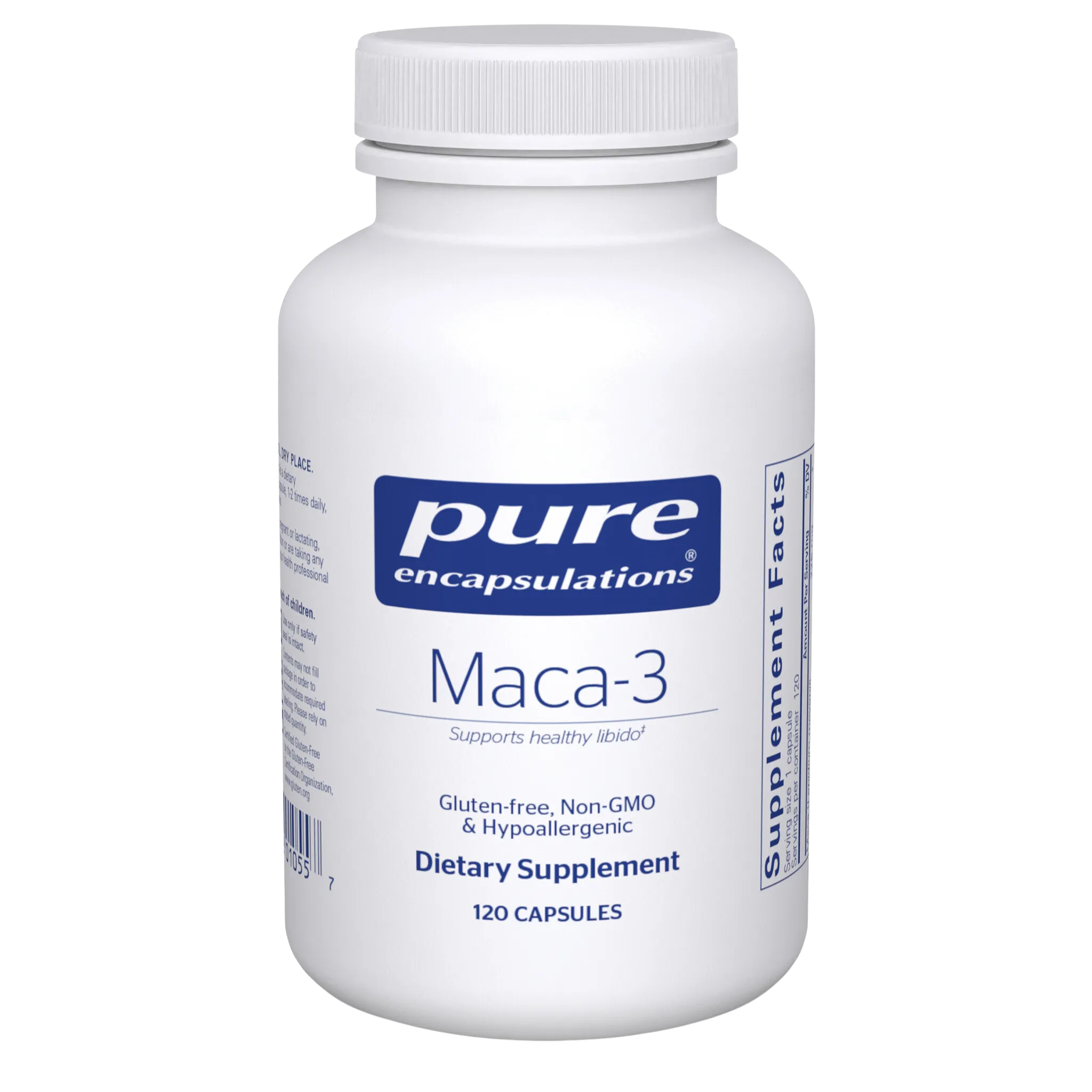
Achieving the optimal therapeutic benefits of Maca requires consistent, appropriate dosing. In clinical trials evaluating Maca for fatigue, energy enhancement, and sexual dysfunction, the effective dosage typically ranges from 1,500 mg to 3,000 mg (1.5 to 3.0 grams) per day. Maca-3 by Pure Encapsulations provides a highly concentrated, standardized blend of extracts, delivering a potent dose of the key constituents (0.6% macamides and macaenes, and 0.1% glucosinolates) in each capsule. The suggested use is one capsule, one to two times daily. Because Maca is an adaptogen that supports energy metabolism, it is generally recommended to take it earlier in the day—such as with breakfast and lunch—to avoid any potential interference with sleep architecture, though it does not contain stimulants like caffeine.
It is also important to manage expectations regarding the timeline for symptom improvement. Unlike pharmaceutical stimulants or PDE-5 inhibitors (like Viagra) which act acutely, Maca works by fundamentally modulating cellular metabolism and neuroendocrine pathways. This is a gradual process of physiological restoration. While some individuals may notice subtle improvements in energy and mood within the first few weeks, clinical trials indicate that the most significant benefits for libido, sexual function, and chronic fatigue typically emerge after 8 to 12 weeks of consistent, daily supplementation. Patience and consistency are key when utilizing adaptogenic therapies.
Potential Interactions and Safety Considerations
Maca has an excellent overall safety profile and has been consumed as a dietary staple for millennia. However, because it contains potent bioactive compounds that interact with the liver and endocrine system, there are important safety considerations. First, as a cruciferous vegetable, Maca contains glucosinolates, which can act as goitrogens. Goitrogens can interfere with the thyroid gland's ability to absorb iodine, potentially disrupting thyroid hormone production. Individuals with pre-existing thyroid disorders (such as hypothyroidism or Hashimoto's thyroiditis) should consult their healthcare provider before using Maca, and should strictly avoid raw, ungelatinized forms.
Furthermore, Maca may interact with certain medications. Recent pharmacological research suggests that Maca may inhibit the cytochrome P450 3A4 (CYP3A4) enzyme in the liver, which is responsible for metabolizing a wide variety of prescription drugs, including certain antidepressants and blood pressure medications. Inhibiting this enzyme could lead to higher-than-intended levels of these medications in the bloodstream. Additionally, while Maca does not contain human hormones, its adaptogenic effects on the endocrine system mean it should be used with caution by individuals with hormone-sensitive conditions (such as breast cancer, endometriosis, or uterine fibroids) or those undergoing hormone replacement therapy. Always consult with a qualified healthcare professional before adding Maca to your regimen, especially if you are managing a complex chronic illness or taking multiple prescription medications.

Follow the Science
Clinical Evidence for Fatigue and Mitochondrial Function
The historical use of Maca as an energy-enhancing adaptogen is increasingly supported by rigorous modern scientific inquiry. Recent clinical trials and systematic reviews have begun to quantify its impact on physical fatigue and cellular energy metabolism. A notable 2022 randomized, double-blind, placebo-controlled study investigated the effects of Maca extract on daily fatigue in 60 adult women. The participants were given a specific Maca extract standardized to contain 9.6 mg/day of benzyl glucosinolate for four weeks. The results were highly compelling: subjects taking the Maca extract experienced a statistically significant decrease in their daily fatigue scores, measured via a Visual Analogue Scale (VAS), compared to the placebo group. The reduction in fatigue was particularly pronounced in women under the age of 45, highlighting its potential for restoring vitality in younger demographics impacted by chronic exhaustion.
The mechanisms behind this anti-fatigue effect are heavily supported by preclinical data. A 2024 systematic review and meta-analysis evaluating the physical performance effects of Maca across multiple animal models demonstrated a massive, dose-dependent effect size. The data revealed that Maca supplementation significantly increases time-to-exhaustion during intense physical exertion. Furthermore, biochemical analysis showed that Maca rapidly accelerates the clearance of blood lactic acid and ammonia post-exercise, while simultaneously boosting the levels of endogenous antioxidant enzymes like Glutathione Peroxidase (GPx) and Superoxide Dismutase (SOD). This robust evidence confirms that Maca directly protects mitochondrial integrity and optimizes metabolic efficiency during periods of severe physical stress.
Trials on Sexual Dysfunction and Libido
Maca's efficacy in addressing sexual dysfunction, particularly when induced by medications or chronic illness, is one of its most well-documented clinical applications. A landmark double-blind, placebo-controlled trial investigated the use of Maca root for the treatment of antidepressant-induced sexual dysfunction (AISD) in 45 female outpatients. These women were experiencing severe sexual dysfunction as a side effect of SSRI or SNRI medications. They were administered 3.0 grams of Maca daily for 12 weeks. By the end of the trial, the Maca group demonstrated a significantly higher remission rate of sexual dysfunction compared to the placebo group. Specifically, postmenopausal women experienced profound improvements in their ability to achieve orgasm, while premenopausal women saw significant increases in sexual arousal.
The benefits of Maca extend to male sexual health as well. A comprehensive meta-analysis evaluating Maca for erectile dysfunction (ED) pooled data from multiple randomized controlled trials. The analysis concluded that Maca supplementation has a positive, statistically significant effect on erectile function in men with mild ED, improving both subjective well-being and sexual performance scores on the International Index of Erectile Function (IIEF-5). Crucially, across all these human trials, blood panels consistently confirmed that Maca achieved these improvements in libido and sexual function without altering serum testosterone or estrogen levels. This hormone-independent mechanism solidifies Maca's role as a unique, centrally-acting neuromodulator capable of restoring intimacy and sexual health in patients navigating the complex pharmacological landscapes of chronic illness.
The Path Forward
Integrating Maca into Your Routine
Navigating the daily realities of Long COVID, ME/CFS, dysautonomia, or MCAS requires immense resilience. The profound fatigue, autonomic instability, and the often-unspoken loss of libido can make the journey feel incredibly isolating. It is vital to remember that these symptoms are not personal failings; they are the physiological consequences of a body locked in a state of chronic cellular stress and energy depletion. While there is no single miracle cure for these complex conditions, integrating targeted, science-backed adaptogens like Maca-3 into your care plan can provide meaningful support. By gently upregulating mitochondrial biogenesis, modulating the endocannabinoid system, and supporting hormone-independent sexual health, Maca offers a pathway to restoring a measure of vitality and systemic balance.
A Comprehensive Approach to Care
However, it is crucial to view supplements as just one piece of a much larger, comprehensive management strategy. The foundation of chronic illness recovery must always be built upon aggressive pacing, meticulous symptom tracking, and the avoidance of post-exertional malaise. Maca-3 should be used to support your body's baseline energy production, not as a tool to push through fatigue or exceed your energy envelope. If you are a caregiver supporting a loved one through this journey, understanding the profound systemic impact of these illnesses is essential. You can learn more in our Caregiver Corner: How to Inform Others About ME/CFS and/or Long COVID. Always consult with your healthcare provider before starting any new supplement, especially if you are taking prescription medications or managing a complex condition, to ensure it aligns safely with your specific medical needs.