Can Lutein and Zeaxanthin Help Manage Brain Fog and Visual Symptoms in Long COVID?
March 5, 2026
LuteinZeaxanthinLong COVID
Share:
Disclaimer: The information provided here is for educational purposes only and is not intended as medical advice. It should not be used to diagnose, treat, cure, or prevent any medical condition. Instead, use it as a starting point for discussion with your healthcare provider. Always consult with a qualified healthcare provider before starting any new medication, supplement, device, or making changes to your health regimen.
Months or even years after an acute viral infection, many individuals find themselves battling a relentless array of neurological and visual symptoms. If you are living with Long COVID, myalgic encephalomyelitis/chronic fatigue syndrome (ME/CFS), or dysautonomia, you are likely intimately familiar with the debilitating cognitive impairment often described as "brain fog." You may also be experiencing frustrating visual changes, such as intense light sensitivity, difficulty focusing, or visual fatigue after minimal screen time. These symptoms are not just in your head; they are rooted in complex physiological disruptions, including severe neuroinflammation, oxidative stress, and mitochondrial dysfunction. Finding targeted ways to protect the brain and eyes from this ongoing cellular damage is a critical component of managing these complex chronic conditions.
Enter Lutein and Zeaxanthin, two potent dietary compounds traditionally celebrated for their role in eye health. While they are famous for protecting the aging eye from macular degeneration, an emerging body of clinical research is revealing their profound impact on the central nervous system. Because these unique molecules can cross the blood-brain barrier, they are now being heavily studied for their ability to quench neuroinflammation, neutralize toxic free radicals, and improve cognitive function in post-viral syndromes. In this comprehensive guide, we will explore the intricate biochemical mechanisms of lutein and zeaxanthin, examine how they counteract the specific pathways disrupted by Long COVID and ME/CFS, and discuss how targeted supplementation might support your journey toward improved cognitive clarity and visual resilience.
What Are Lutein and Zeaxanthin?
The Macular Pigment and Ocular Defense
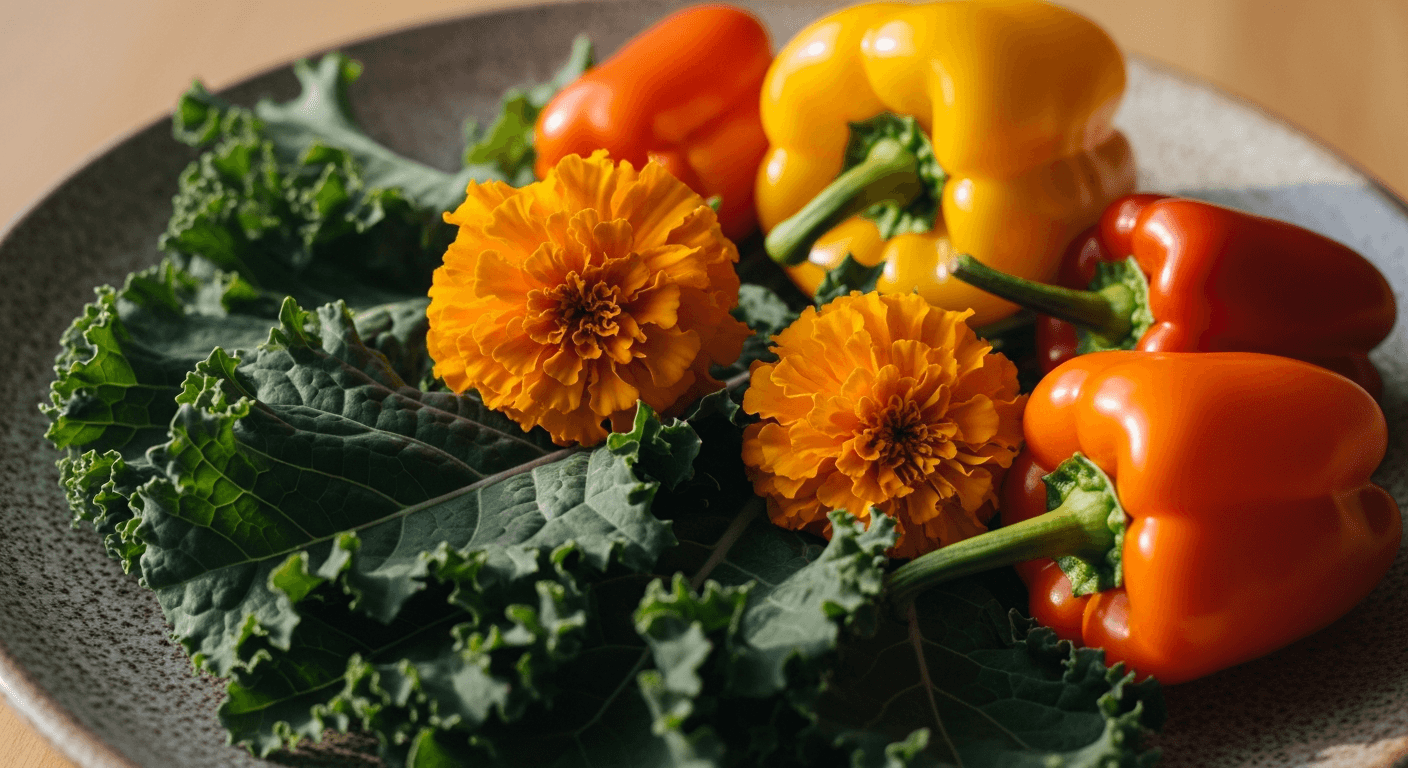
Lutein and zeaxanthin belong to a class of naturally occurring pigments known as carotenoids, specifically a subcategory called xanthophylls. Out of more than 600 carotenoids found in nature, lutein and zeaxanthin (along with their metabolite, meso-zeaxanthin) are the only ones that successfully cross the blood-retina barrier to selectively accumulate in the foveal region of the human retina. Together, these concentrated compounds form what is clinically known as the macular pigment (MP). Humans cannot synthesize these vital molecules natively, meaning we must obtain them entirely through our diet, primarily from dark green leafy vegetables like spinach and kale, as well as from egg yolks.
Once ingested and transported to the eye, lutein and zeaxanthin are anchored into place by highly specific binding proteins. The protein StARD3 selectively binds to lutein, while GSTP1 binds to zeaxanthin, ensuring these protective pigments are densely packed exactly where they are needed most. In the macula, they act as a physical, internal pair of sunglasses. Research indicates that this macular pigment absorbs up to 90% of highly energetic and phototoxic blue light radiation. By filtering out this damaging light before it can reach the delicate photoreceptors and the retinal pigment epithelium (RPE), lutein and zeaxanthin prevent light-induced oxidative damage that would otherwise degrade visual acuity over time.
Direct Antioxidant Scavenging and Cellular Protection
Beyond their role as a physical light filter, lutein and zeaxanthin are exceptionally powerful direct antioxidants. The human retina and the brain are highly metabolically active, consuming massive amounts of oxygen and containing high concentrations of polyunsaturated fatty acids. This lipid-rich environment makes both the eyes and the central nervous system incredibly vulnerable to oxidative stress and lipid peroxidation. Lutein and zeaxanthin possess a unique molecular structure featuring a long system of conjugated double bonds, which allows them to act as highly efficient electron donors. They directly quench reactive oxygen species (ROS), particularly a highly volatile molecule known as singlet oxygen, neutralizing these threats before they can damage cellular DNA or proteins.
Furthermore, unlike nonpolar carotenoids (such as beta-carotene), lutein and zeaxanthin have polar hydroxyl groups at both ends of their molecular structure. This specific configuration allows them to naturally span across cellular lipid bilayers, anchoring themselves within the cell membranes. From this unique transmembrane position, they are perfectly situated to trap lipid peroxyl radicals and prevent the chain reaction of lipid peroxidation. By maintaining the structural integrity of the cellular membranes, these carotenoids ensure that neurons and photoreceptors can continue to function optimally, even in environments characterized by high metabolic stress.
The Nrf2 Pathway and Endogenous Antioxidant Activation
In addition to directly neutralizing free radicals, lutein and zeaxanthin act as sophisticated signaling molecules that upregulate the body's own internal antioxidant defenses. Studies have shown that lutein triggers the dissociation of the Keap1 protein from Nrf2 (Nuclear factor erythroid 2-related factor 2), a master regulator of cellular resistance to oxidants. Once freed, Nrf2 translocates into the cell's nucleus and binds to the Antioxidant Response Element (ARE) on the DNA.
This binding process initiates the transcription and production of powerful endogenous antioxidant enzymes, such as Heme Oxygenase-1 (HO-1) and NAD(P)H quinone oxidoreductase 1 (NQO1). By activating the Nrf2/HO-1 pathway, lutein and zeaxanthin essentially train the cells to better defend themselves against future oxidative insults. This indirect antioxidant mechanism provides a sustained, long-lasting protective effect that extends far beyond the lifespan of the carotenoid molecules themselves, offering profound benefits for tissues that are constantly bombarded by metabolic byproducts.
How Long COVID and ME/CFS Impact the Brain and Eyes
The Vicious Cycle of Neuroinflammation
To understand why lutein and zeaxanthin are so relevant to chronic post-viral conditions, we must first examine how these illnesses impact the central nervous system. If you are wondering What Causes Long COVID?, a leading theory involves the persistence of viral particles or viral RNA (such as the SARS-CoV-2 spike protein) deep within tissues, including the brain and the gut. This viral persistence keeps the immune system locked in a state of chronic, low-grade activation. The immune cells in the brain, known as microglia, become hyperactive and begin churning out pro-inflammatory cytokines like Interleukin-6 (IL-6), Interleukin-1 beta (IL-1β), and Tumor Necrosis Factor-alpha (TNF-α).
This relentless neuroinflammation damages the delicate neural networks responsible for memory, focus, and autonomic regulation. It also compromises the blood-brain barrier, allowing systemic inflammatory molecules to infiltrate the central nervous system. This inflammatory cascade is heavily driven by the activation of the NF-κB (Nuclear Factor kappa-light-chain-enhancer of activated B cells) signaling pathway. When NF-κB is chronically upregulated, it creates a vicious cycle where inflammation breeds more inflammation, leading to the severe neurological symptoms and profound neuro-fatigue that characterize the symptoms of Long COVID.
Redox Imbalance and Nitrosative Stress
In conditions like ME/CFS and Long COVID, the chronic immune response also triggers a severe "redox imbalance." Recent research indicates that these patients suffer from elevated oxidative stress and mitochondrial damage, particularly within their immune cells. The body begins producing abnormally high levels of superoxide and nitric oxide (NO). When these two molecules combine, they form peroxynitrite, a highly toxic free radical that causes severe nitrosative stress. This nitrosative stress directly damages the mitochondria, the energy-producing powerhouses of the cells, leading to a catastrophic drop in cellular ATP production.
When the mitochondria in your neurons and muscle cells cannot produce enough energy, you experience the debilitating exhaustion and post-exertional malaise (PEM) associated with these conditions. Furthermore, this oxidative and nitrosative stress damages the lipid membranes of the cells, a process known as lipid peroxidation. If left unchecked, this can lead to a specific type of iron-dependent cell death called ferroptosis. The brain, being incredibly rich in lipids and highly dependent on mitochondrial energy, is particularly susceptible to this type of structural and metabolic degradation.
Microvascular Dysfunction and "Brain Fog"
The combination of neuroinflammation and oxidative stress also wreaks havoc on the microvasculature—the tiny blood vessels that supply oxygen and nutrients to the brain and the eyes. In dysautonomia and Long COVID, endothelial dysfunction (damage to the lining of the blood vessels) impairs cerebral blood flow. When the brain's visual processing centers and frontal lobes do not receive adequate perfusion, patients experience severe cognitive impairment, often referred to as "brain fog." This manifests as poor working memory, difficulty finding words, and an inability to concentrate.
Similarly, the microvasculature of the retina is highly sensitive to this systemic dysfunction. Reduced blood flow and chronic inflammation in the eyes can lead to visual disturbances, such as blurred vision, difficulty tracking moving objects, and an intense sensitivity to light (photophobia). Because the eyes are essentially an extension of the brain, the visual symptoms and cognitive symptoms experienced in post-viral syndromes are often two sides of the same inflammatory coin. Understanding how a doctor diagnoses Long COVID often involves looking at these overlapping neurological and autonomic symptoms.
Lutein/Zeaxanthin: Supporting Cognitive and Visual Function
Quenching Neuroinflammation via the NF-κB Pathway
Lutein and zeaxanthin offer a targeted, multi-mechanistic approach to counteracting the specific pathophysiology of Long COVID and ME/CFS. Because these carotenoids easily cross the blood-brain barrier, they can exert their effects directly within the central nervous system. One of their most profound mechanisms of action is their ability to actively suppress the NF-κB signaling pathway. Clinical literature demonstrates that lutein inhibits the activation and DNA binding of NF-κB in microglial cells. By blocking this master inflammatory switch, lutein effectively shuts down the transcription and release of pro-inflammatory cytokines like IL-1β, IL-6, and TNF-α.
Furthermore, lutein and zeaxanthin downregulate other inflammatory pathways, including the p38 MAPK and JNK pathways, which are often hijacked by viral persistence and spike protein pathology. By cooling the inflammatory fire in the brain, these carotenoids help to restore a healthier microenvironment for neurons to function and repair. They also promote the expression of anti-inflammatory cytokines, such as Interleukin-10 (IL-10), helping to shift the immune system out of its chronic, hyper-reactive state and back toward homeostasis.
Halting Lipid Peroxidation and Ferroptosis
To combat the severe redox imbalance and nitrosative stress seen in ME/CFS, lutein and zeaxanthin act as frontline defenders for the mitochondria. By directly scavenging superoxide and trapping lipid peroxyl radicals, they interrupt the destructive cycle of oxidative stress before it can damage the mitochondrial membranes. A recent 2024 cellular study tested lutein and zeaxanthin on human neuroblastoma cells exposed to chemical neurotoxins. The researchers found that these carotenoids drastically suppressed mitochondrial oxidative stress and lipid reactive oxygen species (ROS).
Crucially, this research confirmed that lutein and zeaxanthin have the specific ability to halt ferroptosis—the iron-dependent neuronal cell death caused by severe lipid peroxidation. By preserving the structural integrity of the cellular membranes and protecting the mitochondria from oxidative destruction, these supplements help maintain the cellular energy production necessary to combat the profound fatigue and cognitive exhaustion experienced by patients with complex chronic illnesses.
Enhancing Cerebral Perfusion and Neural Efficiency
Beyond protecting against damage, lutein and zeaxanthin actively promote healthier brain function. Functional MRI (fMRI) trials have shown that daily supplementation with lutein and zeaxanthin enhances cerebral perfusion—meaning it improves blood flow to specific regions of the brain during cognitive tasks. This improved microvascular function helps counteract the endothelial dysfunction often seen in dysautonomia and Long COVID, ensuring that the brain receives the oxygen and nutrients it needs to perform complex mental operations.
Additionally, studies demonstrate that combined lutein and zeaxanthin intake promotes the expression of Brain-Derived Neurotrophic Factor (BDNF). BDNF is a crucial protein that supports the survival of existing neurons and encourages the growth and differentiation of new neurons and synapses. By boosting BDNF levels, these carotenoids support synaptic plasticity, which is essential for learning, memory recovery, and overcoming the cognitive inflexibility that characterizes post-viral brain fog.
Filtering Phototoxic Blue Light
Finally, we cannot overlook their primary role in the eyes. For patients dealing with severe light sensitivity or visual fatigue from screens, increasing the density of the macular pigment is vital. By absorbing up to 90% of incoming blue light, lutein and zeaxanthin reduce the phototoxic burden on the retina. This not only protects the photoreceptors from long-term damage but also significantly reduces the glare disability and visual discomfort that many chronic illness patients experience when trying to read, work on a computer, or simply exist in brightly lit environments.
Symptoms Lutein/Zeaxanthin May Help Manage
While lutein and zeaxanthin are not cures for complex chronic conditions, their ability to modulate neuroinflammation and protect cellular structures makes them valuable tools for symptom management. Based on their mechanisms of action, here are the specific symptoms they may help alleviate:
"Brain Fog" and Cognitive Fatigue: By suppressing the NF-κB inflammatory pathway and enhancing cerebral blood flow, lutein and zeaxanthin support improved working memory, complex attention, and cognitive flexibility, helping to clear the mental cloudiness associated with Long COVID.
Light Sensitivity (Photophobia): By increasing the optical density of the macular pigment, these carotenoids act as internal sunglasses, filtering out harsh blue light and reducing the pain and discomfort caused by bright environments or digital screens.
Visual Fatigue and Blurred Vision: By protecting the retinal pigment epithelium from oxidative stress and supporting healthy photoreceptor function, supplementation can improve contrast sensitivity and reduce the strain your eyes feel after reading or focusing for extended periods.
General Neuro-Fatigue: By halting lipid peroxidation and protecting mitochondrial membranes from nitrosative stress, lutein and zeaxanthin help preserve cellular ATP production in the brain, potentially reducing the severity of neurological exhaustion and supporting better pacing strategies.
Color Vision Deficits: The macular pigment plays a crucial role in visual processing speed and chromatic contrast. Supplementation has been shown to enhance color vision and glare recovery, which can be subtly impaired during chronic neuroinflammatory states.
Practical Considerations: Forms, Dosing, and Absorption
The Superiority of Unesterified FloraGLO® Lutein
When considering supplementation, the form of lutein you choose drastically impacts its clinical efficacy. In nature, and in many lower-quality supplements, lutein exists in an "esterified" form. This means the lutein molecule is attached to fatty acids, and your digestive tract must use specific enzymes to cleave these bonds before the lutein can be absorbed into the bloodstream. This extra digestive step significantly reduces the bioavailability of the supplement, especially for patients who may already have compromised gut function or dysautonomia-related gastrointestinal motility issues.
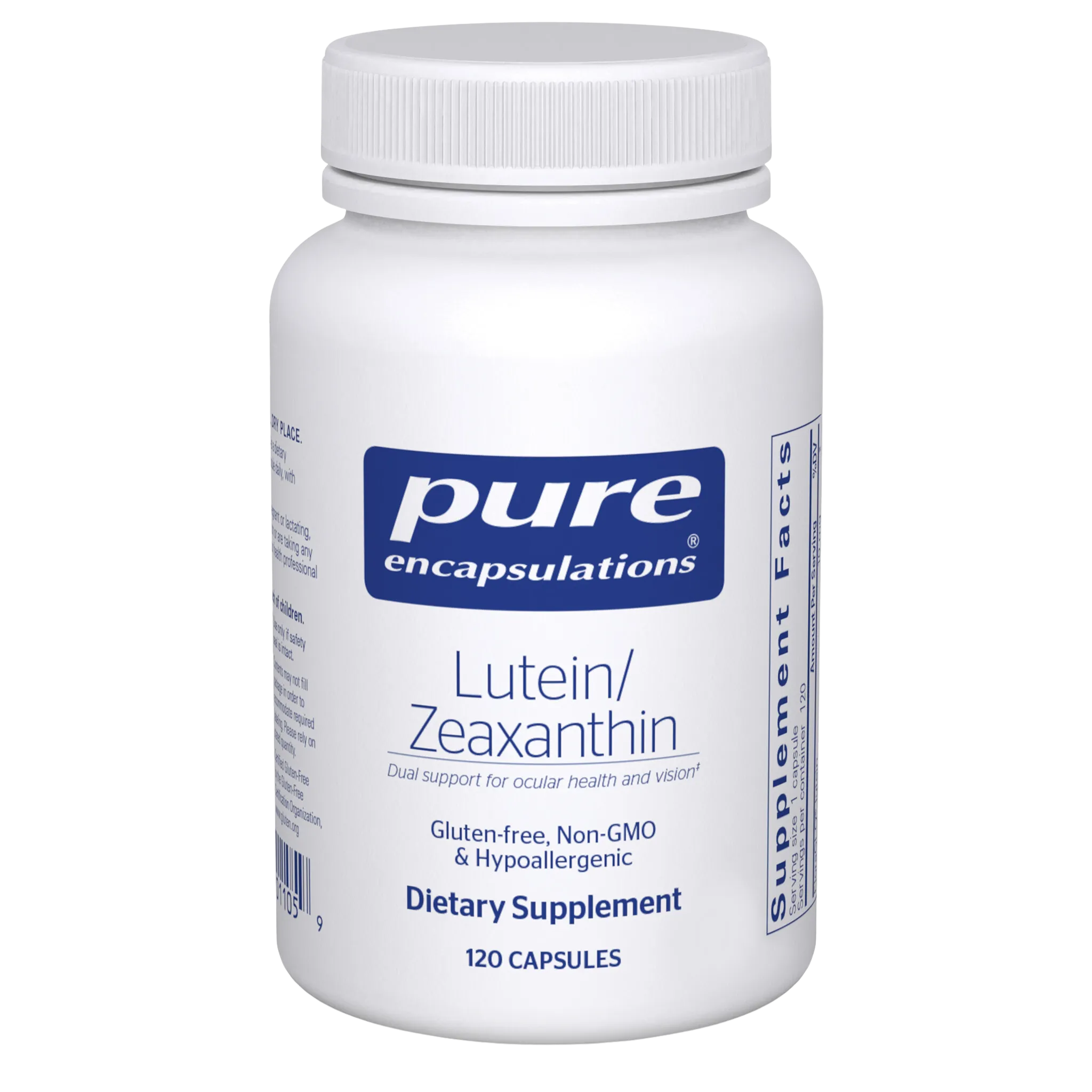
Pure Encapsulations utilizes FloraGLO® lutein, which is an unesterified (or "free") form of lutein. This formulation perfectly mimics the free lutein found naturally in dark leafy greens, allowing for direct, highly efficient absorption in the small intestine. Clinical trials comparing delivery systems have demonstrated that unesterified FloraGLO® lutein achieves significantly higher blood plasma levels compared to esterified forms. In fact, specialized microencapsulated versions of FloraGLO have been shown to increase Macular Pigment Optical Density (MPOD) by nearly 170% from baseline, proving its superior ability to reach the target tissues in the eyes and brain.
The Crucial Role of Dietary Fats in Absorption
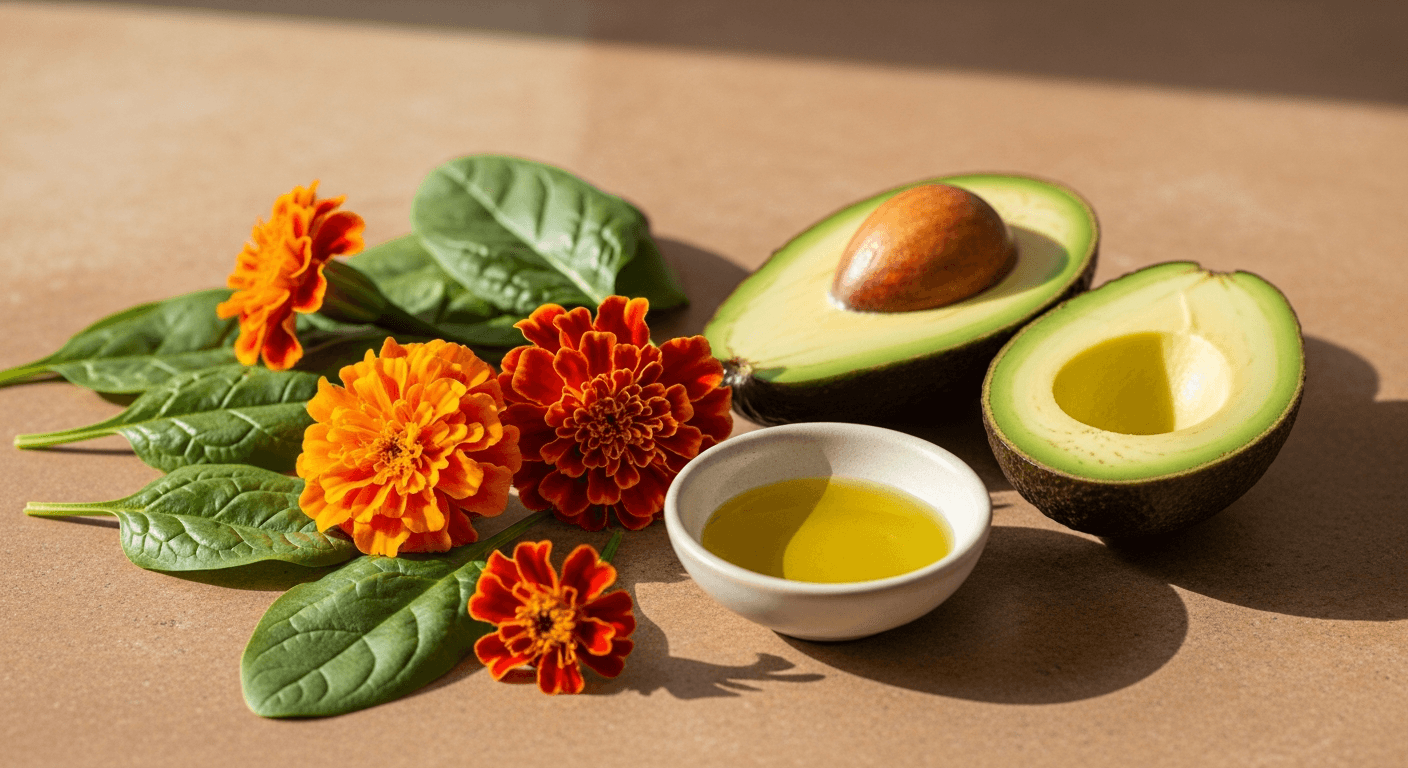
Because lutein and zeaxanthin are highly lipophilic (fat-soluble) molecules, their absorption is heavily dictated by how you consume them. If you take these supplements on an empty stomach, they will largely pass through your digestive system unabsorbed. To enter the bloodstream, these carotenoids must be incorporated into "mixed micelles"—tiny lipid clusters formed in the gastrointestinal tract with the help of dietary fats and bile acids. Therefore, it is absolutely essential to take your lutein/zeaxanthin capsule alongside your largest meal of the day, specifically one that contains a healthy amount of fat.
Interestingly, the type of fat matters. Some research suggests that fats rich in Saturated Fatty Acids (SFAs)—such as eggs, butter, or coconut oil—yield a greater bioaccessibility of lutein compared to polyunsaturated fats like fish oil. The saturated fats help form smaller, more efficient mixed micelles, significantly improving the cellular uptake of the xanthophylls. Alternatively, taking the supplement with high-quality Extra Virgin Olive Oil (EVOO) is also highly recommended, as the oleic acid provides excellent transport stability.
Pharmacokinetics and Reaching Steady State
Understanding the timing of lutein absorption helps set realistic expectations for symptom improvement. After taking a single oral dose, blood plasma concentrations of lutein typically peak between 12 to 18 hours (Tmax). However, for long-term neurological and ocular benefits, occasional supplementation is entirely insufficient. The goal is to raise the concentration of these pigments in the brain and the macula, which takes time.
Clinical data shows that with continuous, daily supplementation, blood plasma concentrations gradually rise and reach a stable "plateau" or steady state after 21 to 42 days. Therefore, strict daily compliance for at least 3 to 6 weeks is required before you can expect to notice significant improvements in cognitive clarity, light sensitivity, or visual fatigue. Consistency is key when rebuilding depleted antioxidant reserves in the central nervous system.
Safety Profile and Potential Interactions
Lutein and zeaxanthin boast an exceptionally strong safety profile and are classified as Generally Recognized as Safe (GRAS) by the FDA. The standard therapeutic dose used in most clinical trials is 10 mg of lutein and 2 mg of zeaxanthin daily, which is well within the Acceptable Daily Intake (ADI) limits. Side effects are exceedingly rare, though chronic, excessively high intake (far beyond recommended doses) can lead to carotenodermia, a harmless and reversible yellowing of the skin.
While generally safe, there are a few mild interactions to be aware of. Proton-pump inhibitors (PPIs) and lipid-lowering drugs (like statins) can decrease the absorption of dietary fats, thereby slightly reducing the absorption of fat-soluble carotenoids. Additionally, taking high doses of beta-carotene simultaneously with lutein can result in competitive inhibition, as they use the same absorption pathways. Finally, zeaxanthin has been noted to potentially lower blood sugar levels, so patients taking antidiabetic medications should monitor their glucose levels to prevent hypoglycemia. Always consult with your healthcare provider before adding new supplements to your regimen.
Follow the Science
The Landmark AREDS2 Clinical Trial
The most definitive and widely recognized scientific data regarding lutein and zeaxanthin comes from the Age-Related Eye Disease Study 2 (AREDS2), a massive Phase III, randomized, controlled multicenter clinical trial conducted by the National Institutes of Health (NIH). Following over 4,200 participants for a median of five years, the study aimed to improve upon an older antioxidant formula by replacing beta-carotene with 10 mg of lutein and 2 mg of zeaxanthin. The researchers made this change because beta-carotene had been linked to an increased risk of lung cancer in smokers.
The results were highly significant. Participants taking the lutein and zeaxanthin formulation experienced an 18% reduced risk of progressing to advanced macular degeneration compared to those taking the older beta-carotene formula. Even more impressively, patients who had the lowest dietary intake of these carotenoids at the start of the study saw a 25% reduction in their risk of disease progression. The AREDS2 trial firmly established the 10mg/2mg ratio as the gold standard for ocular protection and proved that these specific xanthophylls are incredibly safe and effective for long-term use.
Cognitive Trials and fMRI Brain Imaging
Beyond eye health, recent double-blind, placebo-controlled trials have provided compelling evidence for lutein's cognitive benefits. In a landmark 12-month trial involving older adults, researchers used functional MRI (fMRI) to track the effects of daily supplementation with 10 mg lutein and 2 mg zeaxanthin. The study found that the treatment group exhibited significantly enhanced cerebral perfusion and neural efficiency during verbal learning tasks compared to the placebo group. The researchers noted that the supplementation visibly buffered cognitive decline, yielding a strong statistical effect size (Cohen's d = 0.84).
Similar results have been replicated in younger populations. A 6-month trial involving 90 adults (ages 40–75) demonstrated that the exact same 10mg/2mg dosage led to statistically significant improvements in visual episodic memory (p = 0.005) and visual learning (p = 0.001). Furthermore, the 2025 LuTEEN study, which focused on pre-teens and adolescents, found that just 5 mg of FloraGLO® Lutein daily resulted in a 13% improvement in cognitive focus and self-control, alongside a measurable reduction in digital eye strain. These trials collectively confirm that raising Macular Pigment Optical Density (MPOD) directly correlates with improved cortical function across all age groups.
Emerging Data on Post-Viral Syndromes
While large-scale randomized trials specifically testing lutein for Long COVID are still in their infancy, the mechanistic rationale is heavily supported by emerging literature. Researchers investigating the pathophysiology of post-acute sequelae of COVID-19 (PASC) have highlighted the role of the SARS-CoV-2 spike protein in upregulating the NF-κB inflammatory pathway. Because lutein is a known, potent inhibitor of NF-κB, recent medical reviews position high-dose dietary lutein as a primary adjunct strategy to alleviate spike protein-induced neuroinflammation.
Additionally, a 2025 clinical case study reported on a Long COVID patient suffering from severe chronic fatigue, muscle pain, and autoimmune-like blood markers. After consuming high amounts of stable, lutein-rich Extra Virgin Olive Oil daily for 12 months, the patient's inflammatory markers normalized, and their chronic fatigue was highly ameliorated. While this is a single case study, it aligns perfectly with the known biochemical ability of lutein to interrupt the oxidative-nitrosative stress loop that drives the connection between Long COVID and ME/CFS. As research continues, lutein and zeaxanthin are rapidly transitioning from simple "eye vitamins" to essential neuroprotective agents.
The Path Forward
A Comprehensive Approach to Healing
Living with the unpredictable and often invisible symptoms of Long COVID, ME/CFS, or dysautonomia is profoundly exhausting. When your brain feels clouded by fog and your eyes ache from the simple act of looking at a screen, it is easy to feel overwhelmed. It is important to validate that these symptoms are real, physiological manifestations of neuroinflammation and oxidative stress. While there is no single magic pill that will instantly cure these complex conditions, targeted nutritional support can be a powerful tool in your management arsenal. By providing your brain and eyes with the specific antioxidants they need to quench inflammation and protect cellular membranes, you are actively supporting your body's innate ability to heal and stabilize.
Partnering with Your Healthcare Provider
Remember that supplements like lutein and zeaxanthin are most effective when used as part of a comprehensive, holistic management strategy. They work best alongside aggressive pacing to prevent post-exertional malaise, meticulous symptom tracking, and nervous system regulation techniques. If you are wondering Do Long COVID Symptoms Come and Go?, the answer is yes, and building a resilient cellular foundation can help smooth out those unpredictable crashes. Always consult with your healthcare provider before starting any new supplement, especially to ensure it fits safely within your current medication regimen and overall treatment plan.