Can Thorne Liver Cleanse Support Detoxification and Bile Flow in Long COVID and ME/CFS?
March 6, 2026
Thorne Liver CleanseLong COVIDME/CFS
Share:
Disclaimer: The information provided here is for educational purposes only and is not intended as medical advice. It should not be used to diagnose, treat, cure, or prevent any medical condition. Instead, use it as a starting point for discussion with your healthcare provider. Always consult with a qualified healthcare provider before starting any new medication, supplement, device, or making changes to your health regimen.
Months or even years after an initial viral infection, many individuals with Long COVID, myalgic encephalomyelitis/chronic fatigue syndrome (ME/CFS), and dysautonomia find themselves trapped in a cycle of debilitating symptoms. The profound exhaustion, unrelenting brain fog, and systemic inflammation often feel like an invisible weight that no amount of rest can lift. For many patients, the frustration is compounded by standard blood tests that return "normal" results, leaving them without clear answers or actionable treatment paths. However, emerging research is increasingly pointing toward a hidden driver of these complex, multi-systemic symptoms: the liver and its intricate detoxification pathways. When the body is burdened by persistent viral remnants, chronic inflammation, and oxidative stress, the liver's ability to filter toxins and produce bile can become severely compromised, leading to a state of metabolic stagnation.
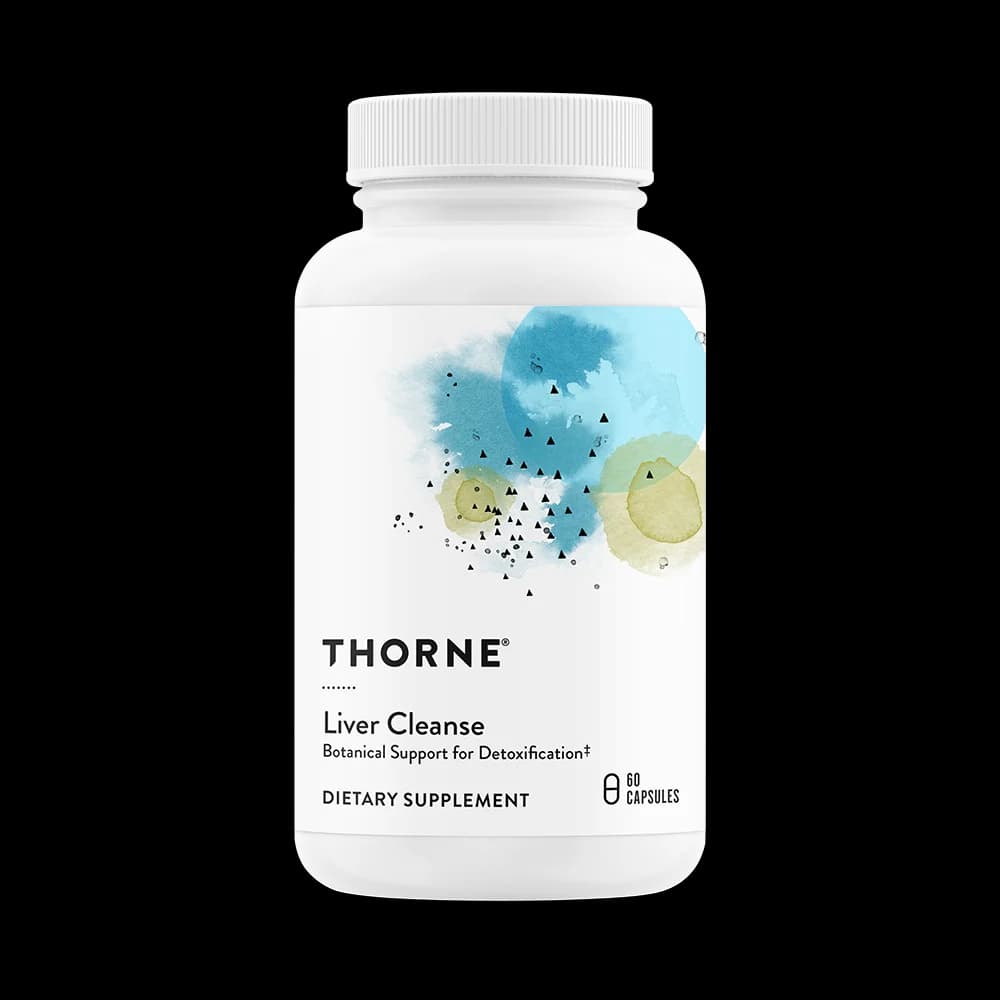
In the pursuit of restoring metabolic balance and clearing cellular debris, targeted botanical support can play a crucial role. Thorne Liver Cleanse is a specialized formula designed to enhance the liver's natural detoxification processes and promote optimal bile flow. By combining four highly researched botanicals—berberine, milk thistle, burdock, and chicory—this supplement offers a synergistic approach to protecting liver cells and facilitating the safe excretion of metabolic waste. In this comprehensive guide, we will explore the deep biochemical mechanisms behind these ingredients, how chronic illnesses like Long COVID and ME/CFS disrupt hepatic function, and how supporting bile flow may be a vital step in managing complex chronic conditions.
TL;DR
Liver dysfunction and sluggish bile flow may drive complex symptoms in Long COVID and ME/CFS.
Thorne Liver Cleanse uses botanicals like milk thistle and berberine to support natural detoxification pathways.
Supporting bile flow helps clear metabolic waste and neurotoxins, potentially reducing brain fog and fatigue.
Always pair liver support with a high-quality binder to ensure toxins are safely excreted.
What is Thorne Liver Cleanse?
The liver is the body's primary metabolic engine and ultimate filtration system, responsible for processing everything from dietary nutrients to environmental toxins, pharmaceutical drugs, and endogenous metabolic waste. In a healthy individual, the liver acts as a vigilant gatekeeper, continuously neutralizing harmful substances before they can circulate through the bloodstream and damage sensitive tissues, particularly the central nervous system. This monumental task is accomplished through a highly orchestrated, two-phase detoxification system. Understanding this system is essential for comprehending how botanical interventions like Thorne Liver Cleanse exert their therapeutic effects at the cellular level.
Phase I detoxification is the liver's first line of defense against fat-soluble toxins. This phase is primarily governed by a massive family of enzymes known as the Cytochrome P450 (CYP450) system. These enzymes utilize oxygen to modify toxic molecules through processes like oxidation, reduction, and hydrolysis. The goal of Phase I is to expose a reactive site on the toxin molecule, making it slightly more water-soluble. However, this process is inherently dangerous. The intermediate metabolites created during Phase I are often highly reactive free radicals, which can be far more toxic and tissue-damaging than the original substance if they are not immediately processed by the next phase of detoxification.
Phase II detoxification, also known as the conjugation pathway, is the critical second step that neutralizes these dangerous intermediates. During Phase II, liver cells attach (conjugate) another molecule—such as glutathione, a sulfur group, or a methyl group—to the reactive intermediate. This conjugation process dramatically increases the water solubility of the toxin and completely neutralizes its reactive potential. Once a substance has successfully passed through both Phase I and Phase II, it is finally ready to be safely escorted out of the body.
While Phase I and Phase II prepare toxins for elimination, the actual physical removal of these substances relies heavily on the production and flow of bile. Bile is a complex, greenish-yellow fluid synthesized by liver cells (hepatocytes) from cholesterol. It serves two primary, indispensable functions: it acts as a digestive juice that emulsifies dietary fats for absorption in the small intestine, and it serves as a biological conveyor belt for the excretion of heavy metals, metabolized drugs, and conjugated toxins.
Once toxins are rendered water-soluble by Phase II conjugation, they are actively pumped into the bile canaliculi—tiny ducts within the liver. From there, the bile flows into the gallbladder for storage and concentration. When you consume a meal, the gallbladder contracts, releasing this toxin-laden bile into the intestinal tract. If the digestive system is functioning optimally, these toxins will bind to dietary fiber and be excreted in the feces. This intricate process, known as hepatobiliary excretion, is the ultimate finish line for liver detoxification.
However, if bile production is sluggish (a condition known as cholestasis) or if the bile ducts are inflamed, toxins cannot be efficiently cleared. Instead, they back up into the liver, causing cellular damage, oxidative stress, and eventually spilling back into the systemic circulation. This is why a comprehensive detoxification strategy must not only support the enzymatic pathways of Phase I and Phase II but also actively promote choleresis—the stimulation of bile production and flow. This dual approach is the exact mechanism targeted by the botanical ingredients in Thorne Liver Cleanse.
How Long COVID and ME/CFS Impact Liver Function
The pathophysiology of Long COVID, ME/CFS, and related dysautonomic conditions is deeply intertwined with hepatic dysfunction. Recent clinical research has revealed that viral infections, particularly SARS-CoV-2, can inflict direct and lasting damage on the liver and its biliary network. The SARS-CoV-2 virus has a remarkably high affinity for cholangiocytes—the specialized epithelial cells that line the bile ducts—because these cells densely express the ACE2 and TMPRSS2 receptors required for viral entry. This direct viral assault can lead to a condition known as COVID-19 cholangiopathy, characterized by persistent inflammation and damage to the bile ducts long after the acute infection has resolved.
Furthermore, advanced imaging studies utilizing shear wave elastography have demonstrated that many Long COVID patients exhibit increased liver stiffness, an early surrogate marker for liver fibrosis and chronic inflammation. This stiffness is driven by a relentless cascade of cytokine-induced inflammation and the persistent presence of viral endotoxins, such as the spike protein, which continually trigger the liver's resident immune cells (Kupffer cells). As the liver becomes stiff and inflamed, its microcirculation is compromised, severely impairing its ability to filter blood and produce adequate volumes of bile.
Beyond physical damage to the bile ducts, chronic post-infectious syndromes profoundly disrupt the biochemical synthesis and signaling of bile acids. Bile acids are not merely digestive fluids; they are potent signaling molecules that interact with the gut microbiome and regulate systemic metabolism, immune function, and neuroinflammation. A landmark 2022 metabolomic study by Minerbi et al. discovered significant alterations in the serum bile acid profiles of patients with fibromyalgia. Most notably, the researchers found a marked depletion of secondary bile acids, such as α-muricholic acid, which strongly correlated with the severity of widespread pain and profound fatigue.
Similarly, a highly-cited 2017 study by Germain et al. identified massive disturbances in lipid and fatty acid metabolism in ME/CFS patients, pointing to occult liver dysfunction. The study highlighted a severe disruption in taurine metabolism. Taurine is an amino acid absolutely essential for conjugating bile acids into bile salts. Without adequate taurine, the liver cannot produce functional bile, leading to fat malabsorption, a collapse of the gut mucosal barrier (leaky gut), and the starvation of beneficial, butyrate-producing gut bacteria. This dysbiosis allows intestinal endotoxins to leak back into the bloodstream, creating a vicious cycle of systemic inflammation that heavily burdens the liver.
Perhaps the most devastating impact of Long COVID and ME/CFS on the liver is the systemic depletion of intracellular glutathione. Glutathione is the body's master antioxidant and the primary substrate required for Phase II liver detoxification. The persistent oxidative stress generated by chronic viral remnants, mitochondrial dysfunction, and mast cell activation syndrome (MCAS) consumes glutathione at an alarming rate. When glutathione levels crash, the liver's Phase II conjugation pathway effectively stalls.
This metabolic stall creates a dangerous bottleneck. The Phase I CYP450 enzymes continue to convert toxins into highly reactive intermediates, but without glutathione to neutralize them, these toxic free radicals accumulate within the hepatocytes, causing severe oxidative damage. This buildup of neurotoxic byproducts—such as quinolinic acid, which is generated when impaired bile flow shifts tryptophan metabolism toward inflammatory pathways—eventually crosses the blood-brain barrier. This neurotoxic accumulation is a primary driver of the debilitating brain fog, cognitive dysfunction, and post-exertional malaise (PEM) that define these complex chronic illnesses.
Thorne Liver Cleanse: Supporting Detoxification and Bile Flow
Thorne Liver Cleanse provides 125 mg of Berberine HCl, extracted from Indian Barberry (Berberis aristata). Berberine is a bioactive alkaloid that acts as a profound metabolic master switch for the liver, primarily by modulating the gut-liver axis. Despite having poor oral bioavailability, berberine exerts massive systemic effects by interacting with the gut microbiome. The inhibition of BSH leads to a significant elevation of tauro-conjugated bile acids in the intestines, particularly taurocholic acid (TCA).
The elevation of TCA is a critical mechanistic trigger. It activates the intestinal Farnesoid X Receptor (FXR) signaling pathway. FXR is a nuclear receptor that acts as the master regulator of bile acid homeostasis and lipid metabolism. When berberine activates the FXR pathway, it sends powerful signals back to the liver to suppress the expression of Cd36, a fatty-acid translocase. This suppression halts the liver's uptake of long-chain fatty acids, helping to avoid toxic triglyceride accumulation and combating fatty liver disease.
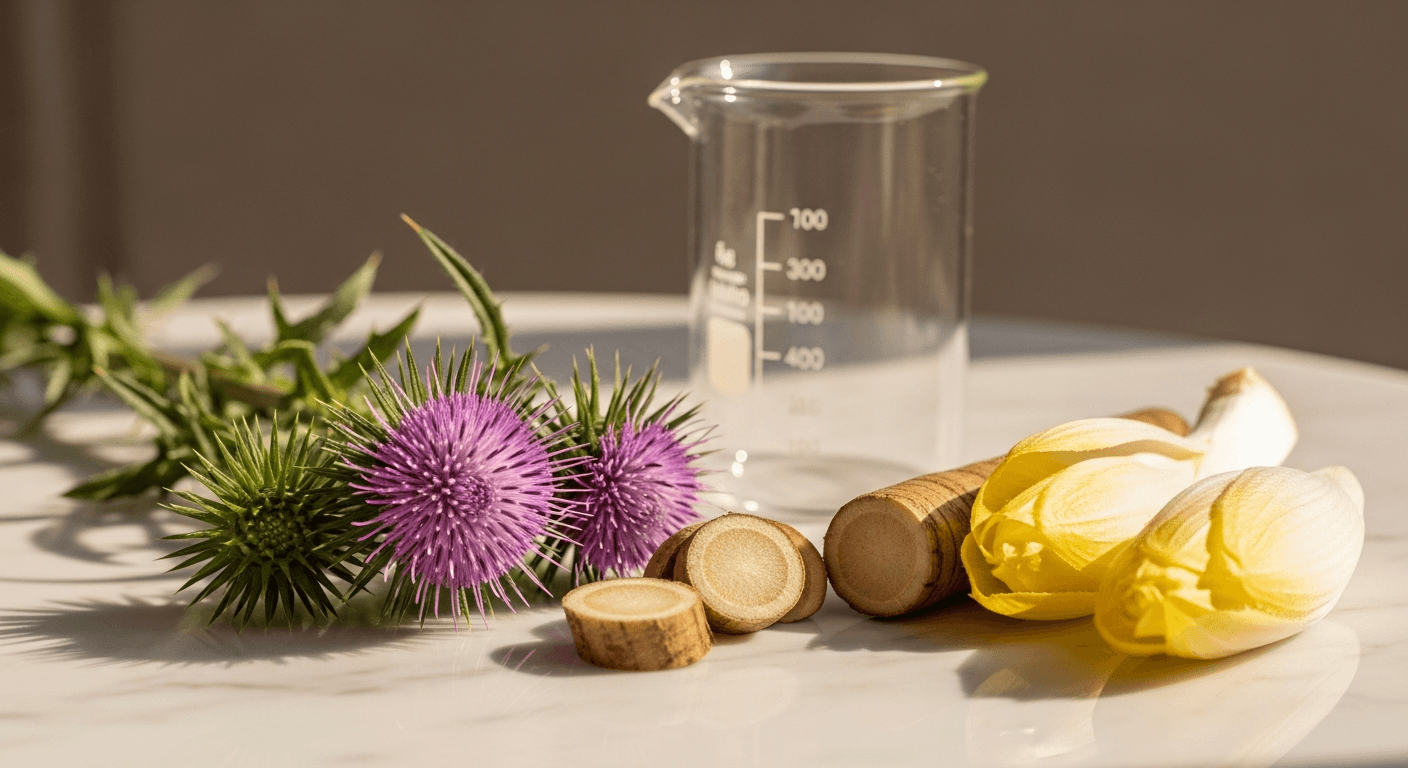
The formula also includes 125 mg of Milk Thistle extract (Silybum marianum), standardized to provide the powerful flavonoid complex known as silymarin. If you want to learn more about silymarin's specific benefits, it is renowned for its unparalleled hepatoprotective and regenerative properties. Silymarin's most remarkable mechanism of action occurs deep within the nucleus of the liver cell. It physically enters the hepatocyte nucleus and activates nucleolar RNA polymerase I. This direct stimulation accelerates the transcription of ribosomal RNA, leading to a massive increase in the assembly of ribosomes. With an expanded ribosomal workforce, the liver cell rapidly ramps up the synthesis of structural and functional proteins, allowing the liver to actively regenerate damaged tissue and replace destroyed cells before irreversible fibrotic scarring can occur.
In addition to cellular regeneration, silymarin is a potent modulator of the liver's antioxidant defense grid. It directly combats the glutathione crisis seen in ME/CFS and Long COVID by increasing the intracellular availability of cysteine, the rate-limiting amino acid required for glutathione synthesis. By modulating the trans-sulfuration pathway—a process that can be further supported by L-Methionine supplementation—silymarin ensures that a higher volume of cysteine is funneled directly into the production of endogenous glutathione. It also stabilizes the external cell membrane of hepatocytes, physically blocking organic ion uptake transporters to help block severe hepatotoxins from entering the cell.
To complement the actions of berberine and milk thistle, the formula includes 100 mg each of Burdock extract (Arctium lappa) and Chicory extract (Cichorium intybus). Both of these botanicals act as powerful cholagogues—agents that stimulate the production and flow of bile. Burdock root contains active lignans, such as arctiin and arctigenin, which have been shown to upregulate the liver's Phase I and Phase II detoxification enzymes, accelerating the metabolism of environmental toxins. Additionally, burdock is exceptionally rich in inulin, a prebiotic fiber that binds to toxins in the intestinal tract, ensuring they are excreted via bowel movements rather than being reabsorbed into the bloodstream.
Chicory extract operates synergistically with burdock by providing potent bitter principles, specifically sesquiterpene lactones like lactucin. These bitter compounds directly stimulate the liver to increase bile synthesis and prompt the gallbladder to release bile into the digestive tract. By enhancing bile flow, chicory ensures that the toxins neutralized by silymarin and the bile acids modulated by berberine are swiftly and efficiently evacuated from the body, helping to avoid the metabolic stagnation that drives chronic illness symptoms.

Symptoms Liver Cleanse May Help Manage
By upregulating Phase II conjugation pathways and heavily stimulating the production and excretion of bile, the synergistic botanicals in Thorne Liver Cleanse target the root causes of metabolic stagnation. This comprehensive hepatic support may help manage several debilitating symptoms associated with Long COVID, ME/CFS, and dysautonomia:
Severe Fatigue and Post-Exertional Malaise (PEM): Cellular energy production is heavily dependent on a clean metabolic environment. By supporting glutathione recycling and clearing accumulated metabolic waste, the liver can reduce the systemic oxidative stress that damages mitochondria, potentially alleviating the severity of energy crashes and PEM.
Brain Fog and Cognitive Dysfunction: Sluggish bile flow and impaired Phase II detoxification lead to the buildup of neurotoxic byproducts, such as quinolinic acid and un-neutralized free radicals. Enhancing hepatobiliary excretion helps clear these neurotoxins from the bloodstream before they can cross the blood-brain barrier and trigger neuroinflammation.
Digestive Distress and Fat Malabsorption: The choleretic properties of burdock and chicory stimulate the release of bile into the intestines. Adequate bile is essential for emulsifying dietary fats, absorbing fat-soluble vitamins (A, D, E, K), and helping to avoid the intestinal stagnation that leads to severe bloating, dysbiosis, and leaky gut.
Multiple Chemical Sensitivities (MCS): Many patients with ME/CFS and MCAS develop severe sensitivities to medications, fragrances, and environmental toxins due to overburdened CYP450 enzymes. Supporting the liver's Phase I and Phase II pathways helps the body process and eliminate these xenobiotics more efficiently, potentially reducing hyper-reactive immune responses.
The liver is not just a filter; it is a highly active immune organ containing the largest population of tissue-resident macrophages in the body (Kupffer cells). When the liver is congested with stagnant bile and unmetabolized toxins, these immune cells remain in a state of chronic, hyper-vigilant activation, constantly pumping out pro-inflammatory cytokines like TNF-α and IL-6. This localized hepatic inflammation quickly spills over into systemic circulation, exacerbating conditions like mast cell activation syndrome (MCAS) and dysautonomia.
By utilizing silymarin to stabilize hepatocyte membranes and berberine to clear toxic triglyceride accumulation, Thorne Liver Cleanse helps to quiet this localized immune storm. As the liver's burden is lifted and bile begins to flow smoothly, the Kupffer cells can return to a resting state. This reduction in systemic inflammatory signaling is a crucial step in calming an overactive nervous system and reducing the overall symptom burden in complex chronic illnesses.
Practical Considerations: Forms, Dosing, and Absorption
When utilizing botanical extracts for complex chronic illness, understanding bioavailability and optimal absorption is critical. The ingredients in Thorne Liver Cleanse have unique pharmacokinetic profiles that dictate how they should be taken. Berberine, for instance, is notorious for its low oral bioavailability—meaning very little of it actually enters the systemic bloodstream. However, this is not a flaw; it is a feature. Berberine exerts its primary metabolic effects directly within the gastrointestinal tract by altering the gut microbiome, inhibiting bacterial enzymes, and modulating the intestinal FXR receptors before being heavily metabolized by the liver's first-pass effect.
Conversely, silymarin (from milk thistle) is a highly lipophilic (fat-soluble) compound. Its absorption across the intestinal lining is significantly enhanced when it is consumed alongside dietary fats. Therefore, to maximize the bioavailability of the silymarin content, it is highly recommended to take Liver Cleanse with a meal that contains healthy fats, such as avocado, olive oil, or nuts. The burdock and chicory extracts are generally well-absorbed and act locally on the digestive receptors to stimulate the bitter reflex, which prompts the immediate release of bile from the gallbladder.
The suggested starting use of Thorne Liver Cleanse is to take one capsule in the evening. This timing is strategically aligned with the body's natural circadian rhythms. In traditional medicine systems and modern chronobiology, the liver is understood to perform the bulk of its deep cellular detoxification and regenerative processes during the night while the body is fasting and at rest. Providing the liver with targeted botanical support just before this nocturnal detoxification window can optimize the clearance of metabolic waste accumulated throughout the day. If additional liver support is indicated by a healthcare practitioner, the dosage can be gradually increased to one capsule one to three times daily.
Crucially, any protocol that stimulates the liver to dump toxins into the bile must be paired with a strategy to ensure those toxins are permanently removed from the body. If bile is released into the intestines but there is insufficient dietary fiber to bind it, the toxins will be reabsorbed through the intestinal wall and sent right back to the liver—a process known as enterohepatic recirculation. To help avoid this vicious cycle, it is highly recommended to pair Liver Cleanse with a high-quality binder. Utilizing a fiber formula like Thorne's FiberMend or exploring Charcoal Plus Binder for gut health ensures that the toxins mobilized by the liver are safely trapped in the gut and excreted in the stool.
While the botanicals in Liver Cleanse are powerful healers, their profound impact on liver Cytochrome P450 enzymes requires careful consideration, especially for patients on multiple pharmaceutical medications. Because these enzymes are responsible for metabolizing a vast majority of prescription drugs, inhibiting them can slow down drug clearance, leading to elevated and potentially toxic levels of medications in the bloodstream. This can cause significant drug-drug interactions with medications like beta-blockers, statins, and certain antidepressants.
Additionally, because burdock and chicory actively stimulate gallbladder contraction, this product should be used with extreme caution—or avoided entirely—by individuals with active gallstones or severe biliary duct obstruction, as sudden stimulation could trigger a painful biliary colic attack. Furthermore, this product is strictly contraindicated for individuals who are pregnant, nursing, or trying to conceive. Always consult with a knowledgeable healthcare practitioner before initiating a comprehensive liver detoxification protocol to ensure it is safe and appropriate for your specific medical profile.
Follow the Science
Furthermore, preclinical models investigating drug-induced liver injury have shown that silymarin administration drastically suppresses malondialdehyde (a primary marker of oxidative lipid damage) and replenishes heavily depleted glutathione reserves. By directly stimulating nucleolar RNA polymerase I, silymarin accelerates the ribosomal synthesis required for the liver to regenerate its own tissue, making it an invaluable tool for recovering from the hepatic stress induced by chronic viral infections and long-term medication use.
Additionally, research investigating Primary Sclerosing Cholangitis (PSC)—a disease characterized by toxic bile buildup and severe bile duct damage—found that berberine administration significantly reduced serum AST, ALT, and ALP markers. It decreased bile duct proliferation and mitigated endoplasmic reticulum stress by downregulating specific inflammatory gene expressions, highlighting its therapeutic potential for managing the cholangiopathy and biliary stress often seen in Long COVID patients.
Similarly, extensive animal models have validated burdock's role as a potent detoxifier. Studies utilizing carbon tetrachloride and severe ethanol toxicity models have demonstrated that oral administration of Arctium lappa extract significantly reverses liver damage, lowers elevated serum transaminases, and restores vital cytochrome P-450 enzyme content. By acting as a choleretic and upregulating Phase II detoxification pathways, burdock ensures that the liver can efficiently process and excrete the heavy toxic burdens associated with chronic illness.
The Path Forward
Living with the unpredictable and debilitating symptoms of Long COVID, ME/CFS, and dysautonomia is an exhausting journey. When your body feels like it is constantly fighting an invisible battle, discovering that hidden mechanisms—like sluggish bile flow and impaired liver detoxification—may be driving your symptoms can be both validating and overwhelming. It is crucial to remember that the metabolic stagnation and glutathione depletion you are experiencing are real, physiological consequences of chronic viral stress and systemic inflammation, not personal failings or a lack of willpower.
Healing the liver and restoring its intricate detoxification pathways is not an overnight process; it requires patience, consistency, and a gentle approach. Supplements like Thorne Liver Cleanse offer powerful, targeted botanical support to help clear the metabolic backlog, but they are most effective when integrated into a comprehensive, holistic management strategy. This includes prioritizing radical rest, practicing strict energy pacing to avoid post-exertional malaise, utilizing binders to ensure toxins are safely excreted, and supporting the nervous system to shift the body out of a chronic state of "fight or flight."
Because the botanicals in this formula deeply influence liver enzymes and bile production, it is imperative to work closely with a knowledgeable healthcare provider. A practitioner can help you monitor your liver enzymes, assess potential drug interactions with your current medications, and tailor a detoxification protocol that matches your body's unique capacity for healing. By systematically supporting your liver's ability to filter toxins and produce bile, you can begin to lift the metabolic burden, reduce systemic inflammation, and take a vital step toward reclaiming your energy and cognitive clarity.