Can a Liquid Multivitamin Support Recovery in Long COVID and ME/CFS?
March 5, 2026
Liquid VitaminsLong COVIDME/CFS
Share:
Disclaimer: The information provided here is for educational purposes only and is not intended as medical advice. It should not be used to diagnose, treat, cure, or prevent any medical condition. Instead, use it as a starting point for discussion with your healthcare provider. Always consult with a qualified healthcare provider before starting any new medication, supplement, device, or making changes to your health regimen.
Months after recovering from the initial SARS-CoV-2 infection, many people still fight debilitating symptoms with what we call Long COVID. For those living with complex, chronic conditions like Long COVID, myalgic encephalomyelitis/chronic fatigue syndrome (ME/CFS), dysautonomia, and mast cell activation syndrome (MCAS), the daily struggle is often compounded by a hidden battle: severe nutritional depletion. When your body is locked in a perpetual state of immune warfare and autonomic dysfunction, it rapidly burns through essential vitamins and minerals just to keep basic cellular processes running. Yet, paradoxically, the very gastrointestinal issues that accompany these conditions make it incredibly difficult to absorb the nutrients from traditional pill-based supplements.
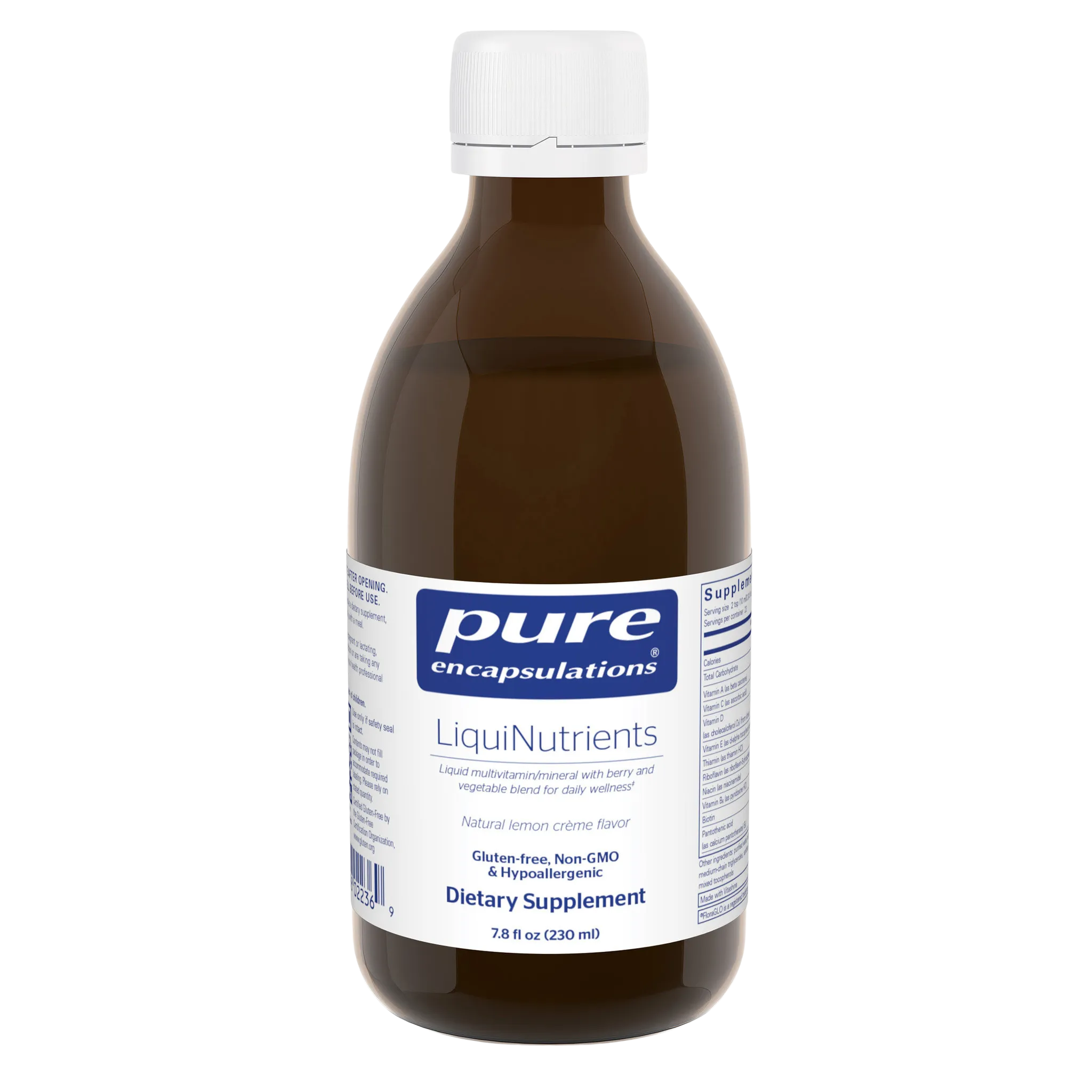
In the wake of the COVID-19 pandemic, a new health concern has emerged: the profound impact of post-viral syndromes on our body's ability to extract, utilize, and store micronutrients. Patients frequently report that swallowing handfuls of hard capsules only leads to nausea, bloating, and minimal symptom relief. This is where liquid formulations, such as LiquiNutrients, offer a critical lifeline. By providing a comprehensive blend of vitamins, chelated minerals, and potent antioxidants like FloraGLO lutein in a pre-dissolved, readily absorbable liquid form, patients can bypass a compromised digestive system and deliver vital cellular support directly to the bloodstream.
TL;DR
Liquid vitamins bypass compromised digestion, offering immediate nutrient absorption for patients with chronic GI issues.
Essential nutrients support mitochondrial energy production, helping manage severe fatigue and post-exertional malaise.
Targeted antioxidants like lutein may help protect the brain and reduce cognitive dysfunction or brain fog.
Chelated minerals and vitamins support immune regulation and vascular health in post-viral syndromes.
What is LiquiNutrients?
The Role of Essential Vitamins and Minerals
LiquiNutrients is a comprehensive, liquid-based multivitamin and mineral complex designed to support foundational cellular health, immune function, and systemic antioxidant defense. In a healthy human body, vitamins and minerals act as the critical cofactors and catalysts for thousands of enzymatic reactions that sustain life. For instance, the B-vitamin complex—including thiamin (B1), riboflavin (B2), niacin (B3), and B12—is absolutely essential for the Krebs cycle (also known as the citric acid cycle) and the electron transport chain within our mitochondria. Without these water-soluble vitamins, our cells cannot convert the food we eat into adenosine triphosphate (ATP), the primary energy currency of the body. This intricate biochemical dance requires a constant, steady supply of micronutrients, as the body cannot synthesize most of them on its own.
Beyond energy production, fat-soluble vitamins play a profound role in regulating the immune system and maintaining structural integrity. Vitamin D3 (cholecalciferol), provided in a vegan form derived from lichen in this formula, acts more like a pro-hormone than a simple vitamin. It binds to Vitamin D receptors (VDR) located on the surface of nearly every immune cell, modulating both the innate and adaptive immune responses and ensuring proper calcium absorption for bone health. Similarly, Vitamin A (provided as natural beta carotene) and Vitamin E (d-alpha tocopheryl acetate) embed themselves into the lipid bilayers of our cell membranes. Here, they stand as the first line of defense against lipid peroxidation, a destructive process where free radicals steal electrons from the fats in our cell membranes, leading to cellular damage and premature apoptosis (cell death).
Furthermore, water-soluble antioxidants like Vitamin C (ascorbic acid) circulate in the blood plasma and intracellular fluids, acting as potent electron donors. Vitamin C neutralizes reactive oxygen species (ROS) before they can damage delicate vascular tissues and DNA. It also plays a mandatory role in the synthesis of collagen, carnitine (necessary for transporting fatty acids into the mitochondria for energy), and crucial neurotransmitters like dopamine and serotonin. Together, this extensive blend of vitamins forms a synergistic network; for example, Vitamin C actively regenerates oxidized Vitamin E back into its functional state, demonstrating how these nutrients rely on one another to maintain systemic homeostasis.
The Power of Chelated Minerals
Minerals in their natural, inorganic state—such as oxides or sulfates—are notoriously difficult for the human digestive tract to break down and absorb. To solve this biological bottleneck, LiquiNutrients utilizes "chelated" minerals. Chelation is a sophisticated scientific process where an inorganic mineral is chemically bound to an organic molecule, such as an amino acid or an organic acid. In this formula, zinc and manganese are bound to gluconic acid (forming zinc gluconate and manganese gluconate), while magnesium and calcium are bound to citric acid (forming magnesium citrate and calcium citrate). This organic bond creates a highly stable, neutral complex that protects the mineral from being destroyed by stomach acid or blocked by dietary inhibitors like phytates found in plant foods.
At the molecular level, chelated minerals are recognized by the body as organic nutrients rather than raw metals. This allows them to utilize active transport pathways in the small intestine, specifically the dipeptide and tripeptide absorption channels, which are much more efficient than the standard ion channels used by inorganic minerals. Research suggests that chelated minerals, such as zinc gluconate, exhibit enhanced bioavailability compared to non-chelated forms, ensuring that a much higher percentage of the ingested dose actually reaches the bloodstream. Once absorbed, these minerals are cleaved from their organic carriers and immediately put to work. Magnesium, for instance, is a mandatory cofactor for over 300 enzymatic reactions, including the stabilization of the ATP molecule itself, which must bind to a magnesium ion to become biologically active.
Zinc, provided here as highly bioavailable zinc gluconate, is a vital trace element necessary for DNA synthesis, protein production, and the maturation of T-lymphocytes in the thymus gland. It is also a critical structural component of "zinc fingers," which are protein motifs that regulate gene expression. Because the human body does not have a specialized tissue storage system for zinc, we rely entirely on daily dietary intake and efficient intestinal absorption to maintain our immune defenses. By utilizing chelated forms, this liquid formula ensures that patients with compromised digestion can still achieve the therapeutic blood serum levels required to support these massive biochemical demands.
FloraGLO Lutein and Organic Antioxidants
One of the most specialized features of this formula is the inclusion of FloraGLO® lutein, alongside a robust blend of organic berries and vegetables. Lutein is a naturally occurring carotenoid—a highly pigmented, fat-soluble compound synthesized by plants to protect their photosynthetic machinery from light-induced oxidative damage. In the human body, lutein cannot be synthesized internally; it must be acquired through diet. Once absorbed, lutein demonstrates a remarkable biological tropism, selectively depositing itself in the macula of the retina and in the lipid-rich tissues of the brain. FloraGLO is a patented, free-form (unesterified) version of lutein sourced from marigold flowers, making it identical to the lutein found in leafy green vegetables and readily available for immediate cellular uptake.
At the cellular level, lutein acts as a powerful, targeted antioxidant and an "internal sunglass" filter. In the eye, it absorbs high-energy, damaging blue-wavelength light before it can strike the delicate photoreceptor cells of the retina. Lutein supports eye health by protecting the retina from oxidative stress and blue light damage. Beyond light filtration, lutein physically colocalizes with docosahexaenoic acid (DHA), a critical omega-3 fatty acid that makes up a massive portion of our retinal and neural membranes. By positioning itself directly next to DHA, lutein quenches singlet oxygen and scavenges free radicals, preventing the nonenzymatic oxidation of these structural fats during periods of high metabolic stress.
The organic fruit and vegetable powder blend further amplifies this antioxidant capacity by providing a wide spectrum of phytonutrients, flavonoids, and polyphenols. These plant-based compounds work synergistically with lutein and beta carotene to modulate inflammatory pathways. Specifically, they help inhibit the activation of NF-κB (Nuclear Factor kappa-light-chain-enhancer of activated B cells), a primary protein complex that controls the transcription of DNA, cytokine production, and cell survival. By downregulating this pathway, the phytonutrients in this liquid formula help quiet the systemic inflammatory alarms that are constantly ringing in patients battling complex chronic illnesses.
How Chronic Illness Impacts Nutrient Absorption and Depletion
The Viral Drain on Micronutrients
To understand why patients with Long COVID and ME/CFS experience such profound exhaustion, we must examine the pathophysiology of acute and chronic viral infections. When a pathogen like SARS-CoV-2 enters the body, the immune system launches a massive, energy-intensive counterattack. This response rapidly consumes the body's circulating stores of essential micronutrients. Vitamin C is pulled from the blood plasma into white blood cells to protect them from the very oxidative burst they use to destroy the virus. Zinc is aggressively sequestered by the liver and utilized to fuel the rapid proliferation of T-cells and to inhibit viral replication within host cells. If these stores are not rapidly replenished, the body enters a state of acute nutritional deficit.
In Long COVID and ME/CFS, this initial deficit often transitions into a chronic state of depletion. Research into the biological mechanisms of Long COVID and ME/CFS increasingly points to nutritional deficiencies as both contributing factors to the illness and potential therapeutic targets. The immune system remains in a hyper-vigilant, dysregulated state, constantly producing pro-inflammatory cytokines like Interleukin-6 (IL-6) and Tumor Necrosis Factor-alpha (TNF-α). This persistent immune activation places an immense metabolic demand on the mitochondria, which must churn out ATP at an accelerated rate to fuel the ongoing inflammatory response. Consequently, the body burns through its B-vitamin and magnesium reserves simply trying to keep up with the energetic cost of chronic inflammation, leaving very little energy available for normal daily activities, cognitive function, or muscle repair.
This viral drain creates a vicious cycle. As nutrient levels plummet, the immune system loses the very cofactors it needs to properly resolve the inflammation and return to a state of homeostasis. Without sufficient Vitamin D to modulate the immune response, or adequate zinc to support regulatory T-cells, the body remains locked in a state of immune exhaustion. This ongoing cellular battle explains why patients experience debilitating post-exertional malaise (PEM)—their cellular batteries are entirely depleted, and the raw materials needed to recharge them are missing from the biological supply chain.
Gastrointestinal Dysfunction and Malabsorption
Complicating this massive nutritional demand is the fact that chronic illnesses frequently severely damage the gastrointestinal (GI) tract, making it incredibly difficult to absorb nutrients from food or traditional pill supplements. The gut is heavily innervated by the autonomic nervous system, specifically the vagus nerve, which controls digestion, stomach acid secretion, and intestinal motility. In conditions like dysautonomia and POTS (Postural Orthostatic Tachycardia Syndrome), vagus nerve dysfunction is incredibly common. This autonomic neuropathy can lead to gastroparesis (delayed stomach emptying) or rapid transit times, disrupting the delicate timing required for pills to properly disintegrate and dissolve in the digestive juices.
Furthermore, chronic inflammation and mast cell activation syndrome (MCAS) can wreak havoc on the intestinal lining. Mast cells reside in high concentrations within the gut mucosa; when they degranulate inappropriately, they release histamine and other inflammatory mediators that cause localized swelling, increased intestinal permeability ("leaky gut"), and damage to the microscopic villi that line the small intestine. These villi are responsible for catching and absorbing nutrients. When they are blunted or inflamed, the surface area available for absorption is drastically reduced. Patients with chronic GI conditions suffer from severe malabsorption, making traditional pills highly inefficient.
Additionally, many patients with chronic illness suffer from low stomach acid (hypochlorhydria), either as a result of autonomic dysfunction, chronic stress, or the use of acid-reducing medications. Strong stomach acid is an absolute prerequisite for breaking down the hard outer shells of capsules, dissolving the binders and fillers in tablets, and cleaving inorganic minerals from their dietary carriers. Without sufficient acid, a solid multivitamin pill may pass through the entire digestive tract completely intact, offering zero therapeutic benefit while simultaneously causing bloating, nausea, and abdominal cramping as it ferments in the lower bowel.
The Vicious Cycle of Oxidative Stress
The intersection of high metabolic demand and severe malabsorption inevitably leads to rampant oxidative stress. Oxidative stress occurs when there is a severe imbalance between the production of reactive oxygen species (free radicals) and the body's ability to neutralize them with antioxidants. In Long COVID and ME/CFS, dysfunctional mitochondria leak excessive amounts of free radicals into the cellular cytoplasm. Simultaneously, chronic viral persistence or reactivated latent viruses (like Epstein-Barr Virus) continually trigger the immune system to release oxidative bursts.
This unchecked oxidative stress damages the endothelial cells that line our blood vessels. The paper argues that acute viral infections can induce endothelial cell senescence whose senescence‑associated secretory phenotype (SASP) — proinflammatory, pro‑oxidant, procoagulant and vasoconstrictive — plausibly explains the multisystem features of ME/CFS and long COVID. When the endothelium is damaged, it loses its ability to produce nitric oxide, a crucial molecule for vasodilation. This leads to widespread vasoconstriction, reduced cerebral blood flow (causing brain fog), and the formation of microscopic blood clots (microclots) that further block the delivery of oxygen and nutrients to starving tissues.
Without a steady, highly absorbable influx of systemic antioxidants—like Vitamin C, Vitamin E, beta carotene, and lutein—the body cannot break this cycle. The free radicals continue to damage the mitochondria, which in turn produce less energy and more free radicals. The endothelial damage worsens, further restricting blood flow to the gut, which exacerbates malabsorption. Breaking this vicious cycle requires an intervention that bypasses the broken digestive machinery and delivers potent, ready-to-use antioxidant support directly to the bloodstream and the struggling cells.
LiquiNutrients: Supporting Energy, Immunity, and Neurological Function
Bypassing the Damaged Gut with Liquid Delivery
The most profound therapeutic advantage of LiquiNutrients for the chronically ill patient is its liquid delivery system. To understand why this is so critical, we must look at the pharmacokinetics of oral supplementation. When you swallow a traditional tablet or capsule, it must undergo two distinct biological phases before any nutrients can enter your bloodstream: disintegration and dissolution. Disintegration is the physical breaking apart of the pill's structural matrix, while dissolution is the chemical process of the raw nutrients dissolving into the aqueous fluids of the GI tract. This process takes time—often 30 to 90 minutes—and requires robust stomach acid and optimal intestinal motility.
Liquid vitamins completely bypass both the disintegration and dissolution phases. Because the vitamins, chelated minerals, and phytonutrients in LiquiNutrients are already in a pre-dissolved, aqueous state, they are immediately bioavailable the moment they enter the body. Clinical data indicates that liquid vitamins can achieve an absorption rate of 85% to 90% within just 20 to 30 seconds. Absorption can actually begin in the mucosal membranes of the mouth (sublingual absorption) and continues rapidly as the liquid coats the lining of the esophagus and stomach, long before it even reaches the primary absorptive sites in the small intestine.
For a patient with Long COVID, ME/CFS, or MCAS who is dealing with low stomach acid, gastroparesis, or an inflamed intestinal lining, this liquid advantage is not just a matter of convenience—it is often the determining factor in whether a nutrient is absorbed at all. By eliminating the digestive workload, the body conserves precious energy that would otherwise be spent trying to mechanically break down a hard pill. Furthermore, because the liquid does not sit in the stomach waiting to be digested, it drastically reduces the likelihood of supplement-induced nausea, acid reflux, or the uncomfortable "heavy" feeling that many patients experience after taking solid multivitamins.
Restoring Mitochondrial Energy Production
Once these pre-dissolved nutrients enter the bloodstream, they are rapidly shuttled to the cells to address the core pathophysiology of post-viral fatigue: mitochondrial dysfunction. The extensive B-vitamin complex in LiquiNutrients serves as the direct biochemical fuel for the mitochondria. Thiamin (B1) is required for the conversion of pyruvate to acetyl-CoA, the crucial gateway step into the Krebs cycle. Riboflavin (B2) and Niacin (B3) are the foundational building blocks for FAD and NAD+, the primary electron carriers that physically transport energy through the electron transport chain to generate ATP.
In ME/CFS and Long COVID, these pathways are often stalled due to a lack of cofactors. Providing a highly absorbable liquid influx of B12, B6, and pantothenic acid (B5) helps unblock these stalled metabolic pathways. Pantothenic acid, in particular, is essential for the synthesis of Coenzyme A, a molecule absolutely required for the oxidation of fatty acids and carbohydrates into cellular energy.
Simultaneously, the chelated magnesium citrate in the formula plays a mandatory, non-negotiable role in energy utilization. Even if the mitochondria successfully produce ATP, that ATP molecule is biologically inert until it binds to a magnesium ion (forming Mg-ATP). Without adequate intracellular magnesium, the body literally cannot spend the energy it has created. By delivering magnesium in a highly bioavailable, organic acid chelate, LiquiNutrients ensures that the newly synthesized ATP can be actively utilized by the muscles, the heart, and the brain, directly combating the debilitating physical fatigue and post-exertional malaise (PEM) that define these conditions. Learn more about managing fatigue with Long COVID.
Quenching Neuroinflammation and Protecting the Brain
Cognitive dysfunction, commonly referred to as "brain fog," is one of the most distressing symptoms of Long COVID and dysautonomia. This symptom is largely driven by neuroinflammation—the activation of microglial cells (the brain's resident immune cells) and the breakdown of the blood-brain barrier due to systemic oxidative stress. The specific inclusion of FloraGLO lutein in this formula provides a targeted mechanism to protect the central nervous system. Because lutein is highly lipophilic (fat-loving), it easily crosses the blood-brain barrier and accumulates in the lipid-dense tissues of the brain.
Once inside the brain, lutein exerts potent anti-inflammatory effects. Animal studies demonstrate that lutein supplementation significantly attenuates inflammatory pathways, lowering the production of pro-inflammatory cytokines in the eye and reducing Tumor Necrosis Factor-alpha (TNF-α). It achieves this by inhibiting the NF-κB signaling pathway, effectively telling the brain's immune cells to stand down and stop producing the inflammatory chemicals that disrupt neural signaling. This reduction in neuroinflammation is critical for restoring complex attention, cognitive flexibility, and neural processing speed.
Additionally, the brain is highly susceptible to lipid peroxidation due to its massive concentration of polyunsaturated fatty acids. The synergistic combination of lutein, natural beta carotene, Vitamin E, and Vitamin C creates a comprehensive antioxidant shield. Vitamin E intercepts free radicals directly within the neural cell membranes, while Vitamin C circulates in the aqueous spaces between cells, neutralizing reactive oxygen species before they can even reach the cell surface. This multi-layered defense helps protect delicate neurons from the oxidative damage that drives brain fog, memory loss, and sensory processing issues.
Rebuilding Immune and Endothelial Resilience
Finally, LiquiNutrients provides the specific raw materials needed to repair the damaged vascular endothelium and restore proper immune regulation. The endothelium—the inner lining of our blood vessels—is ground zero for much of the pathology in Long COVID. The study identifies a pronounced CD8 T‑cell dysfunction in both ME/CFS and Long COVID. Zinc, provided as highly absorbable zinc gluconate, is absolutely essential for the proper function of these CD8 T-cells, which are responsible for clearing out persistent viral reservoirs and senescent (zombie) cells that drive chronic inflammation.
Furthermore, Vitamin D3 plays a critical role in calming an overactive, autoimmune-leaning immune system. A highly controlled 2023 retrospective study found that patients who developed Long COVID had significantly lower levels of 25(OH) vitamin D than those who recovered fully. By providing a vegan source of Vitamin D3, this formula helps upregulate regulatory T-cells (Tregs), which act as the brakes for the immune system, preventing it from attacking the body's own tissues.
Simultaneously, the Vitamin C in the formula supports endothelial health by promoting the synthesis of endothelial nitric oxide synthase (eNOS), the enzyme responsible for producing nitric oxide. Nitric oxide is a potent vasodilator that helps relax blood vessels, improving cerebral blood flow and reducing the autonomic strain seen in POTS and dysautonomia. By combining immune-modulating Vitamin D and Zinc with endothelium-protecting Vitamin C and antioxidants, this liquid complex addresses the systemic vascular and immune dysfunction at the heart of complex chronic illness.

Symptoms LiquiNutrients May Help Manage
Physical and Cognitive Fatigue
Profound Exhaustion and PEM: By supplying the essential B-vitamins (B1, B2, B3, B5, B12) and chelated magnesium required for the mitochondrial electron transport chain, this formula provides the raw biochemical cofactors needed to synthesize ATP, helping to raise the cellular energy ceiling and potentially reducing the severity of post-exertional crashes.
Brain Fog and Cognitive Impairment: The targeted delivery of FloraGLO lutein, which readily crosses the blood-brain barrier, helps quench neuroinflammation by inhibiting the NF-κB pathway and protecting delicate neural lipids from oxidative damage, supporting improved focus, memory, and neural processing speed.
Muscle Weakness and Aching: Chelated magnesium citrate and calcium citrate support proper muscle contraction and relaxation pathways, while Vitamin D3 aids in maintaining structural muscle integrity and reducing the systemic inflammation that often manifests as deep, aching myalgia.
Immune and Sensory Symptoms
Frequent Viral Relapses and Immune Exhaustion: Highly bioavailable zinc gluconate and vegan Vitamin D3 work synergistically to support the maturation and function of T-lymphocytes, helping to clear persistent viral fragments and modulate the overactive immune responses seen in MCAS and Long COVID.
Loss of Taste and Smell (Anosmia/Ageusia): Zinc is a critical structural component of the olfactory receptors and the enzymes responsible for taste bud regeneration. Replenishing depleted zinc stores can support the recovery of these sensory pathways. Learn more about Learning to Eat Nutritionally with Changes to Your Sense of Smell and Taste.
Visual Fatigue and Light Sensitivity: FloraGLO lutein selectively deposits in the macula of the retina, acting as an internal filter against high-energy blue light and neutralizing the localized oxidative stress that contributes to visual snow, blurriness, and photophobia.
Autonomic and Gastrointestinal Issues
Supplement-Induced Nausea and GI Distress: Because the liquid formula is pre-dissolved and bypasses the mechanical disintegration phase of digestion, it requires minimal stomach acid and is significantly gentler on an inflamed or dysregulated gastrointestinal tract, drastically reducing the nausea and bloating associated with hard vitamin pills.
Vascular Constriction and Poor Circulation: Potent antioxidants like Vitamin C, Vitamin E, and organic berry phytonutrients help protect the vascular endothelium from free radical damage, supporting the production of nitric oxide for better vasodilation and improved blood flow to the brain and extremities.
Nutrient Malabsorption: The use of organic acid chelates (like zinc gluconate and magnesium citrate) allows minerals to utilize active dipeptide transport channels in the gut, ensuring high bioavailability even in the presence of rapid GI transit times or damaged intestinal villi.
Practical Considerations: Forms, Dosing, and Absorption
The Liquid Advantage: Speed and Efficiency
When incorporating LiquiNutrients into a chronic illness management plan, the most significant practical consideration is the speed and efficiency of its liquid delivery system. Unlike solid capsules that can sit in the stomach for over an hour waiting for sufficient acid to break down their binders and fillers, this liquid formula is immediately ready for absorption. This is particularly advantageous for patients dealing with gastroparesis (delayed stomach emptying) or those who take acid-reducing medications (like H2 blockers or proton pump inhibitors) for MCAS or acid reflux. Because the nutrients are already in an aqueous solution, they do not rely on a highly acidic stomach environment to become biologically active.
To maximize absorption, it is generally recommended to take liquid multivitamins with a meal. While the water-soluble vitamins (like the B-complex and Vitamin C) and chelated minerals can be absorbed on an empty stomach, the fat-soluble components of this formula—specifically Vitamin A (beta carotene), Vitamin D3, Vitamin E, and FloraGLO lutein—require the presence of dietary fats to trigger the release of bile salts from the gallbladder. Bile salts act as emulsifiers, breaking down the dietary fats into microscopic micelles that encapsulate the fat-soluble vitamins, allowing them to be actively transported across the intestinal wall and into the lymphatic system.
Furthermore, the liquid format allows for highly customizable micro-dosing. For patients with severe MCAS or extreme chemical sensitivities who are prone to reacting to new supplements, starting with a full adult dose of any multivitamin can be overwhelming. A liquid formula allows patients to start with just a few drops—a fraction of a teaspoon—and slowly titrate their dose upward over several weeks as their body tolerates it. This level of precision is impossible with fixed-dose capsules and provides a much safer, more controlled pathway to replenishing severe nutrient deficits.
Understanding the Ingredient Forms
The specific molecular forms of the ingredients in LiquiNutrients were chosen specifically for their stability and bioavailability. The minerals are provided as organic acid chelates. Magnesium citrate and bisglycinate feature higher bioaccessibility and cellular uptake compared to standard magnesium oxide. Magnesium citrate is highly soluble in water, making it perfect for a liquid suspension, and it is easily cleaved in the upper intestine, allowing the elemental magnesium to be rapidly absorbed while the citrate molecule is fed directly into the mitochondrial Krebs cycle for energy production.
Similarly, the zinc is provided as zinc gluconate. In vitro studies measuring bioaccessibility among 10 different dietary supplements found that zinc gluconate yielded bioaccessibility rates of roughly 4.48% to 6.19%, outperforming zinc sulfate and zinc methionine. This chelated form protects the zinc from binding to dietary phytates (found in grains and legumes) that would otherwise render it unabsorbable. The Vitamin D3 in this formula is notably derived from lichen, making it a 100% vegan source of cholecalciferol, which is clinically superior to the plant-based Vitamin D2 (ergocalciferol) in raising and maintaining long-term blood serum levels of the active hormone.
The inclusion of FloraGLO lutein is also a critical distinction. Many supplements use esterified lutein, which requires enzymatic cleavage by pancreatic lipases in the gut before it can be absorbed. FloraGLO is unesterified (free-form) lutein, meaning it is structurally identical to the lutein found in nature and requires no enzymatic breakdown. It is ready for immediate absorption, which is vital for patients whose pancreatic enzyme production may be compromised by autonomic dysfunction or chronic systemic inflammation.
Dosing, Timing, and Storage
The suggested use for adults and children over 4 is to take 2 teaspoons (10 ml) daily with a meal. Because this formula contains a potent B-vitamin complex, which can have a mild stimulating or energy-promoting effect for some individuals, it is generally best taken with breakfast or lunch rather than right before bed, to avoid any potential interference with sleep architecture. The liquid can be taken directly from a spoon or mixed into a small glass of water, a smoothie, or a cold beverage to enhance palatability, though it is already naturally flavored and sweetened.
Storage is a critical factor for liquid vitamins. Because they lack the hard, protective outer shell of a capsule and are suspended in an aqueous environment, liquid nutrients are more susceptible to oxidation and degradation from heat and light. Therefore, this formula strictly requires refrigeration after opening. Keeping it cold slows down the molecular kinetic energy, preserving the delicate antioxidant structures of the Vitamin C, lutein, and organic berry phytonutrients.
Patients must also remember to shake the bottle well before every use. While the formula is highly stable, some of the heavier chelated minerals or organic fruit powders may naturally settle at the bottom of the bottle over time. A vigorous shake ensures that the active ingredients are evenly distributed throughout the liquid, guaranteeing that every 2-teaspoon serving delivers the exact clinically formulated dose of essential vitamins, minerals, and phytonutrients required to support daily wellness and cellular recovery.

Follow the Science
Clinical Evidence on Liquid Bioavailability
The scientific consensus strongly supports the use of liquid formulations for individuals with compromised gastrointestinal function. Clinical guidelines from major medical institutions, such as Johns Hopkins Medicine, explicitly mandate the use of liquid or chewable multivitamins for patients recovering from bariatric surgery, as their altered GI tracts cannot physically break down solid pills. Medical institutions mandate that patients strictly use liquid or chewable multivitamins for at least the first 1 to 3 months post-surgery. This bariatric model serves as the ultimate clinical benchmark for malabsorption, proving that when the mechanical processes of disintegration and dissolution are bypassed, nutrient uptake is vastly improved.
Further pharmacological data frequently citing the Physician’s Desk Reference indicates that liquid vitamins can achieve an absorption rate of up to 90% in a fraction of the time it takes for a solid pill to even begin breaking down. This rapid, pre-dissolved delivery system is particularly crucial for water-soluble vitamins like B12 and Vitamin C, which have a limited window of absorption in the upper small intestine. By arriving at the absorptive sites fully dissolved, liquid formulations ensure maximum contact with the intestinal microvilli, drastically increasing the total volume of nutrients that successfully cross the gut barrier and enter the systemic circulation.
Research on Vitamin Deficiencies in Post-Viral Syndromes
The link between severe viral infections and profound nutritional depletion is well-documented in recent clinical literature. Other clinical literature notes that zinc deficiency strongly correlates with elevated levels of fibrinogen, a primary biomarker for ongoing vascular inflammation and the micro-clotting risks frequently seen in post-viral dysautonomia.
Similarly, the depletion of Vitamin D and B-vitamins plays a massive role in the neurological symptoms of these conditions. A highly controlled 2023 retrospective study by Di Filippo et al. found that patients who developed Long COVID had significantly lower levels of 25(OH) vitamin D, which strongly correlated with neurocognitive symptoms like brain fog and confusion. Furthermore, studies evaluating ME/CFS cohorts have repeatedly demonstrated that functional deficiencies in the B-vitamin complex—particularly B12 and B2—are primary drivers of the severe, unyielding fatigue and mitochondrial failure that characterize the disease. Wondering about the connection? Read more on Can Long COVID Trigger ME/CFS? Unraveling the Connection.
The Proven Efficacy of FloraGLO Lutein
FloraGLO lutein is one of the most rigorously tested nutritional compounds in the world, with over 100 human clinical trials confirming its efficacy. While famously chosen by the National Eye Institute for the landmark AREDS2 study to protect against macular degeneration, recent research has heavily focused on its systemic anti-inflammatory and neuroprotective properties.
Because lutein easily crosses the blood-brain barrier, it serves as a primary defense against neuroinflammation. Clinical trials, such as the 2014 study by Bovier et al., demonstrated that supplementing with FloraGLO lutein significantly improved neural processing speeds, complex attention, and cognitive flexibility in healthy adults. In populations dealing with high oxidative stress and neurodegeneration, such as Multiple Sclerosis, lutein supplementation has been selectively associated with improvements in memory and attention. This robust clinical backing makes FloraGLO lutein a vital component for patients seeking to protect their central nervous system from the ravages of chronic post-viral inflammation.
The Path Forward
Validating the Nutritional Struggle
Living with a complex chronic illness like Long COVID, ME/CFS, or dysautonomia is an exhausting, full-time job. The profound fatigue, unpredictable symptom flares, and cognitive fog can make even the simplest daily tasks feel insurmountable. It is incredibly validating to understand that these symptoms are not in your head—they are the direct result of measurable physiological dysfunction, mitochondrial failure, and severe, systemic nutritional depletion. Your body is fighting a massive, unseen battle at the cellular level, and it is entirely natural that it requires a tremendous amount of biochemical support to sustain that fight.
Furthermore, the frustration of trying to heal while battling a compromised digestive system is a reality that many traditional medical models overlook. Swallowing handfuls of hard pills that only cause nausea and bloating is not a failure of your willpower; it is a mechanical mismatch between a damaged gut and an inefficient delivery system. Recognizing this barrier is the first step toward finding a more compassionate, effective way to nourish your starving cells. Learn more about What Causes Long COVID?.
A Comprehensive Approach to Healing
While LiquiNutrients offers a highly efficient, bioavailable way to bypass a damaged gut and deliver essential vitamins, chelated minerals, and potent antioxidants directly to your bloodstream, it is important to remember that supplements are just one piece of a much larger puzzle. True healing from post-viral syndromes requires a comprehensive, multi-disciplinary approach. This includes strict energy pacing to avoid post-exertional malaise, nervous system regulation techniques to calm autonomic dysfunction, and careful symptom tracking to identify your unique triggers.
Nutritional support provides the foundational raw materials your cells need to repair damaged endothelium, quench neuroinflammation, and restart mitochondrial energy production. By consistently replenishing these vital cofactors with a gentle, liquid formula, you are giving your body the biochemical tools it needs to slowly rebuild its resilience. Always work closely with a knowledgeable healthcare provider who understands the complexities of Long COVID and ME/CFS to ensure that your nutritional strategy is perfectly tailored to your specific metabolic needs and lab results.
Next Steps
If you are struggling with severe fatigue, brain fog, or gastrointestinal issues that make traditional pill supplements difficult to tolerate, a comprehensive liquid multivitamin may be a crucial addition to your management plan. By delivering pre-dissolved, highly absorbable nutrients and targeted antioxidants like FloraGLO lutein, you can bypass digestive barriers and support your body's cellular recovery from the inside out. Always consult your healthcare provider before starting any new supplement regimen to ensure it aligns with your comprehensive care plan.
Sources
Virus-Induced Endothelial Senescence as a Cause and Driving Factor for ME/CFS and Long COVID
Liquid Supplements vs. Pills: Which Offers Better Absorption?
Vitamin & Mineral Supplements for Bariatric Procedures (Johns Hopkins)
Dietary Zn—Recent Advances in Studies on Its Bioaccessibility and Bioavailability
A bioavailability study comparing two oral formulations containing zinc