Can NMN and TMG Support Cellular Energy in Long COVID and ME/CFS?
March 6, 2026
NMNTMGLong COVID
Share:
Disclaimer: The information provided here is for educational purposes only and is not intended as medical advice. It should not be used to diagnose, treat, cure, or prevent any medical condition. Instead, use it as a starting point for discussion with your healthcare provider. Always consult with a qualified healthcare provider before starting any new medication, supplement, device, or making changes to your health regimen.
Months or even years after a mild viral infection, many individuals find themselves trapped in a cycle of profound, unrefreshing fatigue, cognitive dysfunction, and post-exertional malaise (PEM). If you are living with Long COVID, myalgic encephalomyelitis/chronic fatigue syndrome (ME/CFS), or dysautonomia, you already know that this is not just "tiredness." It is a fundamental failure of cellular energy production. When the powerhouses of your cells—the mitochondria—are compromised, every system in your body struggles to function, leaving you searching for answers and validating treatments.
In the quest to restore cellular energy, scientific attention has increasingly turned to a critical coenzyme known as nicotinamide adenine dinucleotide (NAD+). NAD+ is the biological currency that fuels mitochondrial function, DNA repair, and immune regulation. However, chronic viral infections and prolonged inflammation can severely deplete your body's NAD+ reserves. This is where targeted supplementation with precursors like nicotinamide mononucleotide (NMN), paired synergistically with trimethylglycine (TMG), comes into play. By understanding the intricate biochemistry of how these compounds work together, we can explore how Liposomal NMN Synergy might offer a vital piece of the puzzle in managing complex chronic illness.
TL;DR
Long COVID and ME/CFS deplete NAD+, causing severe cellular energy failure and profound fatigue.
NMN supplementation may help restore NAD+ levels, supporting mitochondrial repair and energy production.
Pairing NMN with TMG supports the methylation cycle, protecting cardiovascular and neurological health.
Liposomal sublingual delivery maximizes absorption, bypassing gut degradation for better cellular uptake.
What is Liposomal NMN Synergy?
To understand the value of nicotinamide mononucleotide (NMN), we must first look at the molecule it creates: nicotinamide adenine dinucleotide (NAD+). NAD+ is an indispensable coenzyme found in every living cell in your body. It acts as a critical electron transporter in the mitochondrial electron transport chain, shuttling the electrons required to generate adenosine triphosphate (ATP), the primary energy currency of your cells. Without adequate NAD+, your mitochondria simply cannot produce the ATP needed to power your brain, heart, and muscles, leading to profound systemic fatigue.
NMN serves as a direct, rate-limiting precursor to NAD+ within the body's salvage pathway. When you consume NMN, it is rapidly converted into NAD+ through a series of enzymatic reactions, primarily driven by the enzyme nicotinamide mononucleotide adenylyltransferase (NMNAT). Historically, scientists believed NMN was too large to enter cells directly, but recent discoveries have identified a highly specific transporter called Slc12a8 that actively pulls NMN from the gut into the cellular environment. Once inside, NMN efficiently replenishes the NAD+ pool, acting as the raw material your cells need to keep the metabolic engines running.
Beyond energy production, NAD+ serves as a crucial signaling molecule that activates a family of longevity proteins known as sirtuins (specifically SIRT1 through SIRT7). Sirtuins are responsible for regulating cellular health, reducing inflammation, and promoting the creation of new, healthy mitochondria—a process known as mitochondrial biogenesis. Furthermore, NAD+ is consumed by PARP enzymes, which are responsible for repairing damaged DNA. Because natural NAD+ levels decline by approximately 50% by middle age, supplementing with NMN aims to help reverse this deficit, restoring the cellular resilience required for healthy aging and recovery from physiological stress.
While NMN is a powerful tool for boosting NAD+, it does not work in isolation. This is where trimethylglycine (TMG), also known as betaine, enters the picture. TMG is a naturally occurring amino acid derivative that serves two primary biological functions: it acts as an osmolyte to protect cells from environmental stress, and more importantly, it functions as a highly efficient methyl donor. In biochemistry, methylation is a fundamental process where a methyl group (one carbon atom attached to three hydrogen atoms) is transferred between molecules. This process is essential for gene expression, neurotransmitter synthesis, and liver detoxification.
TMG's primary mechanism of action relies on the enzyme betaine-homocysteine methyltransferase (BHMT). Through this enzymatic pathway, TMG donates one of its three methyl groups to homocysteine, a naturally occurring amino acid that can cause cardiovascular inflammation and cognitive decline when it accumulates to high levels. By donating a methyl group, TMG converts harmful homocysteine into methionine, a beneficial amino acid used to build proteins. Methionine is subsequently converted into S-adenosylmethionine (SAMe), the body's universal methyl donor that fuels thousands of downstream cellular reactions.
The importance of TMG becomes particularly evident for individuals with genetic variations in the MTHFR gene. An estimated 30% to 40% of the population carries an MTHFR mutation, which can reduce the body's natural methylation capacity by up to 70%. For these individuals, maintaining an adequate pool of methyl groups is a constant biochemical challenge. Supplementing with a robust methyl donor like TMG ensures that the methylation cycle continues to run smoothly, supporting cardiovascular health and the intricate balance of neurotransmitters in the brain.
The true brilliance of combining NMN and TMG lies in their biochemical synergy. When you supplement with NMN to boost NAD+ levels, your cells utilize the NAD+ for energy and repair. However, this process creates a byproduct called nicotinamide (NAM). To safely clear excess NAM from the body, the liver must methylate it into methylnicotinamide (MeNAM) so it can be excreted in the urine. This clearance process aggressively consumes your body's circulating methyl groups, potentially leading to a state of methyl depletion.
If you take high doses of NMN without adequate methyl donors, you risk draining your body's "methyl pool." This depletion can impair your ability to process homocysteine, potentially leading to dangerous inflammatory spikes and paradoxical fatigue. By pairing NMN with TMG, as seen in Liposomal NMN Synergy, you create a perfectly balanced system. The NMN provides the fuel to boost NAD+ and cellular energy, while the TMG efficiently replenishes the methyl groups consumed during the process, ensuring that your methylation cycle remains intact and your cardiovascular system remains protected.
How Long COVID and ME/CFS Impact Cellular Energy
To understand why patients with complex chronic illnesses experience such debilitating fatigue, we must examine What Causes Long COVID at the cellular level. Research indicates that the SARS-CoV-2 virus, much like the viruses implicated in ME/CFS, directly targets endothelial cells and modulates mitochondrial function. The virus essentially hijacks the mitochondria, inhibiting the electron transport chain—specifically Complex I—and disrupting the function of ATP synthase. This viral interference drastically reduces the mitochondria's ability to produce ATP, leading to a severe energy crisis within the cells.
Furthermore, this mitochondrial dysfunction triggers a massive increase in reactive oxygen species (ROS), highly volatile molecules that cause profound oxidative stress. When mitochondria are damaged by ROS, they begin to leak mitochondrial DNA into the cellular fluid, which the immune system perceives as a foreign threat. This triggers a relentless cycle of chronic inflammation, further damaging the remaining healthy mitochondria. This vicious cycle of energy failure and oxidative stress is a primary driver of the severe post-exertional malaise (PEM) and unrefreshing sleep that characterize these conditions.
The similarities between Long COVID and ME/CFS are striking, leading many researchers to ask, Can Long COVID Trigger ME/CFS? Unraveling the Connection. In both conditions, patients exhibit elevated blood lactate levels even at rest, indicating that their bodies have shifted away from efficient aerobic energy production in the mitochondria and are instead relying on inefficient anaerobic glycolysis. This metabolic shift explains why even minor physical or cognitive exertion can lead to a devastating "crash," as the cells simply cannot generate the ATP required to meet the demand.
The mitochondrial dysfunction seen in Long COVID and ME/CFS is intrinsically linked to a catastrophic depletion of NAD+. During a severe viral infection, the body mounts an intense immune response to fight off the pathogen. This immune activation heavily relies on NAD+-consuming enzymes, particularly CD38, which is used by macrophages for immune signaling, and PARPs (poly ADP-ribose polymerases), which are deployed to repair virus-induced DNA damage. The overactivation of these enzymes acts like a vacuum, rapidly draining the body's NAD+ reserves.
Without sufficient NAD+, the mitochondria cannot shuttle the electrons necessary to produce ATP, bringing cellular energy production to a grinding halt. Furthermore, the depletion of NAD+ impairs the function of sirtuins, the longevity proteins responsible for reducing inflammation and initiating the repair of damaged mitochondria. This leaves the cells trapped in a state of persistent metabolic starvation and chronic inflammation, unable to heal even long after the acute infection has cleared.
This NAD+ drain is not just a theoretical concept; it is a measurable physiological reality for many patients. When you consider How Long Does Long COVID Last?, the persistence of symptoms often correlates with the body's inability to naturally restore its NAD+ pool. The continuous activation of the immune system, driven by viral persistence or autoimmune dysregulation, ensures that NAD+ is consumed faster than the body can synthesize it, perpetuating the cycle of debilitating fatigue and systemic dysfunction.
Another critical piece of the puzzle involves the metabolism of tryptophan, an essential amino acid. In a healthy body, tryptophan is used to synthesize serotonin (the "feel-good" neurotransmitter) and is also converted into NAD+ through the de novo synthesis pathway. However, in the presence of chronic neuroinflammation and gut dysbiosis—common features of both Long COVID and ME/CFS—the body diverts tryptophan away from serotonin and NAD+ production. Instead, it pushes tryptophan down the inflammatory "kynurenine pathway."
This metabolic diversion, often referred to as the "tryptophan steal," has devastating consequences. Not only does it further starve the body of NAD+, but the kynurenine pathway also produces neurotoxic metabolites, such as quinolinic acid. These neurotoxins cross the blood-brain barrier, causing neuroinflammation and overstimulating NMDA receptors in the brain. This specific biochemical cascade is heavily implicated in the severe cognitive dysfunction, memory issues, and profound "brain fog" that patients frequently report when discussing What Are the Symptoms of Long COVID?.
NMN and TMG: Supporting Mitochondrial Repair and Energy
By providing a direct, highly bioavailable precursor, NMN supplementation aims to bypass the disrupted metabolic pathways and directly restore the intracellular NAD+ pool. When NMN enters the cell via the Slc12a8 transporter, it is rapidly converted into NAD+, providing the essential electron carriers the mitochondria desperately need. This influx of NAD+ acts as a cellular reboot, jumpstarting the electron transport chain and restoring the mitochondria's ability to synthesize ATP. For patients living with chronic energy deficits, this restoration of ATP production is the fundamental first step toward alleviating profound fatigue.
Beyond immediate energy production, replenishing NAD+ is crucial for activating the sirtuin family of proteins, particularly SIRT3 and SIRT4, which reside inside the mitochondria. When activated by NAD+, SIRT3 deacetylates and activates specific antioxidant enzymes, such as superoxide dismutase 2 (SOD2). This powerful antioxidant defense system neutralizes the reactive oxygen species (ROS) that cause oxidative stress, effectively halting the cycle of mitochondrial damage. By reducing oxidative stress, NMN helps stabilize the mitochondrial membrane and may help prevent the leakage of mitochondrial DNA that triggers chronic inflammation.
Furthermore, the activation of SIRT1 by NAD+ stimulates mitochondrial biogenesis—the creation of new, healthy mitochondria to replace those damaged by viral infection or chronic illness. This process is vital for long-term recovery, as it increases the overall metabolic capacity of the cells. Preclinical research indicates that boosting NAD+ levels can significantly improve mitochondrial dynamics, helping to prevent the fragmentation of mitochondria and promoting a robust, interconnected mitochondrial network capable of meeting the body's energy demands.
As NMN successfully boosts NAD+ and cellular metabolism increases, the body must process the resulting nicotinamide (NAM) byproduct. This is where the synergistic role of TMG becomes critical. By acting as a potent methyl donor, TMG ensures that the liver has an abundant supply of methyl groups to convert NAM into methylnicotinamide (MeNAM) for safe excretion. This helps prevent the "methyl drain" that can occur when high doses of NAD+ precursors are taken in isolation, ensuring that the body's overall methylation capacity remains robust and uninterrupted.
Protecting the methylation cycle is particularly important for patients with Long COVID, ME/CFS, and dysautonomia, as methylation is essential for the synthesis and breakdown of neurotransmitters like dopamine, serotonin, and norepinephrine. Dysregulation of these neurotransmitters is a key driver of the autonomic nervous system dysfunction seen in postural orthostatic tachycardia syndrome (POTS) and the mood disturbances often associated with chronic illness. By supporting methylation, TMG helps maintain the delicate neurological balance required for autonomic stability and cognitive clarity.
Additionally, TMG's ability to efficiently lower homocysteine levels provides significant cardiovascular protection. Elevated homocysteine is a known risk factor for endothelial dysfunction and microvascular inflammation—pathologies frequently observed in Long COVID. By converting homocysteine back into the beneficial amino acid methionine, TMG reduces vascular inflammation and supports healthy blood flow. This synergistic action ensures that while NMN is repairing the cellular engines, TMG is protecting the vascular highways that deliver oxygen and nutrients to the tissues.
One of the most profound mechanisms of NMN is its ability to activate AMP-activated protein kinase (AMPK), often referred to as the body's "metabolic master switch." AMPK is an enzyme that senses cellular energy levels; when ATP is low, AMPK turns on to stimulate glucose uptake, fat oxidation, and mitochondrial function, while simultaneously inhibiting energy-consuming processes. A 2022 in vitro study demonstrated that treating human cells with NMN increased AMPK activity by an astonishing 1,230% after just one hour, highlighting its potent metabolic influence.
The activation of AMPK by NMN is highly relevant for patients struggling with the metabolic inflexibility often seen in chronic fatigue syndromes. By turning on AMPK, NMN helps the cells shift away from inefficient anaerobic glycolysis and back toward efficient mitochondrial oxidative phosphorylation. This metabolic flexibility is crucial for helping to prevent the rapid accumulation of lactate and the subsequent cellular "crashes" that define post-exertional malaise (PEM).
Furthermore, AMPK activation strongly stimulates autophagy—the cellular "housekeeping" process where the body clears out damaged proteins, misfolded cellular components, and dysfunctional mitochondria. In the context of viral persistence and chronic inflammation, enhancing autophagy is vital for clearing cellular debris and promoting tissue repair. By synergistically boosting NAD+, protecting methylation, and activating AMPK, the combination of NMN and TMG offers a comprehensive, multi-targeted approach to restoring cellular health.

Symptoms NMN and TMG May Help Manage
Profound Fatigue and Low Energy: By directly replenishing the NAD+ pool, NMN jumpstarts the mitochondrial electron transport chain, increasing the production of ATP. This addresses the root cause of cellular energy failure, helping to alleviate the crushing, unrefreshing fatigue that persists despite adequate rest.
Post-Exertional Malaise (PEM): NMN activates the AMPK metabolic switch, which helps cells transition from inefficient anaerobic energy production back to efficient aerobic metabolism. This reduces the rapid buildup of lactate and metabolic stress that triggers devastating crashes after minor physical or cognitive exertion.
Brain Fog and Cognitive Dysfunction: By boosting NAD+ and supporting the methylation cycle via TMG, this combination helps reduce neuroinflammation and supports the synthesis of vital neurotransmitters. TMG also may help prevent the accumulation of neurotoxic metabolites from the kynurenine pathway, promoting clearer thinking and improved memory.
Cardiovascular Strain and Endothelial Dysfunction: TMG acts as a potent methyl donor to effectively lower homocysteine levels, reducing inflammation in the blood vessels. Meanwhile, NMN-activated sirtuins help repair endothelial cells, supporting healthy blood flow and potentially easing the vascular symptoms associated with dysautonomia and Long COVID.
Muscle Weakness and Poor Exercise Tolerance: By promoting mitochondrial biogenesis (the creation of new mitochondria) and reducing oxidative stress in muscle tissue, NMN helps improve muscle endurance and function. TMG also acts as an osmolyte, regulating cellular hydration in muscle cells to attenuate lactate buildup during physical activity.
Sleep Disturbances: NAD+ plays a critical role in regulating the body's circadian rhythm by interacting with the SIRT1 protein, which controls the molecular clock in our cells. Restoring NAD+ levels can help realign these disrupted sleep-wake cycles, promoting deeper, more restorative sleep.
Practical Considerations: Forms, Dosing, and Absorption
When considering NMN supplementation, understanding bioavailability—how much of the active ingredient actually reaches your bloodstream—is crucial. Standard NMN is a water-soluble molecule that faces significant hurdles when taken orally in capsule form. As it travels through the gastrointestinal tract, it is subjected to harsh stomach acid (with a pH of 1.5 to 3.5) and various intestinal enzymes that can degrade the fragile NMN molecule into less effective compounds, such as nicotinamide, before it can be absorbed.
Studies using traceable NMN indicate that gut microbes can consume between 25% and 75% of the supplement before it ever crosses the intestinal wall. Even the NMN that does successfully enter the digestive tract must then pass through the liver—a process known as first-pass metabolism—where it is further filtered and broken down. As a result, the overall absorption rate of standard oral NMN capsules is estimated to be relatively low, often requiring very high doses to achieve therapeutic systemic levels.
While standard NMN capsules do utilize a dedicated intestinal transporter (Slc12a8) and have been proven effective in numerous clinical trials, the high degradation rate means that patients may not be getting the maximum cellular benefit from their supplement. This biological bottleneck has driven the development of advanced delivery systems designed to protect the NMN molecule and ensure it reaches the mitochondria intact.
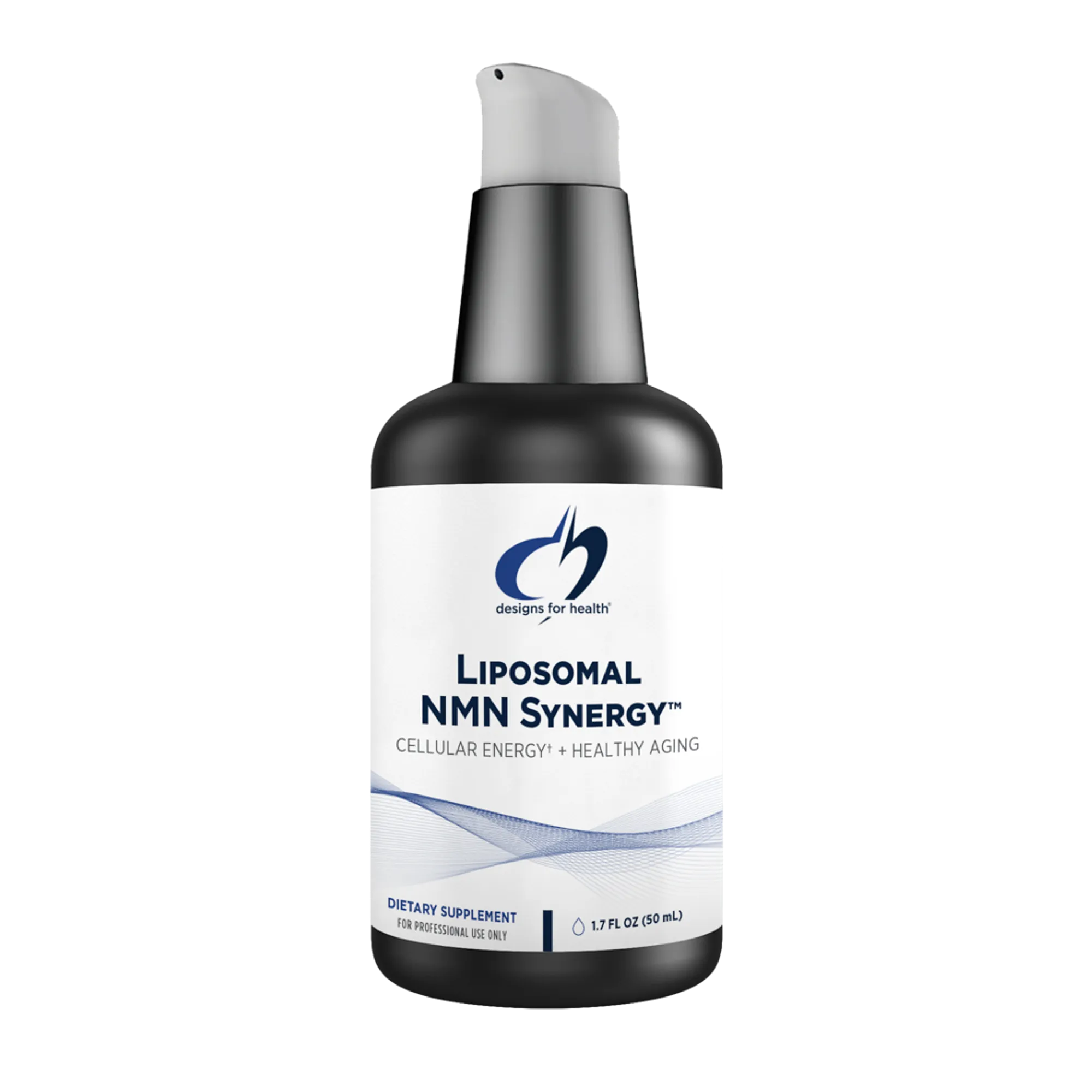
To overcome the challenges of gastrointestinal degradation, Liposomal NMN Synergy utilizes a highly advanced liquid liposomal delivery system. Liposomes are microscopic lipid (fat) vesicles that encapsulate the active NMN and TMG molecules. Because these liposomes mimic the body's natural cell membranes, they act as a protective shield, safeguarding the nutrients from stomach acid, destructive gut bacteria, and liver first-pass metabolism. This allows the intact NMN to traverse the intestinal barrier and enter systemic circulation with significantly higher efficiency.
Moreover, this specific formula is designed for sublingual (under the tongue) administration. By holding the liquid in your mouth for 30 seconds before swallowing, the NMN and TMG are absorbed directly into the highly vascularized sublingual mucosa. This tissue is rich in blood vessels, allowing the nutrients to enter the bloodstream in a matter of minutes, completely bypassing the digestive tract. Recent studies suggest that sublingual delivery can offer roughly twice the bioavailability of standard oral capsules, providing a rapid and potent metabolic boost.
The combination of sublingual absorption and liposomal protection creates a powerful dual-action delivery system. The highly permeable sublingual tissue allows for rapid bloodstream entry, while the liposomal shield ensures that any liquid swallowed is protected through the harsh digestive tract. This advanced delivery method maximizes the potential benefits of NMN and TMG, ensuring optimal absorption and intracellular utilization by the body, which is particularly vital for patients with compromised gut health or malabsorption issues.
When incorporating Liposomal NMN Synergy into your routine, proper dosing and timing can significantly impact its efficacy. The suggested use is to take 1 mL (approximately 2 pumps), which delivers 50 mg of NMN and 50 mg of TMG, and hold it in your mouth for 30 seconds before swallowing. Because NAD+ levels naturally peak in the morning as part of your body's circadian rhythm, it is generally recommended to take NMN early in the day. Taking it late in the afternoon or evening may overstimulate cellular metabolism and potentially interfere with sleep.
The 1:1 ratio of NMN to TMG in this formula is specifically designed to provide a balanced, synergistic effect, ensuring that the methyl groups consumed during NAD+ metabolism are immediately replenished. While 50 mg of NMN may seem lower than the doses used in standard capsule trials (which often range from 250 mg to 1,000 mg), the vastly superior bioavailability of the liposomal sublingual format means that a lower dose can achieve comparable, if not superior, intracellular levels.
As with any supplement, it is crucial to consult your healthcare provider before starting, especially if you have complex chronic conditions. While NMN and TMG are generally well-tolerated, individuals with specific genetic mutations (like MTHFR) or those taking medications that affect methylation or blood pressure should be monitored. Your practitioner can help you determine the optimal dosage and ensure that this powerful combination aligns safely with your comprehensive treatment plan.

Follow the Science
The clinical investigation into NAD+ precursors for chronic post-viral illness is rapidly accelerating. A landmark 24-week randomized, double-blind, placebo-controlled clinical trial recently evaluated the efficacy of high-dose Nicotinamide Riboside (NR), another potent NAD+ precursor, in 58 patients suffering from Long COVID. The study findings demonstrated that daily supplementation safely and significantly boosted systemic NAD+ levels. More importantly, the treatment group showed highly encouraging within-group improvements in fatigue severity, sleep quality, and depressive symptoms compared to their baseline, leading researchers to conclude that restoring NAD+ helps repair multi-organ cellular stress caused by coronaviruses.
Further supporting this approach, a 2024 observational pilot study (ClinicalTrials.gov ID: NCT04604704) evaluated 36 patients with moderate-to-severe Long COVID fatigue. The patients received a combination of Low-Dose Naltrexone (LDN) to lower neuroinflammation, alongside an NAD+ iontophoresis skin patch for 12 weeks. The results were striking: 52% of the patients were classified as "responders," with their Chalder fatigue scale scores dropping significantly from an average of 25.9 at baseline down to 17.4. This represents a massive, measurable improvement in quality of life and functional capacity.
In the realm of ME/CFS, while large-scale direct trials of NMN are still needed, foundational research strongly supports the mitochondrial repair hypothesis. A well-known 12-week randomized, double-blind study of 207 ME/CFS patients utilized a combination of Coenzyme Q10 and NADH (the reduced form of NAD+).
The clinical evidence supporting TMG (betaine) as a potent methyl donor and cardiovascular protectant is highly robust. Daily TMG supplementation has been shown to effectively reduce plasma homocysteine levels by 20% to 30%. Managing homocysteine is a critical focus, as elevated homocysteine is a known driver of endothelial dysfunction, microvascular inflammation, and cognitive decline—all of which are prominent features in Long COVID and dysautonomia.
Furthermore, clinical and metabolic research categorizes TMG not just as a methyl donor, but as an "exercise mimetic." Recent studies published in Frontiers in Nutrition highlight how TMG supplementation helps regulate fluid balance in muscle cells and attenuates lactate buildup. By stabilizing the cellular environment during physical exertion, TMG can boost physical endurance and potentially raise the threshold for post-exertional malaise (PEM) when paired with the energy-enhancing effects of NAD+ precursors.
The synergy between NMN and TMG is also supported by advanced bioavailability studies. A recent double-blind, placebo-controlled trial involving liposomal NMN demonstrated an 83% to 84% increase in blood NAD+ levels after 4 weeks, significantly outperforming standard NMN delivery. Notably, four weeks after participants stopped taking the liposomal supplement, their NAD+ levels remained elevated, suggesting that highly bioavailable formats can create sustained, long-term improvements in the body's metabolic baseline.
Overall, the safety profile of both NMN and TMG is well-established in clinical settings. Human trials have shown that NMN is generally well-tolerated at dosages up to 900–1,000 mg per day over short periods (30 to 60 days), with only minor side effects occasionally reported, such as mild gastrointestinal distress. Similarly, TMG is considered highly safe, with decades of clinical use for homocysteine management.
However, because NAD+ promotes cellular metabolism and division, some researchers advise caution for individuals with active, existing cancers, as elevated NAD+ could theoretically support tumor growth. This highlights the importance of personalized medicine. While the science strongly supports the use of NMN and TMG for restoring mitochondrial function in chronic illness, these supplements should always be integrated into a broader, medically supervised treatment plan to ensure safety and optimal efficacy.
The Path Forward
Living with the unpredictable and often debilitating symptoms of Long COVID, ME/CFS, or dysautonomia can feel like navigating a maze without a map. The profound fatigue, cognitive fog, and physical crashes are not simply in your head; they are the result of measurable, physiological disruptions at the cellular level. Understanding that your mitochondria are struggling and your NAD+ levels are depleted provides a validating framework for your experience. It shifts the narrative from "pushing through the fatigue" to actively repairing the biological engines that power your life.
While the synergistic combination of NMN and TMG offers a powerful, science-backed tool for restoring cellular energy and protecting your methylation cycle, it is not a standalone cure. True recovery requires a comprehensive, multi-disciplinary approach. As discussed in How Can You Live with Long-Term COVID, supplements must be paired with aggressive pacing strategies, heart rate monitoring, nervous system regulation, and targeted medical care. NMN provides the biochemical fuel, but you must still manage how you spend that energy to prevent crashes and support long-term healing.
At RTHM, we understand the complexities of these invisible illnesses and the frustration of searching for effective management strategies. We are committed to providing you with the most advanced, clinically relevant tools to support your journey. By addressing the root causes of mitochondrial dysfunction and cellular starvation, we hope to help you reclaim your energy, clear the brain fog, and improve your overall quality of life.
If you are ready to explore how targeted mitochondrial support can fit into your management plan, we encourage you to discuss NAD+ precursors and methylation support with your healthcare provider. They can help you determine if this synergistic formula is right for your specific metabolic needs and ensure it aligns safely with your current treatments.