Can Alpha Lipoic Acid Support Energy and Nerve Health in Long COVID and POTS?
March 6, 2026
Alpha Lipoic AcidLong COVIDME/CFS
Share:
Disclaimer: The information provided here is for educational purposes only and is not intended as medical advice. It should not be used to diagnose, treat, cure, or prevent any medical condition. Instead, use it as a starting point for discussion with your healthcare provider. Always consult with a qualified healthcare provider before starting any new medication, supplement, device, or making changes to your health regimen.
For many individuals living with complex chronic conditions like Long COVID, myalgic encephalomyelitis/chronic fatigue syndrome (ME/CFS), and dysautonomia, the daily reality is defined by an invisible, profound energy crisis. You might wake up feeling as though your cellular batteries are completely drained, struggling through heavy, leaden fatigue that makes even basic tasks feel like climbing a mountain. Alongside this exhaustion, many patients experience the burning, tingling pain of neuropathy, the dizzying heart rate spikes of postural orthostatic tachycardia syndrome (POTS), and the cognitive haze commonly known as brain fog. When standard blood tests come back "normal," it can be incredibly frustrating and invalidating, leaving you searching for answers to explain why your body feels fundamentally altered.
However, emerging research is increasingly pointing to a physiological root cause for these debilitating symptoms: severe mitochondrial dysfunction and systemic oxidative stress. The powerhouses of your cells are struggling to produce energy, and the delicate lining of your blood vessels is inflamed. This is where targeted nutritional support can play a crucial role in a comprehensive management plan. Alpha Lipoic Acid (ALA), often referred to as the "universal antioxidant," has emerged as a compelling supportive intervention. By physically entering the mitochondria to jumpstart energy production, actively repairing damaged unmyelinated small nerve fibers, and restoring vascular tone, ALA addresses the specific cellular dysfunctions observed in post-viral and autonomic conditions. In this comprehensive guide, we will explore the intricate biochemistry of Alpha Lipoic Acid, its clinical applications, and how it may help support your journey toward improved quality of life.
TL;DR
Alpha Lipoic Acid (ALA) supports cellular energy and may help manage fatigue in complex chronic conditions.
ALA acts as a powerful antioxidant, supporting mitochondrial function, nerve repair, and vascular health.
Research suggests ALA may help alleviate neuropathic pain and support autonomic nervous system balance.
Always consult your healthcare provider for proper dosing and to avoid interactions with medications.
What is Alpha Lipoic Acid?
The Universal, Amphiphilic Antioxidant
To understand why Alpha Lipoic Acid is so highly regarded in functional and integrative medicine, we must first look at its unique molecular structure. Alpha Lipoic Acid is a naturally occurring, sulfur-containing organic compound synthesized enzymatically in the mitochondria from octanoic acid. Unlike most other antioxidants, which are strictly compartmentalized based on their solubility, ALA is amphiphilic. This means it is both water-soluble and fat-soluble. While Vitamin C is confined to the watery environments of the cell (the cytosol) and Vitamin E is restricted to lipid-rich cell membranes, ALA can effortlessly navigate through both environments. This dual solubility allows orally supplemented ALA to readily cross the highly selective blood-brain barrier, penetrate the lipid-rich myelin sheaths protecting peripheral nerves, and operate effectively deep within the aqueous center of the cell. ALA is frequently referred to as the "universal antioxidant."
Furthermore, ALA features a unique dithiolane ring that allows it to transition freely between its oxidized state (ALA) and its reduced state, known as dihydrolipoic acid (DHLA). Together, ALA and DHLA form a highly potent redox couple with an exceptionally low redox potential. This chemical flexibility renders it one of the most powerful natural free-radical scavengers known to human biology. Both forms can rapidly neutralize a wide array of reactive oxygen species (ROS) and reactive nitrogen species, including highly destructive hydroxyl radicals, hypochlorous acid, and peroxyl radicals. By directly quenching these damaging molecules, ALA protects delicate cellular architecture, including DNA, proteins, and lipid membranes, from the catastrophic oxidative damage that characterizes many chronic inflammatory conditions.
The Master Mitochondrial Coenzyme
Beyond its direct antioxidant capabilities, Alpha Lipoic Acid is fundamentally tied to mitochondrial bioenergetics and cellular energy production. Within the mitochondria, ALA functions non-covalently as an essential "prosthetic group" (lipoyllysine) bound to several crucial multienzyme complexes. It is strictly required for the function of the Pyruvate Dehydrogenase (PDH) complex, which acts as the critical bridge connecting glycolysis to the Krebs cycle (the primary engine of cellular respiration). It is also a mandatory cofactor for Alpha-ketoglutarate dehydrogenase (KGDH), a rate-limiting enzyme within the Krebs cycle itself. Without sufficient localized ALA, these enzymatic pathways stall, the Krebs cycle halts, and the mitochondria fail to produce adequate adenosine triphosphate (ATP)—the fundamental energy currency of the human body. Studies on energy metabolism explore the molecular mechanisms and therapeutic potential of alpha-lipoic acid as a dietary supplement.
ALA also plays a profound role in mitochondrial biogenesis—the creation of new, healthy mitochondria to replace old, damaged ones. It achieves this by activating the AMP-activated protein kinase (AMPK) signaling pathway. AMPK acts as a master metabolic switch; when activated by ALA, it stimulates Peroxisome proliferator-activated receptor gamma coactivator 1-alpha (PGC-1α). PGC-1α is the primary genetic regulator that promotes the growth of new mitochondria and enhances mitochondrial membrane potential. By stimulating this pathway, ALA effectively combats metabolic senescence and cellular exhaustion, replacing dysfunctional energy factories with robust, highly efficient new mitochondria. This mechanism is particularly relevant for conditions characterized by profound, unremitting fatigue.
Activating the Nrf2 Pathway and Antioxidant Regeneration
Perhaps the most remarkable biochemical trait of Alpha Lipoic Acid is its ability to act as a master recycling agent for the body's entire endogenous antioxidant network. When antioxidants like Vitamin C, Vitamin E, Coenzyme Q10, and glutathione neutralize a free radical, they become "spent" or oxidized, losing their protective abilities. DHLA, the reduced form of ALA, has the unique biochemical capacity to directly donate electrons to these spent molecules, regenerating them back into their active, protective forms. This recycling effect exponentially amplifies the body's overall antioxidant capacity, creating a cascading shield against oxidative stress. It essentially allows a single molecule of Vitamin C or Vitamin E to be used over and over again, maximizing cellular defense mechanisms.
In addition to recycling existing antioxidants, ALA acts as a powerful epigenetic signaling molecule. It upregulates the Nrf2 (Nuclear factor erythroid 2-related factor 2) pathway, a critical cellular defense mechanism. When activated, Nrf2 travels to the cell nucleus and binds to Antioxidant Response Elements (ARE) in the DNA. This triggers the transcription of numerous endogenous antioxidant genes. Most notably, ALA upregulates gamma-glutamylcysteine ligase (γ-GCL), the rate-limiting enzyme required for the synthesis of glutathione—the body's master intracellular antioxidant. By boosting γ-GCL activity, ALA drastically increases intracellular glutathione levels, supporting defense against heavy metal toxicity, environmental pollutants, and the chronic oxidative stress seen in complex immune conditions.
How Chronic Illness Impacts Cellular Energy and Nerves
Endothelial Dysfunction and Vascular Damage
To understand how nutritional interventions can help, we must first examine the pathophysiology of conditions like Long COVID, ME/CFS, and dysautonomia. Recent clinical research has increasingly identified endothelial dysfunction as a central, unifying driver of these complex illnesses. The endothelium is the delicate, single-cell layer lining the inside of all blood vessels, responsible for regulating blood flow, vascular tone, and immune cell trafficking. In the context of Long COVID, the SARS-CoV-2 virus binds directly to ACE2 receptors, which are highly expressed on these endothelial cells. This viral interaction, combined with a lingering "cytokine storm" and chronic systemic inflammation, inflicts massive oxidative damage on the vascular lining. This damage leads to impaired nitric oxide production, microvascular clotting, and a failure of the blood vessels to dilate properly.
When the endothelium is dysfunctional, the microcirculation—the tiny capillaries that deliver oxygen and nutrients to muscle tissue and the brain—becomes severely compromised. This creates a state of chronic cellular hypoxia (low oxygen). Without adequate oxygen delivery, tissues cannot sustain normal metabolic function, leading to a systemic cellular energy crisis. This vascular impairment manifests physically as the severe, debilitating fatigue, post-exertional malaise (PEM), and cognitive brain fog that patients experience daily. The body is essentially suffocating at a microscopic level, unable to meet the energetic demands of even minor physical or cognitive exertion. This is why managing fatigue with Long COVID requires addressing the health of the blood vessels themselves.
Mitochondrial Impairment and the Energy Crisis
Running parallel to endothelial dysfunction is profound mitochondrial impairment. Viral infections, chronic inflammation, and severe oxidative stress can directly damage the structural integrity of the mitochondria. A 2024 study on mitochondrial biomarkers discusses novel biomarkers of mitochondrial dysfunction in Long COVID patients.
This creates a devastating vicious cycle. The damaged mitochondria produce less ATP (energy) and more destructive free radicals. These free radicals then cause further damage to the mitochondrial DNA and lipid membranes, leading to even less energy production. Research published in the Annals of Medicine confirmed that Long COVID patients exhibit a unique bioenergetic inefficiency, characterized by significant changes in ATP synthase activity and mitochondrial membrane potential. This localized energy failure in muscle and nerve cells is a primary driver of the heavy, leaden fatigue and the severe crashes (PEM) that occur when patients attempt to push past their energetic limits. The cells simply do not have the ATP required to recover from exertion.
Small Fiber Nerve Damage in Dysautonomia
In conditions like postural orthostatic tachycardia syndrome (POTS) and other forms of dysautonomia, the autonomic nervous system fails to properly regulate automatic bodily functions, such as heart rate and blood pressure. Emerging research shows that a significant percentage of patients with ME/CFS and POTS suffer from comorbid Small Fiber Neuropathy (SFN). SFN occurs when the tiny, unmyelinated peripheral nerves that control pain sensation and autonomic blood vessel constriction become damaged by oxidative stress and autoimmune cross-reactivity. When these autonomic nerves are damaged, they fail to signal the peripheral blood vessels to constrict upon standing.
This failure of vascular constriction leads to severe blood pooling in the lower extremities, a hallmark of POTS. Because blood is pooling in the legs, less blood returns to the heart and brain, triggering dizziness, lightheadedness, and a compensatory spike in heart rate (tachycardia) as the heart desperately tries to pump the remaining blood upward. The damage to these small sensory fibers also causes the intense burning, tingling, and prickling pain often reported in the hands and feet. Understanding how a doctor diagnoses Long COVID and its overlapping autonomic symptoms often involves looking for signs of this specific microvascular and nerve damage.
Alpha Lipoic Acid: Supporting Mitochondria and Endothelial Function
Jumpstarting the Krebs Cycle and ATP Production
Alpha Lipoic Acid offers a multi-targeted approach to addressing the complex pathophysiology of these chronic conditions. At the most fundamental level, ALA directly intervenes in the mitochondrial energy crisis. Because it is an essential, non-covalent cofactor for the Pyruvate Dehydrogenase (PDH) and Alpha-ketoglutarate dehydrogenase (KGDH) complexes, supplementing with highly bioavailable ALA helps unblock the stalled Krebs cycle. By ensuring these rate-limiting enzymes have the necessary cofactors to function, ALA facilitates the smooth transition of metabolic substrates (derived from carbohydrates and fats) into the mitochondria for ATP synthesis. This mechanistic action directly addresses the bioenergetic inefficiency observed in ME/CFS and Long COVID, helping to restore baseline cellular energy levels and potentially raising the threshold for post-exertional malaise (PEM).
Furthermore, by activating the AMPK signaling pathway, ALA stimulates the production of PGC-1α, driving mitochondrial biogenesis. This means ALA not only helps existing, struggling mitochondria work more efficiently but also signals the cell to manufacture brand new, healthy mitochondria. This dual action—optimizing current energy production and expanding overall mitochondrial capacity—is crucial for patients whose cellular batteries have been depleted by chronic viral persistence or long-term systemic inflammation. It provides the physiological foundation required for muscular endurance and cognitive stamina.
Restoring Nitric Oxide and Vascular Tone
To combat the endothelial dysfunction that deprives tissues of oxygen, Alpha Lipoic Acid acts directly on the vascular lining. ALA has been shown to improve endothelial function by restoring the activity of endothelial nitric oxide synthase (eNOS), the enzyme responsible for producing nitric oxide (NO). Nitric oxide is a critical signaling molecule that tells blood vessels to relax and dilate, ensuring healthy, unobstructed blood flow. By neutralizing the massive oxidative stress that damages the endothelium, ALA protects eNOS from degradation and increases the overall bioavailability of nitric oxide. Orthomolecular protocols for Long COVID have been published to address the condition.
In the context of dysautonomia and POTS, ALA's ability to penetrate lipid-rich nerve tissue makes it a potent therapeutic for autonomic nerve repair. By neutralizing localized free radicals within the myelin sheath and the nerve axon itself, ALA helps repair the damaged small unmyelinated fibers responsible for vascular signaling. As these autonomic nerves heal, they regain their ability to properly signal blood vessels to constrict when a patient transitions to an upright position. This improved vascular tone may help reduce orthostatic blood pooling, thereby reducing the compensatory tachycardia and dizziness that define POTS. ALA is frequently utilized by dysautonomia specialists to help retrain the peripheral vasculature and stabilize orthostatic vitals.
Supporting Healthy Blood Sugar and Metabolism
There is a deeply entangled relationship between Long COVID, metabolic health, and insulin resistance, often referred to as a "pandemic within a pandemic." Viral infections can exacerbate underlying metabolic dysfunction, leading to elevated inflammatory cytokines and poor glucose control. Alpha Lipoic Acid functions as a potent "insulin-mimetic," meaning it naturally mimics the effects of insulin in the body. It enhances the function of insulin receptors on muscle cells and activates specific intracellular signaling pathways, such as PI 3-kinase and Akt. This activation facilitates the rapid translocation of GLUT4 transporters to the cell membrane, allowing the cell to rapidly pull glucose out of the bloodstream and into the tissue where it can be burned for energy.
By improving insulin sensitivity and clearing glucose from the blood, ALA removes metabolic roadblocks that contribute to systemic fatigue. When cells are insulin resistant, toxic lipid metabolites accumulate inside muscle tissue, severely impairing mitochondrial function and exacerbating physical exhaustion. By reversing this localized insulin resistance, ALA helps clear these toxic metabolites, directly contributing to the restoration of muscular endurance. This metabolic support is crucial for patients navigating the intersection of diabetes and Long COVID, providing a dual benefit of glycemic control and enhanced cellular energy.

Symptoms Alpha Lipoic Acid May Help Manage
Targeted Relief for Complex Conditions
Because Alpha Lipoic Acid operates at the foundational level of cellular energy production, antioxidant defense, and nerve repair, its benefits can cascade across multiple physiological systems. For patients managing the unpredictable and overlapping symptoms of Long COVID, ME/CFS, and dysautonomia, supplementing with a highly bioavailable form of ALA may help manage several debilitating specific symptoms. While it is not a cure, its mechanisms of action directly target the physiological root causes of the following issues:
Debilitating Fatigue and Low Energy: By acting as an essential coenzyme for the Pyruvate Dehydrogenase complex and unblocking the mitochondrial Krebs cycle, ALA directly supports the synthesis of ATP, helping to alleviate the heavy, leaden exhaustion that characterizes post-viral syndromes.
Post-Exertional Malaise (PEM): By activating AMPK and stimulating mitochondrial biogenesis, ALA helps increase the body's overall cellular energy capacity, potentially raising the threshold at which physical or cognitive exertion triggers a severe energy crash.
Neuropathic Pain (Burning and Tingling): Because of its dual water- and fat-solubility, ALA effortlessly penetrates the lipid-rich myelin sheaths of peripheral nerves, neutralizing localized oxidative stress and helping to repair the small fiber nerve damage that causes burning, prickling, and numbness in the extremities.
Orthostatic Intolerance and Dizziness (POTS): By supporting the repair of autonomic nerve fibers and improving endothelial nitric oxide production, ALA helps restore proper vascular tone, allowing blood vessels to constrict effectively upon standing and reducing orthostatic blood pooling and compensatory tachycardia.
Brain Fog and Cognitive Dysfunction: By crossing the blood-brain barrier, ALA reduces neuroinflammation and neutralizes oxidative stress within the central nervous system, supporting improved cerebral blood flow and helping to clear the cognitive haze associated with neuro-immune conditions.
Blood Sugar Dysregulation: Acting as an insulin-mimetic, ALA activates PI 3-kinase and Akt signaling pathways to improve the function of GLUT4 transporters, facilitating the rapid uptake of glucose into muscle cells and supporting healthy, stable blood sugar levels.
Practical Considerations: Forms, Dosing, and the Biotin Connection
R-Lipoic Acid vs. Synthetic Forms
When considering Alpha Lipoic Acid supplementation, understanding the difference between available forms is critical for achieving therapeutic results. Lipoic acid exists in two enantiomeric forms (mirror-image isomers): R-Lipoic Acid (R-ALA) and S-Lipoic Acid (S-ALA). R-ALA is the biologically active, naturally occurring form synthesized by plants, animals, and the human body. S-ALA is a synthetic byproduct created during chemical manufacturing and is not found in nature. Most standard, inexpensive "Alpha Lipoic Acid" supplements on the market are a "racemic mixture," meaning they contain a 50/50 split of both the R- and S-isomers. However, the human body heavily prefers the naturally occurring R-isomer, leading to significant differences in absorption and cellular utilization.
Pharmacokinetic studies demonstrate that the body selectively absorbs the R-isomer. Following oral ingestion of a standard racemic ALA mixture, peak blood plasma concentrations of R-lipoic acid are consistently found to be 40% to 50% higher than those of S-lipoic acid. R-ALA is more easily transported across intestinal walls and is more rapidly incorporated into cellular mitochondria. However, pure R-ALA is highly unstable in its free form and is sensitive to heat and light, often polymerizing into a sticky, unabsorbable mass. To solve this, high-quality formulations utilize stabilized salt forms, such as Sodium-R-Alpha-Lipoate (Na-R-ALA), or carefully formulated R-Lipoic Acid complexes that ensure rapid absorption, higher peak plasma concentrations, and maximum bioavailability without degrading in the digestive tract.
The SMVT Transporter and Biotin Depletion
One of the most critical, yet frequently overlooked, aspects of Alpha Lipoic Acid supplementation is its potential to deplete the body of Biotin (Vitamin B7). This occurs due to a biological bottleneck in the intestines. In the human digestive tract, Biotin, Pantothenic Acid (Vitamin B5), and Alpha Lipoic Acid all share the exact same transport doorway to enter the bloodstream: the Sodium-Dependent Multivitamin Transporter (SMVT). Because these compounds use the same transporter, taking high, concentrated supplement doses of Lipoic Acid can "crowd out" Biotin, leading to competitive inhibition. When the SMVT is saturated with Lipoic Acid, Biotin cannot be absorbed optimally and is excreted from the body.
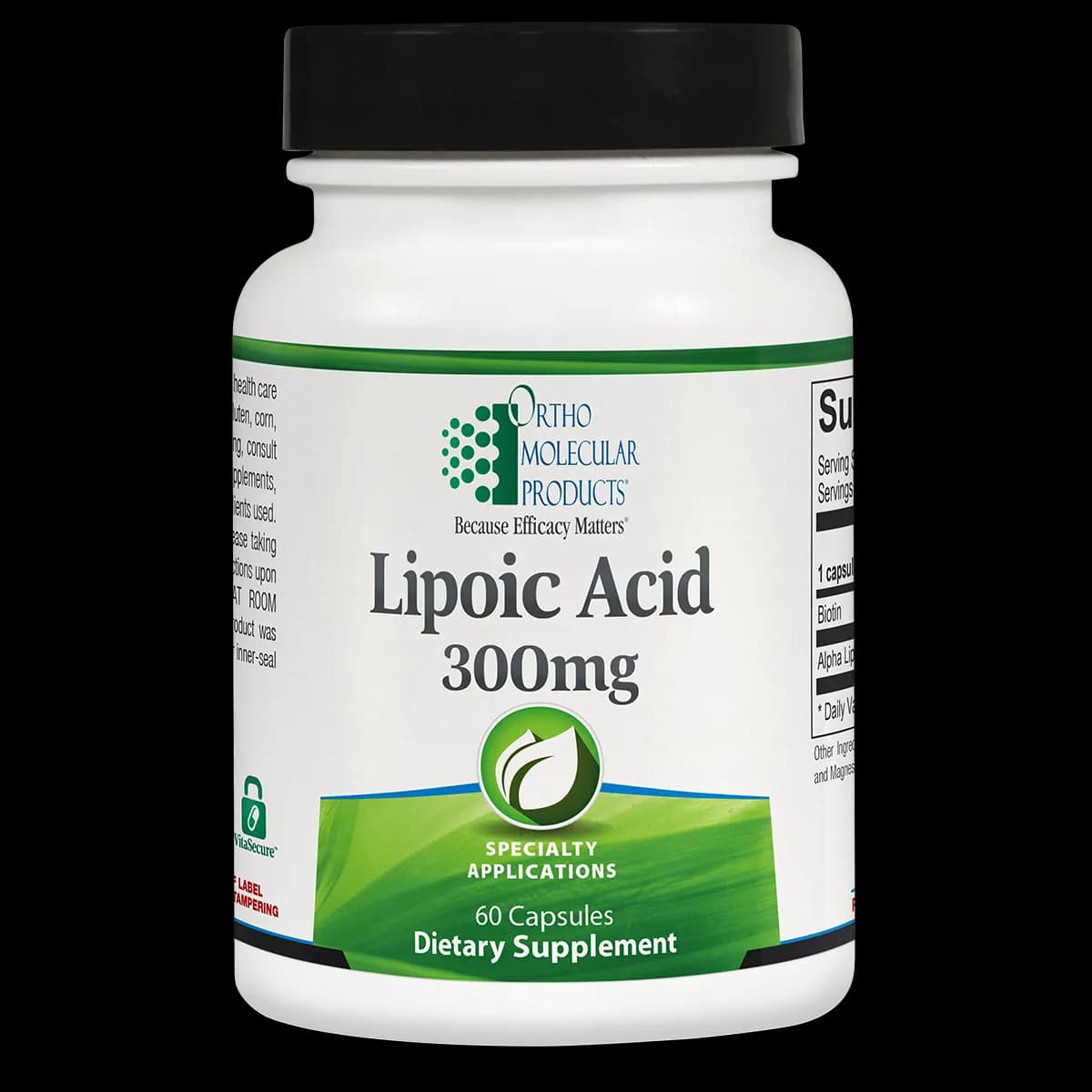
Animal research has highlighted how this competition affects internal biochemistry. Prolonged administration of high-dose ALA has been shown to reduce the catalytic activity of essential biotin-dependent enzymes in the liver, such as pyruvate carboxylase, by up to 35%. However, when Biotin is supplemented alongside the ALA, this enzyme suppression is completely negated. Because of this documented biochemical reality, high-quality, practitioner-grade supplements—like the Ortho Molecular Lipoic Acid 300 mg formulation—specifically include added Biotin (typically 300 mcg) to offset the competition at the SMVT transporter and help avoid localized depletion, ensuring both vital antioxidants can function optimally.
Optimal Absorption and Timing
To maximize the efficacy of your ALA supplement, timing and food intake must be carefully managed. Regardless of the specific form, lipoic acid competes heavily with food for absorption in the gastrointestinal tract. Clinical data shows that taking ALA with a meal decreases peak plasma concentrations by approximately 30% and reduces overall total absorption by about 20%. Therefore, it is strongly recommended to take lipoic acid on an empty stomach—ideally 30 to 60 minutes before a meal or at least two hours after eating. This ensures the compound has unimpeded access to the intestinal transporters.
Additionally, because ALA acts as a potent chelator of heavy metals, it can also bind to essential dietary minerals if taken simultaneously. It is generally advised to separate your ALA dosage from supplements containing high amounts of iron, calcium, magnesium, or zinc by at least two hours. Finally, because ALA aggressively improves cellular glucose uptake and insulin sensitivity, patients taking prescription metabolic medications (like Metformin or insulin) should monitor their blood sugar closely to help avoid hypoglycemia (low blood sugar). Always consult with your healthcare provider to determine the optimal dosing schedule for your specific metabolic needs.

Follow the Science
The Requpero Study on Post-Viral Fatigue
The clinical evidence supporting Alpha Lipoic Acid for complex chronic illnesses has grown substantially, particularly in the wake of the COVID-19 pandemic. One of the most profound recent validations for ALA in supporting patients with post-viral fatigue comes from the landmark 2022 Requpero study, a prospective observational trial published in Clinical and Experimental Medicine. The Requpero study evaluated 174 patients suffering from Chronic COVID Syndrome, with an average symptom duration of nearly six months. The patients were suffering from severe, debilitating fatigue that mirrored the diagnostic criteria for ME/CFS. The treatment group of 116 patients received a synergistic daily combination of Alpha Lipoic Acid (200 mg) and Coenzyme Q10 (200 mg) for two months, while the remaining 58 patients acted as an untreated control group.
The results of the Requpero study were statistically profound. After two months of targeted mitochondrial support, 53.5% of the patients taking the ALA and CoQ10 combination achieved a "complete response," defined as a greater than 50% reduction in their Fatigue Severity Scale (FSS) scores. This indicated a near-total resolution of their severe, debilitating exhaustion. In stark contrast, only 3.5% of the untreated control group achieved a similar reduction in fatigue. Furthermore, only 9.5% of the treated patients were considered non-responders, compared to nearly 26% of the control group. Researchers concluded that combining an electron transport chain shuttle (CoQ10) with a potent mitochondrial antioxidant (ALA) yields a highly synergistic effect that functionally repairs the cellular damage causing Long COVID fatigue.
Clinical Data on Neuropathy and Dysautonomia
Long before its application in post-viral syndromes, ALA was extensively researched and officially approved in countries like Germany as a medical support for peripheral neuropathy. The landmark ALADIN (Alpha-Lipoic Acid in Diabetic Neuropathy) and SYDNEY trials provided robust clinical data on its efficacy. In these randomized controlled trials, patients suffering from symptomatic polyneuropathy were given 600 mg of ALA daily. The data showed highly significant reductions in neuropathic pain, burning, and numbness compared to placebo, with sustained improvements in nerve conduction velocity and endoneurial blood flow. This ability to repair unmyelinated small nerve fibers is exactly why ALA is now being utilized for the Small Fiber Neuropathy often seen in POTS and ME/CFS.
Furthermore, ALA has shown significant promise in addressing autonomic nerve damage. The DEKAN study focused specifically on patients suffering from cardiac autonomic neuropathy—damage to the nerves regulating heart rate and vascular tone. Patients taking 800 mg of oral ALA daily for four months demonstrated significant improvements in resting heart rate variability, signaling a reversal or delay of autonomic nerve dysfunction. Additionally, a systematic review and meta-analysis of 11 randomized controlled trials involving 674 patients evaluated ALA's effect on blood pressure and vascular health. The study found that ALA supplementation significantly reduced both systolic and diastolic blood pressure, confirming its ability to improve endothelial function, restore nitric oxide bioavailability, and support overall cardiovascular hemodynamics.
Metabolic and Blood Sugar Trials
The metabolic benefits of ALA are equally well-documented, making it a crucial tool for patients dealing with the intersection of chronic illness and insulin resistance. A comprehensive dose-response meta-analysis of 16 randomized controlled trials comprising over 1,000 patients found that oral ALA supplementation led to significant reductions in Fasting Plasma Glucose, HbA1c, and triglycerides. A landmark 2011 trial followed patients given 300 mg of ALA daily for 8 weeks and observed highly significant decreases in fasting blood glucose, postprandial glucose, and insulin resistance (measured via the HOMA-IR index). By acting as an insulin-mimetic and clearing toxic lipid metabolites from muscle tissue, ALA provides profound metabolic support that complements its mitochondrial and neurological benefits.
The Path Forward
A Piece of the Complex Illness Puzzle
Living with conditions like Long COVID, ME/CFS, POTS, and MCAS is an incredibly complex and often exhausting journey. The profound fatigue, unpredictable nerve pain, and cognitive haze are not just "in your head"—they are the result of measurable physiological disruptions at the cellular level, driven by mitochondrial impairment and endothelial dysfunction. Validating this reality is the first step toward effective management. While Alpha Lipoic Acid is a powerful, science-backed tool that directly targets these underlying mechanisms, it is important to remember that no single supplement is a definitive cure. True healing and symptom management require a comprehensive, multi-layered approach.
Supplements like ALA should be integrated into a broader strategy that includes aggressive rest, strict energy pacing to avoid PEM, nervous system regulation, and targeted medical therapies. By supporting your cellular energy production, restoring your antioxidant defenses, and repairing delicate nerve fibers, ALA can help raise your baseline functioning and improve your daily quality of life. As you navigate this path, it is crucial to work alongside healthcare providers who understand the intricacies of post-viral and autonomic conditions, ensuring that your nutritional interventions are safe, properly dosed, and tailored to your unique metabolic needs.
Comprehensive Care at RTHM
At RTHM, we are dedicated to providing compassionate, clinically grounded care for patients navigating complex chronic illnesses. We understand the profound impact that mitochondrial and vascular health has on your daily functioning. If you are interested in exploring how targeted nutritional support can fit into your management plan, we encourage you to discuss Alpha Lipoic Acid with your medical team. By addressing the root causes of cellular dysfunction, we can work together to help you reclaim your energy and improve your well-being.
Sources
The Significance of Endothelial Dysfunction in Long COVID-19
Novel biomarkers of mitochondrial dysfunction in Long COVID patients
Coenzyme Q10 + alpha lipoic acid for chronic COVID syndrome (The Requpero Study)
The Sensory Symptoms of Diabetic Polyneuropathy Are Improved With α-Lipoic Acid: The SYDNEY Trial