Can Krill Oil Support Brain Fog and Inflammation in Long COVID and ME/CFS?
March 6, 2026
Krill OilLong COVIDME/CFS
Share:
Disclaimer: The information provided here is for educational purposes only and is not intended as medical advice. It should not be used to diagnose, treat, cure, or prevent any medical condition. Instead, use it as a starting point for discussion with your healthcare provider. Always consult with a qualified healthcare provider before starting any new medication, supplement, device, or making changes to your health regimen.
Months or even years after an initial viral infection, many individuals find themselves battling a complex web of debilitating symptoms—crushing fatigue, profound brain fog, and unpredictable autonomic nervous system flares. For those living with Long COVID, myalgic encephalomyelitis/chronic fatigue syndrome (ME/CFS), and dysautonomia, the search for validating answers and effective management strategies can feel like an exhausting uphill climb. The underlying drivers of these conditions often involve a self-perpetuating cycle of neuroinflammation, mitochondrial damage, and cellular membrane dysfunction. When the body is trapped in this chronic inflammatory loop, standard physiological processes begin to break down, leaving patients feeling fundamentally disconnected from their pre-illness baseline.
In the realm of targeted nutritional support, krill oil has emerged as a uniquely bioavailable intervention that directly addresses these cellular vulnerabilities. Unlike standard fish oil, krill oil delivers essential omega-3 fatty acids (EPA and DHA) bound to phospholipids, accompanied by the potent naturally occurring antioxidant astaxanthin. This specific molecular structure allows these neuroprotective compounds to efficiently cross the blood-brain barrier and embed directly into cellular membranes, offering profound support where it is needed most. In this comprehensive guide, we will explore the intricate biochemistry of Krill-Plex, examining how its unique components may help quench systemic inflammation, protect mitochondrial energy production, and support cognitive and cardiovascular health in complex chronic illnesses.
TL;DR
Krill oil delivers highly bioavailable omega-3s and astaxanthin directly to cells to support membrane health.
It may help manage neuroinflammation and brain fog by efficiently crossing the blood-brain barrier.
Astaxanthin protects mitochondrial function, potentially reducing the severity of post-exertional malaise (PEM).
Omega-3s support cardiovascular health and blood flow, aiding those managing dysautonomia and POTS.
What is Krill-Plex and How Does It Differ from Fish Oil?
The Phospholipid Delivery System
To understand the unique benefits of Krill-Plex, we must first examine its foundational structure at the molecular level. Standard fish oil supplements primarily deliver omega-3 fatty acids in the form of triglycerides or ethyl esters, which require extensive processing by liver enzymes and bile salts before the body can absorb them. In contrast, the omega-3s in krill oil are bound to phospholipids, primarily phosphatidylcholine. Phospholipids are the exact structural building blocks that make up the lipid bilayers of every single cell membrane in the human body. Because krill oil provides omega-3s in a form the body already recognizes and utilizes structurally, it bypasses many of the digestive bottlenecks associated with standard fish oil, resulting in vastly superior cellular uptake and bioavailability.
This phospholipid structure is particularly critical for neurological health and cognitive function. The human brain is composed of nearly 60% fat, and its cellular membranes rely heavily on a specific type of phospholipid called lysophosphatidylcholine (LPC) to transport essential nutrients. Recent clinical perspectives suggest that phospholipid-based therapies may offer supportive benefits for brain fog and ME/CFS symptoms, while biochemical research has identified a specialized transporter protein at the blood-brain barrier known as Mfsd2a, which exclusively binds to LPC-bound omega-3s. Because krill oil naturally contains these LPC-bound fatty acids, it acts as a molecular key, unlocking the Mfsd2a transporter and ferrying docosahexaenoic acid (DHA) directly into brain tissue. This direct delivery system is why krill oil is heavily researched for its potential to support cognitive function and combat neuroinflammation more effectively than triglyceride-based alternatives.
Furthermore, the phospholipid matrix of krill oil plays a vital role in maintaining cellular membrane fluidity. Healthy, fluid cell membranes are essential for proper receptor function, allowing neurotransmitters, hormones, and immune signals to bind correctly and transmit their messages into the cell. When cell membranes become rigid due to oxidative stress or a lack of healthy fats, cellular communication breaks down, contributing to systemic dysfunction. By supplying a direct source of structural phospholipids, Krill-Plex helps rebuild and maintain this critical cellular infrastructure, ensuring that cells can communicate, absorb nutrients, and expel waste efficiently.
The Power of Astaxanthin
Beyond its unique lipid profile, krill oil contains a naturally occurring, brilliantly red-orange carotenoid pigment called astaxanthin. Produced primarily by the microalga Haematococcus pluvialis (which krill consume), astaxanthin is widely considered one of nature’s most potent antioxidants. What sets astaxanthin apart from other well-known antioxidants, such as vitamin C or beta-carotene, is its unique molecular architecture. Astaxanthin possesses a polar-nonpolar-polar structure, meaning it has water-soluble ends and a fat-soluble middle. This exact structural alignment allows the astaxanthin molecule to physically span the entire width of a cell's lipid bilayer membrane.
By anchoring itself across the cell membrane, astaxanthin provides comprehensive, dual-layer protection against reactive oxygen species (ROS). It quenches free radicals on the watery exterior of the cell, neutralizes lipid peroxidation within the fatty interior of the membrane, and protects the watery cytoplasm inside the cell. While studies on other plant-based antioxidants have shown they can modulate gut microbiota and cholesterol, astaxanthin is uniquely valued for its trans-membrane orientation, which makes it highly effective at halting oxidative damage compared to antioxidants that float freely in the bloodstream. In the context of chronic illness, where oxidative stress constantly bombards cellular structures, astaxanthin acts as a structural shield, preventing the degradation of the cell membrane and preserving cellular integrity.
Crucially, astaxanthin has a profound affinity for mitochondrial membranes. Mitochondria, the energy-producing powerhouses of our cells, generate massive amounts of free radicals as a natural byproduct of creating adenosine triphosphate (ATP). If these free radicals are not immediately neutralized, they damage the delicate mitochondrial machinery, leading to cellular exhaustion. Astaxanthin specifically localizes to the inner mitochondrial membrane, where it acts as a dedicated bodyguard for the electron transport chain. By catching stray electrons and neutralizing ROS at the exact site of energy production, astaxanthin ensures that mitochondria can continue to produce ATP efficiently without self-destructing from oxidative stress.
Essential Omega-3s: EPA and DHA
The core therapeutic engines of Krill-Plex are the essential omega-3 fatty acids, eicosapentaenoic acid (EPA) and docosahexaenoic acid (DHA). These polyunsaturated fats are termed "essential" because the human body cannot synthesize them from scratch; they must be acquired through diet or supplementation. At the cellular level, EPA and DHA are not merely passive structural components; they are highly active signaling molecules that dictate the body's inflammatory response. When incorporated into cell membranes, they displace pro-inflammatory arachidonic acid (an omega-6 fatty acid), fundamentally shifting the cell's baseline state from inflammatory to anti-inflammatory.
The most remarkable function of EPA and DHA lies in their conversion into Specialized Pro-resolving Mediators (SPMs). When the immune system responds to a threat—such as a viral infection or tissue injury—it initiates an inflammatory cascade to neutralize the danger. However, inflammation must be actively turned off once the threat has passed. While research on other interventions like probiotics highlights the importance of gut health in systemic immunity, EPA and DHA are enzymatically converted into SPMs that act as the immune system's "cleanup crew," actively signaling macrophages to clear away cellular debris, halting the influx of inflammatory white blood cells, and promoting tissue repair. Without sufficient EPA and DHA, the body lacks the raw materials to produce SPMs, leading to chronic, unresolved inflammation.
In addition to their role in resolving inflammation, EPA and DHA are critical for cardiovascular and endothelial health. They promote the activation of endothelial nitric oxide synthase (eNOS), an enzyme that produces nitric oxide in the lining of blood vessels. Nitric oxide is a potent vasodilator that helps blood vessels relax and expand, ensuring optimal blood flow and regulating blood pressure. By supporting endothelial function and modulating lipid metabolism, the omega-3s in krill oil provide comprehensive cardiovascular support, which is particularly vital for individuals managing the complex vascular dynamics of dysautonomia and related chronic conditions.
How Long COVID and ME/CFS Impact Cellular Health
Neuroinflammation and the Blood-Brain Barrier
In complex chronic conditions like Long COVID and ME/CFS, the central nervous system often becomes trapped in a state of chronic hyper-reactivity, a phenomenon known as neuroinflammation. Following an initial viral insult, the immune cells of the brain—specifically microglia and astrocytes—can become persistently activated. Instead of returning to a resting state, these cells continuously pump out pro-inflammatory cytokines, such as Interleukin-1β (IL-1β) and Tumor Necrosis Factor-alpha (TNF-α). This relentless chemical storm disrupts normal neurotransmitter function, slows down neural processing speeds, and manifests clinically as the profound, debilitating cognitive impairment frequently described by patients as "brain fog."
This neuroinflammatory state is heavily exacerbated by the breakdown of the blood-brain barrier (BBB). The BBB is a highly selective semipermeable border of endothelial cells that protects the brain from circulating toxins and systemic inflammation. Recent immunological studies revealing mechanistic subtypes of Long COVID suggest that systemic inflammation plays a key role in the disease process, which may contribute to the degradation of tight junctions between these endothelial cells, making the BBB "leaky." When systemic inflammatory markers and autoantibodies cross into the brain tissue, they further trigger microglial activation, creating a self-perpetuating cycle of neurological distress. This ongoing neuroimmune conflict fundamentally alters how the brain perceives fatigue, pain, and sensory input.
Furthermore, this chronic inflammatory environment rapidly depletes the brain's localized antioxidant defenses and structural lipids. The high levels of reactive oxygen species (ROS) generated by activated microglia cause lipid peroxidation, literally rusting the delicate phospholipid membranes of neurons. As these membranes degrade, cellular communication falters, and the brain's ability to clear metabolic waste during sleep is severely impaired. This structural degradation underscores the critical need for interventions that can successfully cross the BBB to deliver both antioxidant protection and structural lipid repair directly to the central nervous system.
Mitochondrial Dysfunction and Oxidative Stress
A defining hallmark of ME/CFS and Long COVID is the profound inability to generate and sustain cellular energy, leading to the devastating symptom of post-exertional malaise (PEM). This energy crisis is rooted deep within the mitochondria. Groundbreaking research has demonstrated that in these patient populations, immune cells exhibit signs of elevated oxidative stress and aberrations in reactive oxygen species (ROS) clearance pathways, including decreased mitochondrial superoxide dismutase. This oxidative stress damages the electron transport chain (ETC)—the series of protein complexes responsible for generating ATP—making it inefficient and prone to leaking electrons that form highly destructive superoxide radicals.
When mitochondria are damaged by this internal oxidative stress, they cannot rely on efficient aerobic respiration to produce energy. Instead, the cells are forced to shift into a hypometabolic state, relying on inefficient anaerobic glycolysis. This emergency backup system produces very little ATP and generates excessive amounts of lactic acid, even during minimal physical or cognitive exertion. This rapid accumulation of cellular waste and lack of usable energy is what triggers the severe, delayed crashes characteristic of PEM. The mitochondria are essentially suffocating under the weight of their own oxidative exhaust, unable to meet the basic energetic demands of daily life. This metabolic gridlock shares similarities with the cellular stress seen in other metabolic disorders, highlighting the complex overlap discussed in our exploration of Diabetes and Long COVID: A Pandemic Within a Pandemic.
The vicious cycle of mitochondrial dysfunction is further compounded by the loss of mitochondrial membrane integrity. The inner mitochondrial membrane is rich in a specific phospholipid called cardiolipin, which is highly susceptible to oxidative damage. When cardiolipin is oxidized, the mitochondrial membrane loses its electrical potential, and the cell initiates apoptosis (programmed cell death). This systemic loss of healthy mitochondria leaves patients in a state of profound, unyielding exhaustion. Interventions that can physically enter the mitochondria to shield these membranes from ROS are crucial for breaking this cycle and restoring cellular energy production, a concept also central to therapies like R-Lipoic Acid.
Endothelial Damage and Dysautonomia
The impact of Long COVID and ME/CFS extends far beyond the brain and muscles, heavily involving the vascular system. The endothelium, the delicate single-cell layer lining all blood vessels, is highly vulnerable to viral infection and circulating inflammatory cytokines. Chronic inflammation damages this lining, leading to endothelial dysfunction. When the endothelium is impaired, it loses its ability to produce adequate amounts of nitric oxide, a crucial molecule required for blood vessels to dilate and adapt to changes in blood flow. This vascular stiffness and inability to regulate blood pressure is a primary driver of dysautonomia and Postural Orthostatic Tachycardia Syndrome (POTS).
In patients with POTS and dysautonomia, the autonomic nervous system struggles to coordinate blood vessel constriction when transitioning from lying down to standing. Because the damaged endothelium cannot respond properly to autonomic signals, blood pools in the lower extremities. The heart then races (tachycardia) in a desperate attempt to pump blood back up to the brain, leading to dizziness, palpitations, and pre-syncope. While clinical investigations into other viral outbreaks highlight the broad systemic impacts of emerging infections, in Long COVID, endothelial inflammation is often accompanied by microclotting and platelet hyperactivation, further restricting oxygen delivery to tissues and exacerbating the systemic energy crisis.
Moreover, the continuous physical stress of fluctuating blood pressure and rapid heart rates creates sheer stress on the already inflamed blood vessel walls, generating even more localized oxidative stress. This creates a feed-forward loop where vascular damage drives autonomic dysfunction, and autonomic dysfunction causes further vascular damage. Interrupting this cycle requires therapeutic agents that can simultaneously soothe endothelial inflammation, prevent excessive platelet aggregation, and provide the structural fats necessary to heal the vascular lining.
Krill-Plex: Supporting Brain, Heart, and Cellular Function
Quenching Neuroinflammation and Supporting Cognition
Krill-Plex offers a multi-targeted approach to dismantling the neuroinflammatory loops that drive brain fog and cognitive fatigue in chronic illness. Because the DHA in krill oil is bound to lysophosphatidylcholine (LPC), it actively binds to the Mfsd2a transporter at the blood-brain barrier, ensuring highly efficient delivery directly into the central nervous system. Once inside the brain, this DHA is rapidly incorporated into the membranes of neurons and glial cells. By optimizing the structural fluidity of these neural membranes, Krill-Plex helps restore proper receptor function, allowing neurotransmitters like serotonin and dopamine to bind effectively, which is vital for mood regulation and cognitive processing speed.
Simultaneously, the EPA and DHA delivered by Krill-Plex serve as the direct precursors for Specialized Pro-resolving Mediators (SPMs). While research on inflammatory pathways illustrates how specific molecules can trigger cellular damage in conditions like diabetic kidney disease, in the brain, resolvins and protectins actively signal hyperactive microglia to stand down. They promote the clearance of inflammatory cellular debris and halt the continuous secretion of neurotoxic cytokines like IL-1β and TNF-α. By providing the exact molecular off-switches for the immune response, Krill-Plex helps transition the brain from a state of chronic alarm back to a state of homeostasis and repair, directly targeting the physiological roots of brain fog.
The astaxanthin in Krill-Plex acts as a powerful synergistic partner in this neuroprotective process. Astaxanthin is one of the few antioxidants capable of crossing the blood-brain barrier intact. Once in the brain, it actively inhibits the Nuclear Factor kappa B (NF-κB) pathway, the master genetic switch that triggers inflammation. By blocking the phosphorylation of specific proteins (IKKα and IκBα), astaxanthin prevents NF-κB from entering the cell nucleus to turn on inflammatory genes. This dual-action approach—resolving existing inflammation with SPMs while blocking new inflammatory signals with astaxanthin—provides profound support for cognitive clarity and neurological resilience.
Protecting Mitochondrial Energy Production
To address the severe cellular exhaustion and post-exertional malaise (PEM) seen in ME/CFS and Long COVID, mitochondrial function must be protected and restored. The astaxanthin in Krill-Plex plays a pivotal role here due to its unique ability to physically embed itself across the inner mitochondrial membrane. As electrons flow through the mitochondrial electron transport chain to create ATP, astaxanthin stands guard, immediately neutralizing any stray reactive oxygen species (ROS) before they can cause lipid peroxidation. This structural shielding preserves the integrity of the mitochondrial membrane potential, ensuring that the cell can continue to generate energy aerobically rather than falling back on inefficient, lactic-acid-producing glycolysis.
Furthermore, astaxanthin is a potent activator of the Nrf2/ARE signaling pathway. Nrf2 is a master transcription factor that, when activated, travels to the cell nucleus and binds to Antioxidant Response Elements (ARE). While recent clinical studies explore the characteristics of severe inflammatory conditions like pediatric vasculitis, biochemical research on Nrf2 activation shows it commands the cell to dramatically upregulate its own internal production of powerful antioxidant enzymes, such as Superoxide Dismutase (SOD), Catalase, and Glutathione Peroxidase. By boosting the body's endogenous antioxidant defenses, Krill-Plex helps clear the backlog of oxidative stress that suffocates mitochondrial function, gradually expanding the patient's energetic envelope and reducing the severity of PEM crashes.
The phospholipid-bound omega-3s also contribute to mitochondrial health by improving the fluidity of the mitochondrial membranes themselves. When the membranes are fluid and healthy, the proteins of the electron transport chain can align correctly, optimizing the efficiency of ATP production. This comprehensive mitochondrial support is essential for patients trying to rebuild their stamina and metabolic health, complementing other metabolic interventions discussed in our guide on Metformin: Long COVID Risk Reduction and Diabetes Management.
Stabilizing Endothelial and Cardiovascular Health
For patients battling dysautonomia and POTS, stabilizing the vascular endothelium is a critical step toward managing symptoms. The EPA and DHA in Krill-Plex directly support endothelial health by promoting the activation of endothelial nitric oxide synthase (eNOS). By increasing the localized production of nitric oxide, these omega-3s help the blood vessels relax and dilate appropriately, improving cerebral blood flow and reducing the sheer stress on the vascular walls. This improved vascular compliance can help mitigate the severe blood pressure fluctuations and reactive tachycardia that characterize autonomic dysfunction.
Additionally, krill oil provides an ideal balance of essential fatty acids that support healthy platelet function. In conditions like Long COVID, where microclotting and platelet hyperactivation are significant concerns, the mild, natural blood-thinning properties of omega-3s help maintain healthy blood viscosity. By preventing excessive platelet aggregation, Krill-Plex ensures that oxygen-rich blood can flow smoothly through the microcapillaries to reach oxygen-starved tissues, alleviating muscle pain and supporting overall cardiovascular efficiency.
Krill-Plex also plays a vital role in supporting healthy lipid and glucose metabolism. Clinical trials have consistently demonstrated that krill oil supplementation can significantly lower circulating triglyceride levels and support a healthy balance of HDL and LDL cholesterol. By improving systemic lipid profiles, Krill-Plex reduces the metabolic burden on the cardiovascular system, providing foundational support for long-term heart health and metabolic stability, a benefit that aligns with the goals of comprehensive weight and metabolic management strategies like Thermo-EFx™.
Modulating Prostaglandins for Menstrual and Joint Comfort
The systemic anti-inflammatory effects of Krill-Plex extend to targeted relief for joint pain and menstrual discomfort, two frequent complaints in the chronic illness community. The omega-3 fatty acids in krill oil actively compete with omega-6 fatty acids for the cyclooxygenase (COX) and lipoxygenase (LOX) enzymes. By dominating these enzymatic pathways, EPA and DHA decrease the production of highly inflammatory Series-2 prostaglandins and leukotrienes, replacing them with the much milder Series-3 prostaglandins. This biochemical shift significantly reduces the localized inflammation that drives joint stiffness and arthritic pain, promoting greater flexibility and comfort.
This same mechanism of prostaglandin modulation is highly beneficial for menstruating women. Dysmenorrhea (painful periods) is primarily driven by the excessive release of inflammatory prostaglandins in the uterine lining, which cause severe cramping and systemic inflammation that can trigger broader symptom flares in conditions like ME/CFS and POTS. By lowering the overall burden of these inflammatory mediators, Krill-Plex helps promote physical and emotional well-being during the menstrual cycle, reducing the severity of cramps and the systemic inflammatory burden that often exacerbates chronic illness symptoms during menstruation.

Symptoms Krill-Plex May Help Manage
Targeted Symptom Relief
Brain Fog and Cognitive Fatigue: By delivering LPC-bound DHA directly across the blood-brain barrier and utilizing astaxanthin to block the NF-κB inflammatory pathway, Krill-Plex helps reduce neuroinflammation, supporting faster processing speeds, better memory retention, and improved mental clarity.
Post-Exertional Malaise (PEM) and Severe Fatigue: Astaxanthin physically shields the mitochondrial electron transport chain from oxidative damage, while Nrf2 activation boosts endogenous antioxidants. This protects cellular energy production, helping to stabilize the energetic envelope and reduce the severity of metabolic crashes.
POTS and Dysautonomia Flares: EPA and DHA promote the production of endothelial nitric oxide, which helps heal the vascular lining and improves blood vessel elasticity. This supports better blood flow regulation and may help reduce the reactive tachycardia and dizziness associated with autonomic dysfunction.
Joint Stiffness and Muscle Aches: By shifting the body's lipid profile away from inflammatory arachidonic acid and reducing the production of Series-2 prostaglandins, Krill-Plex helps lower localized joint inflammation, promoting greater flexibility and reducing systemic body pain.
Menstrual Cramping and PMS Flares: The modulation of inflammatory prostaglandins by omega-3 fatty acids directly reduces the uterine inflammation that causes dysmenorrhea, helping to prevent the systemic symptom flares that many chronic illness patients experience during their menstrual cycles.
Cardiovascular and Metabolic Strain: Krill oil's phospholipid matrix supports healthy lipid metabolism, significantly aiding in the reduction of elevated triglycerides and supporting healthy platelet function to maintain optimal blood viscosity and cardiovascular health.
Practical Considerations: Forms, Dosing, and Absorption
Bioavailability and Absorption Dynamics
When selecting an omega-3 supplement, bioavailability—the proportion of the nutrient that actually enters systemic circulation and reaches the target tissues—is the most critical factor. As discussed, the omega-3s in Krill-Plex are bound to water-dispersible phospholipids. This unique molecular structure allows the krill oil to mix easily with stomach fluids, forming microscopic micelles that are rapidly absorbed by the intestinal lining. In contrast, standard triglyceride-based fish oils pool on top of stomach fluids and require significant amounts of bile salts and pancreatic enzymes to be broken down before absorption can occur.
Because of this highly efficient phospholipid delivery system, clinical analyses have shown that krill oil can achieve the same or greater increases in the body's Omega-3 Index (the percentage of EPA and DHA in red blood cell membranes) at lower doses compared to standard fish oil. Furthermore, the water-dispersible nature of krill oil largely eliminates the unpleasant "fishy burps" and gastrointestinal reflux that many patients experience with traditional fish oil supplements, making it a much more tolerable option for individuals with sensitive digestive systems or gastroparesis.
To maximize absorption, it is generally recommended to take Krill-Plex with a meal that contains some healthy fats, such as avocado, olive oil, or nuts. While the phospholipid structure makes it less dependent on dietary fat for absorption than standard fish oil, the presence of food stimulates the natural digestive processes that further enhance the uptake of the fat-soluble astaxanthin and omega-3s into the lymphatic system.
Dosing Guidelines and Timing
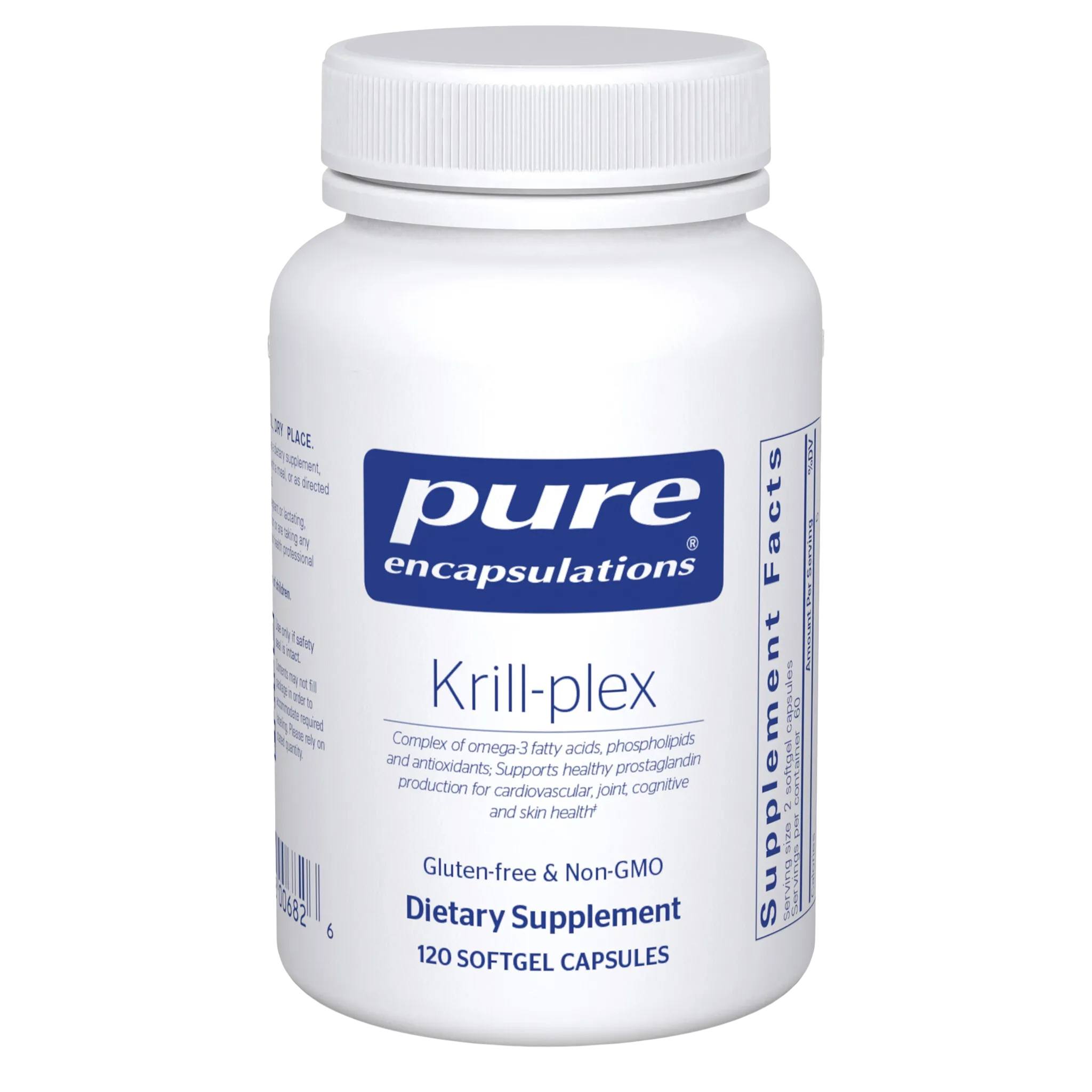
The suggested use for Krill-Plex is typically 2 softgels daily, which provides 1000 mg of krill oil, yielding 150 mg of EPA, 90 mg of DHA, 400 mg of phospholipids, and 0.75 mg of astaxanthin. For general health maintenance and mild inflammatory support, this standard dose is often sufficient to maintain cellular membrane fluidity and provide baseline antioxidant protection. However, the optimal dosage can vary significantly depending on the specific clinical goals and the severity of the patient's condition.
For individuals targeting specific therapeutic outcomes, such as significant reductions in hypertriglyceridemia or aggressive management of severe neuroinflammation, healthcare providers may recommend higher doses. Network meta-analyses reviewing cardiovascular outcomes have noted that doses between 2,000 mg and 2,900 mg per day are often required to achieve statistically significant reductions in elevated triglycerides. When taking higher doses, it is generally best to split the dose (e.g., taking one or two softgels in the morning and one or two in the evening) to maintain steady blood levels of the active compounds throughout the day and minimize any potential gastrointestinal discomfort.
It is important to note that the cellular remodeling required to see the full benefits of omega-3 and astaxanthin supplementation takes time. While some patients may notice subtle improvements in cognitive clarity or joint comfort within a few weeks, it typically takes 3 to 4 months of consistent daily supplementation for the fatty acid composition of the body's cell membranes to fully turn over and reflect the increased Omega-3 Index. Patience and consistency are key when utilizing lipid-based therapeutics.
Safety, Blood Thinners, and Contraindications
Krill-Plex is generally well-tolerated, but there are important safety considerations to keep in mind, particularly for complex chronic illness patients who are often managing multiple medications. Because EPA and DHA naturally support healthy platelet function and reduce blood viscosity, they possess mild blood-thinning properties. While this is beneficial for cardiovascular health and microcirculation, it means that krill oil should be used with caution in individuals taking prescription anticoagulants (blood thinners) like warfarin, clopidogrel, or direct oral anticoagulants (DOACs), as the combination may increase the risk of bruising or bleeding.
Additionally, patients with diagnosed bleeding disorders or those scheduled for upcoming surgical procedures should consult their healthcare provider about pausing krill oil supplementation prior to surgery to ensure normal blood clotting during the procedure. It is also crucial to note that krill are small crustaceans; therefore, individuals with a known allergy to shellfish or seafood should strictly avoid krill oil products to prevent severe allergic reactions, including anaphylaxis.
Finally, while astaxanthin is a potent antioxidant, it is remarkably safe and does not exhibit the pro-oxidant behavior that some synthetic antioxidants can display at high doses. However, because it is a deeply pigmented carotenoid, taking very high doses of astaxanthin over time can occasionally impart a harmless, slight reddish or orange tint to the skin or stool. Always work closely with a knowledgeable healthcare provider to determine the safest and most effective dosing strategy for your unique physiological needs.

Follow the Science: Clinical Trials and Research
Cardiovascular and Lipid Metabolism Studies
The cardiovascular benefits of krill oil, particularly its impact on lipid metabolism, have been the subject of rigorous clinical investigation. A recent 2025 randomized, double-blind pilot trial evaluated the efficacy of phospholipid-bound omega-3s (krill oil) versus standard triglyceride fish oil in 47 adults with mild-to-moderate hypertriglyceridemia. Over the 12-week study period, the researchers found that a significantly higher percentage of participants in the krill oil group achieved normal fasting triglyceride levels (≤ 150 mg/dL) compared to the fish oil group (36.4% vs. 13.6%, p = 0.041). Both groups successfully increased their Omega-3 Index, demonstrating krill oil's potent ability to modulate lipid profiles effectively.
Furthermore, a comprehensive 2024 network meta-analysis reviewed 60 high-quality clinical studies spanning three decades to compare the efficacy of various omega-3 sources. The analysis concluded that krill oil, specifically at dosages between 2,000 and 2,900 mg per day, is a highly effective intervention for lowering elevated triglycerides. While krill oil was not shown to significantly reduce LDL cholesterol levels, its profound impact on triglycerides and its ability to support healthy platelet function solidify its role as a powerful tool for cardiometabolic health and vascular support.
In the context of joint health, the clinical data highlights the importance of formulation. While a large 2024 JAMA trial found that standalone krill oil did not significantly outperform a placebo for severe knee osteoarthritis pain, other recent trials have shown that complexes combining krill oil with concentrated astaxanthin and hyaluronic acid produced statistically significant reductions in joint pain and improvements in physical function scores. This suggests that the synergistic combination of phospholipids and high-dose antioxidants is key to modulating localized joint inflammation.
Cognitive Function and Neuroprotection
The neuroprotective potential of krill oil is currently one of the most exciting frontiers in nutritional science. The scientific community is heavily focused on the unique ability of LPC-bound DHA to cross the blood-brain barrier. To test this mechanism clinically, a major 18-month, randomized, triple-blind, placebo-controlled clinical trial known as the Lysoveta study (NCT07034794) was launched in 2025. This trial is actively evaluating the effects of a specialized, highly concentrated LPC-bound krill oil extract on 138 adults suffering from self-perceived memory problems, tracking precise changes in episodic, working, and spatial memory alongside neuroinflammatory biomarkers.
While we await the results of these large-scale human cognitive trials, the preclinical data provides a robust mechanistic rationale. A 2024 study published in Molecular Nutrition & Food Research demonstrated that two months of krill oil supplementation in murine models of Alzheimer's disease successfully reduced the concentration of toxic amyloid-beta plaques. The researchers noted that the krill oil profoundly inhibited neuroinflammation and strongly correlated with improved memory function, likely mediated through the stabilization of the gut-microbiome-brain axis.
The antioxidant component, astaxanthin, has also been extensively validated for its neuroprotective properties. While studies on systemic inflammation highlight the severe impact of oxidative stress in vascular conditions, in vitro research on astaxanthin has shown it can help reverse the collapse of the mitochondrial membrane potential and normalize cellular respiratory capacity. By preventing ROS-induced apoptosis and blocking the NF-κB inflammatory pathway, astaxanthin provides a critical layer of defense against the cellular degradation that drives cognitive fatigue and brain fog.
Emerging Research in Infection-Associated Chronic Illness
The application of krill oil and astaxanthin specifically for infection-associated chronic illnesses like ME/CFS and Long COVID is an area of rapid clinical development. Recognizing the profound omega-3 deficiencies and severe oxidative stress present in these patient populations, researchers at Deakin University, supported by the Mason Foundation, are currently conducting a randomized, double-blind, placebo-controlled trial evaluating krill oil supplementation in patients with ME/CFS. The trial aims to track objective markers of systemic inflammation, grip strength, and overall symptom improvement over a 12-week period.
Additionally, the International Society for Orthomolecular Medicine has recently highlighted the critical importance of mitochondrial resuscitation in their published protocols for Long COVID recovery. These protocols frequently emphasize the synergistic use of high-absorption omega-3s and potent mitochondrial antioxidants like astaxanthin to interrupt the cytokine storms and restore aerobic energy production. As the scientific understanding of these complex conditions deepens, the targeted use of phospholipid-bound nutrients continues to gain traction as a foundational strategy for cellular repair.
The overlapping pathophysiology of Long COVID and ME/CFS—specifically the shared burden of oxidative stress and T-cell hyperproliferation—further underscores the need for multi-targeted interventions. Recent immunological profiling confirms that mitigating this systemic oxidative damage is paramount for recovery, validating the therapeutic potential of compounds that can simultaneously quench ROS, resolve inflammation, and rebuild cellular membranes.
The Path Forward
A Comprehensive Approach to Healing
Navigating life with a complex chronic illness like Long COVID, ME/CFS, or dysautonomia is an incredibly demanding journey that requires immense resilience. The profound fatigue, unpredictable symptom flares, and cognitive challenges are not just in your head—they are the result of measurable, physiological disruptions at the cellular level. Validating this reality is the first step toward effective management. While no single supplement can act as a magic cure for these multifaceted conditions, targeted nutritional interventions like Krill-Plex can play a vital role in addressing the foundational biochemical imbalances—such as neuroinflammation and mitochondrial oxidative stress—that drive your symptoms.
It is crucial to remember that supplements are most effective when integrated into a comprehensive, holistic management strategy. Rebuilding cellular health requires a multi-pronged approach that includes rigorous pacing to prevent post-exertional malaise, meticulous symptom tracking to identify specific triggers, nervous system regulation techniques, and tailored medical care. By combining the structural and antioxidant support of Krill-Plex with these foundational lifestyle and medical strategies, you can begin to gently expand your energetic envelope and improve your overall quality of life.
Integrating Nutritional Support
Because complex chronic illnesses often involve highly sensitive nervous systems and unique metabolic profiles, it is essential to approach any new supplement with care and professional guidance. We strongly encourage you to work closely with a dysautonomia-literate or ME/CFS-literate healthcare provider to determine if the phospholipid-bound omega-3s and astaxanthin in Krill-Plex are appropriate for your specific clinical picture, especially if you are currently taking prescription anticoagulants or managing severe gastrointestinal dysbiosis.
If you and your healthcare team determine that targeted cellular membrane and mitochondrial support is the right next step for your recovery journey, you can Explore Krill-Plex to learn more about incorporating this uniquely bioavailable formulation into your daily protocol. By providing your cells with the exact structural components and protective antioxidants they need, you are taking an active, scientifically grounded step toward reclaiming your health and restoring your physiological baseline.
Sources
PNAS (2024): Oxidative stress is a shared characteristic of ME/CFS and Long COVID
Preprints.org (2024): Network Meta-Analysis on Fish Oil vs. Krill Oil
MDPI Nutrients (2023): FlexPro MD Complex for Mild Osteoarthritis
ClinicalTrials.gov (2025): Lysoveta Clinical Trial (NCT07034794)
Marine Drugs / MDPI (2020): On the Neuroprotective Role of Astaxanthin: New Perspectives?
International Society for Orthomolecular Medicine (2024): An Orthomolecular Protocol for Long COVID