Can Vitamin K2 and D3 Support Vascular and Bone Health in Long COVID and Dysautonomia?
March 6, 2026
Vitamin K2Vitamin D3Long COVID
Share:
Disclaimer: The information provided here is for educational purposes only and is not intended as medical advice. It should not be used to diagnose, treat, cure, or prevent any medical condition. Instead, use it as a starting point for discussion with your healthcare provider. Always consult with a qualified healthcare provider before starting any new medication, supplement, device, or making changes to your health regimen.
Months or even years after recovering from an initial SARS-CoV-2 infection, many people find themselves fighting a relentless battle against debilitating symptoms. The reality of living with Long COVID, myalgic encephalomyelitis/chronic fatigue syndrome (ME/CFS), and dysautonomia is often characterized by profound exhaustion, racing heart rates, and a pervasive sense that the body's foundational systems are malfunctioning. For patients and their caregivers, navigating this complex web of neuro-immune and cardiovascular symptoms can be incredibly isolating, especially when standard blood tests frequently return "normal" results. Yet, beneath the surface, microscopic battles are being waged within the blood vessels, the immune system, and even the skeletal structure. The invisible nature of these conditions does not make them any less real, and finding targeted, science-backed strategies to support the body's recovery is a critical step toward reclaiming quality of life.
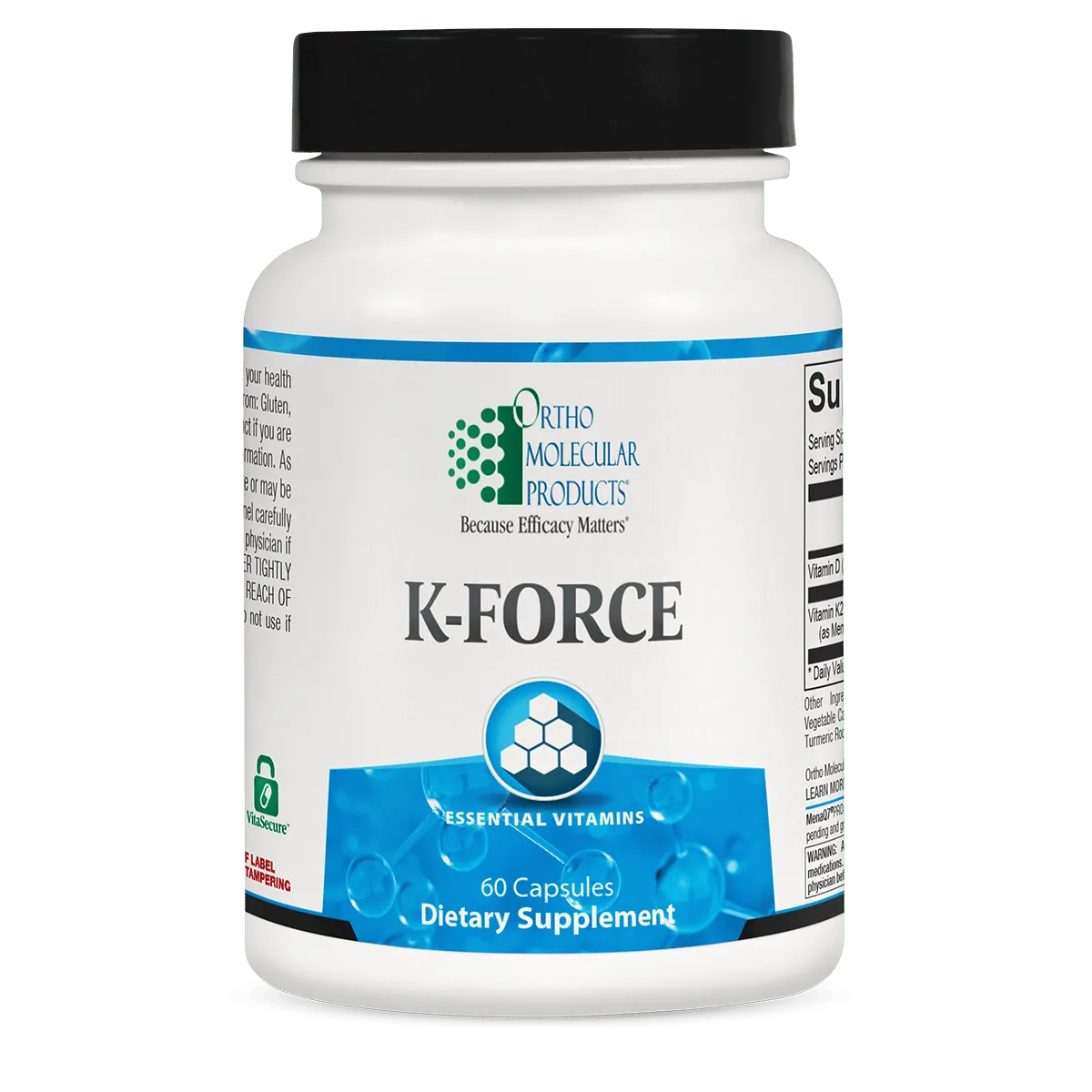
In the search for underlying mechanisms driving these complex chronic conditions, researchers have increasingly focused on systemic endothelial dysfunction—the impairment of the delicate lining of our blood vessels. When the cardiovascular system struggles to regulate blood flow and deliver oxygen to tissues, it triggers a cascade of downstream effects, including profound fatigue, post-exertional malaise (PEM), and autonomic nervous system dysregulation. Simultaneously, the forced inactivity that often accompanies these severe illnesses can silently compromise bone mineral density over time. This is where the synergistic relationship between two essential nutrients comes into play. K-FORCE, a high-potency combination of Vitamin K2 (as MenaQ7® PRO) and Vitamin D3, offers a targeted approach to addressing these exact physiological challenges. By understanding how these vitamins interact at the cellular level to direct calcium, reduce vascular inflammation, and support bone integrity, patients can make informed decisions about their comprehensive management strategies.
TL;DR
Vitamin D3 and K2 work synergistically to support bone health and promote vascular elasticity.
Long COVID and ME/CFS can cause endothelial dysfunction and reduce bone mineral density over time.
Vitamin K2 helps direct calcium into the skeleton, keeping it out of inflamed arterial walls.
Always consult your doctor before starting supplements, especially if taking prescription blood thinners.
What Are Vitamin K2 and D3?
The Sunshine Hormone: Vitamin D3 and Cellular Signaling
Vitamin D3, scientifically known as cholecalciferol, is often referred to as the "sunshine vitamin," but its function in the human body is far more akin to a powerful, systemic hormone. When synthesized in the skin via sunlight exposure or ingested through targeted supplementation, cholecalciferol undergoes a two-step activation process. First, it travels to the liver where it is converted into calcidiol (25-hydroxyvitamin D), the primary circulating form measured in blood tests. Subsequently, the kidneys convert calcidiol into its fully active, steroid-hormone form known as calcitriol (1,25-dihydroxyvitamin D). This active molecule is essential for human survival because it binds directly to Vitamin D Receptors (VDRs), which are located in the nucleus of cells across virtually every tissue in the body, including the immune system, the brain, and the cardiovascular endothelium.
Once bound to these nuclear receptors, calcitriol acts as a master transcription factor, meaning it directly upregulates or downregulates the expression of hundreds of specific genes. One of its most critical roles is the regulation of calcium homeostasis within the bloodstream. Vitamin D3 dramatically enhances the intestinal absorption of dietary calcium, ensuring that the body has an adequate supply of this vital mineral for muscle contractions, nerve signaling, and bone remodeling. Furthermore, research published by the National Institutes of Health demonstrates that Vitamin D3 is responsible for stimulating the genetic expression and production of two highly specific, calcium-binding proteins: Osteocalcin and Matrix Gla Protein (MGP). However, while Vitamin D3 is incredibly efficient at manufacturing these proteins, it leaves them in a dormant, inactive state, waiting for a specific biochemical trigger to turn them on.
Vitamin K2 and the Gamma-Glutamyl Carboxylase Enzyme
This is where Vitamin K2 enters the physiological equation, serving as the essential missing link in calcium management. Vitamin K is a family of fat-soluble vitamins divided into two main categories: K1 (phylloquinone), which primarily directs blood clotting in the liver, and K2 (menaquinone), which operates in extrahepatic tissues like the bones and the vascular walls. At the molecular level, Vitamin K2 acts as an indispensable enzymatic cofactor for an enzyme known as gamma-glutamyl carboxylase (GGCX). This specific enzyme is responsible for a post-translational modification process called carboxylation. During carboxylation, the GGCX enzyme alters the structure of specific glutamate (Glu) amino acid residues on target proteins, converting them into gamma-carboxyglutamate (Gla) residues. This structural transformation is what gives these proteins their unique ability to bind to calcium ions.
When Vitamin K2 activates the GGCX enzyme, it specifically targets the dormant proteins that were previously manufactured by Vitamin D3. It carboxylates Osteocalcin, transforming it into its active form (cOC), which can now physically grab circulating calcium and integrate it securely into the hydroxyapatite matrix of the skeletal system. Simultaneously, Vitamin K2 carboxylates Matrix Gla Protein (MGP), converting it from an inactive state (dp-ucMGP) into its active form (cMGP). Active MGP is recognized by cardiovascular researchers as the single most potent natural inhibitor of vascular calcification in the human body. By activating MGP, Vitamin K2 ensures that calcium is actively blocked from depositing onto the delicate endothelial walls of the arteries, effectively sweeping the cardiovascular system clear of rigid mineral buildup.
The Calcium Paradox: Why D3 and K2 Must Work Together
Understanding the distinct but deeply interconnected roles of these two nutrients reveals why their synergy is absolutely critical for human health, a concept frequently referred to in medical literature as the "Calcium Paradox." The Calcium Paradox describes a dangerous physiological scenario where a patient can simultaneously suffer from severe osteoporosis (a lack of calcium in the bones) and advanced atherosclerosis (an excess of calcium plaque in the arteries). If a patient takes high doses of Vitamin D3 and calcium supplements without adequate Vitamin K2, the Vitamin D3 will successfully pull massive amounts of calcium into the bloodstream from the digestive tract. However, without Vitamin K2 to activate Osteocalcin and MGP, that circulating calcium lacks the biochemical instructions needed to reach the skeleton.
Left to wander the bloodstream without guidance, this excess calcium inevitably seeks out areas of soft tissue inflammation, particularly the micro-tears and lesions along the endothelial lining of the blood vessels. Over time, this misplaced calcium hardens into arterial plaque, increasing vascular stiffness and driving up cardiovascular risk. Clinical reviews on the synergy of Vitamin D and K emphasize that supplementing these two vitamins together perfectly solves the Calcium Paradox. Vitamin D3 acts as the gatekeeper, ensuring calcium enters the body and providing the raw protein structures, while Vitamin K2 acts as the traffic director, activating those proteins to aggressively route calcium away from the vulnerable cardiovascular system and directly into the bone matrix where it belongs.
How Long COVID and Dysautonomia Impact the Vascular System and Bones
Endothelial Dysfunction and the Loss of Nitric Oxide
To understand why the combination of Vitamin K2 and D3 is so relevant to complex chronic illnesses, we must first examine the profound vascular damage that characterizes conditions like Long COVID and ME/CFS. Emerging transcriptomic profiling of endothelial cells in post-COVID patients reveals that the SARS-CoV-2 virus, alongside the resulting hyper-inflammatory immune response, inflicts severe, sustained damage on the endothelium—the ultra-thin layer of cells lining the inside of every blood vessel. This condition, known as endotheliitis or endothelial dysfunction, fundamentally disrupts the cardiovascular system's ability to regulate blood flow. In a healthy body, the endothelium constantly produces nitric oxide (NO), a crucial signaling molecule that tells the smooth muscles around the blood vessels to relax and dilate, allowing oxygen-rich blood to reach the brain and muscles during exertion.
In Long COVID and ME/CFS, chronic inflammation and oxidative stress heavily downregulate the endothelial nitric oxide synthase (eNOS) enzyme, leading to a drastic reduction in NO production. Without sufficient nitric oxide, the blood vessels remain rigidly constricted, creating a state of chronic tissue hypoxia (oxygen starvation). This vascular constriction is a primary driver of post-exertional malaise (PEM), as the muscles and brain simply cannot receive the oxygen and metabolic substrates required to produce cellular energy (ATP) during physical or cognitive tasks. Furthermore, this damaged, inflamed endothelium becomes highly susceptible to micro-clotting and the accumulation of oxidized LDL cholesterol, which further narrows the capillaries and traps patients in a vicious cycle of vascular inflammation and debilitating fatigue.
Autonomic Nervous System Imbalance in Dysautonomia
This widespread endothelial dysfunction is intricately linked to the development and exacerbation of dysautonomia, particularly Postural Orthostatic Tachycardia Syndrome (POTS). The autonomic nervous system relies on a seamless feedback loop with the cardiovascular system to maintain stable blood pressure and heart rate when a person transitions from lying down to standing up. When the brain sends a signal to the blood vessels in the legs to constrict and push blood upward against gravity, the blood vessels must be elastic and responsive enough to execute that command. However, when the endothelium is damaged, inflamed, or stiffened by microscopic calcium deposits due to a lack of active Matrix Gla Protein, the vessels fail to respond appropriately to these autonomic signals.
Because the stiffened, dysfunctional blood vessels cannot adequately constrict to return blood to the heart and brain, blood begins to pool in the lower extremities. In a desperate attempt to compensate for this lack of venous return and prevent fainting, the autonomic nervous system floods the body with adrenaline and norepinephrine, causing the heart rate to skyrocket. This compensatory tachycardia is the hallmark of POTS. The constant outpouring of sympathetic (fight-or-flight) neurotransmitters leaves patients feeling wired, anxious, and deeply exhausted. Recent research into long COVID-associated cardiovascular dysfunction highlights that until the underlying endothelial health and vascular elasticity are restored, the autonomic nervous system will remain locked in this hyperactive, compensatory state, making symptom management incredibly difficult.
The Hidden Toll on Bone Mineral Density
While the cardiovascular and neuro-immune symptoms of Long COVID and ME/CFS are often the most immediate and visible sources of suffering, there is a silent, progressive secondary consequence to these illnesses: the rapid deterioration of bone mineral density. The human skeleton is not a static structure; it is living tissue that constantly undergoes a remodeling process. Osteoclasts are specialized cells that break down old, damaged bone tissue, while osteoblasts are responsible for building new bone matrix to replace it. In a healthy, active individual, the mechanical stress of walking, running, and lifting weights signals the osteoblasts to continuously fortify the bones, maintaining a healthy balance between breakdown and formation.
However, the defining feature of ME/CFS and severe Long COVID is a drastic, forced reduction in physical activity due to exercise intolerance and PEM. When patients are bedbound or housebound for months or years, the lack of weight-bearing mechanical stress removes the primary stimulus for bone formation. Simultaneously, the chronic, systemic inflammation driven by elevated cytokines (like IL-6 and TNF-alpha) directly hyper-activates the bone-destroying osteoclasts. This combination of profound physical inactivity and systemic inflammation creates a perfect storm for rapid bone loss, placing relatively young chronic illness patients at a surprisingly high risk for osteopenia, osteoporosis, and future fractures. Addressing this hidden structural decline is a vital, yet frequently overlooked, component of long-term chronic illness management.
K-FORCE: Supporting Endothelial Function and the Bone Matrix
Activating Matrix Gla Protein (MGP) for Vascular Elasticity
K-FORCE is specifically formulated to intervene in these destructive cycles by delivering a high-potency, synergistic dose of Vitamin K2 (as MK-7) and Vitamin D3. The primary mechanism by which this combination supports patients with Long COVID and dysautonomia is through the aggressive restoration of vascular elasticity via the activation of Matrix Gla Protein (MGP). As previously established, the chronic inflammation associated with post-viral syndromes damages the endothelium and promotes the deposition of calcium into the vascular walls, leading to arterial stiffness. With 180 mcg of highly bioavailable MenaQ7® PRO, K-FORCE provides the necessary cofactors to help the GGCX enzyme carboxylate and activate MGP throughout the cardiovascular system.
Once activated, cMGP acts as a biological "artery sweeper." It actively binds to free calcium ions that have inappropriately settled in the soft tissues of the blood vessels and facilitates their removal. Clinical trials investigating high-dose MGP activation have demonstrated that consistent supplementation with MK-7 significantly decreases the levels of inactive dp-ucMGP in the bloodstream, directly correlating with a measurable reduction in arterial stiffness and an improvement in vascular compliance. For patients with POTS and dysautonomia, restoring this vascular elasticity is paramount. When the blood vessels regain their flexibility and are cleared of rigid calcification, they can once again respond swiftly and accurately to the autonomic nervous system's commands to constrict and dilate, thereby improving venous return to the heart and helping to stabilize erratic heart rates upon standing.
Osteocalcin Activation and Bone Matrix Fortification
Simultaneously, the K-FORCE formulation directly addresses the silent threat of bone mineral density loss that plagues bedbound and housebound patients. The 5,000 IU of Vitamin D3 in K-FORCE ensures that the intestines absorb maximum amounts of dietary calcium, while also stimulating the osteoblasts to manufacture fresh, albeit inactive, Osteocalcin. The high-dose Vitamin K2 then steps in to carboxylate this Osteocalcin, transforming it into the active biological glue that binds the newly absorbed calcium directly into the hydroxyapatite structure of the skeleton. This targeted delivery system ensures that the calcium is utilized exactly where it is needed to fortify the skeletal framework, rather than contributing to the calcification of the already inflamed cardiovascular system.
Beyond simply directing calcium, Vitamin K2 possesses independent mechanisms that actively protect bone mass. Research indicates that Vitamin K2 directly inhibits osteoclastogenesis—the formation and activation of the cells responsible for breaking down bone tissue. By simultaneously boosting the bone-building capacity of osteoblasts (via active Osteocalcin) and suppressing the bone-destroying activity of osteoclasts, the combination of Vitamin D3 and K2 powerfully shifts the skeletal remodeling process back into a positive balance. This dual-action approach is incredibly protective for patients navigating the forced inactivity of Long COVID and ME/CFS, helping to preserve their structural integrity and support bone health against secondary osteoporosis during their prolonged recovery journey.
Immune Modulation and the Reduction of Oxidized LDL
The therapeutic benefits of K-FORCE extend far beyond calcium management, reaching deep into the immune dysregulation that drives complex chronic illness. Vitamin D3 is a potent immunomodulator. By binding to VDRs on immune cells, calcitriol actively shifts the immune system away from a hyper-inflammatory Th1 response and promotes a more balanced, regulatory Th2/Treg profile. This effectively dampens the release of the pro-inflammatory cytokines that perpetuate endothelial damage and neuroinflammation. A landmark 2025 randomized controlled trial in Long COVID patients demonstrated that the exact combination of Vitamin D3 and K2 (MK-7) significantly reduced systemic inflammatory markers and decreased markers of fungal translocation and gut permeability, which are known drivers of post-viral immune exhaustion.
Furthermore, this same 2025 trial revealed a remarkable cardiovascular benefit: the D3/K2 combination significantly reduced levels of oxidized LDL (ox-LDL) in the bloodstream. Oxidized LDL is a highly reactive, toxic form of cholesterol that directly injures the endothelium, impairs nitric oxide production, and triggers macrophages to form inflammatory foam cells. By lowering ox-LDL, research suggests Vitamin K2 and D3 may help mitigate a major source of ongoing vascular injury. Additionally, pharmacological studies have shown that Vitamin K2 directly upregulates endothelial nitric oxide synthase (eNOS), boosting the production of the very nitric oxide that Long COVID patients desperately lack. This restoration of NO production promotes healthy vasodilation, improves tissue oxygenation, and directly combats the microcirculatory failures that lead to severe post-exertional malaise and cognitive dysfunction.

Symptoms Vitamin K2 and D3 May Help Manage
Post-Exertional Malaise (PEM) and Severe Fatigue: By upregulating endothelial nitric oxide (NO) production and reducing oxidized LDL, Vitamin K2 helps restore healthy vasodilation. This improves microcirculation and oxygen delivery to oxygen-starved muscles and brain tissue, potentially raising the threshold for exertion before a crash occurs.
Orthostatic Intolerance and Racing Heart Rates (POTS): Vitamin K2 activates Matrix Gla Protein (MGP), which sweeps calcium out of the arterial walls and restores vascular elasticity. Flexible, responsive blood vessels are better equipped to constrict upon standing, improving venous blood return to the heart and helping the autonomic nervous system stabilize erratic heart rates.
Brain Fog and Cognitive Dysfunction: The brain requires a massive, uninterrupted supply of oxygen-rich blood. By improving overall endothelial function, reducing vascular inflammation, and preventing microvascular stiffness, the D3/K2 synergy supports optimal cerebral perfusion, helping to clear the neuro-inflammatory fog associated with post-viral syndromes.
Bone Weakness and Aching Joints: For patients experiencing prolonged bedrest or forced inactivity, the combination of D3 and K2 aggressively protects bone mineral density. D3 absorbs the calcium, while K2 activates Osteocalcin to bind that calcium directly into the bone matrix, helping to manage the risk of disuse osteopenia and deep skeletal aching.
Systemic Inflammation and Immune Hyperactivity: Vitamin D3 acts as a master regulator of the immune system, binding to nuclear receptors to suppress the overproduction of pro-inflammatory cytokines. This helps calm the persistent, systemic inflammatory fire that drives the multisystem symptoms of Long COVID and MCAS.
Practical Considerations: Forms, Dosing, and Absorption
The Superiority of MenaQ7® PRO and the MK-7 Form
When considering Vitamin K supplementation, the specific molecular form of the vitamin dictates its clinical efficacy. K-FORCE utilizes MenaQ7® PRO, a patented, clinically validated, and highly purified form of Vitamin K2 known as Menaquinone-7 (MK-7). The distinction between MK-7 and other forms, such as MK-4 (often found in cheaper supplements), is critical for patients with chronic illness. MK-4 has a very short biological half-life of only 1 to 3 hours, meaning it is rapidly cleared from the bloodstream and requires multiple, high-dose administrations throughout the day to maintain therapeutic levels. In contrast, pharmacokinetic studies on MK-7 demonstrate that it has an exceptional half-life of 48 to 72 hours. This allows MK-7 to build up and maintain stable, highly active serum levels with just a single daily dose, ensuring round-the-clock activation of MGP and Osteocalcin.
MenaQ7® is the exact source material utilized in over 22 published clinical trials, making it the most heavily researched Vitamin K2 ingredient in the world. The 180 mcg dose provided in K-FORCE is not arbitrary; it is the precise, evidence-based therapeutic dosage utilized in landmark 1-year and 3-year clinical trials that successfully demonstrated significant improvements in arterial elasticity and the preservation of bone mineral density in adult populations. By pairing this optimal 180 mcg dose of MK-7 with a robust 5,000 IU (125 mcg) dose of Vitamin D3, K-FORCE delivers a clinically relevant, synergistic intervention designed to meet the heightened nutritional demands of patients battling complex vascular and immune dysregulation.
Optimizing Absorption and Bioavailability
Both Vitamin D3 and Vitamin K2 are fat-soluble vitamins, meaning their absorption through the intestinal wall is heavily dependent on the presence of dietary lipids (fats). To maximize the bioavailability of K-FORCE, it is highly recommended to take the capsule alongside a meal that contains healthy fats, such as avocados, olive oil, nuts, eggs, or fatty fish. Consuming fat-soluble vitamins on an empty stomach drastically reduces their absorption rate, meaning the active compounds will pass through the digestive tract without ever reaching the bloodstream. Because MK-7 has such a long half-life, the specific time of day you take the supplement is less important than ensuring it is consistently paired with a fat-containing meal.
Patients should also be aware that correcting deep-seated cellular deficiencies and remodeling tissue takes time. While Vitamin D3 blood levels can begin to rise within a few weeks of consistent supplementation, the structural benefits of Vitamin K2—such as clearing calcium from the arterial walls, restoring vascular elasticity, and rebuilding bone mineral density—are long-term processes. Clinical trials measuring arterial stiffness and bone health typically evaluate outcomes at the 6-month, 1-year, and 3-year marks. Therefore, patients should approach K-FORCE as a foundational, long-term supportive therapy rather than a quick fix for immediate symptom relief. Consistency and patience are key when rehabilitating the cardiovascular and skeletal systems.
Safety, Contraindications, and Blood Thinner Interactions
Vitamin K2 (MK-7) boasts an exceptional safety profile. The Council for Responsible Nutrition (CRN) has established a Highest Observed Intake (HOI) of 375 mcg/day for supplemental MK-7 in adults, noting that no adverse effects have been identified even at these high doses. Furthermore, extensive clinical data confirms that MK-7 supplementation does not cause hypercoagulation (excessive blood clotting) in healthy individuals, as it does not over-activate the K1-dependent clotting factors in the liver once they are fully carboxylated. However, there is one critical contraindication: patients taking Vitamin K Antagonist (VKA) medications, such as warfarin (Coumadin), must exercise extreme caution. Because these specific blood thinners work by intentionally inducing a systemic Vitamin K deficiency to prevent clotting, supplementing with Vitamin K2 can directly counteract the medication's life-saving effects.
It is imperative that any patient on prescription blood thinners consult closely with their prescribing cardiologist or hematologist before introducing K-FORCE. Additionally, because K-FORCE contains a high dose of Vitamin D3 (5,000 IU), patients should periodically monitor their 25(OH)D blood levels with their healthcare provider to ensure they remain within the optimal therapeutic range (typically 30-50 ng/mL, though some specialists prefer slightly higher levels for neuro-immune conditions) and avoid the rare risk of Vitamin D toxicity. Regular monitoring of serum calcium levels is also a standard best practice when utilizing high-dose Vitamin D therapy.

Follow the Science
Recent Clinical Trials in Long COVID and ME/CFS
The scientific community is rapidly validating the use of targeted nutritional interventions for post-viral syndromes. A groundbreaking randomized controlled trial published in January 2025 in the journal Nutrients specifically investigated the combination of Vitamin D3 and Vitamin K2 (MK-7) in 151 patients suffering from established Long COVID. Over a 24-week period, the intervention group receiving the D3/K2 combination experienced a significant 15–20% reduction in the reporting of debilitating symptoms, including post-exertional malaise, body pain, and shortness of breath. Crucially, the researchers documented profound biomarker improvements: the supplement combination significantly reduced oxidized LDL (a major driver of endothelial damage), decreased markers of fungal translocation, and lowered systemic inflammatory markers, proving that the synergy actively repairs vascular and gut barriers.
Additionally, understanding the vascular components of these conditions involves examining coagulation pathways, as the intricate endothelial and coagulation dynamics highlight the complexity of the vascular dysfunction seen in post-viral conditions.
Landmark Studies on Arterial Stiffness and Bone Density
The specific cardiovascular and skeletal benefits of the MenaQ7® PRO ingredient used in K-FORCE have been rigorously established in long-term adult cohorts. The famous Knapen et al. 3-Year Postmenopausal Study was a double-blind, placebo-controlled trial that followed 244 healthy women taking exactly 180 mcg of MenaQ7 daily. After three years, the researchers found that the MK-7 group experienced statistically significant improvements in bone mineral content and bone strength, alongside a 21.5% increase in circulating active osteocalcin. This proved that the 180 mcg dose successfully activated the proteins necessary to lock calcium into the bone matrix and halt age-related skeletal decline.
Beyond the bones, this same 3-year trial yielded unprecedented cardiovascular results. The women taking the 180 mcg of MenaQ7 saw a 50% reduction in circulating inactive dp-ucMGP, indicating massive activation of the artery-sweeping protein. Consequently, ultrasound measurements revealed that the MK-7 group improved their arterial elasticity and decreased arterial stiffness by an astounding 51%, while the placebo group's arteries continued to stiffen and degrade over the three years. For patients with dysautonomia and POTS, where vascular elasticity is critical for autonomic regulation, these findings provide immense hope that the physical structure of the blood vessels can be actively rehabilitated through targeted, synergistic supplementation.
The Path Forward
A Comprehensive Approach to Complex Chronic Illness
Living with the unpredictable, invisible, and often debilitating symptoms of Long COVID, ME/CFS, and dysautonomia requires immense resilience. It is entirely valid to feel overwhelmed by the sheer complexity of these neuro-immune and cardiovascular conditions, especially when navigating a medical system that frequently struggles to provide concrete answers. However, the rapidly evolving clinical research offers a beacon of realistic hope. We now understand that the profound fatigue, racing heart rates, and cognitive dysfunction are not merely in your head; they are deeply rooted in measurable physiological disruptions, such as endothelial dysfunction, microvascular inflammation, and the loss of autonomic vascular control. By identifying these underlying mechanisms, we can begin to target them with precision.
While no single supplement can act as a miraculous cure for complex chronic illness, high-quality, synergistic formulations like K-FORCE represent a powerful tool in your management arsenal. By simultaneously addressing the "Calcium Paradox," activating the proteins that restore vascular elasticity, and fortifying the skeletal matrix against the ravages of inactivity, the combination of Vitamin K2 (MK-7) and Vitamin D3 provides foundational support for the body's most critical structural systems. When your blood vessels are cleared of inflammation and your bones are securely absorbing calcium, your body is better equipped to handle the daily demands of recovery and autonomic regulation.
Pacing, Tracking, and Targeted Supplementation
Integrating K-FORCE into your daily routine should be viewed as one vital piece of a much larger, comprehensive management strategy. True recovery and symptom stabilization require a multifaceted approach that includes strict pacing to manage post-exertional malaise, meticulous symptom tracking to identify your unique triggers, and ongoing collaboration with a medical team that truly understands how to diagnose and treat Long COVID. As you work to rebuild your baseline, ensuring your body has the exact biochemical cofactors it needs to repair the endothelium and modulate the immune system is a proactive, empowering step.
Always remember to consult with your primary care physician or a dysautonomia specialist before starting any new supplement regimen, particularly to check your baseline Vitamin D levels and ensure there are no contraindications with your current medications, such as prescription blood thinners. With the right tools, compassionate medical guidance, and a deep understanding of your own biology, it is possible to support your body's innate healing processes and improve your overall quality of life.