Can Joint Support Nutrients Ease Joint Pain in Long COVID and MCAS?
March 6, 2026
Joint Support NutrientsLong COVIDMCAS
Share:
Disclaimer: The information provided here is for educational purposes only and is not intended as medical advice. It should not be used to diagnose, treat, cure, or prevent any medical condition. Instead, use it as a starting point for discussion with your healthcare provider. Always consult with a qualified healthcare provider before starting any new medication, supplement, device, or making changes to your health regimen.
Living with a complex chronic illness often means navigating a labyrinth of unpredictable and debilitating symptoms. For many individuals battling Long COVID, myalgic encephalomyelitis/chronic fatigue syndrome (ME/CFS), mast cell activation syndrome (MCAS), and dysautonomia, joint pain and musculoskeletal stiffness become daily hurdles. You might find that your knees ache with the slightest change in weather, or that a deep, pervasive throbbing in your joints makes getting out of bed feel like an insurmountable task. This isn't just "normal aging" or simple wear-and-tear; it is a profound physiological response to systemic inflammation, immune dysregulation, and cellular stress. When your body is locked in a perpetual state of immune defense, the delicate structures of your joints—the cartilage, the synovial fluid, and the connective tissues—often become collateral damage.
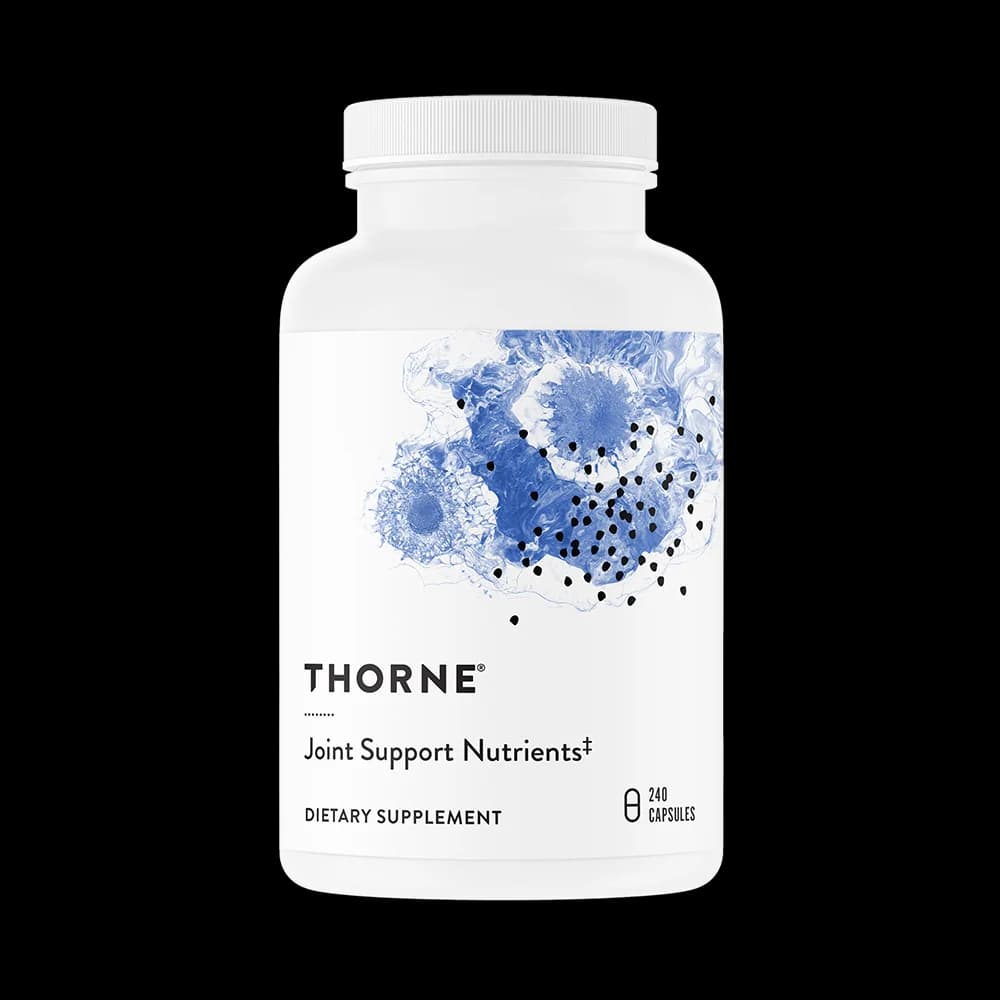
Finding relief requires more than just masking the pain with over-the-counter anti-inflammatories, which can carry significant gastrointestinal and cardiovascular risks when used long-term. Instead, a targeted, mechanistic approach is necessary to address the root causes of joint degradation and inflammation. This is where Joint Support Nutrients comes into the picture. By combining structural building blocks like glucosamine and MSM with potent botanical modulators like Boswellia, Meriva® curcumin, and bromelain, this comprehensive formula aims to interrupt the inflammatory cascade at the cellular level. In this article, we will explore the intricate biochemistry of joint health, how chronic conditions dismantle it, and how the specific ingredients in Joint Support Nutrients can help you reclaim your mobility and comfort.
TL;DR
Joint Support Nutrients combines structural building blocks with botanical modulators to support joint health.
The formula targets inflammatory pathways like 5-LOX and COX-2 to help manage chronic joint pain.
Ingredients like glucosamine and MSM support cartilage repair and help neutralize oxidative stress.
Always consult your healthcare provider before starting, especially if you have a shellfish allergy.
What is Joint Support Nutrients?
The Structural Foundations: Glucosamine and MSM
To understand how Joint Support Nutrients functions, we must first examine the natural architecture of a healthy joint. The ends of our bones are capped with articular cartilage, a smooth, rubbery tissue that provides a frictionless surface for movement and acts as a vital shock absorber. This cartilage is primarily composed of an extracellular matrix made of water, collagen fibers, and proteoglycans. Glucosamine, a naturally occurring amino sugar, is the fundamental building block for glycosaminoglycans (GAGs). These GAGs attach to core proteins to form proteoglycans, such as aggrecan. Aggrecan molecules bind to hyaluronic acid, creating massive, water-trapping structures that give cartilage its unique ability to withstand compressive forces. Without adequate glucosamine, the body cannot synthesize these critical structural components, leading to the gradual thinning and degradation of the cartilage matrix.
Working synergistically with glucosamine is Methylsulfonylmethane (MSM), a naturally occurring, water-soluble organosulfur compound. Sulfur is the third most abundant mineral in the human body and is an absolute structural prerequisite for the formation of healthy connective tissue. MSM donates its sulfur groups to help form the tough, flexible disulfide bonds that hold collagen strands together. Beyond its structural role, MSM is a critical player in the body's antioxidant defense system. It acts as a primary sulfur donor for the synthesis of glutathione, often referred to as the body's "master antioxidant." By maintaining robust intracellular glutathione levels, MSM helps protect the delicate chondrocytes (cartilage cells) from being destroyed by oxidative stress and free radical damage, which are rampant in chronic illness.
The Botanical Modulators: Boswellia, Curcumin, and Bromelain
While glucosamine and MSM provide the physical building blocks for joint repair, the botanical ingredients in Joint Support Nutrients act as sophisticated biochemical modulators to halt the destruction of existing tissue. Boswellia serrata, also known as Indian frankincense, contains powerful active compounds called boswellic acids. The most potent of these, 3-O-acetyl-11-keto-beta-boswellic acid (AKBA), is a highly selective inhibitor of the 5-lipoxygenase (5-LOX) enzyme. In a healthy immune response, 5-LOX converts arachidonic acid into leukotrienes, which are signaling molecules that recruit immune cells to sites of injury. However, in states of chronic inflammation, 5-LOX becomes overactive, flooding the joints with inflammatory mediators that cause swelling and pain. By inhibiting 5-LOX, Boswellia shuts down this inflammatory cascade at its source.
Similarly, Curcumin, the active yellow pigment in turmeric (Curcuma longa), acts as a master switch for the immune system. It operates by inhibiting the activation of Nuclear Factor-kappa B (NF-κB), a transcription factor that resides in the cytoplasm of cells. When activated by stress or infection, NF-κB travels to the nucleus and triggers the expression of hundreds of genes responsible for inflammation. By blocking NF-κB, curcumin helps prevent the downstream release of destructive enzymes. Joint Support Nutrients utilizes Meriva®, a specialized curcumin phytosome that binds the extract to phospholipids, dramatically enhancing its ability to cross cell membranes and reach therapeutic levels in the joint capsule.
Finally, Bromelain, a complex mixture of proteolytic (protein-digesting) enzymes extracted from the pineapple plant, provides direct analgesic and anti-edematous (anti-swelling) effects. Bromelain works by breaking down plasma kininogen, the biological precursor to bradykinin. Bradykinin is a potent peptide that dilates blood vessels and directly stimulates pain receptors (nociceptors) in the joints. By reducing bradykinin levels, bromelain effectively lowers pain signaling. Furthermore, its fibrinolytic activity helps clear away the mesh-like fibrin proteins that accumulate during chronic inflammation, thereby improving local blood flow and allowing fresh nutrients to reach the oxygen-starved joint tissues.
How Chronic Illness Impacts Joint Health
The Cytokine Storm and Cartilage Degradation in Long COVID
In healthy individuals, joint inflammation is a temporary, localized response to acute injury. However, in complex chronic conditions like Long COVID and ME/CFS, the immune system becomes locked in a state of persistent, systemic hyperactivation. Following a viral infection like SARS-CoV-2, some patients experience a failure to resolve the acute immune response. This leads to the chronic overproduction of pro-inflammatory cytokines, specifically Interleukin-1 beta (IL-1β), Interleukin-6 (IL-6), and Tumor Necrosis Factor-alpha (TNF-α). Research published in the International Journal of Molecular Sciences highlights how this sustained systemic inflammation, coupled with neuroinflammation and mitochondrial defects, drives the debilitating symptoms of Long COVID and ME/CFS.
When these circulating cytokines infiltrate the synovial fluid of the joints, they wreak havoc on the articular cartilage. IL-1β and TNF-α bind to receptors on the surface of chondrocytes, triggering the cells to stop producing new collagen and proteoglycans. Worse, these cytokines force the chondrocytes to release Matrix Metalloproteinases (MMPs), specifically MMP-3 and MMP-13. MMPs are aggressive enzymes designed to dismantle connective tissue. In the context of Long COVID, this creates a vicious cycle: systemic inflammation triggers the release of MMPs, which chew up the cartilage matrix, releasing fragments of collagen into the joint space. The immune system recognizes these fragments as foreign debris, triggering even more inflammation, swelling, and severe, aching pain that can severely limit your ability to maintain your independence with chronic illness.
Mast Cell Activation and Musculoskeletal Pain
For patients dealing with mast cell activation syndrome (MCAS), the mechanism of joint pain is distinctly tied to the erratic behavior of mast cells. Mast cells are innate immune cells found in connective tissues throughout the body, including the synovial membranes lining the joints. They are packed with granules containing potent chemical mediators like histamine, tryptase, leukotrienes, and prostaglandins. In MCAS, these cells become hypersensitive and degranulate inappropriately in response to minor triggers—such as stress, temperature changes, or even certain foods. Recent literature on the link between MCAS and Long COVID indicates that inappropriate mast cell activation can cause profound musculoskeletal symptoms, including deep bone pain, joint aches, and localized edema.
When mast cells within the joint capsule degranulate, they release a flood of histamine and prostaglandins directly into the synovial fluid. Histamine causes the local blood vessels to become highly permeable, leading to rapid fluid accumulation (edema) and visible joint swelling. Simultaneously, prostaglandins sensitize the local nerve endings, dramatically lowering the threshold for pain. This means that normal, everyday movements suddenly register as highly painful stimuli to the brain. Furthermore, the constant release of tryptase from mast cells can activate specialized receptors (PAR-2) on joint tissues, further perpetuating neurogenic inflammation. This unpredictable, histamine-driven joint pain can make planning daily activities or surviving the holidays with a chronic illness incredibly challenging.
Joint Support Nutrients: Supporting Joint Integrity and Comfort
Inhibiting the 5-LOX and COX-2 Inflammatory Pathways
Joint Support Nutrients offers a multi-targeted approach to dismantling the vicious cycles of inflammation seen in Long COVID, ME/CFS, and MCAS. The first major mechanism involves the suppression of the cyclooxygenase-2 (COX-2) and 5-lipoxygenase (5-LOX) enzymatic pathways. When cell membranes in the joint are damaged by viral stress or immune attack, they release arachidonic acid. The COX-2 enzyme converts this acid into pain-causing prostaglandins, while the 5-LOX enzyme converts it into inflammatory leukotrienes. Traditional NSAIDs (like ibuprofen) only block the COX pathway, which can actually shunt more arachidonic acid down the 5-LOX pathway, potentially worsening leukotriene-driven inflammation.
The combination of ingredients in this formula addresses both pathways simultaneously. The Meriva® curcumin phytosome effectively downregulates the expression of the COX-2 enzyme, reducing the production of prostaglandins without the severe gastrointestinal risks associated with NSAIDs. Concurrently, the Boswellia serrata extract, rich in AKBA, acts as a direct, highly selective inhibitor of the 5-LOX enzyme. By blocking 5-LOX, Boswellia stops the production of leukotrienes, which are particularly problematic in MCAS patients as they drive fluid accumulation and immune cell infiltration into the joint space. This dual-pathway inhibition provides comprehensive relief from the biochemical drivers of joint throbbing and stiffness.
Neutralizing Oxidative Stress via the Nrf2 Pathway
The second major therapeutic angle of Joint Support Nutrients is its profound impact on oxidative stress. In chronic fatiguing illnesses, mitochondrial dysfunction leads to the excessive leakage of reactive oxygen species (ROS), or free radicals. These free radicals bounce around the inside of the joint capsule, stealing electrons from healthy cellular membranes and causing widespread lipid peroxidation and tissue damage. To combat this, the body relies on the Nrf2 (Nuclear factor erythroid 2-related factor 2) pathway. When activated, Nrf2 travels to the nucleus and commands the cell to produce powerful endogenous antioxidants, including superoxide dismutase (SOD) and catalase.
Both MSM and curcumin are potent activators of the Nrf2 pathway. Research indicates that MSM supplementation promotes Nrf2 translocation, significantly upregulating the expression of these critical antioxidant enzymes. Furthermore, MSM provides the raw elemental sulfur required to synthesize glutathione, ensuring the body has the ammunition it needs to neutralize ROS. By quenching this oxidative fire, Joint Support Nutrients helps protect the surviving chondrocytes from apoptosis (programmed cell death), preserving the integrity of the cartilage that remains.
Rebuilding the Extracellular Matrix
Finally, while the botanicals and antioxidants calm the inflammatory storm, glucosamine sulfate goes to work supporting the structural repair of the joint. In the presence of chronic illness, the balance between cartilage synthesis and degradation is heavily skewed toward destruction. Glucosamine provides the essential substrate needed to shift this balance back toward anabolism (building). When absorbed into the joint space, glucosamine stimulates the chondrocytes to ramp up the production of glycosaminoglycans and hyaluronic acid.
This process is highly synergistic with the other ingredients. Because curcumin and Boswellia have suppressed the release of cartilage-destroying Matrix Metalloproteinases (MMPs), the new proteoglycans synthesized by glucosamine are actually able to integrate into the extracellular matrix without being immediately broken down. Meanwhile, the bromelain in the formula improves local microcirculation by breaking down excess fibrin, ensuring that the glucosamine and MSM are efficiently delivered to the avascular (bloodless) cartilage tissues via the synovial fluid. This comprehensive, multi-mechanistic approach is what sets Joint Support Nutrients apart from standard, single-ingredient joint supplements.

Symptoms Joint Support Nutrients May Help Manage
Targeted Symptom Relief for Chronic Conditions
Because Joint Support Nutrients addresses multiple biochemical pathways—from structural repair to enzyme inhibition—it can help manage a wide array of musculoskeletal symptoms associated with complex chronic illnesses. Patients dealing with Long COVID, ME/CFS, dysautonomia, and MCAS may find support for the following specific symptoms:
Deep, Aching Joint Pain: By inhibiting the COX-2 and 5-LOX pathways, curcumin and Boswellia reduce the production of prostaglandins and leukotrienes, directly lowering the pain signals sent from the joints to the brain.
Morning Stiffness and Immobility: Bromelain's fibrinolytic activity helps clear away the inflammatory protein meshes that accumulate overnight, promoting smoother, more comfortable movement upon waking.
Localized Swelling and Edema: By reducing bradykinin levels and stabilizing mast cell-induced vascular permeability, bromelain and Boswellia help prevent the rapid accumulation of fluid within the joint capsule.
Cartilage Thinning and "Bone-on-Bone" Sensations: Glucosamine sulfate provides the raw materials needed to synthesize new proteoglycans and hyaluronic acid, supporting the shock-absorbing properties of the articular cartilage.
Exercise-Induced Joint Flares (PEM): For patients who experience post-exertional malaise, MSM acts as a potent antioxidant, neutralizing the massive spikes in oxidative stress and free radicals that occur in the joints following physical exertion.
Systemic "Body Aches" from Cytokine Storms: Curcumin's ability to inhibit the NF-κB transcription factor helps downregulate the systemic production of IL-1β, IL-6, and TNF-α, reducing the widespread, flu-like body aches common in Long COVID and ME/CFS.
Practical Considerations: Forms, Dosing, and Absorption
The Meriva® Phytosome Advantage for Bioavailability
When evaluating any supplement, bioavailability—the amount of the active ingredient that actually enters systemic circulation—is a critical factor. This is especially true for botanical extracts like curcumin, which are notoriously difficult for the human body to absorb. Standard curcumin has poor water solubility, is highly unstable in the acidic environment of the gut, and is rapidly metabolized and excreted by the liver before it can reach the joints. To overcome this, Joint Support Nutrients utilizes Meriva®, a patented curcumin phytosome.
Developed by Indena, the phytosome technology complexes the curcumin extract with phosphatidylcholine, a dietary phospholipid derived from sunflower. Because human cell membranes are also made of phospholipids, this biomimetic formulation acts as a protective "Trojan horse." It shields the curcumin from digestive enzymes and allows it to easily slip through the lipid bilayer of the intestinal wall. Clinical pharmacokinetic studies by Indena have demonstrated that Meriva® curcumin phytosome has significantly better absorption than ordinary curcumin, ensuring that therapeutic levels of the active polyphenols actually reach the inflamed synovial tissues.
Optimal Dosing and Synergistic Effects
The suggested use for Joint Support Nutrients is four capsules, taken one to two times daily, or as recommended by a healthcare practitioner. This dosing strategy is intentionally designed to match the therapeutic thresholds established in clinical literature. For example, a full daily dose provides 1,500 mg of glucosamine sulfate, which is the exact amount utilized in the vast majority of successful osteoarthritis clinical trials. It is important to note that this formula uses glucosamine sulfate rather than glucosamine hydrochloride (HCl); meta-analyses consistently show that the sulfate form is clinically effective for cartilage health, whereas the HCl form often yields non-significant results.
Timing and consistency are also vital. Because cartilage is avascular (lacking its own blood supply), it relies entirely on the slow diffusion of nutrients from the surrounding synovial fluid. Therefore, it typically takes several weeks of consistent, daily supplementation to build up adequate levels of glucosamine and MSM in the joint matrix. However, the botanical anti-inflammatories—Boswellia, curcumin, and bromelain—often provide more rapid symptomatic relief, with some clinical trials noting improvements in pain and stiffness within the first 5 to 7 days of use. Taking the capsules with a meal that contains healthy fats can further enhance the absorption of the fat-soluble botanicals.
Safety, Allergens, and Contraindications
While Joint Support Nutrients is generally well-tolerated, there are important safety considerations. The glucosamine sulfate in this product is derived from shellfish (crab and/or shrimp). Therefore, this product is strictly contraindicated in individuals with a history of hypersensitivity or severe allergies to shellfish. If you have a shellfish allergy, you must avoid this supplement and seek plant-based alternatives.
Additionally, there are specific medical warnings to consider. If you are pregnant, you must consult your healthcare practitioner before using this product. Furthermore, curcumin has been shown to interact with certain chemotherapy medications. Animal studies suggest it may reduce the therapeutic efficacy of cyclophosphamide (Cytoxan), and in vitro research indicates it can decrease camptothecin-induced death of cultured breast cancer cells. Curcumin might also interfere with the absorption and efficacy of irinotecan, a chemotherapy drug used to treat colon cancer. The concurrent use of curcumin with these specific agents should be strictly avoided. Always discuss new supplements with your primary care provider or specialist, especially if you are managing complex chronic conditions.

Follow the Science
Clinical Evidence for Glucosamine and MSM
The ingredients in Joint Support Nutrients are backed by decades of rigorous clinical research, particularly in the context of osteoarthritis and joint degeneration.
MSM has similarly robust data supporting its use for both joint integrity and oxidative stress. A randomized, double-blind, placebo-controlled trial involving 118 participants evaluated the synergistic effects of MSM and glucosamine. The researchers found that while both compounds significantly improved pain and swelling individually, the group taking the combination of MSM and glucosamine experienced the most dramatic reduction in symptoms and the greatest improvement in functional joint ability. Furthermore, research published by Taylor & Francis on exercise-induced oxidative stress demonstrated that participants taking 3g of MSM daily experienced clinically significant reductions in post-exertional muscle and joint pain, highlighting its utility for conditions involving post-exertional malaise (PEM).
Trials on Boswellia and Curcumin Phytosome
The botanical modulators in this formula have been extensively studied for their rapid anti-inflammatory effects.
The Meriva® curcumin phytosome has also been the subject of massive, long-term clinical registries. In an 8-month placebo-controlled trial involving 100 patients, data published in Alternative Medicine Review showed that the Meriva group saw their WOMAC pain scores drop by more than half. Treadmill walking distances increased by an astounding 345%. More importantly for chronic illness patients, blood analysis proved that these physical improvements correlated directly with massive drops in systemic inflammatory biomarkers, including Interleukin-1β (IL-1β), Interleukin-6 (IL-6), and soluble CD40 ligand.
Bromelain's Analgesic and Fibrinolytic Effects
Bromelain's role as a natural analgesic and anti-edematous agent is heavily supported by meta-analyses. A comprehensive 2023 systematic review published in Nutritional Health evaluated 39 clinical articles on bromelain, concluding that moderate-quality evidence supports its potential in pain control for osteoarthritis. Furthermore, an open-label, dose-ranging study by Walker et al. evaluated bromelain in 77 adults suffering from mild acute knee pain. Using the validated WOMAC questionnaire, patients taking 400 mg of bromelain daily saw their total symptom scores plummet by 59% after just one month, demonstrating a clear, dose-dependent therapeutic effect that rivals traditional NSAIDs without the associated gastrointestinal toxicity.
The Path Forward
A Comprehensive Approach to Joint Health
Living with the deep, pervasive joint pain associated with Long COVID, ME/CFS, dysautonomia, or MCAS can feel incredibly isolating. It is vital to remember that your pain is real, it is rooted in measurable physiological inflammation, and it is not your fault. While there is no single magic cure for these complex conditions, utilizing targeted, science-backed nutritional support can be a powerful tool in your symptom management arsenal. By providing the structural building blocks for cartilage repair and simultaneously shutting down the destructive 5-LOX and COX-2 inflammatory pathways, Joint Support Nutrients offers a comprehensive approach to reclaiming your comfort and mobility.
Next Steps in Your Management Plan
Remember that supplements work best when integrated into a holistic, pacing-focused management strategy. Tracking your symptoms, avoiding known mast cell triggers, and working closely with a knowledgeable medical team are all essential components of your journey. If you are struggling with chronic joint aches, stiffness, or systemic inflammation, discuss Joint Support Nutrients with your healthcare provider to see if it is the right fit for your unique biochemical needs.