Can Inositol Support Brain Fog and Mood in Long COVID and ME/CFS?
March 5, 2026
InositolLong COVIDME/CFS
Share:
Disclaimer: The information provided here is for educational purposes only and is not intended as medical advice. It should not be used to diagnose, treat, cure, or prevent any medical condition. Instead, use it as a starting point for discussion with your healthcare provider. Always consult with a qualified healthcare provider before starting any new medication, supplement, device, or making changes to your health regimen.
For many individuals living with complex chronic conditions like Long COVID, myalgic encephalomyelitis/chronic fatigue syndrome (ME/CFS), and dysautonomia, the cognitive and emotional toll can be just as debilitating as the physical symptoms. You might find yourself staring at a computer screen, unable to process a simple email due to profound brain fog, or experiencing sudden, unprovoked surges of nervous tension and a racing heart when you simply stand up. These symptoms are not just "in your head"—they are the result of measurable, physiological disruptions in your central nervous system, neurotransmitter pathways, and cellular energy production. When the brain's delicate chemical balance is thrown off by chronic viral persistence, neuroinflammation, or autonomic dysfunction, it can feel like you are losing your sense of self.
In the search for targeted, science-backed management strategies, researchers and functional medicine practitioners are increasingly looking at foundational cellular molecules that support the brain's internal communication networks. One such molecule is inositol, specifically in its most abundant form, myo-inositol. While historically known for its benefits in reproductive health and ovarian function, cutting-edge neuroimaging and psychiatric research reveal that myo-inositol is a critical structural component of the central nervous system. By acting as a secondary messenger for key neurotransmitters like serotonin and norepinephrine, myo-inositol offers a unique, cellular-level approach to supporting healthy mood, emotional wellness, and cognitive clarity in those battling invisible illnesses.
TL;DR
Myo-inositol supports brain communication and may help manage brain fog and fatigue in chronic conditions.
Research suggests it helps regulate the autonomic nervous system, potentially easing dysautonomia and POTS symptoms.
It acts as a secondary messenger, amplifying serotonin and norepinephrine to support healthy mood.
Pure powder is cost-effective, but start with a low dose to minimize gastrointestinal side effects.
What is Inositol?
The Basics of Vitamin B8 and Myo-Inositol
Inositol is a naturally occurring carbocyclic sugar—a type of sugar alcohol—that is abundant in the human brain and other mammalian tissues. Although it is frequently referred to informally as vitamin B8, it is not technically a vitamin because the human body can synthesize it from glucose, primarily within the kidneys. There are nine different stereoisomers (structural variations) of inositol, but myo-inositol is by far the most prominent, making up over 90% of the cellular inositol in our bodies. In a healthy individual, myo-inositol is deeply integrated into the structural integrity of cell membranes, particularly within the central nervous system, where it is found in high concentrations within glial cells, such as astrocytes and microglia.
Beyond its structural role, myo-inositol is a fundamental biological regulator. It acts as an essential osmolyte, meaning it helps cells maintain their fluid balance and volume in response to environmental stress. This osmoregulatory function is particularly crucial in the brain, where even slight swelling or dehydration of neurons can lead to severe neurological dysfunction. Furthermore, myo-inositol is a key player in metabolic health, heavily influencing insulin signal transduction and glucose metabolism, which is why it is so widely utilized in the management of insulin resistance and polycystic ovary syndrome (PCOS). However, its most profound and complex role lies in how it facilitates communication between neurons.
The Phosphatidylinositol Cycle and Second Messengers
To understand how myo-inositol supports the central nervous system, we must look at the phosphatidylinositol (PI) cycle, a complex biochemical pathway that dictates how cells respond to outside stimuli. When you consume myo-inositol, it is incorporated into the lipid bilayer of your cell membranes as phosphatidylinositol. Through a series of enzymatic reactions, this molecule is phosphorylated to form phosphatidylinositol 4,5-bisphosphate (PIP2). PIP2 sits quietly in the cell membrane, acting as a loaded spring waiting for a signal from the outside world. This signal typically comes in the form of neurotransmitters, hormones, or growth factors binding to specific receptors on the cell's surface.
When a primary messenger binds to a G-protein coupled receptor, it activates an enzyme called Phospholipase C (PLC). PLC acts like a pair of molecular scissors, cleaving the PIP2 molecule into two distinct, highly active "second messengers": inositol 1,4,5-trisphosphate (IP3) and diacylglycerol (DAG). While the primary neurotransmitter never actually enters the cell, these second messengers carry its instructions deep into the intracellular environment. DAG remains in the membrane to activate Protein Kinase C (PKC), which triggers a cascade of protein phosphorylation essential for synaptic plasticity and learning.
Meanwhile, the IP3 molecule travels into the cell's cytoplasm and binds to specific receptors on the endoplasmic reticulum, a cellular storage unit for calcium. This binding triggers a massive, highly coordinated release of calcium ions into the cell. This calcium spike is the ultimate biological trigger that tells the neuron to fire, release its own neurotransmitters, or alter its genetic expression. In essence, if serotonin and norepinephrine are the first messengers knocking on the neuron's door, myo-inositol provides the internal second messengers that actually answer the door and execute the command. Without adequate myo-inositol, this entire signal transduction pathway becomes blunted, leading to neurotransmitter resistance and neurological sluggishness.
How Chronic Illness Impacts the Nervous System and Inositol Levels
The Biphasic Shift of Neuroinflammation in Long COVID
In complex chronic illnesses like Long COVID, the central nervous system undergoes profound metabolic and inflammatory changes that directly disrupt myo-inositol homeostasis. Researchers utilizing advanced Proton Magnetic Resonance Spectroscopy (1H-MRS)—often described as a virtual brain biopsy—have mapped out a distinct, biphasic shift in brain myo-inositol levels following a SARS-CoV-2 infection. During the acute, severe phase of COVID-19, studies have shown that myo-inositol levels sharply elevate. Because myo-inositol is highly concentrated in glial cells (the brain's resident immune cells), this initial spike is a classic biomarker of rapid glial activation and severe, acute neuroinflammation, metabolically mirroring the brain damage seen in hypoxic (low oxygen) brain injuries.
However, as the condition transitions into chronic Long COVID, a dramatic reversal occurs. Research evaluating post-COVID patients months after their initial infection has found a significant reduction in myo-inositol levels in key brain regions like the anterior cingulate cortex, alongside lowered levels of N-acetylaspartate (a marker of neuronal health). This drop below normal baseline indicates that the brain's immune and support cells have essentially become exhausted. The chronic, unrelenting neuroinflammation has led to glial dysfunction, mitochondrial burnout, and severe oxidative stress. The brain is no longer actively fighting the virus; instead, it is stuck in a depleted, damaged state, struggling to regulate basic energy metabolism and neurotransmitter signaling.
Glial Dysfunction and Mitochondrial Exhaustion in ME/CFS
This pattern of glial dysfunction and altered myo-inositol levels is heavily mirrored in myalgic encephalomyelitis/chronic fatigue syndrome (ME/CFS). ME/CFS is increasingly recognized as a neuroimmune disorder characterized by profound energy deficits and post-exertional malaise (PEM). High-field MRI spectroscopy studies on ME/CFS patients have consistently revealed abnormal brain metabolite profiles. For instance, a 2021 study utilizing ultra-high-field 7 Tesla MRS found significantly lowered levels of myo-inositol, glutathione, and total creatine in the anterior cingulate cortex of ME/CFS patients compared to healthy controls.
The reduction of these specific metabolites paints a clear picture of a brain under immense energetic and oxidative duress. Glutathione is the brain's master antioxidant, and creatine is vital for rapid ATP (energy) recycling. When these drop alongside myo-inositol, it confirms that the astrocytes—the star-shaped glial cells responsible for feeding neurons and clearing out metabolic waste—are failing. This localized neurochemical starvation directly correlates with the severe cognitive fatigue, brain fog, and sensory overload that ME/CFS patients experience daily. When the brain lacks the myo-inositol necessary to maintain its structural volume and execute secondary messenger signaling, even minimal cognitive exertion can trigger a debilitating crash.
Autonomic Nervous System Dysregulation and POTS
The depletion of myo-inositol pathways also has profound implications for the autonomic nervous system, heavily impacting patients with dysautonomia and postural orthostatic tachycardia syndrome (POTS). The autonomic nervous system relies on a delicate balance between sympathetic (fight-or-flight) and parasympathetic (rest-and-digest) signaling. As previously established, the breakdown of inositol phospholipids into IP3 dictates the flow of intracellular calcium. In cardiac and autonomic nerve cells, this IP3-driven calcium flow regulates intracellular signaling.
In POTS, patients frequently suffer from a hyperadrenergic state, where the sympathetic nervous system is chronically overactivated, leading to severe tachycardia, adrenaline dumps, and profound nervous tension upon standing. When systemic inflammation or autoimmune autoantibodies (such as those targeting inositol 1,4,5-trisphosphate receptors) disrupt the phosphatidylinositol cycle, the autonomic nerves lose their ability to properly modulate these calcium spikes. The result is a loss of sympathovagal balance, a drastic reduction in heart rate variability, and the chaotic, unpredictable cardiovascular symptoms that make living with dysautonomia so incredibly challenging.
Inositol: Supporting Central Nervous System and Ovarian Function
Amplifying Serotonin and Norepinephrine Signaling
Supplementing with myo-inositol offers a targeted, cellular-level intervention to support the central nervous system pathways that are so frequently disrupted in chronic illness. Because myo-inositol is the direct precursor to the PIP2 molecules used in the phosphatidylinositol second messenger system, providing the body with an abundant supply helps to "re-sensitize" neurotransmitter receptors. This is particularly vital for serotonergic ($5-HT_{2A}$ and $5-HT_{2C}$) and noradrenergic ($\alpha_1$-adrenergic) receptors. In conditions like Long COVID and ME/CFS, where neuroinflammation has blunted receptor sensitivity, myo-inositol acts as a biological amplifier, ensuring that whatever serotonin and norepinephrine the brain does produce is effectively translated into cellular action.
This mechanism of action is distinctly different from traditional psychiatric medications like Selective Serotonin Reuptake Inhibitors (SSRIs). While SSRIs work by trapping serotonin in the synaptic cleft between neurons, myo-inositol works post-synaptically, inside the receiving neuron. By enhancing the internal signal transduction cascade, myo-inositol promotes emotional wellness, helps lessen occasional nervous tension, and supports a healthy mood without the emotional blunting or systemic side effects often associated with conventional pharmaceuticals. For patients dealing with the profound grief, anxiety, and depression that often accompanies chronic illness, this internal amplification can provide a much-needed stabilizing force for mental health.
Restoring Sympathovagal Balance in Dysautonomia
Beyond mood support, myo-inositol's role in calcium signaling makes it a highly compelling supportive nutrient for those managing dysautonomia and POTS. By ensuring that the IP3 secondary messenger pathways are fully stocked and operational, myo-inositol helps support the precise intracellular calcium flow required for proper autonomic nerve firing. Preclinical animal models have demonstrated that inositol supplementation can actively counteract sympathetic nervous system overactivation. By naturally restoring the sympathovagal balance, inositol helps calm the chronic "fight-or-flight" response, potentially reducing the severity of adrenaline surges and supporting a more stable, regulated heart rate variability.
Furthermore, myo-inositol's well-documented anxiolytic (anti-anxiety) properties play a crucial role in managing the hyperadrenergic symptoms of POTS. When a patient experiences an orthostatic stressor (like standing up), the resulting tachycardia often triggers a secondary panic response in the brain. By supporting the HPA (hypothalamic-pituitary-adrenal) axis and modulating serotonin pathways, myo-inositol helps blunt this central nervous system panic response. This allows patients to navigate their physical autonomic symptoms with a calmer, more grounded emotional baseline, significantly improving their overall quality of life and daily functioning.
Supporting Ovarian Health and Metabolic Function
It is impossible to discuss myo-inositol without highlighting its profound benefits for metabolic and reproductive health, which are deeply intertwined with complex chronic illnesses. Many patients with ME/CFS, Long COVID, and dysautonomia also struggle with comorbid metabolic issues, such as insulin resistance, or reproductive conditions like polycystic ovary syndrome (PCOS). Myo-inositol acts as an insulin-sensitizing agent, improving the body's ability to utilize glucose for cellular energy. By stabilizing blood sugar levels, myo-inositol helps avoid the drastic glycemic spikes and crashes that can exacerbate profound fatigue and trigger dysautonomia flares.
In the reproductive system, research suggests that myo-inositol plays a vital role in supporting healthy ovulatory activity and ovarian function. It helps regulate the hormonal imbalances—such as elevated androgens—that drive PCOS symptoms. Because hormonal fluctuations (particularly during the luteal phase of the menstrual cycle) are known to severely exacerbate POTS, MCAS, and ME/CFS symptoms, stabilizing ovarian function with myo-inositol can have a cascading positive effect on a patient's entire symptom profile. By addressing both the neurological and metabolic/reproductive axes simultaneously, myo-inositol offers a truly holistic approach to chronic illness management.

Symptoms Inositol May Help Manage
Cognitive and Neurological Symptoms
The profound neurochemical support provided by myo-inositol can help manage a variety of cognitive and neurological symptoms associated with chronic neuroimmune conditions:
Brain Fog and Cognitive Sluggishness: By supporting glial cell function and restoring depleted brain metabolite levels, myo-inositol helps improve the brain's energetic capacity, supporting clearer thinking and better memory recall.
Sensory Overload: By stabilizing neurotransmitter signaling and supporting cellular osmoregulation, myo-inositol may help calm the hyper-reactive neural pathways that make bright lights and loud noises intolerable for ME/CFS patients.
Mental Fatigue: By enhancing the efficiency of the phosphatidylinositol second messenger system, the brain requires less raw energy to transmit signals, helping to delay the onset of cognitive exhaustion during mental tasks.
Mood and Autonomic Symptoms
Myo-inositol's ability to amplify serotonin and norepinephrine pathways makes it highly relevant for emotional and autonomic regulation:
Occasional Nervous Tension and Anxiety: By acting post-synaptically to enhance serotonin receptor sensitivity, myo-inositol provides a calming, stabilizing effect on the central nervous system, helping to blunt severe anxiety and panic responses.
Hyperadrenergic Surges (Adrenaline Dumps): By supporting sympathovagal balance and regulating intracellular calcium spikes via IP3, myo-inositol helps calm the overactive sympathetic nervous system seen in POTS and dysautonomia.
Depressive Mood Swings: By ensuring that mood-regulating neurotransmitters are properly translated into cellular action, myo-inositol supports emotional wellness and helps lift the heavy, depressive mood often associated with chronic illness burnout.
Metabolic and Reproductive Symptoms
Because myo-inositol is a foundational metabolic regulator, it also targets symptoms related to energy production and hormonal balance:
Blood Sugar Crashes: As an insulin-sensitizing agent, myo-inositol helps stabilize blood glucose levels, avoiding the sudden energy crashes that can trigger severe fatigue and autonomic instability.
Irregular Ovulatory Activity: By regulating insulin and androgen levels, myo-inositol promotes healthy ovarian function and regular menstrual cycles, which is particularly beneficial for patients with comorbid PCOS.
Hormone-Driven Symptom Flares: By stabilizing the reproductive system, myo-inositol can help mitigate the severe exacerbation of POTS and ME/CFS symptoms that many women experience during specific phases of their menstrual cycle.
Practical Considerations: Forms, Dosing, and Absorption
Understanding Bioavailability and Absorption Pathways
When considering myo-inositol supplementation, understanding how the body absorbs and utilizes the nutrient is critical for achieving therapeutic results. Myo-inositol is absorbed in the intestines primarily via two sodium-dependent transporters: SMIT1 and SMIT2. Because this is an active, energy-driven process that relies on a sodium gradient, the absorption rate can be influenced by other dietary factors. Following oral administration, myo-inositol reaches its peak plasma concentration (Cmax) within 1 to 3 hours, and it has a biological half-life of approximately 5 to 8 hours in humans. It is eventually metabolized and excreted primarily by the kidneys.
It is important to note that myo-inositol shares these intestinal transporters with other molecules, leading to competitive inhibition. Consuming high levels of glucose, sorbitol, or even large doses of D-chiro-inositol (another inositol isomer) at the same time can significantly hinder myo-inositol's absorption. Therefore, to maximize bioavailability, it is generally recommended to take myo-inositol away from high-carbohydrate meals or sugary beverages. Conversely, emerging research suggests that taking myo-inositol alongside certain peptides, such as alpha-lactalbumin, can actually enhance its intestinal absorption by modulating the permeability of tight junctions in the gut lining.
Powder vs. Capsules and Optimal Dosing
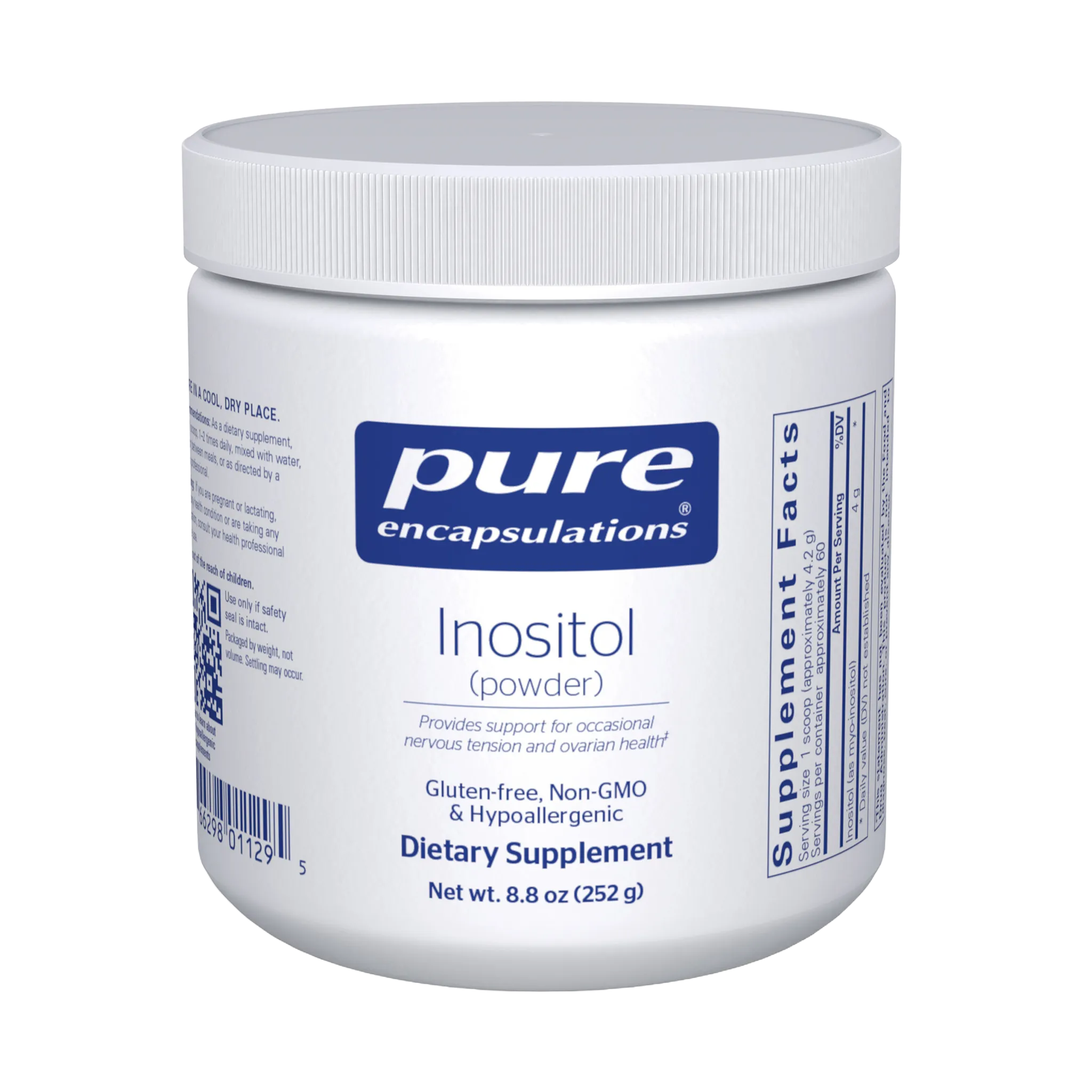
Myo-inositol is widely available in both powder and capsule forms, and the choice between the two depends heavily on your required dosage and gastrointestinal tolerance. For metabolic and reproductive support (like PCOS), the standard evidence-based dose is typically 2 to 4 grams per day. For psychiatric and neurological support, historical clinical trials have utilized much higher macro-doses, ranging from 12 to 18 grams per day. Because standard hard-shell capsules usually only contain 500 mg, achieving these higher therapeutic doses would require swallowing an impractical number of pills daily. This makes pure myo-inositol powder the most cost-effective and flexible option, as it is virtually tasteless and easily dissolved in water.
However, there is a caveat to high-dose powder: at doses exceeding 4 to 12 grams, myo-inositol can cause dose-dependent gastrointestinal side effects, such as bloating, gas, and loose stools. Paradoxically, this GI distress can speed up gastric transit time, actively reducing the amount of inositol your body actually absorbs. To mitigate this, patients utilizing powder should start with a low dose and gradually titrate up over several weeks, splitting the total daily amount into two or three smaller doses taken throughout the day.
Safety Profile, Side Effects, and Contraindications
Overall, myo-inositol boasts an exceptionally strong safety profile with a wide therapeutic window. Comprehensive clinical reviews confirm that even at maximum studied doses of 12 to 18 grams per day, it does not induce changes in hematology, kidney function, or liver function. The most common side effects are entirely gastrointestinal and resolve quickly upon lowering the dose. Furthermore, it is considered highly safe for use during pregnancy, with numerous trials demonstrating its efficacy in supporting maternal mood, anxiety, and mental health functioning from preconception, without causing adverse effects.
Despite its safety, there are important drug interactions and precautions to consider. Because myo-inositol is a powerful insulin-sensitizing agent, taking it alongside prescription anti-diabetic medications (like Metformin or insulin) can have an additive effect, increasing the risk of hypoglycemia (low blood sugar). Additionally, individuals with Bipolar Disorder must exercise extreme caution. Mood stabilizers like Lithium and Valproate work in part by depleting myo-inositol levels in the brain to prevent mania. High-dose supplementation could theoretically counteract these medications and trigger manic episodes. As always, it is imperative to consult with a healthcare provider before introducing high-dose myo-inositol, especially if you have severe renal impairment or are taking psychiatric medications.

Follow the Science
Clinical Trials on Mood and Anxiety
The scientific exploration of myo-inositol for psychiatric and neurological applications has yielded fascinating, albeit sometimes nuanced, results. Historically, landmark double-blind, placebo-controlled trials in the 1990s and early 2000s demonstrated that massive doses of myo-inositol (12–18g/day) were highly effective for specific conditions. For example, a pivotal crossover trial by Palatnik et al. compared 18g/day of myo-inositol against fluvoxamine (an SSRI) for panic disorder. The study found that inositol actually outperformed the pharmaceutical, reducing panic attacks by 4.0 per week compared to 2.4 for the SSRI, all while causing significantly fewer side effects. Similar early success was noted in trials for obsessive-compulsive disorder (OCD) and unipolar depression.
However, more recent 2023 and 2024 systematic reviews have painted a more complex picture. Modern clinical consensus highlights its immense value as an adjunctive treatment. It is particularly evidence-based for patients whose mood issues are secondary to metabolic dysfunction (such as anxiety driven by PCOS or insulin resistance) and for mitigating the severe metabolic side effects of bipolar medications without crossing the blood-brain barrier enough to disrupt mood stabilization.
Advanced Neuroimaging in ME/CFS and Long COVID
Where myo-inositol research is currently making the most profound impact is in the realm of advanced neuroimaging for complex chronic illnesses. As researchers desperately search for objective biomarkers for ME/CFS and Long COVID, myo-inositol has emerged as a primary target. The 2021 Godlewska study utilizing 7 Tesla MRS provided undeniable physical evidence of altered myo-inositol levels in the anterior cingulate cortex of ME/CFS patients, firmly establishing the presence of glial dysfunction and energetic stress. This objective data is crucial for validating the physiological reality of these invisible illnesses.
This neuroimaging foundation is now being directly applied to Long COVID research. Active clinical trials, such as those registered at ClinicalTrials.gov (NCT05753228), are currently utilizing proton-MRS to track myo-inositol alongside lactate and N-acetylaspartate. Researchers are investigating whether the exact same glial and mitochondrial disturbances found in ME/CFS are responsible for the profound post-COVID fatigue and brain fog that millions are experiencing. By tracking how myo-inositol levels fluctuate in response to various treatments, scientists hope to unlock targeted therapies that can finally resolve the chronic neuroinflammation driving these debilitating conditions.
Emerging Research on Autonomic Function
Finally, the intersection of myo-inositol and autonomic nervous system regulation is an exciting frontier. While large-scale human trials specifically prescribing inositol for POTS are still needed, the foundational biology is undeniable. As functional medicine continues to recognize the autoimmune and metabolic underpinnings of dysautonomia, myo-inositol's ability to regulate intracellular calcium spiking and blunt hyperadrenergic responses makes it a highly promising area for future clinical exploration.
The Path Forward
Integrating Inositol into a Holistic Protocol
Living with Long COVID, ME/CFS, or dysautonomia often feels like navigating a labyrinth without a map. The profound brain fog, unpredictable autonomic surges, and crushing fatigue are not just challenging—they are deeply disruptive to your sense of self and your daily life. It is vital to remember that these symptoms are rooted in measurable, physiological disruptions within your central nervous system and metabolic pathways. You are not imagining the cognitive sluggishness or the nervous tension; your brain's glial cells and secondary messenger systems are genuinely under immense stress. Validating this biological reality is the first step toward reclaiming your agency in the healing process.
While myo-inositol offers a fascinating, science-backed mechanism for supporting neurotransmitter signaling, glial cell health, and sympathovagal balance, it is not a standalone cure. Complex chronic illnesses require comprehensive, multi-layered management strategies. Myo-inositol should be viewed as one highly targeted tool in a broader toolkit that includes aggressive pacing to prevent post-exertional malaise, nervous system regulation techniques, dietary modifications to support metabolic health, and careful medical oversight. By addressing the cellular foundations of your neurochemistry, you can help create a more stable internal environment for your brain to heal.
Tracking Symptoms and Adjusting Care
Because myo-inositol influences both metabolic and neurological pathways, its effects can be subtle and cumulative. It may take several weeks of consistent supplementation to notice improvements in cognitive clarity, emotional resilience, or autonomic stability. We highly recommend keeping a detailed daily symptom log. Track your episodes of brain fog, your resting heart rate, your mood fluctuations, and your energy envelopes. This data will be invaluable when you sit down with your healthcare provider to evaluate whether this specific intervention is moving the needle for your unique biology.
Next Steps
If you are struggling with the cognitive and emotional toll of chronic neuroimmune conditions, supporting your central nervous system at the cellular level is a logical and empowering step. Always consult with your primary care physician or a functional medicine specialist before starting any new supplement, particularly if you are taking psychiatric medications or managing severe metabolic issues. With the right guidance and a targeted approach, you can begin to restore balance to your brain's internal communication networks.