Can IBSynergy™ Support Gut Health and Motility in Long COVID and ME/CFS?
March 5, 2026
IBSynergyLong COVIDME/CFS
Share:
Disclaimer: The information provided here is for educational purposes only and is not intended as medical advice. It should not be used to diagnose, treat, cure, or prevent any medical condition. Instead, use it as a starting point for discussion with your healthcare provider. Always consult with a qualified healthcare provider before starting any new medication, supplement, device, or making changes to your health regimen.
Gastrointestinal distress is one of the most pervasive, yet frequently overlooked, symptoms experienced by individuals living with complex chronic conditions. Months or even years after an initial SARS-CoV-2 infection, many patients with Long COVID continue to fight debilitating digestive symptoms, ranging from severe bloating and unpredictable bowel habits to profound nausea and abdominal pain. For those navigating the overlapping worlds of myalgic encephalomyelitis/chronic fatigue syndrome (ME/CFS), dysautonomia, and mast cell activation syndrome (MCAS), these gut issues are not merely an inconvenience; they are a central driver of systemic inflammation and daily suffering. When your digestive system is in constant turmoil, absorbing the nutrients necessary for cellular energy becomes a monumental challenge, further exacerbating the profound fatigue and post-exertional malaise (PEM) that define these illnesses.
The connection between the gut and the brain is undeniable, particularly when chronic illness disrupts the delicate balance of the enteric nervous system. Often referred to as the body’s "second brain," the enteric nervous system is a vast, complex network of neurons embedded in the lining of the gastrointestinal tract. When viral persistence, immune dysregulation, or autonomic nervous system dysfunction strikes, this second brain can misfire, leading to a cascade of localized and systemic symptoms. This is where targeted nutritional support becomes a critical component of a comprehensive management strategy. IBSynergy™ by Designs for Health is a specialized supplement formulated to help address these exact mechanisms, combining structural support for the intestinal lining with targeted modulation of the gut-brain axis. In this comprehensive guide, we will explore the intricate science behind IBSynergy™, detailing how its unique blend of ingredients may help restore digestive harmony and support overall well-being in the face of chronic illness.
TL;DR
Gut dysfunction drives systemic inflammation in complex chronic conditions like Long COVID and ME/CFS.
The enteric nervous system relies on balanced neurotransmitters and a healthy intestinal barrier.
IBSynergy™ combines L-Glutamine, ibSium®, Benegut®, and 5-HTP to support gut motility and lining integrity.
Targeted nutritional support may help manage symptoms like bloating, constipation, and abdominal discomfort.
What is IBSynergy™?
The Enteric Nervous System: Your Second Brain
To understand how IBSynergy™ functions, it is essential to first understand the biological system it is designed to support: the enteric nervous system (ENS). The ENS is an extensive, self-contained web of over 500 million neurons that governs the entire gastrointestinal (GI) tract, stretching from the esophagus down to the rectum. This intricate neural network operates independently of the central nervous system, although it communicates constantly with the brain via the vagus nerve. The ENS is responsible for orchestrating every aspect of the digestive process, including the secretion of digestive enzymes, the regulation of localized blood flow, and the complex, rhythmic muscle contractions known as peristalsis that move food through the digestive tract.
At a molecular level, the enteric nervous system relies on a vast array of neurotransmitters to function optimally, many of which are identical to those found in the brain. In fact, approximately 95% of the body's serotonin is produced within the gastrointestinal tract by specialized enterochromaffin cells and enteric neurons. This localized serotonin is not primarily responsible for mood regulation; instead, it acts as a critical signaling molecule that initiates gut motility, regulates fluid secretion, and modulates visceral sensation. When the ENS is healthy and balanced, digestion occurs smoothly and seamlessly. However, when the ENS is subjected to chronic stress, viral infection, or systemic inflammation, this delicate neurotransmitter balance is disrupted, leading to altered motility, heightened pain sensitivity, and compromised intestinal barrier function.
A Synergistic Approach to Gut Health
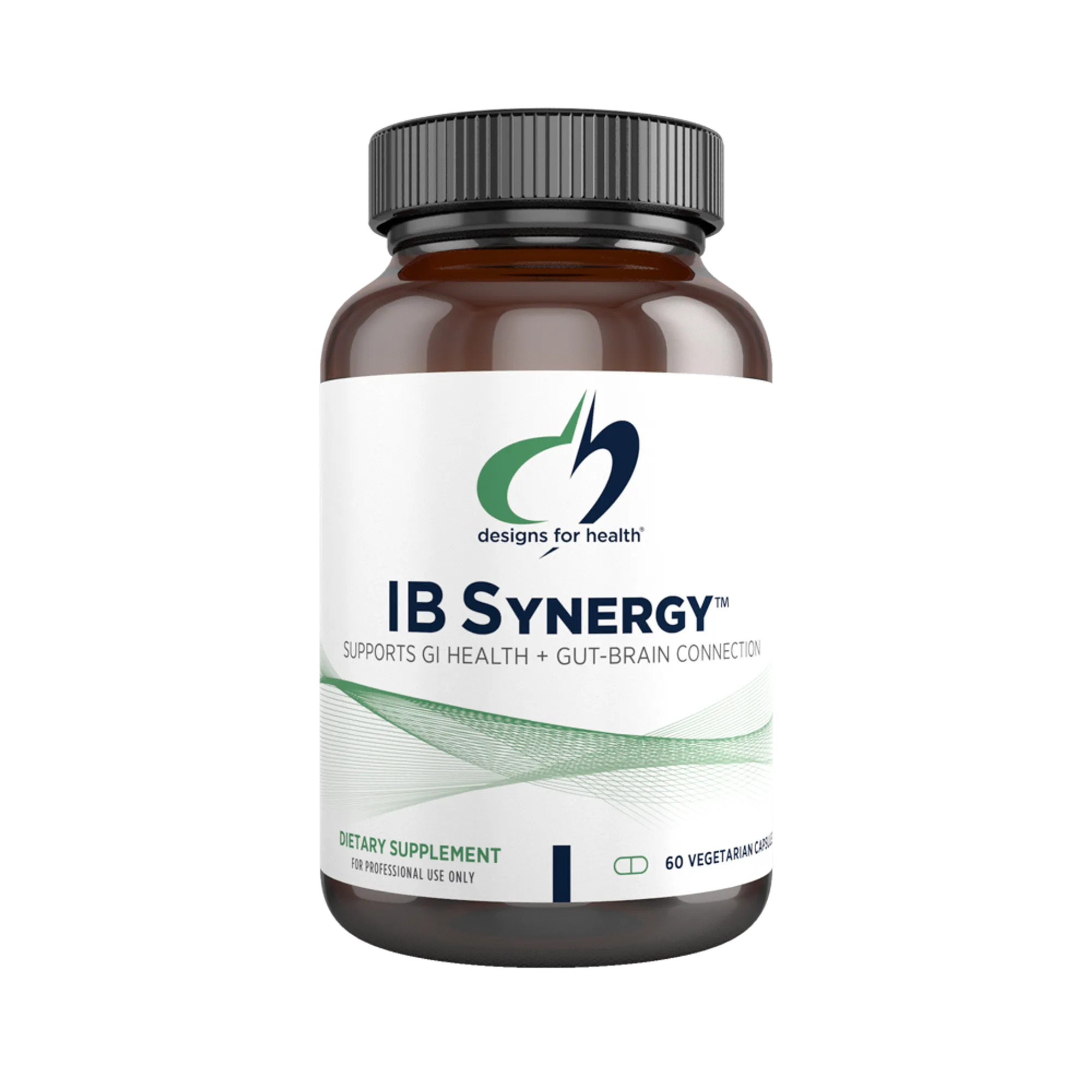
IBSynergy™ is a targeted, multi-ingredient formula designed to help address the multifaceted nature of gastrointestinal dysfunction. Rather than relying on a single mechanism of action, this supplement combines four distinct, scientifically backed compounds that work synergistically to support the enteric nervous system and the physical structure of the gut. The formula includes ibSium®, a patented strain of active dried yeast (Saccharomyces cerevisiae); L-Glutamine, a conditionally essential amino acid critical for intestinal barrier integrity; Benegut®, a specialized extract of Perilla frutescens leaves; and 5-HTP (5-Hydroxytryptophan), a direct precursor to serotonin. Together, these ingredients target underlying factors of digestive discomfort by modulating the gut-brain axis, supporting cellular repair, and regulating localized inflammation.
The beauty of this synergistic approach lies in its ability to address both the neurological and structural components of gut health simultaneously. While L-Glutamine works at the cellular level to physically rebuild the tight junctions between intestinal cells, 5-HTP provides the necessary biochemical substrates for the enteric nervous system to regulate motility. Concurrently, the botanical extracts and probiotic yeast work to soothe localized inflammation and reduce the hypersensitivity of the gut nerves. By providing comprehensive support to the "second brain," IBSynergy™ aims to support the natural rhythm and resilience of the gastrointestinal tract, which is particularly vital for individuals whose digestive systems have been compromised by complex chronic illnesses.
How Chronic Illness Impacts the Gut-Brain Axis
Viral Infection and Intestinal Permeability
In the context of complex chronic illnesses like Long COVID and ME/CFS, the gastrointestinal tract is often a primary site of profound dysfunction. The pathophysiology of gastrointestinal symptoms seen with Long COVID is deeply intertwined with the initial viral infection. The SARS-CoV-2 virus gains entry into human cells by binding to ACE2 receptors, which are highly expressed along the mucosal lining of the intestines. This direct viral interaction triggers a massive localized inflammatory response, leading to the rapid depletion of crucial cellular nutrients like glutamine. As the enterocytes (the cells lining the intestines) become starved of their primary fuel source, the structural integrity of the gut lining begins to deteriorate, leading to a condition known as intestinal hyperpermeability, or "leaky gut."
When the intestinal barrier is compromised, the tight junctions that normally seal the gaps between enterocytes break apart. This allows undigested food particles, toxins, and bacterial fragments—such as lipopolysaccharides (LPS)—to translocate from the gut lumen directly into the bloodstream. The presence of these foreign molecules in the systemic circulation triggers a chronic, low-grade immune response, fueling the systemic inflammation that drives many of the debilitating symptoms of Long COVID and ME/CFS. Elevated biomarkers of gut barrier disruption, such as Zonulin-1 and soluble CD14, are frequently observed in these patient populations, highlighting the critical role of intestinal permeability in the perpetuation of chronic illness.
Dysautonomia and Altered Gut Motility
For patients living with dysautonomia, particularly Postural Orthostatic Tachycardia Syndrome (POTS), gastrointestinal dysfunction is a frequent and highly disruptive comorbidity. Dysautonomia involves the malfunction of the autonomic nervous system, which controls involuntary bodily functions, including heart rate, blood pressure, and digestion. The vagus nerve, a major component of the parasympathetic nervous system, serves as the primary communication highway between the brain and the enteric nervous system. When autonomic tone is dysregulated, vagal signaling to the gut becomes impaired, leading to profound disruptions in gut motility. This can manifest as delayed gastric emptying (gastroparesis), severe constipation, or rapid, unpredictable bowel transit times.
This altered motility creates a highly favorable environment for secondary complications, such as Small Intestinal Bacterial Overgrowth (SIBO). When the migrating motor complex—the sweeping contractions that clear debris from the digestive tract between meals—is sluggish or absent due to autonomic dysfunction, bacteria from the large intestine can migrate upward and colonize the small intestine. This overgrowth leads to the fermentation of carbohydrates, producing excess gas that causes severe bloating, distension, and abdominal pain. Furthermore, the dysregulation of the enteric nervous system in dysautonomia often results in visceral hypersensitivity, meaning that normal digestive processes are perceived by the brain as painful or uncomfortable, significantly diminishing the patient's quality of life.
The Vicious Cycle of Systemic Inflammation
The relationship between gut dysfunction and chronic illness is a bidirectional, vicious cycle. Systemic inflammation, driven by persistent viral fragments, immune dysregulation, or mast cell activation, continuously assaults the intestinal lining, perpetuating leaky gut and dysbiosis. In turn, the damaged gut barrier allows more inflammatory triggers to enter the bloodstream, further activating mast cells and exacerbating neuroinflammation in the brain. This neuroinflammation is a key driver of the profound brain fog, cognitive impairment, and severe fatigue experienced by patients with ME/CFS and Long COVID. Breaking this cycle requires targeted interventions that may simultaneously help soothe localized gut inflammation, support the physical barrier, and support the neurological function of the enteric nervous system.
Moreover, the chronic stress of living with an unpredictable, invisible illness takes a significant toll on the gut-brain axis. Psychological and physiological stress triggers the release of corticotropin-releasing factor (CRF) and alters the composition of the gut microbiome, further impairing digestive function. This highlights the importance of addressing the gut-brain connection comprehensively. By understanding what causes Long COVID and how it systematically dismantles gastrointestinal harmony, we can better appreciate the necessity of multifaceted therapeutic approaches like IBSynergy™ that target both the structural and neurological aspects of gut health.
IBSynergy™: Supporting the Enteric Nervous System and Gut Barrier
L-Glutamine and Tight Junction Repair
The inclusion of L-Glutamine in IBSynergy™ provides foundational structural support for a compromised gastrointestinal lining. L-Glutamine is the most abundant free amino acid in the human body and serves as the preferred, indispensable energy source for enterocytes and colonocytes (the cells lining the small and large intestines). During times of severe physiological stress, such as a viral infection or chronic systemic inflammation, the body's demand for glutamine dramatically outpaces its ability to synthesize it, rendering it a "conditionally essential" nutrient. By supplying a concentrated dose of L-Glutamine, IBSynergy™ helps fuel the rapid turnover and regeneration of the intestinal epithelium, which is crucial for healing the microscopic damage associated with leaky gut.
At the molecular level, L-Glutamine plays a vital role in regulating the expression and assembly of tight junction proteins. Tight junctions are complex protein structures, including occludins, claudins, and zonula occludens, that physically bind adjacent intestinal cells together, creating a selective barrier. Research indicates that L-Glutamine activates specific intracellular signaling pathways, such as the AMP-activated protein kinase (AMPK) pathway, which promotes the synthesis and proper localization of these tight junction proteins. By reinforcing this barrier, L-Glutamine may help reduce the paracellular leakage of endotoxins like lipopolysaccharides (LPS) into the bloodstream, thereby mitigating the systemic immune activation and neuroinflammation that drive symptoms in ME/CFS and Long COVID.
ibSium® and Visceral Hypersensitivity
ibSium® is a highly specialized, patented strain of active dried yeast (Saccharomyces cerevisiae CNCM I-3856) that has been extensively researched for its targeted effects on gastrointestinal distress. Unlike traditional bacterial probiotics, this unique yeast strain possesses distinct mechanisms of action that are particularly beneficial for modulating the enteric nervous system. Preclinical and clinical studies suggest that ibSium® exerts a localized analgesic (pain-relieving) effect within the gut by activating the PPAR-alpha (peroxisome proliferator-activated receptor alpha) pathway. This activation may help reduce visceral hypersensitivity, which is the heightened perception of pain in the internal organs that plagues many patients with dysautonomia and irritable bowel syndrome.
Furthermore, because ibSium® is a yeast rather than a bacterium, it operates differently within the gut microbiome. It has been shown to assist in modulating the localized immune response, reducing the secretion of pro-inflammatory cytokines while promoting a more balanced microbial environment. This is particularly advantageous for patients who have undergone multiple rounds of antibiotics, as the yeast is naturally resistant to antibacterial agents and can help maintain gut stability during medical treatments. By soothing the overactive pain receptors in the enteric nervous system and reducing localized inflammation, ibSium® addresses the sensory components of digestive discomfort that are often resistant to standard therapies.
Benegut® and Smooth Muscle Relaxation
Benegut® is a proprietary, scientifically optimized extract derived from the leaves of Perilla frutescens, a botanical with a long history of use in traditional East Asian medicine for gastrointestinal ailments. The modern clinical application of Benegut® focuses heavily on its ability to modulate the gut-brain axis and regulate smooth muscle function. The extract is chemically standardized to contain specific bioactive phytochemicals, most notably Vicenin-2 and rosmarinic acid. Ex-vivo studies have demonstrated that Benegut® acts as a reversible cholinesterase inhibitor, which allows it to powerfully relax the smooth muscles of the intestinal wall. By decreasing acetylcholine-induced contractions, Benegut® may help alleviate the painful cramping and spasms that frequently accompany stress-induced digestive disturbances.
In addition to its antispasmodic properties, Benegut® provides significant anti-inflammatory and barrier-protective benefits. Chronic stress and systemic illness elevate levels of excitatory cytokines, particularly Tumor Necrosis Factor-alpha (TNF-α), which actively degrades the tight junctions of the intestinal lining. Cell culture models have shown that the bioactives in Benegut® may help restore and protect intestinal tight junctions following TNF-α-induced stress. Furthermore, the rosmarinic acid content provides mild anxiolytic (anti-anxiety) properties, helping to dampen the psychosocial stress loop that often exacerbates functional dyspepsia and GI distress in patients managing the daily burden of chronic illness.
5-HTP and Serotonin-Driven Motility
The inclusion of 5-HTP (5-Hydroxytryptophan) in IBSynergy™ targets the fundamental neurochemistry of the enteric nervous system. 5-HTP is the direct biochemical precursor to serotonin (5-hydroxytryptamine, or 5-HT). When ingested, 5-HTP is rapidly converted into serotonin by the enzyme aromatic L-amino acid decarboxylase (AADC) within the gut. Because serotonin is the primary neurotransmitter responsible for initiating and regulating peristalsis, providing the ENS with a direct supply of its precursor can profoundly influence gut motility. This is particularly relevant for patients with dysautonomia or ME/CFS who suffer from severe constipation or sluggish gastric emptying due to autonomic nerve dysfunction.
Recent landmark research has also revealed that the interaction between 5-HTP and the gut microbiome is highly complex. By supplying 5-HTP, IBSynergy™ supports the endogenous production of serotonin by enteric neurons, offering a multi-pronged approach to resolving gastrointestinal stagnation.
Symptoms IBSynergy™ May Help Manage
Targeting Functional Gastrointestinal Symptoms
IBSynergy™ is formulated to help manage a wide spectrum of functional gastrointestinal symptoms that frequently complicate the clinical picture of chronic illnesses. By targeting both the physical barrier of the gut and the neurological signaling of the enteric nervous system, this supplement may help manage several disruptive digestive issues. Patients wondering how long Long COVID lasts often find that their GI symptoms are among the most persistent, making targeted management crucial for improving daily quality of life.
Severe Bloating and Distension: The combination of Benegut®'s antispasmodic properties and ibSium®'s microbiome-modulating effects may help reduce the accumulation of trapped gas and soothe the smooth muscle spasms that contribute to painful abdominal distension.
Constipation and Sluggish Motility: By providing 5-HTP, the direct precursor to serotonin, the formula supports the enteric nervous system's ability to initiate and maintain healthy peristalsis, accelerating transit times and promoting regular bowel movements.
Abdominal Pain and Cramping: The targeted activation of the PPAR-alpha pathway by the Saccharomyces cerevisiae strain in ibSium® may help reduce visceral hypersensitivity, effectively dulling the overactive pain signals transmitted from the gut to the brain.
Post-Meal Fullness and Dyspepsia: Benegut® has been shown in clinical trials to rapidly alleviate the uncomfortable sensation of premature fullness and indigestion that often occurs immediately following a meal, particularly in patients with autonomic dysfunction.
Addressing Systemic Repercussions of Gut Dysfunction
Beyond localized digestive relief, supporting the gut barrier and modulating the gut-brain axis can have profound downstream effects on systemic symptoms. When the intestinal lining is fortified and localized inflammation is reduced, the entire body benefits from a decreased immune burden. This is a critical concept for patients exploring how to live with long-term COVID, as managing systemic inflammation is key to stabilizing the condition.
Brain Fog and Cognitive Impairment: By utilizing L-Glutamine to support tight junctions and help reduce the translocation of endotoxins (like LPS) into the bloodstream, the formula may help reduce the systemic neuroinflammation that drives severe cognitive dysfunction and brain fog.
Systemic Fatigue and PEM: A healthy, intact gut lining is essential for the optimal absorption of micronutrients required for mitochondrial energy production. Improving gut health directly supports the body's ability to generate cellular energy, potentially mitigating the severity of post-exertional malaise.
Immune Hyperactivity and MCAS Triggers: Soothing the localized inflammatory response in the gut mucosa may help stabilize resident mast cells, reducing the frequency of systemic allergic-type reactions and food sensitivities common in mast cell activation syndrome.
Practical Considerations: Forms, Dosing, and Absorption
Optimal Dosing and Timing Strategies
When incorporating IBSynergy™ into a chronic illness management protocol, understanding the optimal dosing and timing is crucial for maximizing its therapeutic benefits. The standard suggested use provided by Designs for Health is to take two capsules per day, or as directed by your healthcare practitioner. Because the formula contains ingredients that may help modulate gut motility and smooth muscle function, the timing of administration can significantly impact symptom relief. Many practitioners recommend taking the capsules in divided doses—one in the morning and one in the evening—to provide continuous support to the enteric nervous system throughout the day and night.
For patients specifically targeting post-meal discomfort, bloating, or dyspepsia, taking the supplement shortly before or alongside meals may be particularly beneficial. Clinical trials evaluating the Benegut® extract have demonstrated its efficacy in reducing acute gastrointestinal distress when administered in proximity to caloric intake. Conversely, for those primarily focused on supporting intestinal permeability with L-Glutamine, taking the supplement on an empty stomach may enhance the direct absorption and utilization of the amino acid by the enterocytes lining the gut wall. Working closely with a healthcare provider can help tailor the timing to your specific symptom profile.
Bioavailability and Ingredient Synergy
The bioavailability of the ingredients in IBSynergy™ is enhanced by their synergistic formulation. The Saccharomyces cerevisiae strain (ibSium®) is uniquely resilient; as a yeast, it easily survives the harsh, acidic environment of the stomach and reaches the intestines fully intact and active. Furthermore, because it is not a bacterium, its efficacy is not diminished by concurrent antibiotic use, making it an excellent option for patients undergoing treatments for SIBO or other bacterial overgrowths. The botanical extract Benegut® is chemically standardized to ensure consistent, highly bioavailable levels of its active phytochemicals, Vicenin-2 and rosmarinic acid, supporting reliable antispasmodic effects.
The inclusion of 5-HTP requires careful consideration regarding absorption and metabolism. 5-HTP is rapidly absorbed in the upper intestine and has a relatively short half-life of approximately four hours, peaking in the bloodstream within one to two hours of ingestion. Because it is so efficiently converted into serotonin within the gut, it provides rapid, targeted support for enteric motility. However, this rapid conversion also means that the motility-enhancing effects are relatively acute, which is why divided daily dosing is often recommended to maintain consistent serotonin signaling in the gastrointestinal tract.
Safety, Tolerability, and Potential Interactions
While IBSynergy™ is generally well-tolerated, the specific mechanisms of its ingredients necessitate certain precautions, particularly for the sensitive populations dealing with ME/CFS, Long COVID, and dysautonomia. The most common side effects are typically mild and gastrointestinal in nature. Because 5-HTP effectively stimulates gut motility by increasing local serotonin levels, some individuals may experience transient nausea, stomach cramping, or loose stools when first initiating the supplement. These effects are usually dose-dependent and often subside as the enteric nervous system adjusts to the increased neurotransmitter availability. Starting with a lower dose and gradually titrating up under medical supervision can help mitigate these initial responses.
Crucially, patients must be aware of potential drug interactions, particularly concerning 5-HTP. Because 5-HTP increases serotonin levels, it should be used with extreme caution—or avoided entirely—by individuals taking selective serotonin reuptake inhibitors (SSRIs), serotonin-norepinephrine reuptake inhibitors (SNRIs), monoamine oxidase inhibitors (MAOIs), or other medications that alter serotonin metabolism, due to the risk of serotonin syndrome. Additionally, while L-Glutamine is essential for gut repair, patients with severe neuroinflammation or certain neurological conditions should monitor their response carefully, as excess glutamine can occasionally be converted into glutamate, an excitatory neurotransmitter that may exacerbate anxiety or neurological fatigue in highly sensitive individuals. Always consult your healthcare provider before adding this supplement to your regimen.
Follow the Science
Clinical Evidence for ibSium® in IBS
More recently, a 2022 randomized, double-blind, placebo-controlled trial intentionally targeted 456 subjects specifically diagnosed with IBS-C. The study, utilizing a dose of 8 billion CFU daily for 8 weeks, confirmed the strain's targeted efficacy. A significantly higher proportion of patients responded to the abdominal pain alleviation in the ibSium® group (45.1%) compared to the placebo group (33.9%). Furthermore, the probiotic group exhibited a statistically significant improvement in their IBS-specific Quality of Life (QOL) scores at the end of the intervention, solidifying its role as a powerful tool for managing chronic gastrointestinal distress.
L-Glutamine's Impact on Intestinal Permeability
The role of L-Glutamine in repairing intestinal permeability is heavily supported by clinical literature, which is highly relevant for patients exploring whether Long COVID can trigger ME/CFS via gut barrier breakdown. A foundational 2008 study by ME/CFS researcher Dr. Michael Maes demonstrated that utilizing a gut-healing protocol containing glutamine to reduce the translocation of gram-negative bacteria led to significant clinical improvement in 24 out of 41 ME/CFS patients, directly linking gut barrier repair to systemic symptom reduction.
The Path Forward
Validating Your Gastrointestinal Journey
Living with the unpredictable and often severe gastrointestinal symptoms associated with Long COVID, ME/CFS, and dysautonomia is an exhausting daily battle. It is incredibly validating to understand that these digestive issues are not merely "in your head" or a simple reaction to stress; they are the result of profound, measurable disruptions to your enteric nervous system, gut microbiome, and intestinal barrier. The systemic inflammation, viral persistence, and autonomic dysregulation that characterize these complex illnesses actively dismantle the delicate machinery of your digestive tract. Acknowledging the deep physiological roots of your symptoms is the first crucial step toward finding effective, targeted management strategies that respect the complexity of your condition.
Integrating Supplements into Comprehensive Care
While the science behind IBSynergy™ is highly promising, it is important to remember that no single supplement is a cure-all for the intricate web of symptoms seen in chronic illness. Restoring gastrointestinal health requires a comprehensive, multi-disciplinary approach. Supplements like IBSynergy™ are most effective when utilized as part of a broader management strategy that includes careful dietary modifications, nervous system regulation techniques, pacing to manage post-exertional malaise, and targeted medical therapies. By addressing both the structural integrity of the gut lining with L-Glutamine and the neurological signaling of the enteric nervous system with 5-HTP and specialized extracts, you can build a stronger foundation for systemic recovery.
As you navigate the complexities of what drugs are used for COVID long haulers and which supplements are right for your unique biology, always prioritize open communication with your medical team. Because the ingredients in this formula actively modulate neurotransmitters and gut motility, professional guidance is essential to ensure safety and optimal dosing. If you are struggling with persistent bloating, altered motility, or signs of leaky gut, targeted support for your "second brain" may be a valuable addition to your healing toolkit.
Sources
Spiller, R., et al. (2016). Randomized double blind placebo-controlled trial of Saccharomyces cerevisiae CNCM I-3856 in irritable bowel syndrome: improvement in abdominal pain and bloating in those with predominant constipation. United European Gastroenterology Journal, 4(3), 353-362.
Maes, M., et al. (2008). Normalization of leaky gut in chronic fatigue syndrome (CFS) is accompanied by a clinical improvement: effects of age, duration of illness and the translocation of LPS from gram-negative bacteria. Neuro Endocrinology Letters, 29(6), 902-910.
Appleton, J. (2018). The Gut-Brain Axis: Influence of Microbiota on Mood and Mental Health. Integrative Medicine: A Clinician's Journal, 17(4), 28-32.