Can High-Dose Vitamin C Help Manage Long COVID, MCAS, and Dysautonomia Symptoms?
March 6, 2026
Vitamin CLong COVIDMCAS
Share:
Disclaimer: The information provided here is for educational purposes only and is not intended as medical advice. It should not be used to diagnose, treat, cure, or prevent any medical condition. Instead, use it as a starting point for discussion with your healthcare provider. Always consult with a qualified healthcare provider before starting any new medication, supplement, device, or making changes to your health regimen.
In the wake of the COVID-19 pandemic, millions of individuals have found themselves navigating a complex web of lingering, debilitating symptoms. Conditions like Long COVID, myalgic encephalomyelitis/chronic fatigue syndrome (ME/CFS), mast cell activation syndrome (MCAS), and dysautonomia—including postural orthostatic tachycardia syndrome (POTS)—often overlap, leaving patients frustrated by a lack of clear medical answers. One of the most common threads connecting these invisible illnesses is profound systemic inflammation, severe oxidative stress, and the breakdown of the vascular endothelium. When the body is trapped in a perpetual state of immune hyperactivation, its natural reserves of essential nutrients are rapidly depleted, making recovery feel like an uphill battle.
Among the foundational nutrients being heavily researched for post-viral recovery is Vitamin C, clinically known as ascorbic acid. While most people associate this essential vitamin with fighting off the common cold, its role in the human body extends far beyond basic immune support. At a cellular level, Vitamin C is a potent immunomodulator, a critical cofactor for neurotransmitter synthesis, a mast cell stabilizer, and a master regulator of blood vessel health. For patients dealing with the unpredictable heart rates of POTS, the severe allergic reactions of MCAS, or the crushing fatigue of Long COVID, understanding how to properly replenish this vital antioxidant—and choosing the right, highly tolerable form—can be a crucial step in managing complex chronic illness.
TL;DR
Vitamin C supports vascular repair and stabilizes mast cells, helping manage Long COVID and POTS symptoms.
Chronic illness depletes Vitamin C, worsening fatigue, blood pooling, and histamine intolerance.
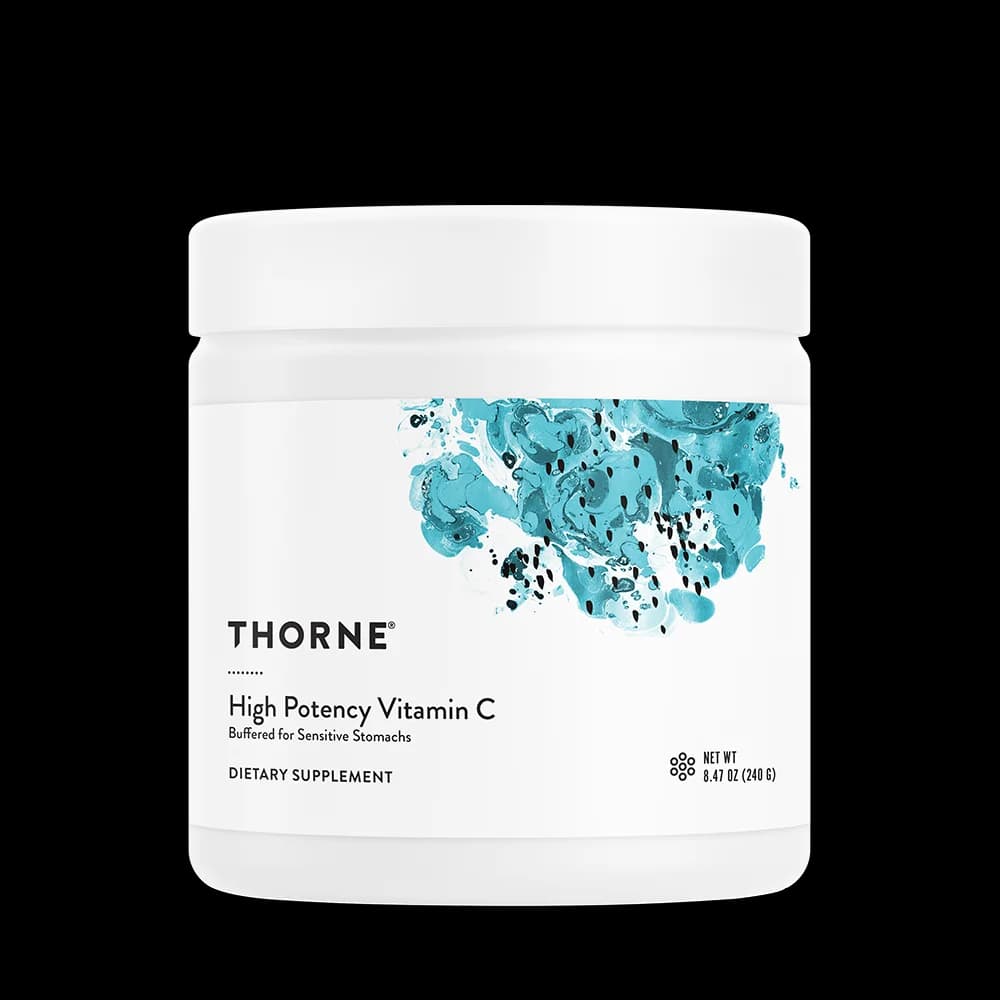
High-potency, buffered mineral ascorbates provide therapeutic doses without causing severe gastrointestinal distress.
Always consult your healthcare provider before starting high-dose supplements to ensure safety and proper dosing.
What is Vitamin C (Ascorbic Acid)?
The Essential Electron Donor
At its most fundamental chemical level, Vitamin C (L-ascorbic acid) functions as a highly potent electron donor, or reducing agent. Because humans, unlike most other mammals, carry a genetic mutation in the GULO gene that prevents the synthesis of the enzyme L-glucono-gamma lactone oxidase, we cannot produce Vitamin C endogenously. Therefore, we must obtain it entirely through our diet or via supplementation. Once ingested, it is actively transported into our cells via highly specific sodium-dependent Vitamin C transporters (SVCT1 and SVCT2). These transporters allow the body to concentrate Vitamin C in vital tissues—such as the brain, adrenal glands, and white blood cells—at levels up to 100 times higher than what is found in the blood plasma.
By donating its electrons, Vitamin C drives numerous enzymatic and non-enzymatic reactions throughout the body. Its primary non-enzymatic role is acting as the body’s premier water-soluble antioxidant. It directly scavenges and neutralizes reactive oxygen species (ROS) and reactive nitrogen species (RNS), such as superoxide anions and hydroxyl radicals, before they can cause structural damage to cellular DNA, proteins, and lipid membranes. Furthermore, Vitamin C acts as a "co-antioxidant" by regenerating other vital antioxidants. For instance, when Vitamin E neutralizes a free radical in a cell membrane, it becomes oxidized and inactive; Vitamin C steps in to donate an electron, restoring Vitamin E to its active state so it can continue protecting the cell.
Collagen Biosynthesis and Structural Integrity
Beyond its antioxidant capabilities, Vitamin C is an absolute biological requirement for the synthesis and structural stabilization of collagen, the most abundant protein in the human body. Collagen forms the structural scaffolding for our skin, bones, cartilage, tendons, and, crucially, the endothelial lining of our blood vessels. Inside the endoplasmic reticulum of our cells, collagen is initially synthesized as a fragile precursor called procollagen. For procollagen to fold into its incredibly strong, stable "triple-helix" structure, specific amino acids within it (proline and lysine) must undergo a chemical process called hydroxylation.
This hydroxylation process relies entirely on three specific enzymes: prolyl-3-hydroxylase, prolyl-4-hydroxylase, and lysyl hydroxylase. The active sites of these enzymes contain an iron atom that becomes oxidized from a ferrous ($Fe^{2+}$) to a ferric ($Fe^{3+}$) state during the reaction, which immediately halts the enzyme's function. Vitamin C acts as the essential cofactor that reduces this iron back to its active state, allowing continuous collagen production. Without adequate Vitamin C, the body cannot repair micro-tears in blood vessels or maintain the integrity of connective tissues, leading to widespread structural vulnerabilities.
The Intracellular Antioxidant Defense System
Vitamin C does not just neutralize free radicals directly; it also acts as a master genetic regulator of the body's internal antioxidant defense systems. Research demonstrates that ascorbic acid upregulates the activity of nuclear factor erythroid 2-related factor 2 (Nrf2), a crucial transcription factor. When activated, Nrf2 binds to the antioxidant response elements in our DNA, triggering the production of powerful endogenous antioxidant enzymes like superoxide dismutase, catalase, and glutathione peroxidase. This means Vitamin C effectively teaches the body how to defend itself against oxidative stress on a genetic level.
Additionally, Vitamin C plays a profound role in epigenetics. It serves as a necessary cofactor for the Ten-Eleven Translocation (TET) family of enzymes, which are responsible for DNA demethylation. By regulating these epigenetic markers, Vitamin C influences how immune cells develop, mature, and respond to threats. This complex interplay between direct electron donation, genetic upregulation of antioxidants, and epigenetic modulation makes Vitamin C an indispensable molecule for maintaining cellular homeostasis, particularly when the body is under the immense physiological stress of a chronic infection or inflammatory disorder.
How Complex Chronic Illness Impacts the Endothelium and Immune System
Viral Infection and the Oxidative Stress Cascade
When a pathogen like the SARS-CoV-2 virus enters the body, it triggers an aggressive, systemic immune response. While this response is necessary to clear the acute infection, in conditions like Long COVID and ME/CFS, the immune system fails to return to a baseline state of rest. Understanding what causes Long COVID often points to this persistent immune dysregulation. Macrophages and neutrophils continuously release massive amounts of reactive oxygen species (ROS) in an attempt to destroy perceived threats. This phenomenon, often referred to as an "oxidative burst," creates a highly toxic cellular environment.
This rampant oxidative stress rapidly depletes the body's natural antioxidant reserves, including its stores of Vitamin C. Studies have shown that up to 94% of critically ill COVID-19 patients exhibit undetectable or critically low levels of Vitamin C, a deficiency that likely persists well into the post-viral recovery phase. As Vitamin C levels plummet, the body loses its primary mechanism for neutralizing free radicals. This allows oxidative stress to damage cellular mitochondria, drastically impairing the production of adenosine triphosphate (ATP). This mitochondrial dysfunction is a primary driver of the profound, debilitating fatigue and post-exertional malaise (PEM) experienced by patients with ME/CFS and Long COVID. In fact, many patients wonder can Long COVID trigger ME/CFS?, and the overlap in oxidative stress pathways suggests a strong connection.
Endothelial Dysfunction in Long COVID and POTS
One of the most significant discoveries in recent chronic illness research is the role of the vascular endothelium—the delicate inner lining of our blood vessels. The SARS-CoV-2 virus is known to directly attack endothelial cells by binding to ACE2 receptors, causing widespread vascular inflammation. This damage leads to a condition known as endothelial dysfunction, characterized by the breakdown of the endothelial glycocalyx and a severe reduction in the bioavailability of nitric oxide (NO), a molecule essential for healthy blood flow and vascular dilation.
Endothelial dysfunction is now recognized as a central mechanism driving dysautonomia and postural orthostatic tachycardia syndrome (POTS). When the blood vessels cannot properly regulate their tone due to a lack of nitric oxide and structural damage, blood pools in the lower extremities upon standing. The autonomic nervous system panics, releasing surges of adrenaline and norepinephrine to force the heart to beat faster (tachycardia) in a desperate attempt to push blood back up to the brain. This lack of vascular integrity, exacerbated by Vitamin C depletion and impaired collagen synthesis, leaves POTS patients struggling with severe dizziness, brain fog, and exercise intolerance.
The Mast Cell Activation Vicious Cycle
The chronic inflammation seen in Long COVID and ME/CFS frequently triggers a secondary condition known as mast cell activation syndrome (MCAS). Mast cells are immune cells that act as the body's first responders, storing inflammatory mediators like histamine, prostaglandins, and leukotrienes inside intracellular granules. In a healthy body, these mediators are released in measured doses to fight infections or heal wounds. However, in MCAS, these cells become hyper-sensitized and degranulate inappropriately in response to ordinary stimuli like foods, temperature changes, or even physical stress.
This inappropriate release of histamine creates a vicious cycle. Histamine is a potent vasodilator; it causes blood vessels to expand and become "leaky," which directly worsens the blood pooling and low blood pressure seen in POTS. Furthermore, the massive oxidative stress generated by chronic viral infections directly destabilizes mast cell membranes, making them even more prone to degranulation. Because Vitamin C is heavily concentrated inside immune cells to protect them from their own oxidative bursts, a systemic deficiency leaves mast cells highly volatile, resulting in a cascade of allergic-like symptoms, gastrointestinal distress, and neurological inflammation.
High Potency Vitamin C: Supporting Vascular Repair and Mast Cell Stabilization
Restoring Nitric Oxide and Endothelial Function
High-potency Vitamin C acts as a powerful therapeutic agent that supports the repair of the damaged vascular endothelium seen in Long COVID and dysautonomia. Its primary mechanism of action in this context involves the restoration of nitric oxide (NO) bioavailability. Ascorbic acid enhances the enzymatic activity of endothelial nitric oxide synthase (eNOS) by protecting and recycling tetrahydrobiopterin (BH4), a crucial and highly fragile enzymatic cofactor. By preventing the oxidation of BH4 by rampant free radicals, Vitamin C ensures that the endothelium can produce adequate nitric oxide.
Clinical studies published in Circulation have demonstrated that ascorbic acid administration can successfully reverse endothelial vasomotor dysfunction. By restoring nitric oxide levels, blood vessels regain their ability to properly constrict and dilate in response to the autonomic nervous system's signals. Furthermore, Vitamin C's role in collagen synthesis physically repairs the micro-tears and structural weaknesses in the blood vessel walls. For patients with POTS, this means less venous pooling in the legs, improved blood flow to the brain, and a reduction in the compensatory reflex tachycardia that causes severe palpitations upon standing.
Stabilizing Mast Cells and Degrading Histamine
For patients battling MCAS and severe histamine intolerance, Vitamin C offers a multi-pronged approach to symptom management. Unlike over-the-counter antihistamines, which merely block histamine from binding to cellular receptors, Vitamin C fundamentally alters the lifecycle of histamine. First, it acts as a direct mast cell stabilizer. Electrophysiological studies using patch-clamp techniques have shown that ascorbic acid physically inhibits the exocytosis of mast cell granules, halting the release of histamine and inflammatory cytokines before they can enter the bloodstream.
Secondly, Vitamin C is a critical, rate-limiting cofactor for Diamine Oxidase (DAO), the primary digestive enzyme responsible for breaking down extracellular histamine in the gut. When DAO metabolizes histamine, it produces hydrogen peroxide as a toxic byproduct, which can inhibit further enzyme function. Vitamin C decomposes this hydrogen peroxide, sustaining and accelerating DAO's capacity to clear histamine from the body. Finally, Vitamin C inhibits the enzyme histidine decarboxylase, effectively decreasing the body's de novo synthesis of new histamine, providing profound relief from chronic allergic inflammation.
Supporting Norepinephrine Synthesis for Dysautonomia
Patients with dysautonomia and POTS rely heavily on neurotransmitters like norepinephrine to signal their blood vessels to constrict against gravity. Vitamin C plays an indispensable role in the synthesis of these vital catecholamines. It serves as an essential electron-donating cofactor for the enzyme dopamine beta-hydroxylase, which is responsible for converting dopamine into norepinephrine inside the adrenal glands and sympathetic nerve terminals.
When the body is depleted of Vitamin C due to chronic oxidative stress, the synthesis of norepinephrine can become impaired, leading to sluggish vascular responses and exacerbated orthostatic intolerance. By providing high-potency Vitamin C, patients can support their autonomic nervous system's ability to produce the neurotransmitters necessary for maintaining stable blood pressure and adequate cerebral perfusion, thereby reducing the frequency of dizzy spells and pre-syncope (near-fainting) episodes.
Enhancing Neutrophil Chemotaxis and Immune Defense
In the context of post-viral syndromes, supporting the innate immune system without triggering further inflammation is a delicate balance. Vitamin C actively accumulates in neutrophils (phagocytic white blood cells) at concentrations up to 100 times higher than in the blood plasma. This massive intracellular concentration significantly enhances chemotaxis—the directed movement of immune cells to sites of infection or tissue damage—and improves their ability to engulf and destroy lingering pathogens via phagocytosis.
Crucially, the high concentration of Vitamin C inside these neutrophils protects the immune cells' own lipid membranes from being destroyed by the toxic reactive oxygen species they release to kill pathogens. By delaying the apoptosis (programmed cell death) and necrosis of these immune cells, Vitamin C helps regulate the inflammatory response, downregulating the activation of nuclear factor-kappa B (NF-κB) and decreasing the production of pro-inflammatory cytokines like TNF-α and IL-6. This immunomodulatory effect is vital for breaking the cycle of chronic inflammation in Long COVID.

Symptoms High Potency Vitamin C May Help Manage
Cardiovascular and Autonomic Symptoms
By repairing the vascular endothelium, supporting collagen structures, and aiding in neurotransmitter synthesis, high-potency Vitamin C targets several debilitating symptoms associated with dysautonomia and POTS:
Orthostatic Tachycardia (Rapid Heart Rate): By improving nitric oxide bioavailability and vascular tone, Vitamin C helps blood vessels constrict properly upon standing, reducing the heart's need to beat excessively fast to maintain blood pressure.
Blood Pooling and Acrocyanosis: Vitamin C's role in collagen synthesis strengthens the structural integrity of blood vessel walls, reducing the "leakiness" that causes blood to pool in the legs and hands (often appearing as a purple or bluish discoloration).
Dizziness and Pre-Syncope: By supporting the synthesis of norepinephrine via the enzyme dopamine beta-hydroxylase, Vitamin C helps the autonomic nervous system maintain adequate blood flow to the brain, reducing dizzy spells.
Allergic and Immunological Symptoms
Through its profound ability to stabilize mast cells, degrade extracellular histamine, and modulate the innate immune response, Vitamin C can help manage symptoms driven by MCAS and chronic inflammation:
Unpredictable Allergic Reactions and Flushing: By physically inhibiting mast cell degranulation, Vitamin C prevents the sudden release of histamine that causes severe skin flushing, hives, and dermatographia.
Gastrointestinal Distress (Histamine Intolerance): As a crucial cofactor for the DAO enzyme, Vitamin C accelerates the breakdown of dietary histamine in the gut, reducing symptoms like severe bloating, cramping, and osmotic diarrhea associated with histamine intolerance.
Brain Fog and Neuroinflammation: By scavenging reactive oxygen species and downregulating pro-inflammatory cytokines like TNF-α, Vitamin C helps reduce the systemic neuroinflammation that drives severe cognitive impairment and brain fog.
Systemic and Musculoskeletal Symptoms
The systemic antioxidant properties and tissue-repair mechanisms of Vitamin C provide widespread support for the profound physical toll of complex chronic illnesses:
Profound Fatigue and Lack of Energy: By neutralizing the oxidative stress that damages cellular mitochondria, Vitamin C helps restore the body's ability to produce ATP (cellular energy), gradually improving baseline energy levels and stamina.
Joint and Muscle Pain: Vitamin C's essential role in collagen hydroxylation supports the repair of cartilage, tendons, and soft tissues, helping to alleviate the chronic, widespread musculoskeletal pain frequently reported in ME/CFS and Long COVID.
Slow Wound Healing and Easy Bruising: By restoring collagen synthesis and protecting the endothelial lining of capillaries, high-dose Vitamin C helps prevent the easy bruising and delayed tissue repair caused by fragile, weakened blood vessels.
Practical Considerations: Forms, Dosing, and Absorption
The Challenge of Standard Ascorbic Acid
While standard ascorbic acid is highly effective and easily absorbed at low doses (under 200 mg), it presents significant challenges for patients requiring the high therapeutic doses often recommended for chronic illness management. Ascorbic acid is, by nature, highly acidic, possessing a low pH. When taken in "megadoses" (e.g., 1,000 mg to 3,000 mg daily) or on an empty stomach, it can directly irritate the gastric mucosa, exacerbating conditions like gastritis or acid reflux.
Furthermore, the human body's intestinal transporters for Vitamin C (SVCT1) become saturated at higher doses. The unabsorbed portion of a large dose of standard ascorbic acid remains in the intestinal lumen. Here, it creates a strong osmotic effect, drawing water into the gut and frequently resulting in painful cramping, bloating, and osmotic diarrhea—a phenomenon commonly referred to as reaching "bowel tolerance." For patients with MCAS or Long COVID who already suffer from severe gastrointestinal dysmotility, these side effects can make standard high-dose Vitamin C intolerable.
The Advantage of Mineral Ascorbates (Calcium, Magnesium, Potassium)
To solve the gastrointestinal challenges of high-dose therapy, clinical-grade supplements utilize mineral ascorbates. These are created by binding ascorbic acid to a mineral salt—such as calcium, magnesium, or potassium—resulting in a pH-neutral, "buffered" compound. Research on vitamin C and immune function has demonstrated that while standard ascorbic acid is effective, high doses can cause gastrointestinal distress, making buffered forms preferable for protecting the delicate stomach lining while delivering necessary concentrations of Vitamin C.
Beyond gastrointestinal comfort, mineral ascorbates provide the added benefit of delivering essential electrolytes, which are highly beneficial for dysautonomia patients. Calcium ascorbate provides structural support for bone density and soft tissue formation. Magnesium ascorbate delivers elemental magnesium, a crucial mineral for muscle relaxation, nervous system calming, and cardiovascular function. Potassium ascorbate supports intracellular hydration and vascular health. By combining these three mineral ascorbates, a high-potency supplement can deliver a massive dose of Vitamin C while safely distributing the elemental mineral load, preventing the toxicity that could occur from megadosing a single mineral.
Bioavailability, Leukocyte Retention, and Dosing Strategies
When evaluating bioavailability, research shows that standard ascorbic acid and buffered mineral ascorbates share nearly identical absorption efficiencies into the bloodstream. However, advanced mineral formulations have shown a distinct advantage in leukocyte retention. Studies indicate that calcium ascorbate formulations can significantly increase the intracellular concentration of Vitamin C within white blood cells for up to 24 hours post-ingestion compared to standard ascorbic acid, providing superior, sustained immune support.
Because intestinal transporters become saturated, the most effective dosing strategy for high-potency Vitamin C is to divide the total daily dose. Rather than taking 2,000 mg all at once, splitting the dose into 500 mg or 1,000 mg increments taken with meals throughout the day maximizes absorption and maintains steady plasma levels. For patients with POTS, taking buffered Vitamin C alongside their required high-sodium electrolyte drinks can create a synergistic effect: the salt increases blood volume, while the Vitamin C strengthens the blood vessels to contain that volume effectively.
Safety, Contraindications, and Synergies
While Vitamin C is water-soluble and generally considered exceptionally safe, high doses do carry specific considerations. Because Vitamin C enhances the absorption of non-heme iron, individuals with hemochromatosis (an iron overload disorder) should exercise caution and consult their physician before utilizing high-potency formulas. Additionally, very high doses of Vitamin C can theoretically increase the excretion of oxalate in the urine, which may be a concern for individuals with a history of oxalate kidney stones.
For maximum clinical benefit in post-viral syndromes, Vitamin C is frequently paired synergistically with other compounds. Combining Vitamin C with bioflavonoids (like quercetin or rutin) further decreases vascular permeability and stabilizes mast cells. When used alongside L-Arginine, Vitamin C protects the newly synthesized nitric oxide from oxidation, profoundly enhancing endothelial repair. As always, patients should discuss new supplementation with their healthcare provider to ensure it aligns with their specific lab markers and medication regimens, especially when considering what drugs are used for COVID long haulers.

Follow the Science
Clinical Trials in Long COVID and Endothelial Repair
The therapeutic potential of Vitamin C in post-viral syndromes has been the subject of rigorous recent clinical investigation. A landmark approach to managing Long COVID has focused on the synergy between L-Arginine (a precursor to nitric oxide) and Vitamin C (which prevents NO oxidation). The nationwide multicenter LINCOLN survey in Italy evaluated over 1,390 Long COVID patients undergoing a 30-day treatment of this combination. The results were striking: patients receiving the L-Arginine and Vitamin C therapy showed a statistically massive reduction in Long COVID symptoms, specifically demonstrating drastically improved tolerance to physical effort on the modified Borg scale compared to the control group.
Furthermore, systematic reviews evaluating high-dose Vitamin C for post-viral fatigue have yielded highly promising data. A comprehensive review published in Nutrients examined nine clinical studies involving 720 patients suffering from fatigue related to conditions characterized by high oxidative stress. The researchers concluded that high-dose Vitamin C administration resulted in a significant reduction in fatigue, sleep disturbances, and depressive symptoms. Because Long COVID shares the exact same biological footprints of oxidative stress and impaired microcirculation, these findings heavily support the use of Vitamin C to restore energy levels and cognitive function.
Research on Mast Cell Stabilization and Histamine Reduction
The scientific literature robustly supports Vitamin C's role as a potent mast cell stabilizer and histamine degrader. A pivotal observational study by Hagel et al. (2013) investigated the systemic effects of high-dose ascorbic acid in 89 patients with allergic and infectious diseases. The researchers found that Vitamin C administration caused a rapid, statistically significant reduction in serum histamine levels, proving its clinical utility in states of pathological histamine excess like MCAS.
More recently, rigorous electrophysiological research has illuminated the exact cellular mechanisms at play. A 2022 study published in Cellular Physiology and Biochemistry utilized whole-cell patch-clamp techniques on rat peritoneal mast cells to measure membrane capacitance during degranulation. The researchers definitively proved that ascorbic acid dose-dependently suppressed the exocytosis of mast cell granules, physically blocking the release of histamine. Interestingly, the study also noted that adding Vitamin B6 synergistically potentiated this mast cell-stabilizing property, highlighting the interconnected nature of nutritional biochemistry.
Studies on Gastrointestinal Tolerance of Buffered Vitamin C
The clinical advantage of mineral ascorbates over standard ascorbic acid is well-documented. Research indicates that high doses of standard ascorbic acid can cause gastrointestinal disturbances such as osmotic diarrhea, as unabsorbed vitamin C remains in the gastrointestinal tract. Because of this, buffered forms like calcium ascorbate are often recommended to improve tolerability for sensitive individuals.
These findings are supported by in vivo pharmacokinetic studies, such as a 2018 trial published in The Korean Journal of Physiology & Pharmacology. Researchers found that while standard ascorbic acid actively increased total gastric acid output and lowered gastric pH (which can exacerbate ulcer-like conditions and gastritis), calcium ascorbate effectively neutralized gastric pH without altering total acid output. This confirms that buffered mineral ascorbates provide a scientifically validated method for achieving high-dose Vitamin C therapy without sacrificing gastrointestinal comfort.
The Path Forward
Integrating Vitamin C into a Comprehensive Care Plan
Living with complex chronic conditions like Long COVID, ME/CFS, POTS, and MCAS requires a multifaceted, highly individualized approach to management. High-potency Vitamin C is not a standalone cure, but rather a foundational tool designed to support the body's deeply strained biological systems. By actively neutralizing rampant oxidative stress, repairing the fragile vascular endothelium, and stabilizing hyperactive mast cells, Vitamin C helps create an internal environment where genuine cellular healing can begin to take place.
To maximize its benefits, Vitamin C should be integrated into a broader management strategy that includes aggressive pacing to prevent post-exertional malaise, diligent symptom tracking to identify specific MCAS triggers, and appropriate dysautonomia protocols like increased sodium and fluid intake. Learning how you can live with long-term COVID requires this multi-faceted approach. Utilizing a buffered, mineral-ascorbate formulation ensures that you can achieve the therapeutic doses necessary for immune and vascular support without triggering the gastrointestinal distress that so often accompanies standard ascorbic acid supplements.
Validating Your Chronic Illness Journey
If you are navigating the unpredictable, often invisible symptoms of post-viral illness or dysautonomia, it is vital to know that your experience is valid. Many patients ask, do Long COVID symptoms come and go?, and the answer is yes—the crushing fatigue, the racing heart rates, and the sudden allergic reactions are not in your head. They are the result of measurable physiological disruptions, including endothelial damage and oxidative stress. Finding the right combination of therapies takes time, patience, and a compassionate medical team that understands the interconnected nature of these conditions.
As you explore nutritional support options, always consult with your primary care physician or a specialist familiar with complex chronic illness to ensure that high-dose supplementation is safe and appropriate for your specific medical history. By taking a scientifically grounded approach to cellular repair, you can take meaningful steps toward managing your symptoms and improving your daily quality of life.
Sources
Antioxidative and Anti-Inflammatory Activity of Ascorbic Acid
Pyridoxine Synergistically Potentiates Mast Cell-Stabilizing Property of Ascorbic Acid
L-Arginine and Vitamin C Improve Symptoms of Long-COVID: Results of a Nationwide Multicenter Study
Feasibility of Vitamin C in the Treatment of Post Viral Fatigue with Focus on Long COVID