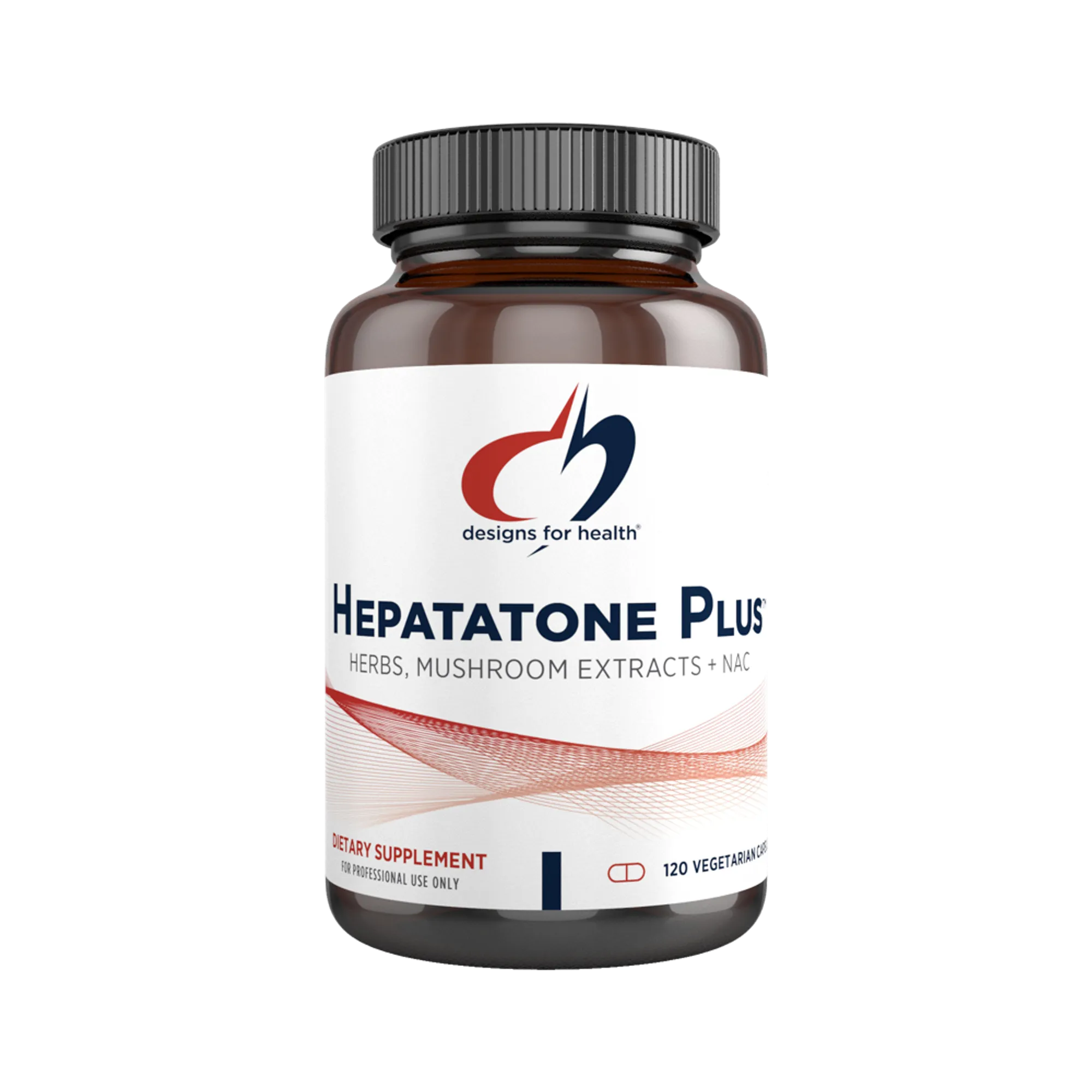
Can Hepatatone Plus™ Support Liver Detoxification and Energy in Long COVID and ME/CFS?
March 6, 2026
Hepatatone PlusLiver HealthDetoxification
Share:
Disclaimer: The information provided here is for educational purposes only and is not intended as medical advice. It should not be used to diagnose, treat, cure, or prevent any medical condition. Instead, use it as a starting point for discussion with your healthcare provider. Always consult with a qualified healthcare provider before starting any new medication, supplement, device, or making changes to your health regimen.
Living with complex chronic conditions like Long COVID, myalgic encephalomyelitis/chronic fatigue syndrome (ME/CFS), and dysautonomia often feels like navigating a labyrinth with no clear exit. You may find yourself battling debilitating symptoms such as profound fatigue, severe brain fog, unpredictable post-exertional malaise (PEM), and heightened chemical sensitivities. These invisible symptoms are not merely the result of being "tired"; they are rooted in profound physiological disruptions at the cellular level. When the body's metabolic engine—the liver—becomes overwhelmed by the persistent oxidative stress and systemic inflammation triggered by viral infections, the entire system begins to falter. Patients are frequently left searching for validating, science-backed strategies to support their body's overwhelmed detoxification pathways and restore cellular resilience.
In the pursuit of managing these complex conditions, integrative approaches that target the root causes of cellular dysfunction have gained significant traction. Hepatatone Plus™ by Designs for Health is a comprehensive, synergistic blend of hepatosupportive nutrients and standardized botanical extracts designed to support healthy liver function, promote antioxidant protection, and maintain a balanced inflammatory response. By combining the glutathione-boosting power of N-acetyl-cysteine (NAC) with the regenerative properties of milk thistle and the immune-modulating effects of adaptogenic mushrooms like Reishi and Cordyceps, this formulation offers a multi-faceted approach to cellular health. In this comprehensive guide, we will explore the intricate biochemical mechanisms behind Hepatatone Plus™, its relevance to the pathophysiology of Long COVID and ME/CFS, and how it may help support your journey toward improved quality of life.
TL;DR
Hepatatone Plus™ combines NAC, milk thistle, and mushrooms to support liver detoxification and cellular health.
The formula may help manage oxidative stress and mitochondrial dysfunction common in Long COVID and ME/CFS.
Standardized botanical extracts ensure consistent delivery of antioxidants to support immune balance and energy production.
Always consult your healthcare provider to optimize dosage and avoid potential medication interactions.
What is Hepatatone Plus™?
The Liver's Critical Role in Systemic Detoxification
To understand the profound impact of Hepatatone Plus™, we must first examine the natural function of the liver, the body's primary metabolic and detoxification engine. In a healthy body, the liver acts as a sophisticated filtration system, processing everything from dietary nutrients and metabolic byproducts to environmental toxins and pharmaceutical drugs. This intricate detoxification process is primarily divided into two main phases: Phase I and Phase II. During Phase I detoxification, a family of enzymes known as cytochrome P450 oxidizes, reduces, or hydrolyzes fat-soluble toxins. This initial step often creates highly reactive intermediate compounds—sometimes even more toxic than the original substance—that generate significant amounts of reactive oxygen species (ROS), commonly known as free radicals. If these free radicals are not swiftly neutralized, they can cause severe oxidative damage to cellular membranes, proteins, and DNA.
Following this initial processing, the Phase II detoxification pathways must immediately step in to neutralize these reactive intermediates. Phase II involves various conjugation processes, including sulfation, glucuronidation, and, most importantly, glutathione conjugation. During this phase, the liver attaches a water-soluble molecule—such as the master antioxidant glutathione—to the reactive toxin, rendering it harmless and highly water-soluble. Once neutralized, the body can safely excrete these compounds through bile or urine. This delicate balance between Phase I activation and Phase II conjugation is essential for maintaining cellular health. When the liver is burdened by chronic inflammation, viral infections, or severe oxidative stress, this balance is disrupted, leading to a dangerous accumulation of toxins and free radicals that can trigger systemic dysfunction and exacerbate the symptoms of complex chronic illnesses.
A Synergistic Botanical and Nutritional Approach
Hepatatone Plus™ is meticulously formulated to support both the structural integrity of the liver and the efficiency of these critical detoxification pathways. Unlike single-ingredient supplements, this synergistic blend addresses multiple facets of liver health simultaneously. At its core, the formula features 600 mg of N-acetyl-cysteine (NAC), a highly bioavailable precursor to glutathione that directly fuels the Phase II conjugation process and provides potent intracellular antioxidant defense. This foundational nutrient is paired with 500 mg of Milk Thistle extract, standardized to contain 80% silymarin, a complex of flavonolignans renowned for their ability to stabilize hepatocyte (liver cell) membranes and stimulate cellular regeneration. By combining the raw materials needed for antioxidant production with compounds that protect the liver's structural architecture, Hepatatone Plus™ offers a comprehensive foundation for metabolic resilience.
Beyond these core components, the formulation incorporates a potent array of adaptogenic mushrooms and botanical detoxifiers. It includes 500 mg each of Reishi and Cordyceps mushroom extracts, which are deeply respected in integrative medicine for their profound immune-modulating properties and ability to support a balanced inflammatory response. Furthermore, the inclusion of Chinese Skullcap (standardized to 30% flavones), Schisandra extract, and Burdock root extract provides a robust secondary layer of hepatoprotection. These botanicals have been shown in pharmacological studies to upregulate endogenous antioxidant enzymes, enhance lipid metabolism, and facilitate the clearance of heavy metals and metabolic waste. Together, these ingredients create a multi-targeted approach to supporting the liver's demanding workload.
The Importance of Standardized Extracts
A critical distinguishing feature of Hepatatone Plus™ is its reliance on standardized herbal extracts. In botanical medicine, the concentration of active compounds within a plant can vary wildly depending on soil quality, climate, harvesting methods, and processing techniques. Standardization is a rigorous quality control process that ensures every batch of the supplement contains a guaranteed, specific percentage of the plant's bioactive molecules. For example, the Milk Thistle in this formula is standardized to 80% silymarin, ensuring that patients receive a clinically relevant dose of the specific flavonolignans responsible for hepatoprotection. Similarly, the Chinese Skullcap is standardized to 30% flavones, guaranteeing the presence of potent anti-inflammatory compounds like baicalin.
For patients managing complex chronic conditions, this consistency is paramount. When dealing with unpredictable symptoms and sensitive neuroimmune systems, relying on unstandardized supplements can introduce unnecessary variables and fluctuating efficacy. Standardized extracts provide healthcare practitioners and patients with the confidence that they are utilizing a potent, reliable tool for supporting liver function and detoxification. This precision allows for more accurate dosing and a more predictable physiological response, which is essential when attempting to stabilize the volatile metabolic environment characteristic of conditions like Long COVID and ME/CFS. You can explore more about how specific nutrients support these pathways in our guide on how Lipotropic Nutrients Support Liver Detoxification.
How Long COVID and ME/CFS Impact Liver Function and Detoxification
The Vicious Cycle of Oxidative Stress and Mitochondrial Dysfunction
To fully appreciate the relevance of liver support in chronic illness, we must delve into the pathophysiology of conditions like Long COVID, myalgic encephalomyelitis/chronic fatigue syndrome (ME/CFS), and mast cell activation syndrome (MCAS). A central, unifying mechanism driving the debilitating symptoms of these conditions is severe, unremitting oxidative stress. When the body encounters a viral pathogen like SARS-CoV-2 or the Epstein-Barr Virus (EBV), it triggers a massive, systemic immune response. While this is necessary to clear the acute infection, in many patients, the immune system fails to return to a state of homeostasis. This persistent immune activation leads to the continuous overproduction of reactive oxygen species (ROS) and pro-inflammatory cytokines, creating a highly toxic cellular environment.
This relentless oxidative stress wreaks havoc on the mitochondria, the microscopic powerhouses responsible for generating adenosine triphosphate (ATP), the energy currency of the cell. As ROS damage the delicate mitochondrial membranes and disrupt the electron transport chain, the mitochondria lose their ability to efficiently produce ATP. Instead, they begin to leak even more free radicals into the cell, creating a vicious, self-perpetuating cycle of energetic failure and cellular damage. This profound mitochondrial dysfunction forces the body to rely on less efficient, anaerobic energy pathways, which rapidly generate lactic acid and metabolic waste. This fundamental breakdown in cellular bioenergetics is the primary driver of the profound, crushing fatigue and the hallmark symptom of post-exertional malaise (PEM)—where even minor physical or cognitive exertion triggers a severe exacerbation of symptoms and a prolonged "crash."
Glutathione Depletion and Hepatic Strain
As the body desperately attempts to neutralize this massive influx of free radicals, it rapidly consumes its endogenous antioxidant reserves, particularly glutathione. Because the liver is the primary site of glutathione synthesis and the central hub for neutralizing metabolic waste, it bears the brunt of this oxidative burden. In patients with Long COVID and ME/CFS, the sheer volume of ROS generation completely overwhelms the liver's antioxidant capacity. This state of severe glutathione depletion leaves the liver vulnerable to structural damage and impairs its ability to efficiently execute Phase II detoxification pathways. Consequently, metabolic byproducts, environmental toxins, and inflammatory mediators begin to accumulate in the bloodstream, further fueling systemic inflammation and tissue damage.
This hepatic strain is often reflected in altered metabolic biomarkers. Research has shown that patients with ME/CFS and Long COVID frequently exhibit altered ratios of liver enzymes, such as aspartate aminotransferase (AST) and alanine aminotransferase (ALT). While these elevations may not always indicate acute liver failure, they are powerful indicators of systemic mitochondrial distress and impaired hepatic lipid metabolism. Furthermore, the liver's inability to efficiently process lipids and maintain cellular membrane integrity (often linked to phosphatidylcholine deficiency) exacerbates the formation of microclots and endothelial dysfunction, further impairing oxygen delivery to starving tissues. You can learn more about the importance of these pathways in our article on how Reduced Glutathione Supports Detoxification.
Neuroinflammation and Autonomic Dysregulation
The consequences of liver dysfunction and systemic oxidative stress do not remain confined to the periphery; they have a profound impact on the central nervous system. When the liver cannot adequately clear circulating ROS and pro-inflammatory cytokines (such as Interleukin-6 and Tumor Necrosis Factor-alpha), these destructive molecules cross the blood-brain barrier. Once inside the brain, they activate microglial cells, triggering a state of chronic neuroinflammation. This neuroinflammatory state disrupts the delicate balance of neurotransmitters, particularly glutamate, leading to the severe cognitive dysfunction, memory impairment, and "brain fog" that plague so many patients.
Moreover, this systemic inflammation and oxidative stress directly impact the autonomic nervous system, which controls involuntary bodily functions like heart rate, blood pressure, and digestion. The disruption of the cholinergic anti-inflammatory pathway and the sympathetic nervous system frequently leads to dysautonomia and conditions like Postural Orthostatic Tachycardia Syndrome (POTS). The liver's inability to efficiently clear histamine and other mast cell mediators also exacerbates MCAS, creating a cascading effect of allergic-like reactions and systemic instability. By understanding this interconnected web of dysfunction, it becomes clear that supporting the liver's detoxification capacity is not merely an adjunctive therapy, but a foundational strategy for addressing the root mechanisms of complex chronic illness.
Hepatatone Plus™: Supporting Detoxification and Cellular Health
NAC and the Synthesis of the Master Antioxidant
The formulation of Hepatatone Plus™ provides a sophisticated, multi-targeted approach to restoring the disrupted pathways seen in chronic illness. The cornerstone of this intervention is N-acetyl-cysteine (NAC). While the ultimate goal is to elevate intracellular levels of glutathione, supplementing with pure glutathione orally is often inefficient, as it is rapidly degraded by stomach enzymes and largely consumed by the liver during first-pass metabolism. NAC, however, is a highly stable prodrug that easily survives the digestive tract and crosses cellular membranes. Once inside the cell, NAC delivers a highly bioavailable form of cysteine, which is the rate-limiting amino acid required for the de novo synthesis of glutathione. By providing this crucial building block, NAC empowers the cells—particularly in the liver and the brain—to manufacture their own glutathione exactly where it is most needed to combat oxidative stress.
Beyond its role as a glutathione precursor, NAC exerts potent, direct antioxidant and anti-inflammatory effects. It actively scavenges highly reactive hydroxyl radicals and modulates the inflammatory cascade by inhibiting the activation of nuclear factor-kappa B (NF-κB), a primary transcription factor that drives the expression of pro-inflammatory cytokines. In the context of ME/CFS and Long COVID, where brain glutathione depletion has been documented via advanced neuroimaging, NAC's ability to cross the blood-brain barrier is particularly vital. By restoring cortical glutathione levels, NAC helps to quell neuroinflammation, regulate glutamate excitotoxicity, and alleviate the cognitive dysfunction and brain fog that severely impact daily functioning. For a deeper dive into this mechanism, see our guide on how NAC Supports Detoxification and Respiratory Health.
Silymarin and Hepatocyte Regeneration
Working in tandem with NAC is silymarin, the potent complex of flavonolignans extracted from Milk Thistle. While NAC provides the raw materials for detoxification, silymarin acts as a structural guardian for the liver. At the molecular level, silymarin binds to the outer cell membrane of hepatocytes, altering their structure to help shield the cell from toxic chemicals and inflammatory mediators. This "antitoxin" effect is crucial for shielding the liver from the continuous barrage of metabolic waste generated during chronic illness. Furthermore, silymarin directly neutralizes low-molecular-weight free radicals, helping to protect against lipid peroxidation—a destructive process that degrades the delicate lipid membranes of cells and mitochondria.
Perhaps most remarkably, silymarin actively stimulates the regeneration of damaged liver tissue. It achieves this by entering the nucleus of the hepatocyte and activating RNA polymerase I, an enzyme responsible for synthesizing ribosomal RNA. This upregulation leads to a significant increase in structural and functional protein synthesis, accelerating the repair of damaged cellular architecture. Additionally, silymarin exhibits potent properties by inhibiting the conversion of hepatic stellate cells into myofibroblasts, thereby disrupting the pathways that lay down scar tissue in the liver. By promoting regeneration and supporting healthy tissue structure, silymarin helps restore the liver's metabolic capacity, allowing it to more efficiently process toxins and manage systemic inflammation. You can explore this further in our article on how Silymarin Supports Liver Health.
Immune Modulation via Adaptogenic Mushrooms
The inclusion of Reishi (Ganoderma lucidum) and Cordyceps (Cordyceps sinensis) elevates Hepatatone Plus™ from a simple detox formula to a profound immunomodulatory tool. In conditions like Long COVID and ME/CFS, the immune system is often caught in a state of dysregulated hyper-reactivity. Reishi mushroom is renowned for its rich profile of polysaccharides (beta-glucans) and triterpenoids, which act as sophisticated biological response modifiers. Reishi helps to balance the T-helper cell response, downregulating the overactive Th2 pathways that drive allergic and autoimmune-like reactions (often seen in MCAS), while supporting the Th1 pathways necessary for clearing lingering viral fragments. Its triterpenoids also provide exceptional hepatoprotection, shielding the liver from chemical injury and helping to maintain endogenous antioxidants like superoxide dismutase (SOD).
Cordyceps complements Reishi by directly targeting the profound energetic deficits characteristic of ME/CFS. Cordyceps contains unique nucleosides, such as cordycepin and adenosine, which have been shown to stimulate mitochondrial ATP production and improve cellular oxygen utilization. By enhancing the efficiency of the electron transport chain, Cordyceps helps to mitigate the severe fatigue and PEM that patients experience. Furthermore, research indicates that Cordyceps exerts potent anti-inflammatory effects in the liver, specifically lowering levels of IL-6 and TNF-α, and supporting liver health in the context of metabolic-associated fatty liver disease (MAFLD), which can develop secondary to chronic metabolic strain.
Botanical Detoxifiers: Skullcap, Schisandra, and Burdock
The final layer of support in Hepatatone Plus™ comes from a triad of powerful botanical extracts. Chinese Skullcap is rich in baicalin, a flavonoid that profoundly impacts liver inflammation. Baicalin directly suppresses the Toll-like receptor 4 (TLR4) signaling pathway, effectively shutting down the NF-κB inflammatory loops that drive systemic symptoms. It also activates hepatic PPAR-γ receptors, enhancing fatty acid oxidation and reducing the accumulation of toxic lipids in the liver. This lipid-regulating effect is crucial for patients experiencing metabolic dysfunction secondary to severe chronic illness.
Schisandra extract provides exceptional support for liver regeneration and enzyme regulation. Its bioactive lignans have been shown in massive systematic reviews to significantly reduce elevated levels of liver enzymes like ALT and AST, which are key markers of cellular damage. Schisandra also boosts the biosynthesis of hepatic glycogen and serum proteins, providing the necessary energy reserves for tissue repair. Finally, Burdock root acts as a systemic detoxifier, utilizing its high concentration of polyphenols to facilitate the clearance of heavy metals and environmental toxins. It activates the Akt/GSK-3β signaling pathway, which suppresses oxidative injury and enhances the liver's ability to filter the blood, ensuring that metabolic waste is efficiently neutralized and excreted.

Symptoms Hepatatone Plus™ May Help Manage
Targeting Systemic Dysfunction
By addressing the root causes of oxidative stress, mitochondrial dysfunction, and impaired detoxification, the synergistic ingredients in Hepatatone Plus™ may help manage a wide array of debilitating symptoms associated with complex chronic illnesses. While individual responses will vary, the biochemical mechanisms of this formula target the following key areas:
Severe Fatigue and Brain Fog: By delivering NAC to boost intracellular glutathione levels and clear neuroinflammation, alongside the ATP-enhancing properties of Cordyceps, this formula helps restore cellular energy production and cognitive clarity, combating the profound exhaustion that characterizes ME/CFS and Long COVID.
Post-Exertional Malaise (PEM): PEM is driven by an inability to manage exercise-induced oxidative stress. The potent antioxidant combination of NAC, silymarin, and adaptogenic mushrooms helps neutralize the massive influx of free radicals generated during exertion, potentially mitigating the severity and duration of post-exertional crashes.
Chemical Sensitivities and Toxin Overload: Patients with MCAS and chronic illness often experience heightened sensitivities to environmental toxins and medications. By upregulating Phase II detoxification pathways and providing hepatoprotective botanicals like Burdock root and Schisandra, the liver can more efficiently clear these triggers from the bloodstream, reducing systemic reactivity.
Immune Dysregulation and Systemic Inflammation: The persistent overproduction of pro-inflammatory cytokines drives many systemic symptoms. The immune-modulating beta-glucans in Reishi and the TLR4-suppressing baicalin in Chinese Skullcap help to dampen this overactive immune response, promoting a more balanced and regulated inflammatory state.
Metabolic Strain and Elevated Liver Enzymes: Chronic viral infections and metabolic dysfunction place immense strain on the liver, often resulting in elevated AST and ALT levels. Silymarin and Schisandra directly support hepatocyte regeneration, stabilize cell membranes, and improve lipid metabolism, helping to restore structural integrity and functional capacity to the liver.
It is important to recognize that these symptoms are deeply interconnected. By supporting the liver's ability to manage oxidative stress and clear inflammatory mediators, Hepatatone Plus™ helps to break the vicious cycle of multi-system breakdown, providing a foundational layer of support for overall physiological resilience. For additional strategies on managing these interconnected symptoms, consider exploring how Calcium-D-Glucarate Supports Detoxification.
Practical Considerations: Forms, Dosing, and Absorption
Optimizing Absorption and Bioavailability
When incorporating a complex botanical and nutritional formula like Hepatatone Plus™ into your management protocol, understanding bioavailability and optimal absorption strategies is crucial for maximizing its clinical efficacy. Bioavailability refers to the proportion of the active ingredients that successfully enter systemic circulation and reach the target tissues. The standardized extracts in this formula are specifically chosen to enhance this process. For instance, the silymarin in Milk Thistle is a lipophilic (fat-soluble) compound, meaning its absorption in the gastrointestinal tract can be relatively poor when taken on an empty stomach. To optimize the absorption of the flavonolignans, it is generally recommended to take this supplement alongside a meal that contains healthy fats, such as avocado, olive oil, or nuts, which facilitates its transport across the intestinal lining.
Conversely, NAC is a highly stable, water-soluble compound that easily survives the acidic environment of the stomach. It is rapidly absorbed in the small intestine and undergoes significant first-pass metabolism in the liver, where much of it is immediately utilized to synthesize glutathione. The remaining NAC enters the bloodstream to exert its systemic antioxidant effects. Because the formula contains a blend of both water-soluble and fat-soluble components, taking it with a balanced meal ensures that all the synergistic ingredients are optimally absorbed and utilized by the body. Furthermore, the inclusion of adaptogenic mushrooms like Reishi and Cordyceps provides complex polysaccharides that are generally well-tolerated and readily absorbed by the gut-associated lymphoid tissue (GALT), where they begin their immune-modulating work.
Dosage and Timing Strategies
The suggested use for Hepatatone Plus™ is typically 4 capsules per day, or as directed by your healthcare practitioner. Because managing chronic oxidative stress requires a consistent supply of antioxidants, many practitioners recommend splitting the dosage throughout the day rather than taking all four capsules at once. For example, taking two capsules in the morning with breakfast and two capsules in the evening with dinner can help maintain steady blood levels of glutathione precursors and hepatoprotective botanicals. This continuous coverage is particularly important for patients with ME/CFS and Long COVID, whose bodies are constantly generating high levels of reactive oxygen species.
When initiating any new supplement, especially one containing potent detoxifiers and immune modulators, it is wise to adopt a "start low and go slow" approach. Patients with severe neuroimmune conditions or MCAS may have highly sensitive systems that react unpredictably to new interventions. Beginning with just one capsule per day and gradually titrating up to the full dose over several weeks allows the body to adjust to the increased detoxification capacity and minimizes the risk of a "Herxheimer reaction"—a temporary exacerbation of symptoms caused by the rapid clearance of toxins and metabolic waste. Always listen to your body and adjust the pacing of your dosage in consultation with your medical team.
Potential Interactions and Safety Considerations
While the ingredients in Hepatatone Plus™ are generally recognized as safe and well-tolerated, their profound impact on liver function means they can interact with certain medications. Because the liver's cytochrome P450 enzyme system processes many pharmaceutical drugs, botanical extracts like Milk Thistle and Schisandra can alter the speed at which these drugs are metabolized. For instance, silymarin may inhibit specific CYP450 enzymes (such as CYP2C9), potentially increasing the blood plasma levels of medications like blood thinners (warfarin), anti-anxiety medications (diazepam), or certain immunosuppressants. It is imperative to discuss these potential interactions with your prescribing physician to ensure that your medication dosages remain safe and effective.
Additionally, because NAC can have a mild blood-thinning effect by inhibiting platelet aggregation, patients with bleeding disorders or those scheduled for surgery should exercise caution. The immune-modulating effects of Reishi and Cordyceps, while beneficial for balancing inflammation, should also be carefully monitored in patients with active autoimmune diseases or those taking immunosuppressive therapies. Pregnant or nursing women should avoid complex botanical formulas unless explicitly directed by their obstetrician. By approaching supplementation with careful consideration and professional guidance, you can safely harness the power of these hepatosupportive nutrients to aid in your recovery.
Follow the Science
Clinical Evidence on Oxidative Stress in Chronic Illness
The scientific understanding of Long COVID and ME/CFS has advanced rapidly, moving away from psychological models and firmly establishing these conditions as objective, quantifiable metabolic and neuroimmune diseases. A landmark 2025 study published in PNAS by researchers at Stanford University provided crucial insights into the shared pathophysiology of these illnesses. The researchers analyzed the bioenergetics of peripheral blood immune cells and confirmed that severe oxidative stress is a primary molecular signature driving debilitating fatigue and PEM. They discovered that due to mitochondrial damage, the immune cells of patients consume excess host energy, directly contributing to systemic exhaustion. Crucially, the study revealed a "glutathione paradox"—blood levels of glutathione were actually elevated in patients as the body desperately attempted to compensate for the massive oxidative stress, yet this response was insufficient to protect against cellular damage. When researchers treated the patients' cells in vitro with ROS-modulating drugs like NAC, they successfully reduced the hyperproliferation of damaged T-cells, highlighting the therapeutic potential of targeted antioxidant support.
Further supporting the role of targeted antioxidant therapy, pioneering research by Dr. Dikoma Shungu at Cornell University utilized advanced proton magnetic resonance spectroscopy (1H MRS) to map antioxidants in the brains of ME/CFS patients. His team discovered a staggering 36% deficit of cortical glutathione compared to healthy controls, directly linking this depletion to severe neuroinflammation and cognitive dysfunction. In subsequent clinical trials, supplementing ME/CFS patients with oral NAC successfully crossed the blood-brain barrier, significantly elevated brain glutathione levels, and resulted in a measurable reduction of systemic symptoms. These findings underscore the critical importance of providing the body with the bioavailable precursors necessary to restore its master antioxidant defenses.
Botanical Efficacy in Liver Health and Regeneration
The hepatoprotective botanicals in Hepatatone Plus™ are supported by a robust body of pharmacological and clinical research. Silymarin has been extensively studied for its ability to manage metabolic liver diseases. Clinical trials involving patients with Non-Alcoholic Steatohepatitis (NASH) have demonstrated that supplementation with silymarin may lead to substantial reductions in liver enzymes (ALT and AST) and significant improvements in liver fibrosis scores, suggesting it can slow disease progression and promote tissue regeneration. Its ability to upregulate endogenous antioxidants like superoxide dismutase while stabilizing hepatocyte membranes makes it a foundational tool in integrative hepatology.
Similarly, the efficacy of Schisandra in protecting the liver from chemical and metabolic injury has been validated by modern meta-analyses. A massive 2025 systematic review of 54 preclinical studies confirmed that Schisandra's bioactive lignans significantly reduce markers of liver damage and profoundly attenuate liver necrosis and inflammatory cell infiltration. Furthermore, the immune-modulating and hepatoprotective properties of Reishi and Cordyceps are well-documented in the NIH's LiverTox database and numerous integrative oncology studies, which highlight their ability to balance Th1/Th2 cytokine responses and protect the liver from severe oxidative injury. Together, this convergence of modern clinical data and traditional botanical wisdom provides a compelling scientific rationale for the use of synergistic liver support in the management of complex chronic illness.
The Path Forward
A Comprehensive Approach to Cellular Healing
Living with the unpredictable and debilitating symptoms of Long COVID, ME/CFS, and dysautonomia is an immense challenge that requires profound resilience. It is entirely valid to feel frustrated by the lack of simple answers and the profound impact these conditions have on your daily life. The emerging scientific consensus confirming the roles of oxidative stress, mitochondrial dysfunction, and liver strain in these illnesses provides not only validation but also a clear roadmap for targeted intervention. By understanding that your symptoms are rooted in objective, physiological disruptions at the cellular level, you can begin to implement strategies that support your body's innate capacity for repair and regeneration.
Hepatatone Plus™ offers a sophisticated, science-backed approach to addressing these core mechanisms. By delivering the crucial building blocks for glutathione synthesis, protecting the structural integrity of the liver, and modulating the systemic inflammatory response, this synergistic blend provides comprehensive support for your body's overwhelmed detoxification pathways. However, it is essential to remember that supplements are just one piece of a holistic management puzzle. True healing requires a comprehensive strategy that includes aggressive pacing to manage PEM, meticulous symptom tracking, nervous system regulation, and ongoing collaboration with a knowledgeable medical team. By combining targeted nutritional support with compassionate, comprehensive care, you can take meaningful steps toward restoring your cellular health and improving your quality of life.
Next Steps
If you are struggling with severe fatigue, brain fog, chemical sensitivities, or signs of metabolic strain, supporting your liver's detoxification capacity may be a vital component of your recovery journey. We encourage you to discuss Hepatatone Plus™ with your healthcare provider to determine if its unique blend of NAC, silymarin, and adaptogenic botanicals aligns with your specific clinical needs and current medication regimen.