Can Green Tea Phytosome Support Metabolic Health and Liver Function in Long COVID?
March 6, 2026
Green Tea PhytosomeEGCGLong COVID
Share:
Disclaimer: The information provided here is for educational purposes only and is not intended as medical advice. It should not be used to diagnose, treat, cure, or prevent any medical condition. Instead, use it as a starting point for discussion with your healthcare provider. Always consult with a qualified healthcare provider before starting any new medication, supplement, device, or making changes to your health regimen.
Months or even years after recovering from the initial SARS-CoV-2 infection, many people still fight debilitating symptoms with what we call Long COVID. The same is true for those battling myalgic encephalomyelitis/chronic fatigue syndrome (ME/CFS) and other complex chronic conditions. But what is it that allows some people to recover within a couple of weeks while others suffer from long-term symptoms like severe fatigue, brain fog, and metabolic dysfunction? Emerging research points toward a vicious cycle of persistent oxidative stress, mitochondrial damage, and chronic inflammation that essentially traps the body in a state of cellular exhaustion.
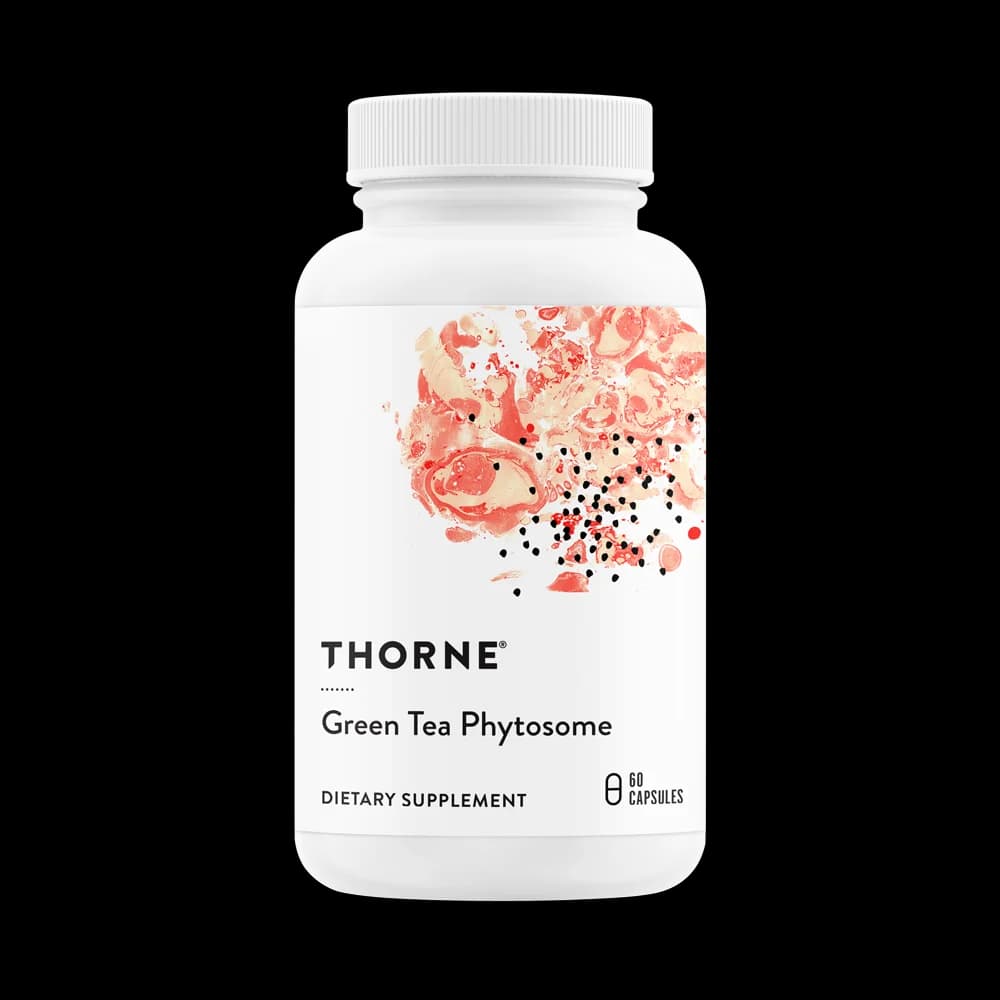
In the search for validating, science-backed solutions, researchers and clinicians are increasingly looking at powerful natural compounds that can interrupt these destructive pathways. One of the most promising candidates is Epigallocatechin gallate (EGCG), the primary active polyphenol found in green tea. However, standard green tea extracts are notoriously difficult for the body to absorb. Enter Green Tea Phytosome, a revolutionary formulation that binds these powerful antioxidants to dietary phospholipids, drastically enhancing their bioavailability. This allows patients to reap the profound liver-protective, antioxidant, and metabolic benefits of green tea without the stimulating, crash-inducing effects of caffeine.
TL;DR
Green Tea Phytosome binds EGCG to phospholipids, which may help improve absorption compared to standard extracts.
EGCG supports the body's antioxidant defenses and may help manage oxidative stress in chronic conditions.
Decaffeinated formulations offer metabolic and liver support without triggering nervous system overstimulation or crashes.
What is Green Tea Phytosome?
The Power of Epigallocatechin Gallate (EGCG)
Green tea, derived from the leaves of the Camellia sinensis plant, has been utilized for centuries in traditional medicine for its profound health-promoting properties. The primary active compounds responsible for these benefits are a class of polyphenols known as catechins. Among these, Epigallocatechin gallate (EGCG) is the most abundant and biologically potent. In a healthy body, EGCG functions as a master antioxidant and epigenetic modulator. It does not merely act as a passive shield against free radicals; rather, it actively interacts with cellular signaling pathways to upregulate the body's innate defense mechanisms. By binding to specific protein receptors, EGCG can influence gene expression, particularly those genes responsible for cellular detoxification, inflammatory regulation, and metabolic efficiency.
At the molecular level, EGCG is renowned for its hepatoprotective (liver-protecting) capabilities. The liver is the body's primary detoxification organ, constantly filtering out toxins, metabolic waste, and inflammatory byproducts. To perform this monumental task, the liver relies heavily on glutathione, a tripeptide molecule often referred to as the body's "master antioxidant." EGCG has been shown to not only preserve existing glutathione levels by neutralizing reactive oxygen species (ROS) but also to actively stimulate the de novo synthesis of new glutathione molecules. This ensures that the liver maintains a robust defense system, capable of handling the continuous oxidative burden placed upon it by daily metabolic processes and environmental exposures.
The Phytosome Advantage: Phospholipid Delivery
Despite its incredible therapeutic potential, standard EGCG suffers from a major pharmacological flaw: exceptionally poor oral bioavailability. Because EGCG is a highly polar, water-soluble molecule with a relatively large molecular size, it struggles to pass through the lipid-rich biological membranes of the human intestinal tract. When you consume standard green tea or a basic extract, the vast majority of the EGCG is degraded by stomach acid or simply excreted. This poor absorption has historically limited the clinical utility of green tea extracts, requiring patients to consume massive, potentially irritating doses to achieve any systemic effect.
To overcome this biological hurdle, researchers developed Phytosome technology. A phytosome is created by chemically binding the standardized botanical extract (in this case, decaffeinated green tea polyphenols) to dietary phospholipids, primarily phosphatidylcholine sourced from sunflower or soy lecithin. Phosphatidylcholine is amphipathic, meaning it possesses both a water-soluble head and a fat-soluble tail, and it is a primary structural component of human cell membranes. In a Green Tea Phytosome complex, the phospholipid molecules envelop the water-soluble EGCG, creating a lipid-compatible hybrid molecule. When this complex enters the digestive tract, the phospholipid acts as a "Trojan horse," ushering the EGCG smoothly across the lipid-rich enterocyte membranes of the intestinal wall and directly into the bloodstream.
A Caffeine-Free Approach to Metabolic Health
Beyond its antioxidant properties, green tea is widely celebrated for its thermogenic and metabolic benefits. Standard green tea extracts can increase natural energy expenditure and fat oxidation, essentially helping the body burn calories more efficiently. However, in traditional extracts, a significant portion of this thermogenic effect is driven by caffeine, a central nervous system stimulant. For individuals living with complex chronic illnesses like dysautonomia, postural orthostatic tachycardia syndrome (POTS), or ME/CFS, caffeine can be highly detrimental. It can trigger tachycardia, exacerbate anxiety, disrupt fragile sleep cycles, and lead to severe post-exertional crashes by artificially pushing the body beyond its energy envelope.
Green Tea Phytosome (specifically the patented ingredient Greenselect® Phytosome) offers a critical solution to this problem. The extract utilized in this formulation is strictly standardized to be decaffeinated, containing less than 0.1% caffeine. This allows the EGCG to exert its metabolic benefits—such as enhancing fat oxidation and improving insulin sensitivity—entirely independent of central nervous system stimulation. Patients can support their metabolic health, encourage healthy weight management, and protect their liver function without risking the jitteriness, heart palpitations, or energy crashes associated with caffeinated supplements. This makes it an ideal metabolic support tool for those with highly sensitive nervous systems.
How Chronic Illness Impacts Oxidative Stress and Liver Function
The Vicious Cycle of Oxidative Stress in Long COVID and ME/CFS
To understand why Green Tea Phytosome is so relevant to chronic illness, we must first examine What Causes Long COVID? and how these conditions dismantle cellular health. Conditions like Long COVID, ME/CFS, and mast cell activation syndrome (MCAS) are increasingly recognized as systemic disorders driven by persistent immune dysregulation and severe oxidative stress. Oxidative stress occurs when there is a dangerous imbalance between the production of free radicals (reactive oxygen and nitrogen species) and the body's ability to neutralize them with antioxidants. In the context of a post-viral syndrome, the initial viral infection triggers an explosive immune response, flooding the body with pro-inflammatory cytokines and free radicals designed to destroy the pathogen.
However, in patients who develop Long COVID or ME/CFS, this inflammatory fire is never fully extinguished. Recent research highlights that both Long COVID and ME/CFS are associated with elevated oxidative stress and mitochondrial damage in lymphocytes, which contribute directly to debilitating fatigue. The persistent free radicals begin to attack the body's own tissues, causing lipid peroxidation—a process where free radicals steal electrons from the lipids in cell membranes, leading to cellular damage and death. This ongoing oxidative damage creates a vicious cycle: inflammation generates oxidative stress, and the resulting tissue damage triggers further inflammation, locking the patient in a state of chronic systemic distress.
Glutathione Depletion and Hepatic Burden
As the body desperately tries to quench this systemic oxidative fire, it rapidly burns through its endogenous antioxidant reserves, most notably glutathione. Glutathione is heavily concentrated in the liver, where it plays an indispensable role in neutralizing reactive oxygen species, detoxifying heavy metals, and processing metabolic waste. When a patient is suffering from chronic neuroinflammation and systemic oxidative stress, the liver is forced into overdrive. It must constantly deploy glutathione to mitigate the damage, leading to a profound depletion of this critical molecule. Studies have shown that lowered glutathione levels in the plasma and brain cortex are a hallmark of ME/CFS, leaving the body vulnerable to further cellular injury.
When hepatic glutathione is depleted, the liver's ability to detoxify the blood and manage inflammation is severely compromised. This hepatic burden can manifest in a variety of ways, including chemical sensitivities, worsened MCAS flares, sluggish metabolism, and a general feeling of toxic overload. Furthermore, the depletion of glutathione impairs the function of other antioxidant enzymes, such as glutathione peroxidase and glutathione S-transferase, which rely on glutathione to neutralize lipid peroxides. Without these defenses, the liver itself becomes susceptible to oxidative damage, potentially leading to non-alcoholic fatty liver disease (NAFLD) and further metabolic dysfunction, complicating the clinical picture of What Are the Symptoms of Long COVID?.
Mitochondrial Dysfunction and Metabolic Slowdown
The devastating impact of oxidative stress extends deep into the mitochondria, the powerhouses of our cells responsible for generating adenosine triphosphate (ATP), our primary source of cellular energy. The mitochondrial electron transport chain is highly sensitive to oxidative damage. When free radicals attack the mitochondrial membranes and the enzymes involved in oxidative phosphorylation (OXPHOS), energy production grinds to a halt. This mitochondrial dysfunction is a core driver of the profound, crushing fatigue and post-exertional malaise (PEM) seen in ME/CFS and Long COVID. The cells simply cannot generate enough energy to meet the demands of even basic daily activities.
This cellular energy crisis also triggers a systemic metabolic slowdown. When mitochondria are damaged, they become less efficient at oxidizing fatty acids for fuel. Instead of burning fat for energy, the body may begin to store it, leading to unexplained weight gain and metabolic syndrome, even in patients who are eating a restrictive or low-calorie diet. This metabolic stall is further exacerbated by the chronic inflammatory state, which promotes insulin resistance and alters how the body processes carbohydrates. For patients wondering How Long Does Long COVID Last?, addressing this underlying mitochondrial and metabolic dysfunction is often a critical step in breaking the cycle of chronic illness and reclaiming their quality of life.
Green Tea Phytosome: Supporting Cellular Defense and Metabolism
Activating the Nrf2 Antioxidant Pathway
Green Tea Phytosome offers a multi-targeted approach to dismantling the vicious cycles of oxidative stress and metabolic dysfunction. At the cellular level, the EGCG delivered by the phytosome complex acts as a powerful epigenetic switch, primarily by activating the Keap1/Nrf2 signaling pathway. Under normal conditions, the transcription factor Nrf2 is bound to a repressor protein called Keap1 in the cell cytoplasm, which marks it for degradation. The liberated Nrf2 then translocates into the cell nucleus, where it binds to Antioxidant Response Elements (ARE) on the DNA.
This binding event is profoundly therapeutic. It triggers the massive upregulation and transcription of a vast array of vital cytoprotective and detoxifying enzymes, including Heme Oxygenase-1 (HO-1), Superoxide Dismutase (SOD), and Catalase. By activating the Nrf2 pathway, EGCG essentially "turns on" the body's internal antioxidant factories, providing a systemic defense against the free radicals driving Long COVID and ME/CFS. This is far more effective than simply taking a direct antioxidant (like Vitamin C), because activating Nrf2 creates a sustained, amplified antioxidant response that can continuously neutralize reactive oxygen species and halt the lipid peroxidation that damages mitochondrial membranes.
Stimulating De Novo Glutathione Synthesis
Perhaps the most crucial mechanism of EGCG for chronic illness patients is its ability to directly restore depleted glutathione levels. EGCG does not merely prevent the breakdown of existing glutathione; it actively forces the liver to manufacture more of it. By upregulating GCLc, the rate-limiting enzyme in de novo glutathione synthesis, EGCG ensures that the liver has the raw materials it needs to constantly replenish its glutathione stores, even in the face of severe chronic inflammation.
This restoration of glutathione has cascading benefits throughout the body. With adequate glutathione, the liver can efficiently resume its detoxification duties, clearing out the metabolic waste and inflammatory cytokines that contribute to brain fog and chemical sensitivities. Enzymes that utilize glutathione repair oxidized lipid membranes and halt a dangerous form of cell death known as ferroptosis. By restoring the liver's master antioxidant, Green Tea Phytosome helps to lower the overall systemic inflammatory burden, providing vital support for patients navigating the complexities of How Can You Live with Long-Term COVID.
Enhancing Fat Oxidation and Metabolic Rate
In addition to its profound antioxidant effects, Green Tea Phytosome is a powerful tool for metabolic rehabilitation. The EGCG in the phytosome complex has been clinically shown to enhance fat oxidation and increase resting energy expenditure, essentially helping the body to burn calories more efficiently. It achieves this by inhibiting an enzyme called catechol-O-methyltransferase (COMT), which normally breaks down norepinephrine. By inhibiting COMT, EGCG prolongs the action of norepinephrine, a hormone that signals fat cells to break down stored fat and release it into the bloodstream to be used as cellular fuel by the mitochondria.
Crucially, because Greenselect® Phytosome is decaffeinated, this metabolic enhancement occurs without overstimulating the central nervous system or the adrenal glands. This is a game-changer for patients with dysautonomia or ME/CFS who suffer from metabolic slowdown and unexplained weight gain but cannot tolerate the cardiovascular strain of traditional fat-burning supplements. By gently supporting fat oxidation and improving insulin sensitivity, Green Tea Phytosome helps to restore metabolic flexibility, providing the mitochondria with a steady source of fuel to combat the crushing fatigue associated with post-viral syndromes.

Symptoms Green Tea Phytosome May Help Manage
Targeting Metabolic and Inflammatory Symptoms
Because Green Tea Phytosome acts systemically to reduce oxidative stress, support liver detoxification, and enhance metabolic function, it can help manage a wide array of symptoms associated with chronic, complex illnesses. While it is not a cure, integrating this highly bioavailable polyphenol into a comprehensive treatment plan can significantly improve a patient's quality of life. Here are some of the key symptoms it may help alleviate:
Unexplained Weight Gain and Metabolic Sluggishness: By inhibiting the COMT enzyme and prolonging the action of fat-burning hormones, EGCG enhances fat oxidation and resting energy expenditure, supporting healthy weight management even when exercise capacity is severely limited by post-exertional malaise.
Chemical Sensitivities and Toxic Overload: By stimulating the de novo synthesis of glutathione via the GCLc enzyme, EGCG provides the liver with the critical antioxidant it needs to efficiently process and eliminate environmental toxins, metabolic waste, and inflammatory byproducts, potentially reducing the severity of chemical sensitivities.
Systemic Inflammation and Joint Pain: EGCG is a potent inhibitor of the NF-κB inflammatory signaling pathway. By downregulating the production of pro-inflammatory cytokines like IL-6 and TNF-alpha, it can help soothe systemic inflammation, which often manifests as deep muscle aching and joint pain in Long COVID and ME/CFS patients.
Addressing Fatigue and Cognitive Dysfunction
The neurological and energetic symptoms of post-viral syndromes are often the most debilitating. Green Tea Phytosome's ability to cross biological membranes and protect cellular structures makes it uniquely suited to address these core issues:
Crushing Fatigue and Low Cellular Energy: By activating the Nrf2 antioxidant pathway, EGCG protects the delicate mitochondrial electron transport chain from free radical damage. Preserving mitochondrial integrity allows cells to resume efficient ATP (energy) production, which may help raise the baseline energy envelope and reduce the severity of daily fatigue.
Brain Fog and Cognitive Impairment: Neuroinflammation and oxidative stress in the central nervous system are primary drivers of brain fog. The phospholipid delivery system of the phytosome allows EGCG to more effectively penetrate tissues, where it can scavenge free radicals and reduce the neuroinflammation that impairs memory, focus, and cognitive processing.
Post-Exertional Malaise (PEM) Vulnerability: While pacing remains the primary management tool for PEM, reducing baseline oxidative stress and supporting mitochondrial resilience with EGCG may help the body recover more efficiently from minor physical or cognitive exertions, potentially reducing the duration and severity of crashes.
Practical Considerations: Forms, Dosing, and Absorption
Why the Phytosome Form is Critical for EGCG
When considering green tea supplementation, understanding bioavailability is absolutely paramount. As previously discussed, standard, non-complexed EGCG is highly water-soluble and struggles to cross the lipid-rich membranes of the human gut. If you take a standard green tea extract capsule, the harsh acidic environment of the stomach and the alkaline environment of the intestines will degrade the vast majority of the active catechins before they can ever reach your bloodstream. This is why many patients who try standard green tea supplements for chronic illness notice little to no clinical benefit—the active compounds simply aren't reaching the liver, brain, or mitochondria where they are desperately needed.
This is where Green Tea Phytosome (utilizing the Greenselect® Phytosome ingredient) becomes essential. By complexing the EGCG with phosphatidylcholine (a dietary phospholipid), the supplement essentially mimics the structure of a human cell membrane. This lipid casing protects the EGCG from digestive degradation and acts as a highly efficient transport vehicle across the intestinal wall. For patients with compromised gut health or malabsorption issues—common in ME/CFS and Long COVID—this enhanced delivery system is the difference between a supplement that works and one that is simply excreted.
Optimal Dosing and Timing Strategies
Because the phytosome delivery system is so efficient, therapeutic benefits can be achieved at much lower doses compared to standard extracts, which significantly reduces the risk of gastrointestinal upset. The standard clinical dosage for Green Tea Phytosome (standardized to 250 mg per capsule) is typically one capsule taken two to three times daily, or as recommended by a healthcare practitioner. This divided dosing strategy is important because it helps maintain a steady concentration of EGCG and active antioxidant metabolites in the bloodstream throughout the day, providing continuous protection against oxidative stress and continuous support for hepatic glutathione synthesis.
For optimal absorption, it is generally recommended to take Green Tea Phytosome away from dairy products or calcium-rich meals, as certain minerals can bind to polyphenols and hinder their absorption, even in phytosome form. Taking the supplement with a light meal that contains some healthy fats (like avocado or olive oil) can further synergize with the phospholipid complex to encourage smooth intestinal transport. Because this specific formulation is decaffeinated (containing less than 0.1% caffeine), it can be taken in the late afternoon or evening without disrupting fragile sleep architectures, a crucial consideration for patients managing severe insomnia or dysautonomia.
Safety, Contraindications, and Drug Interactions
Green Tea Phytosome is generally very well tolerated, particularly because the removal of caffeine eliminates the cardiovascular and nervous system side effects associated with traditional green tea extracts. However, there are important safety considerations. EGCG can inhibit certain cytochrome P450 enzymes in the liver, which are responsible for metabolizing various medications. Therefore, it may interact with blood thinners, certain cardiovascular medications, and specific antidepressants. Patients taking prescription medications should always consult their healthcare provider before initiating supplementation to ensure there are no contraindications.
Additionally, while EGCG is profoundly hepatoprotective at clinical doses, massive megadoses of isolated green tea extracts have, in rare cases, been associated with liver toxicity. The phytosome form mitigates this risk by allowing for lower, safer dosing while still achieving high systemic efficacy. This product is contraindicated in individuals with a history of hypersensitivity to any of its ingredients (including sunflower-derived phospholipids). Furthermore, if you are pregnant or nursing, you must consult your healthcare practitioner before using this product, as the safety of high-dose EGCG during pregnancy has not been fully established.

Follow the Science
Clinical Trials on Weight Management and Metabolism
The clinical efficacy of Greenselect® Phytosome is supported by robust, peer-reviewed human trials, particularly in the realms of metabolic health and weight management. A landmark 2009 multi-center clinical trial published in Alternative Medicine Review evaluated 100 obese men and women over a 90-day period. Half of the subjects were placed on a low-calorie diet alone, while the other half received the same diet plus 150 mg of Greenselect Phytosome twice daily. The results were striking: the diet-only group lost an average of 5 kg (11 lbs), while the Green Tea Phytosome group lost an average of 14 kg (approx. 30.8 lbs). Furthermore, both the phytosome group and the diet-only group experienced improvements in their biochemical parameters, including LDL cholesterol and triglycerides.
Because weight regain is a massive challenge following any dietary intervention, researchers cited a
Emerging Research on EGCG in Post-Viral Syndromes
While large-scale human trials specifically isolating EGCG for ME/CFS are still in their infancy, a wealth of preclinical and translational research strongly supports its use in post-viral syndromes. A
More recently, the profound antioxidant properties of EGCG have been applied to Long COVID research. A 2023 observational study evaluated patients with post-COVID conditions taking a nutraceutical combination that included high-yield EGCG alongside vitamins C, D, and zinc. Because EGCG acts as a "zinc ionophore"—meaning it helps transport antiviral zinc directly into the cells—the combination significantly improved post-exertional malaise and sleep quality. Over four months, the patients showed marked reductions in critical Long COVID inflammatory biomarkers, specifically IL-6, hs-CRP, and d-dimer, highlighting EGCG's ability to cool the systemic inflammatory fires that drive post-viral chronicity.
Bioavailability and Tissue Penetration Studies
The foundational science validating the Phytosome delivery system is equally rigorous.
Furthermore, modern research has confirmed that this enhanced absorption translates to deep tissue penetration. This ability to deliver active EGCG directly into the tissues is precisely why Green Tea Phytosome is such a valuable tool for combating the deep-seated mitochondrial and hepatic oxidative stress seen in complex chronic illnesses.
The Path Forward
Integrating Green Tea Phytosome into Your Protocol
Living with a complex chronic condition like Long COVID, ME/CFS, or dysautonomia often feels like an exhausting, uphill battle against your own biology. The crushing fatigue, the unpredictable metabolic shifts, and the persistent brain fog are not just "in your head"—they are the tangible results of profound, systemic oxidative stress and mitochondrial dysfunction. Validating this reality is the first step toward healing. By understanding the biochemical mechanisms driving your symptoms, you can begin to make targeted, science-backed decisions to support your body's innate recovery processes.
Green Tea Phytosome represents a powerful, highly bioavailable tool to help interrupt the vicious cycle of chronic inflammation. By delivering EGCG directly into your bloodstream via phospholipid technology, it bypasses the absorption issues that plague standard supplements. It actively upregulates your Nrf2 antioxidant pathway, stimulates the production of vital hepatic glutathione, and gently supports metabolic fat oxidation—all without the crash-inducing effects of caffeine. While no single supplement is a cure for complex chronic illness, integrating this potent, liver-protective antioxidant into a broader management strategy can provide your cells with the critical defense they need to begin repairing the damage.
A Comprehensive Approach to Healing
It is crucial to remember that supplementation is just one pillar of a comprehensive, multi-disciplinary approach to managing post-viral syndromes. Green Tea Phytosome works best when combined with aggressive pacing strategies to prevent post-exertional malaise, meticulous symptom tracking, dietary modifications to support gut health, and ongoing medical supervision. We encourage you to explore Can Long COVID Trigger ME/CFS? Unraveling the Connection to better understand the interconnected nature of these conditions and how to build a holistic treatment protocol.
Always consult with your primary care physician or a functional medicine specialist before adding any new supplement to your regimen, especially if you are taking prescription medications or have a history of liver issues. They can help you determine the optimal dosage and ensure that Green Tea Phytosome safely complements your unique biochemical needs. By taking a proactive, scientifically grounded approach to your cellular health, you can begin to restore your metabolic resilience and take meaningful steps toward reclaiming your quality of life.