Can Glycine Support Sleep and Neurological Health in Long COVID and ME/CFS?
March 5, 2026
GlycineLong COVIDME/CFS
Share:
Disclaimer: The information provided here is for educational purposes only and is not intended as medical advice. It should not be used to diagnose, treat, cure, or prevent any medical condition. Instead, use it as a starting point for discussion with your healthcare provider. Always consult with a qualified healthcare provider before starting any new medication, supplement, device, or making changes to your health regimen.
Months or even years after an initial viral infection, millions of individuals find themselves trapped in a relentless cycle of debilitating symptoms. If you are living with Long COVID, myalgic encephalomyelitis/chronic fatigue syndrome (ME/CFS), or dysautonomia, you are likely intimately familiar with the profound exhaustion, cognitive dysfunction, and unrefreshing sleep that define these complex chronic conditions. The frustration of waking up just as exhausted as when you went to bed, combined with a nervous system that feels perpetually "wired and tired," can make the path to recovery feel impossibly steep. But what if one of the keys to calming this neurological storm and restoring cellular energy lies in one of the most fundamental building blocks of human biology?
Enter glycine, the simplest amino acid in the human body. Far from being a mere structural component for tissues, glycine acts as a powerful neurotransmitter, a master regulator of sleep architecture, and a critical rate-limiting factor in the body's primary antioxidant defense system. For patients battling the neuroinflammation, severe oxidative stress, and sleep disturbances characteristic of post-viral syndromes, understanding how this humble molecule operates at the cellular level offers a fascinating window into the mechanics of chronic illness. In this comprehensive guide, we will explore the intricate biochemistry of glycine, examine the latest clinical research on its therapeutic potential, and discuss how it may help support sleep, detoxification, and neurological health in the context of Long COVID and ME/CFS.
TL;DR
Glycine is a vital amino acid that supports glutathione production and the body's antioxidant defenses.
It acts as a calming neurotransmitter, helping to regulate the nervous system and improve sleep quality.
Supplementing with GlyNAC may help combat oxidative stress and cellular fatigue in complex chronic conditions.
Always consult your healthcare provider before starting new supplements to ensure they fit your treatment plan.
What is Glycine?
At its core, glycine is classified as a non-essential, proteinogenic amino acid. The term "non-essential" simply means that the human body possesses the enzymatic machinery to synthesize it endogenously (internally) from other compounds, primarily serine, choline, and threonine. Structurally, it is the smallest and simplest of all amino acids, featuring a side chain that consists of just a single hydrogen atom. This incredibly compact, minimalist structure allows glycine to fit into tight spaces within complex protein structures where larger amino acids cannot. Because of this unique physical property, glycine is highly abundant in structural proteins; for instance, it makes up roughly one-third of the amino acid sequence in collagen, the primary structural protein that forms our connective tissues, skin, cartilage, and blood vessels. However, clinical research on amino acid metabolism has increasingly revealed that the body's internal production of glycine frequently falls short of its optimal metabolic demands, particularly during times of physiological stress, chronic inflammation, or illness, making dietary and supplemental intake crucial for maintaining homeostasis.
Beyond its structural duties, glycine operates as a highly dynamic signaling molecule within the central nervous system (CNS). It is unique among amino acids because it functions as a dual-action neurotransmitter, capable of exerting both inhibitory (calming) and excitatory (stimulating) effects depending on its location in the nervous system. In the spinal cord, brainstem, and retina, glycine acts as the primary inhibitory neurotransmitter. When it is released into the synaptic cleft, it binds to specific ionotropic glycine receptors on the postsynaptic neuron. This binding event opens specialized ion channels, allowing negatively charged chloride ions to flood into the neuron. The influx of negative charge hyperpolarizes the cell membrane, creating an inhibitory postsynaptic potential (IPSP) that effectively silences the neuron, making it far less likely to fire an electrical impulse. This profound calming mechanism is absolutely vital for regulating motor control, dampening pain transmission, and promoting deep muscle relaxation.
Conversely, in the higher regions of the brain, such as the cerebral cortex and hippocampus, glycine plays a paradoxical but equally critical excitatory role. Here, it functions as an obligatory co-agonist at the N-methyl-D-aspartate (NMDA) receptor, a specialized glutamate receptor that is fundamental for synaptic plasticity, learning, and memory formation. For the NMDA receptor to activate and allow the influx of calcium ions necessary for neural signaling, both glutamate and glycine must bind to the receptor simultaneously. Without sufficient glycine, the NMDA receptor remains inactive, severely impairing cognitive function and memory consolidation. This dual nature—acting as a neurological brake in the lower CNS and a necessary key for cognitive ignition in the upper CNS—makes glycine an indispensable regulator of overall brain health and nervous system stability.
Perhaps the most clinically significant role of glycine in the context of chronic illness is its function as a foundational building block for glutathione (GSH). Glutathione is widely recognized as the body’s "master antioxidant" and is the primary intracellular defense mechanism against reactive oxygen species (ROS), oxidative stress, and systemic inflammation. It is a tripeptide, meaning it is constructed from three specific amino acids: glutamate, cysteine, and glycine. The biosynthesis of glutathione occurs in two distinct enzymatic steps within the cell. First, the enzyme glutamate-cysteine ligase combines glutamate and cysteine to form an intermediate compound called gamma-glutamylcysteine. Second, the enzyme glutathione synthetase adds a molecule of glycine to this intermediate to form the final, active glutathione molecule. This entire biochemical assembly line is highly dependent on the availability of these three precursor amino acids.
For decades, the prevailing scientific dogma held that cysteine was the sole rate-limiting bottleneck in the production of glutathione, which led to the widespread clinical use of N-acetylcysteine (NAC) as a standalone antioxidant supplement. However, a major paradigm shift has occurred in recent years. Landmark research published in the Ochsner Journal has demonstrated that dietary glycine is also heavily rate-limiting for glutathione synthesis. The normal cellular tissue levels of glycine are often significantly lower than the Michaelis constant ($K_m$) required for the glutathione synthetase enzyme to operate at peak efficiency. When the body faces a severe viral infection, chronic inflammation, or toxic burden, the demand for glutathione skyrockets. If intracellular glycine levels are insufficient, the entire synthesis process stalls, leaving the cells vulnerable to catastrophic oxidative damage. This discovery underscores why maintaining robust glycine levels is not just a matter of structural health, but a critical imperative for cellular survival and immune regulation.
How Long COVID and ME/CFS Impact the Nervous System and Cellular Energy
To understand how conditions like Long COVID and ME/CFS devastate the body, we must examine the profound disruption of the central nervous system and cellular metabolism. When an individual contracts a virus like SARS-CoV-2, the acute infection triggers a massive immune response. In healthy recovery, this response eventually subsides. However, in patients who develop Long COVID, the immune system fails to turn off, leading to a state of persistent, low-grade neuroinflammation. If you are wondering What Causes Long COVID?, current research points heavily toward this chronic immune activation, potentially driven by viral persistence, autoimmune cross-reactivity, or latent virus reactivation. In the brain, specialized immune cells called microglia and astrocytes become chronically activated, continuously pumping out pro-inflammatory cytokines such as IL-1β, IL-6, and TNF-α. This inflammatory cascade creates a highly toxic environment for neurons, fundamentally altering how the brain processes information and regulates the body.
This persistent neuroinflammation severely disrupts the delicate balance between excitatory and inhibitory neurotransmitters in the brain. The inflammatory cytokines trigger an excessive release of glutamate, the brain's primary excitatory neurotransmitter, while simultaneously downregulating the production and receptor sensitivity of inhibitory neurotransmitters like GABA and glycine. This creates a dangerous state of "excitotoxicity," where neurons are continuously stimulated to the point of exhaustion and eventual cell death. Clinically, this excitatory/inhibitory imbalance manifests as the classic "wired and tired" feeling, severe sensory hypersensitivity, profound sleep disruption, and the debilitating cognitive dysfunction commonly referred to as brain fog. The nervous system is essentially stuck in a hyper-aroused, sympathetic "fight or flight" state, unable to access the parasympathetic "rest and digest" mode required for healing and cellular repair.
As the immune system wages a continuous, unresolved war against perceived threats, it generates massive amounts of reactive oxygen species (ROS) as a byproduct of cellular defense mechanisms. In a healthy system, these free radicals are quickly neutralized by intracellular antioxidants, primarily glutathione. However, in Long COVID and ME/CFS, the sheer volume of oxidative stress rapidly depletes the body's glutathione reserves. Research exploring the possible application of melatonin in Long COVID highlights the severe impact of oxidative stress and the potential need for antioxidant support in these post-viral syndromes. Because the body cannot synthesize new glutathione without sufficient glycine, the systemic metabolic shift observed in these post-viral syndromes creates a severe biochemical bottleneck.
When glutathione levels plummet, the mitochondria—the microscopic powerhouses responsible for generating adenosine triphosphate (ATP), the energy currency of the cell—are left entirely unprotected. Reactive oxygen species begin to damage the delicate mitochondrial membranes and the enzymes of the electron transport chain, severely impairing the cell's ability to produce energy. This mitochondrial dysfunction is a primary driver of the profound, crushing fatigue and post-exertional malaise (PEM) that define these conditions. The body is literally starved of energy at a cellular level, and any physical or cognitive exertion further depletes the already compromised ATP reserves, triggering a severe symptom crash.
Advanced metabolomic profiling has provided startling insights into how chronic illness alters the fundamental chemistry of the body. A landmark study by Naviaux et al. revealed that ME/CFS patients enter a concerted hypometabolic state, similar to the evolutionary survival state of dauer (hibernation or starvation). This state is characterized by widespread abnormalities in cellular metabolism, including the dysregulation of amino acid pathways. More recently, a highly significant 2022 study exploring the pathobiology of ME/CFS highlighted the case for neuroglial failure, pointing to profound dysfunctions in central nervous system metabolism and energy production.
This metabolic dysfunction suggests a severe defect in brain energy production and an inability to maintain healthy neural function under stress. If you are exploring Can Long COVID Trigger ME/CFS? Unraveling the Connection, this shared metabolic breakdown is a crucial piece of the puzzle. The body is burning through its available glycine to fight inflammation and attempt to synthesize glutathione, leaving insufficient amounts available to act as a calming neurotransmitter or to support healthy sleep architecture. This creates a vicious, self-perpetuating cycle: neuroinflammation depletes glycine, which lowers glutathione, which increases oxidative stress, which further damages mitochondria and worsens neuroinflammation. Breaking this cycle requires targeted interventions that address these specific metabolic deficits.
Glycine: Supporting Sleep, Detoxification, and Neurological Health
Supplementing with glycine offers a multi-targeted approach to addressing the complex pathophysiology of post-viral syndromes. One of its most well-documented therapeutic applications is the restoration of healthy sleep architecture. Normal sleep onset is biologically dependent on a natural drop in core body temperature. Clinical research demonstrates that ingested glycine crosses the blood-brain barrier and binds to NMDA receptors in the suprachiasmatic nucleus (SCN)—the brain's master circadian clock. Acting as a co-agonist at these specific receptors, glycine triggers a cascade of neural signals that result in peripheral vasodilation, the widening of blood vessels in the extremities like the hands and feet.
This increased blood flow to the skin allows heat to rapidly escape the body's core, facilitating the necessary temperature drop that induces non-rapid eye movement (NREM) slow-wave sleep. Furthermore, glycine ingestion has been shown to increase levels of serotonin in the prefrontal cortex. Because serotonin is a direct biochemical precursor to melatonin (the primary sleep hormone), optimizing these serotonin pathways helps the brain regulate circadian sleep-wake cycles and promotes a state of deep relaxation. For patients struggling with the profound Long COVID: Sleep Changes and Disturbances that characterize these illnesses, glycine offers a mechanism to gently guide the brain back into restorative sleep phases without the use of harsh, habit-forming sedative medications.
Beyond sleep, glycine plays a critical role in calming the hyper-aroused, inflamed nervous system. By acting as a primary inhibitory neurotransmitter in the spinal cord and brainstem, supplemental glycine helps to restore the delicate balance between excitatory and inhibitory signaling that is so violently disrupted in Long COVID and ME/CFS. When glycine binds to its ionotropic receptors, the resulting influx of chloride ions hyperpolarizes the neurons, effectively raising the threshold required for them to fire. This mechanism acts as a neurological brake, dampening the excessive glutamate-driven excitotoxicity that causes sensory hypersensitivity, neuropathic pain, and severe autonomic dysfunction.
This calming effect extends to the autonomic nervous system, which controls involuntary bodily functions like heart rate, blood pressure, and digestion. In conditions like postural orthostatic tachycardia syndrome (POTS) and dysautonomia, the sympathetic nervous system is trapped in overdrive. By enhancing inhibitory tone in the brainstem, glycine may help to gently downregulate sympathetic hyperarousal, promoting a shift back toward parasympathetic dominance. This can lead to a reduction in the physical sensations of anxiety, heart palpitations, and the constant "wired" feeling that prevents patients from achieving true physiological rest.
Perhaps the most profound systemic benefit of glycine supplementation lies in its ability to rescue intracellular glutathione production. Because chronic illness creates a massive demand for antioxidants, the body rapidly depletes its endogenous glycine stores to fuel the glutathione synthetase enzyme. By providing a highly bioavailable source of exogenous glycine, supplementation removes the rate-limiting bottleneck in the glutathione assembly line. This allows the cells to rapidly rebuild their antioxidant defenses, neutralizing the reactive oxygen species that are actively damaging mitochondrial membranes and cellular DNA.
This mechanism is particularly powerful when glycine is combined with N-acetylcysteine (NAC), a combination frequently referred to in clinical literature as GlyNAC. Clinical trials spearheaded by researchers at Baylor College of Medicine have demonstrated that supplementing this specific combination powerfully corrects intracellular glutathione deficiency, improves mitochondrial dysfunction, lowers plasma oxidative stress, and yields notable clinical improvements in cognitive function and physical fatigue. By protecting the mitochondria from oxidative damage, glycine helps to restore the cellular energy production (ATP) necessary to combat post-exertional malaise and chronic fatigue.
Glycine is also an indispensable component of the body's natural detoxification systems, particularly within the liver. The liver processes and eliminates toxins, metabolic waste products, and medications through two primary phases of detoxification. In Phase II detoxification, the liver utilizes a process called amino acid conjugation to neutralize harmful substances and make them water-soluble so they can be safely excreted in the urine or bile. Glycine is the most heavily utilized amino acid in this conjugation process.
When the body is burdened by chronic inflammation, viral debris, or the metabolic byproducts of a dysregulated microbiome, the liver's demand for glycine skyrockets. If glycine levels are depleted, these toxins can accumulate, leading to systemic toxicity, exacerbation of mast cell activation syndrome (MCAS) symptoms, and further neuroinflammation. Supplementing with glycine ensures that the liver has an abundant supply of the necessary substrates to efficiently process and clear these inflammatory compounds, thereby reducing the overall toxic burden on the body and supporting systemic healing.

Symptoms Glycine May Help Manage
Because of its unique ability to modulate core body temperature and act as an inhibitory neurotransmitter, glycine is highly effective at targeting specific sleep-related symptoms:
Prolonged Sleep Latency: Glycine helps reduce the time it takes to fall asleep by triggering peripheral vasodilation, which lowers the core body temperature necessary for sleep onset.
Fragmented Sleep and Frequent Waking: By calming the central nervous system and dampening excitatory glutamate signaling, glycine helps maintain continuous, uninterrupted sleep cycles.
Unrefreshing Sleep: Glycine promotes deeper, more restorative slow-wave (NREM) sleep without altering natural sleep architecture, helping patients wake up feeling more refreshed.
Daytime Sleepiness and Morning Grogginess: Unlike prescription sedatives, glycine does not cause a "hangover" effect; studies show it actually improves next-day cognitive performance and alertness.
The neuroprotective and antioxidant properties of glycine make it a valuable tool for addressing the cognitive impairments associated with neuroinflammation:
Memory Impairment: By acting as a necessary co-agonist at the NMDA receptors in the hippocampus, glycine supports the synaptic plasticity required for memory formation and retrieval.
Poor Concentration and Sustained Attention: By reducing neuroinflammation and oxidative stress in the prefrontal cortex, glycine helps clear the "brain fog" that impairs focus and executive function.
Mental Fatigue: By supporting mitochondrial ATP production via enhanced glutathione synthesis, glycine provides the brain with the cellular energy required for sustained cognitive tasks.
Glycine addresses the root cellular metabolic dysfunctions that drive severe fatigue and exercise intolerance:
Severe Muscle Exhaustion: By restoring intracellular glutathione, glycine protects mitochondrial enzymes from oxidative damage, allowing for more efficient ATP (energy) production during physical exertion.
Delayed Recovery from Exertion: Glycine supports the clearance of metabolic waste products and inflammatory cytokines generated during activity, potentially shortening the duration of PEM crashes.
Muscle Weakness: As a primary component of creatine (synthesized from arginine and glycine), it supports muscular energy reserves and physical strength.
The inhibitory actions of glycine in the spinal cord and brainstem provide profound relief for an overstimulated nervous system:
Sensory Hypersensitivity (Light, Sound, Touch): By increasing the threshold for neuronal firing via chloride ion influx, glycine dampens the excessive transmission of sensory signals to the brain.
"Wired and Tired" Sensation: Glycine shifts the autonomic nervous system away from sympathetic "fight or flight" hyperarousal toward parasympathetic "rest and digest" calming.
Neuropathic Pain and Muscle Spasms: As an inhibitory transmitter in the spinal cord, glycine helps regulate pain pathways and promotes deep skeletal muscle relaxation.
Practical Considerations: Forms, Dosing, and Absorption
When considering any supplement for chronic illness, understanding how the body absorbs and utilizes the compound is paramount. Fortunately, clinical pharmacokinetic studies demonstrate that the oral bioavailability of free-form glycine in healthy adults is exceptionally high, estimated to be between 60% and 90%. When taken orally, glycine is rapidly absorbed in the small intestine. It utilizes specific proton-coupled amino acid transporters, primarily PAT1 and PAT2 (from the SLC36 gene family), located on the apical membrane of the intestinal cells. Once inside the enterocytes, the GLYT1 transporter actively shuttles the glycine across the basolateral membrane and directly into the systemic bloodstream.
Because of this highly efficient active transport system, supplemental intake can easily and rapidly triple plasma glycine levels, bringing normal baseline serum levels (approximately 300 μM) to over 900 μM within an hour of ingestion. This rapid spike in plasma concentration is precisely why glycine is so effective when taken shortly before bedtime; it quickly reaches the blood-brain barrier and begins exerting its thermoregulatory and neuro-inhibitory effects exactly when they are needed most. It is worth noting that while free-form glycine is highly absorbable, taking it away from other large, competing amino acids (i.e., on an empty stomach or between meals) can further optimize its uptake into the central nervous system.
There is no single official Daily Value for glycine, as optimal dosing is heavily dependent on the specific therapeutic target and the severity of the patient's metabolic depletion. However, clinical trials have established clear dosing parameters for various applications. For the management of sleep disturbances and insomnia, the clinically supported and most widely researched dosage is 3 grams (3000 mg) taken orally 30 to 60 minutes before bedtime. Studies have shown that this specific dose is highly effective at lowering core body temperature and reducing sleep latency without causing morning grogginess. While smaller doses of 1 to 1.5 grams may offer mild subjective improvements, the 3-gram threshold appears optimal for objective polysomnographic changes.
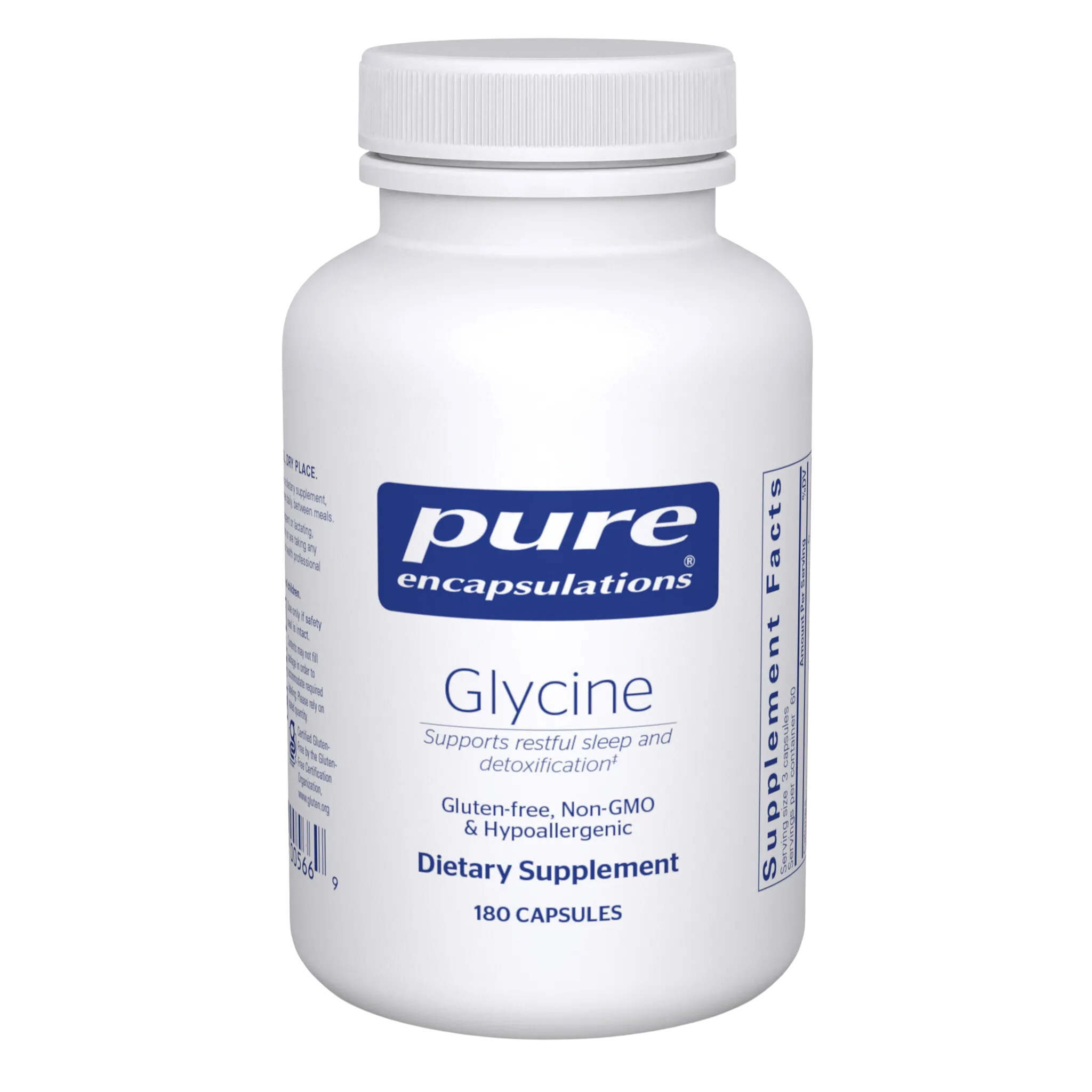
For patients targeting severe oxidative stress, neuroinflammation, or joint/collagen support, higher daily doses may be necessary. In orthomolecular protocols addressing Long COVID and ME/CFS, practitioners often utilize doses ranging from 3 to 5 grams daily, sometimes split into multiple doses. When used synergistically to boost glutathione production, glycine is frequently paired with N-acetylcysteine (NAC) in a 1:1 ratio. Pure Encapsulations Glycine provides 1500 mg of free-form glycine per 3-capsule serving, making it easy to titrate the dose based on individual tolerance and specific health goals. As always, patients navigating How Can You Live with Long-Term COVID should work closely with a healthcare provider to determine the precise dosage that best supports their unique metabolic needs.
Glycine is generally recognized as safe (GRAS) and is exceptionally well-tolerated by the vast majority of individuals, largely because it is an endogenous substance that the body processes naturally every day. At standard therapeutic doses (1 to 5 grams per day), side effects are exceedingly rare. Because it functions as an inhibitory neurotransmitter, the most common "side effect" is mild drowsiness or relaxation, which is why it is primarily recommended for evening use. However, at extremely high macro-doses (exceeding 15 to 30 grams per day), some individuals may experience mild gastrointestinal distress, including bloating, nausea, or soft stools, as the unabsorbed amino acids draw water into the intestines.
Despite its high safety profile, there are important drug interactions and contraindications to consider. Because glycine actively alters NMDA receptor activity in the brain, it is strictly contraindicated for individuals taking the antipsychotic medication Clozapine, as it can actively worsen symptoms and alter the drug's efficacy. Furthermore, because of its calming, neuro-inhibitory properties, glycine can amplify the sedative effects of central nervous system depressants, including anxiolytics (anti-anxiety medications), prescription sleep aids, muscle relaxants, and antiepileptic drugs. Patients with severe chronic kidney disease or hepatic impairment should also exercise extreme caution and consult a physician before supplementing, as failing organs may struggle to properly clear accumulated amino acids from the bloodstream.

Follow the Science
The scientific evidence supporting glycine as a powerful, non-pharmacological sleep aid is robust and continually expanding. A pivotal polysomnography (PSG) study published in Sleep and Biological Rhythms investigated the effects of 3 grams of glycine administered to volunteers experiencing chronic sleep complaints. The researchers found that glycine significantly shortened sleep onset latency (the time it takes to fall asleep) and improved overall sleep efficiency (the percentage of time in bed actually spent sleeping). Crucially, the EEG data showed that glycine helped patients enter slow-wave (deep) sleep faster without altering or disrupting the natural, restorative architecture of the sleep cycle, a common drawback of prescription hypnotic drugs like benzodiazepines.
Further research has highlighted glycine's remarkable ability to improve sleep. A notable review published in the Journal of Pharmacological Sciences highlights that glycine ingestion before bedtime significantly ameliorates subjective sleep quality in individuals with insomniac tendencies. The review also notes that oral administration of glycine lowers core body temperature, a key mechanism for sleep onset. This suggests that glycine not only helps initiate sleep but actively enhances the restorative value of the sleep achieved, supporting overall cognitive function and daytime energy.
Some of the most exciting recent clinical data surrounding glycine involves its synergistic use with N-acetylcysteine (GlyNAC) to combat severe oxidative stress and age-related cognitive decline. A groundbreaking 2021 pilot clinical trial conducted at Baylor College of Medicine investigated the effects of GlyNAC supplementation in older adults over a 24-week period. The researchers documented massive, systemic improvements: the supplementation powerfully corrected intracellular glutathione deficiency, reversed mitochondrial dysfunction, and significantly lowered markers of systemic inflammation and oxidative stress.
The clinical outcomes of this metabolic restoration were profound. Participants taking GlyNAC experienced significant improvements in cognitive function, working memory, gait speed, and overall muscle strength, effectively reversing several hallmark defects of cellular aging. Interestingly, the researchers noted that these cognitive and physical benefits began to decline 12 weeks after stopping the supplement, underscoring the ongoing cellular requirement for these crucial amino acid precursors. This data provides a compelling mechanistic rationale for utilizing glycine to combat the severe glutathione depletion, mitochondrial failure, and cognitive "brain fog" observed in post-viral syndromes like Long COVID and ME/CFS.
The intersection of neurobiology and post-viral illness is currently one of the most intensely researched areas in molecular medicine. A highly significant 2022 study published in Frontiers in Cellular Neuroscience explored the pathobiology of ME/CFS, making the case for neuroglial failure. The research suggests that the brains of these patients are experiencing severe defects in energy production and metabolic homeostasis. This data strongly suggests that the central nervous system is struggling to maintain balance, potentially burning through available resources like glycine to combat neuroinflammation.
Furthermore, recent research comparing Long COVID and ME/CFS has identified CD8 T-cell dysfunction associated with symptoms in both conditions. This immune and metabolic bottleneck contributes to the severe physical fatigue and symptom exacerbation seen in these patients. By identifying these specific deficits, researchers are paving the way for targeted orthomolecular interventions. Supplementing with highly bioavailable forms of glycine may help address these observed deficiencies, providing the nervous system and mitochondria with the raw materials required to break the cycle of neuroinflammation, restore antioxidant defenses, and rebuild cellular energy reserves.
The Path Forward
Living with a complex chronic illness like Long COVID, ME/CFS, dysautonomia, or MCAS is a profoundly challenging journey. The invisible nature of these conditions, characterized by unpredictable symptom crashes, severe cognitive fatigue, and a nervous system that feels constantly under siege, can leave patients feeling isolated and overwhelmed. It is entirely valid to feel frustrated by the lack of simple medical answers and the daily struggle to maintain your quality of life. Understanding the intricate biochemistry of your symptoms—recognizing that your brain fog and exhaustion are driven by measurable phenomena like neuroinflammation, glutathione depletion, and mitochondrial dysfunction—is a crucial step in validating your experience. Your symptoms are not in your head; they are in your cells, your mitochondria, and your neurotransmitters.
While the science supporting glycine's role in restoring sleep architecture, calming the nervous system, and rebuilding antioxidant defenses is highly compelling, it is important to remember that no single supplement is a cure-all for complex chronic conditions. Healing requires a multifaceted, comprehensive management strategy. Glycine should be viewed as a powerful tool in your orthomolecular toolkit, working synergistically alongside meticulous pacing strategies to avoid post-exertional malaise, detailed symptom tracking, dietary modifications, and targeted medical care. If you are navigating How Does a Doctor Diagnose Long COVID?, bringing this research to your medical team can help foster a collaborative approach to your treatment plan.
By addressing the fundamental metabolic bottlenecks that drive neuroinflammation and oxidative stress, glycine offers a scientifically grounded pathway to support your body's natural healing mechanisms. Whether you are struggling with severe insomnia, debilitating brain fog, or an overstimulated autonomic nervous system, providing your cells with this essential building block may help restore a sense of physiological balance and improve your daily quality of life. Always consult with your healthcare provider before introducing new supplements, especially if you are taking prescription medications or managing severe organ impairment, to ensure they align safely with your overall treatment protocol.