Can Glutathione-SR Support Energy and Detoxification in Long COVID and ME/CFS?
March 6, 2026
GlutathioneLong COVIDME/CFS
Share:
Disclaimer: The information provided here is for educational purposes only and is not intended as medical advice. It should not be used to diagnose, treat, cure, or prevent any medical condition. Instead, use it as a starting point for discussion with your healthcare provider. Always consult with a qualified healthcare provider before starting any new medication, supplement, device, or making changes to your health regimen.
Months or even years after recovering from an initial SARS-CoV-2 infection, many individuals find themselves battling a debilitating constellation of symptoms known as Long COVID. For those living with Myalgic Encephalomyelitis/Chronic Fatigue Syndrome (ME/CFS), mast cell activation syndrome (MCAS), and dysautonomia, this profound exhaustion and cognitive dysfunction is an all-too-familiar reality. But what drives this relentless fatigue at a cellular level? Emerging research points to a critical imbalance in the body's ability to manage oxidative stress and clear cellular debris, highlighting the vital role of a molecule known as the "master antioxidant."
In the quest to understand and manage these complex chronic conditions, medical science is increasingly focusing on mitochondrial health and systemic detoxification. Glutathione, a naturally occurring tripeptide, stands at the center of these vital biological processes. When viral infections or chronic inflammation overwhelm the body, glutathione stores can become severely depleted or functionally impaired, leading to a cascade of cellular damage. In this comprehensive guide, we will explore the intricate mechanisms of glutathione, how conditions like Long COVID disrupt its pathways, and whether specialized formulations like Thorne's Glutathione-SR can help support energy levels, cognitive clarity, and optimal liver function.
TL;DR
Glutathione is a powerful antioxidant that neutralizes oxidative stress and supports mitochondrial health.
Chronic conditions like Long COVID and ME/CFS can deplete glutathione, driving severe fatigue and brain fog.
Sustained-release formulations like Glutathione-SR bypass digestive breakdown, ensuring better absorption and consistent cellular protection.
Consistent supplementation may help improve energy levels, cognitive clarity, and natural liver detoxification pathways.
What is Glutathione-SR?
Glutathione (GSH) is a simple yet profoundly powerful tripeptide composed of three amino acids: glutamate, cysteine, and glycine. Widely recognized in the medical community as the body’s "master antioxidant," it is present in nearly all human cells, with exceptionally high concentrations found in the liver, lungs, and central nervous system. Unlike other antioxidants like vitamin C or vitamin E, which are primarily obtained through diet, glutathione is synthesized endogenously—meaning your body manufactures it internally to meet its specific metabolic demands. Its primary biological directive is to protect delicate cellular architecture, including mitochondrial DNA and cell membranes, from the destructive forces of oxidative stress.
At the molecular level, the secret to glutathione’s protective power lies in the sulfhydryl (-SH) group attached to its cysteine residue. This specific chemical structure acts as a potent reducing agent, allowing it to act like a cellular sponge for highly reactive, unstable molecules known as free radicals or reactive oxygen species (ROS). By directly donating an electron to these dangerous compounds—such as hydrogen peroxide, superoxide anions, and hydroxyl radicals—glutathione effectively neutralizes them before they can inflict structural damage on the cell. This continuous, microscopic defense mechanism is what keeps our cells functioning optimally, preventing the premature cellular aging and dysfunction that often precipitate chronic disease.
To truly understand how glutathione operates, one must look at the continuous biochemical loop known as the redox (reduction-oxidation) cycle. Glutathione exists in two distinct states within the body: the active, electron-rich form known as reduced glutathione (GSH), and the spent, inactive form known as oxidized glutathione (GSSG). When a molecule of active GSH encounters a free radical and donates its electron to neutralize the threat, it becomes oxidized. To stabilize itself, it rapidly binds to another oxidized glutathione molecule, forming the disulfide compound GSSG. In a healthy, well-functioning cell, this oxidized form is not simply discarded; it is continuously recycled back into its active state.
This vital recycling process is driven by an enzyme called glutathione reductase, which utilizes NADPH (a derivative of vitamin B3) to break the disulfide bond and regenerate two fresh, active GSH molecules. The ratio of reduced glutathione to oxidized glutathione (the GSH:GSSG ratio) is one of the most critical clinical biomarkers for measuring cellular health and oxidative stress. In a healthy cell at rest, this ratio is strictly maintained at greater than 100:1. However, when the body is subjected to severe viral infections, environmental toxins, or chronic inflammation, this ratio can plummet dramatically, indicating that the cellular defense systems are overwhelmed and failing to keep pace with the influx of free radicals.
Beyond its role as an intracellular antioxidant, glutathione is the absolute cornerstone of the body's natural detoxification pathways, particularly within the liver. The liver is tasked with processing lipophilic (fat-soluble) environmental toxins, pharmaceutical drugs, and metabolic waste products into hydrophilic (water-soluble) compounds that can be safely excreted via urine or bile. This complex biotransformation occurs in two primary phases. In Phase I, Cytochrome P450 (CYP450) enzymes oxidize or reduce toxins. While this is a necessary first step, it frequently creates highly reactive, electrophilic intermediate metabolites that are actually more toxic and dangerous than the original parent compound.
This is where Phase II detoxification, and specifically glutathione, becomes absolutely critical for survival. Phase II takes these highly reactive, dangerous intermediates and binds (conjugates) them to endogenous molecules to neutralize them. The reaction is catalyzed by a family of enzymes called Glutathione S-transferases (GSTs), which facilitate a nucleophilic attack, covalently binding the sulfur atom of glutathione directly to the toxic Phase I metabolite. The resulting stable, water-soluble glutathione conjugates are then safely escorted out of the body. Without adequate glutathione to support detoxification, these toxic Phase I intermediates would accumulate, causing massive oxidative stress, mitochondrial dysfunction, and ultimately, severe liver damage.
Despite its critical importance to human health, supplementing with glutathione has historically been fraught with challenges. When standard, unmodified glutathione is taken orally, it faces a harsh and destructive environment in the gastrointestinal tract. The enzyme γ-glutamyl transpeptidase (GGT), present in the stomach and intestines, rapidly cleaves the tripeptide back into its constituent amino acids before it can ever reach systemic circulation. For decades, this rapid enzymatic degradation led many clinicians to believe that oral glutathione supplementation was largely ineffective for raising intracellular levels.
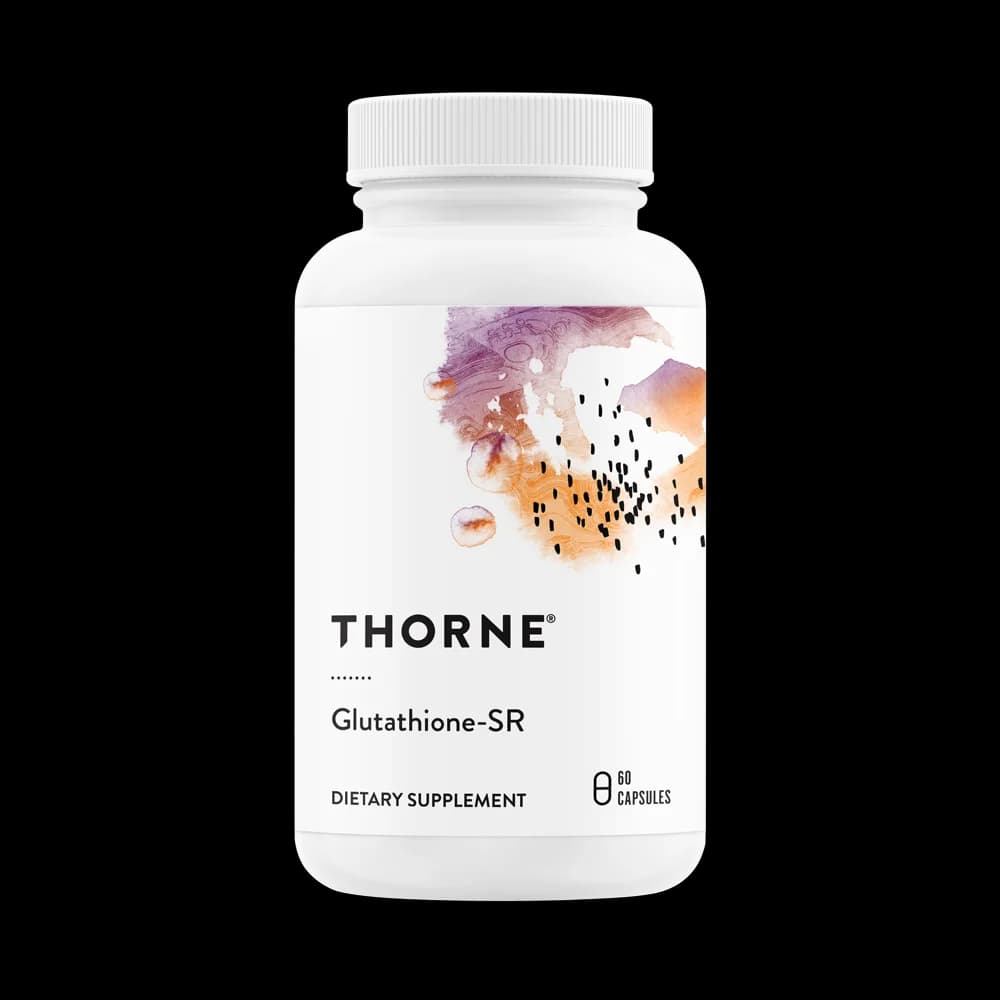
However, modern nutraceutical science has overcome this hurdle through the development of sustained-release (SR) formulations. Products like Thorne's Glutathione-SR utilize specialized, proprietary matrices that protect the delicate glutathione molecule from stomach acid and digestive enzymes. By resisting immediate degradation, the sustained-release formula allows the intact tripeptide to gradually enter the intestinal tract, where it is slowly absorbed over an extended period. This not only significantly enhances the overall bioavailability of the supplement but also ensures a steady, consistent drip of this essential antioxidant into the bloodstream, avoiding the rapid peaks and valleys associated with standard formulations.
How Long COVID and ME/CFS Impact Glutathione Pathways
The physiological landscape of Long COVID, ME/CFS, and related dysautonomias is heavily characterized by a profound, unyielding state of oxidative stress. When the body encounters a severe pathogen like the SARS-CoV-2 virus, the immune system launches a massive inflammatory response to neutralize the threat. While necessary for acute survival, this response generates an enormous quantity of reactive oxygen species (ROS) as collateral damage. In a healthy individual, the body's antioxidant reserves—led by glutathione—quickly sweep in to neutralize these free radicals once the infection clears. However, in post-viral syndromes, this inflammatory loop fails to shut off, creating a continuous avalanche of oxidative stress.
A landmark 2024 study published in the Proceedings of the National Academy of Sciences (PNAS) by researchers at Stanford University directly compared the bioenergetics of immune cells in ME/CFS and Long COVID patients. The researchers discovered that both patient cohorts exhibited significant signs of elevated oxidative stress and consequent mitochondrial damage. The continuous production of ROS forces the body to consume excess host energy just to survive the biochemical onslaught, directly contributing to the systemic, debilitating fatigue that characterizes these conditions. The study highlights that oxidative stress is not merely a byproduct of these illnesses, but a core, shared mechanistic driver of the pathology.
For years, researchers have observed a fascinating and complex phenomenon regarding glutathione levels in chronic illness, often referred to as the "glutathione paradox." Historically, advanced neuroimaging studies have repeatedly demonstrated that patients with ME/CFS have significantly reduced levels of glutathione within the ventricles of their brains. This localized depletion is strongly correlated with increased ventricular lactate, pointing to severe neuroinflammation, an overwhelmed central nervous system antioxidant network, and a direct physiological explanation for the profound cognitive dysfunction and "brain fog" experienced by patients.
Conversely, the recent Stanford PNAS study revealed that peripheral blood lymphocytes (immune cells) in both ME/CFS and Long COVID patients actually exhibited significantly higher glutathione levels compared to healthy controls. Rather than indicating good health, researchers hypothesize that this elevation is an inadequate compensatory response. The immune cells are desperately mass-producing glutathione in a frantic attempt to survive immense, ongoing oxidative stress. However, despite this localized overproduction, the total systemic burden of free radicals remains too high, leading to inevitable cellular exhaustion and highlighting the desperate need for targeted antioxidant support.
Mitochondria are the microscopic powerhouses of our cells, responsible for generating adenosine triphosphate (ATP), the fundamental currency of cellular energy. The process of creating ATP via the electron transport chain naturally produces a small amount of free radicals. Under normal circumstances, mitochondrial glutathione rapidly neutralizes these byproducts. However, in the context of Long COVID and ME/CFS, the massive systemic oxidative stress quickly depletes mitochondrial glutathione reserves. Left unprotected, the delicate mitochondrial DNA and structural membranes sustain severe oxidative damage.
This structural damage fundamentally impairs the mitochondria's ability to produce ATP. The 2024 Stanford study provided stark evidence of this, noting that the mitochondrial calcium to SOD2 (a protective enzyme) ratio was elevated by 1.67x in Long COVID donors and 1.75x in ME/CFS donors compared to healthy controls. This metric proves severe mitochondrial distress. When mitochondria fail, the body cannot generate enough energy to meet even basic metabolic demands, directly causing the severe physical exhaustion and post-exertional malaise (PEM) that leaves patients bedbound after minor exertion.
The damage caused by unchecked oxidative stress extends beyond the mitochondria to other vital cellular structures, particularly the peroxisomes and lipid membranes. Peroxisomes work intimately with mitochondria to process fatty acids and neutralize specific types of reactive oxygen species. Emerging data suggests that in conditions like ME/CFS, peroxisomes become dysfunctional, failing to provide adequate lipids via the carnitine shuttle to the mitochondria. This starves the mitochondria of necessary fuel, further exacerbating the cellular energy crisis and deepening the fatigue.
Furthermore, when glutathione levels are insufficient, free radicals begin to attack the lipid bilayers that form the outer membranes of all human cells, a process known as lipid peroxidation. The Stanford PNAS study noted striking sex-specific differences in this regard, finding that male ME/CFS and Long COVID patients exhibited pronounced mitochondrial lipid oxidative damage mediated by a failure in Glutathione Peroxidase 4 pathways. This lipid damage compromises cellular integrity, disrupts intracellular signaling, and triggers further systemic inflammation, locking the patient into a vicious, self-perpetuating cycle of chronic illness.
Glutathione-SR: Supporting Cellular Energy and Detoxification
Supplementing with a highly bioavailable form of glutathione, such as Glutathione-SR, aims to directly intervene in the vicious cycle of oxidative stress and cellular energy failure. By replenishing the intracellular pools of this master antioxidant, the body can begin to shield its vulnerable mitochondria from ongoing free radical damage. When the mitochondrial electron transport chain is protected from oxidative interference, the enzymes responsible for ATP synthesis can function more efficiently. This restoration of cellular respiration is critical for patients with Long COVID and ME/CFS, as it addresses the root biochemical cause of their profound energy deficits.
Furthermore, glutathione acts as an essential electron donor for specific antioxidant enzymes within the mitochondria, most notably Glutathione Peroxidase (GPx). This enzyme is responsible for catalyzing the conversion of harmful hydrogen peroxides—a toxic byproduct of cellular metabolism—into harmless water. By ensuring that GPx has a steady supply of reduced glutathione to draw from, Glutathione-SR helps maintain the delicate redox balance required for optimal mitochondrial output. Over time, this cellular protection can translate into improved physical stamina, a higher threshold for exertion, and a reduction in the severity of post-exertional crashes.
The primary mechanism of action for Glutathione-SR is its potent ability to directly scavenge and neutralize a wide spectrum of reactive oxygen species. The sustained-release formulation ensures that a steady stream of the active, sulfhydryl-rich tripeptide is delivered into systemic circulation. Once absorbed into the cells, it immediately goes to work donating electrons to unstable superoxide anions, hydroxyl radicals, and lipid peroxides. This broad-spectrum neutralization halts the chain reactions of oxidative damage that destroy cellular proteins and mutate DNA.
Importantly, glutathione does not work in isolation; it sits at the apex of the body's entire antioxidant network. It possesses the unique ability to regenerate and recycle other crucial exogenous antioxidants, such as Vitamin C and Vitamin E. When Vitamin C neutralizes a free radical, it becomes oxidized and inactive. Glutathione steps in to donate an electron to the spent Vitamin C, returning it to its active, protective state. By supplementing with Glutathione-SR, patients are not just adding one antioxidant to their system; they are effectively amplifying and optimizing their entire cellular defense network against chronic inflammation.
For individuals dealing with complex chronic illnesses, sluggish liver function and impaired detoxification are common, yet often overlooked, complications. Many patients with MCAS or Long COVID develop severe chemical sensitivities because their liver's Phase II detoxification pathways are overwhelmed. Glutathione-SR provides the direct substrate necessary for Glutathione S-transferases (GSTs) to perform their vital conjugation work. By covalently binding to the toxic, reactive intermediates generated during Phase I metabolism, glutathione neutralizes these threats and renders them water-soluble for safe excretion.
This enhanced hepatic support is particularly crucial for patients who are managing their illness with multiple pharmaceutical medications, as drug metabolism places a heavy burden on the liver's glutathione reserves. A recent review on glutathione highlights the importance of innovative analogue approaches to overcome poor oral bioavailability, ensuring more effective systemic antioxidant support. By supporting these liver detoxification processes, Glutathione-SR helps clear the metabolic backlog that can contribute to systemic inflammation and brain fog.
The immune system relies heavily on a precise redox balance to function correctly. In conditions like Long COVID and ME/CFS, the immune system is often stuck in a hyperactive, dysregulated state, constantly churning out inflammatory cytokines. Glutathione plays a crucial role in modulating this innate immune response. Adequate intracellular levels of glutathione are required for the proper proliferation and activity of lymphocytes (T-cells and B-cells) and natural killer (NK) cells. By reducing the overall oxidative burden, glutathione helps signal the immune system that the acute threat has passed, encouraging a shift away from chronic, damaging inflammation.
Furthermore, clinical trials evaluating oral glutathione have shown that consistent supplementation can significantly enhance immune function markers. For example, the landmark Penn State study demonstrated that natural killer (NK) cell cytotoxicity—a key measure of the immune system's ability to clear virally infected cells—increased more than twofold in subjects receiving high-dose glutathione. For patients navigating the complex immune dysregulation of post-viral syndromes, supporting this master antioxidant pathway offers a foundational approach to restoring immune homeostasis and reducing the systemic inflammatory load.

Symptoms Glutathione-SR May Help Manage
Practical Considerations: Forms, Dosing, and Absorption
For decades, the medical community viewed oral glutathione supplementation with significant skepticism. Early clinical trials conducted in the 1990s and early 2000s utilizing standard, unmodified glutathione powder showed virtually no increase in systemic blood levels or reduction in oxidative stress markers. The biological hurdle was clear: the human gastrointestinal tract is designed to break down proteins and peptides. When standard glutathione enters the stomach and intestines, the enzyme γ-glutamyl transpeptidase (GGT) rapidly cleaves the delicate tripeptide into its three constituent amino acids (cysteine, glycine, and glutamic acid) long before it can be absorbed intact into the bloodstream.
Because of this rapid enzymatic degradation, native oral glutathione was found to have a baseline bioavailability of less than 1%, and a plasma half-life of roughly two minutes. This led to the widespread belief that the only effective ways to raise intracellular glutathione were through expensive intravenous (IV) infusions or by supplying the body with precursor molecules like N-acetylcysteine (NAC) to encourage endogenous synthesis. While IV therapy is highly effective, it is invasive, costly, and impractical for the daily, long-term management required by complex chronic illnesses like Long COVID and ME/CFS.
The landscape of antioxidant therapy shifted dramatically with the advent of advanced formulation technologies, specifically sustained-release (SR) and liposomal matrices. Thorne’s Glutathione-SR utilizes a proprietary sustained-release formula designed specifically to bypass the destructive environment of the upper gastrointestinal tract. By embedding the glutathione molecules within a specialized protective matrix, the supplement resists immediate degradation by stomach acid and GGT enzymes. This allows the intact tripeptide to safely reach the lower intestinal tract, where it is gradually released and absorbed over an extended period.
This slow, sustained release mechanism offers two distinct clinical advantages. First, it significantly increases the total percentage of the active molecule that successfully enters systemic circulation. Second, it provides a steady, consistent drip of glutathione into the blood plasma over several hours. This is crucial because the liver and cells require a continuous supply of antioxidants to combat relentless, ongoing oxidative stress. Standard rapid-release formulas, even if absorbed, create a brief spike in blood levels followed by a rapid crash, whereas sustained-release formulations maintain a therapeutic window that provides round-the-clock cellular protection.
When incorporating Glutathione-SR into a chronic illness management plan, consistency and timing are key factors for success. The suggested use for Thorne's Glutathione-SR (which contains 175 mg of reduced glutathione per capsule) is to take one capsule two to three times daily, or as recommended by a healthcare practitioner. Because the formula is designed for sustained release, spacing the doses evenly throughout the day—such as morning, afternoon, and evening—ensures that your cells have a continuous, uninterrupted supply of antioxidant support to neutralize free radicals as they are generated.
Unlike some fat-soluble vitamins that require a heavy meal for absorption, sustained-release glutathione can generally be taken with or without food. However, patients with highly sensitive digestive tracts or severe dysautonomia may prefer taking it with a light snack to minimize any potential gastrointestinal upset. It is also important to set realistic expectations regarding the timeline for clinical benefits. Repairing deep-seated mitochondrial damage and reversing systemic oxidative stress is not an overnight process. Clinical trials suggest that it often takes several weeks to a few months of consistent, daily supplementation before patients notice significant improvements in baseline energy levels, cognitive clarity, and exercise tolerance.
Glutathione is a naturally occurring compound in the human body, and oral supplementation is generally considered very safe and well-tolerated, even at higher clinical doses. It is NSF Certified for Sport®, ensuring that it is free from banned substances and manufactured to the highest quality standards. However, as with any medical intervention, there are important contraindications to consider. The product data explicitly states that Glutathione-SR is contraindicated in individuals with a known history of hypersensitivity to any of its ingredients. Furthermore, if you are pregnant or nursing, it is imperative to consult your healthcare practitioner before initiating use.
To maximize the therapeutic efficacy of Glutathione-SR, many clinicians recommend pairing it with synergistic nutrients that support the broader redox cycle. For instance, Vitamin C and Vitamin E work intimately with glutathione; taking them together can amplify the overall antioxidant network. Additionally, ensuring adequate intake of essential cofactors like selenium (required for Glutathione Peroxidase activity) and B-vitamins (required for the glutathione reductase recycling process) can help optimize the body's ability to utilize the supplemented glutathione. Always discuss new supplement regimens with your medical team to ensure they align safely with your current medications and specific metabolic needs.
Follow the Science: Clinical Trials and Research
For years, the efficacy of oral glutathione was heavily debated, but a landmark 6-month randomized, double-blind, placebo-controlled clinical trial conducted at Penn State University definitively challenged the myth of poor absorption. Published in the European Journal of Nutrition, the study evaluated 54 healthy adults who were given either a low dose (250 mg/day) or a high dose (1,000 mg/day) of formulated oral glutathione for six months. The researchers meticulously tracked glutathione levels across various cellular compartments to determine true systemic uptake.
The results were highly significant. In the high-dose group, intracellular glutathione levels increased by 30–35% in red blood cells, plasma, and lymphocytes, and by an astonishing 260% in buccal (inner cheek) cells. Even the low-dose group saw a 17% increase in whole blood levels. Furthermore, the study demonstrated functional clinical benefits: natural killer (NK) cell cytotoxicity, a vital marker of immune system strength, increased more than twofold in the high-dose cohort. Crucially, the researchers noted that one month after stopping the supplement, glutathione levels returned to baseline, proving that continuous, sustained intake is required to maintain the therapeutic benefits.
The impact of glutathione pathways on cognitive function and "brain fog" has been the subject of intense recent investigation. A pivotal 36-week pilot clinical trial conducted by Baylor College of Medicine evaluated the effects of supplementing glutathione precursors (GlyNAC) in older adults experiencing cognitive decline. Prior to the trial, the older cohort exhibited severe intracellular glutathione deficiency, massive oxidative stress, and impaired mitochondrial function compared to young, healthy controls.
Using advanced tracer methodologies, the researchers identified a fascinating metabolic phenomenon they termed "brain glucose steal." Due to systemic mitochondrial impairment, non-brain organs were essentially stealing glucose intended for the central nervous system, starving the brain of energy and driving cognitive dysfunction. Supplementing with the glutathione precursors for 24 weeks successfully reversed these metabolic defects, corrected the glucose steal, and led to significant, measurable improvements in cognition and executive function. This data strongly supports the hypothesis that restoring redox balance is a viable therapeutic target for the profound brain fog seen in post-viral syndromes.
For patients dealing with post-exertional malaise (PEM), the relationship between oxidative stress and physical fatigue is of paramount importance. A double-blind, cross-over clinical trial published in the Journal of the International Society of Sports Nutrition investigated the direct effects of oral glutathione on exercise-induced fatigue. Eight healthy men were given 1 gram per day of oral glutathione or a placebo for two weeks, followed by 60 minutes of cycling at 40% maximal heart rate.
The researchers found that the glutathione group exhibited a significantly suppressed elevation of blood lactate (2.9 ± 0.6 mM compared to 3.4 ± 1.1 mM in the placebo group). Parallel animal models in the same study revealed that glutathione supplementation increased mitochondrial DNA by 53% and improved intermuscular pH, effectively preventing the acidic environment that leads to rapid muscle burning and exhaustion. The study concluded that glutathione improves aerobic metabolism and significantly decreases fatigue-related psychological factors, offering a clear mechanistic rationale for its use in energy-limiting chronic illnesses.
Perhaps the most crucial recent development in understanding post-viral illness is the May 2024 study published in the Proceedings of the National Academy of Sciences (PNAS) by Stanford University researchers. This study directly compared the bioenergetics of peripheral blood lymphocytes in 25 healthy controls, 27 ME/CFS patients, and 20 Long COVID patients. The data conclusively demonstrated that both ME/CFS and Long COVID are characterized by severe, elevated oxidative stress and profound mitochondrial damage, forcing immune cells to consume excess host energy.
The study revealed striking sex-specific differences in how this oxidative damage manifests. Females exhibited higher total reactive oxygen species (ROS) levels and hyperproliferation of T-cells, while males showed normal overall ROS but suffered from pronounced mitochondrial lipid oxidative damage mediated by a failure in Glutathione Peroxidase 4 pathways. Interestingly, the researchers found that lymphocytes in these patients had elevated levels of glutathione, which they hypothesize is a desperate, inadequate compensatory response by the cells trying to survive the relentless oxidative avalanche. This research firmly establishes oxidative stress as a shared mechanistic basis for these conditions and underscores the critical need for targeted antioxidant therapies to protect cellular infrastructure.
The Path Forward
Living with a complex chronic condition like Long COVID, ME/CFS, or dysautonomia is an exhausting, unpredictable journey. The profound fatigue, the cognitive fog that clouds your thinking, and the post-exertional crashes are not merely "in your head"—they are the tangible, debilitating results of measurable physiological dysfunction. The emerging scientific consensus, highlighted by advanced research into oxidative stress and mitochondrial failure, validates what patients have known all along: your cells are fighting a massive, unseen battle at the biochemical level. Acknowledging this reality is the first, crucial step toward finding effective management strategies and reclaiming your quality of life.
It is entirely normal to feel frustrated by the lack of quick fixes or definitive cures in the current medical landscape. Traditional medicine often struggles to address multi-system, energy-limiting illnesses, leaving many patients feeling dismissed or overwhelmed by the burden of researching their own care. However, the rapidly expanding body of research surrounding cellular bioenergetics and the redox cycle offers a beacon of realistic hope. By understanding the specific mechanisms driving your symptoms—such as the depletion of crucial cellular defenders like glutathione—you and your healthcare team can begin to implement targeted, science-backed interventions designed to support your body's innate healing pathways.
Thorne's Glutathione-SR represents a significant advancement in our ability to deliver the body's master antioxidant directly to the cells that need it most. By utilizing a sustained-release formulation, it overcomes the historical challenges of oral bioavailability, providing a steady, reliable defense against the relentless oxidative stress that characterizes post-viral syndromes. Whether your primary goal is to protect your mitochondria to improve physical stamina, support your liver's Phase II detoxification pathways, or clear the neuroinflammation driving your brain fog, replenishing your intracellular glutathione stores is a foundational strategy for cellular repair.
However, it is vital to remember that supplements are just one piece of a comprehensive, holistic management plan. Glutathione-SR is not a standalone cure, but rather a powerful tool designed to work in synergy with other essential strategies. Pacing your physical and cognitive exertion, meticulous symptom tracking, optimizing your sleep architecture, and maintaining a nutrient-dense diet are all critical components of managing energy-limiting illnesses. When combined with these foundational lifestyle adaptations, targeted antioxidant support can help raise your baseline energy envelope and improve your daily resilience.
As you navigate the complexities of chronic illness, remember that healing is rarely a linear path. It requires patience, self-compassion, and a willingness to adapt your strategies as your body's needs change. Always consult with a knowledgeable healthcare provider before introducing new supplements into your regimen, especially to ensure they harmonize with your current medications and specific medical history. By taking a proactive, scientifically grounded approach to your cellular health, you are actively participating in your body's recovery process.