Can GlutaShield and L-Glutamine Repair the Gut Barrier in Long COVID and ME/CFS?
March 6, 2026
GlutaShieldL-GlutamineLong COVID
Share:
Disclaimer: The information provided here is for educational purposes only and is not intended as medical advice. It should not be used to diagnose, treat, cure, or prevent any medical condition. Instead, use it as a starting point for discussion with your healthcare provider. Always consult with a qualified healthcare provider before starting any new medication, supplement, device, or making changes to your health regimen.
The gastrointestinal tract is often referred to as the "second brain" and the foundation of the immune system. For individuals living with complex, chronic conditions like Long COVID, myalgic encephalomyelitis/chronic fatigue syndrome (ME/CFS), dysautonomia, and mast cell activation syndrome (MCAS), the gut is frequently a site of profound dysfunction. Many patients experience a frustrating array of symptoms—from severe bloating and food intolerances to brain fog and systemic fatigue—that seem disconnected but actually share a common origin: a compromised intestinal barrier. When the delicate lining of the gut becomes damaged, it sets off a cascade of systemic inflammation that can perpetuate the cycle of chronic illness.
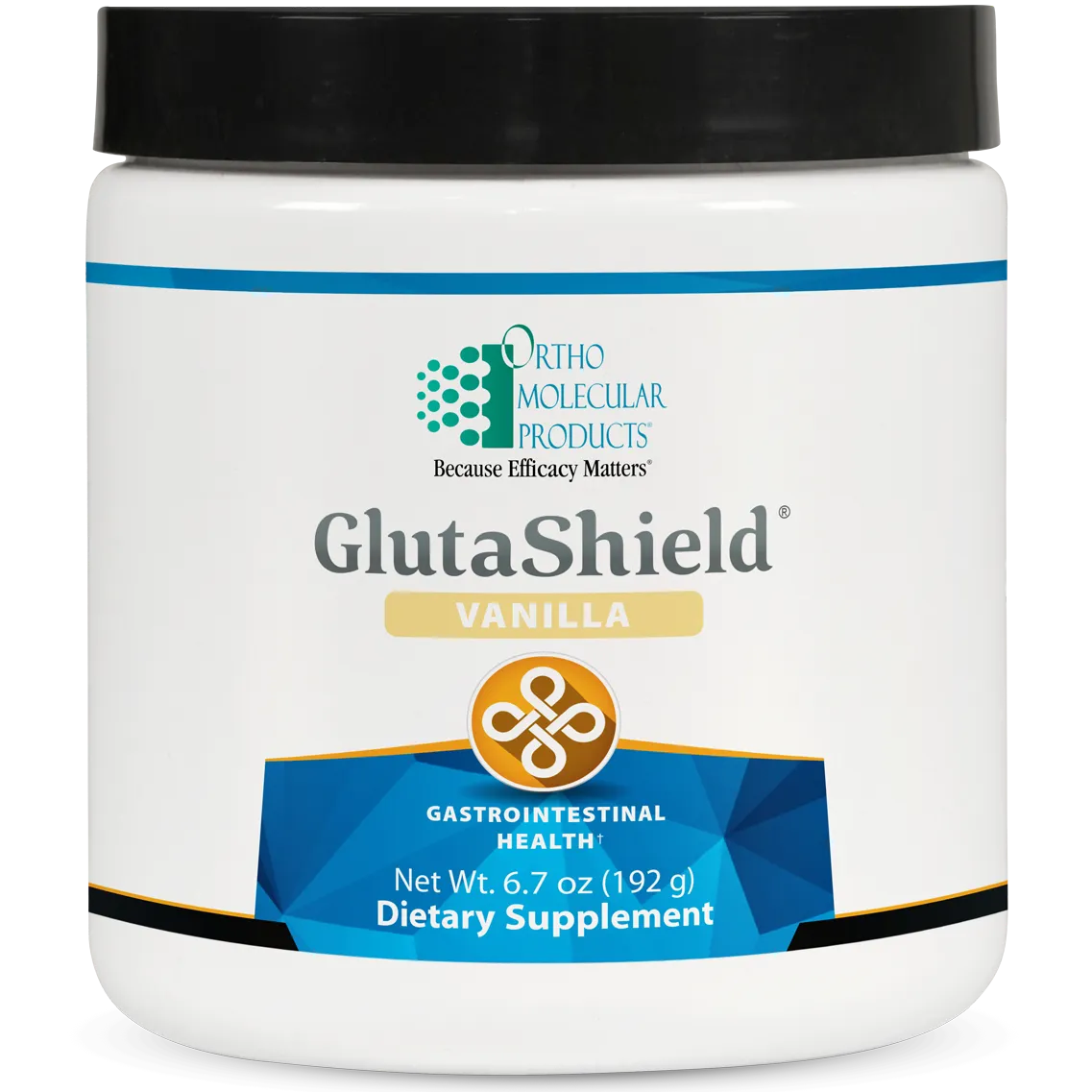
Supporting this barrier is a critical step in managing post-viral and chronic inflammatory conditions. GlutaShield® Vanilla, formulated by Ortho Molecular Products, is a targeted medical-grade supplement designed to promote the health and barrier function of the gastrointestinal lining. By combining high-dose L-Glutamine with mucosal-supporting botanicals and essential micronutrients, GlutaShield aims to support the regeneration of the cells of the gut wall, soothe inflammation, and help restore the intestinal mucosal barrier. In this comprehensive guide, we will explore the intricate biochemistry of the gut lining, how chronic illness disrupts it, and how the specific ingredients in GlutaShield work at the cellular level to support recovery.
TL;DR
Gut barrier dysfunction is common in Long COVID, ME/CFS, and MCAS, driving systemic inflammation.
GlutaShield provides L-Glutamine, NAG, and botanicals to support intestinal lining repair and mucosal health.
Targeted gut support may help manage symptoms like brain fog, fatigue, and food intolerances.
Patients with MCAS or histamine intolerance should consult a doctor before using L-Glutamine.
What is GlutaShield?
The Anatomy of the Intestinal Barrier
To understand how a supplement like GlutaShield works, it is essential to first understand the microscopic architecture of the gastrointestinal (GI) tract. The human intestinal lining is surprisingly fragile; it consists of a single layer of specialized epithelial cells called enterocytes. This single-cell layer covers an enormous surface area and serves a dual, seemingly contradictory purpose: it must be permeable enough to allow the absorption of essential dietary nutrients and water, yet secure enough to prevent toxins, undigested food proteins, and pathogenic microorganisms from crossing into the bloodstream.
The physical integrity of this barrier relies heavily on protein structures known as tight junctions (including proteins like occludin, claudins, and zonula occludens-1 or ZO-1). These tight junctions act like the mortar between the enterocyte "bricks," sealing the gaps between cells. When these tight junctions are healthy and functioning optimally, the gut barrier is secure. However, when they become damaged or loose, the gut becomes hyper-permeable—a state commonly referred to in functional medicine as "leaky gut" or clinically as intestinal permeability.
The Role of Enterocytes and the Mucosal Layer
Above the enterocytes lies another critical line of defense: the mucosal layer. This thick, viscous layer of mucus coats the entire intestinal tract, acting as a physical shield that prevents digestive acids, harsh enzymes, and harmful bacteria from directly contacting the vulnerable epithelial cells beneath. The mucosal layer is primarily composed of glycoproteins called mucins, which are continuously secreted by specialized goblet cells in the gut lining. Maintaining this mucosal layer requires a constant supply of specific amino sugars and nutrients.
Enterocytes themselves are highly active, rapidly dividing cells that require an immense amount of energy to function and regenerate. Unlike most cells in the body that rely on glucose for energy, enterocytes preferentially use the amino acid L-Glutamine as their primary metabolic fuel. In a healthy state, the body produces enough glutamine to sustain this cellular turnover. However, during times of severe physiological stress, viral infection, or chronic inflammation, the body's demand for glutamine drastically outpaces its supply, leading to cellular starvation and the subsequent breakdown of the intestinal barrier.
A Synergistic Approach to Gut Health
GlutaShield is not a single-ingredient supplement; it is a synergistic blend designed to address multiple facets of gut barrier dysfunction simultaneously. While its primary ingredient is a robust 4-gram dose of L-Glutamine to fuel enterocyte regeneration, it also incorporates N-Acetyl-D-Glucosamine (NAG) to support mucin production, alongside essential micronutrients like Zinc and Vitamin A to fortify tight junctions. Furthermore, it includes botanical demulcents—specifically Deglycyrrhizinated Licorice (DGL) and Aloe vera extract—to soothe existing mucosal irritation. This multi-targeted approach is particularly relevant for patients whose gut barriers have been compromised by the complex pathophysiology of chronic illness.
How Long COVID and ME/CFS Impact the Gut Barrier
Viral Persistence and Tight Junction Degradation
The connection between post-viral syndromes like Long COVID and gastrointestinal dysfunction is a rapidly expanding area of medical research. The SARS-CoV-2 virus gains entry into human cells by binding to ACE2 receptors, which are highly abundant in the small intestine. Because of this, the gut often becomes a primary reservoir for the virus. Recent studies indicate that viral RNA and persistent spike proteins can remain lodged in the gastrointestinal tract for months or even years after the acute infection has cleared. This viral persistence triggers continuous, low-grade inflammation in the gut wall.
This localized inflammation actively degrades the tight junctions holding the enterocytes together. Furthermore, the virus severely disrupts the delicate balance of the gut microbiome, a condition known as dysbiosis. The loss of beneficial, anti-inflammatory bacteria deprives the gut of short-chain fatty acids (SCFAs) like butyrate, which are necessary for maintaining barrier integrity. As the tight junctions fail, the gut becomes highly permeable, setting the stage for systemic immune dysregulation and the wide array of symptoms seen in Long COVID.
Lipopolysaccharide (LPS) Translocation in ME/CFS
For individuals with myalgic encephalomyelitis/chronic fatigue syndrome (ME/CFS), intestinal permeability plays a central role in driving the debilitating symptom of post-exertional malaise (PEM) and chronic neuroinflammation. When the gut barrier is compromised, it allows lipopolysaccharides (LPS)—toxic structural components found on the outer membrane of gram-negative gut bacteria—to "leak" or translocate from the intestinal lumen directly into the bloodstream. This phenomenon is known as metabolic endotoxemia.
Once LPS enters systemic circulation, the immune system recognizes it as a massive bacterial threat, triggering a widespread inflammatory response. This includes the release of pro-inflammatory cytokines like IL-6 and TNF-alpha, which can cross the blood-brain barrier and cause severe neuroinflammation. This gut-derived systemic inflammation drains the body's energetic resources, contributing heavily to the profound, crushing fatigue and cognitive impairment (brain fog) that characterize ME/CFS. Research from the University of Alberta recently found that severe Long COVID patients who meet ME/CFS criteria exhibit significant leakage of fungal and bacterial products into their blood, alongside severely depleted levels of plasma L-Glutamine.
The Gut-Immune Axis and Mast Cell Activation
The gastrointestinal tract houses approximately 70% of the body's immune system in a network known as the Gut-Associated Lymphoid Tissue (GALT). This tissue is densely packed with mast cells, the immune system's first responders. In a healthy gut, the mucosal barrier keeps food antigens and microbes safely separated from these immune cells. However, when the barrier is "leaky," undigested food proteins and bacterial endotoxins constantly bombard the GALT.
For patients with mast cell activation syndrome (MCAS), this constant influx of foreign particles forces the gut-based mast cells into a state of hyper-reactivity. They begin to degranulate chronically, releasing massive amounts of histamine, prostaglandins, and inflammatory cytokines. This localized histamine release further damages the intestinal lining, creating a vicious cycle: a leaky gut triggers mast cell activation, and mast cell inflammation worsens the leaky gut. Supporting the physical barrier is therefore a foundational step in calming the immune dysregulation seen in MCAS and Long COVID.
GlutaShield: Supporting Gut Repair at the Cellular Level
L-Glutamine: The Primary Fuel for Enterocyte Regeneration
The cornerstone of the GlutaShield formula is a robust 4-gram dose of L-Glutamine USP. As a conditionally essential amino acid, L-Glutamine is the preferred metabolic fuel for enterocytes. When the gut lining is damaged by viral persistence or systemic inflammation, the cellular turnover rate must increase to repair the tissue. L-Glutamine provides the nitrogen and carbon necessary for the biosynthesis of nucleotides, proteins, and amino sugars within these rapidly dividing cells. By supplying an exogenous source of L-Glutamine, GlutaShield directly nourishes the enterocytes, allowing them to proliferate and physically rebuild the damaged mucosal epithelium.
Beyond cellular energy, L-Glutamine plays a direct role in regulating tight junction proteins. Clinical research demonstrates that glutamine supplementation increases the expression of claudin-1 and occludin, physically tightening the gaps between intestinal cells. Furthermore, L-Glutamine acts as a precursor to glutathione, the body's master antioxidant, helping to neutralize the localized oxidative stress that damages the gut lining during chronic illness flares.
N-Acetyl-D-Glucosamine (NAG) and Mucin Production
While L-Glutamine repairs the cells, N-Acetyl-D-Glucosamine (NAG) works to rebuild the protective shield above them. NAG is an amino-sugar derivative of glucose and a fundamental structural building block for glycosaminoglycans and mucin glycoproteins. These glycoproteins are what make up the dense, hydrophobic mucus layer that coats the intestinal tract. In states of chronic GI inflammation, this mucus layer is often degraded, leaving the enterocytes exposed to harsh digestive enzymes and pathogenic bacteria.
By providing 500 mg of NAG, GlutaShield supplies the exact raw material the goblet cells need to synthesize new mucin. Studies on intestinal permeability show that NAG supplementation significantly improves transepithelial electrical resistance (TEER)—a primary measurement of barrier integrity. Additionally, NAG has been shown to disrupt the biofilm formation of pathogenic bacteria, helping to gently modulate the gut microbiome and reduce localized inflammation without the use of harsh antimicrobials.
Zinc Bisglycinate and Vitamin A: Fortifying Tight Junctions and Immune Tolerance
GlutaShield includes targeted doses of Zinc (as TRAACS™ Zinc Bisglycinate Chelate) and Vitamin A. Zinc is an essential trace mineral required for the synthesis and maintenance of tight junction proteins. During states of chronic inflammation, zinc is rapidly depleted, leading to the degradation of ZO-1 and E-cadherin proteins. Supplying highly bioavailable zinc bisglycinate ensures the enterocytes have the necessary cofactors to physically "zip" the tight junctions back together, limiting the translocation of inflammatory LPS into the bloodstream.
Vitamin A is equally critical, exerting profound immunomodulatory effects via its active metabolite, retinoic acid. In the gut, retinoic acid is the master regulator of immune tolerance. It guides naïve T cells to differentiate into regulatory T cells (Tregs), which actively suppress inflammation and stop the immune system from overreacting to harmless food antigens. Vitamin A also enhances the production of Secretory IgA, an antibody that neutralizes pathogens in the gut lumen before they can breach the epithelium.
DGL and Aloe Vera: Soothing Botanical Demulcents
To address the burning, irritation, and discomfort often associated with GI dysfunction, GlutaShield incorporates two powerful botanical demulcents: Deglycyrrhizinated Licorice Root Extract (DGL) and Aloe vera Leaf Gel Extract. DGL acts by stimulating the production of local prostaglandins, which increases blood flow to the damaged mucosal tissues and accelerates cellular repair. Because the glycyrrhizin has been removed, it provides these gastroprotective benefits without the risk of elevating blood pressure.
Aloe vera is highly mucilaginous, providing a viscous gel that physically coats and soothes the mucous membranes. Biochemically, the compounds in Aloe vera inhibit cyclooxygenase (COX) and lipoxygenase (LOX)—key enzymes that drive the body's inflammatory response. Together, DGL and Aloe vera act like a soothing salve on a burn, calming the localized inflammation so that the L-Glutamine and NAG can effectively rebuild the underlying cellular structures.

Symptoms GlutaShield May Help Manage
By targeting the root cause of intestinal permeability and mucosal inflammation, GlutaShield may help manage a variety of interconnected symptoms:
Chronic Bloating and Gas: By repairing the brush border of the enterocytes, the gut can more effectively produce the digestive enzymes needed to break down fermentable carbohydrates, reducing gas production.
New or Worsening Food Intolerances: Sealing the tight junctions prevents large, undigested food proteins from entering the bloodstream, which reduces the immune system's hyper-reactive antibody response to previously tolerated foods.
Post-Exertional Malaise (PEM) and Fatigue: By halting the leakage of bacterial endotoxins (LPS) into the blood, the systemic inflammatory burden is lowered, preserving cellular energy and reducing the severity of crashes in ME/CFS and Long COVID.
Brain Fog and Cognitive Dysfunction: Reducing gut-derived systemic inflammation directly lowers the amount of pro-inflammatory cytokines (like IL-6) crossing the blood-brain barrier, alleviating neuroinflammation and cognitive clouding.
Histamine-Driven GI Distress: For some patients, soothing the mucosal lining with DGL and Aloe vera can calm the localized mast cells in the gut-associated lymphoid tissue, reducing gut-based histamine release.
Abdominal Pain and Cramping: The demulcent properties of Aloe vera and DGL physically coat irritated tissues, inhibiting inflammatory COX and LOX enzymes to provide localized pain relief.
Practical Considerations: Forms, Dosing, and Absorption
The Advantage of Powdered Formulations
GlutaShield is formulated as a powder, available in chocolate and vanilla flavors. This delivery method is highly intentional and offers significant advantages over encapsulated GI supplements. When a powder is mixed with water and consumed, the active ingredients—particularly the L-Glutamine and soothing demulcents like DGL and Aloe vera—make immediate physical contact with the mucosal lining of the esophagus, stomach, and upper GI tract. Capsules, on the other hand, must be broken down by stomach acid, delaying the release of the ingredients and potentially bypassing areas of upper GI irritation. The powdered form ensures maximum localized bioavailability across the entire digestive tract.
Dosing Guidelines and Timing
The suggested use for GlutaShield is mixing one scoop (which yields exactly 4 grams of L-Glutamine, alongside the supportive nutrients) with water or a beverage of your choice, taken once daily. Because L-Glutamine is rapidly absorbed by the intestines, taking it on an empty stomach—typically 30 minutes before a meal or right before bed—can maximize its contact time with the gut lining without competition from dietary proteins. Pharmacokinetic studies show that L-Glutamine has a rapid absorption rate, with peak plasma concentrations occurring within 30 to 45 minutes of ingestion.
Important Caveats for MCAS and Histamine Intolerance
While L-Glutamine is widely used for supporting gut barrier function, it presents a complex paradox for patients with severe Mast Cell Activation Syndrome (MCAS) or Histamine Intolerance. Recent studies have shown that high concentrations of L-Glutamine can directly provoke intestinal mucosal mast cells to degranulate, releasing histamine and prostaglandin D2. Furthermore, in the body, L-Glutamine is converted into glutamate, an excitatory neurotransmitter. Many MCAS patients have impaired pathways for converting glutamate into calming GABA, leading to "glutamate excitotoxicity"—which can manifest as severe anxiety, insomnia, heart palpitations, and brain fog.
Additionally, the Aloe vera in GlutaShield naturally contains high levels of salicylates. Mast cell specialists note that a subset of MCAS patients possesses a severe sensitivity to salicylates, which can paradoxically trigger mast cell flares. Therefore, while GlutaShield may support general post-viral gut repair, patients with diagnosed MCAS, severe histamine intolerance, or known glutamate sensitivity should consult their healthcare provider before use. In these specific cases, alternative gut-healing strategies (such as Ketotifen, zinc carnosine alone, or butyrate) may be more appropriate initial steps.

Follow the Science
Clinical Evidence on L-Glutamine and Intestinal Permeability
The scientific literature heavily supports the use of L-Glutamine for restoring the intestinal barrier. Landmark research published in Neuro Endocrinology Letters investigated the link between ME/CFS and intestinal permeability. The study found that ME/CFS patients have significantly elevated IgA and IgM antibodies directed against the lipopolysaccharides (LPS) of enterobacteria, proving the presence of "leaky gut." Crucially, the researchers demonstrated that when these patients were treated with specific natural anti-inflammatory substances—primarily L-Glutamine, combined with N-acetyl cysteine (NAC) and zinc, in conjunction with a leaky gut diet for 10-14 months—the leaky gut barrier was restored. This normalization of gut permeability halted the bacterial translocation and was frequently accompanied by a clinical improvement in ME/CFS symptoms.
NAG and Zinc in Mucosal Healing Studies
The inclusion of N-Acetyl-D-Glucosamine (NAG) in GlutaShield is backed by specific clinical trials focusing on mucosal repair. In pediatric studies involving patients with severe, treatment-resistant inflammatory bowel disease, oral administration of NAG at doses of 3 to 6 grams per day resulted in clear clinical and endoscopic improvements. Biopsies taken during these studies confirmed that NAG successfully increased the epithelial expression of mucin, providing physical proof of mucosal repair. Similarly, studies on zinc supplementation demonstrate its obligatory role in barrier function; research shows that zinc deficiency directly leads to the degradation of tight junction proteins like ZO-1 and Claudin-1, while supplementation enhances their formation and stabilizes the gut barrier against stress-induced permeability.
The Emerging Connection Between Gut Health and Post-Viral Recovery
Modern research into Long COVID is increasingly pointing to the gut as a primary driver of systemic symptoms. A breakthrough 2024 study from the University of Alberta analyzed the blood profiles of patients with severe Long COVID who also met ME/CFS criteria. The researchers found distinct markers of compromised gut integrity, noting that fungal and bacterial products were actively leaking into the patients' bloodstreams. Notably, these Long COVID patients had significantly lower-than-normal plasma levels of L-Glutamine. The researchers explicitly noted that low glutamine is a direct driver of leaky gut, and that patients with the lowest levels of these amino acids were the most likely to report severe clinical depression, anxiety, and cognitive impairment. This underscores the critical need for targeted amino acid and mucosal support in post-viral recovery protocols.
The Path Forward
Rebuilding the Foundation of Health
Living with the unpredictable and often debilitating symptoms of Long COVID, ME/CFS, dysautonomia, and gastrointestinal distress can feel incredibly overwhelming. When your body is constantly reacting to the food you eat and the environment around you, it is easy to feel betrayed by your own biology. However, understanding that many of these systemic symptoms stem from a physical, repairable breakdown in the gut barrier offers a tangible path forward. You are not simply "tired" or "anxious"—your body is actively fighting a systemic inflammatory battle originating in the gastrointestinal tract.
Comprehensive Care and Next Steps
Supporting the gut lining is not an overnight process; it requires patience, consistency, and a multi-targeted approach. Supplements like GlutaShield are designed to provide the specific cellular fuel and soothing botanicals your body needs to rebuild its defenses. However, supplementation is just one piece of a comprehensive management strategy that should also include nervous system regulation, identifying specific food triggers, pacing to manage post-exertional malaise, and working closely with a medical professional who understands complex chronic illness. Always consult your healthcare provider before starting any new supplement, especially if you have a history of mast cell activation or severe food sensitivities.
Sources
AFPA Fitness: L-Glutamine for Gut Health and Intestinal Permeability
Taylor & Francis (Gut Microbes): Gut microbiota in COVID-19: new insights from inside
National Institutes of Health (PMC): N-Acetylglucosamine for Treatment of Inflammatory Bowel Disease
MDPI (International Journal of Molecular Sciences): Zinc and the Intestinal Epithelial Barrier
MDPI (International Journal of Molecular Sciences): Retinoic Acid and Immune Tolerance in the Gut
MDPI (Molecules): Gastroprotective Effects of Deglycyrrhizinated Licorice
MDPI (International Journal of Molecular Sciences): Aloe Vera Extracts Modulating Inflammaging
Dr. Tania Dempsey: Sensitivity to Salicylates in Mast Cell Activation Disease