Can Glucosamine Chondroitin with Manganese Support Joint Pain in Long COVID and Dysautonomia?
March 5, 2026
Glucosamine ChondroitinManganeseLong COVID
Share:
Disclaimer: The information provided here is for educational purposes only and is not intended as medical advice. It should not be used to diagnose, treat, cure, or prevent any medical condition. Instead, use it as a starting point for discussion with your healthcare provider. Always consult with a qualified healthcare provider before starting any new medication, supplement, device, or making changes to your health regimen.
Months or even years after a viral infection, many individuals with Long COVID, myalgic encephalomyelitis/chronic fatigue syndrome (ME/CFS), and dysautonomia find themselves battling an unexpected and debilitating symptom: widespread, persistent joint pain. For some, this pain mimics the deep, aching stiffness of osteoarthritis or fibromyalgia, making even simple daily tasks feel insurmountable. For others, particularly those with underlying hypermobility spectrum disorders (HSD) or hypermobile Ehlers-Danlos Syndrome (hEDS)—conditions highly comorbid with dysautonomia—joint instability and micro-traumas become a daily reality. When your connective tissues are under constant inflammatory or mechanical stress, finding targeted, structural support becomes a critical piece of the management puzzle.
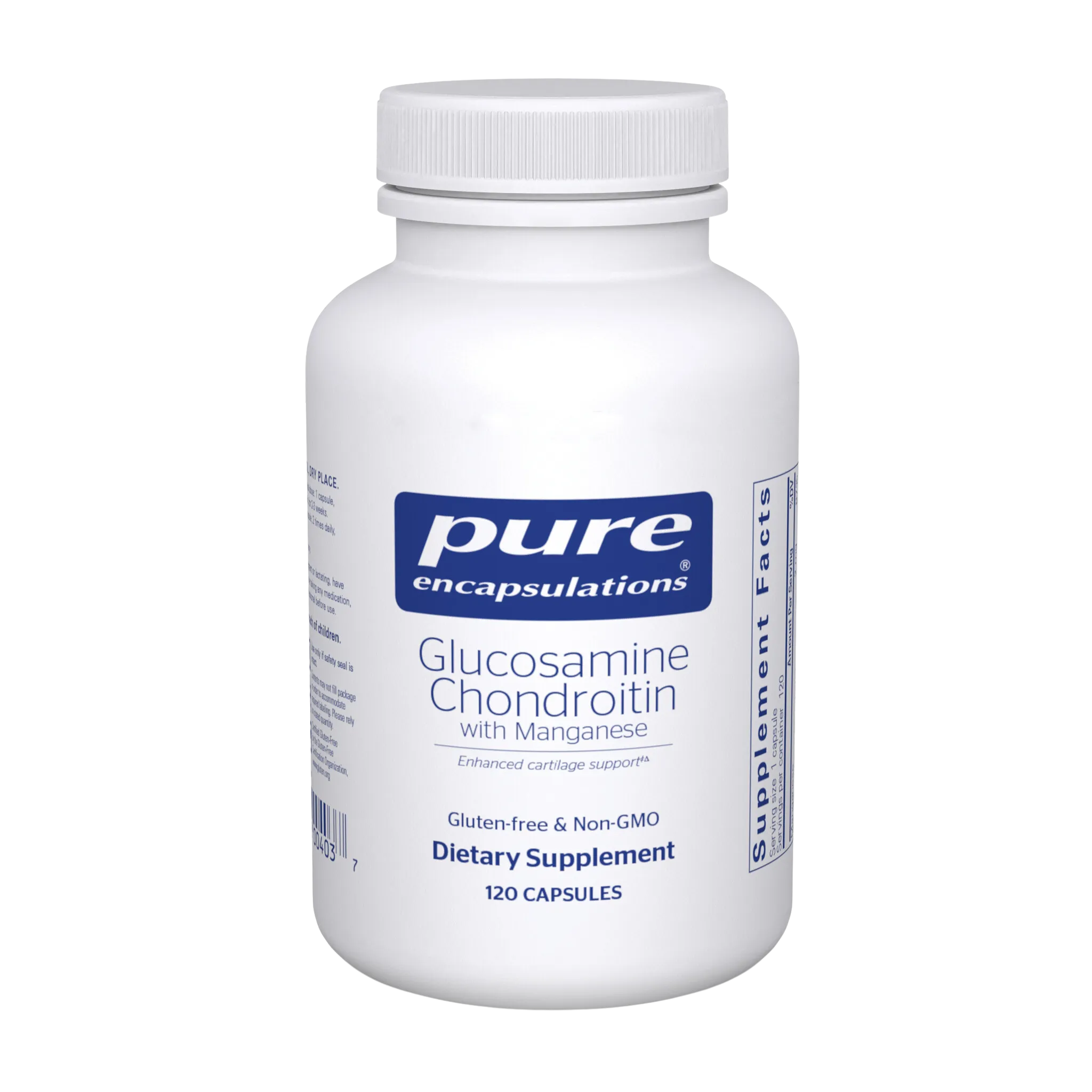
Enter Glucosamine Chondroitin with Manganese, a synergistic combination of structural building blocks and essential trace minerals designed to support cartilage synthesis, enhance connective tissue health, and promote healthy synovial fluid. While these compounds are widely recognized in the context of age-related osteoarthritis, emerging research reveals their profound relevance for patients navigating complex, inflammation-driven chronic illnesses. By understanding how these nutrients interact at the cellular level to rebuild the extracellular matrix, quench oxidative stress, and inhibit destructive inflammatory pathways, we can better appreciate their role in a comprehensive symptom management strategy.
TL;DR
Glucosamine, chondroitin, and manganese provide essential building blocks to support joint health and cartilage repair.
This combination may help manage chronic joint pain and stiffness linked to Long COVID and ME/CFS.
Patients with hypermobility (hEDS/HSD) may benefit from structural support to mitigate joint instability and micro-traumas.
Take with food and consult your doctor, especially if you have shellfish allergies or take blood thinners.
What is Glucosamine Chondroitin with Manganese?
The Building Blocks of Cartilage: Glucosamine and Chondroitin
To understand how Glucosamine Chondroitin with Manganese functions, we must first look at the microscopic architecture of healthy joints. Cartilage, the firm, rubbery tissue that cushions the ends of bones, relies on a complex extracellular matrix (ECM) to maintain its shock-absorbing properties. Glucosamine is a naturally occurring amino sugar that serves as a fundamental biochemical precursor for the synthesis of glycosaminoglycans (GAGs) and proteoglycans. These complex macromolecules are the primary structural components of the cartilage matrix. In a healthy body, chondrocytes (specialized cartilage cells) utilize glucosamine to continuously rebuild and maintain this matrix, ensuring that joints remain resilient against mechanical stress and compression. Research indicates that glucosamine acts as a rate-limiting substrate, meaning the body's ability to repair cartilage is directly tied to the availability of this crucial amino sugar according to clinical reviews.
Chondroitin sulfate is a large, complex glycosaminoglycan that works in tandem with glucosamine. While glucosamine provides the raw materials for construction, chondroitin acts as the structural scaffolding that gives cartilage its unique gel-like, shock-absorbing properties. Chondroitin molecules are highly negatively charged, which allows them to attract and tightly bind water molecules within the extracellular matrix. This water-trapping mechanism is what provides cartilage with its resistance to compression, allowing joints to bear weight and move fluidly without bone-on-bone friction. Furthermore, chondroitin plays a vital role in maintaining the viscosity of synovial fluid, the biological lubricant that bathes the joint capsule and facilitates smooth, frictionless movement.
The Essential Role of Manganese in Connective Tissue
While glucosamine and chondroitin are the bricks and mortar of joint health, manganese acts as the master builder. Manganese is an essential trace mineral that functions as an indispensable cofactor for specific enzymes known as glycosyltransferases. These enzymes are biologically responsible for linking sugar molecules together to synthesize the very glycosaminoglycans (GAGs) that glucosamine and chondroitin help form. Without adequate manganese, the enzymatic assembly line halts, and the body cannot efficiently produce chondroitin sulfate, heparan sulfate, or hyaluronic acid, leading to weakened connective tissues and compromised joint integrity as detailed by the Linus Pauling Institute.
Beyond its role in GAG synthesis, manganese is also critical for the production of collagen, the most abundant structural protein in the human body. Manganese activates an enzyme called prolidase, which provides the amino acid proline—a primary building block required for collagen fiber formation. By facilitating the cross-linking of these collagen fibers, manganese enhances the tensile strength of tendons, ligaments, and the cartilage matrix itself. This biochemical process is particularly crucial for individuals with connective tissue vulnerabilities, as robust collagen cross-linking is necessary to prevent tissue tears, laxity, and premature degradation under physical stress.
Antioxidant Defense and Synovial Fluid Maintenance
In addition to its structural duties, manganese is a vital component of the body's intrinsic antioxidant defense system. It is a structural requirement for the formation of Manganese Superoxide Dismutase (Mn-SOD), a principal antioxidant enzyme located within the mitochondria of cells. Joints and connective tissues are highly susceptible to oxidative stress, which can rapidly accelerate cartilage breakdown. Mn-SOD actively neutralizes destructive oxygen free radicals, mitigating localized joint inflammation and protecting the delicate extracellular matrix from oxidative damage. This dual action—promoting structural synthesis while actively defending against oxidative destruction—makes manganese an invaluable partner to glucosamine and chondroitin in maintaining long-term joint health.
How Chronic Illness Impacts Connective Tissue and Joints
Systemic Inflammation and Long COVID Joint Pain
Chronic illnesses like Long COVID and ME/CFS are characterized by profound systemic inflammation and immune dysregulation, which take a severe toll on the musculoskeletal system. Following a viral infection, the immune system can become locked in a hyperactive state, continuously releasing pro-inflammatory cytokines such as Interleukin-1 beta (IL-1β) and Tumor Necrosis Factor-alpha (TNF-α). These cytokines infiltrate the joint capsule and bind to receptors on chondrocytes, triggering a catabolic (destructive) cascade. This inflammatory signaling upregulates the production of matrix metalloproteinases (MMPs) and aggrecanases—enzymes that aggressively cleave and degrade the cartilage matrix. As a result, patients often experience diffuse, migrating joint pain and stiffness that mimics autoimmune arthritis, further complicating their daily functioning and mobility.
Furthermore, emerging research into the metabolic consequences of SARS-CoV-2 infection has revealed significant disruptions in the body's biochemical reserves. A recent study exploring COVID-19 pathology found that patients with severe viral presentations suffer from profound metabolic exhaustion, including the severe depletion of crucial metabolites like glucosamine. When systemic glucosamine levels are depleted by the intense metabolic demands of fighting a virus, the body lacks the raw materials necessary to repair the daily wear and tear on cartilage. This metabolic deficit creates a vicious cycle: unchecked inflammation degrades the joints, while the depleted supply of structural precursors prevents adequate tissue repair, leading to chronic, lingering pain long after the acute infection has passed.
Hypermobility, hEDS, and Dysautonomia
For patients navigating dysautonomia, particularly Postural Orthostatic Tachycardia Syndrome (POTS), there is frequently an underlying, interconnected diagnosis: hypermobile Ehlers-Danlos Syndrome (hEDS) or Hypermobility Spectrum Disorders (HSD). These genetic connective tissue disorders are characterized by a defect in collagen formation, resulting in lax, overly elastic ligaments that fail to hold joints tightly in place. This chronic joint instability leads to frequent subluxations (partial dislocations), micro-traumas, and abnormal mechanical stress on the cartilage. Over time, this constant mechanical friction causes premature, "wear-and-tear" osteoarthritis, driving severe, chronic pain that exacerbates the fatigue and autonomic dysfunction already present in these patients as noted in clinical literature on hypermobility.
The intersection of hypermobility and dysautonomia creates a complex clinical picture. Because connective tissue is found throughout the entire body, the same collagen defects that cause joint instability also affect the elasticity of blood vessels, contributing to the blood pooling and rapid heart rate characteristic of POTS. While structural supplements cannot alter the underlying genetic code of hEDS, they are frequently utilized to provide the body with an abundance of the raw materials needed to fortify the existing, non-defective components of the extracellular matrix. By maximizing the health of the cartilage and synovial fluid, patients may help mitigate the secondary osteoarthritis and joint degradation driven by their hypermobility, which is an essential part of learning How to Maintain Your Independence with Chronic Illness.
Gut Dysbiosis and the Inflammatory Loop
Another critical factor in the pathophysiology of ME/CFS and Long COVID is gut dysbiosis and increased intestinal permeability, commonly known as "leaky gut." Chronic viral persistence and autonomic dysfunction frequently disrupt the gastrointestinal microbiome, leading to a breakdown of the mucosal barrier. When this barrier is compromised, endotoxins and undigested proteins leak into the bloodstream, triggering a systemic immune response that fuels widespread neuroinflammation and musculoskeletal pain. Interestingly, glycosaminoglycans and specific forms of glucosamine are vital structural components of the protective mucosal lining of the stomach and intestines. When the body is depleted of these compounds, the gut lining remains vulnerable, perpetuating the systemic inflammatory loop that drives the profound fatigue, post-exertional malaise (PEM), and joint aches experienced by so many patients.
Glucosamine Chondroitin with Manganese: Supporting Joint Function
Stimulating Cartilage Synthesis (Anabolic Pathways)
Supplementing with Glucosamine Chondroitin with Manganese provides a targeted, multifaceted approach to restoring joint health and connective tissue integrity. At the cellular level, glucosamine acts as a direct anabolic (tissue-building) stimulant. When introduced into the joint space, glucosamine is taken up by chondrocytes and funneled into the hexosamine biosynthetic pathway. This pathway is responsible for generating the building blocks of glycosaminoglycans (GAGs) and proteoglycans. By providing an abundant supply of this rate-limiting precursor, supplementation effectively "turns on" the cellular machinery required to synthesize new cartilage matrix, specifically upregulating the production of aggrecan and collagen type II, which are essential for restoring the structural density of the joint capsule.
Chondroitin sulfate complements this anabolic activity by directly integrating into the newly formed cartilage matrix. As a highly hydrophilic (water-loving) molecule, chondroitin draws fluid into the joint space, restoring the hydrostatic pressure necessary for shock absorption. This influx of water not only cushions the joint but also facilitates the transport of vital nutrients into the avascular (blood-vessel-free) cartilage tissue, nourishing the chondrocytes and promoting further repair. The addition of manganese ascorbate ensures that the glycosyltransferase enzymes have the necessary cofactors to efficiently link these newly synthesized GAGs together, optimizing the entire structural rebuilding process as supported by animal research on manganese and glycosaminoglycan metabolism.
Inhibiting Tissue Degradation (Anti-Catabolic Effects)
Beyond their role as structural building blocks, glucosamine and chondroitin exert profound anti-catabolic and anti-inflammatory effects within the joint microenvironment. Research demonstrates that glucosamine actively suppresses the Nuclear Factor kappa-light-chain-enhancer of activated B cells (NF-κB) pathway. NF-κB is a master genetic switch that, when activated by systemic inflammation (such as in Long COVID), triggers the production of destructive enzymes and inflammatory cytokines. By inhibiting NF-κB, glucosamine downregulates the synthesis of the COX-2 enzyme and prostaglandin E2 (PGE2), which are primary drivers of joint pain and swelling. This mechanism provides targeted relief without the gastrointestinal risks associated with traditional NSAID pain relievers.
Chondroitin further protects the joint by counteracting the destructive effects of Interleukin-1 beta (IL-1β). IL-1β is a cytokine that induces articular inflammation and stimulates the release of matrix metalloproteinases (MMPs), the enzymes responsible for aggressively chewing up the cartilage matrix. Chondroitin has been shown to inhibit MMP activity and reduce the resorptive (bone-destroying) activity in the subchondral bone beneath the cartilage layer. Together, this dual anti-catabolic action helps to halt the vicious cycle of tissue degradation, preserving existing cartilage and creating a more hospitable environment for tissue regeneration and repair in patients dealing with chronic, inflammation-driven joint pain.
Quenching Oxidative Stress with Manganese Superoxide Dismutase
The inclusion of manganese in this formulation provides a critical third therapeutic angle: robust antioxidant defense. In chronic illnesses characterized by mitochondrial dysfunction and immune hyperactivation, the body produces excessive amounts of reactive oxygen species (ROS), leading to severe oxidative stress. In the joints, this oxidative stress directly damages collagen fibers and accelerates chondrocyte death. Manganese is the essential structural core of Manganese Superoxide Dismutase (Mn-SOD), the primary antioxidant enzyme responsible for neutralizing superoxide radicals within the mitochondria. By supporting the production and activity of Mn-SOD, manganese helps to quench localized oxidative stress, protecting the newly synthesized cartilage matrix from free radical damage and further reducing the inflammatory burden on the musculoskeletal system.

Symptoms Glucosamine Chondroitin with Manganese May Help Manage
Chronic Joint Pain and Aching: By inhibiting the NF-κB inflammatory pathway and reducing the production of pain-triggering prostaglandins (PGE2), this combination may help alleviate the diffuse, migrating joint pain frequently experienced in Long COVID and ME/CFS.
Joint Stiffness and Reduced Mobility: Chondroitin sulfate attracts and binds water within the extracellular matrix, helping to restore the hydrostatic pressure and lubrication of the joint capsule, which may reduce morning stiffness and improve overall range of motion.
Hypermobility-Related Joint Degradation: For individuals with hEDS or HSD, providing abundant structural precursors (glucosamine and chondroitin) alongside essential enzymatic cofactors (manganese) supports the continuous repair of cartilage subjected to the micro-traumas of joint instability.
Connective Tissue Weakness: Manganese activates the prolidase enzyme, facilitating the synthesis of proline and the cross-linking of collagen fibers, which may help maintain the tensile strength of tendons, ligaments, and the cartilage matrix itself.
Localized Oxidative Stress: By supporting the formation of the antioxidant enzyme Manganese Superoxide Dismutase (Mn-SOD), manganese helps neutralize destructive free radicals in the joint space, protecting delicate tissues from oxidative damage and premature aging.
Synovial Fluid Depletion: Glucosamine is a precursor to hyaluronic acid, a key component of synovial fluid. Supplementation may support healthy hyaluronic acid production, enhancing the biological lubrication that prevents bone-on-bone friction during movement.
Practical Considerations: Forms, Dosing, and Absorption
Bioavailability and Absorption Rates
When considering supplementation, understanding the bioavailability and pharmacokinetics of the ingredients is crucial. Glucosamine, particularly in the form of glucosamine hydrochloride (HCl) or sulfate, is highly and rapidly absorbed in the gastrointestinal tract. Clinical pharmacokinetic studies indicate that oral glucosamine has an absorption rate of approximately 90%. After ingestion, it reaches a steady state in the blood within about three hours and effectively distributes into extravascular compartments, including the synovial fluid of the joints, where it exerts its therapeutic effects. Its elimination half-life is roughly 15 hours, meaning a consistent daily dosing schedule can maintain steady, supportive tissue levels throughout the day and night.
Chondroitin sulfate, on the other hand, is a much larger macromolecule, which naturally restricts its absorption compared to the smaller glucosamine molecule. Its oral absorption rate is generally estimated at around 70%. However, despite its larger size, research confirms that chondroitin does successfully cross the intestinal barrier and accumulate in the joint tissues upon multiple daily dosings. The combination of these two compounds in a single formula is designed to leverage their distinct absorption profiles, ensuring that both the rapid-acting precursors (glucosamine) and the larger structural scaffolding molecules (chondroitin) are delivered to the chondrocytes for comprehensive matrix repair.
Optimal Dosing and Administration Timing
Because glucosamine and chondroitin are slow-acting, structural supplements, they require consistent, long-term use to achieve noticeable clinical benefits. Unlike fast-acting pharmaceutical pain relievers, these compounds work by gradually rebuilding tissue and modulating inflammatory pathways, a process that typically takes 4 to 12 weeks of daily administration. The suggested initial dose for this specific formulation is 1 capsule, 3 times daily, with meals, for 2-3 weeks to build up tissue saturation. Following this loading phase, the maintenance dose is 1 capsule, 2 times daily, with meals. Consistency is key; taking the supplement at the same times each day helps maintain a steady concentration of the active compounds in the synovial fluid.
It is highly recommended to take Glucosamine Chondroitin with Manganese with or immediately after meals. Taking these compounds on an empty stomach can occasionally lead to mild gastrointestinal side effects, such as nausea, heartburn, or stomach upset, particularly in patients with dysautonomia or ME/CFS who already experience sensitive digestion or delayed gastric emptying. Taking the capsules with food helps buffer the stomach lining and enhances the overall tolerability of the supplement, making it easier to incorporate into your daily routine, even when figuring out 5 Tips for Surviving the Holidays with a Chronic Illness.
Potential Interactions and Contraindications
While generally considered safe and well-tolerated, there are important clinical interactions and contraindications to be aware of. The most significant interaction involves blood-thinning medications, specifically warfarin (Coumadin). Taking glucosamine and chondroitin can significantly enhance the anticoagulant effects of warfarin, increasing the risk of severe bruising and dangerous bleeding. Patients taking prescription blood thinners should strictly avoid these supplements unless explicitly directed and monitored by their prescribing physician. Additionally, there is some evidence that glucosamine may alter the metabolism of acetaminophen (Tylenol), potentially reducing the pain-relieving efficacy of both the supplement and the medication when taken concurrently.
It is also crucial to note the source of the ingredients. The glucosamine HCl in this specific formula is derived from the exoskeletons of crustaceans (crab and shrimp). Therefore, individuals with severe shellfish allergies must avoid this product to prevent anaphylactic or allergic reactions. Furthermore, because glucosamine is an amino sugar, diabetics or individuals with severe insulin resistance should monitor their blood glucose levels closely when initiating supplementation, as it may theoretically impact glucose metabolism. Always consult with your healthcare provider before adding new structural supplements to your regimen, especially if you are managing complex neuroimmune conditions or taking multiple prescription medications.

Follow the Science
The GAIT and MOVES Trials
The clinical efficacy of glucosamine and chondroitin has been the subject of extensive, large-scale scientific investigation, primarily in the context of osteoarthritis and joint degradation. One of the most prominent studies is the NIH-sponsored Glucosamine/Chondroitin Arthritis Intervention Trial (GAIT), which involved over 1,500 participants. While the initial phase found that the combination did not offer statistically significant pain relief to the overall study group compared to a placebo, a crucial subgroup analysis revealed profound benefits. Participants with moderate-to-severe joint pain experienced significant relief with the combination therapy, with 79% achieving a 20% or greater reduction in pain according to the published findings.
Further validating these structural compounds is the rigorously designed MOVES trial (Multicentre Osteoarthritis interVEntion trial with Sysadoa), published in 2016. This multinational study evaluated the combination of glucosamine and chondroitin against the prescription NSAID celecoxib. The researchers found that the combination therapy was as effective as celecoxib at relieving severe joint pain and swelling over a six-month period. This landmark study is widely cited as evidence that these supplements offer a viable, safer, and highly effective alternative for patients who require long-term joint pain management but cannot tolerate the cardiovascular or gastrointestinal risks associated with chronic NSAID usage.
Recent Meta-Analyses on Joint Health
Recent systematic reviews continue to support the synergistic use of these compounds. A comprehensive 2022 meta-analysis reviewing multiple randomized controlled trials (involving thousands of patients) demonstrated a significant improvement in WOMAC scores—a standardized clinical measure of joint pain, stiffness, and physical function—when the combination of glucosamine and chondroitin was compared to a placebo. These large-scale analyses consistently highlight that while individual responses may vary, the biological mechanism of supplying the body with the raw materials for cartilage synthesis and the enzymatic cofactors for matrix assembly (like manganese) yields measurable, structural benefits for compromised joints as detailed in recent clinical reviews.
Emerging Research in Post-Viral Syndromes and Hypermobility
Beyond traditional osteoarthritis, the scientific community is increasingly exploring the role of these nutrients in complex chronic illnesses. Research into Long COVID pathology has identified severe metabolic exhaustion in post-viral patients, specifically noting the depletion of crucial metabolites like glucosamine following severe SARS-CoV-2 infection. This metabolic deficit provides a mechanistic explanation for the widespread, lingering joint pain experienced by Long COVID patients, suggesting that targeted replenishment may support tissue recovery. Additionally, clinical reviews focusing on the nutritional management of hypermobile Ehlers-Danlos Syndrome (hEDS) and dysautonomia frequently recommend high-dose glucosamine and chondroitin protocols to mitigate the rapid joint degradation and osteoarticular pain caused by genetic collagen laxity, reinforcing the vital role of structural support in these patient populations.
The Path Forward
A Comprehensive Approach to Joint Care
Living with the chronic, unpredictable joint pain associated with Long COVID, ME/CFS, dysautonomia, and hypermobility syndromes can be profoundly exhausting. When your body is fighting systemic inflammation or struggling with connective tissue laxity, every movement can feel like a monumental effort. It is entirely valid to feel frustrated by symptoms that are often invisible to the outside world but deeply impactful on your daily quality of life. While there are no quick fixes for complex neuroimmune or genetic connective tissue disorders, understanding the biochemical mechanisms driving your symptoms empowers you to make targeted, supportive choices for your long-term health.
Glucosamine Chondroitin with Manganese offers a scientifically grounded approach to supporting the structural integrity of your joints. By providing the essential building blocks for cartilage synthesis, the necessary cofactors for collagen cross-linking, and robust antioxidant defense against localized inflammation, this synergistic formula addresses joint health at the cellular level. However, supplements are most effective when integrated into a comprehensive management strategy. Pacing your physical activity to avoid post-exertional malaise (PEM), utilizing physical therapy tailored for hypermobility, staying aggressively hydrated for dysautonomia, and working closely with a dysautonomia-literate care team are all vital components of protecting your musculoskeletal system and improving your overall well-being.
Next Steps
If you are struggling with chronic joint pain, stiffness, or the structural complications of hypermobility, targeted nutritional support may be a valuable addition to your symptom management toolkit. Always consult with your healthcare provider before starting any new supplement, especially if you have a shellfish allergy, are taking blood-thinning medications, or are managing multiple complex chronic conditions. Together with your medical team, you can determine if this structural formula is the right fit for your unique physiological needs.
Sources
The Safety and Efficacy of Glucosamine and/or Chondroitin in Humans (PMC11204640)
Manganese Essentiality and Bone/Joint Health (Linus Pauling Institute)
COVID-19 influenced gut dysbiosis, post-acute sequelae, immune regulation (PMC10106883)
Symptomatic joint hypermobility: The Hypermobile Type of Ehlers-Danlos Syndrome (PMID: 32249022)
Effects of dietary manganese on arterial glycosaminoglycan metabolism (PMID: 9845481)
Glucosamine, Chondroitin for Osteoarthritis Pain (Arthritis Foundation)