Can GI Relief Soothe Digestive Symptoms in Long COVID and MCAS?
March 6, 2026
GI ReliefLong COVIDMCAS
Share:
Disclaimer: The information provided here is for educational purposes only and is not intended as medical advice. It should not be used to diagnose, treat, cure, or prevent any medical condition. Instead, use it as a starting point for discussion with your healthcare provider. Always consult with a qualified healthcare provider before starting any new medication, supplement, device, or making changes to your health regimen.
Months or even years after a viral infection, many patients find themselves battling a new, unpredictable enemy: their own digestive system. You might experience severe bloating after eating a previously safe meal, debilitating abdominal cramps, or a constant, burning irritation in your stomach that standard antacids cannot seem to touch. For individuals living with Long COVID, mast cell activation syndrome (MCAS), myalgic encephalomyelitis/chronic fatigue syndrome (ME/CFS), and dysautonomia, these gastrointestinal (GI) symptoms are not just frustrating—they are physically exhausting and profoundly impact daily quality of life. Even more maddening is when standard endoscopies or routine lab work come back "normal," leaving you without answers or a clear path forward.
If you are dealing with these invisible but debilitating GI issues, your symptoms are valid, and they have a deeply rooted physiological basis. The mucosal lining of your digestive tract is a complex, highly sensitive barrier that can become severely compromised by chronic inflammation, viral persistence, and immune dysregulation. Healing this barrier requires more than just suppressing stomach acid; it requires actively soothing and rebuilding the delicate tissue. This is where targeted botanical support comes in. In this article, we will explore how Thorne’s GI Relief—a specialized blend of deglycyrrhizinated licorice (DGL), slippery elm, marshmallow root, and aloe vera—works at the cellular level to calm irritated mucous membranes and support comprehensive gastrointestinal healing.
TL;DR
GI Relief uses botanical demulcents to soothe and support the healing of your digestive tract lining.
Ingredients like DGL and aloe vera help manage inflammation and support natural mucus production.
Fortifying your gut barrier may help alleviate GI symptoms linked to Long COVID, MCAS, and dysautonomia.
Mix capsules with water to activate the soothing properties and maximize gastrointestinal support.
What is GI Relief?
The Power of Botanical Demulcents
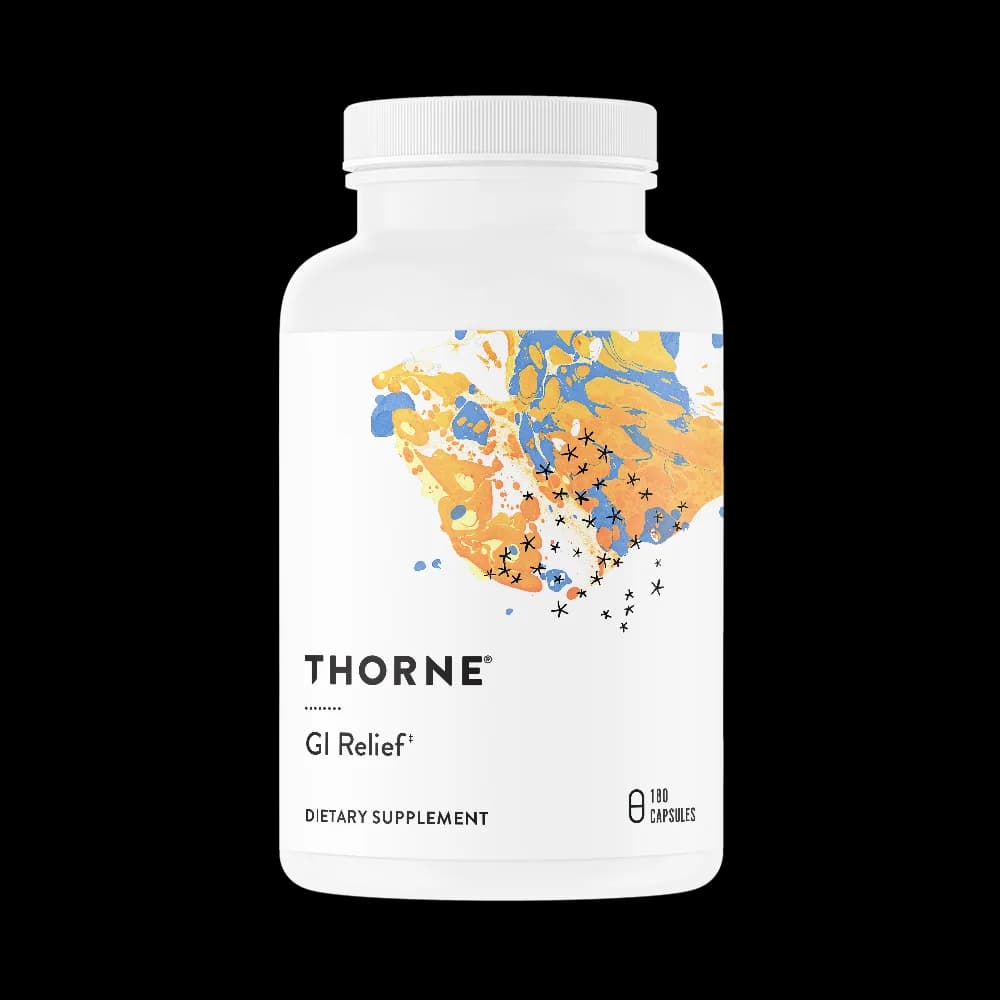
Thorne's GI Relief is a targeted botanical supplement designed to soothe and protect the gastrointestinal tract. At its core, this formula relies on the therapeutic power of "demulcents." In botanical medicine, a demulcent is an agent that forms a soothing, protective film over a mucous membrane, relieving minor pain and inflammation. Unlike systemic medications that travel through the bloodstream to exert their effects, demulcents work primarily through direct physical contact with the irritated tissues of the esophagus, stomach, and intestines. This direct, localized action makes them incredibly valuable for patients suffering from the raw, burning sensations associated with chronic GI inflammation.
The gastrointestinal tract is lined with a delicate layer of epithelial cells, protected by a natural coating of mucus. In a healthy body, this mucus barrier helps protect against harsh stomach acids, digestive enzymes, and abrasive food particles from damaging the underlying tissue. However, in complex chronic conditions, this natural barrier is often degraded, leaving the epithelial cells exposed and vulnerable. GI Relief steps in to temporarily replace and fortify this lost barrier, providing the physical "breathing room" the tissue needs to initiate its own natural repair processes.
The Synergy of Four Key Ingredients
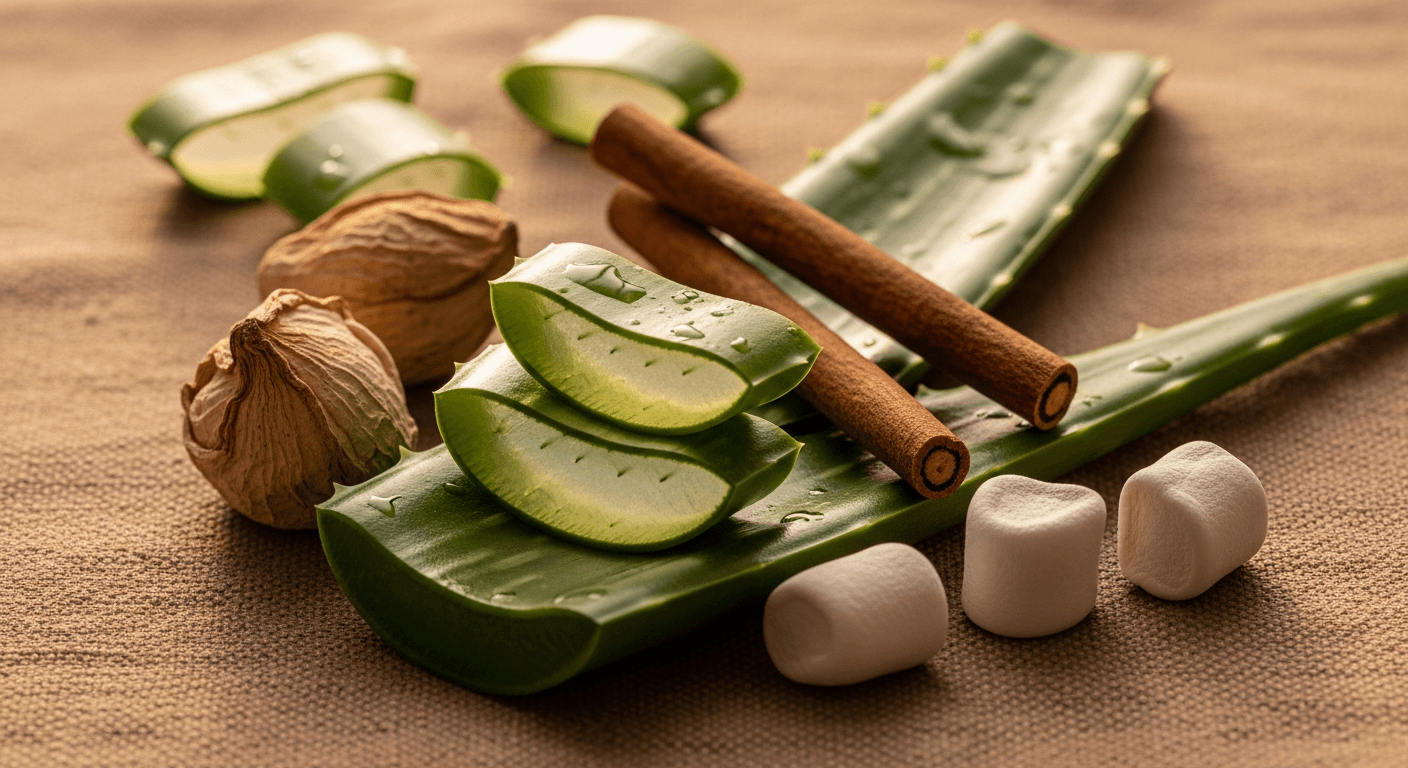
The efficacy of GI Relief lies in the synergistic combination of four extensively researched botanical extracts: Deglycyrrhizinated Licorice (DGL), Slippery Elm bark, Marshmallow root, and aloin-free Aloe Vera gel. Each of these ingredients brings a unique mechanism of action to the table. While slippery elm and marshmallow root provide the heavy-duty mucilage required to physically coat the stomach lining, DGL works at the cellular level to stimulate the body's own mucus production and enhance local blood flow. Meanwhile, the specialized aloe vera extract acts as a potent anti-inflammatory agent, quenching the cellular fires that drive continuous tissue damage.
This multifaceted approach is particularly important for patients with Long COVID or MCAS, whose GI symptoms are rarely caused by a single factor. By addressing physical barrier protection, cellular inflammation, and natural mucus production simultaneously, the formula provides comprehensive support that single-ingredient supplements often lack. The specific dosages—350 mg of DGL, 200 mg of marshmallow root, 100 mg of slippery elm, and 50 mg of aloe vera per capsule—are carefully calibrated to provide therapeutic relief without overwhelming a sensitive digestive system.
Beyond Acid Suppression
For decades, the standard medical approach to GI discomfort, heartburn, and ulcers has been acid suppression using Proton Pump Inhibitors (PPIs) or H2-receptor antagonists. While these medications can provide rapid symptom relief by neutralizing or halting the production of stomach acid, they do not actively heal the mucosal lining. Furthermore, long-term suppression of stomach acid can lead to unintended consequences, including impaired protein digestion, malabsorption of vital nutrients (like vitamin B12, calcium, and magnesium), and an increased risk of small intestinal bacterial overgrowth (SIBO) and gut dysbiosis.
GI Relief offers a fundamentally different approach. Rather than shutting down the stomach's natural digestive processes, it focuses on enhancing the stomach's natural defenses. By fortifying the mucosal barrier, the stomach can safely contain the acid required for proper digestion without that acid burning the underlying tissue. This makes GI Relief an excellent option for patients who are looking to manage their symptoms while actively supporting the long-term structural integrity of their gastrointestinal tract, avoiding the vicious cycles often perpetuated by long-term pharmaceutical acid suppression.
How Chronic Illness Impacts the Gastrointestinal System
Long COVID and the "Leaky Gut" Phenomenon
The gastrointestinal tract has emerged as a central battleground in the pathology of Long COVID. The virus is known to affect the mucosal lining of the small intestines. This initial viral infection, and the potential for persistent viral RNA fragments remaining in the gut tissue long after the acute phase, triggers a prolonged local inflammatory response. This inflammation actively damages the tight junctions—complex protein structures (like zonulin and occludin) that seal the gaps between intestinal epithelial cells. When these junctions degrade, the result is altered intestinal permeability, commonly known as "leaky gut."
Because of this hyper-permeability, microbial components that belong safely inside the gut lumen begin to spill into the bloodstream. Studies have shown that bacterial endotoxins like lipopolysaccharides (LPS) and fungal sugars like β-glucans translocate across the compromised barrier in Long COVID patients. The immune system detects these foreign bodies in the blood and triggers a persistent, systemic inflammatory response. This chronic immune activation is theorized to be a primary driver of the hallmark chronic fatigue, brain fog, and multi-organ dysfunction seen in Long COVID and ME/CFS, highlighting why healing the gut barrier is paramount for systemic recovery.
MCAS and Mucosal Mast Cell Degranulation
Mast Cell Activation Syndrome (MCAS) is a chronic immunological disorder where mast cells inappropriately and excessively release potent chemical mediators. Because the GI tract acts as a primary environmental interface, it is heavily populated with mast cells residing in the intestinal lamina propria. When these enteric mast cells degranulate, they release a flood of histamine, which binds to H1 and H2 receptors in the gut. This triggers rapid smooth muscle contraction (causing severe cramping), increases vascular permeability (leading to rapid fluid shifts and secretory diarrhea), and promotes excessive gastric acid secretion, which directly burns and damages the mucosal lining.
Furthermore, activated mast cells release destructive proteases like tryptase and chymase. These enzymes actively degrade the tight junction proteins that hold the intestinal barrier together, directly causing the leaky gut phenomenon described above. This constant bombardment of inflammatory mediators also sensitizes the local enteric nerves, creating a state of "visceral hypersensitivity." In this heightened neurological state, normal digestive processes or minor gas stretching the bowel can register as severe, debilitating pain to the brain. This is why many MCAS patients are frequently misdiagnosed with refractory Irritable Bowel Syndrome (IBS) before their mast cell issues are identified.
Dysautonomia and the Vagus Nerve Disconnect
The gut and the brain are in constant, bidirectional communication via the gut-brain axis, a superhighway largely modulated by the vagus nerve. Many patients with complex chronic illnesses develop dysautonomia, including Postural Orthostatic Tachycardia Syndrome (POTS), which involves a dysfunction of the autonomic nervous system. This dysfunction impairs the vagus nerve's ability to regulate involuntary bodily functions, including the complex processes of digestion. When vagal tone is low, the intricate, coordinated muscle contractions required to move food through the digestive tract (peristalsis) become sluggish, erratic, or paralyzed.
This delayed gastric emptying and altered motility allow food to sit and ferment in the gut, leading to severe bloating, nausea, and the development of Small Intestinal Bacterial Overgrowth (SIBO). The resulting bacterial fermentation produces excess gas that physically stretches the intestines, further irritating the mucosal lining and triggering local mast cells to degranulate. The resulting inflammation creates a vicious cycle: an inflamed, irritated gut sends distress signals back up the vagus nerve to the brain, which can exacerbate systemic autonomic dysfunction, trigger tachycardia episodes, and worsen the neurological symptoms of Long COVID.
GI Relief: Supporting the Gut Barrier and Mucosal Integrity
DGL: Stimulating Natural Mucosal Defense
Deglycyrrhizinated Licorice (DGL) is a highly regarded natural therapeutic agent used primarily for healing the gastrointestinal mucosal lining. Unlike conventional medications that simply neutralize stomach acid, DGL works by actively stimulating the body's natural defense and repair mechanisms. At the cellular level, DGL influences the synthesis of gastric prostanoids (prostaglandins), which are critical lipid compounds that regulate inflammation and protect the mucosal lining from injury. By upregulating these protective compounds, DGL helps the stomach defend itself against its own acidic environment.
Furthermore, DGL increases the local blood supply to the damaged gastric mucosa. This enhanced microcirculation accelerates the delivery of oxygen, nutrients, and immune cells required for rapid tissue regeneration and ulcer healing. DGL also stimulates the transformation of unspecialized epithelial cells into mucus-producing cells, significantly increasing the total volume and thickness of protective mucin secreted in the stomach and intestines. Additionally, the specific flavonoids found in DGL possess potent antimicrobial properties that inhibit Helicobacter pylori from adhering to the human gastric mucosa, addressing one of the root causes of peptic ulcers and chronic gastritis.
Slippery Elm and Marshmallow Root: The "Bandage Effect"
Both slippery elm bark and marshmallow root are renowned in botanical medicine for their exceptionally high mucilage content. Mucilage is a complex mixture of high-molecular-weight polysaccharides, including pentose and hexose sugars, which cannot be fully digested by human enzymes. When these polysaccharides come into contact with water, they swell to form a thick, viscous, gel-like substance. Upon ingestion, this mucilage adheres tightly to the mucosal lining of the esophagus, stomach, and intestines, creating a temporary physical barrier known as the "bandage effect." This bioadhesion shields compromised or inflamed tissues from direct contact with harsh irritants like stomach acid, bile, and undigested food particles, halting continuous reinjury.
Beyond physical protection, these mucilaginous herbs actively help restore tight junctions and reverse intestinal permeability. Slippery elm and marshmallow root are traditionally used to help restore tight junctions. This physical tightening of the epithelial junctions helps reduce the "leaky gut" permeability that drives systemic inflammation in Long COVID and ME/CFS. Additionally, as this mucilage reaches the colon intact, it acts as a prebiotic. Intestinal microbiota ferment these polysaccharides to produce short-chain fatty acids (SCFAs), particularly butyrate, which serve as the primary energy source for colonocytes and directly fortify the gut barrier.
Aloin-Free Aloe Vera: Quenching Cellular Inflammation
The therapeutic use of Aloe vera for gastrointestinal inflammation relies heavily on its complex polysaccharides, most notably a compound called acemannan. Acemannan exerts profound immunomodulatory effects by suppressing the activation of nuclear factor-kappa B (NF-κB), a master transcription factor responsible for the expression of pro-inflammatory genes. By downregulating the production of primary pro-inflammatory cytokines like tumor necrosis factor-alpha (TNF-α), interleukin-1β (IL-1β), and interleukin-6 (IL-6), the aloe vera extract actively quenches the inflammatory cascade within the gut lining, providing deep cellular relief.
Furthermore, acemannan interacts directly with local macrophages in the gut tissue. As inflammation attempts to resolve, acemannan promotes the transition of macrophages from the tissue-damaging, pro-inflammatory M1 phase to the anti-inflammatory, tissue-repairing M2 phase. This cellular shift not only stops ongoing inflammatory damage but also actively promotes epithelialization, helping to close microscopic wounds in the intestinal barrier. Additionally, aloe vera extracts upregulate the Nrf2 signaling pathway, a master regulator of antioxidant defense, which neutralizes oxidative stress and free radical damage to the intestinal epithelium, further protecting the cells from programmed cell death (apoptosis) caused by chronic illness.
Symptoms GI Relief May Help Manage
Upper Gastrointestinal Support
Heartburn and GERD: The mucilage from slippery elm and marshmallow root physically coats the esophagus, providing immediate soothing relief from acid reflux, while DGL helps heal the lower esophageal sphincter tissue.
Nausea and Upset Stomach: By calming the irritated gastric lining and reducing localized inflammation, the botanical blend helps settle the stomach and reduce the visceral hypersensitivity that often triggers severe nausea in dysautonomia patients.
Esophageal Spasms: The soothing nature of the demulcents can help relax the smooth muscle of the upper GI tract, reducing the painful spasms often associated with mast cell degranulation and histamine release.
Lower Gastrointestinal and Systemic Support
Abdominal Cramping and Pain: Aloe vera's ability to downregulate pro-inflammatory cytokines like TNF-α helps reduce the deep, cellular inflammation that drives chronic abdominal pain and IBS-like symptoms in Long COVID.
Leaky Gut (Intestinal Permeability): The prebiotic fermentation of mucilage into butyrate, combined with the tightening of epithelial junctions, helps seal the gut barrier, helping to keep endotoxins from leaking into the bloodstream and driving systemic fatigue.
Chronic Diarrhea: While not an anti-diarrheal medication, the soothing, gel-forming properties of the mucilage can help absorb excess fluid in the bowel and calm the hyperactive motility often seen in MCAS-driven secretory diarrhea.
Food Sensitivities: By repairing the mucosal barrier and reducing localized immune reactivity, GI Relief can help lower the threshold of mast cell activation, potentially making the gut less reactive to dietary triggers over time.
Practical Considerations: Forms, Dosing, and Absorption
The Importance of Water and Salivary Enzymes
To maximize the efficacy of GI Relief, understanding how to properly administer the supplement is crucial. The mucilaginous herbs in the formula—slippery elm and marshmallow root—require water to activate their soothing properties. When the complex polysaccharides in these herbs mix with water, they swell and form the protective, gel-like substance that coats the GI tract. If taken as a dry capsule with only a tiny sip of water, the herbs cannot fully hydrate and expand, significantly reducing their "bandage effect." Therefore, it is highly recommended to take the capsules with a full glass of room-temperature water.
Furthermore, research suggests that DGL is most effective when it mixes with salivary enzymes. The act of mixing DGL with saliva stimulates the release of naturally occurring compounds that trigger the gut-healing mechanisms further down the digestive tract. For this reason, many practitioners recommend opening the GI Relief capsule and mixing the powder directly into a small amount of warm water or a soothing tea (like chamomile) to create a gruel or liquid suspension. Sipping this mixture allows the demulcents to coat the esophagus immediately upon swallowing and ensures the DGL interacts with saliva before reaching the stomach.
Safety Profiles: Why "Deglycyrrhizinated" and "Aloin-Free" Matter
The specific processing of the ingredients in Thorne's GI Relief is what makes it safe for long-term use in chronically ill populations. Whole licorice root contains a compound called glycyrrhizin (glycyrrhizic acid). While beneficial in small amounts, long-term consumption of glycyrrhizin can cause severe side effects, including increased cortisol levels, potassium depletion, and dangerously elevated blood pressure. By removing this compound to create Deglycyrrhizinated Licorice (DGL), the supplement retains the powerful gut-healing flavonoids without the associated cardiovascular or hormonal risks, making it safe for patients with POTS or hypertension.
Similarly, the whole leaf of the Aloe vera plant contains aloin, a potent anthraquinone laxative found in the plant's yellow latex. Ingesting aloin causes violent intestinal cramping, severe osmotic diarrhea, and further mucosal irritation—the exact opposite of what a healing gut needs. In fact, chronic consumption of unpurified aloe vera has been linked to pathological changes in the gut microbiome. Thorne utilizes an activated charcoal filtration process to completely strip the aloin from the aloe vera gel, leaving only the therapeutic, anti-inflammatory acemannan polysaccharides. This aloin-free extract provides gentle support for the GI tract without any laxative effects.
Dosing Strategies and Timing
The suggested use for GI Relief is to take 1-2 capsules with each meal, or as recommended by a health-care practitioner. Taking the supplement shortly before or during a meal allows the demulcents to mix with the food, providing a protective buffer as the digestive process begins and stomach acid is secreted. For patients dealing with severe esophageal irritation or GERD, taking a dose (mixed in water) 20 to 30 minutes before eating can help pre-coat the stomach lining and esophagus, helping to avoid the burning sensation that often accompanies the introduction of food.
It is important to note that because mucilaginous herbs form a thick physical coating over the stomach and intestinal lining, they can potentially interfere with the absorption of other oral medications or supplements. To help avoid any drug interactions or malabsorption, it is generally recommended to take GI Relief at least one to two hours apart from vital prescription medications. As always, patients with complex chronic illnesses should consult their healthcare provider to determine the optimal dosing schedule for their specific needs, especially if they are pregnant, as the product carries a warning against use during pregnancy.
Follow the Science
Clinical Evidence for DGL and Mucosal Healing
Extensive clinical research has demonstrated the profound efficacy of DGL in promoting gastric mucosal healing. In a classic randomized, placebo-controlled trial involving 33 patients with gastric ulcers, those receiving 760 mg of DGL three times a day experienced a remarkable 78% reduction in ulcer size within one month, compared to only a 34% reduction in the placebo group. Furthermore, 44% of the DGL group experienced complete ulcer healing, compared to just 6% of the placebo group. Other studies have compared DGL directly to pharmaceutical H2-blockers like cimetidine, finding that DGL achieved virtually identical healing rates at 6 and 12 weeks, but safely and at a fraction of the cost, without the toxicity or rebound acid effects associated with the pharmaceutical option.
Additionally, DGL has shown potent antimicrobial action against Helicobacter pylori, the bacteria responsible for many peptic ulcers and chronic gastritis. DGL is often utilized for its synergistic healing properties. Another study evaluating a triple antibiotic regimen found that adding DGL increased the H. pylori eradication rate from 62.5% to 83.3%, highlighting its supportive role.
Research on Mucilaginous Herbs and Intestinal Permeability
Recent scientific models have validated the traditional use of slippery elm and marshmallow root for supporting the intestinal barrier. Slippery elm and marshmallow root are traditionally used to help restore tight junctions. This physical tightening of the epithelial junctions is believed to reduce permeability, supporting the herbs' ability to fortify the gut barrier at a microscopic level.
Furthermore, a 16-week clinical trial investigating a multi-herb formula containing slippery elm bark in adults suffering from GI disorders yielded profound improvements in both upper and lower GI symptoms. Participants reported a 40% to 80% decrease in gastrointestinal pain, including heartburn and indigestion. Most notably, testing for intestinal permeability showed that 90% of participants with "leaky gut" exhibited clinical markers of mucosal healing, and nearly 50% of the subjects were able to successfully reduce their dependence on pharmaceutical proton pump inhibitors (PPIs).
Aloe Vera's Role in Inflammatory Bowel Conditions
The anti-inflammatory properties of aloin-free aloe vera have been well-documented in both animal models and human clinical trials for inflammatory bowel conditions. In a landmark double-blind, randomized, placebo-controlled trial on patients with mild-to-moderate Ulcerative Colitis, patients taking 100 mL of oral aloe vera gel twice daily for four weeks saw a clinical remission and improvement rate of 30%, compared to only 7% in the placebo group. The researchers noted significant reductions in clinical activity indices and histological inflammation scores.
More recently, in vivo studies simulating human Inflammatory Bowel Disease (IBD) have shown that administration of aloe vera extract effectively protects intestinal tissue from severe damage. A 2021 study noted statistically significant decreases in myeloperoxidase (a marker of neutrophil infiltration) and malondialdehyde (a marker of oxidative stress) in the gut mucosa of treated subjects. Aloe vera is thought to protect the delicate GI lining and help halt the cycle of chronic mucosal degradation.
The Path Forward
A Piece of the Puzzle
Living with severe gastrointestinal symptoms on top of the systemic fatigue and neurological challenges of Long COVID, MCAS, or dysautonomia can feel incredibly isolating. It is completely valid to feel frustrated when standard medical tests fail to capture the burning, bloating, and pain you experience daily. However, understanding the mechanisms of mucosal irritation, mast cell degranulation, and leaky gut provides a clear, physiological explanation for your symptoms—and more importantly, a target for healing. By focusing on rebuilding the gut barrier rather than just suppressing its natural functions, you can begin to break the vicious cycle of inflammation.
It is important to remember that while botanical demulcents like those found in GI Relief are powerful tools for soothing the mucosal lining, they are most effective when used as part of a comprehensive management strategy. Healing a compromised gut barrier takes time and patience. Your approach should ideally include identifying and removing dietary triggers, managing autonomic nervous system dysfunction through pacing and vagus nerve support, and working with a knowledgeable practitioner to address underlying issues like viral persistence or systemic mast cell activation. Supplements are a supportive bridge, giving your body the physical protection it needs to initiate its own deep healing processes.
Next Steps
If you are struggling with chronic heartburn, unexplained abdominal pain, or symptoms of leaky gut, targeted botanical support may offer the soothing relief your digestive system desperately needs. Always consult with your healthcare provider before introducing new supplements, especially to ensure they fit safely within your current medication regimen and overall treatment plan.