Can GABAnol Calm the Nervous System and Relieve Muscle Tension in Long COVID and Dysautonomia?
March 6, 2026
GABAnolLong COVIDDysautonomia
Share:
Disclaimer: The information provided here is for educational purposes only and is not intended as medical advice. It should not be used to diagnose, treat, cure, or prevent any medical condition. Instead, use it as a starting point for discussion with your healthcare provider. Always consult with a qualified healthcare provider before starting any new medication, supplement, device, or making changes to your health regimen.
Validate the patient experience. Living with complex chronic conditions like Long COVID, myalgic encephalomyelitis/chronic fatigue syndrome (ME/CFS), and dysautonomia often feels like being trapped in a body that is constantly on high alert. Many patients describe a sensation of internal vibrations, relentless muscle tension, and a nervous system that refuses to power down, even when they are profoundly exhausted. This paradoxical state—often referred to as "tired and wired"—is a hallmark of autonomic nervous system dysfunction. When the body's "fight or flight" mechanism gets stuck in the "on" position, it sends a continuous stream of excitatory signals to the muscles, leading to painful spasms, tightness, and an inability to achieve restorative sleep. For those navigating these invisible illnesses, finding a way to hit the physiological brakes is a critical step toward improving daily quality of life and managing debilitating symptom flares.
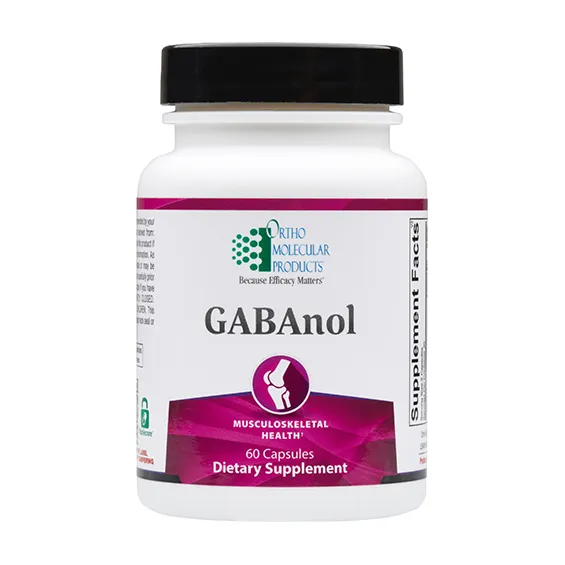
Enter GABAnol, a targeted, non-habit-forming supplement designed to provide quick-response support for muscle relaxation and nervous system calming. Formulated by Ortho Molecular, GABAnol combines a synergistic blend of inhibitory neurotransmitters—gamma-aminobutyric acid (GABA) and glycine—with essential physiological cofactors like magnesium, vitamin B6, vitamin C, and the botanical extract Dong Quai. Together, these ingredients work at the cellular and neurological levels to intercept stress-related messages before they reach the motor centers of the brain, helping to quiet the overactive signals that drive muscle spasms and autonomic overdrive. In this comprehensive guide, we will explore the intricate biochemistry behind GABAnol, examine how chronic illnesses disrupt the body's natural calming mechanisms, and delve into the clinical science supporting this unique formulation for patients seeking relief from chronic muscle tension and nervous system dysregulation.
TL;DR
GABAnol combines GABA, glycine, and magnesium to support nervous system balance and muscle relaxation.
Chronic conditions like Long COVID can cause autonomic dysfunction, leading to a "tired and wired" state.
Ingredients in GABAnol may help mitigate sympathetic overdrive, supporting better sleep and reduced physical tension.
Always consult a healthcare provider before starting supplements, especially if taking blood thinners or sedatives.
What is GABAnol?
The Role of Inhibitory Neurotransmitters: GABA and Glycine
To understand how GABAnol works, we must first look at the body's natural mechanisms for maintaining neurological balance. The central nervous system operates on a delicate seesaw between excitation and inhibition. On one side, excitatory neurotransmitters like glutamate act as the "gas pedal," stimulating neurons to fire and sending action signals throughout the body. On the other side, inhibitory neurotransmitters act as the "brakes," preventing neurons from firing too rapidly and ensuring that the system doesn't become overstimulated. Gamma-aminobutyric acid (GABA) is the chief inhibitory neurotransmitter in the human brain. When GABA binds to its specific receptors (GABA_A and GABA_B) on the surface of a neuron, it opens specialized channels that allow negatively charged chloride ions to flood into the cell. This influx of negative charge hyperpolarizes the neuron, making it significantly less likely to fire an electrical impulse. By dampening this electrical activity, GABA helps block stress-related messages from reaching the motor centers of the brain, thereby preventing the downstream signaling that triggers muscle spasms and physical tension.
While GABA dominates the brain, glycine serves as the primary inhibitory neurotransmitter in the brainstem and spinal cord. Glycine operates through a very similar mechanism, binding to glycine receptors (GlyR) to facilitate the entry of chloride ions and hyperpolarize motor neurons. What makes the combination of GABA and glycine in GABAnol so powerful is their synergistic co-transmission. While a safety review by the United States Pharmacopeia (USP) has evaluated the safety of GABA as a primary inhibitory neurotransmitter, other neurobiological research has revealed that GABA and glycine are frequently co-packaged and co-released from the exact same synaptic vesicles via a common transporter known as the vesicular inhibitory amino acid transporter (VIAAT). When co-released onto motor neurons, they activate both GABA and glycine receptors simultaneously, resulting in a drastically larger inhibitory electrical current than either neurotransmitter could achieve alone. This synergistic action makes them highly supportive in calming nerve impulses and controlling involuntary muscle contractions.
The Essential Cofactors: Magnesium and Vitamin B6
Neurotransmitters do not operate in a vacuum; they require specific nutritional cofactors to function optimally. GABAnol includes 100 mg of magnesium in the highly bioavailable form of DiMagnesium Malate (Albion®). Magnesium is a critical macromineral responsible for facilitating over 300 enzymatic reactions in the human body, but its role in muscle relaxation is perhaps its most vital function for chronic illness patients. At the muscular level, magnesium acts as a natural calcium channel blocker. During a muscle contraction, calcium floods into the muscle fiber, causing it to shorten and tighten. Once the contraction is complete, magnesium is required to actively pump the calcium back out of the cell, allowing the muscle fiber to lengthen and relax. When magnesium levels are depleted—a common occurrence in chronic inflammatory states—calcium lingers inside the cells, leading to sustained tension, cramps, and painful spasms. Furthermore, the malic acid (malate) bound to the magnesium in this formulation plays a direct role in the Krebs cycle, supporting mitochondrial ATP (energy) production, which is essential for the active process of muscle relaxation.
Alongside magnesium, GABAnol provides 50 mg of vitamin B6 (as Pyridoxine Hydrochloride). Vitamin B6 is an indispensable cellular cofactor for the nervous system, particularly when it comes to the endogenous synthesis of GABA. The body manufactures GABA by converting the excitatory neurotransmitter glutamate into GABA using an enzyme called glutamic acid decarboxylase (GAD). Vitamin B6 is the essential coenzyme required for GAD to function. Without adequate vitamin B6, the conversion process stalls, leading to a dangerous buildup of excitatory glutamate and a severe deficiency of calming GABA. This biochemical bottleneck can leave the nervous system in a state of chronic hyper-excitability. Additionally, vitamin B6 and magnesium are heavily codependent; B6 is required to shuttle magnesium effectively across cell membranes, and magnesium is necessary to convert B6 into its biologically active form. By providing both simultaneously, GABAnol ensures that these pathways are fully supported.
The Botanical Modulator: Dong Quai and Vitamin C
To complement the neurological and muscular actions of the amino acids and minerals, GABAnol incorporates 150 mg of Dong Quai Root Extract (Angelica sinensis). Known in Traditional Chinese Medicine as "female ginseng," Dong Quai has been utilized for centuries as a potent antispasmodic and smooth muscle relaxant. Modern pharmacological analysis has revealed that Dong Quai is rich in active compounds such as coumarins and ferulic acid. These phytochemicals act as natural vasodilators, meaning they help to widen and relax the smooth muscles that line the walls of blood vessels. By reducing vascular resistance and increasing peripheral blood flow, Dong Quai helps to flush out accumulated lactic acid and inflammatory metabolic waste products from tight, overworked muscles, thereby helping to alleviate post-exertional soreness and tension.
Finally, the inclusion of 40 mg of vitamin C (as Ascorbic Acid) provides essential antioxidant support. In states of chronic illness and sympathetic overdrive, the body generates high levels of reactive oxygen species (ROS), leading to oxidative stress that damages cellular membranes and endothelial tissues. Vitamin C neutralizes these free radicals, supporting the delicate vascular lining and supporting the synthesis of collagen, which is vital for maintaining the structural integrity of muscles, tendons, and fascia. Together, these six ingredients form a comprehensive, multi-targeted approach to soothing an agitated nervous system and releasing physical tension.
How Long COVID and Dysautonomia Impact the Nervous System
Sympathetic Overdrive and Autonomic Dysfunction
To understand why a supplement like GABAnol is so relevant for the chronic illness community, we must examine how conditions like Long COVID, ME/CFS, and dysautonomia fundamentally alter the nervous system. The autonomic nervous system (ANS) controls all of our unconscious bodily functions, including heart rate, blood pressure, digestion, and respiratory rate. It is divided into two main branches: the sympathetic nervous system (the "fight or flight" response) and the parasympathetic nervous system (the "rest and digest" state). In a healthy individual, these two branches operate in a dynamic equilibrium. However, in patients with dysautonomia—a frequent complication of post-viral syndromes—this balance is shattered. The system becomes locked in a state of sympathetic overdrive, constantly flooding the body with adrenaline and noradrenaline as if it were under immediate threat.
This chronic sympathetic activation has profound physical consequences. It drives the rapid, pounding heart rates seen in Postural Orthostatic Tachycardia Syndrome (POTS), disrupts restorative sleep, and sends continuous, involuntary signals to the skeletal muscles to brace for danger, resulting in unyielding muscle armor and tension. A comprehensive 2022 study on Long COVID revealed that nearly 29% of patients developed new-onset POTS, characterized by severe orthostatic tachycardia, palpitations, profound fatigue, and a high burden of autonomic complaints. When the body is perpetually stuck in this hyper-vigilant state, the natural reserves of inhibitory neurotransmitters like GABA and glycine are rapidly depleted, leaving the nervous system without the chemical "brakes" needed to return to a state of calm. If you are wondering What Are the Symptoms of Long COVID?, this autonomic dysregulation is often at the very core of the clinical presentation.
Neuroinflammation and the Glutamate-GABA Imbalance
Beyond autonomic dysfunction, chronic neuroinflammation plays a central role in the pathophysiology of these complex conditions. Viral persistence, immune dysregulation, and mast cell activation syndrome (MCAS) can all trigger a cascade of inflammatory cytokines that cross the blood-brain barrier, activating the brain's immune cells (microglia). When microglia are chronically activated, they release large amounts of the excitatory neurotransmitter glutamate. In a healthy brain, excess glutamate is quickly cleared away by astrocytes. However, in the inflamed brains of Long COVID and ME/CFS patients, this clearance mechanism is impaired, leading to a phenomenon known as excitotoxicity.
Excitotoxicity occurs when glutamate receptors (particularly NMDA receptors) are overstimulated, causing massive influxes of calcium into the neurons, which generates oxidative stress and eventually leads to cellular damage or death. This massive surge in excitatory signaling completely overwhelms the brain's available GABA supply. The resulting glutamate-GABA imbalance is thought to be a primary driver of the severe brain fog, sensory overload, neuropathic pain, and myoclonus (muscle twitching) experienced by so many patients. Understanding this biochemical shift is crucial when exploring What Causes Long COVID?, as it highlights why therapies aimed at restoring inhibitory tone are so vital for symptom management.
Vagus Nerve Dysfunction and Muscular Hypoxia
Another critical piece of the puzzle is the vagus nerve, the primary superhighway of the parasympathetic nervous system. The vagus nerve innervates the heart, lungs, and digestive tract, and is responsible for signaling the body to relax and lower inflammation. Recent neuroimmune research has demonstrated that SARS-CoV-2 can directly infect or cause inflammatory cell infiltration of the vagus nerve, leading to profound vagal dysfunction and sympathetic denervation. When the vagus nerve is compromised, its ability to release acetylcholine (which normally acts to calm the heart and reduce systemic inflammation) is severely blunted, further trapping the patient in a sympathetic loop.
Compounding this neurological dysfunction is the physical reality of muscular hypoxia (lack of oxygen). Many Long COVID and ME/CFS patients suffer from endothelial dysfunction and the presence of amyloid microclots in the bloodstream. These microclots block the tiny capillaries that feed oxygen to the muscle tissues. When muscles are forced to operate without adequate oxygen, they switch to anaerobic metabolism, producing large amounts of lactic acid. This acidic environment irritates the pain receptors in the fascia and causes the muscle fibers to contract and spasm defensively. The combination of relentless neurological excitatory signals and localized muscular hypoxia creates a vicious cycle of pain, tension, and post-exertional malaise (PEM), a hallmark symptom that often leads patients to ask, Can Long COVID Trigger ME/CFS? Unraveling the Connection.
GABAnol: Supporting Muscle Relaxation and Nervous System Balance
Hyperpolarizing the Neurons: The GABA and Glycine Mechanism
Supplementing with GABAnol provides targeted support to help break the vicious cycle of sympathetic overdrive and muscle spasticity. At the cellular level, the 250 mg of GABA and 225 mg of glycine work in tandem to hyperpolarize overactive neurons. When these amino acids enter the system, they bind to their respective ionotropic receptors on the postsynaptic membranes of the nervous system. This binding action physically alters the shape of the receptor, opening a central pore that allows negatively charged chloride ions to rush into the neuron. As the internal environment of the neuron becomes more negative (hyperpolarized), the electrical threshold required to fire an action potential is significantly raised.
In practical terms, this means that the frantic, excitatory signals generated by a dysregulated autonomic nervous system are intercepted and neutralized before they can reach the motor endplates of the muscles. By increasing the inhibitory tone of the central nervous system, GABA and glycine act as a chemical shield, dampening the neurological "noise" that causes muscle twitching, tremors, and sustained tension. Furthermore, because these two neurotransmitters are naturally co-released via the VIAAT transporter, supplementing them together mimics the body's endogenous mechanism for achieving profound, non-habit-forming motor inhibition, offering a much-needed reprieve for patients stuck in a state of hyper-arousal.
Reversing Mineral Depletion and Regulating Calcium
The inclusion of 100 mg of DiMagnesium Malate in GABAnol addresses the physical, muscular component of tension. As previously discussed, chronic stress and viral infections rapidly deplete the body's intracellular magnesium stores. By replenishing this critical mineral, GABAnol supports the physiological mechanism required for muscle fibers to relax. Magnesium acts as a competitive antagonist to calcium at the binding sites of the muscle's contractile proteins (actin and myosin). By physically displacing calcium, magnesium forces the muscle fibers to uncouple and lengthen, helping to break the physical lock of a muscle spasm.
The specific form of magnesium used here—DiMagnesium Malate—is particularly beneficial for patients with complex chronic conditions. Malic acid is a key intermediate in the citric acid cycle (Krebs cycle) located within the mitochondria. Many patients with ME/CFS and Long COVID suffer from severe mitochondrial dysfunction, meaning their cells struggle to produce adequate adenosine triphosphate (ATP) for energy. Because the active relaxation of a muscle fiber actually requires ATP to pump calcium back into the sarcoplasmic reticulum, providing malic acid alongside magnesium supports the underlying cellular energy production necessary to support the resolution of chronic muscle tightness and combat deep, systemic fatigue.
Enhancing Microcirculation and Clearing Metabolic Waste
The botanical component of GABAnol, Dong Quai, plays a crucial role in addressing the vascular and hypoxic elements of muscle pain. The active coumarins and ferulic acid found in Dong Quai exert a potent vasodilatory effect on the smooth muscles lining the blood vessels. By stimulating the release of nitric oxide from the endothelium, these compounds cause the blood vessels to widen, significantly reducing vascular resistance and improving peripheral microcirculation. For patients dealing with the microclotting and endothelial damage characteristic of Long COVID, this enhanced blood flow is vital.
Improved microcirculation means that fresh, oxygen-rich blood can finally reach the deep, hypoxic muscle tissues that have been starved of nutrients. Simultaneously, the widened vessels allow for the efficient flushing out of accumulated lactic acid, inflammatory cytokines, and cellular debris that trigger pain receptors in the fascia. By improving the localized environment of the muscle tissue, Dong Quai works synergistically with the neurological calming effects of GABA and glycine to support comprehensive relief from physical discomfort.
Bridging the Gap: Vitamin B6 and Endogenous Synthesis
Finally, GABAnol doesn't just provide exogenous (outside) sources of inhibitory neurotransmitters; it actively supports the body's ability to manufacture its own. The 50 mg of vitamin B6 acts as the crucial coenzyme for the glutamic acid decarboxylase (GAD) enzyme. By ensuring that the GAD enzyme has the necessary cofactors to function efficiently, GABAnol helps to clear out excess, neurotoxic glutamate from the brain and convert it into calming GABA.
This dual-action approach—providing immediate inhibitory support while simultaneously supporting the biochemical pathways needed for long-term neurotransmitter balance—is what makes this synergistic formulation so effective. It addresses the root cause of the glutamate-GABA imbalance, helping to slowly lower the overall set-point of the nervous system and guiding the body back toward a state of parasympathetic "rest and digest" homeostasis. For patients trying to figure out How Can You Live with Long-Term COVID, supporting these fundamental biochemical pathways is a cornerstone of symptom management.
Symptoms GABAnol May Help Manage
Neurological and Autonomic Symptoms
Because GABAnol targets the central nervous system's inhibitory pathways, it can have a profound impact on the neurological and autonomic symptoms that drive the "tired and wired" sensation in chronic illness patients. By dampening sympathetic overdrive, it helps to quiet the mind and stabilize the body's unconscious stress responses. Patients dealing with severe autonomic dysregulation often find that supporting their GABA and glycine levels helps mitigate the relentless neurological tension that accompanies their condition.
Sleep Disturbances and Insomnia: By lowering core body temperature (via glycine) and increasing relaxing alpha brain waves (via GABA), GABAnol helps shorten sleep latency and promotes deeper, more restorative sleep architecture.
Palpitations and Tachycardia: By increasing parasympathetic tone and dampening the adrenaline spikes associated with sympathetic overdrive, the formulation helps calm a racing heart and stabilize autonomic fluctuations.
Brain Fog and Mental Tension: By supporting the clearance of excess glutamate and reducing neuroinflammation, the synergistic ingredients help clear the cognitive static and mental fatigue often described as "brain fog."
Sensory Overload: By hyperpolarizing neurons, GABA raises the threshold for sensory input, helping to reduce hypersensitivity to light, sound, and touch.
Musculoskeletal and Physical Symptoms
The physical manifestations of a dysregulated nervous system are often just as debilitating as the cognitive ones. GABAnol's combination of magnesium, Dong Quai, and inhibitory amino acids directly targets the muscular system to help relieve physical distress. Whether dealing with acute spasms from overexertion or chronic, unyielding tension from being stuck in a "fight or flight" state, this formulation helps address the muscular symptoms at both the neurological and cellular levels.
Muscle Spasms and Cramps: Magnesium malate actively displaces calcium in the muscle fibers, helping to break the physical lock of involuntary spasms and painful cramps.
Post-Exertional Muscle Pain: Dong Quai enhances microcirculation, flushing out lactic acid and delivering oxygen to hypoxic tissues, which helps alleviate the deep, aching pain that follows physical exertion.
Tension Headaches and Neck Stiffness: By blocking excitatory signals from reaching the motor centers, GABA and glycine help prevent the sustained, unconscious muscle bracing in the neck and shoulders that leads to tension headaches.
Restless Legs and Twitching: By stabilizing nerve impulses and restoring mineral balance, the formulation helps quiet the peripheral nervous system, reducing myoclonus (twitching) and the urge to constantly move the legs.
Practical Considerations: Forms, Dosing, and Absorption
Understanding the Ingredients' Bioavailability
When selecting a supplement for complex chronic conditions, the bioavailability of the ingredients is just as important as the ingredients themselves. GABAnol utilizes DiMagnesium Malate, a patented form of magnesium developed by Albion® Laboratories. In this form, the magnesium is chelated (bound) to malic acid. This chelation process protects the magnesium from being degraded by stomach acid and allows it to be absorbed efficiently through the intestinal wall via amino acid transport channels. Unlike cheaper forms of magnesium, such as magnesium oxide or citrate, which pull water into the intestines and frequently cause severe gastrointestinal distress and laxative effects, DiMagnesium Malate is highly absorbable and exceptionally gentle on the stomach, making it ideal for patients with sensitive digestive systems or MCAS.
The absorption of oral GABA is a topic of ongoing scientific discussion. While pure GABA molecules are relatively large and have difficulty crossing the blood-brain barrier in massive quantities, clinical evidence shows that oral GABA supplementation still exerts profound systemic effects. This is largely because the enteric nervous system (the complex network of neurons lining the gut, often called the "second brain") is incredibly rich in GABA receptors. When oral GABA binds to these receptors in the gut, it stimulates the vagus nerve, which then sends powerful, calming parasympathetic signals directly up to the brain. Therefore, even if the GABA molecule itself does not cross the barrier in large amounts, its interaction with the gut-brain axis is more than sufficient to trigger systemic muscle relaxation and central nervous system calming.
Optimal Dosing and Timing Strategies
The suggested use for GABAnol is 1 to 2 capsules taken three times per day, or as recommended by a healthcare professional. This divided dosing strategy is highly intentional and rooted in pharmacokinetics. Amino acids like GABA and glycine have relatively short half-lives in the bloodstream, meaning they are metabolized and cleared from the body quite rapidly. By taking smaller doses spread throughout the day, patients can maintain a steady, consistent level of inhibitory tone in their nervous system, preventing the sharp peaks and valleys that can trigger rebound anxiety or sudden muscle spasms.
For patients specifically targeting sleep disturbances or nighttime muscle cramps, taking a slightly larger dose (e.g., 2 capsules) 30 to 60 minutes before bedtime can be particularly effective. This timing aligns with the body's natural circadian rhythms, allowing the glycine to help drop the core body temperature and the GABA to increase alpha brain waves right as the body is attempting to transition into deep, restorative sleep. As always, it is recommended to start with a lower dose (1 capsule) to assess individual tolerance before titrating up to the full recommended amount.
Safety, Contraindications, and Interactions
While the natural ingredients in GABAnol are non-habit forming and generally very safe, there are important clinical considerations, particularly regarding the inclusion of Dong Quai. Because Dong Quai contains coumarin derivatives, it possesses natural anti-platelet and mild anticoagulant properties. Therefore, it should not be taken by individuals who are currently prescribed pharmaceutical blood thinners (such as Warfarin, Eliquis, or Plavix) without strict medical supervision, as the combination could increase the risk of bleeding or bruising. Additionally, because Dong Quai has mild phytoestrogenic effects, it is generally contraindicated for pregnant or nursing women, as well as individuals with hormone-sensitive conditions (such as certain types of breast or uterine cancer).
It is also important to note that while GABA and glycine are natural amino acids, they can have additive effects when combined with prescription central nervous system depressants. Patients taking pharmaceutical muscle relaxants, benzodiazepines, or prescription sleep aids should consult their physician before introducing GABAnol, as the synergistic combination could lead to excessive drowsiness or over-sedation. Understanding these interactions is a crucial part of the diagnostic and treatment process, which you can learn more about in our guide on How Does a Doctor Diagnose Long COVID?. Always work collaboratively with your healthcare provider to ensure that any new supplement fits safely into your comprehensive management plan.
Follow the Science
Clinical Evidence for Glycine and Muscle Spasticity
The use of inhibitory amino acids for muscle relaxation is supported by a robust body of clinical literature. Glycine, in particular, has been extensively studied for its ability to relieve severe muscle spasticity. In a landmark 360-day clinical trial involving patients suffering from severe muscle spasticity and hemiparesis due to stroke or traumatic brain injury, researchers administered 3 to 4 grams of oral glycine daily. The results were remarkable: patients demonstrated a 75% improvement on the Ashworth Scale (a clinical measure of muscle tone and spasticity), alongside significant decreases in involuntary muscle contractions. Dynamic electromyography (EMG) confirmed that the glycine supplementation significantly increased healthy motor unit activity without causing adverse changes in blood chemistry, proving its safety and efficacy for long-term use.
Furthermore, clinical trials monitoring sleep architecture have demonstrated glycine's profound impact on nighttime physical relaxation. Research highlighted by the Sleep Foundation shows that a 3-gram dose of glycine taken before bed actively lowers core body temperature by activating NMDA receptors in the suprachiasmatic nucleus. Because a drop in core body temperature is a biological prerequisite for the onset of deep sleep, glycine safely improves subjective sleep quality, shortens sleep latency, and significantly reduces daytime sleepiness without the groggy side effects associated with pharmaceutical hypnotics.
GABA's Impact on Stress and Brain Waves
The clinical data surrounding GABA supplementation highlights its ability to rapidly alter brain wave patterns and blunt physiological stress responses. In human trials, oral GABA supplementation has been shown to alter brain activity within just one hour of ingestion. Electroencephalogram (EEG) readings indicate that GABA significantly increases alpha waves—which are associated with a state of deep, focused relaxation—while simultaneously decreasing beta waves, which are dominant during active stress, anxiety, and hyper-arousal. This shift in brain wave activity provides objective evidence of GABA's calming effect on the central nervous system.
Beyond brain waves, GABA has been shown to lower measurable biomarkers of stress. In clinical studies where participants were subjected to stressful mental tasks (such as complex mathematics tests), those who consumed GABA exhibited significantly faster recovery times and maintained better immune function compared to control groups. Crucially, the GABA groups showed markedly decreased levels of salivary cortisol and chromogranin A (CgA), both of which are primary physiological markers of acute stress. By blunting these stress hormone spikes, GABA helps protect the body from the exhausting physical toll of constant sympathetic activation.
Research on Long COVID and Vagus Nerve Dysfunction
The relevance of these calming interventions is underscored by emerging research into the pathophysiology of post-viral syndromes. A comprehensive 2022 study characterizing Postural Orthostatic Tachycardia Syndrome (POTS) in Long COVID patients found that nearly 29% of the cohort developed new-onset POTS. These individuals suffered from a markedly higher burden of orthostatic tachycardia, palpitations, profound fatigue, and muscle pain compared to those without POTS, highlighting the severe, multi-systemic impact of autonomic dysregulation in the post-COVID landscape.
Furthermore, neuroimmune research published in 2023 has shed light on the physical damage driving this dysautonomia. Studies utilizing advanced imaging (such as 123I-MIBG SPECT) have reported that a significant majority of Long COVID patients referred for dysautonomia symptoms exhibit reduced myocardial sympathetic innervation, suggestive of profound sympathetic nerve damage. Combined with findings of SARS-CoV-2 RNA and inflammatory cell infiltration in the vagus nerve, the data clearly illustrates that the "tired and wired" symptoms experienced by patients are rooted in measurable, physiological nerve damage and neuroinflammation, validating the need for targeted neuro-supportive therapies like GABAnol.
The Path Forward
Validating the Chronic Illness Experience
Living with a nervous system that feels perpetually locked in overdrive is an exhausting, invisible battle. When your muscles are constantly braced for a threat that isn't there, and your heart races even while lying in bed, it can feel incredibly isolating. It is vital to understand that these symptoms are not in your head; they are the result of measurable, physiological disruptions in your autonomic nervous system, neurotransmitter balance, and cellular energy production. The "tired and wired" sensation, the relentless muscle spasms, and the crushing post-exertional malaise are all valid, documented manifestations of complex chronic conditions like Long COVID and ME/CFS.
Finding a path forward requires immense patience and a willingness to listen to your body's subtle cues. Symptom tracking, aggressive resting, and strict pacing are foundational tools for managing the energy envelope and helping to prevent severe crashes. By acknowledging the physiological reality of your condition, you can begin to assemble a toolkit of supportive strategies that honor your body's current limitations while gently guiding it back toward a state of balance and healing.
A Comprehensive Approach to Healing
Supplements like GABAnol offer a targeted, scientifically grounded way to support the body's natural inhibitory pathways. By providing the synergistic combination of GABA, glycine, magnesium, vitamin B6, and Dong Quai, this formulation helps to quiet the neurological noise, relax tight musculature, and provide a much-needed reprieve from sympathetic overdrive. However, it is important to remember that no single supplement is a cure-all. GABAnol is most effective when utilized as one piece of a broader, comprehensive management strategy that includes medical supervision, nervous system regulation techniques, and tailored lifestyle modifications.
If you are struggling with chronic muscle tension, sleep disturbances, and autonomic dysregulation, it may be time to explore how supporting your inhibitory neurotransmitters could improve your daily quality of life. Always consult with your healthcare provider to ensure that new supplements are safe and appropriate for your unique medical history.