Can GABA Support Relaxation and Calm the Nervous System in Long COVID and ME/CFS?
March 5, 2026
GABALong COVIDME/CFS
Share:
Disclaimer: The information provided here is for educational purposes only and is not intended as medical advice. It should not be used to diagnose, treat, cure, or prevent any medical condition. Instead, use it as a starting point for discussion with your healthcare provider. Always consult with a qualified healthcare provider before starting any new medication, supplement, device, or making changes to your health regimen.
For many individuals living with complex chronic conditions like Long COVID, myalgic encephalomyelitis/chronic fatigue syndrome (ME/CFS), and dysautonomia, the nervous system feels like a car stuck with the accelerator pressed to the floor and no functional brakes. You might experience a racing heart, severe sensory overload, unyielding anxiety, and a profound inability to achieve restorative rest, even when you are overwhelmingly exhausted. This state of constant "fight or flight" is not merely a psychological response to being chronically ill; it is a deeply rooted physiological dysfunction driven by neuroinflammation and neurotransmitter imbalances. One of the most critical missing pieces in this puzzle is often gamma-aminobutyric acid, or GABA.
GABA is the central nervous system's primary inhibitory neurotransmitter, responsible for quieting hyperactive nerve signaling, promoting relaxation, and modulating the body's response to stress. In a healthy system, GABA works seamlessly to keep excitatory chemicals in check. However, in the wake of viral infections and chronic immune activation, this delicate balance is frequently shattered, leading to a cascade of debilitating neurological and autonomic symptoms. In this comprehensive guide, we will explore the intricate biochemistry of GABA, how conditions like Long COVID disrupt its production, and what current clinical research reveals about using GABA supplementation to support relaxation, positive mood, and immune health during times of occasional stress.
TL;DR
GABA is a calming neurotransmitter that helps counteract excitatory signals and quiet a hyperactive nervous system.
Chronic conditions like Long COVID can disrupt GABA production, contributing to brain fog, anxiety, and dysautonomia.
Oral GABA targets the gut-brain axis to support relaxation, promote alpha brain waves, and manage stress.
Research suggests GABA supplementation may help maintain mucosal immunity and buffer the body against stress-induced crashes.
What is GABA and How Does It Function in the Body?
Gamma-aminobutyric acid (GABA) is an amino acid that functions as the primary inhibitory neurotransmitter within the human central nervous system (CNS). Unlike most amino acids, which are used to build proteins, GABA acts exclusively as a chemical messenger. Its primary biological directive is to reduce neuronal excitability throughout the nervous system. When a nerve impulse travels down a presynaptic neuron, GABA is released into the synaptic cleft—the microscopic gap between neurons. It then traverses this gap and binds to highly specific transmembrane receptors located on the postsynaptic neuron. This binding action is what initiates the profound calming effects associated with healthy GABA levels.
At the molecular level, GABA interacts primarily with two distinct classes of receptors: GABA_A and GABA_B receptors. The GABA_A receptors are ionotropic, meaning they are directly coupled to ion channels. When GABA binds to a GABA_A receptor, it triggers the opening of chloride channels, allowing negatively charged chloride ions to rush into the interior of the nerve cell. This sudden influx of negative charge lowers the neuron's resting membrane potential, a process known as hyperpolarization. Conversely, GABA_B receptors are metabotropic, utilizing complex G-protein coupled mechanisms to cause an efflux of positive potassium ions out of the cell, which also results in hyperpolarization. In both scenarios, the hyperpolarized neuron becomes significantly less likely to fire an electrical impulse (action potential), effectively putting the "brakes" on hyperactive nerve signaling.
This inhibitory action is not just about feeling calm; it is a critical neuroprotective mechanism. Without sufficient GABAergic inhibition, the brain would be in a constant state of chaotic electrical discharge, which can lead to seizures, severe anxiety, and excitotoxic cell death. By maintaining a steady inhibitory tone, GABA ensures that sensory processing, motor control, and emotional regulation remain smooth, coordinated, and appropriate to the environmental stimuli the body is facing.
To truly understand GABA, one must understand its biochemical counterpart: glutamate. Glutamate is the brain's most abundant excitatory neurotransmitter, responsible for stimulating neurons, facilitating learning, and driving memory formation. In a healthy, well-regulated nervous system, glutamate and GABA exist in a dynamic, tightly controlled equilibrium. You can think of glutamate as the brain's accelerator and GABA as the brakes. When you need to focus, learn a new skill, or react to danger, glutamate levels rise. When it is time to wind down, digest food, or sleep, GABA levels rise to counteract the glutamate.
Interestingly, GABA is actually synthesized directly from glutamate. Through a biochemical process catalyzed by the enzyme glutamate decarboxylase (GAD), with Vitamin B6 acting as an essential cofactor, the body converts the excitatory accelerator (glutamate) into the inhibitory brake (GABA). This elegant metabolic pathway ensures that the brain can rapidly shift states as needed. However, this pathway is highly sensitive to metabolic stress, neuroinflammation, and nutrient deficiencies. When the conversion of glutamate to GABA is impaired, the brain quickly accumulates toxic levels of excitatory signals, a state that is heavily implicated in the pathology of complex chronic illnesses.
The macroscopic result of GABA's microscopic cellular actions can be observed in the electrical activity of the brain, measured via electroencephalogram (EEG). Brain waves are categorized by their frequency, with different frequencies corresponding to different states of consciousness. Beta waves (13–30 Hz) dominate our normal waking state of consciousness when attention is directed towards cognitive tasks and the outside world. However, hyperactive beta wave activity is strongly associated with chronic stress, anxiety, panic, and the feeling of being "wired but tired."
When GABA binds to its receptors and hyperpolarizes neurons, it facilitates a distinct shift in global brain wave patterns, specifically promoting the generation of alpha waves (8–12 Hz). Alpha waves indicate a state of "relaxed alertness," wakeful calmness, and mental coordination. This is the brain wave state achieved during deep meditation, immediately before falling asleep, or when resting quietly with closed eyes. Clinical studies have demonstrated that oral GABA supplementation can significantly enhance alpha wave production while simultaneously suppressing beta wave activity, providing a measurable, objective marker of its ability to promote relaxation and moderate occasional stress.
How Long COVID and ME/CFS Impact the GABAergic System
In conditions like Long COVID, myalgic encephalomyelitis/chronic fatigue syndrome (ME/CFS), and dysautonomia, the delicate balance between glutamate and GABA is often severely disrupted. This disruption is primarily driven by chronic neuroinflammation. When the central nervous system is exposed to a viral trigger, such as SARS-CoV-2, or persistent immune activation, the brain's resident immune cells—microglia and astrocytes—become chronically activated. In their defensive state, these glial cells release massive amounts of pro-inflammatory cytokines and, crucially, excess glutamate into the extracellular space.
Because the inflamed brain is simultaneously struggling to produce enough GABA to counteract this surge, patients experience a phenomenon known as excitotoxicity. The neurons are bombarded by excitatory glutamate signals without the necessary GABAergic brakes to quiet them down. This constant, high-frequency firing damages neuronal structures and rapidly depletes cellular energy (ATP). For the patient, this excitotoxic state manifests as severe sensory overload, light and sound sensitivity, profound cognitive dysfunction (often described as debilitating brain fog), and neuropathic pain. The brain is literally exhausted from being biochemically overstimulated.
Recent research into the neuroimmune pathophysiology of Long COVID has revealed specific mechanisms by which viral infections impair the GABAergic system. Astrocytes, a type of star-shaped glial cell in the brain, play a vital role in the glutamate-GABA cycle. They are responsible for clearing excess glutamate from the synapse and recycling it back into the precursors needed to synthesize more GABA. Studies indicate that SARS-CoV-2 can directly infect or severely impair astrocyte function.
When astrocytes are dysfunctional, two catastrophic things happen simultaneously: toxic levels of glutamate are left to pool in the synapses, and the raw materials needed to produce GABA are cut off. Furthermore, the mitochondrial dysfunction frequently observed in Long COVID and ME/CFS means the cells lack the ATP required to fuel the glutamate decarboxylase enzyme. The result is a profound, systemic deficiency in GABA. This virally induced GABA depletion helps explain why so many patients experience a sudden onset of severe anxiety, insomnia, and hyperarousal following an acute COVID-19 infection, symptoms that are often mischaracterized as purely psychiatric rather than physiological.
The impact of GABA deficiency extends far beyond cognitive symptoms; it deeply affects the autonomic nervous system (ANS). The ANS controls involuntary bodily functions, including heart rate, blood pressure, and digestion. It is divided into the sympathetic nervous system (the "fight or flight" response) and the parasympathetic nervous system (the "rest and digest" response). GABA is heavily concentrated in the brainstem and hypothalamus, the command centers for autonomic regulation, where it acts to inhibit sympathetic outflow.
In dysautonomia, particularly Postural Orthostatic Tachycardia Syndrome (POTS), patients are often trapped in a state of sympathetic overdrive. Without sufficient GABA to inhibit the sympathetic pathways, the body continuously pumps out adrenaline and noradrenaline. This leads to the hallmark symptoms of POTS: inappropriate tachycardia (rapid heart rate), blood pooling, adrenaline surges, and severe post-exertional malaise (PEM). The lack of GABAergic inhibition means the nervous system cannot downregulate after a stressor, leaving the patient in a perpetual state of physiological panic that drains their already limited energy reserves.
GABA: Supporting the Nervous System, Immunity, and Stress Response
When considering GABA supplementation to support the nervous system, it is essential to understand the mechanism of action, particularly how oral GABA interacts with the body. While there has been historical debate about how well GABA crosses the blood-brain barrier, modern research highlights the Microbiome-Gut-Brain Axis as the primary pathway for its clinical effects. The enteric nervous system—often called the "second brain" located in the gut—is rich in GABA receptors. When you ingest a GABA supplement, it binds to these peripheral receptors in the gastrointestinal tract.
Upon binding to enteric receptors, GABA stimulates the afferent fibers of the vagus nerve. The vagus nerve is the primary bidirectional information highway connecting the gut to the brain, and it serves as the main conduit for the parasympathetic nervous system. By stimulating the vagus nerve, peripheral GABA sends powerful, calming signals upward to the central nervous system, specifically targeting mood-regulating centers like the amygdala. This indirect signaling pathway allows oral GABA to promote systemic relaxation, increase vagal tone, and shift the body out of sympathetic overdrive without needing to directly penetrate the brain in massive quantities.
One of the most fascinating and clinically relevant benefits of GABA supplementation is its ability to support immune health during periods of occasional stress. Acute physical or psychological stress triggers a massive release of stress hormones, which actively suppress the immune system. A key marker of this suppression is a rapid drop in Secretory Immunoglobulin A (sIgA), an antibody found in mucous membranes (like saliva and the respiratory tract) that serves as the body's first line of defense against pathogens.
Clinical studies have demonstrated that GABA plays a crucial role in buffering the immune system against stress-induced suppression. By dampening the autonomic stress response and promoting parasympathetic dominance, GABA helps buffer the physiological cascade that normally depletes IgA. In controlled human trials, participants subjected to acute psychological stress who were given oral GABA maintained significantly higher, stable levels of salivary IgA compared to placebo groups. This suggests that maintaining healthy GABA levels is not just about mood; it is a vital strategy for preserving mucosal immunity and overall resilience when the body is under duress.
The Hypothalamic-Pituitary-Adrenal (HPA) axis is the body's central stress response system, responsible for the production and regulation of cortisol. In chronic conditions like ME/CFS and Long COVID, the HPA axis is frequently dysregulated, leading to either chronically elevated cortisol (which drives inflammation and tissue breakdown) or blunted cortisol curves (which contribute to profound fatigue and immune dysfunction). GABA acts as a primary inhibitory regulator of the HPA axis.
By binding to receptors in the hypothalamus, GABA inhibits the release of Corticotropin-Releasing Hormone (CRH), which in turn reduces the downstream production of cortisol by the adrenal glands. Research indicates that oral GABA administration can significantly lower salivary cortisol and Chromogranin A (CgA)—another prominent biomarker of sympathetic nervous system arousal—during stressful tasks. By dampening this neuroendocrine stress response, GABA helps protect tissues from the damaging effects of chronic cortisol exposure and supports a more balanced, resilient physiological state.
Beyond its role as a neurotransmitter, emerging research has uncovered that GABA is a potent immune modulator. Preclinical studies conducted during the COVID-19 pandemic revealed that various immune cells, including macrophages and T-cells, possess functional GABA receptors. When these receptors are activated by GABA, it actively inhibits the inflammatory actions of these immune cells.
In animal models of severe viral infection, the administration of GABA-receptor agonists drastically reduced the production of circulating pro-inflammatory cytokines, specifically TNFα and CCL2. These are the exact cytokines implicated in the "cytokine storms" and chronic neuroinflammation seen in Long COVID. By acting directly on immune cells to suppress excessive inflammatory signaling, GABA helps mitigate the systemic inflammation that drives many of the most debilitating symptoms of complex chronic illness, offering a dual-action approach that targets both neurological hyperarousal and immune dysregulation.

Symptoms GABA May Help Manage
Brain Fog and Cognitive Overload: By restoring the inhibitory brakes against excess glutamate, GABA helps reduce the excitotoxic "noise" in the brain, potentially improving mental clarity and reducing the feeling of cognitive overwhelm.
Sensory Sensitivity (Light/Sound): Hyper-reactivity to sensory input is a hallmark of a depleted GABAergic system. Supplementation may help raise the threshold for sensory processing, making bright lights and loud noises more tolerable.
Wired-but-Tired Insomnia: By promoting the generation of relaxing alpha brain waves and dampening hyperactive beta waves, GABA supports the neurological transition required to initiate and maintain restorative sleep, rather than lying awake in a state of physical exhaustion and mental hyperarousal.
Occasional Anxiety and Panic: As the primary inhibitory neurotransmitter, GABA helps counteract the biochemical pathways that trigger panic and severe anxiety, promoting a more stable, positive mood and emotional resilience.
Racing Heart Rate (Tachycardia): By stimulating the vagus nerve and increasing parasympathetic tone, GABA helps inhibit the sympathetic overdrive that contributes to the inappropriate tachycardia seen in dysautonomia and POTS.
Stress-Induced Immune Crashes: Clinical data shows GABA helps maintain healthy Secretory IgA levels during acute stress, potentially reducing the frequency of mucosal immune crashes and supporting overall immune defense.
Muscle Tension and Spasticity: GABAergic signaling is crucial for muscle relaxation. Enhancing GABA levels can help alleviate the chronic, painful muscle tension and cramping that often accompany sympathetic nervous system dominance.
Post-Exertional Malaise (PEM) Vulnerability: While not a cure for PEM, dampening the constant "fight or flight" stress response helps conserve cellular ATP and reduces the baseline metabolic strain on the body, potentially raising the threshold for exertion before a crash occurs.
Practical Considerations: Forms, Dosing, and Absorption
For decades, the scientific community debated the utility of oral GABA supplements due to the assumption that the GABA molecule was too large or structurally incompatible to cross the blood-brain barrier (BBB). If it couldn't enter the brain, critics argued, it couldn't possibly affect mood or anxiety. However, recent advancements in neuropharmacology have completely reframed this understanding. We now know that specific GABA transporters (like GAT2 and BGT-1) do exist on the BBB, allowing for some permeability.
More importantly, the therapeutic efficacy of oral GABA does not rely on it crossing the BBB in massive quantities. As discussed earlier, exogenous GABA exerts its profound calming effects peripherally via the gut-brain axis. By binding to receptors in the enteric nervous system and stimulating the vagus nerve, oral GABA effectively modulates central nervous system activity from the outside in. This peripheral mechanism of action explains why clinical trials consistently demonstrate measurable shifts in brain waves and autonomic markers despite the molecule's limited direct brain penetration.
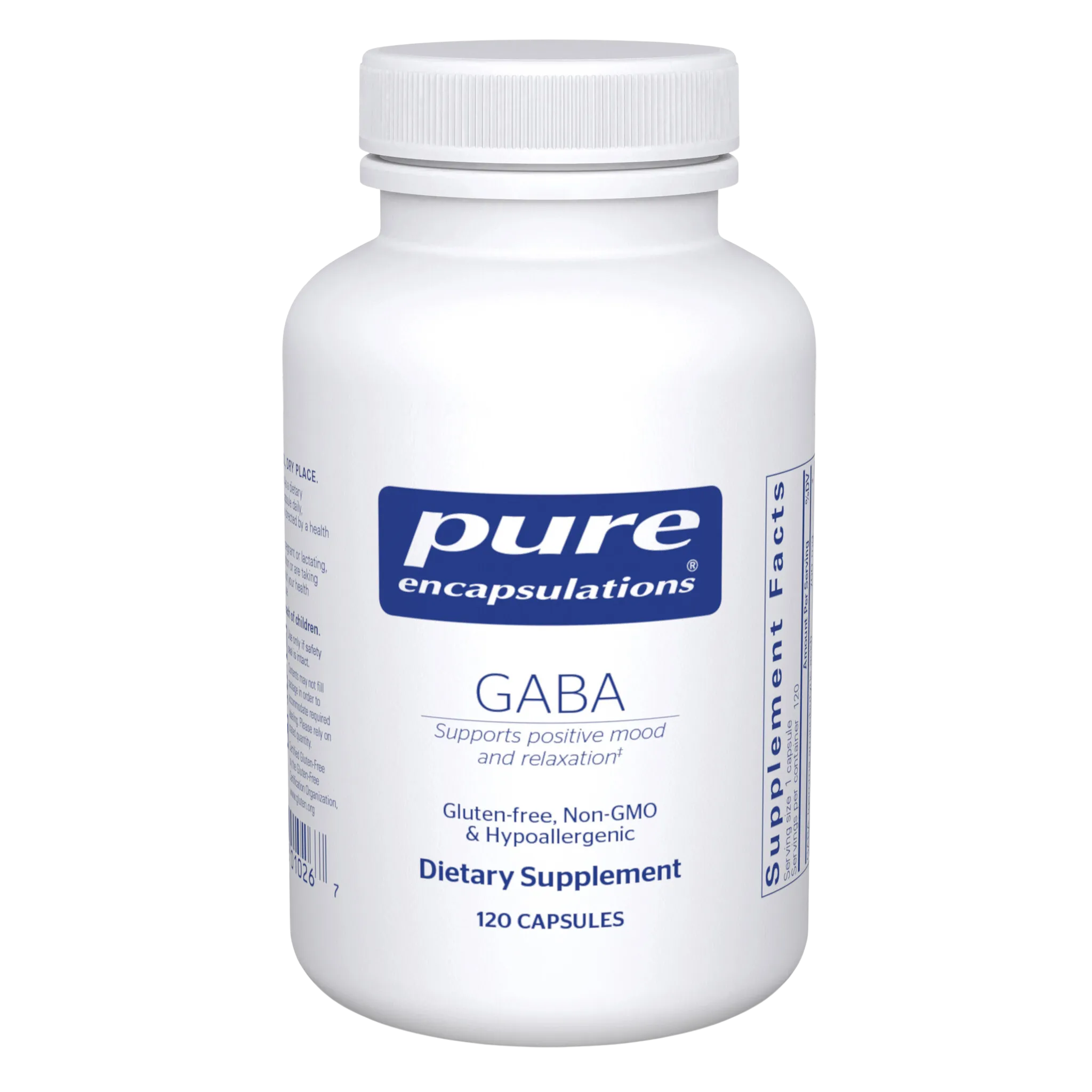
When incorporating a GABA supplement into your wellness routine, dosing and timing are critical for achieving the desired effects. Pure Encapsulations GABA provides 700 mg of gamma-aminobutyric acid per vegetarian capsule. In clinical literature, doses ranging from 100 mg to 800 mg have been utilized safely to promote relaxation and mitigate stress responses. Because GABA has a relatively short half-life in the peripheral bloodstream (rapidly metabolizing within a few hours), its effects are typically acute rather than cumulative.
For managing occasional stress or sensory overload during the day, a capsule can be taken between meals to maximize absorption, as competing amino acids from dietary protein can interfere with its uptake in the gut. If the primary goal is to combat "wired-but-tired" insomnia and support the transition to sleep, taking GABA 30 to 60 minutes before bedtime is optimal. Clinical EEG studies indicate that the physiological shift toward relaxing alpha brain waves typically occurs within this 60-minute window.
GABA is a naturally occurring amino acid and is generally recognized as highly safe and well-tolerated for most individuals. Comprehensive safety evaluations have shown no serious adverse events associated with standard dietary supplementation. However, because GABA effectively promotes relaxation and lowers sympathetic nervous system activity, it can cause a mild, transient drop in blood pressure in some users. Patients with severely low baseline blood pressure or those taking heavy antihypertensive medications should monitor their response carefully.
Furthermore, because GABA acts as a CNS depressant, it can theoretically compound the effects of other sedative medications, including benzodiazepines, barbiturates, gabapentinoids, and alcohol. If you are currently prescribed medications that modulate the GABAergic system for mental health or dysautonomia, it is imperative to consult with your healthcare provider before adding a high-dose GABA supplement to your regimen to avoid excessive drowsiness or over-inhibition of the nervous system.

Follow the Science: Clinical Evidence for GABA
The clinical understanding of GABA's role in modulating stress and protecting immunity is heavily anchored by a landmark 2006 study published in the journal BioFactors by Abdou et al.. In this placebo-controlled trial, researchers sought to measure the physiological impact of acute psychological stress on the immune system, specifically tracking levels of Secretory Immunoglobulin A (sIgA) in the saliva. They recruited subjects with acrophobia (a severe fear of heights) and required them to cross a long, terrifying suspension bridge.
The results were striking. In the placebo group, the acute stress of crossing the bridge caused a rapid and marked decrease in salivary IgA levels, demonstrating how quickly the sympathetic "fight or flight" response suppresses mucosal immunity. However, the experimental group, which was administered oral GABA prior to the test, did not experience this immune crash. Their IgA levels remained stable and significantly higher than the placebo group throughout the stressful event. This study provided concrete clinical evidence that GABA supplementation acts as an effective relaxant that buffers the autonomic nervous system, thereby helping to mitigate stress-induced immune impairment.
In a separate arm of the same 2006 study, researchers utilized electroencephalogram (EEG) technology to objectively measure GABA's impact on brain activity. They administered GABA, L-theanine, or a water placebo to healthy subjects and monitored their brain waves over 60 minutes. The data revealed that within an hour, the GABA group experienced a significant increase in alpha brain waves (associated with relaxed alertness) and a corresponding decrease in beta brain waves (associated with stress and anxiety).
Further supporting these findings, a 2012 crossover study by Yoto et al. subjected 63 adults to a highly stressful mental arithmetic task. Typically, intense mental stress suppresses alpha wave generation. However, the study found that administering GABA 30 minutes before the test significantly blunted the stress-induced decrease in alpha waves compared to a placebo. Additionally, systematic reviews of oral GABA administration have consistently highlighted its ability to lower salivary cortisol and Chromogranin A (CgA) during stressful tasks, reinforcing its role as a potent modulator of both neurological and endocrine stress markers.
More recently, the scientific focus on GABA has expanded into the realm of severe viral infections and neuroinflammation. Groundbreaking preclinical studies conducted by researchers at UCLA investigated the effects of GABA-receptor agonists on mice infected with a lethal dose of SARS-CoV-2. The findings, published in the context of Long COVID research, were remarkable. Administering GABA therapies drastically reduced lung viral load, pneumonitis severity, and death rates in the animal models.
Crucially, the UCLA studies demonstrated that GABA therapy significantly reduced circulating pro-inflammatory cytokines, specifically TNFα and CCL2. The researchers concluded that the anti-inflammatory properties of GABA-activating compounds hold immense promise for limiting the lingering central nervous system inflammation that drives Long COVID symptoms. While large-scale human clinical trials are still needed to confirm these specific viral applications, the preclinical data strongly supports the biological plausibility of using GABA to calm the neuro-immune hyperactivation seen in complex chronic illnesses.
The Path Forward: Calming the Nervous System
Living with a complex chronic condition like Long COVID, ME/CFS, or dysautonomia often means battling an invisible war within your own nervous system. When your body is trapped in a perpetual state of "fight or flight," experiencing severe sensory overload, racing heart rates, and unyielding cognitive fatigue, it is incredibly validating to understand the underlying biochemistry. Your symptoms are not a lack of willpower or a manifestation of purely psychological anxiety; they are the result of profound physiological disruptions, including the depletion of critical neurotransmitters like GABA and the unchecked storm of neuroinflammation. Recognizing this biological reality is the first step toward reclaiming your quality of life.
While restoring the glutamate-GABA balance is a powerful therapeutic target, it is important to remember that no single supplement is a cure-all for complex chronic illness. GABA supplementation should be viewed as one vital tool within a broader, comprehensive management strategy. By helping to put the "brakes" on an overactive nervous system, promoting relaxing alpha brain waves, and protecting your immune system from the detrimental effects of stress, GABA can help create the physiological stability necessary for other interventions to work.
To maximize your recovery, GABA supplementation should be paired with aggressive pacing strategies to prevent post-exertional malaise, meticulous symptom tracking, autonomic rehabilitation, and targeted therapies to address underlying viral persistence or amino acid deficiencies. When your nervous system is supported and the excitotoxic noise is quieted, your body can finally redirect its precious energy reserves toward cellular repair and healing.
If you are struggling with the debilitating effects of a hyperactive nervous system, profound brain fog, or stress-induced immune crashes, supporting your GABAergic system may offer significant relief. Always consult with your healthcare provider before beginning any new supplement, especially if you are currently taking medications that affect the central nervous system or blood pressure. Together, you can determine if GABA is the right addition to your personalized treatment protocol.
Sources
Cleveland Clinic. Gamma-Aminobutyric Acid (GABA): What It Is, Function & Benefits.
Cardinali, D. P., et al. (2022). Possible Application of Melatonin in Long COVID. Biomolecules.
Neuroimmune pathophysiology of long COVID. Psychiatry and Clinical Neurosciences. (2024).
From the gut to the brain, mechanisms and clinical applications of GABA. (2024).
BBB-Permeable Conjugate of Exogenic GABA. ACS Omega. (2017).