Can FODMATE Help Manage Bloating and GI Symptoms in Long COVID and ME/CFS?
March 6, 2026
FODMATEGastrointestinal HealthLong COVID
Share:
Disclaimer: The information provided here is for educational purposes only and is not intended as medical advice. It should not be used to diagnose, treat, cure, or prevent any medical condition. Instead, use it as a starting point for discussion with your healthcare provider. Always consult with a qualified healthcare provider before starting any new medication, supplement, device, or making changes to your health regimen.
For many individuals living with complex chronic conditions, the simple act of eating a meal can become a source of profound anxiety and physical distress. Months or even years after an initial viral infection, patients often find themselves battling a bewildering array of gastrointestinal issues, from severe abdominal bloating and unpredictable bowel habits to debilitating post-meal pain. When you are already managing the profound fatigue and cognitive dysfunction associated with these illnesses, losing the ability to tolerate your favorite foods can feel like a devastating blow to your quality of life. Many patients are forced into highly restrictive diets, systematically eliminating nutrient-dense fruits, vegetables, and legumes just to get through the day without a flare-up.
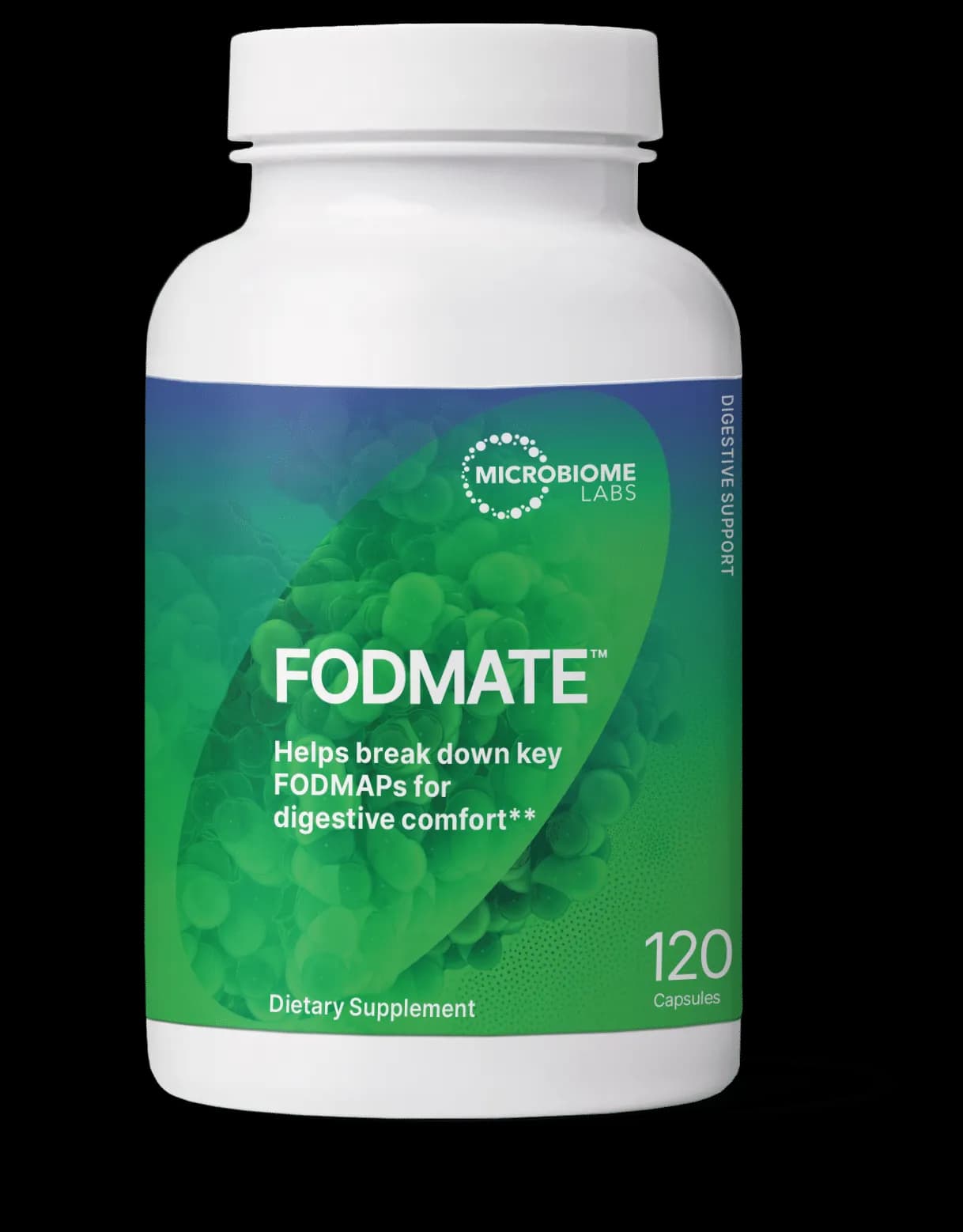
In the wake of the pandemic, researchers and clinicians have observed a dramatic rise in post-infectious gastrointestinal disorders. Conditions like Long COVID, myalgic encephalomyelitis/chronic fatigue syndrome (ME/CFS), and dysautonomia frequently disrupt the delicate gut-brain axis, leading to impaired motility and severe microbiome dysbiosis. As a result, carbohydrates that were once easily digested suddenly become fuel for excessive bacterial fermentation. This is where targeted digestive support becomes a critical component of a comprehensive management strategy. FODMATE, an innovative enzyme formula by Microbiome Labs, is designed to act as "molecular scissors," breaking down complex fermentable carbohydrates before they can cause distress. By supporting efficient digestion, this specialized supplement aims to help patients reclaim dietary freedom, reduce occasional gas and bloating, and safely reintroduce the antioxidant-rich plant foods essential for long-term recovery.
TL;DR
FODMATE is an enzyme supplement designed to support the digestion of complex fermentable carbohydrates.
It may help reduce occasional gas, bloating, and post-meal discomfort by targeting specific FODMAPs.
Targeted enzyme support can assist patients with chronic conditions in safely expanding their dietary diversity.
What is FODMATE?
The Natural Process of Carbohydrate Digestion
To understand how targeted enzyme therapies work, it is first necessary to examine the natural process of carbohydrate digestion in a healthy gastrointestinal tract. When we consume food, the digestive process begins in the mouth with salivary amylase and continues into the stomach, where mechanical churning and gastric acids break the meal down into a semi-liquid substance called chyme. As this chyme enters the small intestine, the pancreas secretes a variety of digestive enzymes designed to cleave large macronutrients into smaller, absorbable molecules. For carbohydrates, this means breaking down complex polysaccharides and disaccharides into simple monosaccharides, such as glucose, fructose, and galactose, which can easily cross the intestinal lining and enter the bloodstream.
In a perfectly functioning system, the brush border of the small intestine produces specialized enzymes to handle specific types of sugars. For example, lactase is produced to break down lactose, the primary sugar found in dairy products. However, the human body inherently lacks the genetic coding to produce certain enzymes, meaning that specific complex carbohydrates naturally resist digestion in the small intestine. In a healthy individual with robust gut motility, these undigested carbohydrates pass smoothly into the large intestine, where a balanced ecosystem of gut flora ferments them, producing beneficial short-chain fatty acids (SCFAs) like butyrate, which nourish the colon cells and support immune function.
The Challenge of Fermentable Carbohydrates (FODMAPs)
The carbohydrates that naturally resist human digestion are collectively known as FODMAPs, an acronym that stands for Fermentable Oligosaccharides, Disaccharides, Monosaccharides, and Polyols. These short-chain carbohydrates are highly osmotic, meaning they draw significant amounts of water into the intestinal lumen as they travel through the digestive tract. When they reach the colon, they are rapidly fermented by the resident gut bacteria. While this fermentation is a normal physiological process, it produces gases as byproducts, specifically hydrogen, methane, and carbon dioxide.
For individuals with visceral hypersensitivity, altered gut microbiomes, or impaired intestinal motility, this normal fermentation process becomes a source of severe physical distress. The rapid accumulation of gas stretches the intestinal walls, triggering pain receptors and causing visible abdominal distension. Furthermore, the osmotic nature of FODMAPs can draw excess fluid into the bowel, leading to sudden and urgent diarrhea. Common high-FODMAP foods include incredibly healthy, nutrient-dense staples such as garlic, onions, beans, lentils, apples, and cruciferous vegetables, making them notoriously difficult to digest for those with compromised gastrointestinal systems.
The Innovative Design of FODMATE
Recognizing the profound impact that FODMAP intolerance has on dietary diversity and overall health, Microbiome Labs developed FODMATE, a highly specialized enzyme formulation. Unlike broad-spectrum digestive enzymes that primarily target standard proteins, fats, and simple starches, this formula is engineered specifically to address the complex bonds found in fermentable carbohydrates. It contains a precise blend of alpha-galactosidase, lactase, endo- and exo-inulinase, and pectinase, each selected for its ability to target a specific category of FODMAPs.
The fundamental mechanism of this supplement is to provide the gastrointestinal tract with the specific "molecular scissors" it lacks. By taking the capsules alongside a meal, the enzymes mix with the ingested food in the stomach and upper small intestine. They immediately begin cleaving the problematic oligosaccharides and disaccharides into simple, easily absorbable monosaccharides before they ever have the chance to reach the colon. This proactive breakdown effectively starves the gas-producing bacteria in the lower bowel of their preferred fuel, dramatically reducing the subsequent fermentation, gas production, and osmotic fluid shifts that drive post-meal discomfort.
How Long COVID and ME/CFS Impact Gastrointestinal Function
Viral Persistence and Microbiome Dysbiosis
The connection between complex chronic illnesses and severe gastrointestinal dysfunction is a rapidly expanding area of medical research. In the context of Long COVID, it is well-documented that the SARS-CoV-2 virus has a high affinity for ACE2 receptors, which are densely populated along the mucosal lining of the entire gastrointestinal tract. Additionally, research indicates that other viral infections, such as Epstein-Barr Virus (EBV), are significant predisposing factors for ME/CFS. These viral persistences and reactivations act as continuous triggers for the local immune system, driving chronic low-grade inflammation that damages the delicate epithelial barrier, leading to increased intestinal permeability, commonly known as "leaky gut."
As the gut lining becomes inflamed and permeable, the highly complex ecosystem of the gut microbiome undergoes a radical shift, a state known as dysbiosis. Beneficial, SCFA-producing bacteria are often depleted, while opportunistic, gas-producing pathogens are allowed to overgrow. This dysbiosis fundamentally alters how the body interacts with food. Carbohydrates that were once easily managed by a healthy microbiome are now aggressively fermented by overgrown bacterial populations, leading to the rapid production of hydrogen and methane gases. This is why many patients who wonder what causes Long COVID are surprised to learn that their sudden onset of food intolerances and severe bloating is directly tied to the viral disruption of their gut ecology.
Dysautonomia and Impaired Gut Motility
Beyond localized viral damage, chronic conditions like Long COVID and ME/CFS frequently trigger profound dysfunction within the autonomic nervous system, known as dysautonomia. The autonomic nervous system controls all involuntary bodily functions, including heart rate, blood pressure, and digestion. A critical component of this system is the vagus nerve, which serves as the primary communication highway between the brain and the gut. When the vagus nerve is impaired by systemic inflammation or viral damage, the parasympathetic "rest and digest" signals fail to reach the gastrointestinal tract effectively.
This autonomic impairment leads to a breakdown in gut motility, specifically disrupting the migrating motor complex (MMC). The MMC is the mechanical sweeping wave that pushes food and bacteria downward through the digestive tract during periods of fasting. When motility slows down—a condition often seen in patients exploring how a doctor diagnoses Long COVID—food lingers in the stomach and small intestine for abnormally long periods. This stagnation allows bacteria from the colon to migrate upward into the small intestine, a condition known as Small Intestinal Bacterial Overgrowth (SIBO). In this environment, any ingested FODMAPs are immediately fermented high up in the digestive tract, causing excruciating bloating, nausea, and pain shortly after eating.
The Vicious Cycle of Restrictive Diets
Faced with unpredictable and severe gastrointestinal symptoms, many patients understandably resort to highly restrictive eating patterns. The low-FODMAP diet, which systematically eliminates fermentable carbohydrates, is currently one of the most effective, evidence-based interventions for managing these symptoms. By removing the fuel for bacterial fermentation, patients often experience a rapid and significant reduction in bloating, gas, and abdominal pain. However, this dietary approach is intended to be a temporary elimination phase, not a permanent lifestyle.
When patients remain on a strict low-FODMAP diet for extended periods, they inadvertently starve the remaining beneficial bacteria in their microbiome, as these microbes rely on complex plant fibers for survival. This long-term restriction further reduces microbial diversity, exacerbates underlying dysbiosis, and weakens the immune system. Furthermore, eliminating diverse plant foods can lead to significant nutrient deficiencies, compounding the severe fatigue and cellular dysfunction already present in ME/CFS and Long COVID. Breaking this vicious cycle requires a strategy that allows patients to reintroduce fermentable fibers without triggering debilitating symptoms, which is precisely where targeted enzymatic therapy becomes invaluable.
FODMATE: Supporting FODMAP Digestion and Gut Comfort
Alpha-Galactosidase and GOS Breakdown
The efficacy of FODMATE lies in its highly specific, multi-targeted approach to carbohydrate hydrolysis. One of the cornerstone ingredients in this formula is alpha-galactosidase (provided at 50 mg per serving). This specialized enzyme is responsible for breaking down galacto-oligosaccharides (GOS), which are complex carbohydrates found abundantly in legumes, beans, lentils, and certain cruciferous vegetables like broccoli and cabbage. Because the human body completely lacks the endogenous enzyme required to cleave the alpha-galactosyl bonds found in these foods, GOS passes entirely undigested into the large intestine in every human being.
For a healthy person, this provides excellent fuel for the microbiome, but for a patient with post-infectious irritable bowel syndrome (PI-IBS) or dysautonomia, it guarantees a severe flare-up of gas and bloating. When alpha-galactosidase is introduced alongside a meal, it acts directly within the acidic environment of the stomach and the neutral environment of the upper small intestine. It hydrolyzes the terminal alpha-galactosyl moieties from the complex glycolipids and glycoproteins, effectively converting the highly fermentable GOS into simple, easily absorbed sugars like sucrose and galactose. By dismantling these molecules early in the digestive process, the enzyme prevents the massive osmotic load and subsequent bacterial fermentation that would otherwise occur downstream.
Lactase and the Hydrolysis of Dairy Sugars
Another critical component of the formula is lactase (provided at 100 mg per serving). Lactose, the primary disaccharide found in dairy products, is notorious for causing gastrointestinal distress. In a healthy gut, lactase is produced by the microvilli of the small intestine's brush border. However, chronic inflammation, viral damage to the gut lining, and the general aging process can severely deplete the body's natural lactase production. When lactose remains undigested, it acts as a powerful osmotic agent, drawing large volumes of water into the bowel and causing rapid-onset diarrhea, alongside significant hydrogen gas production from bacterial fermentation.
The supplemental lactase in this formula steps in to perform the exact function of the depleted brush border enzymes. It specifically targets the beta-glycosidic bond linking the two monosaccharides that make up lactose. By cleaving this bond, the enzyme yields one molecule of glucose and one molecule of galactose, both of which are rapidly and passively absorbed through the intestinal wall into the bloodstream. This targeted action not only prevents the debilitating symptoms of lactose intolerance but also allows patients to safely consume nutrient-dense dairy products, which are valuable sources of calcium, vitamin D, and high-quality protein.
Inulinase and Pectinase for Plant Fibers
Perhaps the most innovative aspect of this enzyme blend is the inclusion of endo- and exo-inulinase alongside pectinase. Fructans, which are chains of fructose molecules with a terminal glucose molecule, are arguably the most ubiquitous and difficult-to-avoid FODMAPs in the modern diet, found in high concentrations in garlic, onions, wheat, and asparagus. Inulinase acts specifically on these fructosidic bonds. Endo-inulinase cleaves the internal bonds of the fructan chain, breaking it down into shorter oligosaccharides, while exo-inulinase attacks the ends of the chain, releasing individual, absorbable fructose and glucose molecules.
Working in synergy with inulinase is pectinase, an enzyme that targets pectin, a complex structural polysaccharide found in the cell walls of many fruits and vegetables, such as apples and carrots. While pectin is not technically classified as a short-chain FODMAP, it is highly fermentable and frequently triggers severe bloating in sensitive individuals. More importantly, pectin acts as a structural "glue" that can trap other fermentable carbohydrates within the plant matrix, shielding them from digestion. By breaking down this cellular matrix, pectinase not only reduces the fermentation of pectin itself but also exposes the trapped FODMAPs to the other enzymes in the formula, ensuring a comprehensive and highly efficient breakdown of the entire meal.
Preserving Microbiome Diversity
The ultimate clinical goal of utilizing these targeted enzymes is not simply symptom suppression, but the restoration of long-term gut health. By neutralizing the immediate threat of severe bloating and pain, this supplement empowers patients to safely expand their dietary repertoire. They can move away from the rigid confines of the elimination phase and begin reintroducing a wide variety of antioxidant-rich, plant-based foods.
This dietary expansion is absolutely critical for patients managing the gastrointestinal symptoms seen with Long COVID. A diverse diet naturally fosters a diverse and resilient gut microbiome. As beneficial bacterial populations recover and begin producing adequate levels of short-chain fatty acids, the integrity of the gut lining improves, systemic inflammation decreases, and the gut-brain axis begins to stabilize. In this way, enzymatic support acts as a crucial bridge, allowing patients to nourish their bodies and their microbiomes without paying the price of debilitating post-meal symptoms.

Symptoms FODMATE May Help Manage
Targeting Post-Infectious GI Distress
For patients navigating the complex intersection of post-viral illness and gastrointestinal dysfunction, targeted enzyme therapy can offer profound relief across a spectrum of distressing symptoms. By addressing the root cause of carbohydrate malabsorption, FODMATE may help manage the following specific issues:
Severe Abdominal Bloating: By cleaving complex carbohydrates into simple sugars before they reach the colon, the enzymes drastically reduce the volume of hydrogen and methane gas produced by bacterial fermentation, preventing the painful stretching and visible distension of the abdomen.
Excessive Gas and Flatulence: The targeted breakdown of galacto-oligosaccharides (GOS) and fructans directly eliminates the primary fuel sources that gut bacteria use to produce excessive, uncomfortable, and often socially debilitating flatulence after consuming plant-based meals.
Postprandial Abdominal Pain: In patients with dysautonomia or mast cell activation syndrome (MCAS), the nerves lining the gut are often highly sensitized (visceral hypersensitivity). By preventing the rapid accumulation of gas and osmotic fluid, the enzymes reduce the mechanical pressure that triggers these hyper-reactive pain receptors.
Altered Bowel Habits (Diarrhea and Constipation): Unabsorbed FODMAPs draw massive amounts of water into the intestines, leading to sudden osmotic diarrhea, while excessive methane gas production can paralyze gut motility, causing severe constipation. Efficient enzymatic breakdown normalizes the osmotic balance and gas levels, promoting more predictable and well-formed bowel movements.
Dietary Fatigue and Nutrient Depletion: While not a direct gastrointestinal symptom, the profound psychological fatigue of navigating a highly restrictive diet is a major burden for chronic illness patients. By improving FODMAP tolerance, this supplement helps alleviate food anxiety and allows for the intake of diverse, nutrient-dense foods necessary for cellular repair and energy production.
Practical Considerations: Forms, Dosing, and Absorption
How and When to Take FODMATE
To achieve the maximum clinical benefit from targeted enzyme therapy, proper timing and administration are absolutely critical. The suggested use for FODMATE is to take 2 capsules with meals, or as directed by your healthcare practitioner. Because these enzymes function as localized digestive aids rather than systemically absorbed medications, they must be physically present in the stomach and upper small intestine at the exact same time as the fermentable carbohydrates. Taking the supplement too early before a meal means the enzymes may pass through the stomach before the food arrives, rendering them ineffective.
Conversely, taking the capsules long after a meal has been consumed means the FODMAPs have already moved further down the digestive tract, beyond the reach of the enzymes. For optimal results, patients should take the capsules right before their first bite of food, or interspersed within the first few minutes of the meal. This ensures that the enzymes are thoroughly mixed with the chyme as the stomach churns, allowing them ample time to hydrolyze the complex carbohydrate bonds before the food empties into the small intestine. If a meal is particularly large or spans several hours (such as a multi-course dinner or a holiday event), a practitioner may recommend splitting the dose or taking an additional capsule halfway through the meal.
Navigating the Low-FODMAP Diet Safely
It is important to understand how this supplement fits into the broader context of dietary management for conditions like Long COVID and ME/CFS. FODMATE is not intended to be a "free pass" to consume a highly processed, inflammatory diet without consequences. Instead, it is a highly strategic tool designed to assist patients during the reintroduction phase of the low-FODMAP diet, or when dining out and traveling, where controlling every ingredient is impossible. It allows patients to systematically test their tolerance to specific healthy foods, such as garlic, onions, and legumes, without the fear of triggering a multi-day symptom crash.
Patients should also be aware of the specific limitations of enzyme therapy. While this formula provides comprehensive coverage for oligosaccharides (fructans and GOS) and disaccharides (lactose), there is currently no validated digestive enzyme capable of breaking down Polyols—the "P" in FODMAPs. Polyols are sugar alcohols like sorbitol and mannitol, which are naturally found in foods like avocados, mushrooms, blackberries, and artificially sweetened products. Patients who are highly sensitive to polyols will still need to moderate their intake of these specific foods, even when utilizing this enzyme blend.
Safety, Bioavailability, and Potential Interactions
Because digestive enzymes are large protein molecules that act locally within the lumen of the gastrointestinal tract, they are not absorbed into the systemic bloodstream. This localized action makes them exceptionally safe for long-term use, with a very low risk of systemic side effects or drug interactions. They simply perform their catalytic function in the gut and are eventually broken down and excreted along with other dietary proteins. This excellent safety profile makes them an ideal supportive therapy for patients managing complex, multi-system illnesses who may already be taking numerous prescription medications.
However, there are specific clinical scenarios that require careful consideration. When inulinase breaks down fructans, a primary byproduct is the simple sugar fructose. If a patient suffers from severe, concurrent Fructose Malabsorption (the "M" in FODMAPs), the sudden release of free fructose in the small intestine could potentially trigger symptoms. While many patients tolerate this well, those with known fructose malabsorption should introduce the supplement cautiously and under the guidance of a healthcare provider. As always, patients exploring how they can live with long-term COVID should consult their medical team before adding any new supplement to their regimen, ensuring it aligns with their comprehensive treatment plan.

Follow the Science
Clinical Evidence for Alpha-Galactosidase and Lactase
The scientific foundation for utilizing specific enzymes to manage carbohydrate intolerance is robust and well-documented in gastroenterological literature. Lactase supplementation is perhaps the most historically validated enzyme therapy available. Decades of clinical studies have consistently demonstrated its efficacy in breaking down lactose, preventing the osmotic diarrhea and severe bloating associated with dairy consumption in lactase-deficient individuals. This provides a clear proof-of-concept that supplying exogenous enzymes can successfully compensate for endogenous deficiencies.
The clinical data supporting alpha-galactosidase is equally compelling, particularly for targeted dietary triggers found in legumes, beans, and cruciferous vegetables.
Emerging Research on Post-COVID IBS and FODMAPs
As the medical community deepens its understanding of post-viral syndromes, the link between systemic inflammation, autonomic dysfunction, and gastrointestinal distress is becoming undeniable. Recent research highlights that Epstein-Barr virus (EBV) reactivation—a common feature in both ME/CFS and Long COVID—is a significant predisposing factor for severe pre-illness gastrointestinal symptoms and systemic metabolic disruption. Furthermore, clinical studies tracking Long COVID patients have investigated the utility of serum ferritin for predicting the development of Myalgic Encephalomyelitis/Chronic Fatigue Syndrome (ME/CFS).
In this environment of systemic immune and autonomic disruption, the gut microbiome is highly vulnerable. Emerging research emphasizes that COVID-19 survivors have a significantly higher risk of developing post-infectious IBS compared to the general population. In these patients, the low-FODMAP diet has shown remarkable clinical efficacy. Studies investigating the dietary management of Long COVID IBS-like symptoms have demonstrated that reducing fermentable carbohydrates leads to a statistically significant decrease in bloating and abdominal pain. By utilizing advanced enzyme blends to mimic the effects of a low-FODMAP diet, patients can achieve this critical symptom relief while maintaining the dietary diversity necessary to rebuild their damaged microbiomes.
In Vitro Studies on Enzyme Efficacy
To further validate the mechanisms of these complex enzyme blends, researchers frequently utilize advanced in vitro simulations of the human digestive tract.
The Path Forward
Reclaiming Dietary Freedom
Living with the unpredictable and often debilitating gastrointestinal symptoms of Long COVID, ME/CFS, or dysautonomia can feel incredibly isolating. The anxiety of navigating meals, the frustration of restrictive diets, and the physical toll of severe bloating are heavy burdens to carry alongside profound systemic fatigue. It is important to validate that these symptoms are not in your head; they are the direct result of complex viral, autonomic, and microbial disruptions. While there is no single cure for these multi-system conditions, targeted management strategies can significantly improve your daily quality of life.
By incorporating a specialized enzyme blend into your routine, you are taking a proactive step toward managing your symptoms at the molecular level. FODMATE offers a practical, science-backed tool to help reduce occasional gas and bloating, allowing you to safely reintroduce the diverse, nutrient-dense plant foods that are so vital for long-term healing. As always, supplements should be utilized as one part of a comprehensive, individualized care plan. We strongly encourage you to discuss this enzyme therapy with your healthcare provider or a registered dietitian to ensure it aligns perfectly with your unique health needs and recovery goals.