Can FloraSport 20B® Support Gut Health and Recovery in Long COVID and ME/CFS?
March 6, 2026
FloraSport 20BProbioticsLong COVID
Share:
Disclaimer: The information provided here is for educational purposes only and is not intended as medical advice. It should not be used to diagnose, treat, cure, or prevent any medical condition. Instead, use it as a starting point for discussion with your healthcare provider. Always consult with a qualified healthcare provider before starting any new medication, supplement, device, or making changes to your health regimen.
Months or even years after an initial viral infection, many individuals continue to battle a complex web of debilitating symptoms collectively known as Long COVID. For those living with Long COVID, myalgic encephalomyelitis/chronic fatigue syndrome (ME/CFS), and mast cell activation syndrome (MCAS), the search for answers often leads to a surprising origin point: the gut. The gastrointestinal tract is not merely a digestive organ; it is the headquarters of the human immune system, housing trillions of microorganisms that dictate systemic inflammation, neurological health, and metabolic energy. When this delicate ecosystem is disrupted by a viral pathogen, the resulting dysbiosis can trigger a cascade of chronic symptoms ranging from severe brain fog and post-exertional malaise (PEM) to unpredictable allergic reactions and profound gastrointestinal distress.
In the pursuit of restoring this critical microbiome balance, targeted bacteriotherapy has emerged as a scientifically grounded intervention. However, not all probiotics are created equal, especially for patients with hypersensitive immune systems or histamine intolerance. FloraSport 20B® by Thorne is a specialized, high-potency probiotic blend designed to survive the harsh environment of the digestive tract and deliver clinically studied strains directly to the intestines. Originally formulated to support elite athletes dealing with the physical stress of rigorous training, the unique properties of its specific bacterial strains—particularly its spore-forming and histamine-neutral components—have made it an increasingly relevant tool for individuals navigating the complexities of post-viral chronic illness.
TL;DR
FloraSport 20B® is a targeted probiotic blend supporting gut health, immune function, and physiological recovery.
Features spore-forming Bacillus subtilis, which survives stomach acid and is histamine-neutral for sensitive patients.
Research suggests it may help repair the gut barrier, reducing systemic and neuroinflammation.
May support symptom management for individuals with Long COVID, ME/CFS, and MCAS.
What is FloraSport 20B®?
A Targeted Multi-Strain Probiotic Blend
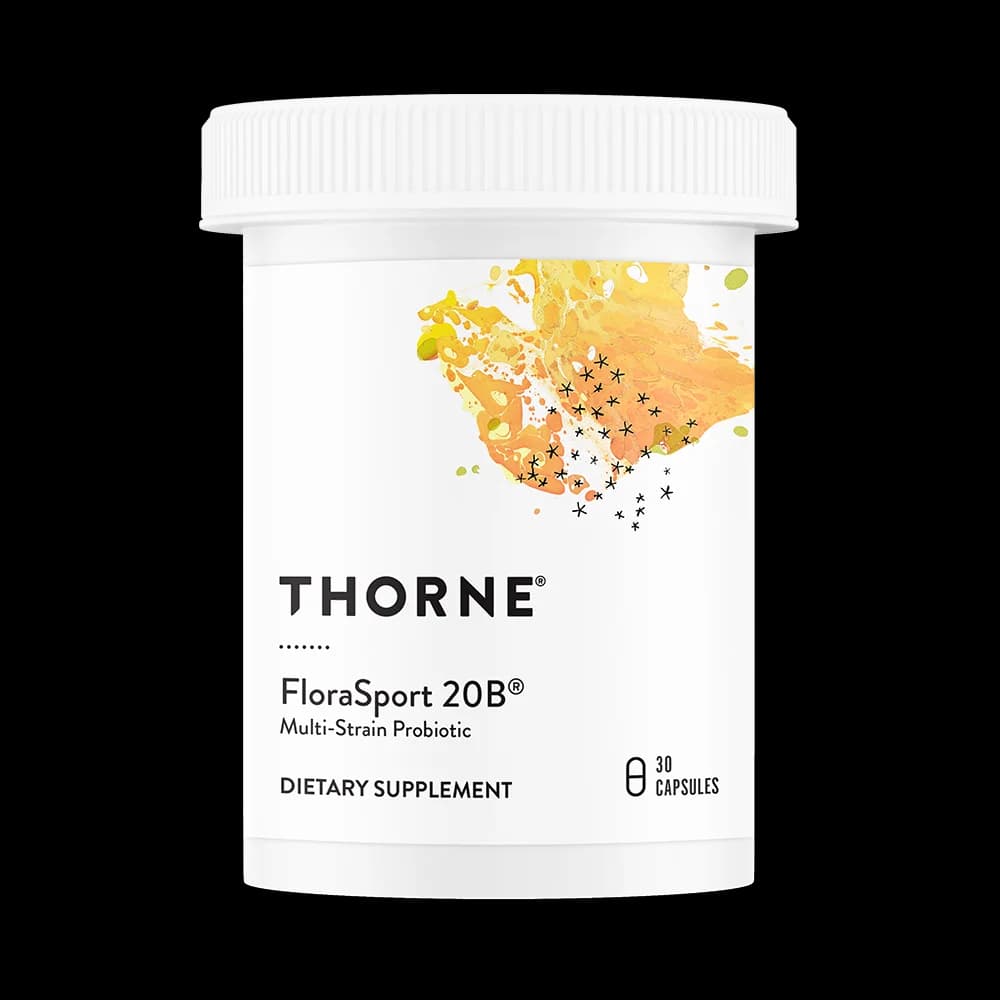
FloraSport 20B® is a high-potency, multi-strain probiotic supplement formulated to support digestive health, immune function, and physiological recovery. At its core, the supplement delivers 20 billion active cultures, known as Colony Forming Units (CFUs), per capsule. Unlike broad-spectrum probiotics that contain dozens of randomly selected strains, FloraSport 20B utilizes a highly targeted blend of four clinically researched bacteria: Bacillus subtilis (DE111®), Bifidobacterium lactis (HN019), Lactobacillus paracasei (UALpc-04), and Lactobacillus acidophilus (UALa-01). Each of these strains has been specifically chosen for its synergistic ability to colonize the intestinal tract, modulate the immune response, and support the integrity of the gut mucosal barrier.
In a healthy human body, the gastrointestinal microbiome operates as a complex, self-regulating organ. Beneficial bacteria, such as the Lactobacillus and Bifidobacterium species found in FloraSport 20B, reside primarily in the small and large intestines. Here, they perform essential biochemical functions, including the fermentation of dietary fibers into short-chain fatty acids (SCFAs) like butyrate, propionate, and acetate. These SCFAs are the primary energy source for colonocytes (the cells lining the colon) and play a critical role in maintaining an anti-inflammatory environment in the gut. By continuously producing these metabolites, these bacterial strains help regulate the local immune system and may help inhibit the overgrowth of pathogenic, disease-causing microbes.
The Power of Spore-Forming and Lactic Acid Bacteria
The inclusion of Bacillus subtilis sets this formulation apart from standard lactic-acid-based probiotics. Bacillus subtilis is a gram-positive, spore-forming bacterium naturally found in the soil and the human gut. Its spore-forming nature means it possesses a tough, protective outer coating that allows it to survive extreme environmental stressors, including heat, light, and the highly acidic environment of the human stomach. Once it reaches the nutrient-rich, hospitable environment of the intestines, it transitions from a dormant spore into an active, vegetative state. In this active form, Bacillus subtilis secretes a variety of enzymes and antimicrobial peptides that actively shape the microbiome, crowding out harmful bacteria and creating a favorable environment for native beneficial flora to thrive.
Meanwhile, the lactic acid-producing strains in the blend—Lactobacillus paracasei, Lactobacillus acidophilus, and Bifidobacterium lactis—work in tandem to lower the pH of the intestinal lumen. This slight acidification of the gut environment is a natural defense mechanism that inhibits the proliferation of harmful pathogens, such as E. coli and Salmonella. Furthermore, these strains interact directly with the enteric nervous system—often referred to as the body's "second brain." Through the gut-brain axis, these bacteria stimulate the vagus nerve and influence the production of critical neurotransmitters, including serotonin and gamma-aminobutyric acid (GABA), which have profound effects on mood, cognitive clarity, and systemic pain perception.
Designed for Survivability and Potency
One of the primary challenges in probiotic supplementation is ensuring that the live bacteria actually survive the journey through the digestive tract. The human stomach is essentially an acid bath, designed to destroy incoming pathogens. Unfortunately, this acidic environment also destroys many unprotected probiotic supplements before they can reach the intestines. FloraSport 20B addresses this physiological hurdle through advanced encapsulation technology. The supplement utilizes acid-resistant, delayed-release hypromellose capsules that shield the delicate Lactobacillus and Bifidobacterium strains from gastric acid.
This delayed-release mechanism ensures that the capsule only begins to break down and release its payload once it reaches the more neutral pH of the small intestine. Clinical pharmacokinetic data indicates that the strains in FloraSport 20B begin colonizing the intestinal lining within three hours of ingestion. Furthermore, the product is packaged in individually sealed blister packs, protecting the live organisms from ambient moisture, oxygen, and temperature fluctuations. This meticulous approach to stability and delivery ensures that the stated 20 billion CFUs are fully viable and ready to exert their biological effects precisely where the body needs them most.
How Chronic Illness Impacts the Gut Microbiome
Gut Dysbiosis in Long COVID and ME/CFS
To understand why a targeted probiotic like FloraSport 20B is relevant for chronic illness, we must first examine how these conditions physically alter the gastrointestinal tract. Recent clinical research has heavily focused on the gut microbiome's role in post-viral fatigue syndromes. In patients with Long COVID and ME/CFS, the viral infection acts as a massive physiological stressor that decimates the delicate balance of the microbiome, leading to a state of severe gut dysbiosis. This dysbiosis is characterized by a dramatic reduction in microbial diversity and a specific loss of beneficial, SCFA-producing bacteria. Without these protective microbes, the gut environment becomes highly susceptible to the overgrowth of opportunistic pathogens and inflammatory bacteria.
This microbial imbalance is not just a localized issue; it has profound systemic consequences. You can learn more about the specific gastrointestinal symptoms seen with Long COVID in our dedicated resource. When the gut flora is disrupted, the production of essential metabolites like butyrate plummets. Butyrate is crucial for keeping the immune cells in the gut calm and regulated. Without it, the local immune system becomes hyper-reactive, constantly firing off pro-inflammatory cytokines such as Interleukin-6 (IL-6) and Tumor Necrosis Factor-alpha (TNF-α). This localized inflammation quickly spills over into the bloodstream, contributing to the systemic, low-grade inflammation that drives the debilitating fatigue and muscle pain experienced by patients with ME/CFS and Long COVID.
"Leaky Gut" and Systemic Inflammation
One of the most devastating consequences of this virus-induced gut dysbiosis is the breakdown of the intestinal mucosal barrier, a condition commonly referred to as "leaky gut" or increased intestinal permeability. The lining of the intestines is only one cell thick, held together by complex protein structures known as tight junctions. According to recent reviews on ME/CFS pathology, chronic inflammation and oxidative stress degrade these tight junctions, creating microscopic gaps in the intestinal wall. This barrier failure allows undigested food particles, bacterial endotoxins (like lipopolysaccharides, or LPS), and microbial metabolites to leak directly into the systemic circulation.
When these foreign particles enter the bloodstream, the immune system recognizes them as a massive threat and launches a systemic inflammatory attack. This constant influx of toxins keeps the immune system locked in a state of chronic hyper-arousal. For patients with mast cell activation syndrome (MCAS), this is particularly disastrous. Mast cells, which are heavily concentrated in the gut lining, become highly sensitized and begin degranulating inappropriately, releasing floods of histamine and other inflammatory mediators. This creates a vicious cycle: gut dysbiosis causes leaky gut, leaky gut triggers systemic inflammation and mast cell activation, and the resulting inflammation further damages the gut lining, making it nearly impossible for the body to heal without targeted intervention.
The Gut-Brain Axis and Neuroinflammation
The impact of gut dysfunction extends far beyond the digestive tract, directly influencing the central nervous system through the gut-brain axis. The vagus nerve serves as a bidirectional superhighway connecting the enteric nervous system of the gut directly to the brainstem. In a healthy state, beneficial gut bacteria produce neurotransmitters and anti-inflammatory signals that travel up the vagus nerve, promoting a calm, clear mental state. However, in post-viral conditions like Long COVID, the dysbiotic gut sends continuous distress signals and pro-inflammatory cytokines to the brain.
This constant inflammatory signaling triggers the activation of microglia, the resident immune cells of the brain. When microglia become chronically activated, they induce a state of neuroinflammation. Research into the mechanisms of Long COVID suggests that this neuroinflammation is a primary driver of the severe cognitive dysfunction, memory loss, and "brain fog" that patients experience. Furthermore, the leakage of D-lactic acid—a byproduct of abnormal bacterial fermentation in a dysbiotic gut—into the bloodstream can cross the blood-brain barrier, directly causing neurological toxicity and exacerbating cognitive impairment. Understanding this profound connection helps explain what causes Long COVID symptoms to persist and why healing the gut is a critical step in addressing neurological dysfunction.
FloraSport 20B®: Supporting Gut Barrier and Immune Function
Reinforcing the Intestinal Barrier with Bacillus subtilis
FloraSport 20B addresses the complex pathophysiology of post-viral syndromes through multiple, synergistic mechanisms of action, beginning with the physical restoration of the gut barrier. The star ingredient in this formulation, Bacillus subtilis, plays a profound role in healing "leaky gut." At a cellular level, research suggests that Bacillus subtilis physically reinforces the intestinal lining by significantly upregulating the expression of crucial tight junction proteins, specifically ZO-1, occludin, and claudin-1. By increasing the production of these structural proteins, the probiotic helps "zip up" the microscopic gaps in the intestinal wall, halting the leakage of bacterial endotoxins into the bloodstream.
Furthermore, recent breakthrough research has identified the specific biochemical pathways through which this healing occurs. Research suggests that Bacillus subtilis secretes a unique metabolite called 2-hydroxy-4-methylpentanoic acid (HMP). This metabolite directly enhances intestinal barrier function by activating the GADD45A-Wnt/β-catenin signaling pathway in the epithelial cells. This is a powerful "postbiotic" mechanism that actively repairs tissue damage and protects the epithelial monolayer against oxidative stress and inflammatory degradation. By sealing the gut barrier, FloraSport 20B helps cut off the fuel supply for systemic inflammation at its source.
Modulating the Immune System and Mast Cells
Beyond physical barrier repair, the strains in FloraSport 20B act as sophisticated immune modulators. Approximately 70% of the human immune system resides in the gut-associated lymphoid tissue (GALT). Bacillus subtilis acts as an immune "trainer" in this environment. It produces an exopolysaccharide (EPS) that induces the production of anti-inflammatory "M2" macrophages. These specialized immune cells release healing molecules like TGF-β and IL-10, which actively suppress overactive T-cells and calm the hyper-inflammatory state characteristic of ME/CFS and Long COVID.
For patients with MCAS, the immune-modulating properties of Bacillus subtilis are particularly vital. Supporting the gut in MCAS is notoriously difficult because many common probiotic strains naturally ferment and produce histamine, triggering severe allergic flares. Bacillus subtilis, however, is a soil-based, spore-forming organism that does not produce histamine. More importantly, immunological research has shown that the EPS secreted by Bacillus subtilis actively suppresses mast cell activation. In laboratory models, this EPS induced a suppressive cell population that helped inhibit IgE-mediated mast cell degranulation, offering a direct mechanism to stabilize mast cells and reduce systemic histamine release.
Systemic Anti-Inflammatory and Fibrinolytic Effects
The lactic acid-producing strains in FloraSport 20B—Lactobacillus paracasei, Lactobacillus acidophilus, and Bifidobacterium lactis—complement the barrier-healing effects of Bacillus subtilis by exerting powerful systemic anti-inflammatory actions. Bifidobacterium lactis, in particular, has been repeatedly shown to act systemically, actively lowering pro-inflammatory biomarkers such as C-Reactive Protein (CRP) and Interleukin-6 (IL-6) in the bloodstream. By reducing these circulating inflammatory cytokines, these strains help alleviate the systemic muscle pain, joint aches, and profound fatigue that characterize post-exertional malaise (PEM).
Additionally, emerging evidence in Long COVID and ME/CFS pathology points to hypercoagulation and the presence of microscopic blood clots ("microclots") that restrict oxygen delivery to tissues, driving severe physical fatigue. Unique among probiotics, Bacillus subtilis possesses potent fibrinolytic properties. It secretes specific enzymes that may help break down rogue fibrin proteins and dissolve these microclots in the bloodstream. By improving microcirculation and restoring oxygen delivery to starved muscle and brain tissues, the strains in FloraSport 20B address one of the most stubborn and debilitating physiological mechanisms underlying post-viral chronic illness.
Symptoms FloraSport 20B® May Help Manage
Gastrointestinal and Systemic Relief
Occasional Diarrhea and Constipation: The Bifidobacterium lactis strain helps regulate gastrointestinal transit time, promoting normal bowel habits and reducing the frequency of both rapid transit (diarrhea) and delayed transit (constipation).
Gas and Bloating: By crowding out gas-producing pathogenic bacteria and improving overall digestion, the multi-strain blend may help reduce the abnormal fermentation that causes painful abdominal bloating and distension.
Histamine Reactions and MCAS Flares: Because Bacillus subtilis is histamine-neutral and secretes mast-cell-stabilizing compounds, it helps calm the gut immune system without triggering the allergic cascades common in histamine intolerance.
Systemic Inflammation and Joint Pain: The strains actively lower circulating levels of pro-inflammatory cytokines like TNF-α and IL-6, which can help alleviate the widespread, migratory joint and muscle pain associated with chronic immune activation.
Cognitive and Physical Recovery
Brain Fog and Cognitive Dysfunction: By repairing the gut barrier and reducing the leakage of neurotoxic metabolites (like D-lactic acid) into the bloodstream, the probiotic blend helps lower neuroinflammation, leading to improved mental clarity and focus.
Post-Exertional Malaise (PEM) and Fatigue: The fibrinolytic properties of Bacillus subtilis may help break down microclots, improving oxygen delivery to muscle tissues and reducing the severity of physical crashes after exertion.
Exercise Recovery: Clinical studies on athletes suggest that these specific strains may reduce muscle damage and systemic inflammation following physical exertion, supporting faster recovery times and protecting the immune system from stress-induced suppression.
Immune Vulnerability: By upregulating natural antibodies and stimulating Toll-like receptors in the gut, the probiotic blend enhances baseline innate immunity, supporting patients in fending off secondary infections that often trigger symptom relapses.
Practical Considerations: Forms, Dosing, and Absorption
Delayed-Release Technology and Survivability
When considering a probiotic supplement, the delivery mechanism is just as critical as the bacterial strains themselves. A common pitfall in probiotic therapy is the destruction of live cultures by stomach acid before they can reach the intestines. FloraSport 20B utilizes advanced, acid-resistant hypromellose capsules designed for delayed release. This technology ensures that the capsule remains intact through the highly acidic gastric environment, only dissolving and releasing the 20 billion CFUs once it reaches the more neutral, hospitable pH of the small intestine. This targeted delivery maximizes the bioavailability and colonization potential of the Lactobacillus and Bifidobacterium strains.
Furthermore, the product is packaged in individually sealed blister packs. This protects the live bacteria from ambient humidity, oxygen exposure, and temperature fluctuations. Because of this protective packaging and the inherent resilience of the spore-forming Bacillus subtilis, FloraSport 20B is completely stable at room temperature and requires no refrigeration. This makes it an exceptionally practical option for individuals who travel frequently or those who struggle with the cognitive load of managing complex, temperature-sensitive medication regimens.
Histamine Considerations for MCAS Patients
For patients navigating Mast Cell Activation Syndrome (MCAS) or severe histamine intolerance, introducing a new probiotic can be a source of significant anxiety. Many traditional probiotic foods (like kefir, kombucha, and sauerkraut) and standard probiotic supplements contain strains that naturally ferment amino acids into histamine, which can trigger severe, unpredictable symptom flares. It is crucial to understand the specific strain profile of any supplement you introduce.
FloraSport 20B is generally well-tolerated by sensitive populations because its cornerstone ingredient, Bacillus subtilis, is a soil-based organism that does not produce histamine or D-lactate. While the product does contain Lactobacillus strains, they are highly specific, clinically researched isolates (L. paracasei UALpc-04 and L. acidophilus UALa-01) chosen for their immunomodulatory properties rather than aggressive fermentation. However, because MCAS is a highly individualized condition where triggers vary wildly from person to person, patients with severe mast cell reactivity should always introduce any new supplement slowly and under the guidance of a knowledgeable healthcare provider.
Dosing, Timing, and NSF Certification
The standard suggested use for FloraSport 20B is to take one capsule daily with a meal, or as recommended by your healthcare practitioner. Taking the probiotic with food provides a buffering effect against stomach acid and supplies the bacteria with immediate prebiotic nourishment (from the food you eat) to help them establish themselves in the gut lining. It is important not to open the capsule or take the powder out, as this bypasses the delayed-release technology and exposes the delicate lactic acid bacteria to immediate destruction in the stomach.
A unique and highly valuable feature of FloraSport 20B is its NSF Certified for Sport® designation. Because professional athletes need absolute certainty that their supplements are trustworthy, every single batch of an NSF Certified for Sport product is independently tested. This rigorous third-party testing ensures strict compliance with label claims—verifying that the promised 20 billion CFUs are actually present at the time of expiration—and guarantees the absence of over 200 substances banned by major athletic organizations. For chronic illness patients, this certification provides profound peace of mind regarding the purity, potency, and safety of the product they are putting into their sensitive bodies.
Follow the Science
Clinical Trials on Post-Viral Fatigue and Cognition
The scientific community has increasingly focused on the specific strains found in FloraSport 20B for their potential to address post-viral syndromes. A notable clinical trial evaluating a multi-strain probiotic blend containing Lactobacillus paracasei, Lactobacillus acidophilus, and Bifidobacterium lactis in patients with ME/CFS yielded compelling neurological results. Over a 4-week intervention period, researchers observed that while physical activity scores remained stable, the patients experienced significant improvements in neurocognitive functioning, specifically reporting a reduction in mental fatigue and brain fog on the SF-12 Health Survey. This supports the mechanism that these specific strains actively modulate the gut-brain axis to relieve neuroinflammation.
In the context of Long COVID, the evidence is even more striking. An observational cohort study utilized a highly concentrated commercial probiotic blend featuring Bifidobacterium lactis, Lactobacillus acidophilus, and Lactobacillus paracasei. After just 21 days of treatment, the proportion of Long COVID patients reporting severe fatigue on the Fatigue Assessment Scale was significantly lowered compared to the control group. Furthermore, trials utilizing spore-forming probiotics like Bacillus subtilis (often paired with systemic enzymes) have shown massive success, with one 200-patient trial reporting a 91% resolution of post-COVID fatigue in the treatment group within 14 days, highlighting the powerful fibrinolytic and anti-inflammatory potential of these organisms.
Athletic Performance and Recovery Studies
Because FloraSport 20B was originally designed with elite athletes in mind, its strains have been rigorously tested in sports medicine contexts, providing data that is highly relevant to patients managing post-exertional malaise (PEM). A 2018 double-blind study published in MDPI Sports observed Division I male college baseball players supplementing with Bacillus subtilis DE111. The researchers found a statistically significant reduction in circulating levels of tumor necrosis factor-alpha (TNF-α), a major pro-inflammatory cytokine. This reduction in systemic inflammation allowed the athletes to recover faster from strenuous training and muscle breakdown, a mechanism that directly translates to helping chronic illness patients recover from physical crashes.
Other literature suggests that female collegiate athletes undergoing rigorous offseason resistance training and consuming 5 billion CFUs of the DE111 strain daily saw a statistically significant reduction in body fat percentage compared to the placebo group, alongside strong trends toward improved physical performance. These studies validate the systemic, whole-body impact of Bacillus subtilis, proving that its benefits extend far beyond simple digestion to fundamentally alter inflammatory responses and metabolic efficiency.
Research on Gut Barrier Restoration
The foundational claim that these probiotics heal the gut lining is backed by robust cellular research. Research has demonstrated that Bacillus subtilis physically strengthens the intestinal barrier by upregulating tight junction proteins like ZO-1 and occludin. Furthermore, the discovery of the HMP metabolite secreted by Bacillus subtilis provides a clear, molecular explanation for how this bacterium activates cellular repair pathways (GADD45A-Wnt/β-catenin) to reverse intestinal permeability. This extensive body of research confirms that the strains in FloraSport 20B are not just passive passengers in the gut, but active, therapeutic agents capable of profound physiological repair.
The Path Forward
A Comprehensive Approach to Microbiome Health
Living with conditions like Long COVID, ME/CFS, dysautonomia, and MCAS can feel like navigating a maze with no clear exit. The unpredictable nature of these illnesses—where a single meal or a brief walk can trigger days of debilitating symptoms—is profoundly frustrating and deeply exhausting. It is important to validate that your symptoms are real, they are rooted in complex physiological disruptions, and they are not "just in your head." Understanding the profound connection between your gut microbiome, your immune system, and your neurological health provides a tangible, scientifically grounded pathway for management and recovery.
While FloraSport 20B offers a potent, clinically researched tool for restoring gut barrier integrity and modulating immune responses, it is not a standalone cure. True healing requires a comprehensive, multi-layered approach. Probiotic supplementation should be integrated alongside careful symptom tracking, rigorous pacing to manage exertion, nervous system regulation techniques, and a nutrient-dense diet tailored to your specific intolerances. By addressing the root causes of systemic inflammation at the level of the gut microbiome, you are laying a critical foundation for broader physiological stability.
Validating Your Experience
If you are wondering how long does Long COVID last or do Long COVID symptoms come and go, know that the journey is highly individualized, and recovery is rarely linear. However, by utilizing targeted, high-quality interventions like spore-forming probiotics, you can begin to tilt the scales back toward homeostasis. Always consult with a knowledgeable healthcare provider before introducing new supplements, especially if you have a history of severe mast cell reactivity or hypersensitivity. With the right tools and compassionate medical guidance, it is possible to rebuild your resilience from the inside out.