Can Saccharomyces boulardii Support Gut Health and Immune Function in Long COVID and MCAS?
March 5, 2026
FloraMycesSaccharomyces boulardiiLong COVID
Share:
Disclaimer: The information provided here is for educational purposes only and is not intended as medical advice. It should not be used to diagnose, treat, cure, or prevent any medical condition. Instead, use it as a starting point for discussion with your healthcare provider. Always consult with a qualified healthcare provider before starting any new medication, supplement, device, or making changes to your health regimen.
Months or even years after recovering from an initial SARS-CoV-2 infection, many people find themselves fighting a complex array of debilitating symptoms. This condition, known as Long COVID, often presents alongside other intricate chronic illnesses such as myalgic encephalomyelitis/chronic fatigue syndrome (ME/CFS), dysautonomia, and mast cell activation syndrome (MCAS). While the symptoms of these conditions can range from profound, crushing fatigue to unpredictable heart rates and severe brain fog, an increasing body of medical research is pointing toward a common underlying battleground: the gastrointestinal tract. The gut microbiome, which plays a pivotal role in regulating the immune system, is frequently decimated by viral infections and the heavy antibiotic treatments often required during acute illness.
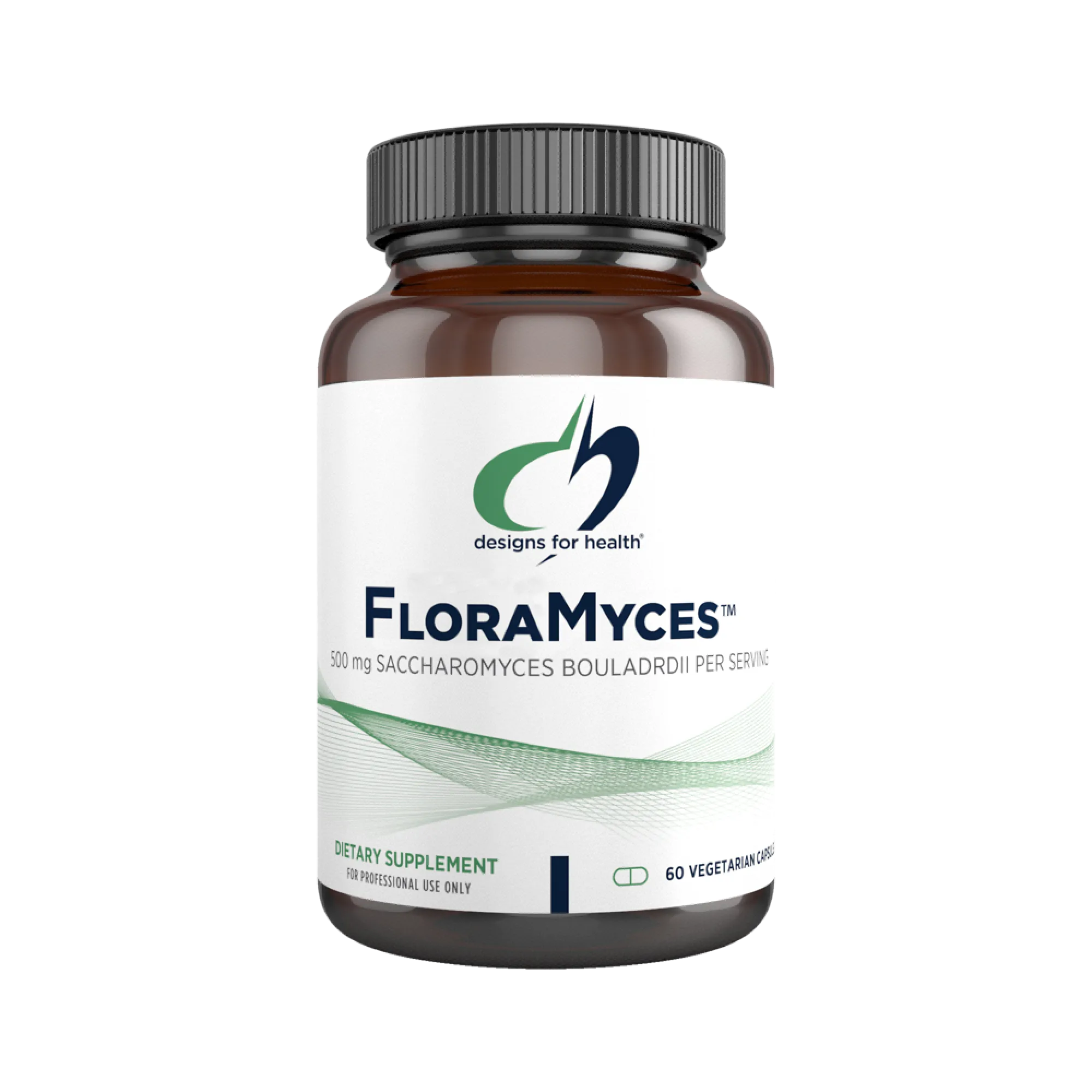
For patients navigating these invisible illnesses, the resulting gut dysbiosis and intestinal permeability—often referred to as "leaky gut"—can create a vicious cycle of systemic inflammation and immune hyper-reactivity. Traditional bacterial probiotics are frequently recommended, but they can sometimes exacerbate symptoms, particularly in patients dealing with histamine intolerance or small intestinal bacterial overgrowth (SIBO). This is where a unique, clinically researched probiotic yeast called Saccharomyces boulardii enters the conversation. Found in targeted supplements like FloraMyces™, this non-pathogenic yeast offers a distinct mechanism of action, working to actively repair the gut barrier, neutralize toxins, and modulate the immune response without adding to the body's histamine burden. In this comprehensive guide, we will explore the science behind Saccharomyces boulardii, how it interacts with the complex pathophysiology of Long COVID and MCAS, and why it has become a cornerstone in functional gastrointestinal recovery.
TL;DR
Long COVID and chronic illnesses often disrupt the gut microbiome, driving systemic inflammation and debilitating symptoms.
Saccharomyces boulardii is a unique probiotic yeast that supports gut barrier repair and immune function.
It may help manage histamine intolerance, leaky gut, and antibiotic-associated GI damage without adding histamine.
Consistent daily dosing is required, and it can be safely taken alongside antibacterial medications.
What is Saccharomyces boulardii?
When most people think of probiotics, they picture bacterial strains like Lactobacillus or Bifidobacterium. However, Saccharomyces boulardii (S. boulardii) is entirely different; it is a non-pathogenic, transient probiotic yeast. Originally isolated from lychee and mangosteen fruit in the 1920s by French scientist Henri Boulard, this unique microorganism has since become one of the most extensively researched probiotics in the world. Because it is a yeast (specifically a strain related to Saccharomyces cerevisiae, often designated clinically as CNCM I-745), its cellular structure and biological behavior differ fundamentally from bacterial probiotics. This fungal nature grants it natural resistance to antibacterial antibiotics, allowing it to survive and function in the gut even when a patient is actively undergoing antibiotic therapy.
At the molecular level, S. boulardii is classified as a transient colonizer. This means that unlike native gut bacteria that take up permanent residence in the intestinal tract, this yeast does not permanently graft onto the gut wall. Instead, it acts as a biological temporary worker. It enters the gastrointestinal system, performs highly specific metabolic and immunological tasks, and is then naturally eliminated from the body within a few days of stopping supplementation. During its transit, it exerts profound "trophic" (nutritional and growth-promoting) effects on the intestinal lining, helping to restore the native microbiome environment so that beneficial bacteria can naturally repopulate.
One of the primary challenges with oral probiotic supplementation is ensuring that the live microorganisms actually survive the journey through the human digestive tract. The stomach is an incredibly hostile environment, characterized by highly acidic gastric juices designed to break down food and destroy invading pathogens. Following the stomach, the small intestine introduces bile salts and digestive enzymes, which further degrade many standard bacterial probiotic strains before they can reach the colon where they are needed most. S. boulardii, however, is exceptionally robust and uniquely adapted to withstand these harsh internal conditions.
Research demonstrates that S. boulardii possesses a thick, complex cell wall composed of glucans, mannoproteins, and chitin, which provides a formidable physical shield against gastric acid and bile degradation. Furthermore, its optimal growth temperature is 37°C (98.6°F), which perfectly matches normal human core body temperature. This allows the yeast to remain highly metabolically active as it travels through the gastrointestinal tract. Because it does not require refrigeration to maintain its viability, formulations like FloraMyces™ ensure that a high concentration of live, active cells successfully reaches the lower intestine to exert their therapeutic effects.
Once S. boulardii reaches the intestinal lumen (the hollow space inside the intestines), it deploys multiple mechanisms to protect the host. Its luminal action involves acting as a biological decoy and an antimicrobial agent. The surface of the yeast is highly "sticky" to certain pathogenic bacteria, such as Escherichia coli and Salmonella. These harmful bacteria bind to the yeast's cellular surface instead of adhering to the patient's intestinal wall, and are subsequently flushed out of the body during normal bowel movements. Additionally, S. boulardii is often described as secreting enzymes that help neutralize certain bacterial toxins in the gut lumen.
Simultaneously, the yeast exerts powerful trophic effects on the intestinal mucosa. It secretes polyamines—specifically spermine and spermidine—which are essential organic compounds that regulate cellular growth and differentiation. These polyamines directly stimulate the enterocytes (the cells lining the intestines) to accelerate their maturation and repair processes. This enzymatic stimulation also increases the production of brush-border enzymes like lactase and sucrase, which dramatically improves the gut's ability to digest and absorb nutrients. By repairing the physical structure of the gut lining and neutralizing luminal toxins, S. boulardii sets the stage for profound gastrointestinal healing.
How Long COVID and Chronic Illness Impact the Gut Microbiome
To understand why gastrointestinal support is critical for complex chronic illnesses, we must examine how conditions like Long COVID fundamentally alter the gut microbiome. When the SARS-CoV-2 virus enters the body, it frequently binds to ACE2 receptors, which are highly concentrated in the lining of the small intestine. This direct viral invasion, combined with the intense systemic inflammatory response, heavily disrupts the delicate balance of the gut flora. Recent studies indicate that patients with Long COVID suffer from a severe depletion of beneficial, short-chain fatty acid (SCFA)-producing bacteria, such as Faecalibacterium prausnitzii and Bifidobacterium. Concurrently, opportunistic pathogens are allowed to overgrow, creating a state of severe gut dysbiosis.
This dysbiosis does not resolve on its own once the acute infection clears. Instead, it triggers what researchers call the "Immunity Dysregulation Dysbiosis Cycle" (IDDC). In this cycle, the lack of beneficial bacteria deprives the immune system of essential regulatory signals, leading to persistent, low-grade systemic inflammation. The immune system remains locked in a hyper-vigilant state, continuously producing pro-inflammatory cytokines like IL-6 and TNF-alpha. This ongoing immune dysregulation is a primary driver of the debilitating fatigue, brain fog, and post-exertional malaise (PEM) that characterize both Long COVID and myalgic encephalomyelitis/chronic fatigue syndrome (ME/CFS).
The chronic inflammation driven by dysbiosis physically damages the intestinal barrier, leading to increased intestinal permeability, commonly known as "leaky gut." In a healthy body, the cells of the intestinal lining are held tightly together by complex protein structures called tight junctions. These junctions act as a highly selective filter, allowing essential nutrients to pass into the bloodstream while keeping bacteria, toxins, and undigested food particles safely contained within the digestive tract. However, in conditions like ME/CFS and Long COVID, viral-induced endothelial senescence and chronic inflammation cause these tight junctions to break apart.
When the gut barrier becomes permeable, lipopolysaccharides (LPS)—toxic structural components of gram-negative bacteria—leak directly into the systemic circulation. This phenomenon, known as metabolic endotoxemia, triggers a massive immune response. The immune system identifies these leaked particles as dangerous invaders, launching a systemic inflammatory cascade that affects every organ in the body, including the brain. This gut-brain axis disruption is heavily implicated in the severe neuroinflammation and cognitive dysfunction experienced by patients. Repairing this physical barrier is absolutely essential for halting the systemic inflammatory loop and managing Long COVID symptoms.
For many patients with complex chronic illnesses, gut dysbiosis directly fuels mast cell activation syndrome (MCAS) and histamine intolerance. Mast cells are immune sentinels heavily concentrated in the mucosal lining of the gastrointestinal tract. When the gut is inflamed, dysbiotic, and permeable, these mast cells become hypersensitive and begin to degranulate inappropriately, releasing massive amounts of histamine and other inflammatory mediators into the surrounding tissues. This localized histamine release causes severe gastrointestinal symptoms such as bloating, cramping, and unpredictable bowel habits, while systemic histamine absorption leads to flushing, tachycardia, and neurological distress.
Complicating matters further, the dysbiotic gut often loses its ability to produce diamine oxidase (DAO), the primary enzyme responsible for breaking down extracellular histamine. Furthermore, many opportunistic bacteria that overgrow during dysbiosis naturally produce histamine as a metabolic byproduct, constantly adding to the patient's overall "histamine bucket." This creates a scenario where the patient is producing too much histamine, absorbing too much histamine through a leaky gut barrier, and lacking the enzymatic tools to clear it. Finding a therapeutic intervention that can repair the gut without adding to this histamine burden is a critical challenge in managing MCAS and dysautonomia.
Saccharomyces boulardii: Supporting Gut Barrier and Immune Function
One of the most profound and clinically significant mechanisms of Saccharomyces boulardii is its ability to powerfully stimulate the production of Secretory Immunoglobulin A (sIgA). sIgA is the primary antibody found in mucosal secretions across the body, acting as the gastrointestinal tract's first line of immune defense. It works by binding to invading pathogens and toxins, neutralizing them before they can adhere to the intestinal epithelium and cause damage. In many patients with chronic viral illnesses and prolonged gut inflammation, sIgA levels become severely depleted, leaving the gut vulnerable to continuous pathogenic insult.
S. boulardii directly interacts with the gut-associated lymphoid tissue (GALT) to upregulate sIgA synthesis. Furthermore, the yeast heavily enhances the production of the Secretory Component (SC), a protein that binds to IgA to protect it from being degraded by harsh digestive enzymes. By restoring robust sIgA levels, S. boulardii effectively rebuilds the gut's localized immune shield, helping to protect the systemic immune system from constantly having to fight off translocating pathogens.
While S. boulardii does not produce short-chain fatty acids (SCFAs) directly, it acts as a powerful metabolic catalyst for the native microbiome. Through its trophic effects, the yeast alters the metabolic profile of the gut environment, indirectly stimulating the remaining beneficial bacteria to dramatically increase their production of SCFAs, particularly butyrate and propionate. Recent studies highlight that butyrate is the primary energy source for colonocytes (the cells making up the colon lining) and is absolutely critical for maintaining the physical integrity of the intestinal barrier.
By boosting butyrate levels, S. boulardii facilitates the repair of the tight junction proteins, specifically zonula occludens-1 (ZO-1) and occludin. This physical sealing of the gut barrier directly counteracts the "leaky gut" phenomenon seen in Long COVID and ME/CFS. As the barrier becomes less permeable, the translocation of toxic lipopolysaccharides (LPS) into the bloodstream is halted. This effectively cuts off the fuel supply for systemic metabolic endotoxemia, allowing the overactive immune system to finally begin downregulating its inflammatory response.
Beyond physical barrier repair, S. boulardii exerts direct anti-inflammatory effects on the host's immune pathways. The yeast produces a specific anti-inflammatory molecule known as Saccharomyces Anti-Inflammatory Factor (SAIF). This factor actively inhibits the activation of nuclear factor-kappa B (NF-κB) and mitogen-activated protein kinases (MAPK), which are the primary genetic transcription factors responsible for triggering cellular inflammation. By blocking these pathways at the molecular level, S. boulardii may help inhibit the local immune cells from releasing pro-inflammatory cytokines.
Clinical data shows that the presence of S. boulardii significantly reduces the synthesis of damaging cytokines such as IL-8, TNF-α, IFN-γ, and IL-6. Simultaneously, it activates PPAR-γ, a nuclear receptor that actively protects the gut tissue from inflammatory damage. For patients dealing with the systemic cytokine storms associated with Long COVID pathogenesis, this localized dampening of inflammation in the gut is crucial. It helps break the Immunity Dysregulation Dysbiosis Cycle (IDDC), reducing the overall inflammatory burden on the central nervous system and cardiovascular system.
For patients with MCAS and histamine intolerance, S. boulardii offers a unique therapeutic advantage over bacterial probiotics: it is a non-histamine producer that actively helps clear existing histamine. Because it lacks the histidine decarboxylase enzyme, it cannot convert dietary histidine into histamine.
By actively upregulating the expression and activity of DAO in the gut lining, S. boulardii provides the body with the enzymatic tools required to break down excess extracellular histamine. Furthermore, the yeast upregulates Intestinal Alkaline Phosphatase (IAP), an enzyme that dephosphorylates and neutralizes the LPS toxins that trigger mast cell degranulation. By simultaneously reducing mast cell triggers, avoiding histamine production, and increasing histamine degradation, S. boulardii serves as a highly targeted, safe intervention for stabilizing the gut in MCAS patients.
Symptoms Saccharomyces boulardii May Help Manage
Chronic Diarrhea and Loose Stools: S. boulardii secretes specific enzymes that neutralize bacterial toxins and improves fluid absorption by stimulating brush-border enzymes, significantly reducing the frequency and severity of diarrhea.
Antibiotic-Associated GI Damage: Because it is naturally resistant to antibacterial drugs, taking the yeast alongside necessary antibiotics helps protect the native microbiome and stops opportunistic pathogens from causing secondary infections.
Bloating and Abdominal Discomfort: By shifting the microbiome away from gas-producing pathogenic bacteria and reducing localized mucosal inflammation, the yeast helps alleviate the severe bloating often seen in post-viral dysbiosis.
Leaky Gut Symptoms: By indirectly boosting butyrate production, S. boulardii helps repair tight junction proteins (ZO-1 and occludin), sealing the intestinal barrier and helping to reduce the systemic leakage of undigested food particles.
Histamine Intolerance Flares: Unlike many bacterial probiotics, S. boulardii does not produce histamine; instead, it upregulates the body's natural production of diamine oxidase (DAO), helping to rapidly degrade excess histamine in the gut.
Mast Cell Activation: By neutralizing lipopolysaccharides (LPS) and binding to specific mycotoxins that trigger immune sentinels, the yeast helps calm hyper-reactive mast cells in the gastrointestinal mucosa.
Frequent Infections: By powerfully upregulating the production of Secretory IgA (sIgA), S. boulardii restores the gut's localized immune shield, helping the body neutralize incoming pathogens before they can establish an infection.
Brain Fog and Neuroinflammation: By repairing the gut barrier and halting the leakage of endotoxins into the bloodstream, the yeast reduces the systemic inflammatory signals that cross the blood-brain barrier and cause cognitive dysfunction.
Anxiety and Mood Disturbances: The gut-brain axis is heavily influenced by microbiome health; clinical trials show that stabilizing the gut environment with S. boulardii can significantly reduce anxiety scores and irritability associated with chronic illness.
Post-Exertional Malaise (PEM): While not a direct cure for PEM, reducing the massive energy drain caused by chronic gut inflammation and immune hyper-vigilance allows the body to redirect cellular energy toward healing and daily function.
Practical Considerations: Forms, Dosing, and Absorption
When discussing the "bioavailability" of a living microorganism like Saccharomyces boulardii, we are referring to its ability to survive the digestive tract and exert local effects, rather than its absorption into the bloodstream. S. boulardii is strictly a luminal agent; it is not absorbed systemically. Instead, it is highly resilient to stomach acid and bile, allowing viable yeast cells to reach the colon intact. Once daily oral dosing begins, pharmacokinetic studies show that it rapidly achieves a steady-state, high concentration in the colon, usually within just three days of initial supplementation.
Because S. boulardii is a transient colonizer, it does not permanently graft into the human gut microbiome. After a patient stops taking the supplement, the yeast is rapidly cleared from the intestines and completely eliminated in the feces within 2 to 5 days. This transient nature means that consistent, daily dosing is required to maintain its therapeutic benefits, especially during the active phases of gut repair or while undergoing antibiotic therapy. Formulations like FloraMyces™ are specifically designed as lyophilized (freeze-dried) powders that do not require refrigeration, ensuring maximum viability upon ingestion.
Dosing for S. boulardii is highly dependent on the specific clinical goal, but it is typically measured in both milligrams and colony-forming units (CFUs). A standard therapeutic dose, such as that provided by FloraMyces™, is 500 mg per serving, which yields approximately 10 billion viable cells at the time of manufacture. For general gastrointestinal support and microbiome balancing in chronic conditions like Long COVID, a standard protocol often involves taking 250 mg to 500 mg once or twice daily. Because it survives gastric acid so well, it can generally be taken with or without food, though taking it alongside a meal may further buffer it against stomach acidity.
When used specifically to support against antibiotic-associated gastrointestinal damage, timing is crucial. Clinical data suggests that S. boulardii therapy should ideally begin within 48 hours of starting the antibiotic regimen and continue for at least one to two weeks after the antibiotic course is finished. For patients with Mast Cell Activation Syndrome (MCAS), practitioners often recommend a "low and slow" approach. Because the yeast effectively kills off pathogenic bacteria and Candida, rapid die-off (a Herxheimer reaction) can temporarily release toxins that trigger mast cells. Opening a capsule and starting with a fraction of the powder allows the body to adjust without triggering a severe histamine flare.
While S. boulardii has an exceptionally strong safety profile for the general population and is well-tolerated for long-term use, there are critical safety contraindications that must be strictly observed. The most severe risk associated with this probiotic yeast is fungemia—a fungal bloodstream infection. Because of this risk, leading medical and regulatory bodies strongly contraindicate the use of S. boulardii in critically ill patients, severely immunocompromised individuals, and anyone with a central venous catheter (CVC) or port. In these highly vulnerable populations, the yeast can potentially translocate from the gut or contaminate the catheter line.
For the vast majority of ambulatory patients dealing with Long COVID, ME/CFS, or dysautonomia, these severe risks do not apply. However, it is always essential to consult with a healthcare provider before introducing a new biological agent. Common, mild side effects are generally limited to transient gastrointestinal adjustments, such as temporary gas, bloating, or changes in bowel habits as the microbiome begins to shift and pathogenic organisms are cleared out. Additionally, individuals with a known, diagnosed allergy to yeast or Saccharomyces cerevisiae should strictly avoid this supplement.
The unique fungal nature of S. boulardii dictates its specific drug interactions, which differ significantly from those of standard bacterial probiotics. The most important interaction to be aware of is with systemic or oral antifungal medications, such as fluconazole, ketoconazole, or nystatin. Because S. boulardii is a yeast, concurrent use of these antifungal drugs will actively suppress or kill the probiotic, severely reducing or outright negating its clinical efficacy. If a patient requires antifungal therapy, S. boulardii supplementation should generally be paused or carefully managed by a physician.
Conversely, S. boulardii has an incredibly beneficial relationship with antibacterial medications. It is naturally resistant to all standard antibiotics. This allows the yeast to be taken simultaneously with antibiotics without the need to space out the doses by several hours—a major advantage over bacterial probiotics like Lactobacillus, which are easily destroyed if taken too close to an antibiotic dose. Furthermore, pharmacokinetic animal studies have demonstrated that administering S. boulardii concurrently with antibiotics like amoxicillin does not negatively alter the absorption, half-life, or peak concentration of the medication, ensuring the antibiotic remains fully effective while the gut is protected.
Follow the Science: Clinical Trials and Research
The clinical investigation into Saccharomyces boulardii has expanded significantly in the wake of the pandemic, particularly regarding its role in managing post-viral dysbiosis.
Beyond acute infection, researchers are increasingly interested in whether targeted synbiotic formulations containing S. boulardii alongside specific Bifidobacterium strains could help address prolonged Long COVID symptoms, given the established gut-brain axis connection between microbiome stabilization and neuro-inflammatory symptom relief.
While "leaky gut" is often discussed in functional medicine, rigorous clinical trials have validated S. boulardii's ability to repair intestinal permeability in severe inflammatory conditions. In a benchmark study involving patients with Crohn's disease in clinical remission, researchers measured intestinal permeability using the lactulose/mannitol ratio—a strict clinical marker for barrier integrity. Patients who received S. boulardii (200 mg every 8 hours for 3 months) experienced a significant 33.3% decrease in intestinal permeability. In stark contrast, the placebo group saw their intestinal permeability worsen over the same period.
This barrier-repairing capability is currently the subject of ongoing, high-level clinical investigation. A Phase 1 clinical trial (NCT05538247) conducted by the Mayo Clinic is directly investigating S. boulardii's effect on intestinal barrier function in healthy adults. By using NSAIDs to chemically induce acute gut hyperpermeability, researchers are evaluating how effectively oral supplementation with the yeast can counteract this damage using advanced in vivo multi-sugar permeability tests. These rigorous studies continue to solidify S. boulardii's reputation as a frontline therapeutic agent for restoring the physical integrity of the gastrointestinal tract.
The most extensively documented clinical application of S. boulardii is its ability to reduce the risk of antibiotic-associated diarrhea (AAD) and opportunistic infections. A massive systematic review and meta-analysis of randomized controlled trials (RCTs) analyzed data from thousands of patients undergoing antibiotic therapy. The analysis revealed that co-administration of S. boulardii reduced the relative risk of developing AAD by a staggering 53%. By maintaining the ecological balance of the gut while the antibiotics cleared the primary infection, the yeast helped mitigate the severe dysbiosis that often leads to prolonged chronic illness.
Furthermore, subgroup analyses of these clinical trials demonstrated that S. boulardii significantly reduced the risk of Clostridioides difficile infections, one of the most dangerous complications of heavy antibiotic use. By secreting specific proteases that digest C. diff Toxins A and B, and by upregulating targeted sIgA antibodies, the yeast provides a multi-layered defense mechanism. For patients with ME/CFS or Long COVID who frequently require antibiotics for secondary infections, utilizing S. boulardii is a deeply evidence-based strategy to protect their fragile microbiome from further devastation.
The Path Forward
Living with complex chronic conditions like Long COVID, ME/CFS, dysautonomia, and MCAS can often feel like an endless battle against invisible, unpredictable symptoms. It is incredibly validating to recognize that these symptoms are not in your head; they are deeply rooted in physiological disruptions, particularly within the gastrointestinal tract. The profound connection between gut dysbiosis, intestinal permeability, and systemic immune dysfunction is no longer just a theory—it is a heavily researched clinical reality. Understanding that a damaged gut barrier is driving systemic inflammation provides a clear, actionable target for therapeutic intervention and long-term symptom management.
While there is no single miracle cure for these intricate illnesses, restoring the integrity of the gut microbiome is a foundational step toward reclaiming your health. By addressing the root causes of metabolic endotoxemia and localized histamine overload, patients can begin to break the vicious Immunity Dysregulation Dysbiosis Cycle. Saccharomyces boulardii offers a unique, scientifically backed tool in this process. Its ability to survive the harsh gastric environment, neutralize toxins, upregulate protective sIgA, and repair tight junctions without adding to the body's histamine burden makes it an invaluable ally in the journey toward gastrointestinal recovery.
It is important to remember that targeted supplements like FloraMyces™ are most effective when integrated into a comprehensive, personalized management strategy. Repairing the gut requires patience and a multi-faceted approach that may include dietary modifications, nervous system regulation, pacing to manage post-exertional malaise, and careful symptom tracking. Because every patient's microbiome and immune system are unique, the journey to finding the right balance can take time. Always consult with a knowledgeable healthcare provider before starting any new supplement, especially if you are managing severe immune dysregulation or taking prescription medications.
At RTHM, we are committed to providing you with the clinical insights and high-quality tools necessary to navigate the complexities of chronic illness. By leveraging the latest medical research and targeted therapeutics like Saccharomyces boulardii, we aim to support your body's natural healing pathways and improve your overall quality of life. If you are struggling with post-viral GI symptoms, histamine intolerance, or suspected leaky gut, exploring specialized probiotic support may be a vital step forward.